
2027 How Many Credits Do You Need for a Sociology Bachelor's Degree?

Co-Founder and Chief Data Scientist
Before choosing a sociology bachelor's program, students need one practical number: how many credits they must earn before graduation. That number affects tuition, transfer planning, course load, financial aid status, and how long it will take to finish the degree.
According to the National Center for Education Statistics, an average of 120 credit hours is required for most bachelor's degrees, including sociology. The final requirement can change by school, concentration, transfer policy, elective choices, and whether the program accepts CLEP exams, DSST exams, prior learning assessments, or military training credits.
This guide explains how sociology bachelor's degree credits are typically structured, how online and campus-based programs compare, when students may be able to reduce the number of credits they still need to take, and how to avoid paying for courses that do not move them closer to graduation.
Key Benefits of Knowing the Number of Credits Needed for a Sociology Bachelor's Degree
- Knowing the total credits required for a sociology bachelor's degree helps estimate tuition costs and duration, aiding budget planning and minimizing student debt.
- Understanding how credits divide among general education, major courses, and electives allows smarter course selection to enhance career readiness.
- Policies on transfer credits and exams can reduce paid credits, accelerating graduation and saving time and money for cost-conscious sociology students.
How Many Total Credit Hours Are Required to Earn a Sociology Bachelor's Degree?
Most sociology bachelor's degrees in the United States require approximately 120 semester credit hours. That total normally includes general education courses, sociology major requirements, and electives. The 120-credit model is the common planning baseline used by many regionally accredited institutions, but students should always confirm the exact number in the official academic catalog for the school they plan to attend.
Some sociology programs require more than the baseline. Average credit requirements can range from 124 to 128 credit hours when programs include additional research methods courses, writing-intensive requirements, internships, specialized electives, or institution-specific graduation requirements.
- University of Michigan: Requires a minimum of 120 total credits, including general education, sociology major coursework, and electives.
- University of Florida: Requires 122 credits that combine liberal arts coursework with sociology study and experiential learning.
- Ohio State University: Requires 124 credits across sociology courses, electives, and general education.
- University of Washington: Requires 128 total credits, reflecting a curriculum that includes writing-intensive coursework and research projects.
The credit total matters because tuition is often charged by the credit. For example, a program with 124 credits at $400 per credit totals about $49,600 before fees, books, housing, or other costs. Even a small difference in required credits can affect the overall price of the degree.
Students may be able to reduce the number of credits they still need to complete at the degree-granting institution through transfer credits, CLEP exams, prior learning assessments, and military training credits. These options do not always reduce the total number of credits required for the degree; instead, they may reduce how many new credits the student must pay for and complete after enrollment.
Pacing also affects the graduation timeline. A full-time student taking 15 credits per semester can complete a 120-credit sociology degree in about four years. Students who enroll part time may need longer, while those who use summer terms, accelerated formats, or accepted prior credits may finish sooner. Students considering future graduate study can also compare long-term academic pathways, including an online doctorate, when planning how much education they may ultimately need.
What Is the Standard Credit Distribution Between General Education and Sociology Major Coursework?
A sociology bachelor's degree typically requires between 120 and 130 credit hours. Those credits are usually divided into three categories: general education, sociology major coursework, and electives. Understanding this distribution helps students see which credits are fixed, which may transfer easily, and which can be used strategically for career or graduate school goals.
- General education credits: These usually account for 30 to 45 credits. Courses often include English, math, natural sciences, humanities, social sciences, and communication. For instance, the University of California mandates around 40 general education credits before students move deeply into major-specific study.
- Sociology major coursework: Major credits generally range from 30 to 50 credit hours. Programs such as Michigan State University often require introductory sociology, social theory, research methods, statistics, and upper-division electives before students can complete specialized courses.
- Elective credits: Electives often make up the remaining 30 to 40 credits. These courses can support a minor, concentration, internship preparation, graduate school prerequisites, or related fields such as criminology, family studies, psychology, public policy, or data analysis.
For transfer students, the distinction between these categories is important. General education credits are often easier to transfer when the previous institution is accredited and the courses match the receiving school's requirements. Sociology major courses may require a closer equivalency review because departments want to confirm that the transferred course covers the same theory, methods, or level of study.
Before enrolling, students should review the school's curriculum map, sample four-year plan, transfer guide, and articulation agreements. These documents show how credits apply by category and can prevent a common mistake: transferring many credits but discovering that too few count toward the sociology major or graduation requirements.
Students should also ask whether the program accepts CLEP exams, DSST exams, prior learning assessments, or military training credits. These options may be most useful for general education or elective requirements, though acceptance rules vary by school. Students comparing flexible undergraduate options may also find it useful to review how a bachelor of psychology online programs structures credits, since psychology and sociology degrees often share similar general education and social science planning issues.
How Do Credit Requirements for an Online Sociology Bachelor's Degree Compare to On-Campus Programs?
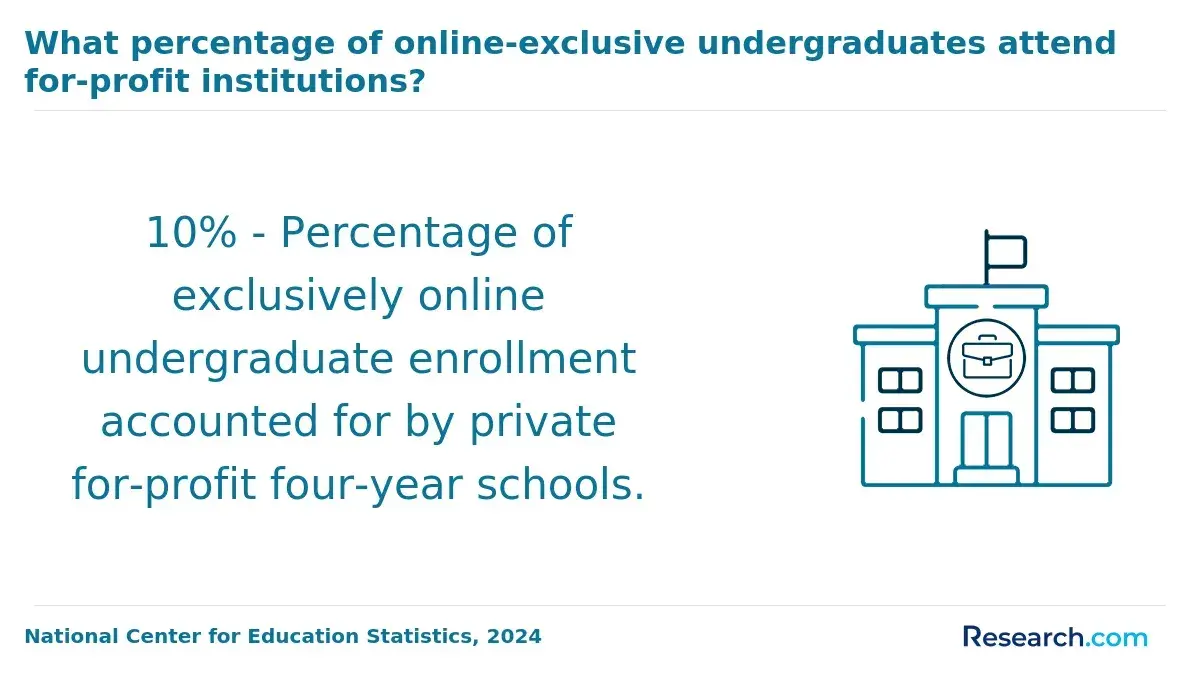
Online and on-campus sociology bachelor's programs usually require the same total number of credits, typically between 120 and 130 credits. The delivery format changes how students attend class, submit work, and manage schedules; it usually does not reduce the academic credit requirement.
This consistency exists because credit hours are tied to course content, learning outcomes, and academic expectations rather than whether a class meets in person or online. A regionally accredited online sociology degree should therefore cover the same core areas as a campus program, including social theory, research methods, statistics, social inequality, and upper-division sociology electives.
- Credit hour consistency: Online and campus programs generally require similar totals, which helps maintain comparable academic standards.
- Competency-based progression: Some online programs use competency-based education, allowing students to move ahead by demonstrating mastery rather than following only a traditional seat-time model.
- Flexible scheduling: Asynchronous classes, multiple start dates, and accelerated terms can make the degree more manageable for working adults, parents, and transfer students.
- Transfer and prior learning policies: Online programs that serve adult learners may be more familiar with transfer credits, CLEP exams, military credits, and prior learning assessments.
- Workload differences: Online flexibility does not mean lighter coursework. Short terms can compress readings, discussion posts, exams, and research assignments into a faster pace.
The main advantage of an online sociology bachelor's degree is scheduling flexibility, not a lower credit requirement. Students should compare programs by accreditation, transfer acceptance, tuition per credit, term length, faculty access, internship options, and whether the degree transcript distinguishes online study from campus study.
One professional who pursued an online sociology bachelor's degree described the biggest challenge as balancing deadlines with full-time employment. He said, "Managing deadlines while working nights required careful planning, but the flexibility of the online format made it possible." He also noted that prior work experience credit evaluations reduced his course load: "It felt rewarding to have my background recognized, speeding up my path to graduation."
Which Sociology Bachelor's Programs Allow Students to Complete the Degree With Fewer Than 120 Credits?
Students should be cautious with any claim that a sociology bachelor's degree can be completed with fewer than 120 total credits. In most U.S. bachelor's programs, the degree still requires about 120 total earned credits. What may be reduced is the number of new credits a student must complete at the institution after transfer credits, exam credits, military credits, or prior learning credits are applied.
The most realistic options are degree-completion programs and transfer-friendly sociology programs. These programs are designed for students who already have substantial college credit, such as community college graduates, former students returning to finish a degree, military learners, or adults with evaluated prior learning.
- Transfer-friendly policies: Some institutions accept a large number of community college or prior college credits toward general education and elective requirements. Depending on the student's record, completion paths can then require as few as 90 to 110 credits after accepted prior learning and transfer review.
- Military and prior learning credits: Programs serving military students or working adults may evaluate military training, workplace learning, certifications, and CLEP exams. These credits can reduce the remaining coursework a student must take.
- Competency-based and accelerated formats: Some programs allow students to progress by demonstrating mastery. This may shorten calendar time, although students still need to satisfy the school's academic credit or competency requirements.
- Focused curriculum design: Degree-completion programs may limit open electives and focus on upper-division sociology requirements, making the path more efficient for students who already completed lower-division coursework.
Before choosing a reduced-credit or accelerated path, students should verify the degree requirements in the official catalog, confirm institutional accreditation, and request a written transfer evaluation. They should also check whether the curriculum supports graduate school prerequisites, employment goals, or any fieldwork expectations connected to their intended career. Students exploring other accelerated graduate and professional pathways can compare program models with online accredited PsyD programs.
Can Transfer Credits Reduce the Total Credits Needed to Finish a Sociology Bachelor's Degree?
Transfer credits can reduce the number of new credits a student must complete at the school awarding the sociology bachelor's degree. They usually do not change the total number of credits required for the bachelor's degree itself. Instead, accepted credits are applied toward general education, major, elective, or graduation requirements.
Most accredited sociology programs review transcripts from community colleges, four-year institutions, and international universities. The review typically considers course content, credit level, grades earned, accreditation status of the previous institution, and whether the course matches a requirement in the new program.
- Transfer credit caps: Some institutions allow up to 60 or even 90 transfer credits. This can substantially reduce remaining coursework, tuition, and time to completion.
- Minimum grade requirements: Many schools require a grade of C or better for transfer eligibility.
- Course equivalency reviews: A transferred course may count as a direct sociology equivalent, a general education course, an elective, or no applicable credit, depending on content and level.
- Lower-division credit limits: Schools may limit how many freshman- and sophomore-level credits can apply to upper-division sociology major requirements.
- Residency requirements: Even transfer-friendly schools usually require students to complete a certain number of credits through the degree-granting institution.
The best time to evaluate transfer credit is before enrollment. Students should request an official or preliminary credit evaluation, provide all transcripts, and bring course descriptions or syllabi for sociology classes that may need departmental review. A written evaluation is especially important for students comparing multiple schools by cost and time to graduation.
A professional who completed her sociology bachelor's degree said the transfer process was stressful at first but valuable once she met with an advisor. She recalled feeling relieved when many community college credits transferred and helped her graduate sooner than expected. She described the transfer evaluation meeting as crucial because "having detailed conversations with the advisor opened up options I hadn't considered."
How Do CLEP, DSST, and Prior Learning Assessments Count Toward Sociology Bachelor's Degree Credits?
CLEP exams, DSST exams, and prior learning assessments can help students earn credit for knowledge they already have. These options are most commonly applied to general education requirements, lower-division courses, or electives, though some programs may allow certain credits to apply toward sociology-related requirements.
The College Level Examination Program (CLEP) and DANTES Subject Standardized Tests (DSST) are proctored exams. Students who meet a school's required score may receive college credit without taking the equivalent course. Exams in social sciences, psychology, and introductory sociology concepts are often the most relevant for sociology students.
- CLEP and DSST credit limits: Many programs allow up to 30 credits from these exams, while some policies allow between 30 to 45 credits. Students must confirm the exact limit with the school.
- Adult learner policies: Public universities, online colleges, and programs designed for transfer students often have clearer policies for exam credit and prior learning credit.
- Prior learning assessment: PLA may include portfolio review, challenge exams, or ACE-recommended evaluations of military and workplace training.
- ACE recommendations: The American Council on Education reviews many nontraditional learning experiences and provides credit recommendations that colleges may use when evaluating PLA credit.
- Documentation: Students should collect transcripts, exam score reports, military records, certifications, job training records, and portfolio materials before requesting evaluation.
Research shows that over 70% of colleges nationwide now grant credit for CLEP, DSST, or PLA methods. However, acceptance is never automatic. A school may accept the credit as elective credit but not as a substitute for a required sociology methods, statistics, or theory course. Students should ask where each credit will apply before paying for exams or portfolio evaluations.
What Is the Role of Elective Credits in a Sociology Bachelor's Degree Program?
Elective credits give sociology students room to shape the degree around their goals. After completing general education and required sociology courses, students can use electives to build practical skills, prepare for graduate study, complete a minor, or explore a related field.
Electives are not “extra” in the sense of being optional for graduation. They are usually part of the total credit requirement. The key is to choose electives that add value rather than filling space on a transcript.
- Career alignment: Students interested in criminal justice, nonprofit work, social services, policy analysis, education, or research can choose electives that build relevant knowledge.
- Skill development: Courses in statistics, data analysis, writing, public policy, geographic information systems, grant writing, or program evaluation can make the sociology degree more applied.
- Graduate school preparation: Students planning master's or doctoral study should use electives to meet prerequisites and strengthen research preparation.
- Minor or certificate planning: Electives can support a formal minor or certificate if the courses are chosen early enough to fit the degree plan.
- Cost control: Because electives still carry tuition costs, students should avoid taking credits that do not apply to graduation requirements or clear academic goals.
Over 60% of sociology undergraduates report using electives to develop skills in data analysis and policy evaluation, reflecting employer demand for quantitative and applied sociology expertise. Students should review elective choices with an advisor before registration, especially if they are near graduation or receiving financial aid that only covers degree-applicable courses.
How Many Credits per Semester or Term Do Most Sociology Bachelor's Students Typically Take?
Most sociology bachelor's students take between 12 and 15 credits per semester. At many institutions, 12 credits is the minimum for full-time enrollment. Taking fewer than 12 credits usually means the student is considered part time, which can affect financial aid, housing eligibility, athletic eligibility, and time to graduation.
A student who completes 15 credits per semester can finish a 120-credit degree in approximately four years without summer courses. A student who takes 12 credits per semester may need additional terms unless they bring in transfer credits, use summer sessions, or apply exam or prior learning credits.
- Full-time enrollment: At least 12 credits per term is commonly required for full-time status, but 15 credits per semester is often the pace needed to finish a 120-credit degree in four years.
- Part-time enrollment: Part-time study offers flexibility for students balancing work, caregiving, or other obligations, but it usually extends the graduation timeline.
- Accelerated terms: Shorter formats, such as 8-week blocks, can help students complete credits faster but require strong time management.
- Overloading risks: Taking more than 15 credits may increase stress and reduce academic performance, especially when courses include research papers, statistics assignments, or fieldwork.
- Credit reduction options: Transfer credits, CLEP exams, prior learning assessments, and military training credits can lower the number of credits a student still needs to complete and pay for.
Recent data shows nearly 40% of undergraduate students attend part-time at some point. That makes flexible pacing especially important for sociology students who are working adults, caregivers, community college transfers, or returning students. Students exploring broader career options may also compare related graduate pathways, including MBA programs in operations management.
Are Credit Requirements for a Sociology Bachelor's Degree Affected by the School's Accreditation Type?
Accreditation can affect credit transfer, financial aid eligibility, employer recognition, and graduate school options. It may also influence how credit hour policies are structured and reviewed. For sociology students, accreditation should be checked before applying, not after credits have already been earned.
Regionally accredited institutions, including schools accredited by HLC (Higher Learning Commission), SACSCOC (Southern Association of Colleges and Schools Commission on Colleges), or NECHE (New England Commission of Higher Education), typically follow credit hour standards aligned with federal guidelines and common employer expectations. These programs generally require about 120 credit hours across general education, major courses, and electives.
Nationally accredited schools may use different academic models or credit structures. Credits from nationally accredited institutions may be harder to transfer into regionally accredited colleges, and some graduate schools or employers may evaluate them differently. This does not mean every nationally accredited program lacks value, but students should understand the possible limitations before enrolling.
- Regional accreditation: Usually provides the strongest transferability, graduate school recognition, and employer acceptance.
- National accreditation: May be acceptable for some career goals but can create transfer challenges if the student later moves to a regionally accredited institution.
- Transfer credit policies: Regionally accredited schools often accept credits more readily from other regionally accredited schools, especially for general education and comparable major courses.
- Verification step: Students should check the U.S. Department of Education's accreditation database before enrollment to confirm institutional accreditation.
Students should also ask how the school treats CLEP exams, prior learning assessments, military training credits, accelerated terms, and transfer credits. These policies can affect both cost and time to graduation. Students interested in accelerated degree structures in other fields can compare models such as 1 year computer science degree online options, while recognizing that sociology programs may follow different credit and curriculum rules.
How Do Credit Hour Requirements Differ Across Sociology Bachelor's Degree Concentrations or Specializations?
Sociology concentrations can change which courses students take and, in some cases, how many credits they need. A general sociology track typically requires around 120 to 130 total credit hours, with about 40 to 50 credits dedicated to major coursework. Specialized tracks may add required electives, labs, practica, research courses, or interdisciplinary classes.
- Criminology: May add coursework in forensic science, corrections, law, policing, or the justice system.
- Social Work: May include additional practicum or fieldwork hours, which can increase total requirements or reduce room for free electives.
- Urban Sociology: May require research methods, planning, policy, or community studies courses.
- Medical Sociology: Often includes health systems, inequality, population health, or research components that may add 3 to 6 credits.
- Environmental Sociology: May include interdisciplinary courses in ecology, public policy, sustainability, or environmental justice.
Changing concentrations after enrollment can increase total credits if the new track has different prerequisites or required courses. Students should run a degree audit before switching tracks to see whether the change will delay graduation or increase tuition.
Transfer credits, CLEP exams, military training credits, and prior learning assessments may reduce the number of remaining credits, but they may not replace upper-division concentration requirements. Students should confirm whether accepted credits apply to the concentration, the sociology major, general education, or electives.
According to U.S. Bureau of Labor Statistics data, concentrations like Criminology and Social Work generally provide greater salary prospects and employment growth compared to a general sociology degree. A recent 2023 report from the National Center for Education Statistics highlights a 12% increase in sociology majors pursuing applied fields such as Social Work and Public Policy. Students should still evaluate salary and job outcomes by region, employer type, education level, and experience before choosing a concentration.
What Happens If a Sociology Bachelor's Student Exceeds the Required Credits - Do Extra Credits Cost More?
Extra credits can cost more, depending on the school's tuition model and whether the credits fit within the student's degree plan. Students most often exceed the required credits because they change majors, add minors, pursue certificates, repeat courses, transfer credits that do not apply cleanly, or take electives that do not count toward graduation.
- Per-credit tuition: If the school charges by credit hour, every additional course beyond the required plan can increase the total cost.
- Flat-rate tuition: Some schools charge one full-time rate for a range of credits, often between 12 and 18 credits per semester. In that model, extra courses within the covered range may not increase tuition for that term.
- Double majors and minors: These can be valuable but often require more credits. Students should compare the career benefit with the added cost and time.
- Course repeats: Repeating a failed or low-grade course may be necessary for progression, but it can add cost and delay graduation.
- Financial aid limits: Aid may not cover courses that do not apply to a student's degree program, and excess credits can create funding issues at some institutions.
The best protection is a current degree audit. Students should review it before every registration period and meet with an academic advisor when adding a minor, changing a concentration, or transferring credits. A useful question to ask before enrolling in any extra class is: “Will this course count toward a requirement I still need?”
What Graduates Say About Knowing the Number of Credits Needed for the Sociology Bachelor's Degree
-
: "Choosing this sociology program was a game-changer for me. By understanding the exact number of credits needed for admission, I managed to earn them at the lowest possible cost, saving a significant amount on tuition. This smart approach not only minimized my student debt but also allowed me to focus on hands-on experiences that truly prepared me for the workforce.
Apollo"
-
: "Reflecting on my journey, the clarity around credit requirements helped me make smarter enrollment decisions throughout my sociology degree. It reduced unnecessary classes, so I graduated on time without borrowing more than I had to. This focus on efficiency gave me a stronger foundation to enter the field confidently and with practical skills ready for career challenges.
Aldo"
-
: "From a professional standpoint, knowing the credit prerequisites upfront was hugely beneficial. I maximized career readiness by selecting courses that aligned perfectly with my ambitions in sociology, all while keeping costs manageable. The strategic planning I practiced during enrollment has already paid off in job interviews and networking opportunities.
Micah"
Other Things You Should Know About Sociology Degrees
To earn a Sociology bachelor's degree in 2027, students generally need to complete around 120 credits. This includes core sociology courses, electives, and general education classes. Exact requirements vary by institution, so it's crucial to consult an academic advisor or specific university guidelines to clarify the program's specific layout.
In 2027, some universities may allow work experience or professional certifications to count toward credit requirements for a Sociology bachelor's degree. Each institution sets its own policies, so prospective students should consult with their chosen school's admissions office to understand the opportunities and requirements for credit recognition.
Yes, most Sociology bachelor's degree programs in 2027 include elective courses. Electives typically range from 12 to 21 credits, allowing students to tailor their education to specific interests such as cultural studies, social justice, or organizational behavior.
In 2027, core courses for a Sociology bachelor's degree often include Introduction to Sociology, Social Theory, Research Methods, and Statistics. These foundational courses ensure students gain a comprehensive understanding of sociological principles and methodologies.
References
- Bachelor of Arts in Sociology https://socsxs.sfsu.edu/bachelor-arts-sociology
- Excess Credit Surcharge at Florida Colleges and Universities https://www.floridashines.org/excess-credit-surcharge
- CLEP and DSST Exams https://www.frontrange.edu/student-experience/academic-support/testing-centers/clep-dsst.html
- Springfield College https://catalog.springfield.edu/preview_program.php
- Sociology Major Concentrations https://sociology.sas.upenn.edu/undergraduate/sociology-major-concentrations
- World's Largest platform as University Common Application https://www.planstudyabroad.uniagents.com/course-details.php
- Sociology, B.S. https://www.famu.edu/academics/all-programs/cssah/sociology-bs.php
- Alternative Credit Options/Prior Learning Assessment https://catalog.msudenver.edu/content.php
- Academic Catalog https://academic-catalog.uscupstate.edu/academic-regulations/credit-prior-learning/
- Can a Student be Cut Off from Financial Aid After Taking Too Many Credits? https://www.fastweb.com/financial-aid/articles/can-a-student-be-cut-off-from-financial-aid-after-taking-too-many-credits


