2027 How to Become a Nutritionist in North Dakota

Co-Founder and Chief Data Scientist
Choosing a nutrition career in North Dakota is not as simple as picking a degree and waiting for a job offer. The state offers opportunities in hospitals, public health, schools, rural outreach, wellness programs, food service, and private practice, but your path depends heavily on the kind of nutrition work you want to do. General wellness coaching, licensed dietetics, clinical nutrition, community nutrition, and specialized counseling can involve different education, supervision, certification, and legal expectations.
This guide explains how to become a nutritionist in North Dakota in practical terms: what education to consider, when licensure matters, how certification options compare, how long the process can take, what costs to plan for, and how to build experience that employers and clients take seriously. It also covers career growth, rural practice challenges, telehealth, interdisciplinary collaboration, and common mistakes to avoid before investing time and money in a program.
Quick Answer: How Do You Become a Nutritionist in North Dakota?
In North Dakota, the right pathway depends on whether you want to provide general nutrition guidance or practice in a regulated dietetics role. Nutritionists are not required to be licensed in every context, but professionals who want to practice as dietitians must meet requirements set by the North Dakota Board of Dietetic Practice. A typical dietitian pathway includes a bachelor's degree in nutrition, dietetics, or a related field, completion of an accredited supervised practice program, and passing the Commission on Dietetic Registration exam.
For broader credibility, nutrition professionals may also pursue credentials such as the Certified Nutrition Specialist credential through the Certification Board for Nutrition Specialists. Continuing education is important because credentialed professionals must keep skills current, renew credentials, and stay aligned with changing nutrition research, telehealth practices, and healthcare expectations.
Key Things You Should Know About Becoming a Nutritionist in North Dakota
- North Dakota does not require every person giving general nutrition guidance to hold a nutritionist license, but dietitians must be licensed through the North Dakota Board of Dietetic Practice.
- The licensed dietitian route generally requires a bachelor's degree in nutrition or a related discipline, accredited supervised practice, and a passing score on the Commission on Dietetic Registration exam.
- Nutrition professionals who want an additional credential may consider the Certified Nutrition Specialist designation from the Certification Board for Nutrition Specialists.
- Credential maintenance matters. Nutrition professionals often need continuing education units every five years to keep certifications active.
- Dietitian licensure applications require documentation of education, supervised practice, and exam completion for review by the North Dakota Board of Dietetic Practice.
- Education requirements for nutritionists in North Dakota
- Nutritionist and dietitian licensing rules in North Dakota
- Typical timeline to become a nutritionist in North Dakota
- Certification options for nutrition professionals
- Practical experience employers value
- Cost considerations for nutrition education
- Job outlook and salary expectations
- Career advancement paths
- Substance abuse counseling as a related career expansion
- Specialization options for nutritionists
- Major challenges in North Dakota nutrition practice
- Legal responsibilities and professional boundaries
- Interdisciplinary collaboration in nutrition care
- Combining nutrition expertise with nurse practitioner training
- Telehealth and digital tools in nutrition services
- Advanced healthcare credentials for nutrition professionals
- Using emerging research in evidence-based practice
- Networking and mentorship opportunities
- Adding nursing credentials to a nutrition background
- Nutritionist and pharmacist collaboration
- Billing and coding for nutrition practice management
- Long-term career growth for nutritionists in North Dakota
What are the educational requirements to become a nutritionist in North Dakota?
The education you need depends on your intended scope of practice. If you want to work in clinical dietetics, hospitals, long-term care, public health programs, or roles that require licensed dietitian credentials, you should plan for a formal nutrition or dietetics degree and supervised practice. If you want to provide general wellness education, your legal requirements may differ, but employers and clients will still look for credible academic preparation.
- Minimum degree for many professional roles: A bachelor's degree in nutrition, dietetics, human nutrition, food science, or a closely related field is the common academic foundation. This coursework helps students understand digestion, metabolism, nutrients, dietary assessment, health behavior, and food systems.
- Program accreditation: Students who plan to become dietitians should verify that their program meets the expectations for supervised practice and exam eligibility. North Dakota State University and the University of North Dakota are examples of institutions connected to nutrition and dietetics education in the state.
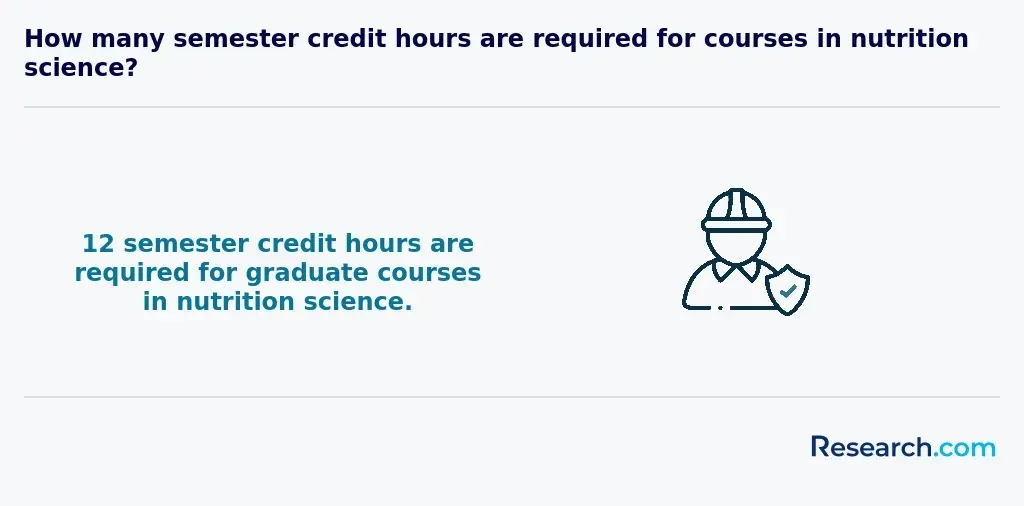
- Science coursework: Programs may include at least 15 semester hours in clinical or life sciences such as anatomy, biology, and chemistry, along with 15 semester hours in nutrition and metabolism. These courses are not just academic hurdles; they prepare students to interpret nutrition research and understand how diet affects health.
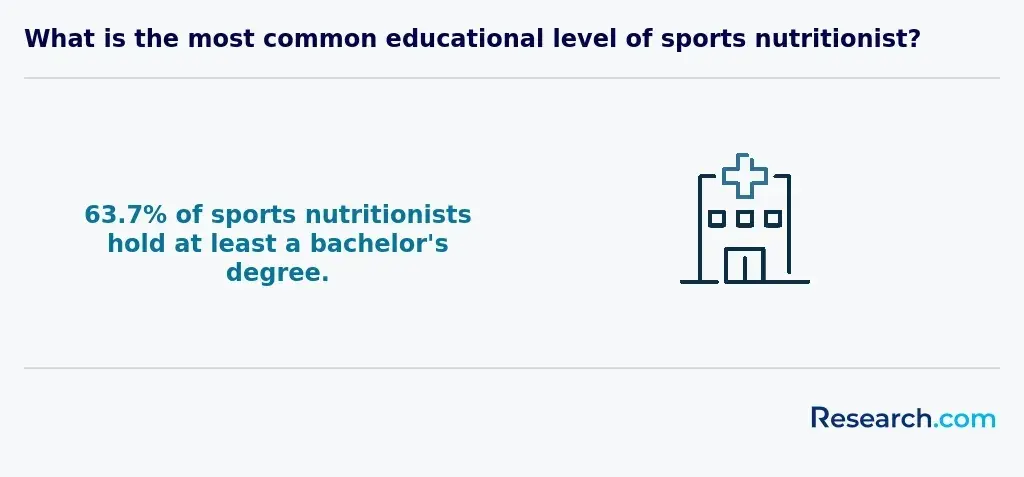
- Graduate education: A bachelor's degree can open the door to entry-level nutrition work, but a master's degree in nutrition, public health, or a related field may improve preparation for research, clinical specialization, leadership, or advanced certification. Students comparing options can use Research.com's guide on earning a nutritional science degree to understand how degree pathways differ.
| Education option | Best fit | What to verify before enrolling |
| Bachelor's degree in nutrition, dietetics, or a related field | Students seeking foundational nutrition training or a pathway toward dietetics | Accreditation status, supervised practice options, transfer policies, and whether the degree supports your credential goal |
| Master's degree in nutrition or public health | Students aiming for advanced practice, research, education, public health, or specialized nutrition roles | Admission requirements, practicum expectations, faculty expertise, and online or campus delivery format |
| Related health science degree | Students interested in wellness, exercise, community health, or interdisciplinary roles | Whether the curriculum includes enough nutrition science for your intended job or certification |
Before choosing a school, ask whether the program supports your specific end goal: licensed dietitian practice, non-licensed wellness work, graduate study, or a specialized nutrition credential. A degree can be valuable, but only if it aligns with the career and legal pathway you intend to follow.
Is there a licensing requirement to become a nutritionist in North Dakota?
North Dakota's rules require careful reading because the word “nutritionist” can be used in different ways. General nutrition guidance may not always require the same credentials as dietitian practice, but the state regulates dietitian licensure through the North Dakota Board of Dietetic Practice. Professionals should avoid assuming that an unlicensed title gives them unlimited authority to assess, diagnose, or treat nutrition-related medical conditions.
The practical takeaway is this: if your goal is clinical nutrition care, healthcare employment, medical nutrition therapy, or use of protected dietetics titles, you should prepare for the licensed dietitian pathway. That usually means completing the required degree, supervised practice, and national exam before applying to the state board.
Because anyone considering nutrition work may encounter different titles in job postings, the following comparison can help clarify the decision.
| Path | Typical purpose | Important caution |
| General nutritionist or wellness educator | May provide general food, wellness, and healthy lifestyle education depending on the setting | Must understand legal boundaries and avoid presenting services as licensed dietitian care if not licensed |
| Licensed dietitian | Works in regulated dietetics roles, healthcare settings, clinical nutrition, and supervised care environments | Must meet state licensure requirements and maintain professional standards |
| Certified Nutrition Specialist | Provides an advanced credential route for qualified nutrition professionals | Credential requirements and state rules should be checked before marketing services |
Licensing is not just paperwork. It affects what services you can offer, what titles you can use, whether employers will consider you for clinical roles, and how clients evaluate your qualifications. Before accepting clients or applying for jobs, confirm the most current requirements with the North Dakota Board of Dietetic Practice.
How long does it take to become a nutritionist in North Dakota?
The timeline can range from a few years of undergraduate study to a longer pathway involving graduate school, supervised practice, certification, and licensure. The fastest route is not always the best one; the right timeline depends on whether you want general wellness work, dietitian licensure, or an advanced nutrition credential.
- Bachelor's degree: A bachelor's degree in dietetics, nutrition, or a related field typically takes four years. This is the main academic foundation for many nutrition roles.
- Master's degree: Students who pursue a master's degree should expect about two additional years. Graduate programs may offer focus areas such as Nutrition Science or Nutrition Education and Counseling.
- Accelerated degree options: Some programs combine undergraduate and graduate coursework, allowing students to finish both degrees in approximately five years.
- Practicum or supervised experience: Programs with practicum placements can extend the timeline by several months, depending on placement availability and program design.
- Exam preparation: Candidates pursuing credentials such as the Certified Nutrition Specialist may need additional preparation time after graduate coursework and supervised practice.
| Career goal | Likely timeline | Key milestone |
| Entry-level nutrition-related role | About four years | Complete a relevant bachelor's degree and build practical experience |
| Advanced nutrition role | About six years or more | Complete graduate study and meet certification or employer requirements |
| Accelerated academic pathway | Approximately five years | Finish combined undergraduate and graduate requirements through an eligible program |
| Licensed dietitian pathway | Varies by degree, supervised practice, exam timing, and application processing | Complete required education, supervised practice, exam, and state licensure application |
Many students should plan for four to six years or more, especially if they want a credentialed or clinical route. If you are comparing related healthcare careers, Research.com's guide on what nutrition nurses do can help you see how nutrition training may overlap with nursing-based patient care.
What are the certification options for nutritionists in North Dakota?
Certification can strengthen credibility, but it should match the type of work you want. In North Dakota, the two commonly discussed options are the Registered Dietitian Nutritionist pathway and the Certified Nutrition Specialist credential. They are not interchangeable, and employers may prefer one over the other depending on the role.
| Credential | Core requirements stated in this guide | Best suited for |
| Registered Dietitian Nutritionist | Bachelor's degree in nutrition or a related field, supervised practice program, and national examination | Clinical nutrition, hospitals, long-term care, public health, and dietitian roles requiring licensure |
| Certified Nutrition Specialist | Master’s degree in nutrition or a related field, 1,000 hours of supervised practice, and certification exam | Advanced nutrition practice, functional nutrition interests, consulting, and specialized nutrition services |
The RDN pathway is often the stronger choice for students who want clinical employment and broader recognition in healthcare settings. The CNS route may appeal to professionals interested in advanced nutrition science or a functional and integrative perspective. If your interest leans toward whole-person nutrition approaches, Research.com's overview of holistic nutrition training can help you compare that focus with traditional dietetics preparation.
Before choosing a credential, review job postings in North Dakota. If the positions you want consistently ask for RDN status or state licensure, prioritize that pathway. If you are building a consulting or specialized practice, compare certification requirements, scope limitations, renewal obligations, and client expectations before investing.
What practical experience is required to become a nutritionist in North Dakota?
Practical experience is where students learn whether they can translate nutrition science into useful guidance for real people. Employers often want evidence that you can communicate clearly, document accurately, adapt to cultural and economic realities, and collaborate with healthcare or community partners.
- Clinical exposure: Hospitals, clinics, long-term care facilities, and community health centers help students understand medical nutrition concerns, chronic disease prevention, patient education, and care team communication.
- Community nutrition work: Public health programs, food access initiatives, school-based education, and outreach projects are especially relevant in rural and underserved areas.
- Food service experience: Schools, hospitals, and institutional food programs give students insight into menu planning, food safety, procurement, dietary restrictions, and large-scale meal operations.
- Research participation: University-based projects can help future nutritionists understand regional dietary patterns, rural health issues, and evidence-based intervention design.
- Client communication practice: Shadowing, supervised counseling, workshops, and mock consultations build the interpersonal skills needed to turn technical knowledge into behavior change.
Students should document volunteer work, internships, supervised hours, research projects, and field placements. A strong resume should show not only what classes you completed, but also where you applied nutrition concepts and what populations you served.
How much does it cost to become a nutritionist in North Dakota?
The cost of becoming a nutritionist in North Dakota depends on the school, degree level, enrollment format, housing choice, books, supplies, transportation, and whether supervised practice or certification fees apply. Tuition alone does not show the full cost, so students should compare total cost of attendance and financial aid.
At the University of North Dakota, students in a bachelor's degree in Human Nutrition may receive financial aid averaging around $13,500 annually. The University of North Dakota also offers a master's program in Nutrition, and online students pay the same rate regardless of residency. Students looking for flexibility may also compare accredited online master’s in nutrition options.
Housing can materially affect the budget. On-campus living can average $160 less per month than off-campus housing. Students should also plan for textbooks, technology, lab-related materials, transportation to practicum sites, background checks if required, exam preparation, certification fees, and state application fees where applicable.
| Cost category | Why it matters | Question to ask |
| Tuition and mandatory fees | This is usually the largest direct academic expense | Is the tuition different for online, in-state, or out-of-state students? |
| Housing and transportation | Rural placements, commuting, and campus choice can change total costs | Will I need reliable transportation for labs, internships, or supervised practice? |
| Books, software, and supplies | Science courses and online programs may require specific materials | Are estimated course materials included in the published cost of attendance? |
| Supervised practice and certification | Credential pathways may involve exam fees, application fees, and placement-related costs | What costs are not included in tuition? |
| Opportunity cost | Full-time study can reduce work hours and income | Can I study part time, transfer credits, or use employer assistance? |
The best financial decision is not always the cheapest program. Choose the lowest-cost accredited option that still supports your career target, offers relevant experience, and has transparent transfer and graduation requirements.
What is the job outlook and salary for nutritionists in North Dakota?
The U.S. Bureau of Labor Statistics projects 6% employment growth for dietitians and nutritionists from 2024 to 2034. In North Dakota, opportunities may come from healthcare systems, rural health programs, schools, long-term care facilities, wellness initiatives, private practice, and public health education. However, job availability can vary by region, credential, experience level, and willingness to serve rural communities.
- Healthcare demand: Nutrition professionals can support chronic disease prevention, patient education, and care coordination in hospitals and clinics.
- Rural access needs: Large service areas may create demand for flexible professionals who can travel, provide telehealth, or work across multiple community sites.
- Public health programs: Nutrition education, food access, school wellness, and prevention initiatives can create roles beyond traditional clinical settings.
- Employer credential preferences: Many clinical roles may prefer or require dietitian credentials, while wellness roles may accept broader nutrition training.
Salary expectations should be evaluated carefully. Published salary figures can differ by data source, job title, region, setting, and credential. A new graduate in community education will not necessarily earn the same as an experienced clinical nutrition manager or specialized dietitian. Before enrolling in a program, review current North Dakota job postings and compare required credentials against the salary ranges employers actually list.
What are the career advancement opportunities for nutritionists in North Dakota?
Career growth in nutrition usually comes from one or more of four moves: earning a stronger credential, specializing, moving into leadership, or expanding into a related healthcare discipline. North Dakota nutrition professionals may find advancement in clinical care, public health, corporate wellness, food service management, education, and consulting.
- Registered Dietitian Nutritionist: RDN status can help professionals qualify for hospitals, long-term care, clinical programs, and jobs that require licensed dietitian preparation.
- Public health nutritionist: This role focuses on community education, food access, prevention programs, and nutrition initiatives for underserved populations.
- Corporate wellness consultant: Employers that invest in workforce health may hire nutrition professionals to develop workshops, wellness campaigns, and employee education programs.
- Clinical nutrition manager: Experienced professionals may supervise nutrition services, coordinate staff, oversee patient care standards, and support compliance in healthcare facilities.
- Major healthcare employers: Systems such as Sanford Health and Essentia Health are among the important employers to watch when researching nutrition jobs in North Dakota.
| Advancement path | What it can lead to | Best preparation |
| Clinical specialization | More focused patient care roles in areas such as diabetes, renal nutrition, pediatrics, or long-term care | Dietitian credentialing, supervised practice, continuing education, and clinical experience |
| Public health leadership | Program coordination, grant-funded nutrition initiatives, community outreach, and policy work | Public health coursework, community placements, data skills, and coalition-building experience |
| Private practice | Individual counseling, group programs, telehealth services, and specialized consulting | Clear legal scope, credentialing, business planning, billing knowledge, and referral relationships |
| Food service management | Menu planning, dietary compliance, school nutrition, hospital food operations, and staff supervision | Food safety knowledge, operations experience, budgeting, and management skills |
Can nutritionists expand their role to include substance abuse counseling in North Dakota?
Nutrition can support recovery-focused care, but substance abuse counseling is a distinct professional area with its own training, ethical standards, and regulatory expectations. A nutritionist may contribute to recovery teams by addressing meal patterns, nutrient deficiencies, hydration, metabolic concerns, and healthy routines, but that does not automatically authorize the person to provide counseling for substance use disorders.
Professionals who want to serve clients in both areas should treat substance abuse counseling as a separate credentialing pathway, not an informal add-on. To compare requirements and scope, review Research.com's guide on becoming a substance abuse counselor in North Dakota.
What specialization options are available for nutritionists in North Dakota?
Specialization can help nutrition professionals become more competitive, especially in a state where rural health needs, chronic disease prevention, agriculture, and community outreach may shape service demand. The strongest specialization is the one that matches your credential, employer market, and preferred client population.
- Clinical nutrition: Clinical nutrition focuses on nutrition care for health conditions such as obesity and diabetes. Nearly 30% of adults in North Dakota are classified as obese, which reinforces the importance of qualified professionals who can support prevention and management.
- Sports nutrition: Sports nutrition may fit professionals who want to work with school, college, recreational, or competitive athletes on fueling, hydration, recovery, and performance-related nutrition.
- Pediatric nutrition: Pediatric nutrition focuses on children’s dietary needs, growth, family education, school meals, and prevention of unhealthy eating patterns.
- Community nutrition: Community nutrition emphasizes public health education, food access, rural outreach, local partnerships, and nutrition programming for groups rather than only one-on-one clients.
Students who want to specialize should seek practicum placements, electives, research projects, and mentors in the area they plan to enter. North Dakota State University offers dietetics-related education, and students comparing flexible undergraduate options can review Research.com's list of online bachelor's degrees in nutritional science.
What are the biggest challenges faced by nutritionists in North Dakota?
Nutrition practice in North Dakota can be rewarding, but the state’s geography and food access realities create challenges that students should understand before entering the field. Rural service delivery, limited nearby grocery options, long travel distances, and uneven access to healthcare can affect how nutrition advice is delivered and whether clients can realistically follow it.
Food access barriers
In some rural communities, clients may not have convenient access to fresh produce, affordable healthy foods, or specialty items needed for medical diets. Nearly 15% of North Dakota residents live in food deserts, which means nutrition advice must be practical, budget-aware, and locally realistic.
Distance and service coverage
North Dakota's large geographic area can require nutrition professionals to serve clients across wide regions. Travel time, weather, internet access, and limited local health services can all affect appointment availability and continuity of care.
Need for ongoing education
Nutrition science changes, and so do client expectations. Professionals need to stay current on telehealth tools, chronic disease guidelines, food insecurity strategies, cultural competence, and evidence-based counseling methods.
Program and community partnerships
Initiatives such as Farm to School can help nutrition professionals connect food education with local agriculture. Partnerships with schools, clinics, food banks, extension programs, and community organizations can make nutrition guidance more actionable.
| Common challenge | Why it matters | Better approach |
| Giving advice that assumes easy grocery access | Clients may live far from stores with affordable healthy options | Build meal plans around available foods, shelf-stable items, local programs, and realistic budgets |
| Relying only on in-person visits | Distance and weather can limit appointment attendance | Use telehealth when appropriate and permitted, while maintaining privacy and documentation standards |
| Ignoring cultural and family context | Food choices are shaped by tradition, cost, work schedules, and household needs | Use client-centered counseling rather than one-size-fits-all meal plans |
| Underestimating professional isolation | Rural practitioners may have fewer nearby colleagues | Join professional networks, seek mentorship, and participate in continuing education |
What are the legal regulations and responsibilities for nutritionists in North Dakota?
Legal compliance is one of the most important parts of building a safe nutrition career. North Dakota’s Dietitian and Nutritionist Act addresses licensure for dietitians and Certified Nutrition Specialists and restricts certain professional titles. Because title use and scope of practice can affect client safety, billing, referrals, and employability, students should confirm current rules before advertising services.
Applicants for regulated practice may need to submit transcripts, complete a licensing application, and pay a fee. If a degree is older than ten years, the applicant may need to show ongoing education through 75 hours of coursework within the last five years. Licensure renewal occurs every two years, which reinforces the expectation that professionals maintain competence over time.
Legal responsibility also includes knowing when to refer. Nutrition professionals should not diagnose medical conditions, manage complex disease states, or provide treatment beyond their training and legal authority. Those interested in the relationship between nutrition and physical performance may also compare programs such as Research.com's affordable online exercise science bachelor's degrees.
Here's What Graduates Have to Say About Becoming a Nutritionist in North Dakota
-
: "
Building a nutrition career in North Dakota has given me the chance to serve rural communities where practical food guidance can make a visible difference. The work feels personal because you often see how education affects families, schools, and local health outcomes. – Laura
"
-
: "
My nutrition work in North Dakota connects closely with the state’s agricultural strengths. Partnering with local producers and helping clients understand sustainable, realistic eating habits has made the career especially meaningful. – Mark
"
-
: "
The variety of nutrition work here keeps the profession engaging. From school programs to outreach in underserved areas, I have been able to use nutrition education in ways that directly support community health. – Greg
"
How can interdisciplinary collaborations enhance nutrition practice in North Dakota?
Nutrition problems rarely exist in isolation. Clients may also be managing medications, chronic disease, behavioral health concerns, limited income, mobility issues, or rural access barriers. Collaboration with nurses, physicians, pharmacists, public health workers, school staff, extension professionals, and behavioral health providers can make nutrition recommendations safer and more useful.
Interdisciplinary work also strengthens problem-solving. Professionals trained in analytical fields bring useful approaches to evidence review, documentation, quality assurance, and safety. For example, Research.com's guide to forensic scientist education requirements in North Dakota shows how structured analysis and scientific methods can support evidence-based thinking across professions.
Can dual credentials, including nurse practitioner qualifications, optimize patient outcomes in North Dakota?
Dual credentials can be valuable when they expand a professional’s legal scope, clinical judgment, and ability to coordinate care. A nutrition background paired with nurse practitioner training may support more comprehensive assessment and care planning, particularly in communities with limited access to specialists. However, the pathway is demanding and should be pursued only after understanding nursing education, clinical practice, licensure, and national examination requirements.
Nutrition professionals considering this route should review the full nursing pathway rather than assuming nutrition experience will substitute for required clinical preparation. Research.com's guide on how to become a nurse practitioner in North Dakota explains the additional steps involved.
How are digital tools and telehealth transforming nutrition practice in North Dakota?
Telehealth can be especially useful in North Dakota because distance can limit access to nutrition services. Video counseling, secure messaging, food tracking apps, digital education materials, and remote monitoring tools can help professionals serve clients who cannot easily travel. These tools can also support follow-up between appointments, which is often where behavior change succeeds or fails.
Digital practice still requires professional judgment. Nutritionists must protect client privacy, document services accurately, choose reliable tools, and avoid overreliance on app-generated data. Technology can expand access, but it does not replace training, rapport, or evidence-based counseling. For a broader overview of the field, see Research.com's guide to the requirements to become a nutritionist.
How can advanced healthcare credentials transform nutrition practice in North Dakota?
Advanced healthcare credentials can broaden career options for nutrition professionals who want deeper clinical responsibility. Additional training may help practitioners participate more fully in assessment, chronic disease management, interdisciplinary care, and rural healthcare delivery. Still, each credential has its own scope, cost, timeline, and licensure rules.
Students should compare the return on investment before pursuing another degree. Ask whether the credential is required for your target job, whether it increases your legal scope, and whether local employers value it. Those considering advanced nursing as a pathway can review Research.com's list of accredited nurse practitioner programs in North Dakota.
How can emerging research shape evidence-based nutrition practice in North Dakota?
Evidence-based nutrition practice depends on more than knowing popular diet trends. Professionals need to interpret research quality, understand population differences, apply guidelines responsibly, and adjust recommendations to the client's health status, budget, culture, and access to food. This is especially important when serving rural communities or clients with chronic health conditions.
Continuing education, conferences, professional journals, academic partnerships, and supervised practice all help nutritionists keep their knowledge current. Students who want a structured clinical route can compare the steps to become a registered dietitian in North Dakota with other nutrition career options.
What networking and mentorship opportunities exist for nutritionists in North Dakota?
Mentorship can shorten the learning curve for new nutrition professionals. Experienced mentors can help students choose credentials, prepare for supervised practice, interpret job postings, avoid scope-of-practice mistakes, and understand rural service delivery. Networking also matters because many nutrition roles involve referrals, partnerships, and community trust.
Useful networking channels may include professional associations, university faculty, internship preceptors, healthcare employers, public health departments, school wellness programs, local food initiatives, and online continuing education communities. Students seeking flexible academic preparation can also explore lower-cost online dietetics degree options while building professional contacts.
How can nutritionists expand their expertise to include nursing credentials in North Dakota?
Some nutrition professionals pursue nursing because they want direct patient care responsibilities, broader clinical authority, or a stronger role in interdisciplinary healthcare teams. This can be a powerful combination, but it requires a serious commitment to nursing education, clinical hours, licensure, and examination requirements.
Before making the transition, compare program prerequisites, clinical placement expectations, cost, time to completion, and how much prior nutrition coursework will transfer. Research.com's overview of North Dakota nursing license requirements can help nutrition professionals understand what the nursing board expects.
How can nutritionists and pharmacists collaborate to improve patient care in North Dakota?
Nutrition and medication use often intersect. Pharmacists can help identify drug–nutrient interactions, side effects that affect appetite or digestion, supplement safety concerns, and adherence issues. Nutritionists can help translate this information into practical eating strategies that support the treatment plan.
This collaboration is especially useful for clients managing chronic disease, multiple prescriptions, restrictive diets, or supplement use. Nutrition professionals who work near pharmacy teams should understand the pharmacist’s regulatory framework and communication norms. Research.com's guide to pharmacist licensure requirements in North Dakota provides useful context.
Is mastering billing and coding essential for boosting nutrition practice profitability in North Dakota?
Billing and coding knowledge can make a major difference for nutrition professionals who work in private practice, clinics, integrated care, or insurance-reimbursed services. Accurate documentation, correct claim submission, payer rules, and timely follow-up can affect whether services are reimbursed and whether a practice remains financially stable.
Nutritionists should not treat billing as an afterthought. Even if someone else submits claims, practitioners need to understand documentation standards, appointment coding basics, medical necessity language, and referral requirements. Those who want deeper administrative expertise can review Research.com's guide on how to become a medical biller and coder in North Dakota.
What are the career growth opportunities for nutritionists in North Dakota?
Long-term growth depends on building a career strategy rather than collecting credentials randomly. Nutritionists in North Dakota can advance through specialization, graduate education, leadership roles, telehealth expansion, public health programming, private practice, and interdisciplinary healthcare work.
Credentials such as Certified Nutrition Specialist or Board Certified Specialist in Sports Dietetics can support specialized roles when they match employer demand and client needs. A Master’s in Nutrition or Public Health can also prepare professionals for research, policy, education, and program leadership. Experienced practitioners may move into management in hospitals, long-term care facilities, government programs, or wellness organizations.
Some professionals broaden their clinical careers through nursing. If you are considering that direction, Research.com's guide on how to become a nurse in North Dakota can help you compare the nursing pathway with nutrition-focused practice.
| Common mistake | Why it can hurt your career | What to do instead |
| Choosing a program without checking accreditation | You may not qualify for the credential or supervised practice pathway you wanted | Confirm accreditation and credential eligibility before applying |
| Looking only at tuition | Housing, transportation, fees, and supervised practice costs can change affordability | Compare total cost of attendance and financial aid |
| Assuming all nutrition titles mean the same thing | Licensure, scope, and employer requirements differ | Match your credential plan to your intended job title and legal scope |
| Ignoring rural practice realities | Clients may face distance, food access, and technology barriers | Learn practical counseling strategies for rural and underserved populations |
| Relying only on a degree | Employers often value supervised practice, communication skills, and applied experience | Build internships, volunteer work, research, and community partnerships into your plan |
Key Insights
- North Dakota nutrition careers vary by scope. General wellness education and licensed dietitian practice are not the same pathway.
- Students who want clinical or regulated roles should plan around degree requirements, supervised practice, the Commission on Dietetic Registration exam, and state board expectations.
- Credential choice should follow career goals. RDN preparation is often important for clinical roles, while the CNS credential may fit advanced nutrition practice for qualified professionals.
- The realistic timeline can range from four years to six years or more, depending on graduate study, supervised practice, certification, and licensure requirements.
- Costs include more than tuition. Housing, transportation, books, technology, exam fees, and practicum expenses should be included in any affordability comparison.
- North Dakota's rural geography creates both challenges and opportunities. Professionals who can use telehealth, partner with community organizations, and adapt recommendations to food access realities may be better prepared to serve the state.
- The strongest career plan combines accredited education, hands-on experience, legal awareness, continuing education, and a clear specialization strategy.
Related Articles for Nearby States
- 2027 How to Become a Nutritionist in South Dakota
- 2027 How to Become a Nutritionist in Minnesota
- 2027 How to Become a Nutritionist in Montana
- 2027 How to Become a Nutritionist in Nebraska
- 2027 How to Become a Nutritionist in Wyoming
- 2027 How to Become a Nutritionist in Iowa
- 2027 How to Become a Nutritionist in Wisconsin
- 2027 How to Become a Nutritionist in Colorado
- 2027 How to Become a Nutritionist in Kansas
- 2027 How to Become a Nutritionist in Illinois
References:
- becomeanutritionist.org (n.d.). Becoming a Licensed or Non-Licensed Nutritionist in North Dakota. https://becomeanutritionist.org/states/becoming-a-licensed-or-non-licensed-nutritionist-in-north-dakota
- und.edu (14 Aug 2024). Types of Nutrition Degrees: Your Guide to a Nutrition Career. https://und.edu/blog/types-of-nutrition-degrees.html
- nutritionistdegreeonline.org (n.d.). Requirements to Become a Dietitian in North Dakota. https://www.nutritionistdegreeonline.org/north-dakota
- eatrightpro.org (n.d.). North Dakota Statutes. https://www.eatrightpro.org/advocacy/licensure/licensure-map-and-statutes-by-state/north-dakota
- nanp.org (n.d.). North Dakota. https://nanp.org/state-law/north-dakota
- nutritioned.org (n.d.). Steps to Become a Registered Dietitian in North Dakota. https://www.nutritioned.org/registered-dietitian-north-dakota
- ndsu.edu (n.d.). Nutrition Science. https://www.ndsu.edu/programs/undergraduate/nutrition-science
- asccare.com (16 Apr 2024). Nourishing Paths: A New Career Advancement Program for Registered Dietitians. https://www.asccare.com/nourishing-paths-a-new-career-advancement-program-for-registered-dietitians
- universityhq.org (n.d.). Becoming a Nutritionist Careers & Salary Outlook. https://universityhq.org/how-to-become/nutritionist-careers
Other Things You Should Know about Becoming a Nutritionist in North Dakota
To choose a suitable nutrition degree program in North Dakota for 2027, consider factors like accreditation status, curriculum focus, faculty expertise, and available resources. Additionally, check each program's alignment with state requirements and potential for practical training opportunities to ensure a comprehensive educational experience.
In North Dakota, there is no specific licensing requirement to practice as a nutritionist, unlike the more regulated field of dietetics. This distinction allows individuals to offer nutrition advice without formal credentials, which can lead to a diverse range of practitioners in the field. However, it is essential to note that while anyone can call themselves a nutritionist, those seeking to provide evidence-based dietary guidance may benefit from formal education and certification.
Fargo, North Dakota's largest city, presents an ideal environment for nutritionists due to its growing health and wellness community. Engaging with local health initiatives and collaborating with healthcare providers can enhance credibility and client trust. While the lack of regulation may seem liberating, it raises questions about the quality of advice given and the potential for misinformation. Therefore, aspiring nutritionists should consider pursuing relevant education to ensure they provide safe and effective guidance.
In 2027, becoming a dietitian in North Dakota requires more extensive education and state licensure compared to becoming a nutritionist, which typically involves fewer formal requirements. Dietitians must complete a bachelor's degree in dietetics, an internship, and pass a national exam, whereas nutritionists are not subject to these specific requirements.