2027 How to Become a Nutritionist in Maryland

Co-Founder and Chief Data Scientist
Maryland offers more than one route into nutrition work, and the right path depends on the type of advice you want to provide. Someone who wants to coach generally healthy clients on meal planning may follow a different route than someone who wants to deliver clinical nutrition care in a hospital, bill insurance, or use a protected dietetics title. This guide explains how to become a nutritionist in Maryland in 2026, including education, licensing, certification, costs, timelines, practical experience, salary expectations, and career options.
The decision matters because Maryland has clear rules around dietetic practice, and choosing the wrong credential can limit where you can work. Maryland also remains a strong market for dietitians and nutritionists, with the state ranking fifth nationally for the highest annual wage for dietitians and nutritionists at $84,080. By the end, you should be able to compare the non-licensed nutrition route, the licensed dietitian-nutritionist route, and advanced certification options such as the Certified Nutrition Specialist credential.
Quick answer: How do you become a nutritionist in Maryland?
To become a nutritionist in Maryland, first decide whether you want to provide general nutrition guidance or practice as a licensed dietitian-nutritionist. General wellness-focused nutrition roles may not require a Maryland license, but clinical dietetic practice does. To become licensed as a dietitian in Maryland, candidates must complete a master’s degree in nutrition or a related field, finish supervised practice, pass the Commission on Dietetic Registration exam, and apply through the Maryland State Board of Dietetic Practice.
Key things to know before choosing a pathway
- Maryland does not require every person offering general nutrition education to hold a license, but dietitians and professionals providing regulated dietetic services must meet state licensing requirements.
- The licensed dietitian pathway requires graduate-level education, supervised practice, and a passing score on the Commission on Dietetic Registration exam.
- Nutrition professionals who do not pursue the Registered Dietitian Nutritionist route may consider the Certified Nutrition Specialist credential through the Certification Board for Nutrition Specialists.
- Continuing education is not optional for long-term credibility. Certifying organizations require continuing education units on recurring renewal cycles.
- The Maryland licensure process includes submitting an application, documentation of education, supervised practice verification, and exam results to the Maryland State Board of Dietetic Practice.
- Education requirements for Maryland nutrition careers
- Maryland licensing rules for nutritionists and dietitians
- How long the process usually takes
- Certification options: RDN, CNS, and other credentials
- Practical experience and supervised training
- Estimated costs of becoming a nutrition professional
- Maryland salary and job outlook
- Career growth and advancement options
- Industry trends changing nutrition practice
- Using continuing education strategically
- Specialization options in Maryland
- Major challenges in the field
- Practice administration and business operations
- How research skills improve nutrition practice
- Legal responsibilities and scope of practice
- Working with pharmacists in patient care
- Collaborating with healthcare teams
- Meeting changing professional standards
- Building interdisciplinary credentials
- Entrepreneurial opportunities for nutritionists
- Moving into complementary healthcare roles
- Whether nurse practitioner credentials make sense for nutritionists
What are the educational requirements to become a nutritionist in Maryland?
Education requirements depend on the role you want. A wellness nutrition coach, a community nutrition educator, a Certified Nutrition Specialist, and a licensed dietitian-nutritionist do not all need the same preparation. In Maryland, the safest way to plan your education is to start with your desired scope of practice, then choose a program that supports that credential.
| Goal | Typical education route | Best fit |
| General nutrition education | Certificate training or undergraduate coursework in nutrition, food science, or wellness | People who want entry-level wellness, fitness, or community education roles and do not plan to provide regulated dietetic services |
| Licensed dietitian-nutritionist | Bachelor’s preparation followed by a graduate degree in nutrition or a related field, supervised practice, and the CDR exam | People who want clinical, hospital, healthcare, or medical nutrition therapy roles |
| Certified Nutrition Specialist | Graduate-level study in nutrition or a related discipline plus required coursework, supervised experience, and a certification exam | People interested in advanced nutrition practice, integrative nutrition, research, or specialized counseling |
- Bachelor’s degree: A bachelor’s degree from an accredited institution is the common starting point. Students typically study dietetics, nutrition, food science, biology, chemistry, or a related area. Programs should include at least 24 semester hours in human nutrition, food science, and dietetics for students preparing for regulated dietetics pathways.
- Graduate degree: A graduate degree is now part of the route for licensure as a dietitian-nutritionist. This reflects the higher level of scientific, clinical, and counseling knowledge expected in regulated nutrition practice.
- Maryland program examples: Maryland students may consider programs such as the University of Maryland, College Park Bachelor of Science in Nutrition and Food Science or the Maryland University of Integrative Health Master of Science in Nutrition and Integrative Health. Program selection should be based on accreditation, credential alignment, supervised practice access, and career goals.
- Core coursework: Expect classes in human nutrition, food science, biochemistry, community health, counseling, metabolism, lifecycle nutrition, and dietetics practice. Students comparing broader options can review nutritional science degree paths to understand how different programs connect to career outcomes.
The key decision is not simply “Which nutrition degree looks interesting?” It is “Will this program qualify me for the credential and scope of practice I want in Maryland?”
Is there a licensing requirement to become a nutritionist in Maryland?
Maryland licensing rules are easiest to understand when you separate general nutrition guidance from regulated dietetic practice. A person may be able to discuss broad nutrition and wellness topics without a dietetics license, but Maryland regulates the practice of dietetics and the use of certain professional titles. If you plan to work in clinical care, provide medical nutrition therapy, or represent yourself as a licensed dietetics professional, you need to follow Maryland Board of Dietetic Practice requirements.
Nutritionist vs. licensed dietitian-nutritionist in Maryland
| Category | License required? | Typical services | Important limitation |
| General nutrition or wellness coach | Not necessarily, depending on services and title used | General education, healthy eating support, meal planning for wellness, behavior support | Must avoid services, claims, or titles reserved for licensed dietetic practice |
| Registered Dietitian Nutritionist | Licensure is required for regulated dietetic practice in Maryland | Clinical nutrition assessment, medical nutrition therapy, healthcare-based dietetics services | Must meet education, supervised practice, exam, and state application requirements |
| Certified Nutrition Specialist | Credentialing is separate from state licensure | Advanced nutrition counseling, integrative nutrition, specialized nutrition practice | Credential holders still need to comply with Maryland scope-of-practice rules |
For many employers, especially hospitals and health systems, the Registered Dietitian Nutritionist credential carries the strongest recognition. It can also be required for roles involving clinical nutrition, patient care teams, and medical documentation. Certification and networking can strengthen your profile, but they do not replace Maryland licensing if your role falls under regulated dietetic practice.
Questions to ask before you choose a route
- Do I want to work with patients who have diabetes, renal disease, eating disorders, or other medical conditions?
- Will I need to provide medical nutrition therapy or document nutrition care in a healthcare setting?
- Does my intended job title require Maryland licensure?
- Will the program I choose meet the education and supervised practice expectations for the credential I want?
- Am I prepared for ongoing continuing education after certification or licensure?
How long does it take to become a nutritionist in Maryland?
The timeline can range from under a year to several years, depending on whether you pursue a general nutrition role, the RDN route, or the CNS credential. The more clinical authority you want, the longer the training usually takes.
| Pathway | Approximate timeline stated for this route | What the timeline includes |
| Non-licensed nutrition role | Six months to one year | Shorter certificate programs or focused training for wellness, coaching, or nutrition assistant roles |
| Registered Dietitian Nutritionist | Around six years | Bachelor’s study, graduate preparation, supervised practice, national examination, and state licensure steps |
| Certified Nutrition Specialist | Around seven years | Graduate degree, required nutrition coursework, supervised practice, and certification exam preparation |
| Graduate nutrition program | Typically two years | Master’s-level coursework, applied projects, and preparation for advanced nutrition credentials |
If your goal is to start quickly in wellness coaching, a shorter route may fit. If your goal is clinical practice, the longer RDN or CNS pathway provides stronger professional standing. Students interested in nursing-based nutrition care can also compare timelines with the guide on how to become a nutrition nurse.
What are the certification options for nutritionists in Maryland?
The two most important credentials to compare are Registered Dietitian Nutritionist and Certified Nutrition Specialist. They are not interchangeable. The RDN is the dominant credential for clinical dietetics and healthcare employment, while the CNS may appeal to professionals interested in advanced, integrative, or specialized nutrition work.
| Credential | Core requirements | When it makes sense |
| Registered Dietitian Nutritionist | Bachelor’s preparation, graduate education, supervised practice, and passing the national RDN exam | Best for clinical roles, hospitals, healthcare systems, and positions that require dietetic licensure |
| Certified Nutrition Specialist | Master’s degree in nutrition or a related field, required coursework, supervised practice, and a certification exam | Best for advanced nutrition counseling, integrative health, research-informed practice, or specialized nutrition services |
| Short-form nutrition certificates | Varies by provider | May help with basic wellness education, but should not be treated as a substitute for licensure or advanced certification |
Certification can improve credibility, but students should be realistic. A short certificate may help someone understand nutrition fundamentals, but it will not qualify that person for regulated dietetic services. For students considering flexible education formats, Research.com’s guide to the best online degrees in nutrition can help compare online options that may support future credential goals.
How to choose the right credential
- Choose the RDN route if you want hospital, outpatient clinic, long-term care, school nutrition leadership, or insurance-connected roles.
- Consider the CNS route if you want graduate-level nutrition expertise with an emphasis on advanced counseling, integrative health, or specialized practice.
- Use short certificates carefully if your goal is general wellness education rather than clinical nutrition care.
- Verify whether a credential is recognized by your target employers before enrolling in a program.
What practical experience is required to become a nutritionist in Maryland?
Practical training is where nutrition theory becomes client care. Maryland employers often want candidates who can assess needs, communicate clearly, document appropriately, and work with other professionals. For licensed dietitian pathways, supervised practice is not just helpful; it is part of the required preparation.
- Clinical experience: Hospitals, clinics, and outpatient settings teach students how nutrition decisions affect patients with medical conditions. These placements also build familiarity with care teams, charting, and patient education.
- Community nutrition work: Public health programs, nonprofit organizations, schools, and local outreach initiatives expose students to food access, chronic disease prevention, and culturally responsive nutrition education.
- Food service management: Schools, hospitals, residential facilities, and other institutional settings help students understand menu planning, food safety, procurement, and large-scale meal operations.
- Research participation: University-based projects, including opportunities connected to institutions such as the University of Maryland, can strengthen evidence-based practice and data interpretation skills.
- Private-sector experience: Partnerships between universities and local organizations may allow students to explore nutrition consulting, corporate wellness, product development, or health communication.
Practical steps to build experience before graduation
- Ask each program where students complete supervised practice or internships.
- Look for placements in the setting where you hope to work after graduation.
- Keep a record of projects, patient education materials, presentations, and community work.
- Build comfort with nutrition assessment tools, counseling methods, and evidence-based resources.
- Seek mentors who understand Maryland licensing and local employment expectations.
How much does it cost to become a nutritionist in Maryland?
Costs vary widely by school, credential, living situation, and whether you study online or on campus. The expenses listed for one pathway total approximately $8,590, including a $40 application fee and $8,550 in tuition. Students should also budget for housing, food, health screenings, insurance, supplies, and optional professional memberships.
| Cost category | Amount stated | What to consider |
| Application fee | $40 | Usually paid before admission or enrollment review |
| Tuition | $8,550 | Program cost before living expenses and personal costs |
| Total listed program expenses | Approximately $8,590 | Application fee plus tuition in the stated example |
| Shared housing in the Baltimore-DC area | $1,400 to $1,800 per month, plus utilities | One of the largest cost differences between online, hybrid, and campus-based study |
| Groceries | Around $100 weekly | Students in supervised practice may have limited time for paid work |
| Tuberculosis tests | Approximately $50 for two tests | Common requirement for healthcare or community placements |
| Lab coats | Approximately $50 | May be required for clinical or lab-based work |
| Insurance | Typically starts at $1,500 for auto, medical, and professional insurance | Requirements depend on placement and program policies |
| Academy student membership | About $58 | Optional, but may support networking and professional development |
| Student professional liability insurance | Around $50 | Often useful or required for supervised practice settings |
How to reduce education costs
- Compare total attendance cost, not tuition alone.
- Ask whether online coursework can reduce housing or commuting expenses.
- Check transfer credit policies before enrolling.
- Confirm whether supervised practice placements require travel, insurance, background checks, or health screenings.
- Ask about scholarships, assistantships, employer tuition support, and payment plans.
What is the job outlook and salary for nutritionists in Maryland?
Maryland’s nutrition job market is supported by healthcare systems, public health programs, schools, senior care, private practice, and wellness organizations. According to ONET OnLine, employment for dietitians and nutritionists in Maryland is projected to grow by 10% through 2032, producing around 110 annual job openings. Salary outcomes vary by credential, setting, experience, and whether the role involves clinical responsibilities.
- State wage strength: Maryland ranks fifth in the nation for the highest annual wage for dietitians and nutritionists at $84,080.
- Common salary estimate: The average salary for nutritionists in Maryland is approximately $66,000 per year, with experienced professionals earning upwards of $80,000 depending on specialization and location.
- Hiring settings: Hospitals, schools, community health organizations, outpatient clinics, wellness companies, and private practices all use nutrition expertise in different ways.
- Credential impact: Licensed dietitians and RDNs generally have access to a wider range of clinical and healthcare roles than candidates with only short-form nutrition certificates.
| Work setting | Typical focus | Credential advantage |
| Hospitals and health systems | Patient assessment, nutrition care plans, medical nutrition therapy, interdisciplinary care | RDN and Maryland licensure are often important or required |
| Community health | Nutrition education, food access, chronic disease prevention, outreach | Public health training, RDN, CNS, or related experience may help |
| Schools and food service | Menu planning, nutrition standards, student wellness, food operations | Dietetics and food service management experience are valuable |
| Private practice | Individual counseling, group programs, niche services, telehealth | Advanced credentials improve credibility and may affect scope of services |
| Corporate wellness | Employee health programs, presentations, behavior change support | Communication skills, coaching experience, and recognized credentials help |
What are the career advancement opportunities for nutritionists in Maryland?
Career growth in nutrition usually comes from one of four moves: earning a stronger credential, specializing, moving into leadership, or building an independent practice. Maryland’s hospitals, health systems, universities, public health programs, and community organizations give nutrition professionals several ways to advance.
- Clinical advancement: Nutritionists who meet dietetics requirements can move into clinical dietitian roles, where they develop care plans for patients with conditions such as renal disease or diabetes.
- Specialized practice: Additional training in areas such as sports nutrition, pediatric nutrition, oncology nutrition, or geriatric nutrition can help professionals serve defined populations.
- Management: Experienced professionals may supervise nutrition departments, food service teams, wellness programs, or residential care nutrition services.
- Consulting and private practice: Independent practice can offer flexibility and niche focus, but it also requires marketing, documentation, compliance, and business systems.
- Teaching and research: Universities and research organizations need professionals who can teach, evaluate nutrition interventions, and contribute to nutrition science.
Nutrition professionals interested in whole-person dietary approaches can compare conventional and integrative options through Research.com’s overview of careers in holistic nutrition. For a broader view of roles, settings, and pay considerations, see the guide to a career path in nutrition.
What emerging industry trends are shaping nutrition practice in Maryland?
Nutrition practice is becoming more digital, more interdisciplinary, and more evidence-driven. Telehealth, wearable devices, food-tracking tools, and personalized nutrition apps are changing how clients monitor behavior and how practitioners support follow-through. These tools can improve access, but they also require careful privacy practices and strong clinical judgment.
Another major shift is integrated care. Nutrition professionals increasingly work with behavioral health, primary care, pharmacy, nursing, fitness, and public health teams. This is especially important when eating patterns are connected with stress, addiction recovery, chronic disease management, or medication use. Nutritionists who want to understand behavioral health collaboration can review how related professionals train by reading about how to become a substance abuse counselor in Maryland.
How can nutritionists leverage continuing education for career advancement?
Continuing education helps nutrition professionals stay current, maintain credentials, and avoid relying on outdated nutrition advice. In Maryland, useful continuing education may include workshops, webinars, professional conferences, clinical updates, ethics training, and specialized courses in areas such as diabetes, gastrointestinal health, sports nutrition, or counseling methods.
Professionals should choose continuing education strategically rather than collecting credits at random. A nutritionist planning to work in clinical care should prioritize evidence-based disease management and documentation. Someone building a private practice may need business, telehealth, compliance, and client communication training. Students still comparing academic options can explore a nutrition degree online to see how flexible programs may support long-term professional development.
What specialization options are available for nutritionists in Maryland?
Specialization can make a nutrition career more focused and more marketable. Maryland’s mix of healthcare systems, schools, athletic programs, public health organizations, and aging communities creates demand for several nutrition niches.
| Specialization | What it focuses on | Where it may be used |
| Clinical nutrition | Using nutrition interventions to support patients with medical conditions | Hospitals, clinics, outpatient centers, long-term care |
| Pediatric nutrition | Child growth, school meals, childhood obesity, feeding challenges, family education | Schools, pediatric clinics, community programs |
| Sports nutrition | Fueling, recovery, hydration, body composition, and performance support | Colleges, athletic programs, fitness organizations, private practice |
| Public health nutrition | Community food access, prevention programs, nutrition policy, education campaigns | Government agencies, nonprofits, community health organizations |
| Geriatric nutrition | Nutrition needs of older adults, chronic disease support, malnutrition prevention | Senior centers, residential care, hospitals, home health programs |
Students interested in specialization should choose supervised practice and electives that match the population they want to serve. For example, a future pediatric nutritionist should look for school, family health, or child-focused community placements, while a future clinical nutritionist should prioritize healthcare settings.
What are the biggest challenges faced by nutritionists in Maryland?
The main challenges for nutritionists in Maryland are regulatory complexity, food insecurity, misinformation, and competition from unverified online advice. These challenges affect both new graduates and experienced practitioners.
| Common mistake or challenge | Why it matters | Better approach |
| Assuming “nutritionist” and “dietitian” mean the same thing | Maryland regulates dietetic practice, and the wrong title or service can create legal risk | Confirm scope-of-practice rules before advertising services |
| Choosing a program without checking credential alignment | A degree may not lead to RDN, CNS, or licensure eligibility | Ask programs directly which credentials graduates are prepared to pursue |
| Focusing only on tuition | Housing, supplies, insurance, health screenings, and travel can change total cost | Compare full cost of attendance and placement expenses |
| Relying on social media nutrition claims | Misinformation can damage client trust and patient safety | Use evidence-based resources and communicate uncertainty honestly |
| Ignoring food access barriers | Clients may not be able to follow advice that does not fit their budget, location, or culture | Build realistic plans using available foods, benefits, and community resources |
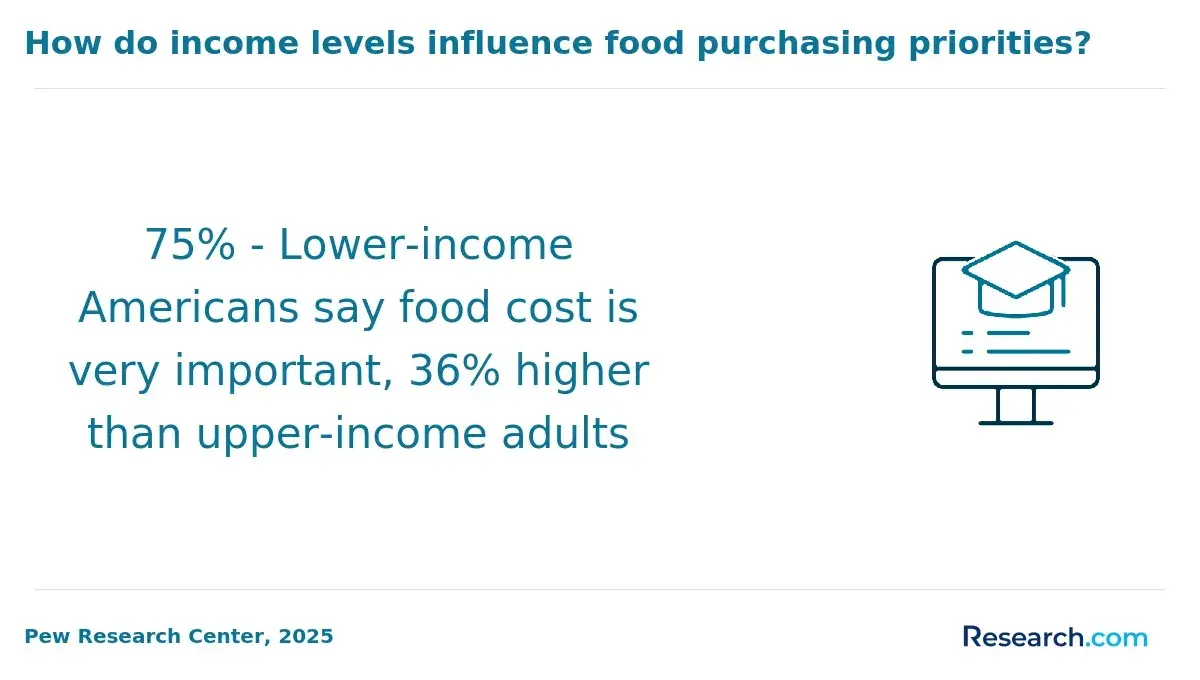
Food insecurity is a serious practice issue. According to the Maryland Food Bank, approximately 1 in 10 Marylanders faces hunger. Nutrition professionals must be prepared to connect dietary guidance with realistic access to affordable, healthy foods, including public programs such as the Maryland Food Supplement Program.
Is efficient practice administration essential for nutritionists in Maryland?
Yes. Nutrition expertise alone is not enough for a sustainable practice. Nutritionists who run private practices or manage programs need systems for scheduling, documentation, billing, privacy, client communication, and compliance. Poor administration can lead to missed revenue, inconsistent records, and avoidable errors.
Nutrition professionals who want stronger operational skills may benefit from understanding medical billing and coding workflows. Research.com’s guide on how to become a medical biller and coder in Maryland explains administrative skills that can complement nutrition practice, especially in healthcare or insurance-connected settings.
How can cross-disciplinary research methods enhance nutritional practice?
Nutrition practice improves when practitioners know how to evaluate evidence, measure outcomes, and distinguish reliable findings from weak claims. Skills such as structured observation, careful documentation, data comparison, and outcome tracking can help nutritionists refine programs and communicate results to employers, patients, and community partners.
Research disciplines with rigorous evidence standards can offer useful models for nutrition assessment. For example, Research.com’s overview of forensic scientist education requirements in Maryland shows how systematic evidence collection and analytical thinking are developed in another field. Nutritionists can adapt that mindset by documenting interventions carefully, evaluating client progress, and updating recommendations when evidence changes.
What are the legal regulations and responsibilities for nutritionists in Maryland?
Maryland’s Dietitians and Licensed Nutritionists Act defines regulated dietetic practice and restricts certain titles and services. The practical takeaway is simple: do not assume that a nutrition certificate allows you to provide clinical dietetic services. If you are not licensed, you must avoid representing yourself in a way that suggests you hold a Maryland dietetics license or can provide services reserved for licensed professionals.
- Licensed dietitians must meet Maryland’s education, supervised practice, exam, and application requirements.
- General nutrition educators should stay within wellness education and avoid diagnosing, treating, or managing medical conditions unless properly licensed.
- Marketing materials, websites, client forms, and social media profiles should accurately describe credentials and limitations.
- Nutritionists working with clients who have medical conditions should use referral networks and collaborate with licensed healthcare professionals.
- Local expectations, employer policies, and institutional rules may add additional compliance requirements.
Students interested in adjacent health and wellness careers may also compare options through Research.com’s guide to exercise science degree employment options.
How can nutritionists collaborate with pharmacists to enhance patient care in Maryland?
Nutrition and medication often interact. A client’s diet can affect medication tolerance, timing, absorption, and safety, while medications can influence appetite, nutrient needs, digestion, and blood glucose. Collaboration with pharmacists helps nutritionists recognize when dietary recommendations should be coordinated with medication plans.
This teamwork is especially useful for clients managing multiple prescriptions or chronic conditions. Nutritionists can strengthen collaboration by understanding pharmacy roles, documentation expectations, and referral boundaries. Research.com’s guide to pharmacist licensure requirements in Maryland provides helpful context for how pharmacists are trained and regulated.
How do nutritionists collaborate with other healthcare professionals in Maryland?
Nutritionists often work most effectively as part of a care team. Physicians may diagnose and manage disease, nurses may monitor symptoms and care plans, pharmacists may evaluate medication issues, and nutritionists may translate dietary science into practical behavior change. When these roles communicate well, clients receive clearer and safer guidance.
Collaboration can include shared care plans, referrals, case conferences, patient education, and coordinated follow-up. Nutrition professionals who want to understand nursing roles in Maryland can review how to become a nurse in Maryland.
How can nutritionists meet evolving industry standards in Maryland?
Nutrition standards change as research, employer expectations, technology, and regulations evolve. Professionals can stay aligned by tracking Maryland Board updates, maintaining credentials, completing continuing education, using evidence-based practice guidelines, and documenting services carefully.
For nutritionists considering the most clinically recognized route, Research.com’s guide to the requirements to become a registered dietitian in Maryland provides a focused roadmap for the RDN pathway.
How can nutritionists enhance their interdisciplinary credentials in Maryland?
Interdisciplinary credentials can help nutrition professionals work more effectively in healthcare, public health, fitness, counseling, or wellness leadership. The best added credential depends on the audience you serve. For example, a nutritionist working with older adults may benefit from gerontology-related training, while someone in clinical settings may need stronger healthcare documentation and team-based care skills.
Professionals comparing allied health standards can review the board of nursing program requirements in Maryland to understand how another regulated healthcare field structures education and licensure expectations.
What entrepreneurial opportunities are available for nutritionists in Maryland?
Nutritionists in Maryland can build businesses around counseling, group programs, corporate wellness, community workshops, digital courses, meal planning, food product consulting, and telehealth services. Entrepreneurship can be attractive, but it requires more than nutrition knowledge. You need a clear niche, compliant service descriptions, client intake systems, referral relationships, and realistic pricing.
Questions to answer before opening a private practice
- What services can I legally provide with my credential?
- Who is my target client, and what problem am I solving?
- Will I offer in-person services, telehealth, group coaching, or employer programs?
- How will I handle documentation, privacy, billing, scheduling, and cancellations?
- When should I refer clients to a physician, dietitian, therapist, or pharmacist?
How can nutritionists diversify into complementary healthcare roles in Maryland?
Some nutritionists expand their careers by adding related healthcare training. This can create broader job options, but it also increases time, cost, and regulatory responsibility. Complementary roles make the most sense when they support a clear career goal, such as working in primary care, chronic disease management, behavioral health, public health leadership, or advanced clinical practice.
Nutritionists considering advanced clinical responsibilities can learn more about how to become a nurse practitioner in Maryland. This comparison can help clarify the difference between nutrition counseling and broader diagnosis, prescribing, and patient management responsibilities.
Can nutritionists benefit from pursuing dual credentials with nurse practitioner programs in Maryland?
Dual credentials can be valuable for a small group of professionals, but they are not necessary for most nutrition careers. A nutritionist who wants advanced clinical authority, broader patient management responsibility, and deeper integration into healthcare teams may consider nurse practitioner training. However, this path requires a major commitment and should be evaluated against the person’s long-term goals.
| Dual-credential path may make sense if... | It may not be worth it if... |
| You want advanced patient care responsibilities beyond nutrition counseling | You primarily want to provide wellness coaching or nutrition education |
| You are prepared for additional graduate-level clinical training | You are trying to enter the workforce as quickly as possible |
| You want to work in integrated clinical settings | Your target roles already accept RDN, CNS, or nutrition-focused credentials |
Students who want to compare advanced nursing options can review the best accredited NP programs in Maryland.
Key insights
- Maryland nutrition careers split into two broad categories: general nutrition education and regulated dietetic practice. Know which one you want before choosing a program.
- Clinical dietetics roles usually require the RDN pathway, supervised practice, the CDR exam, and Maryland licensure through the Maryland State Board of Dietetic Practice.
- The fastest route into general nutrition work may take six months to one year, while RDN and CNS pathways take substantially longer because they require advanced education and supervised practice.
- Maryland’s job outlook is favorable, with ONET OnLine projecting 10% growth through 2032 and around 110 annual openings for dietitians and nutritionists in the state.
- Do not choose a nutrition program based only on tuition. Accreditation, supervised practice access, credential eligibility, living costs, and licensure alignment matter just as much.
- Specialization in clinical, pediatric, sports, public health, or geriatric nutrition can improve career focus and make your expertise easier for employers or clients to understand.
- Private practice can be rewarding, but it requires legal awareness, business systems, referral relationships, and careful communication about credentials and scope of practice.
Related Articles for Nearby States
- 2027 How to Become a Nutritionist in Virginia
- 2027 How to Become a Nutritionist in West Virginia
- 2027 How to Become a Nutritionist in Pennsylvania
- 2027 How to Become a Nutritionist in Delaware
- 2027 How to Become a Nutritionist in New Jersey
- 2027 How to Become a Nutritionist in New York
- 2027 How to Become a Nutritionist in Ohio
- 2027 How to Become a Nutritionist in North Carolina
- 2027 How to Become a Nutritionist in Kentucky
- 2027 How to Become a Nutritionist in Connecticut
References:
- Commission on Dietetic Registration. (2026, January 26). Registry Statistics. Retrieved January 2026, from https://www.cdrnet.org/registry-statistics
- General Assembly of Maryland. (n.d.). Article - Health occupations. https://mgaleg.maryland.gov/
- Kikuchi, E., Pula, I., Tyson, A., & Yam, E. (2025, May 7). Americans on healthy food and eating. Pew Research Center. https://www.pewresearch.org/science/2025/05/07/americans-on-healthy-food-and-eating/
- Maryland Academy of Nutrition and Dietetics. (2024, May 23). Maryland Academy of Nutrition and Dietetics. https://eatwellmd.org/
- Maryland Department of Health Board of Dietetic Practice. (n.d.). Maryland Department of Health Board of Dietetic Practice. https://health.maryland.gov/dietetic/
- ONET OnLine. (2025). Maryland Employment Trends 29-1031.00 - Dietitians and Nutritionists. Retrieved February 2026, from https://www.onetonline.org/link/localtrends/29-1031.00?st=MD
- U.S. Bureau of Labor Statistics. (2024, May). Occupational Employment and Wage Statistics (OEWS) Profiles. Retrieved January 2026, from https://data.bls.gov/oesprofile/
Other Things You Should Know about Becoming a Nutritionist in Maryland
In Maryland, to become a nutritionist, obtaining a bachelor's degree in nutrition, dietetics, or a related field is necessary. Coursework typically includes classes in biology, chemistry, and food science. Further, completing relevant internships or supervised practice hours is often required for licensure.
In 2027, the steps to becoming a licensed nutritionist in Maryland include obtaining a relevant bachelor's degree, completing 900 hours of supervised practice, passing the Registered Dietitian Nutritionist (RDN) exam, and applying for state licensure through the Maryland Board of Dietetic Practice.