2027 How Employers Are Changing Hiring Criteria for Clinical Research Management Graduates in the AI Era

Co-Founder and Chief Data Scientist
A recent graduate entering the clinical research management field may soon realize that holding a degree alone offers less competitive advantage than before. As artificial intelligence (AI) becomes integral to healthcare and research operations, employers increasingly seek candidates with practical AI skills and adaptability. According to the U.S. Bureau of Labor Statistics in 2024, nearly 50% of healthcare job postings now mention AI-related competencies, reflecting a shift toward automated data analysis and decision-making processes in research environments.
Employers are adjusting hiring criteria to prioritize candidates who combine clinical research management knowledge with AI literacy and critical thinking abilities. This evolution demands a broader skill set beyond traditional credentials to navigate complex, technology-driven workflows. This article examines how hiring standards for clinical research management graduates are evolving, the rising importance of AI fluency and transferable skills, and strategies students can adopt to maintain a competitive edge in the AI era.
Key Things to Know About the Changing Hiring Criteria for Clinical Research Management Graduates in the AI Era
- Employers increasingly seek graduates who integrate AI-driven data analytics into trial design, reflecting a shift from manual oversight to strategic, technology-enhanced protocol management, emphasizing critical judgment alongside automation.
- Proficiency in AI literacy and adaptable technical skills allows graduates to leverage evolving software platforms, making them indispensable as sponsors prioritize candidates who bridge clinical expertise with digital fluency.
- A 2024 study shows 62% of hiring managers in clinical research favor candidates with combined AI competency and interpersonal skills, underscoring that adaptability and communication remain vital amid technological transformation.
- Key Things to Know About the Changing Hiring Criteria for Clinical Research Management Graduates in the AI Era Key Things to Know About the Changing Hiring Criteria for Clinical Research Management Graduates in the AI Era
- How Is AI Changing What Employers Look for in Clinical Research Management Graduates? How Is AI Changing What Employers Look for in Clinical Research Management Graduates?
- Which AI Skills Are Employers Expecting Clinical Research Management Graduates to Have? AI Skills
- Which Human Skills Are Employers Looking for in Clinical Research Management Graduates? Human Skills
- How Are AI Tools Changing Daily Work in Clinical Research Management Careers? AI Workplace Tools
- How Are Employers Evaluating Clinical Research Management Candidates Beyond Academic Credentials? Hiring Criteria
- How Are Clinical Research Management Degree Programs Adapting to AI? AI Curriculum
- Which Industries Are Changing Hiring Expectations Most for Clinical Research Management Graduates? AI and Industry Expectations
- How Is AI Changing Career Growth for Clinical Research Management Professionals? AI and Career Growth
- How Should Clinical Research Management Students Prepare for AI-Driven Hiring? Career Preparation
- How Should Students Choose a Clinical Research Management Program for the AI Era? How Should Students Choose a Clinical Research Management Program for the AI Era?
How Is AI Changing What Employers Look for in Clinical Research Management Graduates?
The integration of artificial intelligence into clinical research has significantly shifted the AI-driven hiring criteria for clinical research management graduates. Employers now prioritize candidates who can effectively collaborate with AI technologies rather than only mastering routine technical tasks. For example, a clinical research coordinator might utilize machine learning software to predict patient dropout risks, requiring more than just operational knowledge; they must interpret AI-generated insights to adjust trial protocols responsibly.
This nuanced role demands fluency in AI-powered tools and a capacity to translate complex data into meaningful clinical decisions, positioning graduates who combine technical and analytical skills above the competition. Hiring trends reflect a growing emphasis on adaptable problem-solving and continuous learning, recognizing that AI tools evolve rapidly and often without clear precedents. Employers expect clinical research managers to integrate their human judgment with AI outputs, ensuring ethical standards are upheld and contextual factors are considered.
Strong communication skills remain critical as professionals must explain AI-derived findings to diverse teams, facilitating collaboration and compliance. This landscape redefines employer expectations, making interdisciplinary knowledge-including familiarity with AI ethics and regulatory frameworks-essential for navigating challenges unique to AI-enhanced clinical research.
The demand for such multifaceted competencies is reinforced by recent data showing that over 68% of clinical trials incorporate AI for data analysis and patient monitoring, according to a 2024 report from the U.S. Bureau of Labor Statistics. As clinical research management graduates face these evolving requirements, seeking targeted educational pathways that blend core clinical skills with AI literacy is vital. Prospective students might consider programs like BCBA certification programs online that emphasize adaptable learning and evidence-based tools to sustain long-term relevance in this dynamic field.
Which AI Skills Are Employers Expecting Clinical Research Management Graduates to Have?
Artificial intelligence is reshaping employer expectations within clinical research management by shifting the emphasis from traditional domain knowledge alone to a blend of practical AI competencies alongside industry expertise. Organizations increasingly view proficiency in specific AI technologies as critical for optimizing trial design, improving data accuracy, and accelerating patient recruitment.
This evolution reflects hiring trends in healthcare and life sciences where graduates who can apply AI meaningfully are positioned to enhance operational outcomes and reduce costs. As AI tools become embedded in daily workflows, new graduates must demonstrate not only theoretical understanding but practical, hands-on skills in AI applications. Below are five AI skills employers are now prioritizing for clinical research management graduates.
- Machine Learning Fundamentals: Employers expect graduates to understand core machine learning algorithms as they relate to clinical data interpretation and predictive modeling. This skill enables professionals to identify patterns and forecast trial results, improving efficiency by anticipating risks early. Students can build this competency through coursework involving supervised and unsupervised learning techniques applicable to healthcare datasets.
- AI-Enabled Data Analytics: Handling and analyzing complex, large datasets using AI-powered analytics platforms is crucial for enhancing trial monitoring and patient stratification. Employers value candidates who can integrate AI tools to extract actionable insights from data, aiding decision-making. Gaining experience with popular analytics software and practicing real-world data analysis scenarios helps develop this skill.
- Automation and Workflow Integration: Designing and implementing automation, including robotic process automation (RPA), helps reduce repetitive administrative burdens in clinical research operations. Graduates who can streamline workflows by embedding AI-driven automation are highly sought after, as this leads to faster trial cycles and cost savings. Practical lab exercises or internships involving workflow automation tools are beneficial preparation.
- Natural Language Processing (NLP) Application: The ability to use NLP techniques to extract relevant information from unstructured clinical notes and research literature is increasingly important for timely data synthesis and regulatory documentation. Employers look for familiarity with text mining tools that support data curation and evidence generation. Engaging with NLP-focused projects or training platforms strengthens this capability.
- Interpreting AI-Generated Insights: Beyond generating data outputs, employers need professionals who can critically interpret AI-derived results and translate them into strategic project management decisions. This includes understanding AI limitations and validating findings within the clinical research context. Developing case study analyses and participating in multidisciplinary team projects aid students in mastering this interpretive skill.
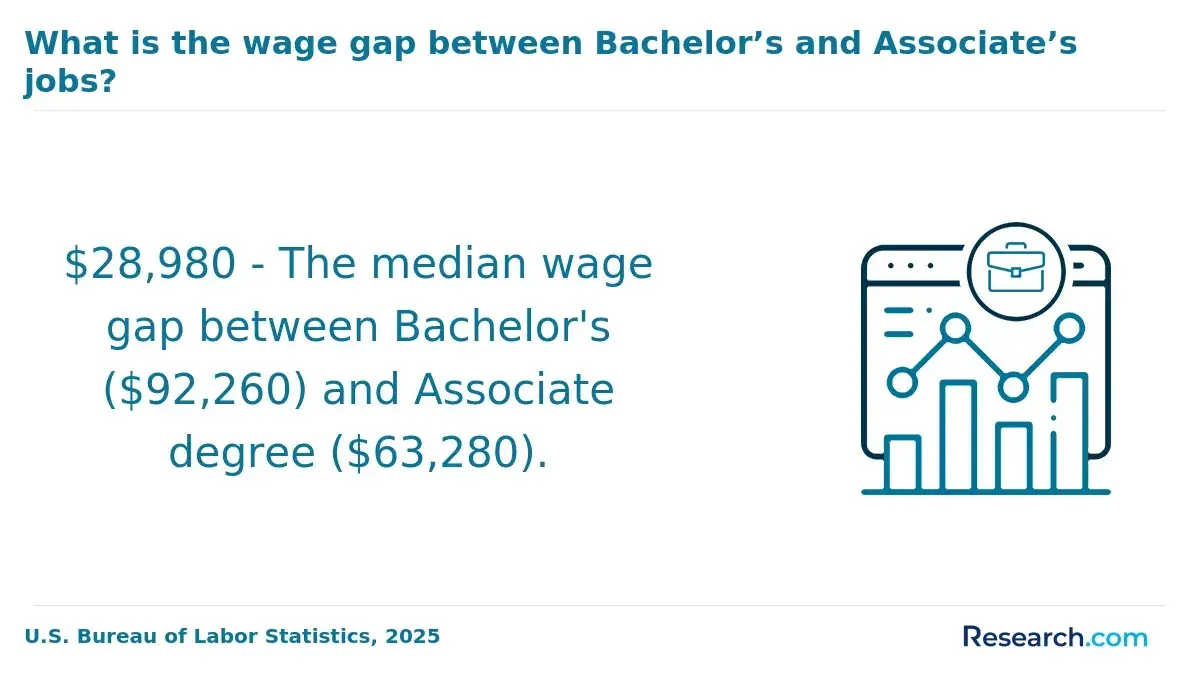
Recent labor market data reflect this trend, with the U.S. Bureau of Labor Statistics reporting a measurable increase in wage premiums for clinical research occupations demonstrating strong AI skills, underscoring their growing value. For aspiring professionals aiming to meet evolving employer benchmarks, pursuing a associate degree in 6 months online with an emphasis on AI competencies can offer a practical pathway to acquiring these critical abilities early in their career.
Which Human Skills Are Employers Looking for in Clinical Research Management Graduates?
As artificial intelligence automates routine data handling and protocol monitoring in clinical research, the demand grows for human skills that machines cannot replicate. AI excels at managing large datasets and executing standardized tasks, yet it falls short in interpreting nuanced context, ethical judgments, and complex interpersonal dynamics.
Employers now expect graduates to complement AI tools with distinctly human capabilities that enhance decision-making and patient-centric care. The following five skills have emerged as critical for success in an AI-integrated clinical research environment.
- Critical Thinking and Complex Problem-Solving: Interpreting AI-generated insights requires advanced analytical reasoning to detect outliers and discrepancies that algorithms may miss. Developing this skill involves engaging in case studies and simulation exercises where judgment calls extend beyond data outputs.
- Effective Communication: Conveying intricate scientific concepts to clinicians, regulators, and patients demands clear, empathetic communication. Graduates strengthen this skill by practicing interdisciplinary collaboration and honing written and verbal clarity in varied professional scenarios.
- Leadership and Project Management: Managing decentralized trials and virtual teams necessitates emotional intelligence and adaptability in motivating others. Building these leadership qualities benefits from experiential learning in team-based projects and exposure to agile management frameworks.
- Adaptability and Lifelong Learning: Rapid technological advancements require continuous upskilling and ethical vigilance. Proactively seeking new certifications and staying current with regulatory shifts help develop the resilience needed to balance AI integration with patient-first priorities.
- Emotional Intelligence: Navigating sensitive stakeholder interactions and maintaining team cohesion depend on self-awareness and interpersonal skills that AI cannot replicate. Practical development often arises from mentoring experiences and reflective practice in diverse work settings.
One clinical research management graduate recalls a moment during a decentralized trial when an AI flagged a potential protocol deviation. The graduate hesitated initially, uncertain if the alert was significant or a false positive. Drawing on problem-solving skills and effective communication, they coordinated a quick consultation with the clinical team to interpret the data's context. This human intervention prevented patient risk and reinforced the importance of judgment in an AI-augmented system, illustrating how integrative skills directly impact study quality and safety.
How Are AI Tools Changing Daily Work in Clinical Research Management Careers?
Artificial intelligence is fundamentally altering the daily workflows of clinical research management professionals by automating many routine tasks such as data entry, regulatory paperwork, and patient monitoring. According to the National Institute of Health Workforce Survey 2024, over 70% of organizations in this field have adopted AI-driven solutions to enhance operational efficiency. This shift enables managers to redirect their focus from repetitive processes toward more strategic activities, such as protocol refinement and complex data interpretation.
For example, clinical research managers now rely on AI-powered analytics platforms to detect risks and optimize trial recruitment far more swiftly than traditional methods allowed. However, these advancements also require professionals to develop new competencies, including managing AI outputs and ensuring compliance with ethical standards around automated decision-making.
A recent report from the Clinical Trials Innovation Consortium indicates that organizations implementing AI automation have seen a 15% increase in productivity, underscoring the growing expectation for employees to collaborate closely with technology while exercising critical thinking and creative problem-solving. This evolving landscape means that job roles are shifting beyond technical tasks toward overseeing AI systems and applying nuanced judgment to their results.
Early-career professionals must proactively gain experience with AI tools and data interpretation to remain competitive, as employers prioritize candidates who demonstrate adaptability and sophisticated understanding of digital research environments. Consequently, mastering these skills is becoming essential not only for operational success but also for navigating the ethical complexities introduced by AI in clinical research management.
How Are Employers Evaluating Clinical Research Management Candidates Beyond Academic Credentials?
Employers evaluating clinical research management candidates increasingly prioritize evidence of practical experience, technical adaptability, and soft skills over traditional academic credentials alone. Reports from 2024, including data from the Bureau of Labor Statistics and the Society for Clinical Research Sites, underscore that hiring managers seek proficiency in AI-related software, data analytics, and electronic data capture systems.
Real-world demonstrations such as internships, project portfolios, and relevant certifications now serve as critical indicators of a candidate's capability to navigate AI-enhanced clinical workflows. For example, a scenario-based interview may require candidates to analyze real-time trial data generated by machine learning algorithms, testing their problem-solving agility and ability to interpret AI-driven insights rather than merely reciting theory.
This evolving approach reflects a broader shift toward holistic candidate evaluation, where communication skills, teamwork, and emotional intelligence are equally vital. A 2024 Deloitte Global Human Capital Trends report identifies that 68% of healthcare research hiring professionals value adaptability and collaborative communication as essentials for managing AI-integrated trials. Such criteria ensure candidates can effectively contribute to cross-functional teams managing complex clinical processes enhanced by technology.
Prospective students and early-career professionals aiming to meet these expectations should actively develop interpersonal competencies alongside technical skills, recognizing that demonstrated flexibility and project management are increasingly decisive factors. For those pursuing or refining a clinical research management degree, cultivating practical experience through internships or hands-on labs is key to standing out.
Additionally, integrating knowledge from complementary fields, like office administration classes, can add valuable administrative acumen sought by employers managing multifaceted research operations. Adapting to these employer expectations by showcasing real-world capabilities and AI literacy aligns with the evolving clinical research management candidate evaluation criteria and improves career prospects amid the rising influence of artificial intelligence.
How Are Clinical Research Management Degree Programs Adapting to AI?
Clinical research management degree programs are increasingly integrating artificial intelligence into their curricula to meet shifting employer expectations. According to a 2024 National Center for Education Statistics report, more than 65% of health science-related programs now include AI-focused modules or data analytics components, signaling a strong move toward technical fluency as a baseline competency.
Programs are embedding practical instruction on AI-driven tools such as machine learning algorithms and predictive analytics while maintaining core clinical research principles, ensuring graduates develop a dual proficiency in technology and discipline-specific expertise. This interdisciplinary approach also includes training to critically assess AI outputs and uphold ethical standards in automated processes, preparing students to navigate the complex demands of AI-augmented trial management.
For example, a graduate might use predictive analytics to optimize patient recruitment but must also interpret those AI insights through the lens of regulatory compliance and clinical judgment. Institutions support this balance through experiential learning opportunities, industry collaborations, and curriculum updates that emphasize ethical AI deployment alongside lifelong learning strategies. Nonetheless, expanding AI content presents challenges, including the risk of overshadowing essential foundational knowledge if curriculum growth isn't carefully managed.
Additionally, the workforce increasingly values soft skills like adaptability and critical thinking, which enable candidates to meaningfully interpret AI-generated data rather than relying on automation alone. Programs that consciously integrate AI proficiency with human-centered judgment offer graduates improved readiness for roles requiring a nuanced balance of clinical insight and technological acumen in today's evolving research environment.
Which Industries Are Changing Hiring Expectations Most for Clinical Research Management Graduates?
The speed at which AI integrates into industry operations varies considerably, influencing how employers shape hiring criteria for clinical research management graduates. Sectors with immediate access to large datasets and high regulatory demands typically accelerate AI adoption, pushing job candidates to develop specialized skills sooner. Conversely, industries with slower digital transformation may maintain more traditional expectations for expertise.
Consider a recent graduate comparing job prospects: their research revealed that while pharmaceutical companies emphasized AI-driven analytics capabilities, contract research organizations prioritized compliance monitoring enhanced by AI. This nuanced landscape means students must match their skill-building efforts carefully to the sectors they aim to join.
Here are five industries shifting hiring expectations most markedly for clinical research management graduates in response to AI and technology:
- Pharmaceutical Industry: Rapid AI integration has raised expectations for graduates skilled in machine learning and predictive analytics to optimize trial design and patient recruitment. Employers seek candidates who can interpret complex data streams and contribute to increasing trial efficiency, reflecting a 72% demand surge reported by the Pharmaceutical Research and Manufacturers of America in 2024.
- Biotechnology Firms: These organizations now emphasize proficiency in AI-powered biomarker identification and personalized medicine, requiring interdisciplinary knowledge that combines biology with advanced data science techniques. This shift highlights a growing need for clinical research professionals adept at translating AI insights into tangible treatment innovations.
- Healthcare Technology Companies: Innovators building digital platforms for trial management and regulatory reporting demand clinical research managers who excel at navigating AI-driven systems and fostering cross-departmental integration. HIMSS Analytics documented a 58% increase in AI-related job requirements in this sector in 2024, underscoring the importance of digital literacy and collaboration skills.
- Contract Research Organizations (CROs): With mounting AI use for risk assessment and compliance monitoring, CROs expect familiarity with automated regulatory tools. This raises the bar for candidates to demonstrate a blend of traditional clinical oversight and cutting-edge technology fluency to maintain operational integrity.
- Regulatory Agencies: Agencies overseeing drug approvals and clinical standards increasingly rely on AI for data verification and monitoring, shifting hiring toward candidates proficient in managing AI-enhanced compliance frameworks. Understanding these evolving tools is crucial for clinical research managers aiming to contribute effectively to regulatory processes.
A graduate recalled feeling uncertain when weighing job offers from both a biotechnology company and a CRO early in their career. The biotech role demanded deep AI knowledge in biomarker analytics, which felt daunting but aligned with their academic focus on data science. Meanwhile, the CRO opportunity emphasized regulatory AI tools but required quick adaptation to evolving compliance software.
After speaking with mentors and reviewing industry employment reports, the graduate chose the CRO position, appreciating its balance between technological proficiency and practical process experience. This decision reflected an informed judgment about where to develop skills amid shifting employer expectations rather than defaulting to the most hyped sector.
How Is AI Changing Career Growth for Clinical Research Management Professionals?
Adoption of artificial intelligence technologies across industries varies considerably based on regulatory complexity, scale of data integration, and inherent risk levels. This uneven pace means hiring expectations for clinical research management graduates shift differently depending on the sector. Some industries emphasize advanced AI competencies and hybrid skills more rapidly, while others maintain traditional clinical expertise longer.
Understanding where AI-driven transformation is most pronounced helps graduates target their skill development effectively in response to career growth opportunities in clinical research with AI. Below are the five industries evolving their hiring criteria most significantly.
- Pharmaceuticals and Biotechnology: AI accelerates drug discovery and trial design, increasing demand for clinical research managers skilled in AI-enabled platforms for patient recruitment and risk-based monitoring. Graduates must integrate data analytics and machine learning knowledge with regulatory compliance to meet these evolving expectations.
- Medical Devices: This sector leverages AI to streamline product testing and post-market surveillance, requiring managers who understand AI-driven data validation tools and predictive analytics. Familiarity with regulatory technology integrations is critical as compliance environments tighten.
- Contract Research Organizations (CROs): CROs operate across diverse trials and rapidly adopt AI workflows to enhance efficiency. Professionals with expertise in bioinformatics and automated trial monitoring tools gain advantage, reflecting broader workforce transformation toward digitization highlighted by recent industry reports.
- Healthcare Systems: Hospitals and integrated delivery networks increasingly use AI for patient data management and clinical trial coordination. Clinical research managers adept at interpreting complex AI-generated datasets and optimizing trial protocols can lead strategic innovations in these settings.
- Regulatory Agencies: Public sector bodies incorporate AI to enhance compliance oversight and risk assessment. Hiring now favors candidates with skills in AI project management and clinical data science to support evolving regulatory strategies amid accelerating digital transformation.
Situating oneself within one of these AI-driven industries amplifies career growth opportunities in clinical research with AI and aligns with emerging employer expectations. Those who explore alternative roles related to AI, such as regulatory compliance strategy, can broaden their impact in clinical trials and healthcare innovation.
For professionals considering a career pivot or skill expansion, practical paths exist-as illustrated by transitions into roles like speech pathologist-underscoring the value of targeted education and adaptability in today's evolving workplace.
How Should Clinical Research Management Students Prepare for AI-Driven Hiring?
Preparing for AI-driven hiring in clinical research management requires more than completing a degree; it demands developing a nuanced blend of technical, AI-related, and human-centered skills. Employers increasingly seek graduates who can integrate AI tools into clinical trial workflows while navigating ethical and privacy concerns inherent in healthcare data.
A 2024 National Institutes of Health report shows over 60% of employers now prioritize candidates with AI-driven data interpretation skills. Practical preparation involves deliberate strategies beyond traditional coursework. The following approaches help clinical research management students align with evolving employer expectations.
- Develop Programming Proficiency: Learning programming languages such as Python or R enhances a student's ability to use AI platforms for patient data analysis and trial optimization. This technical fluency is critical as AI-driven systems become standard in clinical trial design.
- Engage in AI-Centered Projects: Hands-on experience through internships or academic projects focused on AI applications in clinical research offers exposure to real-world challenges. These experiences reinforce adaptability and practical problem-solving vital for future roles.
- Build Interdisciplinary Collaboration Skills: Employers value graduates who can translate AI analytics into actionable clinical strategies by working effectively with diverse teams. Cultivating communication and teamwork skills prepares students for this multifaceted environment.
- Stay Current with AI Advances: Continuous learning through workshops and certifications on machine learning and digital workflows keeps students competitive. This responsiveness to technological shifts reflects agility, a key hiring criterion highlighted by the U.S. Bureau of Labor Statistics.
- Emphasize Ethical Judgment and Privacy Awareness: AI integration raises complex patient privacy issues. Demonstrating sound ethical reasoning around data security is essential to meet employer demands and regulatory standards.
Those seeking to complement their clinical research management studies may consider accelerated educational tracks such as the 2-year architecture degree, illustrating how compressed programs can facilitate rapid skill acquisition in technical fields relevant to AI integration. Adopting these strategies ensures that clinical research management students develop the hybrid skill set necessary for success amid the AI-driven transformation of employer hiring practices.
How Should Students Choose a Clinical Research Management Program for the AI Era?
Selecting a clinical research management program today demands scrutiny beyond traditional factors like reputation or cost. The accelerating integration of AI into healthcare research requires students to prioritize how well programs embed AI literacy, data analytics, and ethical frameworks into their curricula. For instance, a graduate from a program with hands-on training in AI-driven clinical trial platforms is more likely to excel in employer-led innovations than a peer whose education lacks these components.
According to the 2024 National Center for Education Statistics report, over 65% of accredited institutions have introduced AI applications into health sciences curricula, signaling shifting academic priorities. Consider these critical factors when evaluating programs:
- AI Integration in Curriculum: Programs must offer coursework on AI applications and machine learning fundamentals specific to clinical research. This foundation equips graduates to handle evolving AI tools and data-driven decision-making, essential for staying competitive as AI reshapes clinical trial management.
- Hands-On Data Analytics Training: Practical experience with programming languages like Python or R and data analysis platforms enhances students' technical proficiency. Such skills are increasingly demanded by employers seeking candidates who can navigate complex datasets and optimize trial outcomes.
- Industry Collaboration and Exposure: Partnerships with healthcare and research organizations provide real-world AI platform experience. This connection bridges academic knowledge with workplace realities, improving graduate employability and adaptability in fast-changing environments.
- Ethical AI and Regulatory Education: Instruction on ethical considerations and compliance frameworks is vital as AI use raises novel challenges. Understanding these dimensions helps students contribute responsibly to clinical research and aligns with employer expectations for ethical AI deployment.
- Career Services Focused on Emerging Technologies: Dedicated mentorship, AI-focused internships, and workshops support ongoing skill development and industry awareness. Effective career services enable graduates to maintain relevance amid rapid technological advances and shifting workforce demands.
References
- Opportunities and Risks: Generative AI Use for Clinical Research | PPD https://www.ppd.com/blog/managing-opportunities-risks-generative-ai-clinical-research/
- Why Healthcare Graduates Are Learning AI Skills https://cliniwave.in/blogs/latest-article/ai-skills-healthcare-graduates
- Join the Parexel AI Labs team and help transform clinical research with technology https://jobs.parexel.com/en/ai-labs
- AI in Clinical Trials: 5 Ways to Speed Up R&D https://www.startbrain.ai/en/blog/ai-clinical-trials-guide
- AI and ML for Clinical Research and CDM | IDDCR Global Institute https://www.iddcrinstitute.com/ai-and-ml-for-clinical-research-and-cdm
- How an AI-Driven System works for clinical data management | Nubilaria Actide https://actide.com/how-an-ai-driven-system-works-for-clinical-data-management/
- Starting a Career in Clinical Research | The Institute of Clinical Research https://icr-global.org/starting-a-career-in-clinical-research/
- AI in Clinical Research: Opportunities, Limitations & Future Outlook by Palleos CRO - Palleos https://www.palleos.com/resource-library/blog/succeeding-with-ai-in-clinical-research-2026/
- How to land entry level clinical research jobs without experience https://pharmaeducenter.com/blog/how-to-land-entry-level-clinical-research-jobs/
- Clinical Research - Digital, Data, AI | Thermo Fisher Scientific https://jobs.thermofisher.com/global/en/clinical-research-Digital-DataScience-AI
Other Things You Should Know About Clinical Research Management
Employers increasingly expect candidates to demonstrate both technical skills enabled by AI and solid domain knowledge in clinical research management. However, overemphasizing AI tools without deep understanding of regulatory environments and study design can backfire, as real-world clinical trials require nuanced judgment beyond algorithmic outputs. Graduates are best advised to prioritize mastering core clinical research principles first, then supplementing those with targeted technical skills that enhance efficiency rather than replace critical decision-making.
Interdisciplinary experience is prized but must be relevant; an applicant's ability to integrate insights from fields like data science, biostatistics, or health informatics is a practical advantage. That said, employers often prefer candidates who can clearly demonstrate how cross-disciplinary skills will directly support trial management or compliance tasks. Graduates should prioritize gaining interdisciplinary skills that can be clearly mapped to workflow improvements or regulatory adherence rather than pursuing broad but unfocused experiences.
Hands-on experience through internships or project involvement is increasingly decisive in hiring, especially as AI tools shift focus toward applied capabilities. Graduates with strong academic records but limited practical engagement may face disadvantages because employers seek evidence of navigating complex, real-world challenges under evolving technological conditions. Prospective candidates should prioritize internships that expose them to AI-enabled workflows and collaborative research settings to demonstrate adaptability and problem-solving in practice.
There is a tangible tradeoff: specialization can signal in-depth expertise in AI-integrated research areas like predictive analytics or trial automation, appealing to employers seeking advanced capabilities. However, a broader skill set provides flexibility across various clinical trial domains and may better withstand rapid technological shifts. Graduates should assess the stability and growth trajectory of their target subfields; when uncertain, adopting a hybrid approach-deepening expertise in one area while maintaining foundational knowledge across others-is often the most strategic choice.