2027 Legal Studies Transfer Credit Trends: How Schools Are Adapting for Adult Learners

Co-Founder and Chief Data Scientist
When Carlos, a military veteran, sought to transfer his community college credits toward a legal studies degree, he faced unexpected hurdles: several courses were not accepted, threatening to extend his graduation timeline and increase his education costs. This experience reflects a broader trend; a 2024 National Student Clearinghouse report found that only 63% of transfer credits are fully recognized by receiving institutions, highlighting persistent inconsistencies in credit mobility. For working adults and degree completers, such gaps complicate planning and resource allocation.
This article examines how schools are revising transfer credit policies and flexible pathways to help legal studies students optimize credit acceptance while minimizing delays and expenses.
Key Things to Know About Legal Studies Transfer Credit Trends for Adult Learners
- Expanded acceptance of military and workforce credits in legal studies reduces course repetition but may limit alignment with institution-specific curricula, potentially complicating employer evaluation of specialized training relevance.
- Institutions increasingly use technology-enabled transcript reviews, accelerating credit evaluation yet often prioritizing traditional coursework over alternative credentials, influencing adult learners' planning and completion timelines.
- Community college transfer pathways now integrate prior learning assessments more thoroughly, improving degree affordability and access, while tradeoffs include variable credit transferability across states, impacting time-to-degree consistency.
- Key Things to Know About Legal Studies Transfer Credit Trends for Adult Learners Key Things to Know About Legal Studies Transfer Credit Trends for Adult Learners
- How Are Legal Studies Programs Changing Transfer Credit Policies for Adult Learners? Evolving Adult Transfer Policies
- Why Are More Legal Studies Schools Accepting Credit for Prior Learning and Work Experience? Prior Learning Credit Benefits
- How Do Legal Studies Colleges Evaluate and Award Transfer Credits Today? Transfer Credit Evaluation Process
- Which Alternative Credits Are Most Commonly Accepted by Legal Studies Programs? Accepted Alternative Credits
- How Are Legal Studies Schools Improving Transfer Pathways for Community College Students? Improved Community College Pathways
- How Can Transfer Credits Help Legal Studies Students Graduate Faster? Accelerating Degree Completion
- How Much Money Can Students Save Through Legal Studies Transfer Credit Opportunities? Cost Saving Through Transfers
- How Are Legal Studies Programs Supporting Military Students and Workforce Learners Through Transfer Credits? How Are Legal Studies Programs Supporting Military Students and Workforce Learners Through Transfer Credits?
- What Transfer Credit Innovations Are Shaping the Future of Legal Studies Education? What Transfer Credit Innovations Are Shaping the Future of Legal Studies Education?
- How Can Adult Learners Maximize Transfer Credits in a Legal Studies Program? Maximizing Your Transfer Credits
How Are Legal Studies Programs Changing Transfer Credit Policies for Adult Learners?
Legal studies programs are increasingly shifting transfer credit policies to prioritize adult learners' diverse educational and professional backgrounds, resulting in broader acceptance of credits from community colleges and non-traditional sources. This trend reflects a strategic response to reduce time-to-degree and lower costs for working professionals, military-affiliated students, and degree completers who often juggle complex schedules and prior learning experiences.
For instance, expanded articulation agreements mean a paralegal with military legal training can apply relevant credits directly to degree requirements, minimizing redundant coursework. However, students must remain vigilant about institutional differences in credit valuation and verify transferability before enrollment to avoid unexpected credit loss or delayed graduation.
The growing emphasis on recognizing prior learning—including professional certifications and military experience—addresses a longstanding gap in transfer credit acceptance for many adult learners. According to a 2024 National Student Clearinghouse Research Center report, over 60% of four-year institutions have recently expanded their transfer articulation agreements, enabling greater credit mobility, specifically in legal studies transfer credit acceptance for working professionals.
Still, transcript evaluations, though increasingly technology-enabled, vary significantly in speed and transparency, influencing course sequencing and financial planning. Students comparing programs should assess how effectively schools integrate alternative credit pathways and support flexible degree formats, given these factors directly impact affordability and the practical pacing of degree completion.
These policy adaptations align with an overall shift toward flexible, competency-based education pathways that cater to adult learners' needs. Programs often incorporate part-time and online options to complement revised transfer rules, facilitating smoother progression for those balancing work and education. Navigating these evolving policies requires informed academic advising and proactive credit assessment to leverage previously earned credits fully.
Prospective students may also find it useful to explore specific program costs tied to their circumstances, such as those looking into "How much does it cost to become a medical billing and coding professional?," ensuring that financial and academic decisions are grounded in realistic analyses of institutional offerings and transfer policies.
Why Are More Legal Studies Schools Accepting Credit for Prior Learning and Work Experience?
The increasing incorporation of credit for prior learning and work experience in legal studies programs signals a strategic institutional response to complex learner demographics and workforce needs rather than just relaxed transfer rules. Recognizing that many adult learners arrive with substantial professional, military, or credential-based experience, schools aim to align academic credit with actual competencies, reducing redundant coursework and shortening time to degree.
However, these policies often require rigorous portfolio assessments or verification processes, balancing the need to uphold academic standards with flexibility. According to a 2024 report from the Council for Adult and Experiential Learning, over 60% of institutions now offer some form of prior learning assessment, underscoring a broader trend toward accommodating diverse educational pathways while managing enrollment growth and student persistence in demanding fields like legal studies.
From a workforce perspective, programs granting credit for industry certifications or employer-based training better prepare students for evolving regulatory environments that demand both theoretical knowledge and practical readiness. Yet, prospective students must weigh how these credits impact their long-term qualifications, given variations in how institutions limit transferable experiential credits or require supplementary coursework to ensure cohesion within the curriculum.
This affects degree completion strategies and can influence a student's choice of program depending on how transparent and standardized credit policies are. Ultimately, schools expanding PLA options aim to create accessible, sustainable degree paths that respond to workforce trends without compromising the academic rigor needed for legal professions.
An adult learner transitioning from a military career recently sought credit for extensive legal training received during service, only to encounter uncertainty about which courses the institution would accept and how documentation would be evaluated. The student's institution required a detailed portfolio review and multiple endorsements from military education officers, leading to delays but also eventual recognition of key competencies.
Throughout the process, the learner noted the tension between feeling validated for hard-earned skills and the administrative complexity of translating experience into academic credit, illustrating how these evolving policies can both enable and challenge degree progression in legal studies programs.
How Do Legal Studies Colleges Evaluate and Award Transfer Credits Today?
Transfer credit evaluation in legal studies programs increasingly functions as a strategic tool that shapes enrollment management and student success rather than a simple administrative checkpoint. Admissions teams and academic advisors delve deeply into accreditation status, detailed course equivalencies, and learning outcomes alignment, weighing prior coursework from community colleges, four-year institutions, or professional programs against residency and upper-division credit criteria.
For instance, credits earned through paralegal studies or criminal justice may only count if they meet strict curriculum standards, forcing students to consider potential delays or elective-only transfers that can extend their path to graduation and increase educational expenses.
Military-affiliated and adult learners benefit from expanded recognition of Credit for Prior Learning, where the American Council on Education's recommendations play a pivotal role in translating military training into academic credit that meets legal studies competencies. Yet, acceptance of alternative credits such as certifications, CLEP exams, and other experiential learning remains inconsistent, reliant on how well these align with core program requirements.
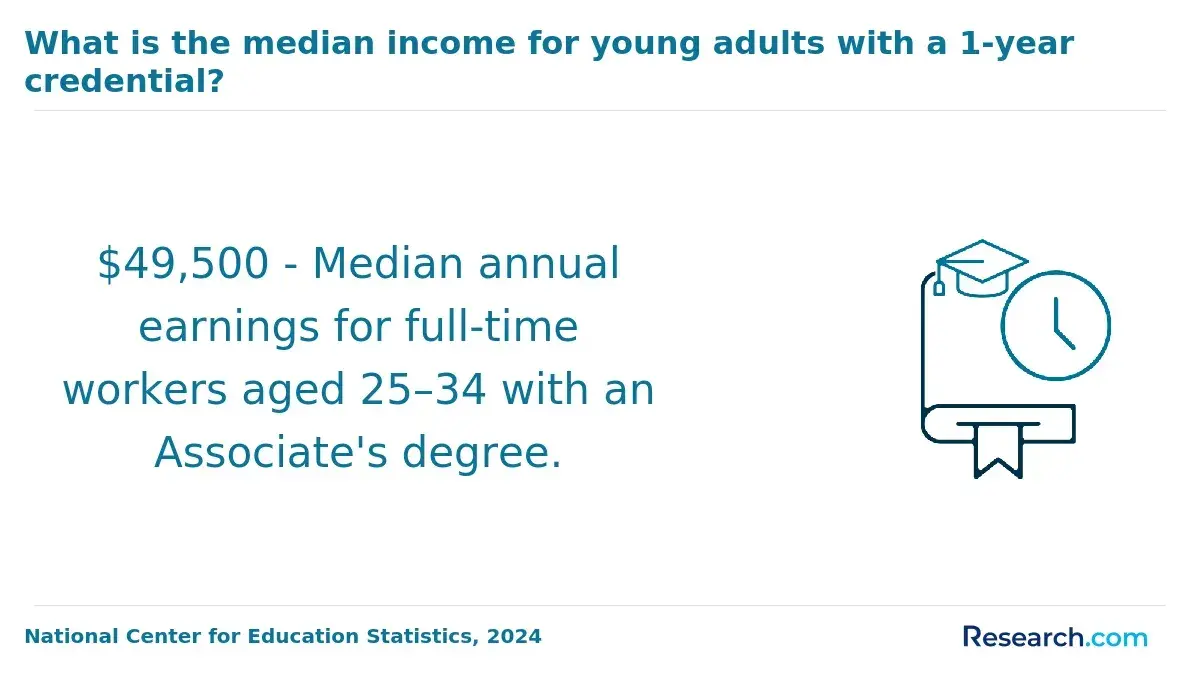
According to 2024 data from the National Center for Education Statistics, nearly 60% of two-year to four-year transfer students utilize articulation agreements that guarantee credit acceptance, highlighting the growing importance of formal partnerships in reducing redundancies and speeding degree completion in legal studies.
This evolving landscape demands careful academic planning from transfer students who must navigate complex policies to maximize credit utility without jeopardizing quality or employability. While technology-enhanced evaluations accelerate credit decisions, tradeoffs persist, particularly where transferred credits meet only elective requirements or fall short of upper-division standards valued by employers. Ultimately, strategic transfer credit management directly impacts not only how swiftly students complete their degrees but also their longer-term readiness and competitiveness in the legal workforce.
Which Alternative Credits Are Most Commonly Accepted by Legal Studies Programs?
Alternative credit acceptance has evolved into a strategic mechanism for expanding degree accessibility and accelerating completion timelines in legal studies programs, particularly benefiting adult learners balancing education with workforce demands. Institutions typically weigh transfer credit for prior learning in legal studies through rigorous course equivalency reviews, accreditor mandates, and residency rules that often limit upper-division transfer credits.
For example, military-affiliated students rely on ACE-evaluated training credits, which commonly apply to specialized legal topics like ethics or criminal justice, although programs differ widely in how they integrate these credits with traditional curricula. This nuanced approach means learners must plan proactively, as the extent and source of alternative credits directly influence affordability, flexibility, and the total time required to graduate.
Common alternative credits accepted by legal studies programs extend beyond CPL and military experience to include standardized exams like CLEP and DSST, competency-based assessments, and accredited online coursework. While these avenues offer cost-effective and flexible options, program-specific restrictions and accreditation requirements often determine how many credits transfer and fulfill major requirements.
As noted in a 2024 report by the Council for Adult and Experiential Learning, over 70% of legal studies programs actively incorporate CPL, reflecting its growing role in reducing educational barriers for transfer students. Adult learners evaluating pathway options should also consider the variability in institutional policies and be mindful of how those policies align with their career objectives and degree progress. For those exploring accessible routes, some online schools no application fee may offer additional entry points for credit transfer and degree advancement.
How Are Legal Studies Schools Improving Transfer Pathways for Community College Students?
Legal studies programs have increasingly prioritized refining transfer pathways as a critical strategy for retaining adult learners and community college students who juggle education with professional and personal commitments. Schools are investing in articulation agreements and aligned transfer degree maps that clarify how credits match up between institutions, directly reducing the risk of credit loss—a significant barrier to degree completion.
According to the National Student Clearinghouse Research Center's 2024 data, these efforts boost transfer credit acceptance rates by around 20%, which can meaningfully shorten time-to-degree while preserving academic momentum. Yet, students must navigate institutional variations in how lower-division courses are valued, often facing the practicality that certain specialized courses might require retaking or supplemental coursework to meet university standards.
Alongside formal credit agreements, the adoption of prior learning assessments (PLA) and strengthened bi-institutional advising models support adult learners by recognizing relevant work or military experience and by tailoring course planning to maximize transferability. These adaptations not only expand access but also encourage strategic enrollment decisions, as proactive guidance uncovers potential credit overlaps or gaps early in the transfer process.
However, the complexity of course equivalencies and reliance on varied evaluation policies means that even well-designed transfer frameworks demand vigilant student engagement and flexibility to accommodate degree requirements without extending educational timelines unnecessarily.
A community college student pursuing legal studies recalls uncertainty around whether their introductory criminal justice courses would transfer intact. Initial advising provided conflicting information about credit applicability, causing concern about repeating classes. However, after formal articulation agreements were reviewed and a detailed transfer credit evaluation conducted, the student found that most credits were accepted, allowing a clear degree path and the ability to plan accordingly.
This experience highlighted the importance of thorough advising coordination and institutional transparency, which together shaped the student's confidence in leveraging prior coursework without losing time or resources.
How Can Transfer Credits Help Legal Studies Students Graduate Faster?
Transfer credit acceptance policies critically shape how much time legal studies students can realistically shave off their degree timelines. Credits must align not only with general education but also with program-specific requirements such as upper-division coursework and sequential legal topics. Many adult learners confront limitations like residency mandates or credit caps that prevent some transferred credits from fulfilling core or elective categories, which may diminish expected time savings. Careful evaluation of how prior coursework maps onto a given legal studies curriculum is essential to avoid "credit loss" scenarios where accepted credits do not contribute toward graduation milestones.
For working professionals and military-affiliated students, evolving transfer credit frameworks increasingly integrate prior learning assessments and certifications, broadening pathways for degree completion. However, variations in institutional articulation agreements and strict accreditation standards mean credit mobility remains uneven, requiring strategic enrollment decisions and proactive advising. These factors influence affordability and enrollment pacing, underscoring the necessity of transparent policies for transfer credit applicability within legal studies programs. Students should consider institutions' flexibility in recognizing military training or workforce credentials to ensure credits expedite rather than prolong their educational journey.
Adult learners who navigate transfer credit policies for legal studies adult learners must balance potential acceleration against practical academic planning and program design constraints. Streamlined credit pathways can reduce time-to-degree completion, but anticipate that sequence requirements and specialized legal content may require retaking courses despite transfer efforts. Evaluating clear credit articulation and support services is crucial. For those comparing options, reviewing resources focused on online accelerated nursing programs exemplifies how accelerated degree models accommodate professionals with prior credits- a relevant parallel for legal studies transfer students.
How Much Money Can Students Save Through Legal Studies Transfer Credit Opportunities?
Transfer credit policies within legal studies programs can substantially lower tuition expenses by shortening the path to graduation, but the extent of savings depends heavily on institutional restrictions and prior learning assessments. For example, a military-affiliated student who applies both service training and community college credits might cut enrollment by close to a year, reducing costs by up to 30%, as noted in a 2024 National Student Clearinghouse Research Center report.
However, benefits are often tempered by residency rules requiring a minimum number of credits completed directly through the degree-granting institution and credit caps that vary widely, with some schools allowing up to 90 transfer credits while others restrict acceptance to 60, which can significantly affect the calculation of true savings.
Adult learners and working professionals face notable tradeoffs when aligning prior credits with legal studies curricula, particularly if course equivalencies are limited or older coursework fails to meet current academic standards. This misalignment frequently results in additional enrollment and duplicated coursework, eroding anticipated tuition reductions despite initial credit acceptance.
Institutions offering transparent articulation agreements and recognized prior learning assessments tend to provide clearer pathways that optimize credit transfer and reduce unnecessary expenses, but up to a quarter of attempted transfer credits may still be lost in the process, underscoring the importance of strategic program selection and informed degree planning to maximize financial and educational returns.
How Are Legal Studies Programs Supporting Military Students and Workforce Learners Through Transfer Credits?
Legal studies programs face significant variability in how they assess and grant transfer credit for military training and professional certifications, creating uneven pathways for adult learners. Over 85% of institutions acknowledge some form of credit for military or workforce experience, according to a 2024 American Council on Education report, yet acceptance rates and course equivalencies differ widely.
This discrepancy directly impacts degree-completion timelines, as military-affiliated students often navigate inconsistent policies or insufficient advising despite access to official transcripts like those from the Defense Activity for Non-Traditional Education Support (DANTES). For example, veterans with Joint Services transcripts may still find 30% encountering credit transfer difficulties, prolonging their academic journey and increasing expenses.
Prior learning assessments (PLAs) represent a critical mechanism enabling professionals to leverage certifications, apprenticeships, or documented job experience as academic credit. While these assessments can substantially reduce redundant coursework—especially for those with extensive backgrounds in military legal support or paralegal roles—they remain unevenly adopted, with smaller institutions often lacking the resources to implement standardized evaluation.
Workforce learners benefit from flexible, competency-based pathways tailored to nontraditional schedules, but credential equivalencies vary across programs, requiring students to negotiate supplemental coursework or direct credit articulation agreements. These practical constraints on transfer recognition emphasize the need for adult learners to thoroughly evaluate how a legal studies program's credit policies align with their specific background to avoid unforeseen course burdens and delayed degree completion.
What Transfer Credit Innovations Are Shaping the Future of Legal Studies Education?
Transfer credit acceptance trends in legal studies are increasingly influenced by technology-driven credit evaluation methods for adult learners, which streamline how previously earned credits are assessed and applied. AI-assisted transcript evaluation, for example, can cut review times by up to 40%, allowing institutions to make faster and more consistent credit decisions.
This is especially critical for adult learners balancing education with work and family, but tradeoffs remain: while AI improves processing speed, it may miss nuanced credit equivalencies that require human judgment, impacting degree completion timelines and academic quality. Institutions must weigh the speed of automated systems against the risk of credit misalignment that might affect workforce readiness.
Credit for prior learning (CPL) and expanded recognition of alternative credentials like digital badges and micro-credentials are reshaping transfer policies by enabling students to earn credit through demonstrated competencies rather than traditional coursework. Military-affiliated students benefit from specialized credit articulation tied to systems like the Joint Services Transcript; however, variability in legal studies programs often demands manual evaluation to ensure these credits meet core curriculum standards.
Such complexities affect credit portability and complicate long-term planning, particularly when combined with evolving articulation agreements that seek to preserve credit value across institutions. Adult learners navigating these pathways should also consider practical outcomes related to employer expectations, especially in roles where specific credentials, similar to a drug rep salary scenario, are linked tightly to skill validation rather than seat time.
How Can Adult Learners Maximize Transfer Credits in a Legal Studies Program?
Maximizing transfer credits in a legal studies program requires more than simply submitting transcripts; it demands a strategic evaluation of how prior coursework aligns with core requirements and institutional policies. For example, an adult learner transferring from a community college must navigate articulation agreements that dictate credit applicability while considering residency rules limiting how many external credits count toward graduation.
According to the National Student Clearinghouse Research Center's 2024 data, roughly 78% of transfer students benefit from formal transfer evaluations, underscoring the importance of understanding course equivalencies and avoiding unnecessary repetition that could delay completion and increase costs. Planning carefully around these constraints enables learners to streamline course sequencing and reduce time to degree without sacrificing essential competencies in legal studies.
Transfer credit strategies for adult learners in legal studies increasingly leverage credit for prior learning (CPL), especially among military-affiliated students and those with substantial professional experience. CPL recognition can convert nontraditional learning into elective or core credits, yet it often faces caps that make early academic advising crucial to maximize benefits.
Additionally, alternative credit pathways such as CLEP and DSST exams offer acceleration options but may hold limited weight in employer evaluations compared to accredited coursework. Adult learners should also explore degree mapping tools to visualize how transfer credits apply and plan for gaps, while weighing training recognition against practical career demands. For those interested in streamlined advancement, programs like the accelerated applied behavior analysis masters online provide useful models of flexible credit integration relevant across professional fields.
References
- How Prior Learning Can Help Students Accelerate Into the Future of Work https://www.cael.org/resouces/pathways-blog/how-prior-learning-can-help-students-accelerate-into-the-future-of-work
- Transfer Policies Schools 51-75 | Spivey Consulting https://www.spiveyconsulting.com/blog-post/transfer-policies-schools-51-75
- Transfer Credit Policy | Legal Studies https://cod.edu/academics/areas/legal-studies/transfer-credit-policy.html
- 4 Ways Transfer Students Can Maximize College Credits for Prior Experience https://www.umassglobal.edu/blog-news/4-ways-transfer-students-can-maximize-college-credits-prior-experience
- Increasing Community College Transfers: Progress and Barriers - Public Policy Institute of California https://www.ppic.org/publication/increasing-community-college-transfers-progress-and-barriers/
- The Impact of the New Adult Learner - Trends in Higher Education in 2023 - UPCEA https://upcea.edu/the-impact-of-the-new-adult-learner-trends-in-higher-education-in-2023/
- Adult Education Trends and Issues in Europe https://www.dvv-international.de/en/adult-education-and-development/editions/aed-722009/documents/adult-education-trends-and-issues-in-europe
- Military Students - Indiana Commission for Higher Education https://transferin.net/military-students/
- Legal Education and the Two Kinds of Innovation (077) | Legal Evolution https://www.legalevolution.org/2018/12/legal-education-two-kinds-innovation-077/
- College transfer as a workforce strategy https://www.ccdaily.com/2026/04/college-transfer-as-a-workforce-strategy/
Other Things You Should Know About Legal Studies
While transferring a high volume of credits can accelerate graduation, adult learners must consider how well their credits align with the receiving program's curriculum structure. Legal studies programs vary in their focus-some emphasize core legal theory, while others integrate practical skills or policy analysis. Accepting many credits that don't map closely to these focuses can fragment learning, dilute skill development, and hinder preparation for employer expectations in legal-adjacent roles. Prioritizing transfer credits that cover foundational legal principles over general electives generally leads to stronger outcomes and smoother progression.
Transfer credits can reduce course loads, but skipping foundational classes might also create gaps requiring remedial study or self-directed learning outside the classroom. Some programs expect transfer students to engage more independently, which can increase pressure if prior credits don't provide sufficient grounding. Students should evaluate whether their transferred courses equip them to keep pace with newer cohorts or if they risk falling behind in critical legal reasoning or research methods, potentially prolonging time to degree despite initial credit acceptance.
Employers in legal, compliance, and policy-related fields tend to prioritize demonstrated competence and relevant experience over how many transfer credits contributed to a degree. However, degrees with heavy reliance on transferred coursework from less rigorous or unrelated programs can raise concerns about depth of legal knowledge. Graduates should aim for a balance, ensuring their final credentials reflect exposure to current legal issues and skills that match industry standards. Completing key advanced courses at the recipient institution can bolster employer confidence more than maximizing transferred credits alone.
Military and workforce learners often accumulate diverse credits, but fully transferring them without scrutinizing program relevance can undermine professional preparation. Some legal studies programs limit credit from non-academic or technical sources to maintain accreditation and quality standards. These students should prioritize transferring only credits that translate directly into essential legal knowledge and skills, potentially sacrificing total credits transferred to ensure the degree's credibility and usefulness in civilian legal job markets. Strategic credit acceptance can support smoother integration without compromising the degree's real-world value.