2027 Legal Studies Degree Completion Time Report: How Long Students Actually Take to Graduate

Co-Founder and Chief Data Scientist
Degree completion timelines for legal studies students often diverge from published program lengths due to complex real-world factors. Many students balance coursework with employment or family responsibilities, leading to part-time enrollment and extended progress. Transfer students encounter varying credit acceptance policies that can delay completion. A 2024 National Center for Education Statistics report highlights that only 58% of undergraduates finish within six years, reflecting broader retention and progression challenges.
Legal studies programs also involve practical components or internships that can affect pacing. This article examines how long students actually take to graduate, exploring common influences on timelines and what these patterns mean for academic and career planning.
Key Things You Should Know About Legal Studies Degree Completion Time
- Most legal studies degree programs take three to five years to complete. Full-time students often graduate in about four years, while part-time enrollment, internships, transfer credit evaluations, and work or family responsibilities can extend completion beyond five years.
- Graduation speed depends on both program structure and personal circumstances. Enrollment status, transfer credits, internship or practicum requirements, course sequencing, and online versus campus-based study all influence how quickly students complete their degree.
- Graduating faster isn't always the best path to career success. Although accelerated and online programs may shorten completion time, employers generally place greater value on practical legal experience, professional competencies, and career readiness than on how quickly a degree was earned.
- What Is the Average Graduation Time for Legal Studies Students? Average Graduation Timeline
- What Factors Have the Biggest Impact on Graduation Speed? Graduation Timeline Factors
- How Does Full-Time Versus Part-Time Enrollment Affect Graduation Timelines? Full-Time vs. Part-Time Graduation Timeline
- Do Online Legal Studies Students Graduate Faster Than Campus-Based Students? Do Online Legal Studies Students Graduate Faster Than Campus-Based Students?
- How Many Months or Years Can Transfer Credits Save? How Many Months or Years Can Transfer Credits Save?
- Do Accelerated Legal Studies Programs Significantly Reduce Completion Time? Accelerated Program Timeline
- Which Legal Studies Program Requirements Most Often Extend Graduation Timelines? Factors Extending Graduation Timeline
- Does Taking Longer to Graduate Increase the Cost of a Legal Studies Degree? Impact on Program Cost
- Does Graduating Faster Improve Career Prospects? Impact on Career Prospects
- Which Scheduling Mistakes Commonly Delay Graduation? Mistakes to Avoid
What Is the Average Graduation Time for Legal Studies Students?
The average legal studies degree completion time typically ranges from three to five years, with many full-time students finishing within four years. However, completion patterns vary significantly; part-time enrollment, often chosen by working adults balancing employment or family responsibilities, can extend graduation timelines well beyond this range. According to recent findings from the National Center for Education Statistics, roughly 60% of legal studies students complete their degrees within six years of initial enrollment, highlighting the broad spectrum of student experiences and pacing within these programs.
Variations in graduation time stem from several factors inherent to program design and student circumstances. Enrollment intensity plays a critical role-students taking lighter credit loads progress more slowly, while those pursuing accelerated or sequential course offerings may finish sooner. Transfer students frequently face obstacles such as non-transferable credits, prolonging their studies. Additionally, the growing availability of online formats and flexible scheduling aimed at non-traditional learners impacts pacing by offering convenience at the potential cost of longer completion times. Internship or practicum requirements, when integrated into the curriculum, also influence academic timelines by encouraging experiential learning that can delay formal graduation. These dynamics illustrate how the typical graduation timeline for legal studies students reflects institutional structures and individual choices intertwined.
The time required to earn a legal studies degree carries practical implications for academic planning, financial commitment, and entry into the workforce. Extended time-to-degree can increase educational expenses and delay career progression, particularly for students managing personal or economic constraints. Prospective students should realistically weigh program features, including course availability and flexibility, alongside employment demands. For those researching program costs or seeking cost-effective alternatives within the broader healthcare and legal administrative fields, resources explaining how much does it cost to become a medical billing and coding can offer additional financial perspective relevant to some legal studies pathways.
What Factors Have the Biggest Impact on Graduation Speed?
Graduation speed for students pursuing a legal studies degree is shaped by a complex interplay of academic planning, program design, and personal factors. No single element dictates timelines; rather, how students navigate enrollment status, credit transfers, and external responsibilities collectively influences their progress. Recognizing these dynamics improves decision-making around course load, delivery format, and pacing, ultimately affecting how long it takes to graduate.
- Enrollment Status and Course Load: Full-time enrollment generally accelerates graduation by allowing students to complete required credits within a standard timeframe. Part-time students often extend their studies to balance work or family obligations, which is common among working adults. The National Center for Education Statistics (NCES 2024) notes that full-time social science students graduate within four years at rates 35% higher than part-time peers, reflecting how enrollment strategy directly drives speed.
- Transfer Credits and Institutional Policies: Students who enter with credits from community colleges or other programs can shorten degree duration if those credits align with curriculum requirements. However, rigid or inconsistent credit acceptance policies often slow progress by requiring repeated or supplemental coursework. Compatibility between prior coursework and program design critically shapes whether transfers yield time savings or delays.
- Program Design and Course Sequencing: Legal studies programs frequently impose prerequisite chains and sequential course requirements that limit flexibility in course scheduling. Missing a required course offering can force students to wait for the next term, thus extending time to degree. These structural constraints underscore the importance of careful academic advising and planning to optimize progression through mandated course sequences.
- Financial and Work Obligations: Students balancing significant employment hours commonly reduce their academic intensity, leading to longer completion timelines. The Education Advisory Board's 2024 report highlights that students working more than 20 hours per week are 22% more likely to take over six years to graduate. Financial necessity thus often imposes real trade-offs between income generation and academic momentum.
- Delivery Format and Institutional Flexibility: The choice between online versus in-person delivery affects course availability and pacing options. While online programs can provide greater scheduling adaptability, they sometimes limit access to certain experiential learning opportunities or tightly controlled course rotations. Institutions that offer multiple formats with flexible enrollment encourage consistent progress suited to varied student commitments, influencing graduation speed.
- Personal Circumstances and Support Systems: Health, family responsibilities, and shifting career objectives frequently disrupt steady academic progress. Students with access to robust advising and institutional supports can better manage interruptions and maintain progression. These unpredictable factors emphasize that graduation timelines are not purely academic but also contingent on personal resilience and resource access.
For those weighing delivery formats, understanding how transfer credits and online versus in-person delivery formats interact with enrollment status and program design can be decisive. Institutions increasingly leverage HIM degree online options to offer flexible pacing that can accommodate diverse student needs, though legal studies programs vary in how these options affect time to degree.
How Does Full-Time Versus Part-Time Enrollment Affect Graduation Timelines?
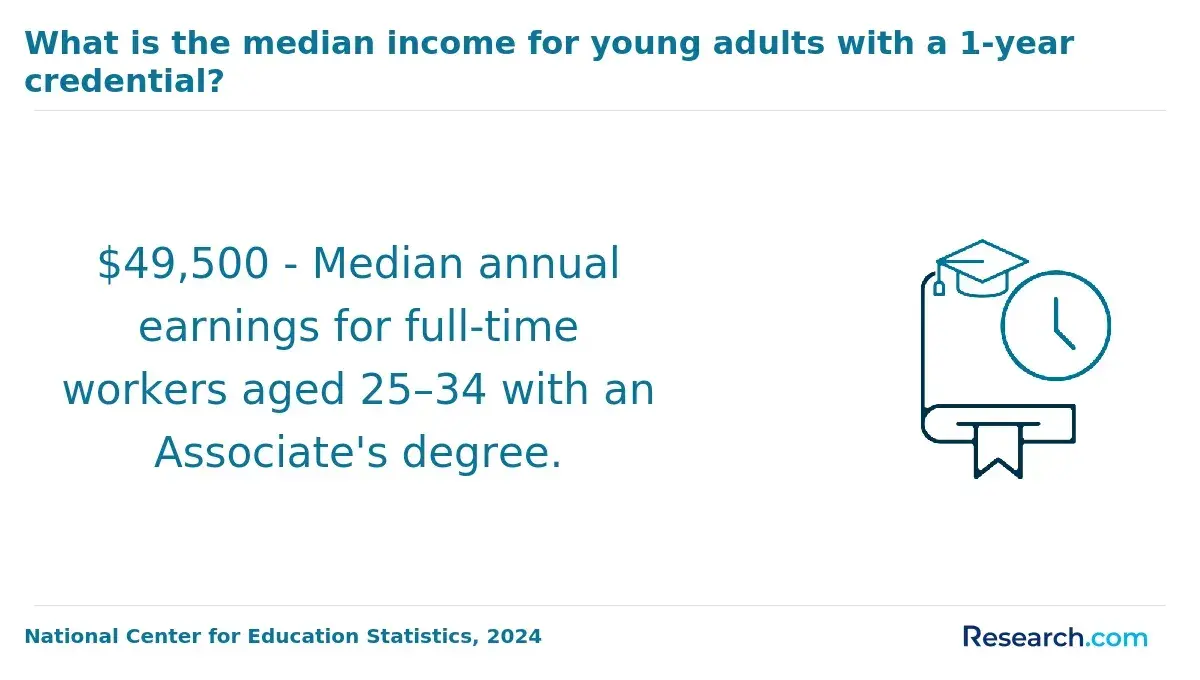
Completion timelines in Legal Studies programs differ notably between full-time and part-time enrollment, reflecting divergent academic pacing and scheduling priorities. Full-time students, typically carrying 12 to 15 credit hours per term, tend to finish their degrees within four to five years, according to 2024 data from the National Center for Education Statistics. In contrast, part-time students usually extend their studies to six or more years due to lighter course loads each semester and the necessity to balance education with external commitments. This variance underscores how enrollment status creates fundamentally different educational trajectories rather than simple alternative scheduling.
The interplay of credit load, course sequencing, program format, and life responsibilities shapes these timelines substantially. Full-time enrollment enables a consistent, structured progression through prerequisite and core Legal Studies courses, promoting timely graduation by aligning with designed academic pathways. Part-time study often means fewer course options per term and potential difficulty accessing necessary classes when needed, which can stall degree progress. Moreover, working adults and transfer students enrolling part-time frequently confront the challenge of integrating school with employment and family obligations, further slowing their path and requiring programs with flexible delivery modes to accommodate these constraints.
Enrollment choices also carry long-term consequences beyond the classroom. Prolonged degree completion can increase cumulative tuition expenses and delay entry into legal or compliance roles that typically require a completed credential. Full-time students may benefit from more intensive academic engagement and faster workforce integration, which aligns with employer preferences for candidates who demonstrate steady academic progression. Meanwhile, part-time students must weigh the tradeoff of gaining concurrent work experience against the potentially extended timeline and increased financial or logistical burdens involved in completing their Legal Studies degree.
Do Online Legal Studies Students Graduate Faster Than Campus-Based Students?
Online legal studies students often are perceived to finish their degrees more quickly than those attending campus-based programs, but this pattern is not universal. According to data from the U.S. Department of Education's National Center for Education Statistics in 2024, about 65% of online students complete their degrees within four years, slightly higher than the 58% completion rate for on-campus students. Still, individual outcomes vary significantly based on particular program designs and student circumstances, and faster graduation is not guaranteed for every online learner.
Key factors shaping graduation speed include how programs structure course availability and pacing flexibility. Online legal studies programs frequently offer self-paced or accelerated classes and year-round enrollment options, allowing students to tailor their progress more tightly to personal schedules, which can shorten time to degree. In contrast, campus-based students often face fixed semester schedules and may engage more in on-site internships or campus resources that, while beneficial, can extend completion timelines. Balancing part-time employment, family responsibilities, or transfer credits also impacts pacing regardless of modality, making workload management and enrollment intensity crucial determinants in both settings.
Choosing between program formats ultimately affects time management demands and the timing of entry into legal-adjacent careers. Online pathways can better accommodate nontraditional students juggling multiple commitments but require strong self-discipline and proactive planning to avoid delays. Meanwhile, campus environments offer structured routines and direct support networks that may facilitate steady progression for some but impose scheduling constraints. Understanding these tradeoffs helps students align their modality choice with realistic academic and professional goals rather than assuming an inherent speed advantage.
A legal studies graduate recalled hesitating during the online program's rolling admissions process, uncertain whether to apply immediately or wait for better timing given a demanding job schedule. The student weighed the risk of losing a spot against the challenge of starting with limited preparation time. Eventually deciding to enroll quickly, the graduate found the flexible pacing essential to managing work and study, though admitted some courses took longer than anticipated due to unexpected personal demands. This experience underscored how admission timing and program design can influence not just entry but overall degree pace in a nuanced, individual-dependent way.
How Many Months or Years Can Transfer Credits Save?
Transfer credits can shorten the time required to complete a legal studies degree by several months to over a year, but the actual savings depend heavily on how well prior coursework aligns with program requirements. According to data from the National Student Clearinghouse Research Center, students transferring a significant number of credits may reduce their degree duration by an average of 6 to 18 months compared to those starting from scratch. However, these savings are not uniform; they vary based on the volume of credits accepted and how they fulfill core versus elective requirements. For many working adult students and transfer students, the impact of transfer credits on legal studies degree duration involves more than just credit volume-it's about the degree pathway flexibility and institutional credit evaluation practices.
Several key factors shape the extent of time saved through transfer credits. Accreditation compatibility between awarding and receiving institutions affects credit acceptability, as does the specificity of course equivalency-general education credits typically transfer more readily than specialized legal studies courses. Institutional residency requirements often mandate a minimum number of credits completed directly at the awarding school, limiting the percentage of transferred credits. Additionally, maximum transferable credit limits and the sequencing of remaining required courses can delay graduation despite significant credit transfer. These institutional policies and credit system constraints explain why transfer credit outcomes differ widely and why students must carefully evaluate their credits' applicability to achieve meaningful reductions in degree completion time.
Beyond reducing classroom time, transfer credits influence academic planning by necessitating tailored course sequences that maintain degree rigor and meet institutional mandates. This can affect financial costs, as fewer semesters may reduce tuition, but students may still face costs for upper-level courses required on campus. Understanding how transfer credits interact with program structure is critical, especially for those balancing education with workforce demands. Prospective students exploring degree options, including fields linked with emerging opportunities such as online DNP programs, should recognize that transfer credits are a tool to accelerate education but require careful credit evaluation to ensure their investment aligns with long-term career and educational goals.
Do Accelerated Legal Studies Programs Significantly Reduce Completion Time?
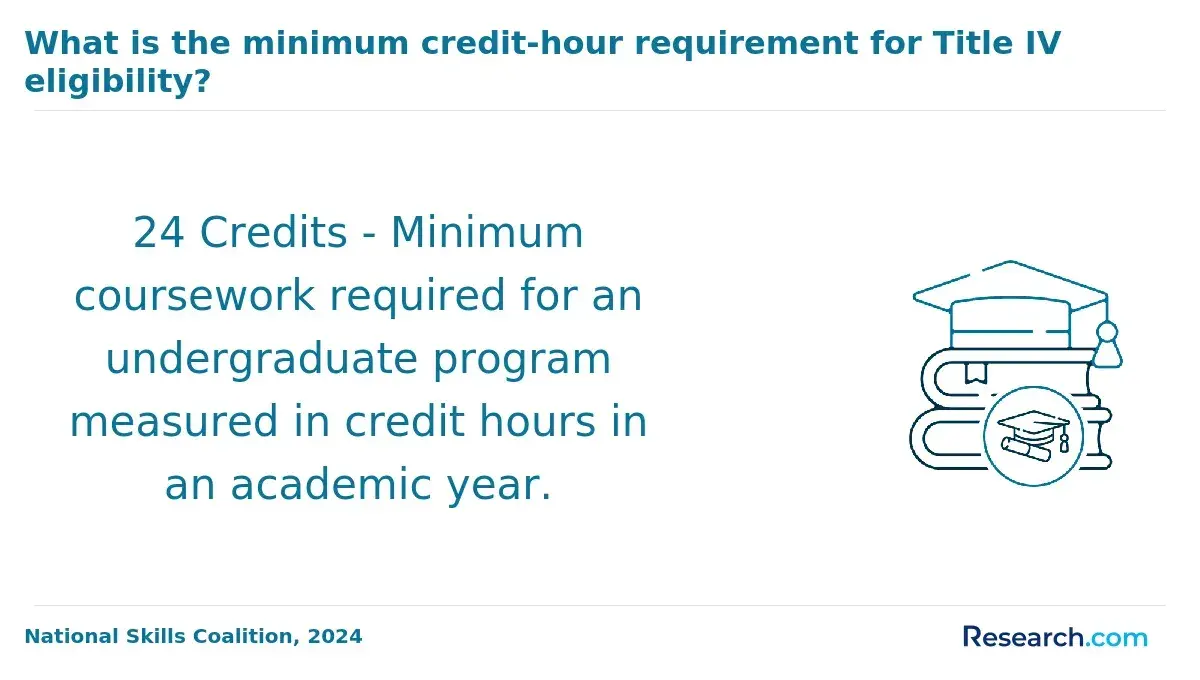
Accelerated legal studies programs aim to condense the traditional multi-year pathway into a shorter timeframe by intensifying course schedules and increasing credit loads each term. These programs often leverage year-round enrollment or compressed semesters to speed degree completion, targeting a reduction of around 25 to 30 percent compared to standard pacing. Their design hinges on modifying the academic calendar and accelerating coursework delivery without necessarily altering program content or total credit requirements.
Whether these programs truly shorten completion time depends heavily on factors such as the intensity of each course, sequencing of prerequisites, and whether experiential components like internships or capstone projects maintain their original duration. While carrying heavier credit loads per term can reduce semesters needed, the rigidity of prerequisite chains and unchanged practical requirements can limit overall time savings. Additionally, the increased academic workload may lead some students to extend their studies due to the challenges of sustaining accelerated pacing.
The broader implications include trade-offs in student workload, scheduling flexibility, and depth of learning. Accelerated formats generally demand a high level of time management and stamina, often constraining opportunities for complementary activities such as part-time employment or internships that enhance career readiness. These programs may effectively reduce calendar time but can also introduce stresses that impact both academic performance and personal well-being.
One accelerated legal studies graduate recounted waiting nervously during a rolling admissions cycle, uncertain whether early application efforts would secure enrollment before critical deadlines. Pressed for timely acceptance to maintain their condensed study plan, they wrestled with balancing last-minute application materials and preparatory coursework. The experience underscored how administrative scheduling and admission timing can influence the practical realization of accelerated completion goals, adding layers of unpredictability beyond curriculum pacing alone.
Which Legal Studies Program Requirements Most Often Extend Graduation Timelines?
Graduation timelines in legal studies programs often extend beyond the typical four-year span not simply due to total credit requirements, but mainly because of specific mandatory elements woven into the curricula. These components aim to ensure professional readiness and rigorous academic standards but frequently introduce scheduling inflexibility and sequencing challenges that affect student progression. The interplay between experiential demands, skill-intensive coursework, and institutional policies shapes how quickly students can complete their degrees.
- Practicum or Internship Placement: Required hands-on experiences provide critical practical training valued by employers but often come with limited scheduling options and competitive placement processes. Coordinating these internships around other academic and personal commitments can delay student progress by a semester or more, especially for those balancing work or family obligations.
- Legal Writing and Research Courses: Intensive writing modules that involve multiple drafts, in-depth feedback, and substantial workloads are essential for developing professional competencies. These courses often create bottlenecks, particularly for transfer students or those less familiar with law-related academic rigor, as they demand sustained time investment and may not fit easily into accelerated pathways.
- Elective Credits and Specialization Requirements: Many programs require a broad range of electives or specialization tracks such as criminal justice or compliance. The necessary variety in courses may extend time to degree because students must navigate course availability, prerequisites, and personal scheduling constraints over multiple semesters.
- Course Availability and Sequencing Constraints: Limited offerings of required foundational classes like constitutional law or ethics can restrict when students can enroll, creating bottlenecks that push graduation timelines. These bottlenecks are often worsened by institutional policies and resource limitations, affecting transfer students and part-time enrollees more acutely.
- Part-Time Enrollment Status: Common among working adults, part-time attendance systematically stretches degree completion periods as students take fewer courses per term to manage concurrent responsibilities, which slows academic momentum and complicates course sequencing.
Data from the National Center for Education Statistics in 2024 shows that roughly 35% of legal studies students exceed the traditional four-year timeframe, underscoring how these structural and experiential program features collectively impact timely degree completion.
Does Taking Longer to Graduate Increase the Cost of a Legal Studies Degree?
Extended timelines for completing a legal studies degree typically increase total tuition and related costs, particularly when institutions charge students based on the number of semesters or credit hours completed. Many programs apply fees each term, so additional semesters directly translate into more expenses for tuition, textbooks, and supplies. Students who exhaust eligibility for institutional or federal financial aid often face full out-of-pocket tuition payments as well. This financial dynamic is compounded by the impact of enrollment status; taking fewer credits per term can prolong program length and increase cumulative costs, which is a critical consideration in the impact of extended graduation time on legal studies tuition costs.
However, the degree to which longer completion times raise overall costs varies. Some schools use flat-rate tuition models per academic year or allow part-time enrollment priced proportionally, reducing the premium for extended pacing. Employer tuition assistance programs or flexible program policies can also moderate the financial burden of slower progress. Enrollment decisions and course load adjustments fundamentally influence cost accumulation over time, which explains why the financial consequences of delayed legal studies degree completion are not uniform. Prospective students balancing work and education should also weigh indirect earnings losses during prolonged study periods. For those curious about related career paths and compensation, resources exploring how much do pharmaceutical reps make illustrate the importance of aligning educational pacing with labor market opportunities in fields with increasing demand across healthcare systems and legal services.
Does Graduating Faster Improve Career Prospects?
Graduating faster from a legal studies program can offer the advantage of entering the workforce earlier, potentially positioning students ahead in the initial job search timeline. However, employers rarely assess candidates solely based on the speed of degree completion. Instead, the impact of early graduation on legal studies careers often depends on how well candidates demonstrate readiness through practical skills and experience. Fast completion may signal motivation and strong time management but does not automatically translate into higher hiring competitiveness without substantive competencies.
The career benefits of completing legal studies degree quickly hinge on critical factors such as internship exposure, quality of professional networking, mastery of specialized legal topics, and the robustness of a candidate's practical portfolio. Employers in fields like law enforcement, compliance, and paralegal services typically prefer candidates who combine academic credentials with real-world experience, often gained through extended program involvement. These elements frequently outweigh mere academic speed as indicators of job performance potential and long-term career development.
Trade-offs between accelerated graduation and experiential depth are significant. Students pursuing faster completion risk missing opportunities for internships, cooperative education placements, or legal clinics that foster applied skills and soft skills highly valued by employers. Balancing completion time with these experiential factors better aligns with workforce expectations and improves employability over time. For students weighing these options, understanding the complex labor market dynamics behind this question is essential, rather than assuming that graduating quickly inherently offers career advantages. For those exploring alternative educational pathways, resources to become a drug counselor online also illustrate how targeted practical training complements degree timelines effectively.
Which Scheduling Mistakes Commonly Delay Graduation?
Graduation delays in legal studies programs often stem not from academic difficulty alone but from avoidable scheduling and planning mistakes during enrollment and course selection. These issues can affect students across associate, bachelor's, and certificate levels, as well as those studying full-time, part-time, or online. Understanding typical scheduling errors helps maintain consistent academic progress and minimizes extended time to degree.
- Ignoring Course Sequencing and Prerequisites: Many students overlook prerequisites or the required order of courses within legal studies curricula. Since certain foundational classes are only offered infrequently, missing these sequencing rules can force students to wait months or a full semester, disrupting smooth progression.
- Mismanaging Credit Loads: Taking too few credits to juggle work or life obligations can slow degree completion, while overloading often leads to burnout or course withdrawals. Both extremes interfere with steady advancement through required courses.
- Transfer Credit Misalignments: Transfer students frequently encounter delays when their credits don't perfectly match program requirements. This can create unexpected gaps in degree plans, necessitating additional semesters to cover unmet core components.
- Limited Course Availability and Scheduling Conflicts: Restricted offering of evening, weekend, or online legal studies classes reduces flexibility, especially for working adults. This inability to enroll in necessary courses each term prolongs degree timelines.
- Inadequate Enrollment Planning: Poor anticipation of course demand and registration deadlines may cause students to miss seats in key classes. This enrollment strategy error is common in programs with high competition for limited slots.
According to data from the National Center for Education Statistics (2024), 42% of legal studies students exceed six years to graduate, often citing these planning-related challenges. Effective scheduling that aligns with institutional policies and course sequencing requirements is critical to avoid common bottlenecks that delay graduation and subsequent workforce entry.
Other Things You Should Know About Legal Studies
Yes, workload balance plays a critical role in graduation speed. Overloading semesters with too many credit hours may seem like a shortcut but can lead to burnout, lower academic performance, and potential setbacks if courses must be repeated. Conversely, spacing out courses too much extends total completion time unnecessarily. The recommendation is to aim for a steady, manageable course load aligned with one's outside responsibilities to maintain consistent progress without sacrificing quality or well-being.
Employers in fields related to legal studies often value both timely completion and demonstrable practical experience. Graduating too slowly may signal lower time-management skills or commitment, whereas rushing may limit exposure to critical internships or elective courses. Thus, students should strategically plan their graduation timeline to showcase not just a diploma but competencies gained through balanced coursework and relevant work experience.
Transfer students frequently face delays when their previous credits do not align well with core legal studies requirements, causing them to retake courses or take additional electives. This mismatch can add semesters beyond initial expectations. Prioritizing early academic advising and thorough credit evaluation before transferring helps mitigate this risk and supports more accurate planning of realistic completion times.