2027 Legal Studies Degree Enrollment Trends by Age Group: Traditional Students vs Adult Learners

Co-Founder and Chief Data Scientist
Licensing prerequisites and practicum demands heavily shape enrollment in legal studies degree programs, producing distinct participation patterns between traditional students and adult learners. Traditional students, aged 18-24, often enroll immediately after secondary education, driven by streamlined access to full-time programs that meet bar exam eligibility and internship criteria.
Conversely, adult learners frequently balance part-time studies with employment and face varied credential recognition challenges amid a legal workforce that projected 8% growth through 2032, according to the Bureau of Labor Statistics. This divergence reflects evolving workforce needs and signals growing demand for flexible educational models that accommodate diverse career trajectories in law-influenced fields.
Key Things to Know About Legal Studies Degree Enrollment Trends by Age Group
- Enrollment among traditional-age students has declined by 12% since 2022, reflecting broader shifts in immediate workforce entry preferences that challenge long-term credential accumulation strategies.
- Adult learners represent 38% of enrollees as of 2024, signaling increased employer demand for diverse, real-world experience combined with academic credentials, though their pacing may delay ultimate career advancement.
- Older students often face higher total education costs due to extended part-time studies and limited financial aid, which affects timing and affordability, impacting their ability to transition rapidly into legal-related roles.
- Key Things to Know About Legal Studies Degree Enrollment Trends by Age Group Key Things
- Which Age Groups Represent the Largest Share of Legal Studies Students? Students by Age Group
- Why Do Traditional Students Choose Legal Studies Degree Programs? Traditional Students
- Why Do Adult Learners Return to School for a Legal Studies Degree? Adult Learners
- How Do Academic Goals Vary Between Younger and Older Legal Studies Students? Academic Goals by Age Group
- How Do Financial Concerns Differ Between Traditional Students and Adult Learners? Financial Concerns by Age Group
- What Challenges Do Adult Learners and Traditional Students Face While Earning a Legal Studies Degree? Student Challenges by Age Group
- How Does Age Affect Legal Studies Degree Student Retention? Age and Student Retention
- Which Legal Studies Specializations Are Most Popular Among Adult Learners? Top Specializations for Adult Learners
- How Does Age Affect Job Opportunities for Legal Studies Graduates? Impact of Age in Job Opportunities
- What Do Current Legal Studies Enrollment Trends Reveal About Future Demand? Enrollment Trends
Which Age Groups Represent the Largest Share of Legal Studies Students?
Legal Studies programs attract students from different life stages, yet enrollment is primarily concentrated in defined age groups shaped by career timing, financial readiness, and educational pathways. These enrollment patterns mirror broader workforce entry trends and structural dynamics within higher education rather than simple academic preference.
Understanding which age groups represent the largest share of legal studies students requires examining how these factors combine to influence student motivation and accessibility.
- Ages 18-24: This group holds the largest share of legal studies enrollment, reflecting the conventional post-secondary pathway where students transition directly from high school to college. Legal studies appeal to this demographic as a foundation for future law school pursuits or entry-level roles within law-adjacent fields, often supported by financial aid and full-time study options.
- Ages 25-34: Adult learners in this range exhibit growing participation, driven by workforce reentry or career shifts toward roles such as paralegals or compliance officers. Their educational decisions are heavily influenced by the need for flexible formats-part-time, online, or hybrid-that accommodate employment and family, aligning with pragmatic goals for credentialing and skill acquisition.
- Ages 35-44: This segment participates to a lesser extent but typically engages with programs to enhance career progression or pivot into legal-related fields. Financial considerations and time constraints commonly extend their degree timelines, reflecting broader economic tradeoffs that adult learners face when balancing immediate job demands against long-term benefits.
- Ages 45 and older: Representation here is smallest, as many in this group weigh the cost of education against limited time remaining in the workforce. When enrolled, these students often seek targeted skill updates or certifications rather than full degrees, emphasizing the significance of accessible program structures in retaining mature learners.
Enrollment trends in legal studies programs by age group thus reflect a dynamic interplay between labor market needs and educational system accessibility. The younger cohort typically enters legal studies earlier in their career trajectory, supported by campus resources and financial aid frameworks. In contrast, adult learners' engagement is shaped by clear employment objectives and greater reliance on flexible learning modes, consistent with broader patterns noted by National Center for Education Statistics data.
Those evaluating pathways should consider how these demographic-driven preferences interact with program design and employment outcomes, including the increasing availability of options such as an online health administration degree that appeal to non-traditional students seeking efficient, career-relevant credentials.
Why Do Traditional Students Choose Legal Studies Degree Programs?
Traditional students often choose legal studies degree programs driven by a combination of academic interest and strategic early career planning. Many see these programs as a practical credential signaling foundational understanding of legal frameworks without the extensive time and financial commitment of law school. This degree also serves as an exploratory platform for those uncertain about committing to a juris doctorate, allowing them to assess their fit within legal-adjacent professions.
The National Center for Education Statistics (2024) reports that approximately 62% of students cite tangible career pathways and employment prospects as dominant motivators, highlighting the degree's role in balancing academic engagement with actionable workforce entry. Deeper factors influencing enrollment in legal studies degree programs for traditional students include targeted university recruitment efforts that leverage articulation agreements and counseling guidance emphasizing workforce alignment.
Perceptions of job market stability in areas like paralegal services, compliance, and public sector roles reinforce these decisions, especially as many students encounter legal concepts through high school electives or introductory college courses. This exposure, coupled with peer and institutional encouragement, frames legal studies as a viable early pathway to careers combining critical thinking and regulatory knowledge. Navigating these structural influences shapes how traditional students approach program accessibility and the alignment of their legal studies degree programs for traditional students with anticipated labor market demands.
Why Do Adult Learners Return to School for a Legal Studies Degree?
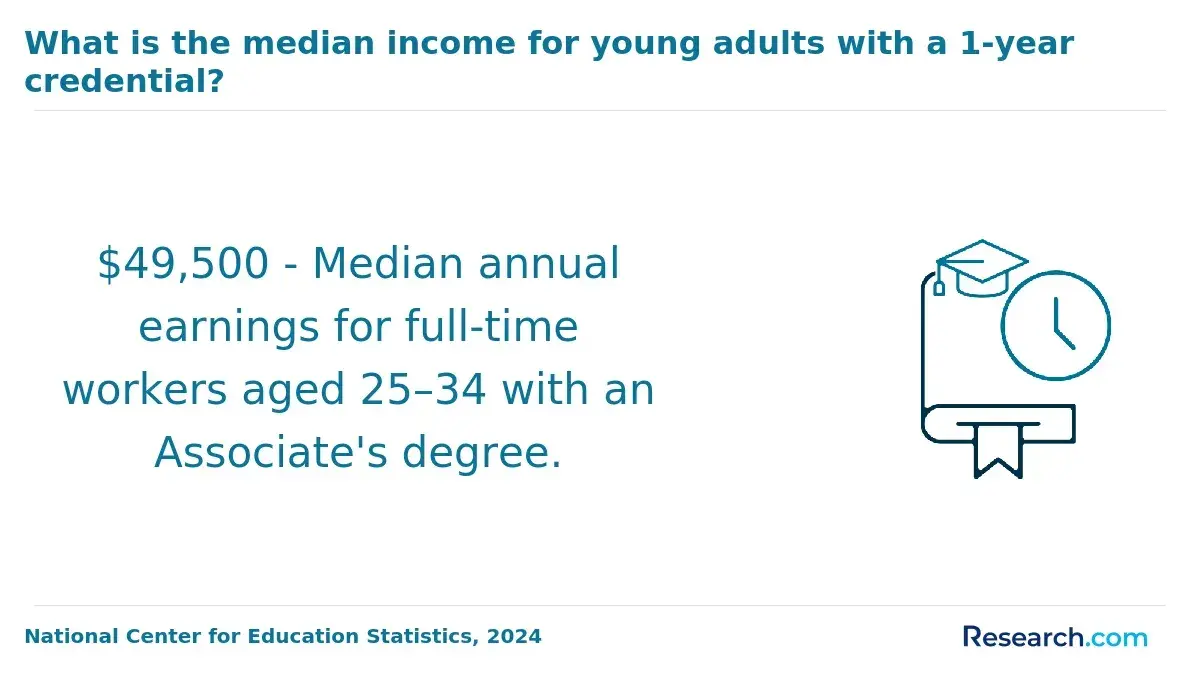
Adult learners pursuing a Legal Studies degree often do so to facilitate tangible workforce repositioning rather than purely academic exploration. A significant number seek to transition into occupational roles such as paralegals, compliance officers, or legal administrative positions where formal credentials increasingly determine eligibility and compensation. According to a 2024 report from the National Center for Education Statistics, roughly 42% of this demographic prioritize career change or skill enhancement through further education.
Wage differentials of 15% to 25% above comparable non-degree workers underscore the financial motivation behind returning to school, although these gains must be weighed against opportunity costs related to time and income foregone during study. Additional drivers include employer tuition assistance programs that reduce upfront financial barriers and the availability of flexible learning formats like online or evening courses designed to accommodate work and family commitments.
The accelerating complexity of regulatory and compliance frameworks in legal support functions compels adult learners to update technical skills and secure credentials reflecting current industry standards. These dynamics reflect a broader trend of credential inflation, where formal qualifications have become baseline expectations rather than differentiators, pressuring incumbent workers to pursue continuous education to maintain competitiveness. The growing participation of adult learners shapes program design substantially, encouraging institutions to expand non-traditional delivery models and prioritize applied competencies aligned with immediate workplace demands.
This shift influences classroom composition and peer interactions, blending diverse experiences and learning goals within cohorts. Such demographic heterogeneity fosters an environment that balances theoretical instruction with pragmatic skill-building, reflecting evolving labor market expectations and adult education patterns more accurately than programs targeted exclusively at recent high school graduates.
How Do Academic Goals Vary Between Younger and Older Legal Studies Students?
Students entering legal studies immediately after high school generally approach their education with broader, exploratory goals, aiming to develop a solid foundation in law fundamentals and build a versatile skill set suitable for entry-level employment or graduate programs. Their academic priorities often emphasize maintaining strong GPAs and engaging in internships or extracurricular activities that offer networking opportunities and exposure to various legal disciplines.
According to a 2024 report by the National Center for Education Statistics, this demographic weighs degree programs heavily on their potential to lead toward law school or advanced credentials, reflecting an early stage in their professional lifecycles where flexibility and foundational growth are paramount. Conversely, adult learners returning to legal studies often do so with focused, outcome-driven objectives tied to their existing careers or deliberate occupational shifts.
The study plans prioritize certifications, specialized knowledge, and practical skills that translate directly into workplace advancements or new roles, often balancing educational demands with ongoing employment and family commitments. The American Bar Association's 2024 Education Trends Survey highlights that these students favor programs offering flexible scheduling and pragmatic content tailored to immediate job relevance, underscoring a more strategic, lifecycle-informed approach to credentialing and lifelong learning.
How Do Financial Concerns Differ Between Traditional Students and Adult Learners?
Traditional students pursuing a legal studies degree often depend significantly on family support, scholarships, and federal financial aid, with about 70% accessing some form of government assistance according to the National Center for Education Statistics 2024 report. Their primary financial concerns revolve around managing tuition payments and living expenses while balancing potential long-term debt burdens accumulated through student loans.
Because many are younger and lack substantial personal income, their tolerance for debt is shaped by the expectation of future earnings post-graduation rather than immediate income replacement. Tuition financing options for adult learners and traditional students thus diverge notably, as traditional students tend to prioritize deferring costs or leveraging loans, accepting delayed financial payoff in exchange for uninterrupted full-time study.
In contrast, adult learners integrating legal studies with ongoing professional and family responsibilities face a more complex set of financial pressures. The 2024 Adult Learner Financial Survey by the Lumina Foundation shows that 62% of these students primarily pay out of pocket or rely on employer tuition reimbursement, highlighting a preference to avoid debt but exposing them to immediate income tradeoffs, especially when juggling reduced work hours or added household expenses.
For many adults, opportunity cost includes lost wages and increased financial strain, while employer expectations often guide program choice toward credentialing pathways that directly enhance job prospects. This reality necessitates nuanced financial behavior strategies, as these learners navigate the interplay between education costs and existing economic commitments, making flexible payment plans and employer support crucial considerations.
These financial dynamics influence enrollment patterns, with adult learners frequently opting for part-time or online programs that accommodate work-life balance and minimize opportunity costs, whereas traditional students may favor on-campus full-time routes despite higher debt risks. Understanding these distinctions is critical for prospective students assessing the real-world value and accessibility of legal studies education.
For those exploring advanced interdisciplinary health management options alongside legal studies, resources like doctorate healthcare administration illustrate how specialized programs adapt to diverse financial and professional needs, reinforcing the importance of aligning funding strategies with career trajectories rather than generic affordability considerations.
What Challenges Do Adult Learners and Traditional Students Face While Earning a Legal Studies Degree?
Traditional students in legal studies programs often face significant challenges adjusting to the academic rigor and structured environment of higher education. Many are transitioning directly from high school or community college settings, requiring them to develop foundational skills in disciplined study and time management to meet course demands. Financial stress compounds these difficulties; data from the National Center for Education Statistics in 2024 shows that about 62% of traditional students depend on federal financial aid, yet nearly half report anxiety related to loan debt and budgeting.
Beyond academics and finances, balancing social integration with academic expectations influences their retention and progression timelines, which can delay degree completion. Adult learners, typically over 25 and often balancing employment, family care, or other responsibilities, encounter a distinctly different set of obstacles in legal studies programs. Time management becomes more complex as they must juggle coursework alongside full-time jobs and caregiving, with 58% citing competing priorities as their primary barrier according to 2024 findings from the Council for Adult and Experiential Learning.
Financial aid mechanisms frequently do not align with adult learners' realities, as fewer qualify for traditional aid, leading many to rely on employer sponsorships or personal funds, which can strain long-term financial stability. Higher education institutions increasingly recognize these divergent needs by offering tailored support services, flexible scheduling, and advising systems designed to accommodate varying life circumstances.
This includes asynchronous coursework, recognition of prior learning, and specialized academic assistance intended to bridge experience gaps. Such adaptations are critical in improving accessibility and success rates for both traditional and adult learners, reflecting an evolving understanding that degree completion pathways in legal studies must be responsive to the distinct life stages and competing demands influencing each student group.
How Does Age Affect Legal Studies Degree Student Retention?
Younger legal studies students frequently confront retention challenges rooted in the transition from high school to higher education, where academic rigor and self-directed learning demand significant adjustment. Motivational fluctuations and evolving career clarity often hinder sustained engagement during these formative college years, impacting persistence. Insufficient preparation for balancing social identity exploration alongside coursework can undermine early momentum, leading to higher dropout rates.
According to the National Center for Education Statistics in 2024, retention rates for students aged 18-24 trail those of older cohorts by roughly 12%, reflecting these adaptation barriers. Older legal studies students tend to demonstrate clearer objectives and a more pragmatic approach to education, driven by professional and personal goals, which supports retention despite competing demands. However, obligations such as employment and family care create time constraints that require considerable organizational skills and institutional flexibility to navigate successfully.
Programs offering asynchronous or evening classes significantly enhance these students' ability to maintain enrollment by accommodating their complex schedules. Yet, the strain of balancing multifaceted responsibilities can still challenge consistent academic participation, highlighting the need for tailored advising and accessible support services to sustain progress.
Which Legal Studies Specializations Are Most Popular Among Adult Learners?
Adult learners in Legal Studies programs typically concentrate on specializations that directly enhance career mobility and provide practical value aligned with their existing work experience. These students often seek fields where leveraging prior skills leads to salary progression or smoother transitions into established sectors.
Enrollment data reflects a preference for programs with clear workforce applicability, reflecting an emphasis on skill updating and tangible employment outcomes over purely academic pathways. A 2024 report from the National Center for Education Statistics confirms that approximately 35% of adult Legal Studies students pursue compliance-related tracks, highlighting the sector's employment traction.
- Compliance and Regulatory Affairs: Adult learners gravitate toward this specialization due to its relevance in corporate, financial, and healthcare industries. Those with regulatory or managerial backgrounds find it effective for upskilling, addressing evolving legal frameworks, and positioning for employer demand in governance and risk management roles.
- Paralegal and Legal Assistant Studies: This specialization is favored for providing a comparatively expedited route into the legal workforce. Adult students aiming to capitalize on existing administrative or legal support experience pursue this area to meet employer expectations for both formal qualifications and practical skill sets without committing to law school.
- Criminal Justice: Practical for those balancing work and education, criminal justice specialization appeals to individuals engaged in public safety or corrections who seek to translate hands-on experience into formal credentials that support advancement or lateral moves inside law enforcement sectors.
- Healthcare Compliance: With rising regulatory complexity in healthcare systems, adult learners from related professions target this specialization to bridge domain knowledge with legal nuances, enhancing their capacity to navigate legal compliance in a dynamic environment.
Programs in these specializations prioritize operational legal knowledge and career-oriented competency-building, reflecting the real-world tradeoffs adult learners face. For those evaluating legal studies degree specializations preferred by adult learners, understanding the alignment between specialization choice and workforce roles is critical for making strategic educational investments. This focus on pragmatism over theoretical breadth corresponds with the most sought-after legal studies programs for career advancement.
For prospective students also considering alternative pathways, exploring programs emphasizing direct employability might be enhanced by comparing similar decisions in other fields, such as the range of bioinformatics degree career options, which also balance technical skill sets with job market responsiveness.
How Does Age Affect Job Opportunities for Legal Studies Graduates?
Younger legal studies graduates, typically between ages 22 and 25, often find job opportunities framed by entry-level hiring practices and structured internship pipelines that favor early-career candidates. Employers generally seek these graduates for roles requiring adaptability and long-term professional development, positioning them well for traditional mentorship and linear career progression. This cohort benefits from employer perceptions emphasizing potential over experience, but they may face steeper competition for roles that rely heavily on practical legal knowledge or administrative expertise.
In assessing how age influences job prospects for legal studies graduates in the U.S., data from the U.S. Bureau of Labor Statistics in 2024 highlights that younger graduates are often channeled into foundational positions that serve as gateways to more specialized roles later. In contrast, adult learners completing legal studies degrees frequently enter the job market with significant prior work experience that offsets some age-related hiring biases. Their transferable skills and existing professional networks enable quicker access to mid-level or specialized positions, especially in fields involving compliance, legal administration, or managerial tasks.
However, they may encounter employer expectations around technology proficiency and rapid adaptation to evolving legal frameworks that can pose barriers. Notably, graduates aged 30 and above show a 15% higher likelihood of securing mid-level roles within two years post-graduation, reflecting a nuanced advantage rooted in practical experience. Adult learners often weigh these tradeoffs when deciding whether to engage with academic programs-including balancing program accessibility and complexity, as illustrated for other fields such as nursing, where some look for the easiest NP programs to get into.
What Do Current Legal Studies Enrollment Trends Reveal About Future Demand?
Shifts in enrollment patterns within legal studies programs reflect evolving student priorities and perceptions of career value. The growing participation of adult learners-now nearly 40% of enrollees nationally according to the National Center for Education Statistics-signals increased demand for flexible, skill-oriented options as students weigh immediate applicability against traditional academic pathways. Traditional college-age students remain focused on foundational programs that serve as stepping stones to law school or related graduate education, while adult learners gravitate toward certifications and part-time formats that align with career transitions or upskilling needs.
The dynamics illustrate a bifurcation in academic interest rooted in differing professional timelines and practical goals. Enrollment trends in legal studies also mirror broader labor market signals, including employer demand for mid-level professionals with specialized legal credentials. Research from the Georgetown Center on Education and the Workforce projects a 3% annual growth in such roles through 2030, reinforcing the need for programs that integrate applied skills with critical thinking.
Technological changes and sector expansion heighten the value of adaptable, workforce-ready graduates, prompting institutions to diversify offerings toward online and part-time delivery. This alignment between enrollment behavior and labor shortages indicates a sustained demand for tailored legal studies pathways that serve both traditional students and adult learners navigating complex workforce requirements.
References:
- 2026 Higher Education Trends https://www.deloitte.com/us/en/insights/industry/articles-on-higher-education/2026-higher-education-trends.html
- Does Higher Ed’s Value Proposition Resonate with Adult Learners? - UPCEA https://upcea.edu/does-higher-eds-value-proposition-resonate-with-adult-learners/
- Traditional vs. Adult Learner Advising: Key Differences and Best Practices - ReUp Education https://reupeducation.com/resources/traditional-vs-adult-learner-advising-key-differences-and-best-practices/
- How Higher Education Institutions Can Address the Needs of Adult Learners https://www.higheredtoday.org/2022/04/18/how-higher-education-institutions-can-address-the-needs-of-adult-learners/
- The Future of Legal Education: Emerging Trends in Law Schools - Karnavati University https://karnavatiuniversity.edu.in/the-future-of-legal-education-emerging-trends-in-law-schools/
- Who’s Going to Law School? - U.C. Davis Law Review - ABF https://www.americanbarfoundation.org/resources/whos-going-to-law-school-trends-in-law-school-enrollment-since-the-great-recession/
- Why study Law: prerequisites and career opportunities | Esade https://www.esade.edu/beyond/en/why-study-law-prerequisites-career-opportunities/
- Going Back to School as an Adult: a Step-by-Step Guide https://insights.ehl.edu/going-back-to-school-as-an-adult
- Traditional Vs. Non-Traditional Students in Higher Education https://moderncampus.com/blog/traditional-vs-non-traditional-students-in-higher-education.html
- Future of Law An insight into emerging trends in the field of Legal Studies https://www.reva.edu.in/blog/future-of-law-an-insight-into-emerging-trends-in-the-field-of-legal-studies
Other Things You Should Know About Legal Studies
Employers may perceive younger legal studies graduates as less experienced, often valuing internships or extracurricular legal experiences more heavily. This can pressure traditional students to seek additional practical experience during their studies to offset age-related employment gaps. Conversely, adult learners typically bring workplace experience that adds value on resumes, but they may need to update legal knowledge to align with current practices. Traditional students should focus on securing relevant internships and practical engagement to strengthen employability.
Traditional students generally benefit from campus-based networking with peers and faculty, which can lead to early career connections. Adult learners, especially in online or hybrid formats, often encounter limited organic networking, potentially restricting access to mentors and professional circles. Adult students should proactively seek industry groups or continuing legal education events outside their programs to compensate. Emphasizing strategic networking outside academia is a practical approach for adult learners to overcome these structural limitations.
Traditional students tend to thrive in structured, in-person environments that align with typical academic schedules, promoting routine and direct faculty interaction. Adult learners frequently benefit from flexible, online, or hybrid formats that accommodate working hours and caregiving duties but may face challenges in self-motivation and timely completion. The recommendation for adult students is to assess their self-discipline and technological readiness carefully; choosing programs with robust support services and flexible pacing improves the chances of success over selecting purely convenience-based formats.