2027 Photography Degree Completion Rates by Format: Online, Hybrid, and Campus Programs Compared

Co-Founder and Chief Data Scientist
A prospective student weighing options for completing a photography degree often faces a complex choice between online, hybrid, and traditional campus programs. Each format presents distinct challenges related to engagement, time management, and access to hands-on learning resources. The student must consider how these factors align with their personal circumstances, learning style, and career aspirations before committing to a path.
Completion rates vary significantly across these delivery models, impacting the likelihood of earning a degree and entering the workforce promptly. Factors such as instructional quality, peer interaction, and institutional support also play critical roles in student success. This article compares completion rates for online, hybrid, and campus photography programs, examines the variables influencing outcomes, and guides prospective students toward the format best suited to their goals.
Key Things to Know About Photography Degree Completion Rates by Format
- Online photography programs see completion rates roughly 15% lower than campus formats, reflecting challenges in hands-on skill development critical to progressing in portfolio-based assessments.
- Hybrid formats blend digital and in-person elements, improving retention by addressing practical skill gaps, but require disciplined scheduling, which often impacts nontraditional students unevenly.
- A 2024 study shows campus programs' completion rates near 75%, benefiting from immersive access to equipment and peer critique, directly influencing practical competence and career readiness.
- Key Things to Know About Photography Degree Completion Rates by Format Key Things to Know About Photography Degree Completion Rates by Format
- How Do Completion Rates Compare Across Online, Hybrid, and Campus Photography Programs? Completion Rate Comparison
- What Factors Have the Greatest Impact on Photography Degree Completion? Degree Completion Factors
- Which Photography Degree Format Is Hardest to Complete? Completion Difficulty
- How Does Each Photography Learning Format Affect Student Success? How Does Each Photography Learning Format Affect Student Success?
- How Does Enrollment Status Affect Photography Completion Rates? How Does Enrollment Status Affect Photography Completion Rates?
- Can Transfer Credits Improve Photography Degree Completion? Transfer Credits
- What Student Support Services Improve Photography Completion Rates? Student Support Services
- How Do Photography Completion Rates Affect Career Outcomes? Impact on Career Outcomes
- How Should Students Choose the Best Photography Learning Format? Choosing the Best Format
- What Are the Long-Term Pros and Cons of Each Photography Learning Format? Learning Format Pros & Cons
How Do Completion Rates Compare Across Online, Hybrid, and Campus Photography Programs?
Completion rates for photography degree programs often act as reflections of the student populations enrolled rather than direct indicators of program quality. Variations across online, hybrid, and campus formats frequently mirror differences in student life circumstances, motivation levels, and resource access. For example, campus students may benefit from immersive environments and peer networks that support persistence, while online learners might juggle additional responsibilities impacting timely completion. These nuances make completion rates a useful but incomplete measure when analyzing student success in photography degree completion rates by program format.
Factors explaining disparities in completion rates include work obligations, enrollment intensity, and availability of institutional support. Online programs attract learners seeking scheduling flexibility, often balancing jobs or family duties, which can affect engagement and completion. Hybrid formats offer a middle ground, combining remote convenience with some face-to-face interaction, appealing to those managing competing priorities. Yet, the success of any format ultimately hinges on how well it matches individual needs, underscoring the importance of assessing one's own commitments alongside these graduation statistics.
Prospective students evaluating online hybrid campus photography graduation statistics should integrate completion data with personal learning preferences and study availability. For instance, a working professional with limited schedule flexibility might thrive in a well-supported hybrid program, while a student able to attend campus sessions may leverage richer hands-on mentorship to boost retention. Understanding these trade-offs helps clarify which pathway enhances degree attainment probabilities.
Those interested in flexible options should also consider resources tailored to affordability and support, such as the cheapest online MSW programs, which illustrate how targeted assistance can improve outcomes across formats.
What Factors Have the Greatest Impact on Photography Degree Completion?
Degree completion in photography programs hinges on a complex blend of personal attributes, academic support, and program design rather than motivation alone. Prospective students often overestimate the power of drive without accounting for how structural and environmental factors shape outcomes. This nuanced interplay is evident across various modalities, as demonstrated in recent data and studies. Below are the primary factors influencing photography degree completion, highlighting their practical impact and significance.
- Student Engagement and Readiness: Active engagement with coursework and readiness to manage academic demands are among the strongest predictors of graduation, especially in online and hybrid settings. According to National Center for Education Statistics data, students who consistently participate in discussions, complete assignments on time, and seek feedback are 15% more likely to finish their degrees. Strengthening self-regulation and time management can transform sporadic effort into steady progress.
- Access to Academic Support Services: Availability and utilization of tutoring, advising, and mentoring services play a critical role, particularly for students balancing work or family obligations. Hybrid programs offering embedded coaching see up to 20% higher completion rates than purely online formats. Students improve persistence by proactively connecting with academic resources early and often during their studies.
- Financial Stability and Aid: Financial stress remains a pervasive barrier, with students possessing stable financial aid packages showing significantly better retention regardless of program type. The 2024 Education Data Initiative emphasizes that students with consistent work-study opportunities or scholarships maintain focus and avoid interruptions that lead to dropout. Budget planning and exploring institutional aid options are practical steps toward degree completion.
- Program Format Alignment with Lifestyle: Students who select delivery modes that align closely with their personal circumstances-such as hybrid models mixing flexibility with in-person interaction-exhibit stronger perseverance. Those juggling jobs and caregiving often benefit from hybrid schedules that reduce commuting time while preserving access to hands-on instruction crucial for photography skills development.
- Structured Social Interaction: Isolation is a leading challenge in fully online photography programs, where lack of peer and instructor interaction weakens motivation. Incorporating synchronous classes, critique groups, or peer projects can mitigate this, boosting degree completion rates by fostering a sense of community. Developing virtual social networks enhances accountability and skill growth concurrently.
- Practical Skill Development Opportunities: Photography requires hands-on experience, making access to labs, studios, or practical workshops vital. Campus and hybrid formats excel here, but online students struggle unless programs intentionally integrate real-world projects or local partnerships. Students who engage actively in these experiential components better translate learning into employable skills, reinforcing commitment to completion.
- Personalized Advising and Goal Alignment: Tailored academic advising that connects coursework with each student's career aspirations enhances retention. Advisers help clarify realistic timelines, identify challenges early, and guide course selection to maintain momentum. This is especially impactful for nontraditional students who must balance diverse priorities while pursuing a photography degree.
For prospective students weighing their options, considering these interrelated factors rather than format alone is critical to maximizing success. One should also examine data like the National Center for Education Statistics and Education Data Initiative to understand the realistic tradeoffs inherent in each program style. For those contemplating advanced study, exploring structured pathways such as a doctorate in organizational leadership online may offer insights on sustained engagement and completion strategies that could be adapted to art-related fields over time.
Which Photography Degree Format Is Hardest to Complete?
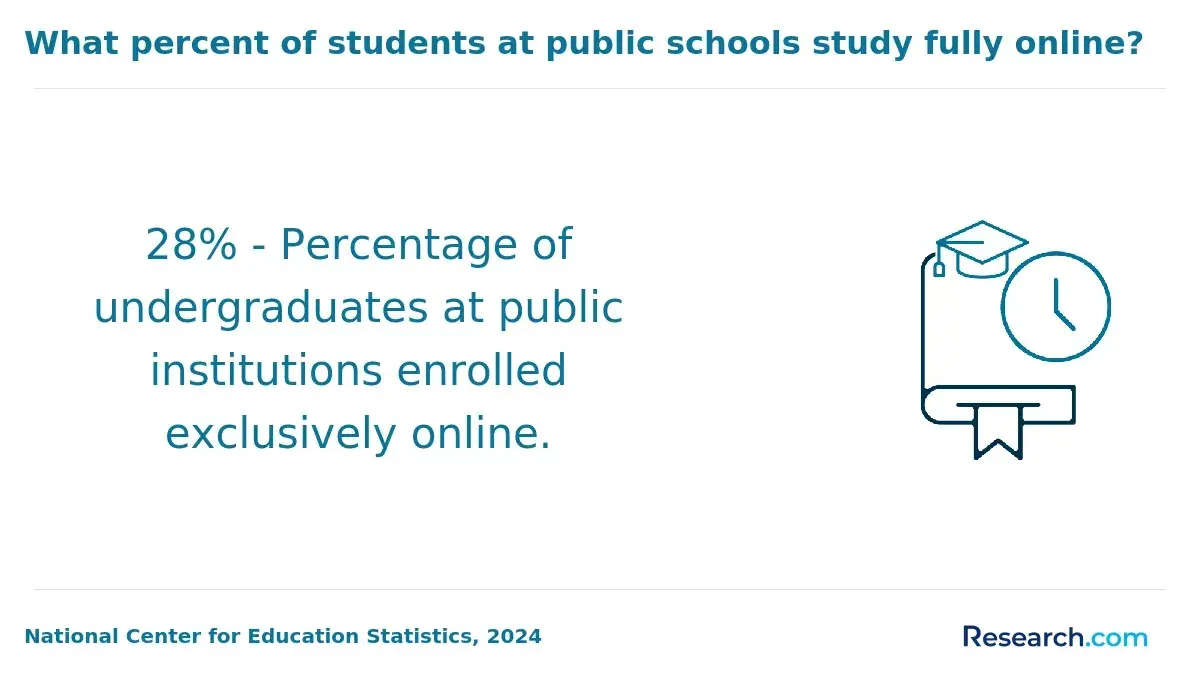
Completion rates for photography degree programs vary significantly depending on delivery format, with fully online programs generally showing 10-20 percentage points lower persistence than their campus-based counterparts, as reported by the National Center for Education Statistics and 2024 Education Advisory Board data. This discrepancy is largely due to limited hands-on interaction, fewer opportunities for immediate feedback, and challenges in maintaining motivation and time management without the structured environment of in-person classes. Hybrid formats, offering a blend of online flexibility and face-to-face engagement, tend to yield completion rates between those of online-only and campus programs, benefiting students who require both some direct support and adaptable scheduling.
Campus programs consistently report the highest retention, often near or above 70-75%, due to immersive access to specialized equipment, consistent instructor presence, and collaborative peer networks. This environment nurtures not only technical skill development but also the professional connections crucial for future career opportunities. While online programs offer important convenience for those balancing external commitments, their self-directed nature commonly results in higher drop-out rates unless students have strong personal discipline and external accountability resources.
The perspective of a recent photography graduate highlights this reality. Choosing an online program initially for its flexibility, they soon found that juggling full-time work and family responsibilities with studio assignments was overwhelming without in-person guidance. Midway through, they switched to a hybrid format, which provided scheduled on-campus workshops. This change improved their focus and practical skills, making the degree attainable despite tight schedules. The experience underscored how format choice can dramatically impact persistence and learning effectiveness, shaped by individual circumstances and support structures rather than convenience alone.
How Does Each Photography Learning Format Affect Student Success?
Student success in a Photography degree hinges on how well the learning format matches a student's unique blend of learning style, available time, and life obligations, rather than the mode of delivery alone. Choosing between online, hybrid, or campus-based programs involves considering how these factors combine to affect engagement, motivation, and access to resources essential for completion. For example, a working parent balancing shifts may thrive in a hybrid setting that offers some campus time but maintains flexibility, while a self-directed learner might perform better fully online. The following points capture the key dimensions where format alignment shapes outcomes.
- Access to Hands-On Learning: Campus programs provide direct interaction with equipment and face-to-face mentorship crucial for mastering technical photography skills. Students less comfortable with self-directed practice tend to benefit most here, as real-time feedback accelerates skill acquisition and persistence.
- Flexibility Versus Structure: Online formats offer maximum scheduling flexibility, which supports students juggling jobs or caregiving, but demand high self-discipline. Those struggling with time management risk falling behind without the built-in routines typical of campus environments.
- Community and Peer Support: Hybrid and campus formats facilitate stronger social connections through in-person collaboration, which research associates with increased motivation and degree completion. Fully online students often rely on digital forums, which can vary widely in effectiveness depending on institutional support.
- Faculty Interaction Intensity: Campus settings naturally encourage frequent, spontaneous engagement with instructors, aiding problem-solving and conceptual understanding. Online students benefit when schools offer robust virtual advisement and live sessions, but many report limited access compared to traditional programs.
- Self-Motivation and Accountability: The dispersed nature of online study places greater responsibility on the student's internal drive, influencing retention rates. Data from the National Center for Education Statistics (2024) confirms campus-based programs maintain the highest completion rates, hybrid formats perform moderately well, and fully online show the broadest variation linked to student self-regulation.
- Resource Availability and Technical Support: Campus learners have immediate access to studios, cameras, and troubleshooting, while online students depend on digital tools and remote assistance. Adequate virtual resources can mitigate this gap, though disparities persist that affect hands-on learning quality.
- Balance of Practical and Theoretical Instruction: Hybrid programs aim to blend face-to-face labs with online theory, which can optimize learning for students seeking both convenience and applied experience. This equilibrium may boost persistence by addressing diverse learning needs better than single-format approaches.
How Does Enrollment Status Affect Photography Completion Rates?
Enrollment status significantly influences degree completion rates in photography programs, but its impact extends beyond simply the number of courses a student takes each term. Full-time or part-time status interacts with personal circumstances, motivation, and external commitments, shaping whether students can maintain steady academic progress. Understanding these nuances helps prospective students choose an enrollment pace aligned with their life situation rather than following a uniform recommendation. The following points outline the primary ways enrollment status affects photography degree completion outcomes.
- Time Commitment and Academic Focus: Full-time students often dedicate more uninterrupted hours to coursework, which improves retention and engagement. This consistent focus applies strongly in campus settings where daily presence fosters immersion. Part-time students balancing work or family find it harder to maintain equivalent study intensity, impacting timely degree completion.
- Structured Scheduling Benefits: Full-time enrollment usually involves a more rigid, sequential course load that encourages consistent progress. The National Center for Education Statistics reports full-time photography students have completion rates approximately 20-30% higher than part-timers. Students seeking discipline and external structure might benefit most from a full-time approach.
- Flexibility versus Momentum in Online Programs: Part-time enrollment is more prevalent online due to its flexibility. However, this flexibility can hinder some learners' ability to sustain momentum without in-person interaction. Hybrid programs offer a compromise by blending online convenience with some face-to-face engagement, which can support better outcomes for part-time learners.
- External Obligations Impact: Part-time students often juggle employment, family, or other commitments alongside studies, increasing the risk of delays or interruptions. Recognizing this challenge upfront allows students to plan for support systems or choose enrollment status that realistically fits their lifestyle.
- Career Timing and Skill Currency: Completing a photography degree promptly aligns with industry trends and technology advancements, critical for employability in digital creative fields. Delayed completion may reduce competitiveness, highlighting the importance of enrollment choices that facilitate steady progress and timely graduation.
- Self-Discipline and Support Requirements: Part-time students must often exercise greater self-motivation and seek out academic resources proactively. Prospective students should evaluate whether their format of choice-online, hybrid, or campus-offers adequate support to match their enrollment status and help them stay on track.
- Personalized Academic Planning: Individual circumstances like learning style, work schedules, and financial situations interact with enrollment status to affect outcomes. For example, a parent working full-time might succeed better part-time online with strong time management, whereas a recent high school graduate may thrive full-time in a campus environment. Considering these factors helps maximize completion likelihood.
For students interested in related fields, exploring art therapy masters programs may offer similarly nuanced choices about enrollment formats and pacing, underscoring the broader relevance of enrollment status in creative degree completion.
Can Transfer Credits Improve Photography Degree Completion?
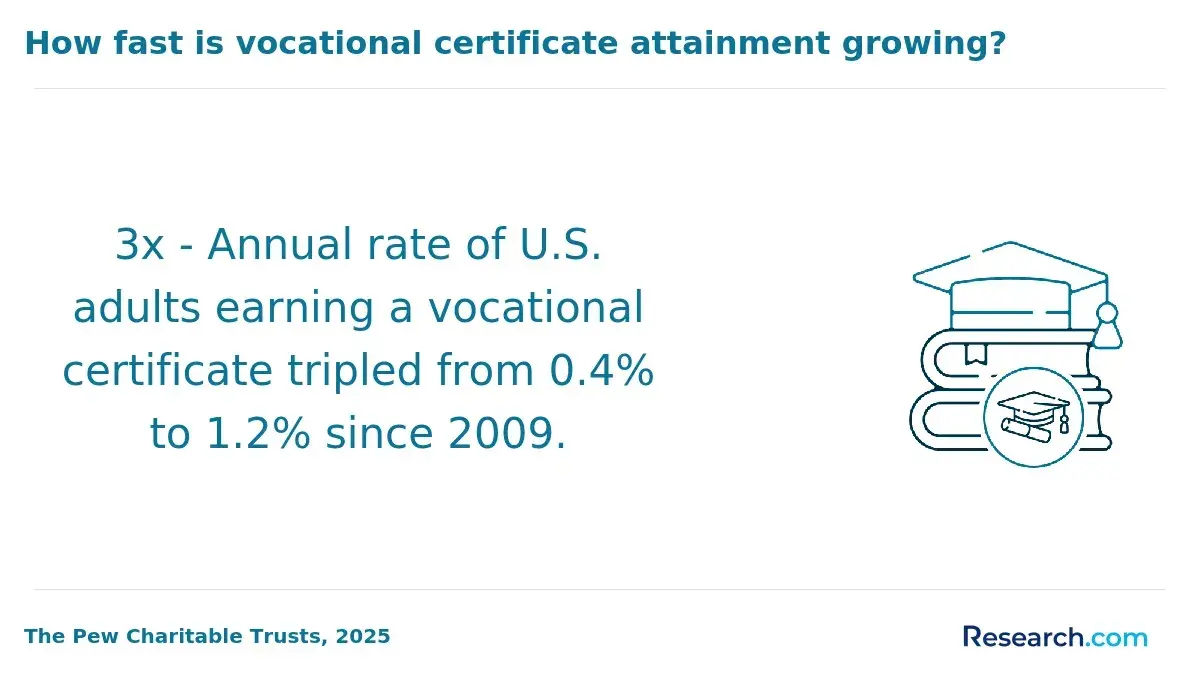
Transfer credits can significantly influence the likelihood of completing a photography degree by reducing redundant coursework and shortening the time needed to graduate. A 2024 report from the National Student Clearinghouse Research Center shows that students who transfer credits are about 20% more likely to finish their degrees within six years than those starting without any transfer credits. This advantage, however, varies depending on how well previous coursework aligns with program requirements and institutional policies.
Students entering photography programs with prior college credits, military training, or professional experience often bypass foundational courses, allowing them to focus on advanced studies sooner. For example, a student with an associate degree in graphic design transferring into a photography bachelor's program might avoid repeating general education or introductory art courses, effectively accelerating their progress. Yet, not all transferred credits hold equal value. Differences in curriculum content, course rigor, and articulation agreements mean some credits may only apply partially or not at all, potentially causing delays or requiring additional coursework.
The format of the photography program also affects how transfer credits impact completion. Online programs frequently attract students with varied academic backgrounds, making transfer credit acceptance a key factor in expedient progression. Hybrid programs balance flexibility with structure, often providing more adaptable credit recognition, while campus-based degrees typically enforce stricter transfer policies but offer direct advising to navigate them.
Prospective students should approach transfer credits with careful scrutiny. Obtaining an official credit evaluation early in the admissions process is critical to understanding how many credits will count toward their degree. Comparing remaining required credits against their planned enrollment intensity helps gauge whether transfers will meaningfully shorten graduation timelines. Transfer credits enhance completion chances when they fit well into degree requirements and reduce course load, but they are only part of a broader set of factors, including financial stability, academic support, and personal commitments, that ultimately shape success in photography programs.
What Student Support Services Improve Photography Completion Rates?
Student support services play a pivotal role in improving completion rates for photography degree programs, but their impact varies depending on delivery formats. Across campus, hybrid, and online settings, the availability of personalized academic guidance, mental health resources, and career-oriented services significantly shapes persistence. A 2024 National Center for Education Statistics report reveals that students regularly engaging with academic advisors are 15-20% more likely to graduate, regardless of program format. Below are key supports that correlate with higher completion rates.
- Personalized Academic Advising: Consistent, tailored guidance helps students navigate the demanding portfolio and project requirements unique to photography degrees. Proactive advising reduces confusion and supports steady progress through the curriculum, a factor linked with substantially better retention.
- Mental Health Counseling Availability: Access to counseling and stress relief programs addresses burnout and anxiety, which can derail studies, particularly for online learners facing isolation. The Council for Higher Education Accreditation notes a 12% completion boost in hybrid programs with strong mental health support.
- Career Development Services: Services like portfolio critiques, internship placements, and networking connect academic work to job prospects. Students benefiting from these supports show a 25% higher on-time graduation rate, affirming their critical role in motivation and direction.
- Flexible Virtual Support Platforms: For online and hybrid students, well-integrated digital tools for academic and mental health support can bridge gaps traditionally covered more easily on campus, mitigating disparities in service accessibility.
- Industry-Relevant Skill Workshops: Workshops focused on evolving photography techniques and business skills reinforce student engagement and practical readiness, enhancing persistence by linking education with real-world demands.
- Peer Mentoring Networks: Connecting students with experienced peers provides informal guidance and accountability, fostering a sense of community vital for sustaining commitment, especially where face-to-face interaction is limited.
- Early Alert and Intervention Systems: Timely identification of students at risk allows institutions to deploy targeted assistance before academic difficulties escalate, a strategy increasingly emphasized in recent 2024 higher education studies.
An online photography graduate recalled initially questioning whether virtual advising and remote career counseling would meet their needs. Facing a mid-program creative block and mounting stress, timely virtual check-ins with an academic advisor helped realign goals and workload. Simultaneously, access to online workshops and mental health sessions provided much-needed coping strategies. The integration of these supports not only prevented withdrawal but also strengthened confidence in completing the degree amidst personal challenges and the absence of in-person campus life.
How Do Photography Completion Rates Affect Career Outcomes?
Degree completion in photography significantly shapes graduates' career paths, influencing employability, earnings, and opportunities for further study. While program formats-online, hybrid, or campus-based-present varied challenges and supports that impact completion rates, persistence through to graduation offers critical leverage for career success. Completion often differentiates candidates in competitive creative fields where portfolios and skills matter. The following points outline key ways completing a photography degree affects long-term outcomes.
- Enhanced employability with stronger portfolios boosts job prospects: Graduates who complete their programs typically amass more comprehensive portfolios and technical skills. This depth is highly valued by employers in creative industries, providing an edge over those who leave programs unfinished or learn in less structured environments. Students motivated to refine practical work benefit most.
- Higher earnings and financial returns justify degree persistence: Data from 2024 indicates that bachelor's degree holders in photography earn approximately 15-25% more than non-completers over their careers. Completing the degree anchors financial gains, though local market conditions and individual creativity also influence income.
- Graduate school enrollment expands career specialization and research opportunities: Completion increases the likelihood of pursuing advanced studies, opening paths to specialized academic or industry roles. Ambitious students aiming for long-term creative research or teaching careers see particular advantage.
- Program format influences completion rates, affecting career trajectories: Campus programs generally yield higher completion rates, while online formats face challenges like self-motivation and limited peer interaction. Hybrid programs offer a balance but produce intermediate outcomes. Selecting a format aligned with personal discipline and lifestyle is crucial.
- Long-term job security and advancement partly depend on degree completion: Those without a completed degree may access entry-level photography roles but often encounter slower promotion and less job stability. Career progress relies on a combination of formal qualifications, experience, and evolving skill sets.
Prospective students balancing affordability and quality may also explore related fields; for instance, individuals seeking cost-effective options might consider an MBA under 10k, which can complement creative skills with business acumen, broadening career possibilities.
How Should Students Choose the Best Photography Learning Format?
Selecting the best format for a photography degree hinges on individual circumstances, balancing motivation, time commitments, and practical learning needs. Recent 2024 data from the National Center for Education Statistics shows that completion rates differ significantly between online, hybrid, and campus programs due to varying degrees of student engagement and support. For example, a working parent managing full-time employment may find an online program's flexibility advantageous, but risking higher dropout rates without hands-on practice. Below are key factors to evaluate when choosing the ideal photography learning format.
- Time Flexibility Versus Structure: Students must decide if they need the rigid schedule of campus programs or the flexible pacing of online courses. Campus formats offer immersive environments that enhance skill retention but require a fixed time commitment. Hybrid options strike a middle ground by blending scheduled in-person sessions with flexible online components.
- Hands-On Practical Experience: Photography demands frequent practice and immediate feedback, which campus programs excel at providing. Online formats struggle here due to limited direct interaction, potentially hampering skill acquisition essential to building a portfolio and employability.
- Support Systems and Peer Interaction: Engagement through instructors and peers correlates with higher completion rates. Campus and hybrid models offer richer networking opportunities, crucial for sustained professional growth, whereas purely online students may face isolation.
- Work and Family Commitments: Students juggling external responsibilities often benefit from online programs' accessibility. However, they must be self-disciplined to mitigate common attrition risks documented by 2024 studies.
- Career Objectives and Employability: Consider whether a program's format supports career goals, especially where networking and hands-on skills influence hiring. Hybrid and campus programs generally foster better employment outcomes than fully online tracks.
- Financial and Resource Investment: Campus enrollment might require higher costs and relocation, while online options reduce physical expenses but might lack access to specialized equipment and facilities.
- Personal Learning Preferences: Some students thrive in face-to-face settings, benefiting from immediate feedback, while others excel through asynchronous learning. Honest self-assessment is essential to sustain motivation over the program's duration.
Prospective students interested in exploring broader degree options that balance practical and academic needs may also consider related fields such as animal degrees, which feature similarly diverse program formats and career pathways. Ultimately, aligning format choice with realistic lifestyle and career expectations is critical for completing a photography degree successfully.
What Are the Long-Term Pros and Cons of Each Photography Learning Format?
Choosing between online, hybrid, and campus photography degree formats involves weighing how each affects long-term success in skill mastery, completion rates, and career readiness. Data from the National Center for Education Statistics (NCES) 2024 report shows campus-based programs maintain average completion rates near 70%, while hybrid models average around 62%, and fully online degrees note rates closer to 50%. Consider the following long-term factors when deciding your educational path.
- Completion Rates and Persistence: Campus programs offer higher persistence through structured environments and peer collaboration. Hybrid formats balance this structure with flexibility but require strong self-motivation. Online programs suit highly independent learners but commonly face lower completion rates due to limited engagement.
- Hands-On Skill Development: Campus learning enables immediate access to studios and equipment. Hybrids provide periodic in-person labs, while fully online models rely on virtual simulations, which may delay hands-on proficiency critical for artistic growth.
- Networking and Mentorship Opportunities: Face-to-face interaction on campus fosters informal mentorship and robust industry connections. Hybrid students benefit moderately, while online learners must proactively seek external networking resources.
- Scheduling Flexibility for Non-Traditional Students: Online programs excel in accommodating work and family commitments. Hybrid models offer partial flexibility without sacrificing practical experience. Campus programs can be restrictive for students balancing external responsibilities.
- Career Entry and Advancement Timing: Campus graduates often enter the workforce faster due to immersive training and industry visibility. Online learners might need supplemental experience to bridge skill gaps. Hybrid students may experience timelines similar to campus peers when effectively managing both learning modes.
- Quality and Consistency of Instruction: Research from the Council for Higher Education Accreditation highlights variability in hybrid and online program quality, emphasizing the importance of choosing accredited institutions with validated curricula.
- Learning Style and Motivation Alignment: Self-directed learners thrive in online and hybrid settings, while those preferring hands-on guidance benefit more from campus immersion. Individual motivation significantly impacts long-term success across all formats.
References
- Hybrid Programs- Which Students Want Them? https://encoura.org/resources/wake-up-call/hybrid-programs-which-students-want-them/
- Shooting With Photography Film (Pros And Cons) - Inside Monthly Magazine https://insidemonthly.com/2022/04/19/pros-cons-shooting-with-film/
- Photography School, Degree, and Career Guide | All Art Schools https://www.allartschools.com/photography/
- Online Photography Courses | 5 Star Courses Worldwide | The School of Photography https://www.theschoolofphotography.com/online-photography-courses
- Photography Classes Online https://www.creativelive.com/topics/photography
- Would you do a photography degree later in life? — StreetSnappers Street Photography Workshops https://streetsnappers.com/street-photography-blog/a-photography-degree-later-in-life
- The Real Student Struggle https://photofocus.com/photography/the-real-student-struggle/
- 6 Post-Graduation Jobs for Photography Majors | Nation Photo Lab https://www.nationsphotolab.com/blogs/photography-business-and-brand/post-graduation-jobs-for-photography-majors
- Success in Photography https://cphmag.com/success/
- Is a Photography Degree Worth it in 2026? A UK Perspective https://www.baph.co.uk/blog/is-a-photography-degree-worth-it-in-2026--a-uk-perspective
Other Things You Should Know About Photography
The practical, hands-on demands of photography programs often create complications in online-only formats, where access to studio equipment and face-to-face critiques is limited. Campus programs typically offer immediate access to labs and mentors, facilitating skill mastery and motivation, which can boost completion rates. Hybrid programs attempt to balance this by mixing in-person sessions with online coursework; however, students must carefully assess whether the on-campus components are sufficient and convenient enough to maintain steady progress. Prioritizing formats with robust practical exposure aligned with one's learning style is crucial for staying engaged and meeting program milestones.
Employers in creative industries like photography often value portfolios and technical competencies over the mode of degree completion, but nuances matter. Campus graduates may benefit from networking opportunities and live critiques that enhance their readiness and connections, potentially improving employment prospects. Online learners need to proactively seek external experiences to compensate for fewer in-person interactions, which adds a layer of responsibility outside academics and may impact their completion drive. Choosing a format that enhances market-relevant skills while supporting timely degree completion is essential for maximizing career outcomes in photography.
Hybrid programs can impose scheduling conflicts due to their dual mode, requiring students to juggle both self-paced online studies and fixed on-campus sessions. This split can complicate time management, especially for students balancing work or family obligations, sometimes leading to incomplete coursework or delayed graduations. Prospective students should weigh their ability to commit to irregular in-person attendance against the benefit of hands-on learning. Unless logistical considerations are thoroughly planned, the combined workload structure might inadvertently lower completion likelihood.
Direct critique from instructors and peers plays a pivotal role in refining photographic skills and maintaining motivation, particularly in on-campus settings. Programs lacking consistent in-person feedback-common in fully online formats-may hinder iterative improvement and reduce accountability, factors linked to lower completion rates. Students less confident in self-directed learning should lean toward campus or hybrid options to ensure regular critiques. Prioritizing formats with built-in feedback mechanisms can mitigate risks of falling behind or disengaging, thus enhancing completion prospects.