2027 Photography Degree Program Availability Report: Which States and Schools Offer the Most Options

Co-Founder and Chief Data Scientist
The concentration of photography degree programs often aligns with regional economic structures and cultural hubs that support creative industries. States with diverse metropolitan centers tend to offer broader academic options, reflecting industry demand for versatile visual skills and practical experience. According to the National Center for Education Statistics, enrollment in arts-related programs grew by 5% nationally, signaling shifting student interest toward applied creative fields.
This growth intersects with labor trends favoring digital content creation, impacting how institutions prioritize their photography curricula. Examining program availability reveals insights about educational access, institutional focus, and alignment with evolving workforce needs across states and schools.
Key Benefits of States and Schools That Offer the Most Photography Degree Program Options
- States with diverse photography degree options often require navigating varied program prerequisites, creating a tradeoff between breadth of choice and complexity in course planning for timely graduation.
- Employers increasingly value applicants from schools with specialized photography tracks, reflecting industry demand for niche technical skills alongside creative abilities, sharpening workforce competitiveness.
- A 2024 study shows 60% of students in states with more photography programs experience improved geographic access, reducing relocation costs but potentially extending overall time to degree completion.
- Key Benefits of States and Schools That Offer the Most Photography Degree Program Options Key Benefits of States and Schools That Offer the Most Photography Degree Program Options
- Which States Offer the Most Photography Degree Programs? Top States
- Why Do Some States Have More Photography Programs Than Others? Why Do Some States Have More Photography Programs Than Others?
- Which Colleges Offer the Largest Number of Photography Degree Options? Top Schools
- How Do Online Programs Improve Access in States With Limited Options? Online Program Access
- How Much Does Photography Program Tuition Vary by State? How Much Does Photography Program Tuition Vary by State?
- How Does Photography Program Demand Affect Admissions Decisions? Program Demand
- How Do Photography Specialization Options Vary by Region? Specialization Options
- How Does Regional Employer Demand Affect Career Outcomes? Employer Demand
- What Factors Matter Most When Comparing Photography Programs Across States? Key Comparison Factors
- Which Regions May See the Fastest Growth in Photography Education? Fastest Growing Region
Which States Offer the Most Photography Degree Programs?
Availability of photography degree programs across the U.S. is closely linked to regional factors such as population concentrations, the density of higher education institutions, and local industry demand. States with large metropolitan areas and strong creative economies tend to offer a wider array of programs, reflecting both institutional capacity and workforce needs. Many of these programs integrate technical skills with conceptual training to better align graduates with diverse employment sectors in visual media.
Top U.S. states with the highest number of photography program options include:
- California: Home to a vast network of accredited colleges and universities, California leverages its vibrant entertainment hubs like Hollywood and the tech-centric culture of Silicon Valley. This creates a fertile environment for programs that blend traditional photographic arts with digital media innovations. Students benefit from close ties to major media companies and emerging technology firms, allowing access to internships and specialized training that support various career paths in commercial and digital photography.
- New York: With its concentration of specialized art schools and extensive public university systems, New York offers robust photography curricula that balance fine art and commercial applications. The state's proximity to a major photography market-comprising galleries, agencies, and cultural institutions-provides students with critical industry exposure and professional networking opportunities. Programs here often emphasize conceptual development alongside practical skills, catering to a spectrum of student interests and career outcomes.
- Texas: Reflecting its expanding creative industries in metropolitan centers like Austin and Dallas, Texas has seen growth in photography education that frequently merges visual arts with broader media and design disciplines. This interdisciplinary approach addresses employer demand for multimedia content creators skilled in both static and dynamic visuals. The presence of public research universities and growing arts communities supports diverse program offerings and flexibility in academic pathways.
Besides these states, programs in places like Florida and Ohio often focus on accessible, foundational training through community colleges, highlighting affordability and local market relevance. However, the breadth of program availability does not alone equate to quality or career readiness. Prospective students should weigh how regional program characteristics, industry linkages, and specialized resources align with their professional goals.
For applicants weighing options-particularly those considering cost-effective pathways-the expanding landscape of online colleges that accept FAFSA can supplement geographic limitations, expanding access to diverse photography programs nationwide.
Why Do Some States Have More Photography Programs Than Others?
Availability of photography degree programs varies considerably across states due to differences in higher education infrastructure and regional labor market demands. States with expansive public university systems and diverse private colleges often provide a broader selection of specialized programs, reflecting the presence of robust arts education networks. The density of creative industries in these states, including media and digital arts sectors, directly influences the demand for graduates with photography skills. Such concentration creates program ecosystems where institutional capacity aligns with employer needs, which shapes photography degree program availability by state.
Key drivers behind these geographic disparities include state funding priorities for arts education, the research capacity of universities, and the clustering of related industries. For instance, states that allocate consistent resources to support arts programs enable colleges to develop and sustain specialized photography curricula responsive to local workforce requirements. According to data from the U.S. Bureau of Labor Statistics (2024), states with high concentrations of creative professionals exhibit a 20-30% greater density of academic photography offerings, emphasizing the link between employer demand and program development. Institutional priorities that evolve alongside regional industry presence, including film production and advertising, further drive where photography programs thrive or remain scarce.
These structural patterns influence student access to quality photography education and reinforce regional workforce development disparities. States with limited program availability often see students turn to online options, which are growing but may not fully replicate the networking and practical opportunities found in established arts hubs. Navigating these systemic differences is critical for those researching photography education options or assessing the strategic expansion of programs. For guidance on related educational pathways shaped by similar factors, prospective students may explore resources on the most affordable online counseling degrees as an example of how program distribution aligns with broader labor market and funding environments.
Which Colleges Offer the Largest Number of Photography Degree Options?
The breadth of photography degree programs offered by an institution is closely tied to its size, academic infrastructure, and funding capacity rather than geographic location alone. Larger universities with significant research activity and diverse faculty resources typically provide a wider array of specialized tracks, interdisciplinary options, and degree levels. These institutions leverage their extensive departments and industry connections to create flexible curricula that address evolving professional demands and technological developments within photography.
- Large Public Research Universities: Institutions such as the University of California and State University systems often lead in offering multiple photography programs across associate, bachelor's, and graduate levels. These universities benefit from sizable budgets and integrated arts, media, and technology departments, enabling curricular innovation and varied specialization areas like digital imaging, commercial photography, and photographic history.
- Comprehensive State Universities: Large state universities outside flagship research centers frequently maintain substantial arts faculties that embed photography within broader communication or visual arts schools. Their scale supports interdisciplinary coursework and access to extensive internship networks, which align programs closely with regional industry needs.
- Long-Established Specialized Art Institutions: Although smaller in size, schools dedicated to art and design-such as the Rhode Island School of Design-offer multiple focused photography degrees emphasizing studio practice, critical theory, and portfolio development. Their concentrated mission fosters depth over breadth, with strong industry ties often shaped by alumni networks in creative sectors.
- Technical Institutes with Media Focus: Certain technical colleges incorporate photography into practical digital media and commercial arts curricula. These institutions typically emphasize applied skills and technology use, adapting quickly to shifts like the rise of social media content creation while offering certificates and associate degrees attuned to workforce entry points.
Data from recent national education agency reports in 2024 shows that over 70% of photography degree pathways are concentrated within public research universities and large state systems, reflecting their capacity for diversified programming. This structural advantage enables these institutions to meet varying student and employer demands by combining traditional analog foundations with emerging digital competencies and interdisciplinary collaborations, thereby enhancing graduate adaptability in competitive, evolving markets.
How Do Online Programs Improve Access in States With Limited Options?
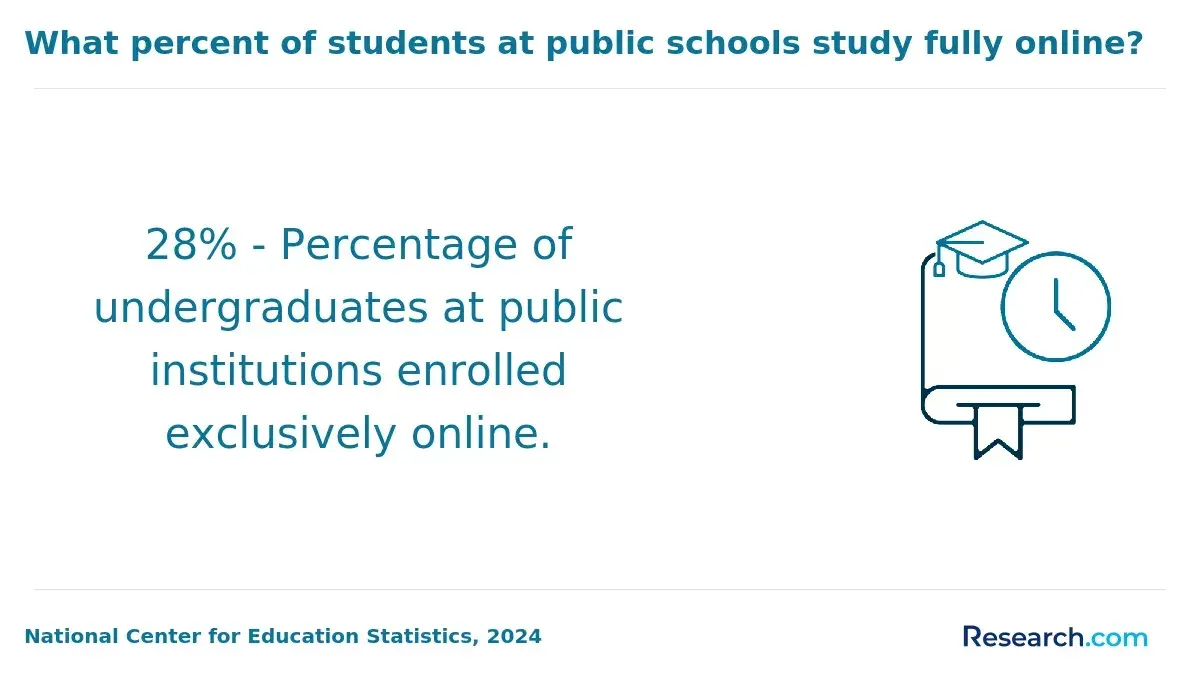
Online photography programs significantly reduce geographic barriers for students located in states with sparse or nonexistent in-person offerings. These digital formats allow individuals to pursue accredited coursework without relocating or uprooting their personal and professional lives. According to the National Center for Education Statistics in 2024, nearly 35% of students enrolled in creative arts fields, including photography, opt for fully online study, underscoring a substantive shift toward remote education in regions underserved by physical campuses. For those balancing work, family, or financial challenges, this expanded access is not just convenient but often essential for continued education in photography.
The essential factors enabling this expansion include asynchronous class structures and broad cross-state enrollment opportunities that lessen dependency on local institutions. Online programs leverage technology to scale institutional offerings beyond traditional geographic limits, attracting a diverse and widespread student body while diversifying enrollment patterns. The 2024 State Postsecondary Education Access Report highlights a 50% enrollment increase in online photography courses over two years in states with fewer than five in-person programs, illustrating how distance delivery reconfigures academic reach and responsiveness to regional demand. This evolving model facilitates institutional competition and collaboration across state lines, contributing to greater educational equity in creative arts disciplines.
A graduate who navigated this system recounted delays during the rolling admissions process that initially caused uncertainty about committing to an online program from a distant state. The timing of application feedback was uneven, and waiting for acceptance required balancing urgent preparation for potential relocation with the possibility of remaining enrolled online. The applicant ultimately chose the online route to avoid disruptions in workflow and family responsibilities, highlighting how admission timelines and program flexibility intersect to influence student decisions in regions with limited options.
How Much Does Photography Program Tuition Vary by State?
Tuition for photography degree programs varies extensively across states due to differences in public funding, institutional types, and residency-based pricing models. Public universities typically charge substantially lower tuition for in-state residents because of state appropriations that offset operating costs. Private institutions rely on tuition revenue without direct state support, often resulting in higher and less predictable prices. Residency status is a major determinant of cost, with out-of-state students frequently paying multiples of in-state tuition rates. These funding structures reflect broader state-by-state tuition variation for photography degrees rather than arbitrary pricing, as regional policies and budget priorities directly influence how accessible these programs are to local versus non-resident students.
Current tuition ranges illustrate these disparities clearly: public in-state tuition for photography-related associate or bachelor's degrees often falls between $4,000 and $8,000 annually in states like Texas, Florida, and Arizona. In contrast, public universities in higher-cost states such as California and New York regularly surpass $15,000 for in-state students, with private colleges pushing costs even further, frequently over $25,000. These figures, sourced from state university system reports and national education data, demonstrate the impact of regional living costs and institutional pricing norms. Prospective students must consider that tuition is only one aspect; institutional resources, program specialization, and industry connections vary alongside these financial factors, shaping a nuanced landscape of photography program tuition costs by state.
These tuition variations have practical consequences for student mobility and program selection. Affordable tuition states may offer more accessible entry points but could have fewer specialized photography resources or networking opportunities compared to high-cost states, which often cluster private institutions with specialized curricula. Moreover, some states provide robust scholarship programs or tuition waivers that alter effective costs, emphasizing the importance of a comprehensive cost-to-value assessment. Prospective students should research state-specific financial aid climates along with program outcomes before deciding, particularly when comparing programs through tools like the online MBA programs coMPArison and similar resources focused on education affordability and access.
How Does Photography Program Demand Affect Admissions Decisions?
Higher demand for photography programs intensifies admissions selectivity by narrowing acceptance rates and heightening standards for applicant qualifications. Programs in competitive markets often respond to application surges by prioritizing portfolios demonstrating technical mastery and creative versatility that align with current professional norms. This selective pressure reflects not only limited enrollment capacity but also an institutional focus on matriculating students who can positively impact graduation outcomes and workforce readiness. In contrast, programs in regions with fewer options may adopt broader admission criteria, trading specialized curricular depth for the ability to sustain class sizes.
The interplay between program capacity and labor market alignment fundamentally drives these admissions dynamics. Finite resources such as faculty expertise, studio availability, and accreditation mandates restrict the number of students that can be effectively trained while preserving quality. Simultaneously, institutions calibrate enrollment to evolving industry demands for skills beyond technical proficiency, including adaptability and practical experience. This alignment pressures admissions committees to weigh applicant readiness against the realities of program bandwidth and employment prospects, causing fluctuating acceptance rates tied to local and regional fluctuations in applicant volume.
Rising demand consequently shapes how applicants approach preparation and engagement with programs. As admission becomes more competitive, candidates often seek to differentiate themselves through internships, collaborative projects, and portfolio diversification earlier in their academic journey. Programs benefiting from reputation gains in high-demand settings may further restrict access, potentially reducing geographic and socioeconomic accessibility over time. Understanding these patterns is crucial for prospective students navigating the balance between program prestige, selectivity, and the capacity to acquire relevant experience within various institutional contexts.
One photography graduate recounted that applying during a peak demand cycle meant enduring a prolonged, uncertain waiting period since the program evaluated portfolios in rolling admissions batches. She delayed submitting her strongest work until several months into the application window, wary that earlier submission might be prematurely compared to less refined portfolios. This strategy paid off, but the experience underscored how timing and iterative preparation influence outcomes in oversubscribed programs-particularly when admissions decisions depend heavily on nuanced assessments of evolving creative potential.
How Do Photography Specialization Options Vary by Region?
Photography specialization availability closely mirrors the economic character and dominant industries within a region. Urban centers with robust media, technology, and entertainment sectors-such as California, New York, and Texas-tend to offer a diverse range of focused tracks including commercial, documentary, fine art, and emerging technological niches like drone and virtual reality imaging. These specializations align directly with local employer demands for advanced technical skills and innovative content creation, ensuring graduates possess portfolios and experiences tailored to competitive, high-skill labor markets. Conversely, rural and less industrialized areas typically provide more generalized photography programs, reflecting narrower regional industry needs and limited institutional resources.
Variations in specialization also stem from institutional capacity and regional workforce integration. Larger public universities and specialized art institutes, often located in metropolitan regions, leverage stronger employer partnerships and research initiatives to sustain comprehensive and cutting-edge curricula. These collaborations enable alignment with industry shifts, such as growth in digital content production or cinematic storytelling, providing students with applied learning opportunities that resonate with employer expectations. A 2024 Postsecondary Education Program Review found that nearly 65% of schools in coastal states offer three or more distinct photography specializations, compared to approximately 30% in interior states, underscoring the influence of regional economic ecosystems on academic offerings.
These disparities influence student decisions around program selection and career planning. Learners from regions with fewer specialization options may need to pursue additional certifications or relocate to access niche training aligned with evolving labor market demands, affecting both financial and professional trajectories. Awareness of these regional education patterns is vital for prospective students seeking to optimize employability within specific photography sectors, as well as for researchers considering how geographic economic structures shape academic program design and workforce readiness.
How Does Regional Employer Demand Affect Career Outcomes?
Regional employer demand for photography graduates significantly shapes job availability and early career opportunities, influencing where and how quickly graduates can enter the workforce. Areas with dense clusters of photography studios, media outlets, and marketing firms typically provide more entry points, from internships to freelance gigs, enabling graduates to build experience relevant to their degrees. Conversely, states or metro areas with sparse industry presence offer fewer roles, often forcing graduates to compete intensely for limited positions or consider pivoting to other creative fields. These geographic disparities directly affect not only employment rates but also the practical application of skills acquired during study.
The underlying factors connecting regional demand and career outcomes include the concentration of industry employers and their partnerships with educational institutions, which help funnel talent into local job markets. States like California and New York benefit from strong employer ecosystems that drive wage competition, resulting in median photography-related salaries roughly 15% above the national average, according to U.S. Bureau of Labor Statistics data. Such specialized hiring ecosystems foster niche roles in commercial, editorial, and multimedia photography, further enhancing career pathways. This supply-demand alignment also influences the density of networking events and freelance opportunities essential for sustained career growth within regional hubs.
These regional demand patterns have broader career implications, affecting geographic mobility decisions and the feasibility of remote work arrangements. Graduates from areas with limited photography employer bases often contemplate relocation to access more robust markets or diversify skills, while rising remote work options might expand access but usually cannot replace the advantage of proximity to established creative industries. Prospective students evaluating photography programs should weigh how local employer demand for photography graduates aligns with their career ambitions, recognizing that regional labor markets strongly condition long-term professional outcomes and skill utilization. For those navigating complicated personal circumstances, exploring resources like what is the best degree for a convicted felon can also be part of a practical career planning approach.
What Factors Matter Most When Comparing Photography Programs Across States?
Comparing photography programs across states requires looking beyond mere program availability to understand how regional factors shape educational access, costs, and outcome quality. State-level differences directly impact tuition rates, specialization options, and the strength of networks linking academia and industry. These variations influence not only the affordability of degree pathways but also the long-term career prospects graduates encounter in different labor markets. Prospective students must weigh these dimensions carefully in the context of photography degree program availability by state to optimize both educational experience and workforce relevance.
- Program Accreditation and Quality: Accreditation remains a key indicator of rigorous academic standards and alignment with industry expectations. States with a higher concentration of accredited art and design institutions tend to produce graduates with superior employability. According to the National Center for Education Statistics in 2024, students from accredited programs report a 15% higher employment rate within one year post-graduation compared to non-accredited counterparts.
- Tuition Cost and Financial Aid Accessibility: Variability in state tuition policies and financial aid availability substantially affects program affordability. Out-of-state tuition premiums and limited aid packages in certain states can restrict access, potentially excluding talented candidates despite strong programs. These economic barriers are often more pronounced in regions with fewer public institutions offering photography specializations.
- Curriculum Breadth and Practical Training: States and programs differ in the scope of technical skills taught and the integration of internships or real-world projects. Programs offering specialized digital imaging, hands-on technical workshops, and robust industry partnerships better prepare students for evolving employer demands. Regional industry presence also facilitates internship placements, directly impacting career entry points.
- Faculty Expertise and Industry Integration: Faculty with active industry experience or links to creative sectors provide valuable market insights and mentorship. States with creative industry clusters generally attract such educators, enriching program content and networking opportunities for students. This practical expertise bridges academic learning with employer expectations.
- Post-Graduation Employment Landscape: Geographic proximity to vibrant creative industries, such as media and advertising hubs, influences graduates' job prospects. For instance, California and New York together account for over 40% of national photography-related employment, reinforcing the importance of regional industry concentration when comparing program value.
When evaluating photography degree program availability by state, applicants should consider these factors to align academic investments with meaningful career outcomes. Additionally, exploring high paying careers for introverts may offer practical guidance for students seeking roles that match personality and market trends within creative industries.
Which Regions May See the Fastest Growth in Photography Education?
Growth in photography education typically concentrates in regions where employer demand, demographic shifts, and higher education investment converge. Such program expansion reflects broader economic trends, workforce needs, and institutional capacity to adapt curriculum offerings. Future growth is often tied to digital media sector evolution and creative industry clusters that provide practical employment pathways.
- West and Southwest: Driven by technology hubs like California's Silicon Valley and Austin, Texas, these regions benefit from high employer demand for digital content creators. Expanding community colleges and state universities are responding with new programs emphasizing digital photography and multimedia. Program growth is fueled by strong industry partnerships offering internships and real-world experience.
- Southeast: Population increases and economic diversification in this region create fertile ground for program development. Investments in workforce training highlight creative fields as emerging sectors, driving state support for arts education. This can lead to more varied program options aligned with employer needs in media and advertising.
- Mountain West: While smaller in scale, this region is seeing gradual university expansions focusing on cross-disciplinary skills combining photography with digital tools. Growth may emerge from growing local media markets and tourism-driven content demands.
- Midwest: Traditional arts programs are maintained but face slower growth due to economic shifts away from manufacturing hubs. However, programs integrating photography with business or technology may see incremental expansion tied to regional workforce priorities.
- Northeast: Despite a concentration of established institutions, high costs and market saturation slow new program growth. Students here may face limited program availability amid high competition, though established schools maintain strong reputations with specialized offerings.
These regional dynamics emphasize that photography program availability aligns closely with local industry demands, institutional responsiveness, and workforce development strategies rather than uniform national growth.
References
- Best Photography Schools in the U.S. for 2024 https://theartcareerproject.com/photography-schools/
- Online Photography Education in Higher Education Market - Forecast 2024 to 2028 https://www.technavio.com/report/online-photography-education-market-in-higher-education-market-industry-analysis
- Online Photography for Schools - Sharp Shots Photo Club https://sharpshotsphotoclub.co.uk/the-rise-of-online-photography-for-schools/
- Why Choose Photography as a Career: Benefits & Opportunities https://www.pearlacademy.com/blog/film/why-choose-photography-as-a-career
- The Photography Institute https://www.thephotographyinstitute.com/za/en/blog-study-online
- Top 20 U.S. States for Photographers to Live in 2016 - Improve Photography https://improvephotography.com/37131/best-u-s-states-photographers-live-2016/
- Online Photography Education Market Trends and Forecast https://www.htfmarketintelligence.com/report/global-online-photography-education-market
- 5 Things to Consider Before Deciding to Specialize or Not in Your Photography https://digital-photography-school.com/5-things-to-consider-before-deciding-to-specialize-or-not-in-your-photography/
- Best photography schools by state + 2025-2026 tuition – All Bachelor Degrees https://allbachelordegrees.com/degrees/best-photography-colleges-by-state-2025-2026-tuition/
- The Educational Benefits of Taking a Photography Course — Nick Dale Photography https://www.nickdalephotography.com/blog/the-educational-benefits-of-taking-a-photography-course
Other Things You Should Know About Photography
While a greater number of programs might suggest diversity, this does not guarantee superior alignment with local or national employer demands. In states where competition drives program expansion, some schools may emphasize technical proficiency and modern digital techniques that employers prioritize. Conversely, others might focus more on artistic expression or historical perspectives, which may be less directly applicable to commercial roles. Prioritizing programs known for strong industry connections or graduate placement records can provide a practical advantage over simply choosing based on quantity of program options.
High program availability often correlates with increased peer competition for resources, faculty attention, and internship opportunities. While diverse programs offer valuable specialization choices, the density of students pursuing photography can lead to crowded studios and limited hands-on access. Prospective students should weigh the benefits of curricular variety against the potential for reduced individualized mentorship. For many, selecting a well-ranked program with moderate enrollment may yield better outcomes than simply opting for states or schools with the most degree options.
Some states impose specific professional certifications or business licensing regulations for commercial photographers, which can influence the relevance of degree curricula. Programs in states with strict license requirements often integrate these vocational elements into their coursework, enhancing graduate readiness for local markets. In contrast, programs without such alignment may leave students underprepared for regulatory compliance, affecting early career success. Students should investigate how well programs incorporate legal and business education relevant to their intended work locations, especially in states with many photography degrees where such differences may vary widely.