2027 Photography Tuition Inflation Report: How Fast Are Program Costs Rising?

Co-Founder and Chief Data Scientist
Photography programs face unique cost pressures driven by the need for advanced equipment, studio maintenance, and software licenses, which differ markedly from other disciplines. The rise in labor market demand for specialized skills such as digital imaging, post-production, and multimedia integration compels institutions to invest heavily in faculty with niche expertise. According to a 2024 National Center for Education Statistics report, Photography enrollment has shifted toward older, career-transitioning students who often require flexible scheduling and updated curriculum, further increasing delivery costs. These structural and operational factors combine to shape tuition inflation trends, reflecting evolving professional expectations and resource demands in the Photography field.
Key Things to Know About Photography Tuition Inflation
- Photography tuition inflation averaged 6.8% annually since 2024, outpacing general inflation and heightening upfront costs, which pressures students to weigh immediate price spikes against long-term earnings potential.
- Employers increasingly favor portfolios and freelance experience over formal credentials, diminishing tuition inflation's wage-boosting impact and complicating ROI calculations for degrees amid rising expenses.
- Rising costs delay enrollment for price-sensitive students, skewing access toward those with financial support and potentially reducing socioeconomic diversity within Photography programs over the next decade.
- Key Things to Know About Photography Tuition Inflation Key Things to Know About Photography Tuition Inflation
- How Much Has Photography Tuition Increased Over the Past Decade? How Much Has Photography Tuition Increased Over the Past Decade?
- How Does Photography Tuition Inflation Compare to Overall Inflation? How Does Photography Tuition Inflation Compare to Overall Inflation?
- Which Types of Schools Have Experienced the Fastest Photography Tuition Growth? Tuition Growth by School Type
- What Factors Are Driving Rising Costs in Photography Degree Programs? Tuition Cost Drivers
- How Does Photography Tuition Growth Vary by State and Region? Tuition Growth by State
- Are Online Photography Programs Becoming More Affordable Than Campus-Based Programs? Online Program Affordability
- How Have Financial Aid and Scholarships Changed as Photography Tuition Has Increased? Impact on Financial Aid and Scholarships
- How Does Rising Photography Tuition Affect Student Debt After Graduation? Impact on Student Debt
- Do Higher-Cost Photography Programs Deliver Better Career Outcomes or Earnings? Impact on Career Outcomes
- What Do Current Tuition Trends Suggest About the Future Cost of a Photography Degree? What Do Current Tuition Trends Suggest About the Future Cost of a Photography Degree?
How Much Has Photography Tuition Increased Over the Past Decade?
Tuition for photography degree programs in the United States has risen substantially over the last decade, with public institutions seeing increases between 35% and 45% after adjusting for inflation, according to recent data from the National Center for Education Statistics and the U.S. Department of Education's College Scorecard. Private colleges have experienced even steeper hikes, often exceeding 40% growth since 2014. These tuition trends outpace general economic inflation, signaling that specialized programs like photography face unique cost pressures beyond those influencing broader higher education pricing, which impacts students' ability to afford these degrees and weigh their financial commitments carefully.
Several key factors drive these tuition increases: shrinking state appropriations for public universities have forced many institutions to shift more costs onto students, while the operational demands of photography programs-such as maintaining studios, equipment, and software licenses-add significant expense. Additionally, evolving curricula now frequently integrate digital media and technological skills, which require continuous investment. Together with growing interest and enrollment in creative fields, these elements create sustained upward pressure on tuition. Students must consider these dynamics alongside potential outcomes, as higher fees do not automatically translate into improved career prospects or employer recognition.
The steep rise in photography tuition affects affordability and may restrict access primarily to students from more privileged backgrounds or those willing to accumulate debt burdens. This has prompted some prospective learners to explore alternatives, including vocational education, credentialing outside the traditional degree framework, or self-directed training paths. For those evaluating the return on investment, it becomes essential to balance the cost of a photography degree with realistic expectations around employment opportunities and industry demands. For further perspectives on education financing options and alternative program models, resources like SLP programs online demonstrate evolving educational approaches gaining attention in parallel creative and healthcare fields.
How Does Photography Tuition Inflation Compare to Overall Inflation?
Tuition inflation for photography programs in the United States has consistently outpaced general consumer inflation, reflecting unique cost dynamics in higher education. Data from the National Center for Education Statistics and the College Board indicate annual increases in photography tuition and fees ranging from 3% to 5%, compared to U.S. Consumer Price Index growth closer to 2% to 3%. This discrepancy illustrates that while everyday expenses like housing and food rise steadily, the cost of photography education grows faster due to specialized program demands and market pressures. Understanding this divergence is key for students and families assessing the real financial commitment involved in pursuing photography tuition inflation rates in the United States.
The gap between photography program costs and broader inflation stems from structural shifts in institutional funding and operational expenses. Declining state support for public colleges forces institutions to raise tuition to cover administrative growth, expanded student services, and investments in advanced technology and infrastructure such as digital labs and studio spaces catered specifically to photography training. These factors, combined with smaller class sizes and faculty expertise requirements, create a cost environment where program inflation consistently outstrips general inflation measures. This nuanced inflation gap signals that rising tuition is not merely a symptom of economic trends but a reflection of evolving higher education finance and program quality priorities.
For prospective and current students, the higher trajectory of photography tuition inflation affects affordability and borrowing patterns, making careful financial planning essential. As program expenses climb faster than typical consumer prices, students may face increased debt loads and more pronounced tradeoffs between program selection and expected career returns. Greater awareness of how photography tuition inflation compares to overall inflation also informs choices about timing, funding strategies, and evaluating the value proposition of different institutions. Those exploring funding options might consider resources like affordable online EdD programs to better navigate their educational investments amid these long-term affordability challenges.
Which Types of Schools Have Experienced the Fastest Photography Tuition Growth?
Tuition growth for photography programs varies widely across institutional types, largely shaped by distinct funding mechanisms, enrollment strategies, and program cost structures. These disparities reflect how schools balance resource intensity, market demand, and financial sustainability, ultimately influencing the rate at which tuition increases. Understanding these systemic factors is critical for assessing the long-term affordability and value of photography education options.
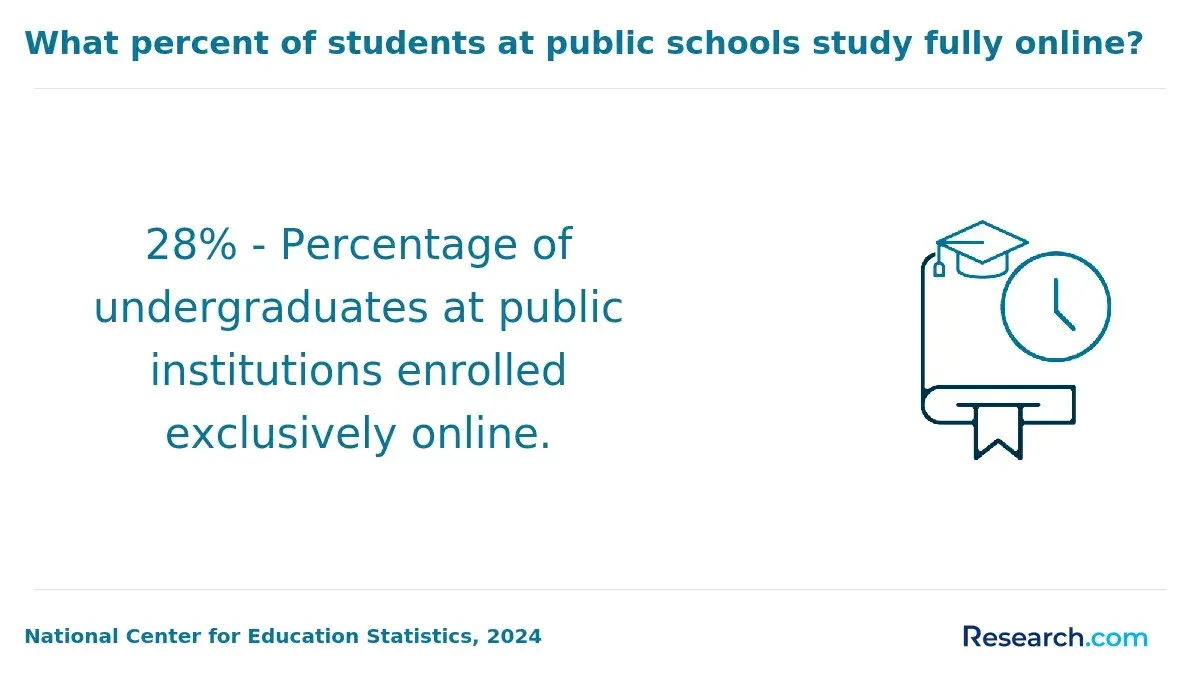
- Private For-Profit Institutions: These schools have seen the most rapid tuition growth, averaging around a 6.8% increase between 2023 and 2024, as reported by the College Board. Their reliance on tuition revenue without substantial endowments or government funding drives aggressive pricing, often justified by accelerated programs and career-focused marketing. However, this model exposes students to higher costs and potential variability in program quality and outcomes.
- Public Community Colleges: Typically experiencing more moderate tuition hikes near 4.1%, public community colleges benefit from state subsidies and local funding, which temper price inflation. Their focus on accessibility and workforce alignment results in more stable pricing for photography programs, appealing especially to adult learners balancing education with employment.
- State Universities and Public Flagships: With tuition increases averaging about 3.5%, these institutions maintain a balance between public funding and enrollment-driven revenue. The larger scale and research commitments necessitate investment but also leverage economies of scale, limiting rapid price jumps compared to smaller or private entities.
- Research-Intensive Universities: Research universities incorporate photography within broader arts or media programs. Tuition pressures here stem not only from instruction costs but also from substantial funding allocated to research infrastructure and faculty expertise. While their tuition growth may be moderate, the specialized nature of programs and reputation can justify higher sticker prices.
- Regional Colleges and Smaller Nonprofits: These institutions often face fluctuating enrollment and limited endowment funds, resulting in variable tuition growth rates. Their pricing tends to reflect a balance between maintaining program viability and regional market responsiveness, sometimes leading to moderate increases influenced by competitive positioning.
What Factors Are Driving Rising Costs in Photography Degree Programs?
Increasing costs in photography degree programs stem from a convergence of institutional and economic pressures rather than a singular cause. Public institutions, facing diminished state appropriations, have shifted a growing portion of their budget burdens onto tuition fees, amplifying financial demands on students. Simultaneously, the expanding scope of administrative roles-spanning compliance, student support, and program coordination-drives operational expenses higher. These intertwined factors create a structural dynamic where cost containment becomes challenging without compromising program quality or resources.
Key drivers of cost inflation in photography programs include escalated faculty compensation as institutions compete for specialized instructors with industry credentials who command premium salaries. Advances in digital technology require ongoing investment in cutting-edge equipment, software licenses, and upgraded studio facilities, reflecting educational priorities but also heightening fiscal strain. Additionally, growing reliance on tuition revenue to offset shrinking public support incentivizes institutions to enhance program offerings and infrastructure, inadvertently reinforcing a cycle of rising expenses. The National Center for Education Statistics reports that technology-related expenditures in arts programs have increased by more than 15% since 2020, underscoring how capital investment significantly contributes to tuition growth.
Reflecting on her experience, a recent photography degree graduate recalled navigating the rolling admissions process with a mixture of caution and urgency. Early in the application cycle, she hesitated to submit her portfolio, wanting it flawless, aware that delays could influence financial aid decisions tied to program costs. The unfolding timeline required balancing preparation against uncertainty, as pending admissions offers affected her ability to commit to costly program fees amid rising tuition. This strategic pause highlighted how increasing costs intertwine with admissions timing, shaping both student choice and fiscal planning.
How Does Photography Tuition Growth Vary by State and Region?
Photography tuition growth rates differ markedly across U.S. states and regions due to a complex interplay of state funding policies, institutional types, and local economic conditions. Variability in public university funding levels often leads to divergent tuition increases, as states that reduce higher education appropriations tend to shift costs more aggressively onto students. Meanwhile, private institutions and research universities-often concentrated in coastal regions-may implement higher annual tuition increases to support expanding facilities and competitive programming. These differences contribute to uneven photography tuition inflation rates by state, affecting affordability and access across geographic areas with distinct funding environments and economic pressures.
Key drivers of variation include the scale of state appropriations for higher education, which directly influences public universities' reliance on tuition revenue. States with historically robust funding models typically exhibit slower photography tuition inflation, with programs in Midwest and Southern regions showing 2% to 3% annual increases. In contrast, economically dynamic coastal states face greater cost-of-living pressures and stronger local demand for creative workforce skills, pushing tuition hikes to 4% to 6% or higher, especially where private or flagship research universities dominate. The structure of public university systems also matters: decentralized systems with multiple campuses sometimes experience competing price pressures, while integrated state systems more consistently regulate tuition increases. These factors shape regional differences in photography tuition inflation rates by state and highlight funding disparities linked to local economies and workforce demand.
Such regional tuition disparities have broader implications for student mobility, educational investment decisions, and the long-term return on photography degrees. Higher tuition growth in coastal states may compel students to seek part-time work, alternative digital pathways, or out-of-state enrollment, while slower growth areas may offer more stable affordability yet sometimes less access to advanced facilities or industry networks. Because many employers prioritize portfolio quality over institution location, students must balance regional tuition costs with practical outcomes. Navigating these differences alongside evolving financial aid and grant opportunities is critical for prospective students evaluating photography tuition inflation rates by state. Those weighing options may also consider related fields, including data science degrees, where tuition trends and labor market dynamics differ substantially.
Are Online Photography Programs Becoming More Affordable Than Campus-Based Programs?
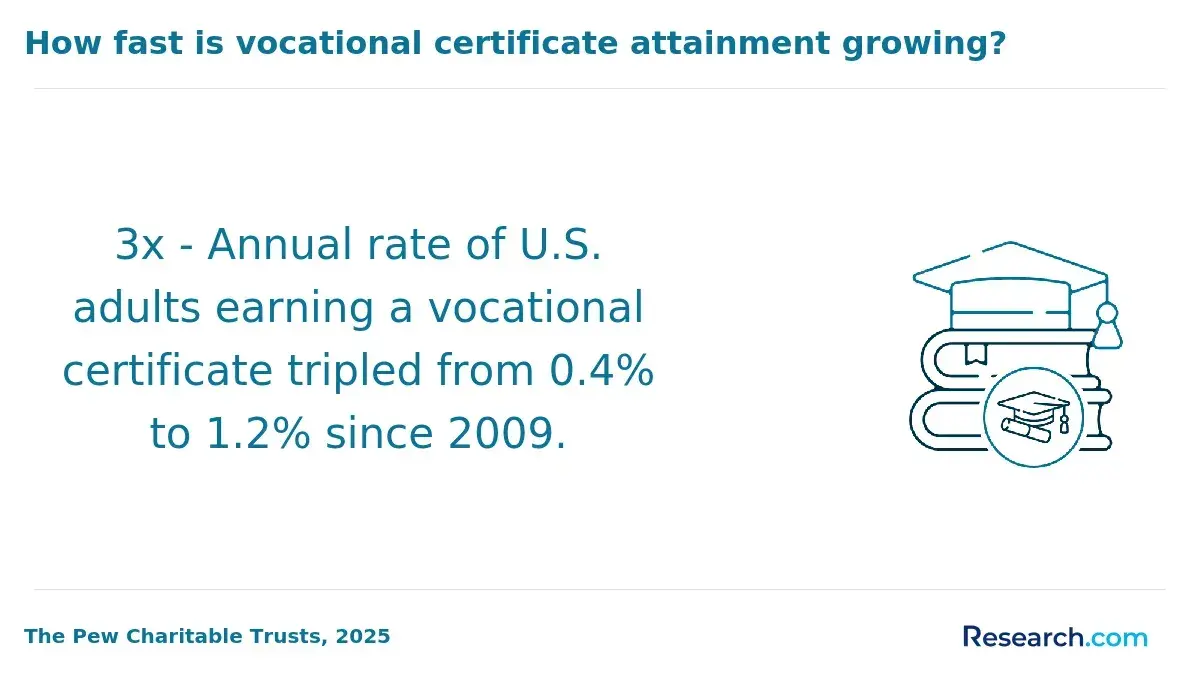
Online photography degree programs generally present lower sticker prices than their campus-based equivalents, reflecting distinct institutional pricing strategies shaped by delivery format. As of 2024, average annual tuition for online undergraduate photography offerings hovers near $12,500, compared to roughly $18,200 for traditional on-campus programs, according to the National Center for Education Statistics. This differential is not merely about sticker cost but reflects deeper structural factors where online programs transfer some expenses-like physical facility maintenance and campus service provision-away from students. However, the gap is narrowing as institutions adjust pricing models amidst evolving cost pressures and competitive market dynamics, blending cost efficiencies with investments in digital infrastructure. These trends suggest online affordability advantages are significant but increasingly influenced by broader institutional strategies rather than inherent format cost differences alone.
The primary affordability distinctions stem from fixed and variable cost allocations unique to each modality. Traditional campus photography programs demand sustained investment in physical classrooms, studios, utilities, and on-site staff, driving higher institutional overheads allocable to tuition. Conversely, online programs reduce these facility costs but incur expenses in technology platforms, digital content development, and specialized instructional design, which can require significant upfront outlays and ongoing updates to remain competitive. Faculty roles in online delivery often necessitate different preparation and support mechanisms, including virtual student engagement and multi-modal assessment modalities, influencing operating costs. Additionally, the scale and intensity of student support services-such as advising, tutoring, and technical help-are reshaped in virtual contexts, with some institutions reallocating resources toward scalable online systems. Notably, campus-based tuition inflation is outpacing online program cost increases, with a 4% annual rise compared to approximately 2.5% for online formats, hinting that the relative affordability of online education may enhance over time as digital models mature and economies of scale improve.
A recent graduate of an online photography program shared that while pursuing admission, they navigated a rolling admissions timeline that initially caused uncertainty. They delayed submitting some application materials to improve their portfolio quality, weighing the tradeoff between early admission chances and presenting their best work. This strategic hesitation ultimately paid off, enabling acceptance with a favorable tuition rate before incremental price adjustments took effect. Their experience underscores how cost advantages in online photography education can depend on timing, preparedness, and institutional enrollment management practices rather than static sticker prices alone.
How Have Financial Aid and Scholarships Changed as Photography Tuition Has Increased?
As tuition for Photography programs has risen steadily, financial aid and scholarship frameworks have adjusted but frequently fail to keep pace with these cost increases. Many institutions have expanded their aid budgets, often emphasizing retention and completion incentives rather than directly offsetting upfront tuition fees. This shift reflects a trend toward targeted, short-term assistance like emergency grants or work-study options connected to creative industries, which aim to alleviate incidental expenses rather than the full expense burden. Consequently, while overall financial support may appear larger, students often face higher net prices since aid growth does not proportionally counterbalance tuition inflation.
Key factors driving this dynamic include slow adjustments in federal and state aid programs and a shift toward merit-based scholarships designed to attract highly competitive applicants. Federal grants such as Pell Grants increase marginally, insufficiently accounting for program-specific costs like specialized equipment or lab fees common in Photography degrees. Institutions employ tuition discounting strategies that expand merit aid at the expense of broad-based need assistance, favoring applicants with exceptional portfolios rather than addressing systemic affordability barriers. This creates intensified competition for limited scholarship dollars, often leaving mid-tier and need-based students under-supported despite rising educational costs.
The combined effect of these trends frequently results in net price stability or even growth over time, exacerbating student debt challenges after graduation. The disconnect between nominal aid increases and actual tuition hikes influences not only affordability but also enrollment decisions and program accessibility. Prospective Photography students must therefore evaluate aid offers critically, considering how the interplay of institutional funding priorities, government aid policies, and market competition influences the true cost and long-term financial impact of their studies rather than relying solely on advertised financial assistance.
How Does Rising Photography Tuition Affect Student Debt After Graduation?
Rising photography tuition directly increases student borrowing levels, intensifying financial challenges after graduation. As program fees grow faster than wage increases in entry-level creative roles, many students must depend more heavily on loans to fund their education. This higher debt load often results in longer repayment periods, with some graduates facing substantial cumulative interest accrual before earning sufficient income to manage repayments. For students pursuing photography degrees, this dynamic complicates debt servicing and contributes to persistent financial strain after college, underscoring the long-term financial consequences of increased photography program costs for American graduates.
Several factors exacerbate these effects. The widening gap between tuition hikes and stagnant financial aid leaves more uncovered expenses to be financed through borrowing. Additionally, differences in cost structures between public and private institutions further impact debt levels, with private programs generally imposing higher fees. Interest accumulation during study periods further inflates debt burdens, while the varied post-graduation income spectrum within photography-related careers influences repayment capacity. Many graduates face lower starting salaries compared to STEM or business fields, which slows debt reduction and heightens risk of delinquency. Financial pressures are particularly pronounced given the tension between tuition inflation and the modest financial returns in many photography roles.
This rising debt environment intensifies repayment difficulties, which has led to growing reliance on federal income-driven repayment plans and loan forgiveness programs, though these options do not eliminate long-term affordability concerns. Prospective and current students increasingly weigh tuition costs in their program choices, balancing passion against the impact of student loan debt on future financial milestones. Understanding the interplay of these factors is crucial for those evaluating photography degrees within the broader context of educational affordability and earning potential. For those exploring pathways aligned with sustained employability, considering degrees for remote jobs may also provide alternative career opportunities that can better support loan repayment post-graduation.
Do Higher-Cost Photography Programs Deliver Better Career Outcomes or Earnings?
Higher tuition fees in photography programs do not inherently guarantee better career outcomes or elevated earnings. While it is intuitive to assume that more expensive programs might offer superior advantages, data from the National Center for Education Statistics in 2024 reveals that cost is not a direct predictor of starting salaries or long-term income growth. The photography degree earnings by institution type show a wide range of variability, reflecting that higher expenses alone do not consistently translate into measurable financial benefits for graduates. Many factors beyond tuition, including the hands-on application of skills and networking capabilities, play critical roles in shaping employment success.
Institutional reputation, specialized curriculum depth, and established employer connections influence career trajectories more than program cost alone. Higher-cost programs often boast strong internship pipelines, extensive alumni networks, and access to niche photographic specializations that can enhance job placement in competitive markets. Geographic location relative to industry centers also affects employment opportunities. However, numerous lower-cost or community-based programs provide comparable or even superior real-world experience and professional networking, enabling graduates to secure competitive positions without the burden of steep debt. This underscores that portfolio quality and relevant experience often outweigh simply the prestige or price of a degree.
Prospective students should evaluate educational investments by carefully balancing tuition costs against the tangible career support and employment outcomes offered, rather than assuming higher cost equates to higher return. Financial considerations must be weighed alongside program attributes such as access to internships, mentorship, and alumni success. For working adults seeking alternatives, accelerated online degree programs for working adults represent a flexible pathway worth exploring. Ultimately, assessing return on investment in photography education requires a nuanced interpretation of labor market realities, institutional effectiveness, and individual career goals rather than reliance on cost as a standalone metric.
What Do Current Tuition Trends Suggest About the Future Cost of a Photography Degree?
Recent tuition trends for photography degree programs indicate a sustained trajectory of cost increases that outpace general inflation, reflecting broader shifts in higher education pricing. Historical data, including figures from the National Center for Education Statistics, show average tuition for arts and design associate degrees rising approximately 4% annually from 2020 to 2024. When adjusted for inflation, these increases suggest that institutions are consistently transferring higher operational costs to students rather than absorbing them internally, signaling a likely continuation of similar or greater tuition growth rates over the coming decade.
Several key drivers shape this upward cost trend. Public and private institutions face constrained funding models that limit subsidy capacity, pushing them to prioritize revenue generated through tuition. In fields like photography, specialized technology, software licenses, and updated digital equipment drive instructional expenses higher, while expanding online education delivery demands additional investment in infrastructure and support services. These factors, combined with steady or growing enrollment demand, create institutional pressure to raise tuition as a means to maintain program quality and meet employer expectations for workforce readiness.
For prospective students, these tuition patterns imply financial planning must account for steady cost escalation and the potential for increased debt burdens, especially for traditional students reliant on loans. Adult learners, balancing education with other responsibilities, may find rising direct costs and opportunity costs pose accessibility barriers. Consequently, understanding these nuanced tuition dynamics is crucial to making informed enrollment decisions, weighing the long-term value of educational investments against projected career outcomes in photography.
References
- Is an Online Photography Class Affordable? https://www.nyip.edu/photo-articles/business/is-an-online-photography-class-affordable
- The Photography Institute https://www.thephotographyinstitute.com/za/en/blog-salary
- A New Approach for Curbing College Tuition Inflation https://manhattan.institute/article/a-new-approach-for-curbing-college-tuition-inflation
- Focus: Is taking a photography course worth it, or is self-taught better? https://focus.picfair.com/articles/is-taking-a-photography-course-worth-it-or-is-self-taught-better
- Inflation and the cost of living - Hodder Education Magazines https://magazines.hachettelearning.com/magazine/economic-review/40/3/inflation-and-the-cost-of-living/
- Photography Courses Market Research Report 2034 https://marketintelo.com/report/photography-courses-market
- Is Photography a Good Career? Yes!! https://formedfromlight.com/blog/is-photography-a-good-career/
- Professional Photography - College for Arts and Technology https://collegeforartsandtech.com/programs/professional-photography/
- How Much Do Photographers Make? Typical Photographer Salary in 2026 https://www.adorama.com/alc/the-highest-paying-photography-jobs-and-how-you-can-land-one/
- Photography Pricing Course | Learn to Value Your Work in 2025 https://www.australianphotographyschool.com.au/blog/photography-pricing-course-value-your-work/
Other Things You Should Know About Photography
Shorter photography programs in 2027 often provide a more cost-effective solution, reducing overall tuition fees while delivering essential skills. However, they may lack the comprehensive depth found in longer courses, which could impact the learning experience for students seeking extensive expertise.
Inflation pressures make part-time study more attractive from a cash flow perspective, spreading costs over time and allowing continued income through work. However, part-time students may face extended total tuition payments and slower skill acquisition, potentially delaying entry into the workforce. Those prioritizing faster credential attainment and immersive learning might favor full-time enrollment despite higher short-term costs, given employer preference for intensive, cohesive training experiences.
Programs offering built-in internships or apprenticeships generally charge more, reflecting the inclusion of real-world experience, which is critical for employability in creative industries. Higher upfront costs may be justified when practical exposure accelerates networking and portfolio development, directly impacting job readiness. For students with limited resources, prioritizing such integrated experiences can be a strategic investment, but those constrained financially might need to seek external opportunities to supplement less costly programs.
Some higher-cost photography programs increase workloads to justify tuition hikes through more contact hours and project demands, which can impact students' ability to work concurrently. This elevated workload may enhance skill mastery but also risks burnout or financial strain if students reduce employment. Prospective students should evaluate their capacity to manage intensive schedules against the necessity of supplemental income, as inadequate planning can undermine the financial benefits of gaining advanced skills.