2027 Fastest Accredited Online Marriage and Family Therapy Programs: Accelerated Degrees and Completion Times

Co-Founder and Chief Data Scientist
Choosing the fastest online marriage and family therapy program is really a timeline-and-licensure decision. The U. S. Bureau of Labor Statistics projects marriage and family therapist employment to grow 14% from 2024 to 2034, so speed matters, but only if the program is accredited and license-aligned. This guide is for students comparing online MFT bachelor's, master's, and completion pathways.
You'll learn what makes a program genuinely accelerated, how transfer credits and course loads change graduation dates, and why prerequisites, practicum, internship, residency, and state licensure rules can extend an advertised timeline.
Key Things You Should Know
- The fastest accredited online MFT-related path is usually a bachelor's completion program in 12 to 24 months with about 60 to 90 accepted transfer credits; the fastest license-focused online MFT master's programs typically advertise about 18 to 24 months for full-time students.
- Accelerated formats usually use 7- or 8-week courses, year-round enrollment, heavier course loads, or limited breaks; these formats are faster, but they do not reduce required graduate clinical training for LMFT preparation.
- Transfer credit can shorten undergraduate timelines substantially, but MFT master's programs often limit graduate transfer credit to selected nonclinical courses, and practicum or internship requirements usually must be completed through the enrolled program.
Which Colleges Offer the Fastest Accredited Online Marriage and Family Therapy Programs?
The fastest accredited online marriage and family therapy programs are generally graduate programs designed for students who already have a bachelor's degree, plus undergraduate completion programs in family science, psychology, human services, or related fields. For LMFT preparation, the key is not just speed; the program must align with your state's education and supervised clinical requirements.
The table below compares examples of online or mostly online MFT-focused programs using publicly advertised program structures. Always confirm current accreditation, licensure alignment, state authorization, and clinical placement rules before applying, because program formats and approval status can change.
| College or university | Online MFT-related degree | Advertised or common accelerated timeline | What can make it faster | Important limitation to check |
| Touro University Worldwide | MA in Marriage and Family Therapy | About 18 months for some full-time students | Fully online coursework, multiple start dates, concentrated course pacing | Confirm COAMFTE status, state licensure fit, and clinical placement expectations |
| Pepperdine University | Online MA in Clinical Psychology with an MFT path | Often about 24 to 27 months depending on track and pace | Online live classes, structured clinical training sequence, several starts | Program is licensure-focused, but students should verify state-specific LMFT eligibility |
| Northcentral University at National University | MA in Marriage and Family Therapy | Often designed for about 2 to 3 years depending on enrollment intensity | Online format, one-to-one course model, flexible scheduling | Clinical practicum, internship, and state requirements may extend completion |
| Capella University | MS in Marriage and Family Therapy | Completion varies, often about 2.5 to 3 years for many students | Online coursework, structured licensure curriculum, possible transfer review | Verify current COAMFTE status, residency requirements, and fieldwork sequence |
| Abilene Christian University | Online MS in Marriage and Family Therapy | Commonly advertised around 33 months | Cohort-based online study and a defined course sequence | Less flexible than self-paced programs; clinical sequence affects speed |
| Syracuse University | Online MA in Marriage and Family Therapy | Often about 24 months for full-time students | Full-time online format with supervised clinical preparation | Students should confirm state authorization, practicum logistics, and any immersion requirements |
In practical terms, "fastest" should mean the shortest credible route that still meets institutional accreditation, programmatic quality expectations, and licensure preparation. A school advertising an 18-month master's may be the fastest on paper, but a 24-month program with better placement support may be faster in real life if it helps you secure clinical hours without delays.
For students who do not yet have a bachelor's degree, the fastest path may begin with an online completion degree in psychology, behavioral science, human services, or family studies. That route can prepare you for MFT graduate admission, but it does not qualify you for independent marriage and family therapy licensure by itself.
How Long Does It Take to Complete an Accredited Online Marriage and Family Therapy Degree?
Completion time depends on the degree level. A bachelor's degree can be accelerated mainly through transfer credit, while a master's degree is limited by required coursework and clinical training. This is different from fields such as healthcare management, where some 1-year MHA programs online may have no direct client-contact practicum requirement.
The table below summarizes realistic timelines by degree type. Use it to separate marketing language from the time most students should plan for when clinical requirements, course sequencing, and personal schedules are included.
| Degree path | Fastest realistic online timeline | Typical online timeline | Best fit | Main factor that can delay graduation |
| Bachelor's completion in family science, psychology, or human services | 12 to 24 months with substantial transfer credit | 2 to 4 years depending on credits accepted | Students preparing for MFT master's admission | Low transfer-credit acceptance or missing general education courses |
| Full online bachelor's degree from first-year standing | About 3 years with year-round full-time study | 4 years | Students starting college for the first time | Part-time enrollment, course availability, or math and science prerequisites |
| Online MA or MS in Marriage and Family Therapy | About 18 to 24 months in the fastest full-time formats | 2.5 to 3 years | Students seeking LMFT preparation | Practicum placement, internship hours, state rules, or limited course sequencing |
| Doctoral MFT-related degree | About 3 years for some professional doctorates | 3 to 5 years or longer | Licensed clinicians pursuing advanced practice, teaching, or leadership roles | Dissertation, applied project, supervision requirements, or residency |
For MFT licensure, the master's degree is usually the central credential. Even after graduation, states generally require supervised post-degree clinical experience before independent licensure, so the "degree completion time" is not the same as the "time to become fully licensed."
A useful way to compare timelines is to ask whether a program is accelerated because it compresses terms, because it accepts more prior credit, or because it removes breaks between terms. Those are very different models, and only the first two may shorten your academic calendar in a predictable way.
How Do Accelerated and Competency-Based Online Marriage and Family Therapy Programs Work?
Accelerated MFT programs usually shorten the academic calendar rather than reduce the amount of learning. They may use 7- or 8-week courses, year-round terms, overlapping clinical preparation, or heavier full-time schedules. That model is common across health-related graduate education, including some accelerated DNP programs, but MFT programs have a unique constraint: clinical readiness and supervised client-contact hours cannot be rushed without affecting licensure alignment.
The formats below are the most common ways online MFT-related programs reduce time to degree. Each option can help, but each also changes the workload and scheduling risk.
- Short-course terms: Courses last 7 or 8 weeks instead of a traditional 15- or 16-week semester, letting students complete more courses per year while covering the same graduate content more quickly.
- Year-round enrollment: Students continue through summer or short breaks, which can cut months from the calendar but leaves less recovery time between intensive clinical or theory courses.
- Full-time lockstep cohorts: The school maps out every course in sequence, which can prevent registration delays but may be difficult if work or family obligations change.
- Transfer-friendly bachelor's completion: Undergraduate students with prior college credit can finish faster because they are completing remaining major and general education requirements instead of starting from zero.
- Competency-based undergraduate coursework: Some non-licensure bachelor's programs let students move faster by demonstrating mastery, but this is less common in clinical MFT master's programs because supervised practice must be documented.
Competency-based education can be valuable for students who are self-directed and already know some content from work or prior study. However, for a license-focused MFT master's, competency-based speed is usually limited to didactic coursework; practicum, internship, supervision, and state-required content still follow formal approval rules.
The trade-off is intensity. An 8-week graduate course is not half the work of a 16-week course; it is often the same reading, writing, discussion, and assessment schedule compressed into a shorter window.
What Accreditation Should an Online Marriage and Family Therapy Program Have?
Accreditation is the biggest safeguard when comparing fast online MFT programs. At minimum, the college or university should be institutionally accredited by an accreditor recognized by the U.S. Department of Education or the Council for Higher Education Accreditation. For licensure-focused MFT master's programs, programmatic accreditation or state board alignment is especially important.
The table below explains the main accreditation and approval terms you will see. It helps you identify which credentials affect federal financial aid, graduate admission, employer recognition, and LMFT licensure eligibility.
| Accreditation or approval type | What it means | Why it matters for speed | What to verify |
| Institutional accreditation | The college or university meets recognized quality standards | Credits are more likely to transfer, and eligible students may access federal financial aid | Accreditor recognition and the school's current status |
| COAMFTE accreditation | The MFT program meets standards set for marriage and family therapy education | Can simplify licensure review in some states, reducing the risk of extra coursework later | Whether the exact online program, campus, or delivery format is included |
| CACREP accreditation | The counseling program meets counseling education standards | May support counseling licensure paths, but it is not the same as MFT programmatic accreditation | Whether your state accepts the program for LMFT, LPC, or another license |
| State board approval or alignment | The curriculum is designed to meet a state's educational requirements | Can prevent delays caused by missing required content areas | Rules in the state where you plan to practice, not only where the school is located |
A common mistake is assuming that "online," "accredited," and "licensure-track" mean the same thing. They do not. A program can be institutionally accredited but not COAMFTE-accredited, or it can meet one state's LMFT education rules but require extra coursework in another state.
Before enrolling, ask the school to provide a written licensure disclosure for your state. Also confirm whether online students complete any campus residency, synchronous class, local practicum, or approved-site requirement that could affect your timeline.
How Can Transfer Credits and Prior Learning Shorten an Online Marriage and Family Therapy Degree?
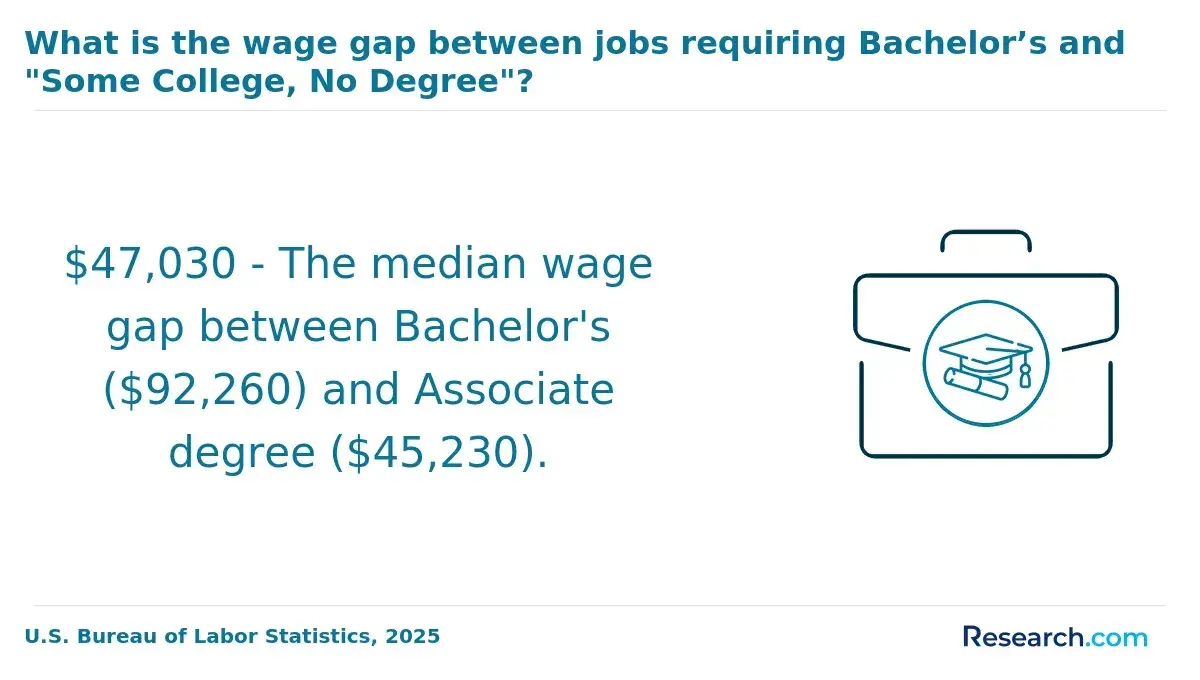
Transfer credit is one of the most powerful ways to finish an MFT-related degree faster, especially at the undergraduate level. A student entering with an associate degree or a large block of general education credits may cut one to two years from a bachelor's timeline.
Even a student coming from an unrelated major, such as an online biology bachelor's degree, may be able to apply general education, statistics, research methods, or elective credits toward graduate prerequisites or a second bachelor's plan.
The table below shows where transfer credit usually helps most. It also shows why graduate clinical programs tend to be more restrictive than undergraduate completion programs.
| Credit source | Where it usually helps most | Potential time saved | Common restriction |
| Associate degree or prior college coursework | Bachelor's completion program | Several terms to two years | Credits must match degree requirements and meet minimum grade rules |
| AP, CLEP, IB, or exam credit | General education requirements | One or more courses | Schools cap exam credit and may not accept it for upper-division major courses |
| Military or workplace training | Electives or applied undergraduate credit | Varies by portfolio review | Clinical graduate requirements usually cannot be replaced by work experience |
| Previous graduate coursework | Selected nonclinical master's courses | Often limited | Programs may reject older credits or require core MFT courses in residence |
| Prior counseling or social services experience | Admissions strength and career readiness | Usually no direct clinical-hour reduction | Licensure-focused practicum and supervision must be documented through approved channels |
To maximize credit before you apply, follow a sequence that reduces guesswork and prevents enrollment surprises.
- Request unofficial transfer evaluations from more than one school before committing.
- Ask whether the school accepts block transfer from an associate degree or evaluates every course individually.
- Confirm the maximum number of credits accepted toward the degree and the minimum number that must be completed in residence.
- Ask whether transfer credits change your projected graduation date or only reduce elective requirements.
- For master's programs, ask which clinical, ethics, assessment, diagnosis, and practicum courses must be taken at the enrolling institution.
The biggest red flag is an admissions conversation that promises a fast finish before reviewing your transcripts. A realistic graduation estimate should come after a credit evaluation, not before.
What Are the Admission Requirements and Start Dates for Accelerated Online Marriage and Family Therapy Programs?
Admission requirements differ by degree level. Bachelor's completion programs focus on prior college credit, GPA, and general education status.
MFT master's programs usually require a completed bachelor's degree, transcripts, recommendations, a statement of purpose, and sometimes prerequisites in psychology, human development, statistics, or research methods. Students comparing health-related online pathways, such as a healthcare administration bachelor's degree online, should note that MFT graduate admission places more weight on clinical fit, interpersonal readiness, and ethical maturity.
Accelerated programs often advertise multiple start dates, but start frequency is not the same as fast completion. The table below shows how start models affect your real timeline.
| Start-date model | How it works | How it may speed completion | Risk to watch |
| Monthly or frequent starts | New terms begin several times per year | You may not have to wait for a fall or spring cohort | Not every required course may be offered every start |
| Six to eight starts per year | Programs use short sessions or accelerated terms | Missed courses may be easier to retake quickly | Workload can feel continuous with limited breaks |
| Cohort start dates | Students begin together and follow a set sequence | Clear roadmap reduces registration delays | If you pause, you may wait for the next cohort cycle |
| Fall-only or limited clinical starts | Coursework may start often, but practicum begins at set times | Good planning can align coursework and fieldwork | Missing a clinical start window may delay graduation by a term or more |
Before choosing a fast program, ask admissions and the program director timeline-specific questions. These questions help you learn whether the school's advertised completion time applies to your situation.
- How many credits or courses must I take per term to finish on the fastest timeline?
- Are courses asynchronous, synchronous, or a mix of both?
- Do online students need to attend campus residencies, immersions, or weekend intensives?
- When can I begin practicum, and what requirements must be completed first?
- Does the school help secure clinical sites, or am I responsible for finding one?
- What happens to my timeline if I fail, withdraw from, or postpone one required course?
Students with full-time jobs should be especially cautious about programs that require evening live classes, weekday clinical availability, or intensive group supervision. These features may be educationally valuable, but they can limit scheduling flexibility.
Employer Confidence in Online vs. In-Person Degree Skills, Global 2024

How Much Does a Fast Online Marriage and Family Therapy Degree Cost, and Is Financial Aid Available?
A faster online MFT degree is not automatically cheaper. It may reduce living costs or opportunity costs if you graduate sooner, but per-credit tuition, technology fees, residency travel, books, supervision-related costs, and clinical placement expenses can offset the savings. Comparisons with other accelerated health programs can be misleading because MFT programs often include supervised clinical training that adds time and logistical costs.
Students should compare the full program price, not just tuition per credit. These are the cost categories most likely to affect the total amount you pay and the value of finishing quickly.
- Per-credit tuition multiplied by the exact number of required credits
- University fees, online learning fees, technology fees, and graduation fees
- Residency, immersion, or campus visit travel costs if required
- Books, assessment materials, telehealth platform requirements, and professional liability insurance
- Background checks, fingerprinting, immunizations, or site onboarding costs for practicum
- Lost income or reduced hours if clinical placement conflicts with work
Federal financial aid may be available if the school participates in Title IV aid programs and the student meets eligibility rules. Graduate students who qualify may borrow up to $20,500 per academic year through the federal Direct Unsubsidized Loan program, with Grad PLUS Loans potentially available for remaining eligible costs. This borrowing limit matters because an 18-month program may span more than one aid year, while a longer part-time program may spread borrowing over additional terms.
The table below summarizes how acceleration can affect cost. It is useful because the cheapest-looking option per term may not be the lowest-cost option overall.
| Cost factor | How acceleration can help | How acceleration can increase cost | What to ask the school |
| Tuition | Fewer terms may reduce term-based fees | Per-credit tuition usually stays the same | What is the total program cost for my track? |
| Fees | Shorter enrollment may mean fewer recurring fees | Online, clinical, or residency fees may still apply | Are fees charged per term, per course, or once? |
| Work schedule | Graduating sooner may speed entry into supervised clinical roles | Heavy course loads may require fewer paid work hours | How many hours per week do successful full-time students study? |
| Clinical placement | Early planning can prevent delays | Site requirements may involve travel, onboarding, or unpaid hours | Does the program provide placement support in my area? |
Scholarships, employer tuition assistance, military education benefits, and payment plans may also help. For ROI, compare total debt against realistic earnings in your intended state and setting rather than relying only on national salary figures.
Can You Work Full Time While Completing an Accelerated Online Marriage and Family Therapy Degree?
Some students can work full time while completing an accelerated online MFT-related degree, but the answer depends heavily on the program level. A bachelor's completion program may be manageable with strong time management. A full-time MFT master's program with practicum, supervision, live classes, and client-contact expectations can be much harder to combine with a 40-hour workweek.
The table below compares workload expectations by enrollment pattern. It can help you decide whether the fastest timeline is realistic or whether a slightly longer path would protect your grades, clinical performance, and health.
| Enrollment pattern | Typical pace | Work compatibility | Best for | Main trade-off |
| Accelerated full-time | Multiple courses per short term plus year-round study | Difficult with full-time work, especially during practicum | Students with flexible jobs, savings, or strong support systems | Fastest academic timeline but highest weekly workload |
| Standard full-time | Full graduate load with normal breaks | Possible with flexible or reduced work hours | Students who want speed but need some breathing room | Usually several months longer than the fastest track |
| Part-time | One or two courses per term | Most compatible with full-time work | Working adults, caregivers, and career changers | Longer time to graduation and possibly more terms of fees |
| Stop-and-start | Pauses between terms or during clinical placement | Flexible in emergencies | Students with unpredictable schedules | May disrupt course sequencing and delay practicum |
If you plan to work full time, focus on schedule fit, not just online delivery. An online program can still require live evening classes, group supervision, weekday site hours, and deadlines that are difficult to move.
A realistic plan should include weekly study blocks, backup childcare or work coverage, a practicum commute estimate, and a plan for high-intensity terms. Students who cannot consistently protect study and clinical time may graduate faster by choosing a part-time track that avoids repeated withdrawals or failed courses.
Are Accelerated Online Marriage and Family Therapy Degrees Respected by Employers and Graduate Schools?
Accelerated online MFT degrees can be respected when they come from properly accredited institutions and meet the same academic and clinical standards as campus-based programs.
Employers and licensing boards generally care more about accreditation, supervised experience, state eligibility, clinical skills, and ethical readiness than whether courses were completed online. This is similar to other regulated healthcare pathways, where students compare formats across options such as online nursing doctorate programs but still must meet discipline-specific standards.
The labor market context is favorable but not a guarantee of individual outcomes. The BLS reported a May 2024 median annual wage of $63,780 for marriage and family therapists, and pay varies by state, setting, licensure status, experience, and employer type. For students, that means program choice should be evaluated against debt, licensure portability, clinical placement quality, and long-term career goals.
Employers and graduate schools are more likely to view an accelerated online degree positively when the program demonstrates clear quality signals. Look for evidence such as faculty credentials, supervised clinical training, licensure exam support, graduate outcomes, and transparent state authorization disclosures.
Red flags include vague accreditation claims, no clear practicum process, unusually low credit requirements for a licensure-track master's, pressure to enroll before transcript review, or promises that the degree will qualify you for licensure in every state. A fast program should still be willing to explain its curriculum, clinical requirements, and limitations in writing.
How Should You Compare the Fastest Accredited Online Marriage and Family Therapy Programs?
The best fast online MFT program is the one that gets you to your specific goal without creating avoidable licensing, financial, or scheduling problems. For some students, that may be the shortest advertised master's. For others, it may be a slightly longer program with stronger clinical placement support or better state licensure alignment.
Use the following process to compare programs in a practical order. This sequence keeps you from choosing based only on speed and then discovering barriers after you enroll.
- Define your target outcome: bachelor's preparation, MFT master's admission, LMFT education eligibility, doctoral study, or career advancement in a related human services field.
- Verify institutional accreditation and, for MFT master's programs, check COAMFTE status or written state licensure alignment.
- Request a transcript evaluation before accepting an accelerated timeline estimate.
- Compare the exact number of credits, course length, required terms, and whether summer enrollment is mandatory.
- Ask when clinical training begins and whether placement support is available in your state or region.
- Calculate total program cost, including fees, travel, books, clinical onboarding, and potential lost work hours.
- Check whether the fastest schedule requires synchronous classes, weekend intensives, or daytime practicum availability.
- Ask what happens if you need to slow down, repeat a course, or move to another state during the program.
The table below turns common mistakes into better comparison habits. It is designed to help you avoid the fastest-looking option if it is not actually the fastest route to your goal.
| Common mistake | Why it causes problems | Better approach |
| Assuming "accelerated" means easy | Short terms often compress the same workload | Ask for weekly time estimates and sample course schedules |
| Choosing based only on advertised months to completion | The estimate may assume full-time study, no transfer issues, and on-time clinical placement | Request a personalized degree plan after transcript review |
| Ignoring state licensure rules | You may need extra coursework or supervised experience later | Confirm requirements with the state where you plan to practice |
| Overestimating transfer credit | Schools may reject old, low-grade, duplicate, or non-equivalent credits | Get written transfer results before enrolling |
| Underestimating practicum logistics | Clinical placement delays can erase any acceleration advantage | Ask who finds sites, when placement starts, and what sites are already approved |
| Choosing the heaviest course load while working full time | Burnout, withdrawals, or failed courses can extend the timeline | Select the fastest pace you can sustain, not the fastest pace advertised |
A strong final shortlist should include three timelines for each school: the fastest advertised timeline, the realistic timeline for your credit and work situation, and the backup timeline if clinical placement or course sequencing changes. That comparison will show which program is truly fastest for you.
Other Things You Should Know About Marriage and Family Therapy
Coursework may be fully online, but licensure-focused MFT programs usually require supervised practicum or internship experience with clients. Many students complete those hours locally, but site approval, supervision, and documentation must follow school and state rules.
No. In most states, independent marriage and family therapist licensure requires a qualifying master's degree, supervised clinical experience, and a licensing exam. A bachelor's degree can help you prepare for graduate admission or related entry-level human services roles.
Some do, and some do not. Programs may require residencies, skills intensives, interviews, or clinical orientation sessions. Ask whether any in-person requirement is mandatory, where it takes place, and whether it affects the advertised completion time.
Check licensure rules in both your current state and the state where you may practice. MFT licensure requirements vary, so moving can affect required coursework, supervised hours, exams, and application documentation.
References
- Accreditation Status of MFT Programs in California — MFT California https://www.mftcalifornia.com/accreditation
- Accelerated MFT programs | edX https://www.edx.org/masters/psychology/online-mft-programs/accelerated
- Fastest MFT Programs - Online & Campus https://www.marriagefamilytherapist.org/degree/fastest/
- Benefits of Earning an Online MFT Degree | TUW https://www.tuw.edu/school-news/online-mft-degree-benefits/
- Online Masters in Marriage and Family Therapy MFT Degree Programs https://teach.com/online-ed/psychology-degrees/online-masters-in-marriage-and-family-therapy/
- COAMFTE vs. CACREP Accreditation: Key Differences (2026) https://www.counselingpsychology.org/articles/coamfte-vs-cacrep-accreditation/
- 7 Accelerated MFT Programs in California - California MFT https://californiamft.org/mft-programs/accelerated/
- Best Online Master's In Marriage & Family Counseling 2025 https://www.psychology.org/rankings/best-masters-programs-in-family-counseling/
- Online MFT Programs - Master’s in Marriage and Family Therapy Programs https://www.onlineeducation.com/counseling/mft-programs
- Best Online Marriage and Family Therapy Master’s Programs for 2025 https://www.onlinemastersdegrees.org/best-programs/counseling/marriage-and-family-therapy-mft/