2027 Fastest Accredited Online Marriage and Family Therapy Degree Programs That Accept Transfer Credits

Co-Founder and Chief Data Scientist
Transfer students often lose time because credits are accepted by a college but do not apply to the degree they want. That matters in online Marriage and Family Therapy, where licensure-track programs must meet strict curriculum and clinical standards. NCES reported in 2024 that more than half of U.S. undergraduates took at least one distance education course, making online transfer pathways a mainstream choice.
This guide helps degree completers and future MFT students compare realistic timelines, accreditation, transfer-credit limits, costs, and red flags so they can choose the fastest legitimate route to graduation.
Key Things You Should Know
- The fastest route depends on degree level, bachelor's degree-completion programs may allow up to about 90 of 120 credits to transfer, while licensure-track online MFT master's programs usually accept far fewer graduate transfer credits, often around 6 to 12 semester credits if courses match closely.
- For aspiring licensed marriage and family therapists, accreditation and state licensure alignment matter more than speed, a fast online master's that is institutionally accredited and COAMFTE-accredited or clearly state-board aligned is usually safer than a shorter program with unclear clinical approval.
- A realistic accelerated timeline is often 12 to 24 months for a transfer-heavy bachelor's completion path and about 18 to 36 months for an online MFT master's, because practicum, internship, residency, and major-course requirements usually cannot be fully transferred.
What Are the Fastest Accredited Online Marriage and Family Therapy Degree Programs That Accept Transfer Credits?
The fastest accredited online Marriage and Family Therapy pathway is not always a single program with the highest advertised transfer limit. It is the program that accepts the most credits that actually apply to your remaining degree requirements while still meeting institutional accreditation, major coursework, and, for master's students, state licensure expectations.
For most students, there are three practical categories to compare. The table below explains which type of online program is usually fastest, who it fits, and where transfer credits make the biggest difference.
| Program type | Best fit | Typical transfer-credit advantage | Fastest realistic completion window | Important limitation |
| Online bachelor's completion program in psychology, human development, family studies, or counseling-related studies | Students who need a bachelor's degree before applying to an MFT master's program | Often the most transfer-friendly; some schools allow up to about 90 credits toward a 120-credit bachelor's degree | About 12 to 24 months with strong transfer alignment | Does not qualify graduates for independent MFT licensure by itself |
| Online or hybrid master's in Marriage and Family Therapy | Students pursuing MFT licensure | May accept limited graduate transfer credits for equivalent coursework | About 18 to 36 months, depending on pace and clinical placement | Clinical hours, practicum, internship, and core therapy courses are often restricted |
| Competency-based or self-paced MFT-related graduate program | Experienced adult learners who can move quickly through academic coursework | Can reduce seat time if the program permits flexible pacing | Variable; fastest students still must complete clinical requirements | Licensure alignment and clinical supervision rules must be verified carefully |
Students who are still choosing a broad undergraduate route should compare MFT-related majors with adjacent healthcare and behavioral health degrees. For example, a healthcare administration bachelor's degree online may be faster for students who want leadership roles in healthcare settings rather than clinical therapy licensure.
When comparing specific schools, look for online MFT master's programs that are institutionally accredited, transparent about state licensure alignment, and clear about transfer-credit review. Commonly considered online MFT options include programs offered by institutions such as Touro University Worldwide, National University, Capella University, Abilene Christian University, Northwestern University, and other regionally accredited universities with online or low-residency MFT formats. Do not choose from a name list alone; request a written transfer evaluation and a licensure disclosure for your state before enrolling.
Use this process to identify the fastest legitimate program for your situation rather than the fastest advertised program:
- Confirm whether you need a bachelor's completion program, a licensure-track master's, or both.
- Ask for an unofficial transfer review before applying, then a formal degree audit after admission.
- Compare how many credits are accepted by the university versus how many satisfy your major, practicum, and graduation requirements.
- Check whether accelerated terms, year-round enrollment, and multiple start dates are available.
- Verify whether the program meets MFT licensure requirements in the state where you plan to practice.
How Fast Can You Complete an Online Marriage and Family Therapy Degree With Transfer Credits?
Completion time depends on the number of usable credits you bring in, the program's course sequencing, and whether clinical requirements can be started early. For MFT master's students, the bottleneck is often not classroom credit; it is practicum scheduling, supervised client-contact hours, and state-board curriculum requirements.
The table below gives realistic U.S. completion scenarios. It is most useful for estimating your timeline before you speak with admissions and advising staff.
| Starting point | Credits likely remaining | Typical pace | Realistic online completion estimate | What can slow you down |
| Bachelor's student with 75 to 90 applicable transfer credits | About 30 to 45 credits | Full-time accelerated terms | About 12 to 18 months | Upper-division major residency rules or missing prerequisites |
| Bachelor's student with 45 to 60 applicable transfer credits | About 60 to 75 credits | Full-time or heavy part-time | About 18 to 30 months | General education gaps and course rotation limits |
| MFT master's student with no graduate transfer credits | Usually about 54 to 60 semester credits, or quarter-credit equivalent | Full-time year-round study | About 24 to 36 months | Clinical placement timing and required course sequence |
| MFT master's student with approved graduate transfer credits | Reduced by approved equivalent coursework | Full-time accelerated study | About 18 to 30 months in faster formats | Limits on transferring therapy theory, ethics, diagnosis, practicum, or internship courses |
A useful rule of thumb is to separate academic acceleration from clinical acceleration. Online coursework may move quickly in 5-week, 7-week, or 8-week terms, but supervised clinical training usually has minimum hour, site, supervision, and documentation requirements that cannot be rushed safely.
Before committing to a "fast" program, ask the school these timeline questions:
- Are all required courses offered every term, or only once per year?
- Can transfer students start upper-division or graduate major courses immediately?
- When can students begin practicum or internship placement?
- Does the school help online students secure approved clinical sites in their state?
- Is full-time enrollment available year-round, including summer terms?
How Many Transfer Credits Can You Apply Toward an Online Marriage and Family Therapy Degree?
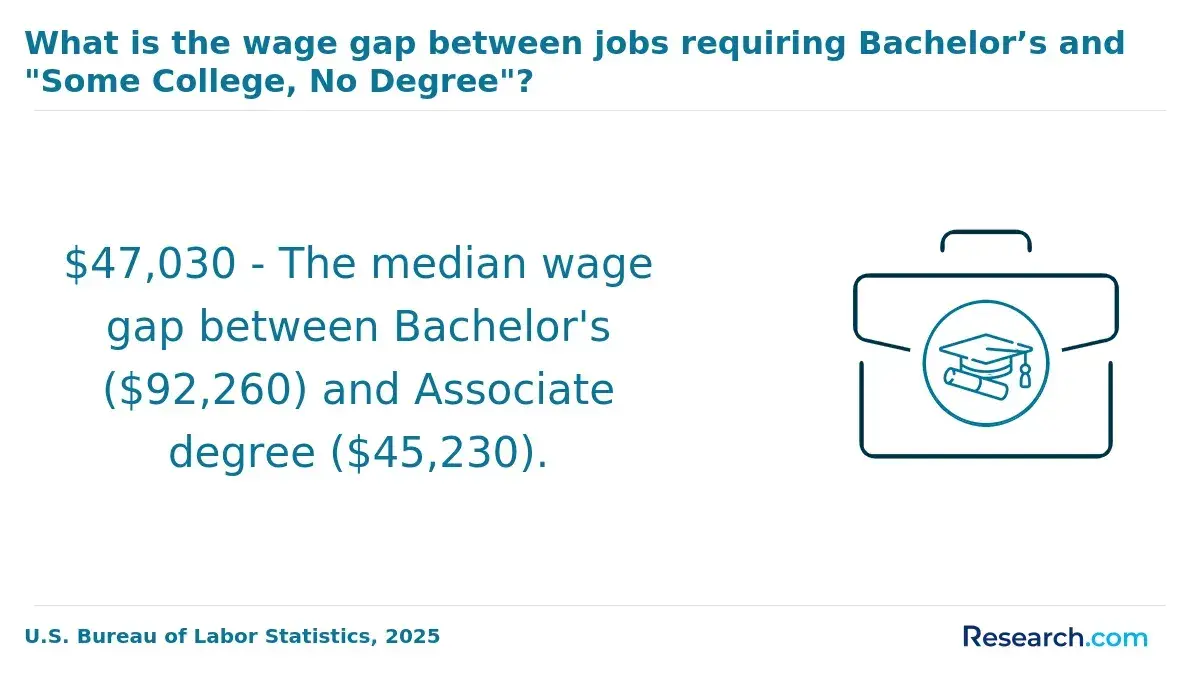
The number of credits you can apply depends on degree level. Undergraduate degree-completion programs usually have the most generous transfer policies, while MFT master's programs tend to be more restrictive because they must document clinical and licensure-related competency.
The table below summarizes common transfer-credit ranges so you can evaluate whether a policy is truly transfer-friendly.
| Degree level | Common total credits | Common maximum transfer range | Credits that are hardest to transfer | Decision point |
| Associate-to-bachelor's completion | 120 semester credits | Up to about 60 to 90 credits at many transfer-friendly institutions | Upper-division major courses, capstone, and school-specific requirements | Best for students with substantial prior college credit |
| Bachelor's with family studies or psychology concentration | 120 semester credits | Often up to about 75% of the degree, depending on residency rules | Advanced major courses and required research or practicum components | Useful for future MFT master's applicants |
| Master's in Marriage and Family Therapy | Usually about 54 to 60 semester credits, or quarter-credit equivalent | Often limited to a small portion of the program, commonly around 6 to 12 semester credits if approved | Practicum, internship, clinical supervision, ethics, diagnosis, and MFT theory sequence | Best for students with prior graduate counseling or therapy coursework |
| Post-master's MFT coursework for licensure gaps | Varies by state and school | Based on transcript review and state-board requirements | Missing clinical, assessment, ethics, or relational therapy coursework | Useful for counselors or social workers changing licensure paths |
The key distinction is "accepted" versus "applied." A university may accept 90 transfer credits toward overall standing, but only 72 may fit your degree plan after general education, major, prerequisite, residency, and elective rules are applied.
To avoid overestimating your transfer value, request these documents before enrollment:
- A degree audit showing each transferred course and the exact requirement it satisfies.
- A list of credits accepted only as electives, because electives may not shorten your timeline if your elective area is already full.
- A written explanation of minimum grade rules, because many programs require at least a C for undergraduate transfer and a B or higher for graduate transfer.
- A catalog year confirmation, because degree requirements can change between application and enrollment.
- A state licensure disclosure if the program is intended to lead to MFT licensure.
How Can You Verify Accreditation for Fast Online Marriage and Family Therapy Degree Programs?
Accreditation is the main safeguard against wasting time on a fast program that does not support employment, graduate admission, federal financial aid, or licensure. For MFT students, you should check both institutional accreditation and program-level recognition or licensure alignment.
Institutional accreditation means the college or university is reviewed by a recognized accreditor. Programmatic accreditation for MFT often refers to COAMFTE accreditation, which is widely recognized in the field. Some states may also accept non-COAMFTE programs if the curriculum meets specific board rules, but that is a state-by-state decision.
Use this verification sequence before you submit a deposit:
- Search the U.S. Department of Education Database of Accredited Postsecondary Institutions and Programs for the institution's current accreditor.
- Check the Council for Higher Education Accreditation directory if you want a second confirmation source.
- For MFT master's programs, review the program's COAMFTE status or state licensure disclosure.
- Contact your state MFT licensing board and ask whether the program's curriculum and delivery format meet education requirements.
- Save written documentation from the school and licensing board, especially if you plan to move states after graduation.
This same accreditation-first approach applies across online science and healthcare degrees. Students comparing an online biology bachelor's degree, for example, should also confirm institutional accreditation and whether labs, prerequisites, or professional-school requirements are accepted by their target programs.
Red flags include schools that advertise "instant" degrees, refuse to provide licensure disclosures, cannot explain clinical placement rules, or claim that online status alone makes the degree universally accepted. MFT licensure is regulated by states, so a program can be accredited and still require careful state-specific review.
Which Types of Transfer Credits Can Count Toward an Online Marriage and Family Therapy Degree?
Transferable credits usually come from regionally accredited colleges, military learning evaluated for college credit, standardized exams, prior learning assessments, and sometimes professional training. Whether those credits count toward an MFT-related degree depends on level, content, age, grade, and fit.
The following categories are the most common, but each school decides how they apply to the degree plan:
- General education credits: English composition, statistics, humanities, social science, and natural science courses are often the easiest to apply toward bachelor's degree completion.
- Lower-division psychology or sociology credits: Introductory courses may satisfy prerequisites or electives for family studies, human development, or psychology majors.
- Upper-division behavioral science credits: These may apply to major requirements if course titles, learning outcomes, and credit levels match closely.
- Graduate counseling or therapy credits: These may transfer into an MFT master's only if they are recent, equivalent, graded, and accepted by the program's faculty or registrar.
- Clinical coursework: Practicum, internship, and supervised clinical courses are usually difficult to transfer because schools must verify site quality, supervision, client-contact hours, and documentation.
For students who want to become licensed MFTs, the most valuable transferable graduate courses are typically non-clinical courses that clearly match required curriculum areas, such as research methods, human development, assessment, or family systems theory. Even then, the school may require a syllabus review.
A common mistake is assuming that a course with a similar title will transfer automatically. "Family Counseling," "Couples Therapy," and "Marriage and Family Therapy Theory" can have different learning outcomes, clinical standards, and state-board relevance. Submit syllabi, catalog descriptions, and assignments if the school allows an appeal.
How Do Residency and Major Requirements Affect Transfer Credits for an Online Marriage and Family Therapy Degree?
Residency requirements are the minimum credits you must complete through the institution granting the degree. They are one of the biggest reasons students with many credits still need more time than expected.
In undergraduate programs, a school may require the final 30 credits, a certain number of upper-division credits, or a capstone to be completed in residence. In graduate MFT programs, residency can mean required credits completed at the school, but it can also refer to in-person or synchronous clinical intensives, skills labs, or supervision activities.
The table below shows how residency and major rules can change the real value of your transfer credits.
| Requirement | How it affects transfer students | What to ask before enrolling |
| Institutional residency | May require a minimum number of credits at the school even if you have enough total transfer credits | What is the minimum number of credits I must complete here to graduate? |
| Upper-division major residency | Can require advanced psychology, family studies, or counseling courses from the degree-granting school | How many major credits must be completed through this institution? |
| Capstone or integrative project | Usually cannot be transferred because it measures program-specific outcomes | Is the capstone offered every term, and are prerequisites required? |
| Clinical residency or skills intensive | May require live online sessions, campus visits, or approved clinical demonstrations | Are any in-person visits required, and how far in advance are they scheduled? |
| Practicum and internship sequence | Often locks students into a set timeline even if academic credits transfer | Can I begin clinical placement earlier if I have prior graduate coursework? |
The best transfer-friendly programs are transparent about these rules. If an advisor only discusses the maximum number of transferable credits without showing the residency and major requirements, you do not yet have enough information to estimate graduation time.
Before enrolling, ask for a written plan that shows the exact term in which you will take each remaining required course. This is especially important in MFT programs because missing one prerequisite can delay practicum or internship by a full term.
Can Prior Learning, CLEP, Military Training, or Certifications Help You Finish an Online Marriage and Family Therapy Degree Faster?
Prior learning credit can help undergraduate students finish faster, but it has limited impact in licensure-track MFT master's programs. Schools are more willing to award credit for general education, electives, or lower-division learning than for clinical therapy competencies.
These options may reduce the number of courses you need, especially at the bachelor's level:
- CLEP or DSST exams: These can satisfy general education or elective requirements at schools that accept exam credit.
- Military training: Credits evaluated through recognized military credit recommendations may apply to electives, leadership, health, or general education requirements.
- Prior learning assessment portfolios: Adult learners may document college-level learning from work, community service, ministry, case management, or human services roles.
- Professional certifications: Some schools award credit for approved credentials in healthcare, behavioral health support, human services, or addiction studies.
- Employer training: Documented workplace training may count if the school has a formal credit-for-prior-learning policy.
For future MFT students, prior learning is most useful when it helps complete the bachelor's degree faster. At the master's level, direct client-care experience may strengthen your application and help with field placement readiness, but it usually does not replace supervised MFT practicum or internship requirements.
Ask the school whether prior learning credits count toward residency limits. Some institutions accept prior learning credit but cap how much can be applied, and others exclude it from major requirements. The fastest plan is one where prior learning fills true remaining requirements rather than extra elective space.
How Much Does a Fast Online Marriage and Family Therapy Degree Cost After Transfer Credits and Financial Aid?
The cost of a fast online MFT pathway depends on remaining credits, tuition per credit, fees, books, residency travel, clinical placement expenses, and financial aid eligibility. Transfer credits can reduce tuition only when they replace required courses you would otherwise have to take.
College Board's 2024 pricing data reported average published tuition and fees of $11,610 for in-state public four-year institutions and $43,350 for private nonprofit four-year institutions for the 2024-25 academic year. Online programs vary widely, but the comparison shows why transfer credits can have a large financial impact when they reduce one or more full terms of enrollment.
The table below shows the main cost factors to compare after your transfer evaluation is complete.
| Cost factor | Why it matters | How transfer credits affect it |
| Remaining tuition | Usually the largest direct cost | Fewer required credits generally means lower tuition, unless flat-rate terms change the calculation |
| Student fees | Technology, clinical, graduation, and assessment fees can add up | May not drop proportionally if fees are charged per term rather than per credit |
| Residency or intensive travel | Some online MFT programs require campus visits or live skills sessions | Transfer credits rarely eliminate required clinical intensives |
| Clinical placement costs | Background checks, liability insurance, supervision documentation, and site requirements may be student expenses | Usually unaffected by academic transfer credits |
| Financial aid timing | A shorter program may reduce borrowing, but compressed enrollment can increase workload | Students should confirm aid eligibility for accelerated terms and half-time enrollment rules |
Students comparing healthcare career pathways should look beyond tuition and consider opportunity cost: a shorter non-licensure management degree may lead to work sooner, while an MFT master's is designed for a regulated clinical path. If you are weighing therapy against administration, compare timelines with options such as 1 year MHA programs online.
To estimate your true net cost, follow this sequence:
- Get the formal list of remaining required credits after transfer.
- Multiply remaining credits by tuition per credit, then add mandatory fees.
- Add estimated books, software, residency travel, background checks, and clinical documentation costs.
- Subtract grants, scholarships, employer tuition benefits, military benefits, or tuition discounts.
- Compare the total with the program's completion timeline and your expected career goal, not just the sticker price.
How Do Accelerated, Competency-Based, and Self-Paced Online Marriage and Family Therapy Degree Programs Compare?
Accelerated, competency-based, and self-paced formats can all reduce time in school, but they work differently. For MFT students, the fastest academic format still has to fit clinical training, supervision, ethical practice, and state licensure rules.
The table below compares the formats most transfer students encounter.
| Format | How it works | Who may finish fastest | Main caution for MFT students |
| Accelerated term-based | Courses run in shorter sessions, often with multiple starts per year | Students who can handle intensive deadlines and full-time enrollment | Course sequencing may still delay practicum if prerequisites are fixed |
| Competency-based | Students progress by demonstrating mastery rather than only completing seat time | Experienced adult learners with strong writing, research, and self-management skills | Clinical competencies must still be documented according to program and licensure standards |
| Self-paced | Students move through some coursework at their own speed within term or subscription limits | Highly disciplined students with predictable schedules | Not all self-paced programs are appropriate for licensure-track therapy education |
| Cohort-based online | Students move through courses together on a set schedule | Students who need structure and predictable clinical preparation | May be slower, but often easier to plan for practicum and supervision |
Acceleration works best when the program compresses administrative time without weakening professional preparation. This is similar to other regulated healthcare fields: even accelerated DNP programs must preserve clinical, accreditation, and competency expectations rather than simply reducing required learning.
Choose an accelerated or competency-based MFT route if you have strong transfer credits, reliable weekly study time, and a clear plan for clinical placement. Choose a cohort-based or slower format if you need more faculty support, are changing careers, or cannot complete intensive coursework while working full time.
Are Fast Accredited Online Marriage and Family Therapy Degrees Respected by Employers and Graduate Schools?
Fast online degrees can be respected when they come from accredited institutions, meet licensure or graduate-school requirements, and provide appropriate clinical preparation. Employers and admissions committees typically care more about accreditation, licensure eligibility, supervised experience, skills, and reputation than whether the coursework was online.
For licensed MFT roles, the degree is only one part of the pathway. Graduates typically must complete the required degree, supervised post-degree hours, state exams, background checks, and license applications. The U.S. Bureau of Labor Statistics reported a median annual wage of $63,780 for marriage and family therapists in 2024, but pay varies by setting, state, experience, license status, and employer type.
Online healthcare education is now common across advanced fields, including online nursing doctorate programs, but professional credibility still depends on accreditation, clinical quality, and outcomes. The same standard applies to online MFT degrees.
To evaluate whether a fast program will be respected, look for evidence that it supports the next step you actually want:
- For MFT licensure: documented state licensure alignment, clinical placement support, qualified supervisors, and required curriculum coverage.
- For graduate admission: institutional accreditation, graded upper-division coursework, research or statistics preparation, and strong faculty recommendations.
- For behavioral health employment: internship experience, crisis response training, documentation skills, cultural competence, and ethical decision-making.
- For career advancement: employer recognition, alumni outcomes, professional networking, and preparation for supervised practice.
The biggest mistake is assuming "online" is the risk. The real risks are unclear accreditation, poor state licensure fit, weak clinical support, and transfer credits that do not shorten the actual degree plan.
Other Things You Should Know About Marriage and Family Therapy
Yes, independent MFT licensure generally requires a qualifying master's degree or higher, supervised clinical experience, and state licensing exams. A bachelor's degree can be an important step, but it is not usually enough for independent therapy practice.
No. MFT, counseling, and social work overlap in mental health settings, but they have different training models, licenses, scopes of practice, and state-board rules. MFT programs focus heavily on relationships, family systems, couples, and relational patterns.
Coursework may be online, but clinical training usually involves supervised client contact through approved sites or approved telehealth settings. Rules vary by program and state, so confirm whether online students receive placement support where they live.
Prepare official transcripts from every college attended, course syllabi for possible transfer review, a resume, personal statement, recommendation letters, and documentation of relevant work or volunteer experience. Graduate MFT programs may also require interviews or prerequisite coursework.
References
- MA in Marriage/Family Therapy (Marriage/Family Therapy) https://www.umassglobal.edu/academic-programs/ma-in-marriage-and-family-therapy
- Best Online Marriage and Family Therapy Master’s Programs for 2025 https://www.onlinemastersdegrees.org/best-programs/counseling/marriage-and-family-therapy-mft/
- Accreditation Status of MFT Programs in California — MFT California https://www.mftcalifornia.com/accreditation
- Online MFT Programs - Master’s in Marriage and Family Therapy Programs https://www.onlineeducation.com/counseling/mft-programs
- Frequently Asked Questions - Students https://www.coamfte.org/COAMFTE/COAMFTE/Resources/Frequently_Asked_Questions.aspx
- Best Online Master's In Marriage & Family Counseling 2025 https://www.psychology.org/rankings/best-masters-programs-in-family-counseling/