2027 Accredited Online Child Development Degree Programs for Working Adults: Flexible, Part-Time, and Self-Paced Options

Co-Founder and Chief Data Scientist
Choosing an accredited online child development degree is often a scheduling decision as much as an academic one. Working adults need programs that fit jobs, caregiving, and long-term career plans without sacrificing accreditation or field experience. NCES reported in its 2024 distance education findings that more than half of U. S. undergraduates took at least one online course, showing how mainstream flexible learning has become. This guide explains formats, costs, transfer credits, admissions, practicums, and career outcomes so you can compare online child development programs with clearer expectations.
Key Things You Should Know
- Choose a regionally accredited institution, and check whether the child development, early childhood education, or teacher-preparation pathway meets your state's licensing or credential rules before enrolling.
- Part-time online study is usually the best fit for full-time workers because 6 to 9 credits per term commonly means about 12 to 27 hours of weekly coursework, while full-time study may require a workload closer to a second job.
- College Board's 2024-25 data lists average public four-year in-state tuition and fees at $11,610, and transfer-friendly bachelor's programs may accept 60 to 90 prior credits, potentially shortening a 120-credit degree by several terms.
What Is an Accredited Online Child Development Degree Program and Why Does Accreditation Matter?
An accredited online child development degree program is a college program delivered mostly or fully online that studies how children grow cognitively, socially, emotionally, physically, and linguistically from infancy through adolescence. Depending on the school, the major may be called child development, human development and family studies, early childhood development, early childhood education, family science, or child and adolescent development.
Accreditation matters because it is one of the strongest safeguards against investing time and money in a credential that employers, graduate schools, state agencies, or financial aid programs may not recognize. For working adults, this is especially important because returning to school often involves trade-offs: fewer work hours, family schedule changes, loan decisions, and delayed income growth.
There are two levels of accreditation to understand. Institutional accreditation applies to the college or university as a whole. Programmatic accreditation or state approval may apply to specific teacher-preparation, early childhood education, or educator licensure tracks.
Not every child development degree leads to classroom licensure, so students who want to become licensed teachers should verify requirements with both the school and their state education agency.
The table below separates the most common quality checks. Use it to understand what each credential signal means before comparing tuition, format, or speed.
| Quality signal | What it tells you | Why it matters for working adults |
| Institutional accreditation | The college has met recognized academic and administrative standards. | It affects federal financial aid eligibility, credit transfer, employer recognition, and graduate school options. |
| Programmatic accreditation or approval | A specific education-related program may meet professional standards for early childhood or teacher preparation. | It can matter if your goal involves teaching credentials, public-school roles, or state-regulated positions. |
| State authorization for online learning | The school is allowed to enroll online students from your state. | It helps prevent enrollment problems if you live outside the school's home state. |
| Field placement approval | The program can approve practicum or internship sites near you. | It determines whether online study is truly workable without relocating or commuting long distances. |
Accreditation does not guarantee a job, a license, or a salary outcome. It does, however, reduce the risk of choosing a program that looks convenient online but fails to support your professional goals.
Which Flexible Child Development Degree Formats Are Best for Working Adults: Part-Time, Full-Time, or Self-Paced?
The best format depends on how predictable your weekly schedule is, how soon you need the degree, and how much structure helps you stay on track. "Online" does not automatically mean self-paced; many accredited programs still use weekly deadlines, group discussions, live sessions, and semester calendars.
The table below compares common online formats by schedule fit, workload, and trade-offs. It is especially useful if you are deciding whether faster completion is worth a heavier weekly commitment.
| Format | Typical structure | Best fit | Main trade-off |
| Part-time asynchronous | Courses have weekly deadlines, but lectures and assignments can usually be completed at different times of day. | Adults working full time, parents, and students with changing shifts. | Completion takes longer, and motivation must be consistent. |
| Full-time online | Students take a heavier course load, often 12 or more credits per term. | Adults who can reduce work hours or have strong support at home. | Workload can be difficult to sustain alongside full-time employment. |
| Self-paced or competency-based | Students move faster through material they already know, usually within term or subscription limits. | Experienced early childhood workers with prior knowledge and strong self-discipline. | Less external structure can become a problem if work or family demands increase. |
| Synchronous online | Classes meet live by video at scheduled times. | Students who learn better through real-time discussion and instructor interaction. | Fixed meeting times may conflict with evening shifts, childcare, or overtime. |
| Hybrid online | Most coursework is online, but some sessions, labs, orientations, or field experiences are in person. | Students who live near an approved campus or partner site. | Travel requirements can reduce flexibility. |
Part-time asynchronous study is often the safest starting point for working adults because it offers structure without requiring attendance at the same hour every week. Self-paced study can be faster, but it works best when you already have field experience, a stable routine, and the ability to complete assignments without frequent reminders.
Before choosing a format, ask schools direct questions about what "flexible" means in practice. These questions help uncover whether the program can actually fit your life rather than just sounding convenient in marketing materials.
- Are courses asynchronous, synchronous, self-paced, or a mix of formats?
- How many hours per week should students expect for each 3-credit course?
- Are exams proctored at scheduled times, or can they be completed within a testing window?
- Can students pause or reduce enrollment for a term without losing good academic standing?
- Are practicum placements available during evenings, weekends, or nontraditional hours?
Adults exploring broader healthcare or family-service career paths sometimes compare child development with accelerated clinical options such as a 6 month LPN program online. The key difference is that child development degrees are usually broader and more education- or family-services-focused, while LPN pathways are clinical and licensure-driven.
What Are the Admission Requirements for Accredited Online Child Development Degree Programs?
Admission requirements depend on the degree level. Associate and bachelor's programs usually focus on prior education and college readiness, while master's programs may require a bachelor's degree, professional goals, recommendations, and experience with children or families.
Most online child development programs are designed to be accessible, but working adults should pay close attention to transcript, transfer, and field-placement requirements. Missing documents can delay admission by an entire term, which matters if you are planning around employer tuition assistance or childcare schedules.
The table below summarizes common requirements by degree level. Requirements vary by school, so treat this as a planning guide rather than a universal checklist.
| Degree level | Common admission requirements | Working-adult consideration |
| Associate degree | High school diploma or GED, application, placement assessment, prior transcripts if applicable. | A good entry point if you want a lower-cost start or plan to transfer later. |
| Bachelor's degree | High school diploma or GED for first-year admission, college transcripts for transfer students, minimum GPA in some programs. | Transfer admission can be faster if you already have general education or early childhood coursework. |
| Degree-completion bachelor's | Prior college credits, often from an associate degree or significant transfer coursework. | Often the best fit for adults returning with previous credits but no completed bachelor's degree. |
| Master's degree | Bachelor's degree, minimum GPA, statement of purpose, resume, recommendations, possible background in education or human services. | Useful for leadership, curriculum, administration, or specialist roles, but may not replace teacher licensure requirements. |
Some programs require a background check, immunization records, or fingerprinting before fieldwork. These requirements are not always part of initial admission, but they can affect whether you can complete the degree on time.
To avoid delays, working adults should complete these steps before applying or immediately after acceptance.
- Request official transcripts from every college you have attended, even if you completed only one course.
- Ask whether the program has a transfer-credit pre-evaluation before you commit.
- Confirm whether your state allows the school to enroll you as an online student.
- Ask whether fieldwork can be completed near your home or workplace.
- Check whether admission into the major is separate from admission into the university.
How Much Does an Online Child Development Degree Cost, and What Financial Aid Options Are Available?
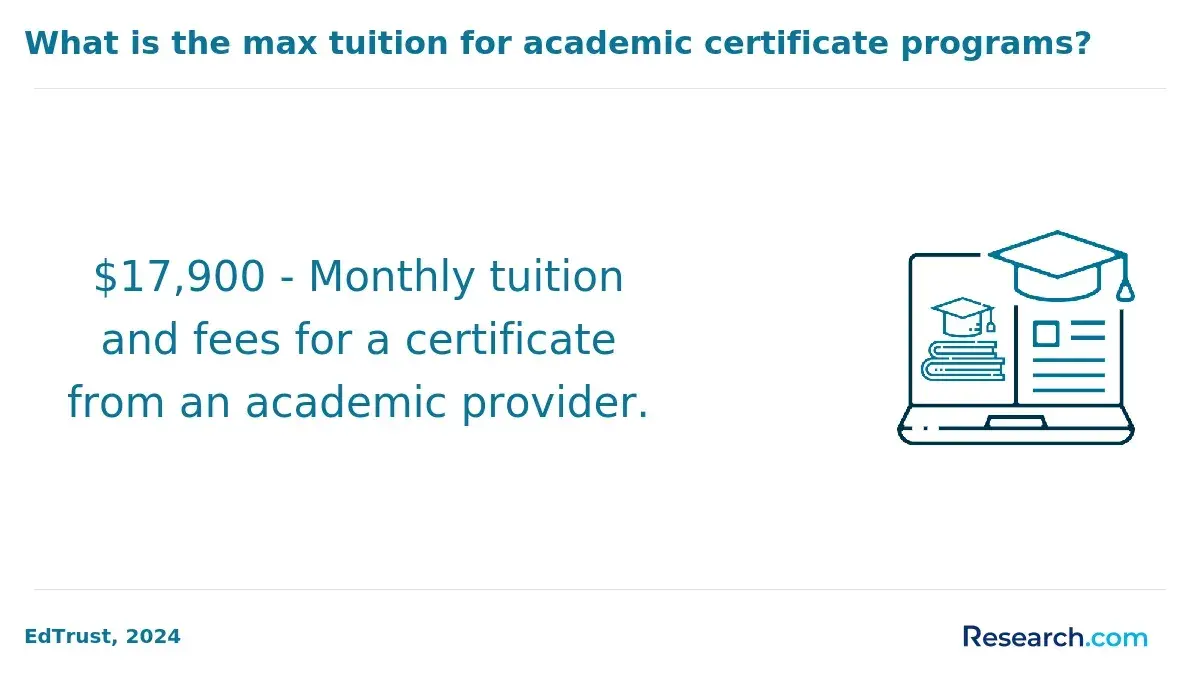
The cost of an online child development degree depends on the school type, residency status, transfer credits, fees, textbook costs, practicum expenses, and whether tuition is charged per credit or per term. College Board's 2024-25 national data lists average published tuition and fees at $11,610 for in-state students at public four-year institutions and $43,350 at private nonprofit four-year institutions.
For online students, the real decision is not just sticker price; it is total cost after aid, transfer credits, employer support, and time to completion.
Common cost categories include tuition, online course fees, technology fees, books or digital learning materials, background checks, field-placement requirements, and graduation fees. Some online programs charge the same tuition to all online students, while others use in-state and out-of-state rates.
Because schools quote prices differently, compare costs using the same categories. The list below shows what to request from each admissions or financial aid office.
- Total tuition for the degree based on the number of credits you still need after transfer review.
- Mandatory online, technology, student service, and graduation fees.
- Estimated textbook, course material, and assessment costs.
- Costs for background checks, fingerprinting, health records, or practicum documentation.
- Availability of federal aid, state grants, scholarships, employer tuition assistance, payment plans, and military or workforce benefits.
Financial aid usually starts with the FAFSA for eligible students attending accredited institutions. Federal Pell Grants, federal student loans, state aid, institutional scholarships, and employer education benefits may be available, but the amount depends on your enrollment status, income, dependency status, school, and program eligibility.
Adults comparing education, child development, and healthcare administration pathways may also weigh whether a leadership-focused alternative such as a masters degree in healthcare management better matches their long-term goals. That comparison is useful if you want to move toward program management, community health, or family-services administration rather than direct child development practice.
A common mistake is choosing the lowest tuition rate without calculating lost time, rejected transfer credits, or field-placement expenses. A slightly higher per-credit program may cost less overall if it accepts more of your previous coursework or offers shorter, year-round terms that help you finish sooner.
How Long Does It Take to Complete an Online Child Development Degree, and Can Transfer Credits Help You Graduate Faster?
Completion time depends on degree level, course load, transfer credits, term length, and whether the program offers year-round enrollment. A bachelor's degree is typically about 120 credits, while an associate degree is often about 60 credits. If you study part time, the calendar length increases, but the weekly workload may be more realistic for full-time workers.
The table below shows common timelines. These are planning ranges, not promises, because schools set their own credit requirements and course sequencing.
| Pathway | Common pace | Approximate completion pattern | Best fit |
| Associate degree, full time | About 12 to 15 credits per term | Often about 2 academic years | Students who can manage a heavy course load and want a foundation quickly. |
| Associate degree, part time | About 6 to 9 credits per term | Often about 3 or more years | Adults balancing work, caregiving, or unpredictable schedules. |
| Bachelor's degree, first-time student | About 120 total credits | Often about 4 academic years full time, longer part time | Students starting without prior college credits. |
| Bachelor's completion program | Prior transfer credits applied | May be significantly shorter if many credits transfer | Adults with an associate degree or unfinished college credits. |
| Self-paced or competency-based program | Progress tied to completed assessments | Can be faster for highly prepared students | Experienced learners who can maintain steady momentum without weekly class meetings. |
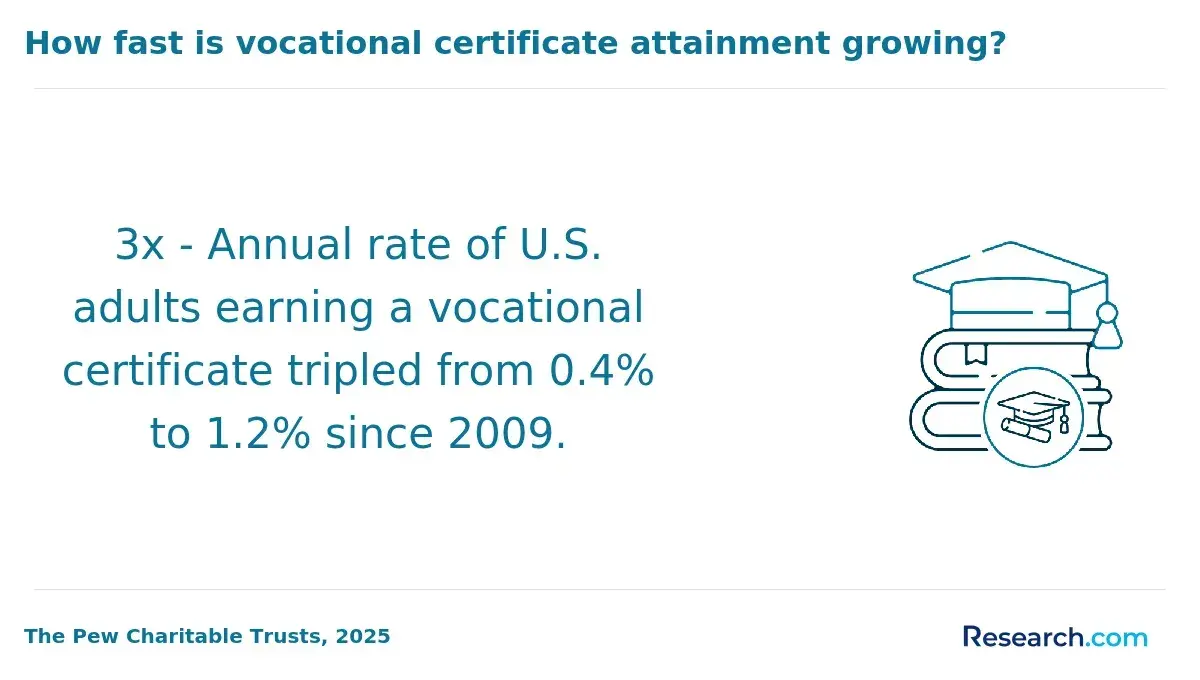
Transfer credit can be one of the biggest time-saving tools for working adults. Many bachelor's programs may accept credits from regionally accredited colleges, community colleges, military training, standardized exams, or prior learning assessments, but each school decides what counts toward major, elective, and general education requirements.
Use this sequence to estimate your true graduation timeline before enrolling.
- Collect unofficial transcripts and identify completed courses with grades and credits.
- Ask for a written degree audit showing which credits apply to the major, general education, and electives.
- Check whether old credits expire, especially in education, psychology, health, or technology-related coursework.
- Confirm how often required child development courses are offered online.
- Map the next 12 months of courses against your work schedule before accepting admission.
The biggest red flag is a program that advertises a fast timeline before reviewing your transcripts. A credible completion estimate should be based on your remaining credits, not only on the school's best-case marketing schedule.
What Should You Look for When Comparing Accredited Online Child Development Degree Programs?
The right program should match your career goal, state requirements, schedule, budget, and learning style. A flexible program is not automatically a high-quality program, and a prestigious program is not automatically practical for a working adult.
The table below organizes the most important comparison factors. Use it as a screening tool before speaking with admissions representatives.
| Comparison factor | What to verify | Why it matters |
| Accreditation | Institutional accreditation and any relevant program approval. | Protects transferability, aid eligibility, and employer recognition. |
| Career alignment | Whether the program prepares for teaching, childcare leadership, family services, graduate study, or non-licensure roles. | Prevents choosing a degree that does not match your target job. |
| Online format | Asynchronous, synchronous, hybrid, self-paced, cohort-based, or competency-based structure. | Determines whether you can keep working while enrolled. |
| Transfer policy | Maximum credits accepted and how credits apply to degree requirements. | Can reduce cost and time to graduation. |
| Field experience | Practicum, internship, observation, or student-teaching requirements. | May require daytime availability, background checks, and local site approval. |
| Student support | Advising, tutoring, career services, online library access, and placement coordination. | Support can make the difference between stopping out and finishing. |
Working adults should also watch for red flags. These issues do not always mean a school is poor, but they do mean you need clearer answers before enrolling.
- The school cannot clearly explain its accreditation status or state authorization for your location.
- The program says it is "self-paced" but has strict hidden deadlines, limited course availability, or short completion windows.
- The admissions team gives a graduation timeline before completing a transfer-credit evaluation.
- The program does not explain whether it meets teacher licensure, childcare director, or state credential requirements.
- Online students have limited access to advising, tutoring, career services, or field-placement help.
If you are comparing child development with adjacent administrative fields, review how online programs differ in governance, operations, and leadership preparation. For example, rankings of the best schools for healthcare administration online can help you understand what a management-focused degree emphasizes compared with a child and family development curriculum.
What Career Opportunities and Salary Potential Can You Expect With a Child Development Degree?
A child development degree can support careers in early childhood programs, childcare leadership, family support services, youth programs, parent education, early intervention support, nonprofit services, and preparation for graduate study. It may also support teacher-preparation goals if the program is designed and approved for that purpose, but not every child development degree leads to teacher licensure.
Salary potential varies by role, state, employer, licensure, experience, and degree level. The U.S. Bureau of Labor Statistics reported May 2024 median pay of $37,120 for preschool teachers and $56,270 for preschool and childcare center directors.
For readers, the practical takeaway is that leadership, licensure-aligned, and specialized roles often have stronger compensation potential than entry-level childcare roles, but requirements are also higher.
The table below summarizes common career directions. It focuses on role fit rather than promising specific outcomes.
| Career path | Typical responsibilities | Education or credential considerations |
| Preschool teacher | Plan age-appropriate activities, support early learning, observe development, communicate with families. | Requirements vary by state and employer; public-school roles may require licensure. |
| Childcare center director | Manage staff, curriculum, compliance, family communication, safety, and budgets. | A bachelor's degree, experience, and state director credentials may be required. |
| Family support specialist | Connect families with community resources, parenting education, and developmental support services. | Employers may prefer degrees in child development, human services, family studies, or social work. |
| Early intervention support role | Assist children with developmental delays and coordinate with specialists and families. | May require additional state credentials, supervised experience, or graduate education for specialist roles. |
| Youth program coordinator | Design and manage after-school, nonprofit, recreation, or community programs. | Experience with children, program planning, and family engagement is valuable. |
This degree is a strong fit if you want to work with children and families, move into childcare leadership, or prepare for graduate study in education, counseling, social work, occupational therapy, child life, or human development. It may not be the best fit if your main goal is high-paying corporate work, a clinical healthcare license, or a public-school teaching role that requires a specific state-approved teacher education pathway.
Some adults who begin in child development later explore nursing, pediatric care, or community health pathways. If you are considering a clinical direction, comparing child development with ASN programs online can clarify whether your long-term goal is educational and developmental support or licensed patient care.
How Can Working Adults Balance a Child Development Degree With Full-Time Work and Family Responsibilities?
Balancing a degree with work and family is possible, but it requires honest planning. The most common mistake is enrolling full time because the program is online, then discovering that weekly readings, discussions, projects, observations, and exams create more pressure than expected.
A useful rule of thumb in college planning is that each credit hour may require multiple hours of study outside class. For a working adult, that means two 3-credit courses can feel manageable, while four courses may compete directly with work shifts, caregiving, sleep, and transportation.
Before enrolling, build a weekly plan based on your real schedule, not your ideal schedule. The steps below are practical because they reveal whether your chosen course load is sustainable.
- Block fixed commitments first, including work hours, commute time, caregiving, meals, sleep, and recurring appointments.
- Choose study blocks at times when you can consistently focus, such as early mornings, lunch breaks, evenings, or weekend mornings.
- Start with one or two courses in your first term if you have been out of school for several years.
- Tell your advisor early if you work shifts, travel for work, or have limited daytime availability for observations or fieldwork.
- Use employer tuition assistance carefully by checking grade, reimbursement, and continued-employment rules before registering.
Self-paced programs can help motivated students move faster, but they can also remove the weekly structure that keeps many adults on schedule. If you know you perform better with deadlines, an asynchronous semester-based program may be more realistic than a fully self-paced format.
Adults planning for long-term advancement in child health, family services, or pediatric-adjacent leadership may eventually compare education credentials with graduate healthcare options such as DNP programs online. That kind of comparison can help you decide whether your preferred future is direct developmental work, program leadership, or advanced clinical practice.
What Student Support Services and Online Learning Resources Should You Expect From a Child Development Degree Program?
Online student support is not a bonus; it is part of program quality. Working adults often study outside traditional office hours, so the best programs make advising, tutoring, library help, technical support, and career resources accessible remotely.
At minimum, expect academic advising, transfer-credit guidance, online library access, writing support, learning management system support, disability accommodations, financial aid counseling, and career services. Programs with fieldwork should also provide placement guidance or clear approval processes for local sites.
The table below shows support services that matter most for adult learners. These services can affect persistence, course planning, and graduation speed.
| Support service | What strong support looks like | Why it matters |
| Academic advising | Advisors help map courses by term and explain prerequisites. | Prevents taking courses out of order or delaying graduation. |
| Transfer-credit advising | The school provides a clear written evaluation of accepted credits. | Helps estimate true cost and time to completion. |
| Online tutoring and writing help | Students can access support during evenings or through flexible appointments. | Useful for adults returning to academic writing after a break. |
| Technology support | Help is available beyond standard business hours. | Important when assignments are due after work or on weekends. |
| Career services | Resume help, interview preparation, job boards, and employer connections are available online. | Connects coursework to real career decisions. |
| Field-placement support | The program explains site approval, documentation, background checks, and supervision. | Reduces the risk of fieldwork delays. |
Ask whether online students receive the same level of support as campus students. If the answer is vague, request examples: advisor response times, tutoring hours, career appointments, practicum coordinator availability, and technical support hours.
Students interested in child development, healthcare, and family-centered service systems may also compare support expectations across related online degrees. For instance, programs in nursing, healthcare management, and education often differ in practicum coordination, advising intensity, and certification preparation.
Do Online Child Development Degree Programs Include Internships, Practicums, or Other Hands-On Learning Requirements?
Many online child development programs include hands-on learning because child development is applied work. Requirements may include observations, practicums, internships, capstone projects, service learning, supervised teaching experiences, or field-based assignments in childcare centers, preschools, Head Start programs, family service agencies, hospitals, nonprofits, or community organizations.
The word "online" usually describes the coursework, not necessarily every requirement. A program can be fully online academically and still require in-person observation or supervised field hours. This is especially common in programs aligned with early childhood education, teacher preparation, or childcare leadership standards.
The table below explains common experiential components and the scheduling issue each one may create for working adults.
| Requirement | What it may involve | Scheduling concern |
| Observation hours | Watching children, teachers, or family-service professionals in approved settings. | Sites may operate mainly during daytime hours. |
| Practicum | Supervised practice applying child development concepts in a real setting. | May require background checks and site approval before the term starts. |
| Internship | More sustained fieldwork tied to career preparation or degree completion. | Can be difficult if your work schedule is inflexible. |
| Student teaching | Extended supervised teaching for licensure-aligned programs. | May require full-day availability and may not be compatible with full-time work. |
| Capstone project | Research, program design, case analysis, or applied project. | Usually more flexible than field hours but still deadline-driven. |
Before enrolling, ask how the school handles local placements. You need to know whether the program finds sites, whether you must identify your own site, whether your current workplace can count, and whether evening or weekend placements are allowed.
These questions are especially important if you work in a childcare setting already. Your current job may help you complete observations or projects, but schools often require separate supervision, approved age groups, or activities outside your normal paid responsibilities.
Other Things You Should Know About Child Development
No. Child development focuses broadly on how children grow and learn, while early childhood education usually focuses more directly on teaching young children. Some programs overlap, but only specific teacher-preparation pathways may meet state licensure requirements.
Yes, many students do. Working in childcare can strengthen your assignments and may help with observations, but you should ask the program whether your workplace can satisfy any practicum or fieldwork requirements.
It depends on your state and employer. Some director roles require a bachelor's degree, experience, and state-specific director credentials, while smaller or private centers may have different requirements.
Employers are generally more likely to respect an online degree when it comes from an accredited institution and aligns with the role's requirements. The transcript usually matters less than accreditation, relevant experience, fieldwork, and whether the program meets state or employer standards.
References
- 2025 Most Affordable Online Child Development Degrees https://www.onlineu.com/most-affordable-colleges/child-development-degrees
- FAQs About Undergraduate Admissions Requirements for Online Programs https://www.umassglobal.edu/blog-news/faqs-undergraduate-admissions-requirements-online-programs
- Flexible Childcare: A Modern Solution for Busy Families | KidsPark https://kidspark.com/flexible-childcare-a-modern-solution-for-busy-families/
- What are the Prerequisites for Enrolling in an Online College? - Best Colleges Online https://www.bestcollegesonline.org/faq/what-are-the-prerequisites-for-enrolling-in-an-online-college/
- Online Child Development Degrees: See the Best Schools & More https://www.edumed.org/online-schools/child-development-degrees/
- Everything You Need to Know About Earning a Degree in Early Childhood Education https://mybrightwheel.com/blog/degree-in-early-childhood-education
- 10 Career Paths You Can Pursue with an Early Childhood Education (ECE) Diploma - Oxford International Career Colleges https://oicolleges.com/2025/12/03/10-career-paths-you-can-pursue-with-an-early-childhood-education-ece-diploma/
- Self-Paced Online Training for Early Childhood Educators - post https://www.childcareed.com/a/self-paced-online-training-for-early-childhood-educators-1.html
- How to Plan Your Prerequisite Courses for College and University - Ontario eSecondary School https://oeshighschool.com/prerequisite-courses/
- Admission Requirements | Undergraduate Admissions + Programs https://www.ualberta.ca/en/admissions/how-to-apply/admission-requirements/index.html