2027 Accredited Online Marine Science Degree Programs With No GRE or GMAT Requirements

Co-Founder and Chief Data Scientist
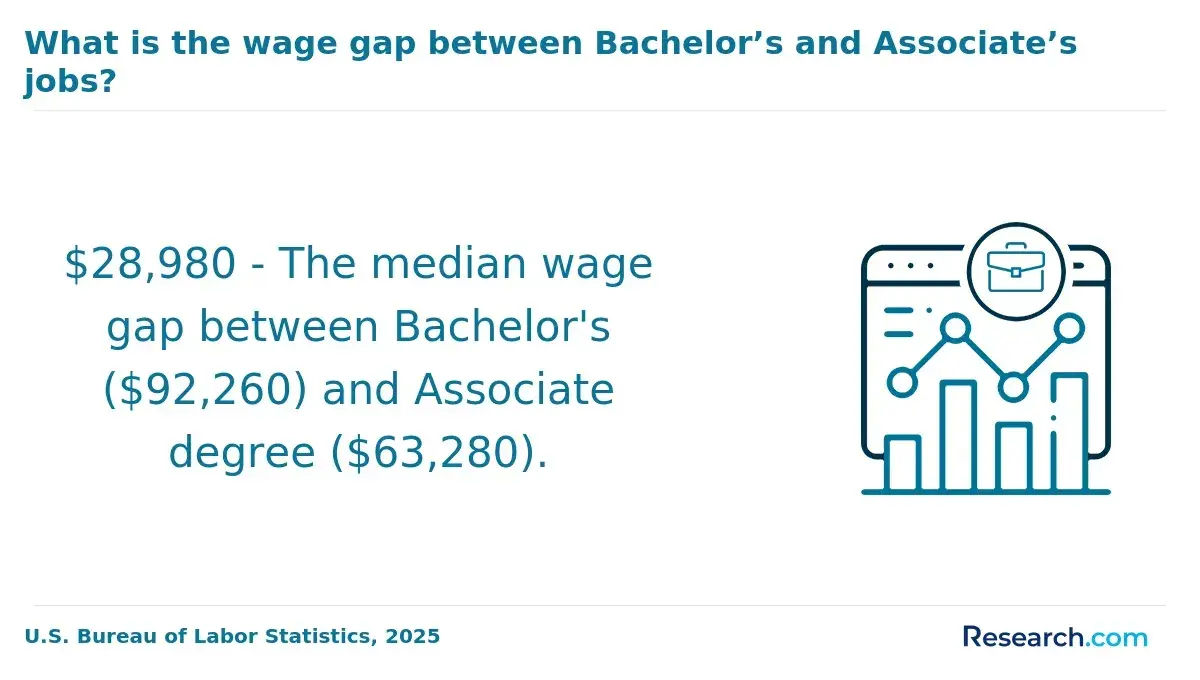
Choosing an online marine science degree without the GRE or GMAT can save time, test fees, and application stress, but it should not mean lowering your standards. The U.S. Bureau of Labor Statistics reports a 2024 median pay of $80,060 for environmental scientists and specialists, making program quality and career fit important.
This guide is for students comparing accredited online marine, aquatic, fisheries, coastal, or conservation-focused programs. You will learn which options commonly avoid standardized tests, what replaces test scores, and how to choose a program that supports your goals.
Key Things You Should Know
- No-GRE and no-GMAT marine science options are most common at the master's and professional master's level; undergraduate online programs do not normally require graduate entrance exams at all.
- Accreditation matters more than test policy: marine science programs are usually covered by institutional accreditation rather than a single specialized marine science accreditor.
- BLS 2024 wage data places environmental scientists and specialists at a median annual wage of $80,060, so applicants should compare curriculum, field or lab access, costs, and employer relevance instead of choosing only the easiest admission path.
Which Accredited Online Marine Science Degree Programs Do Not Require the GRE or GMAT?
Accredited online marine science programs without GRE or GMAT requirements are available, but the category is narrower than broader online environmental science. Many legitimate options use titles such as fisheries, aquatic sciences, marine conservation, coastal management, or marine environmental science rather than simply "marine science."
The table below summarizes examples of accredited online or primarily online programs that are relevant to marine science applicants and commonly do not require the GRE or GMAT. Because admission policies can change by term, students should confirm the current testing policy with the graduate school or admissions office before applying.
| Institution | Online degree or relevant pathway | Marine science fit | GRE or GMAT status | Accreditation context |
| University of Florida | Online Master of Fisheries and Aquatic Sciences | Strong fit for aquatic systems, fisheries, water resources, conservation, and applied marine or freshwater careers | GRE generally not required for many applicants; verify by term | Institutionally accredited; science coursework offered through a major public research university |
| Oregon State University Ecampus | Online fisheries, wildlife, and conservation science pathways | Good fit for students interested in marine-adjacent conservation, aquatic ecosystems, fisheries management, and natural resource agencies | GRE commonly not required for several online pathways; verify the specific program | Institutionally accredited; recognized for natural resources and environmental science education |
| Unity Environmental University | Online marine science or environmental science graduate pathways | Good fit for working adults seeking applied marine, coastal, conservation, or sustainability-focused study | No GRE or GMAT is commonly used in admissions | Institutionally accredited; online programs designed for environmental career pathways |
| American Public University | Online bachelor's-level natural science or environmental science options with marine-related coursework | Best for students who need an undergraduate foundation before graduate marine science study | GRE and GMAT are not undergraduate admission requirements | Institutionally accredited; suitable for students seeking flexible online undergraduate study |
For search purposes, students should use both narrow and broad terms. Searching only for "online marine science degree" can miss accredited programs that train students for marine-related careers under aquatic science, fisheries, ocean policy, or coastal conservation names.
Why Have Accredited Online Marine Science Degree Programs Eliminated GRE and GMAT Requirements?
Many accredited online marine science programs have eliminated GRE or GMAT requirements because standardized tests often add cost and delay without giving departments a complete picture of scientific readiness. In applied science programs, admissions committees usually care more about whether the student can handle biology, chemistry, statistics, field methods, data interpretation, and scientific writing.
This shift also reflects a broader move toward flexible online education for working adults. Students comparing marine science programs often look at the same flexibility questions as those researching self paced degrees: Can I study while working? Can I start without months of test preparation? Will the format fit field seasons, military service, agency work, or family responsibilities?
There are three common test-policy models, and they are not the same. Understanding the difference can help you avoid misreading an admissions page.
| Policy type | What it means | How applicants should respond |
| Test-free | The program does not review GRE or GMAT scores at all | Focus on GPA, prerequisites, recommendations, résumé, and statement of purpose |
| Test-optional | Scores are accepted but not required | Submit scores only if they strengthen a weaker part of the application |
| Test-waiver available | The test is required unless the applicant meets waiver conditions | Ask whether GPA, prior graduate credits, military experience, or professional experience qualifies |
The GMAT is rarely relevant for marine science because it is designed for business school admissions. The GRE is the exam to watch for science graduate programs, although many departments now treat it as optional or unnecessary.
What Admissions Criteria Matter Most Without GRE or GMAT Scores?
Without GRE or GMAT scores, admissions committees usually put more weight on academic preparation, scientific fit, and evidence that the applicant can succeed in an online graduate environment. A no-test policy does not remove selectivity; it changes what the school uses to assess readiness.
The following factors often matter most because they show whether you can handle upper-level science coursework and contribute meaningfully to applied marine or aquatic work.
| Admissions factor | Why it matters in marine science | How to strengthen it |
| Undergraduate GPA | Shows sustained academic performance, especially in science courses | Explain grade trends and highlight recent strong coursework |
| Prerequisite coursework | Marine science often relies on biology, ecology, chemistry, statistics, GIS, and research methods | Complete missing prerequisites before applying or ask whether conditional admission is possible |
| Statement of purpose | Shows whether your goals match the program's curriculum and faculty strengths | Name specific interests such as fisheries management, coastal resilience, marine conservation, or aquatic toxicology |
| Professional or field experience | Applied experience can demonstrate readiness beyond grades | Include agency work, lab work, field sampling, nonprofit projects, aquaculture, GIS, or environmental consulting |
| Recommendations | Letters help confirm scientific ability, work ethic, and online learning readiness | Choose recommenders who can discuss research, analysis, writing, or professional reliability |
Applicants from other science or health fields should translate their experience clearly. For example, students used to prerequisite-heavy pathways such as dietetics programs may already understand how to document coursework, lab experience, and applied science skills in a structured application.
If scores are optional, submitting them can still make sense when your undergraduate GPA is below the program's preferred range, your science prerequisites are old, or you are changing fields and need another academic signal. If your scores are average or weak, they may not add value.
Are No-GRE or No-GMAT Online Marine Science Degree Programs Easier to Get Into?
No-GRE or no-GMAT online marine science programs are not automatically easier to get into. They may be faster and less expensive to apply to, but competitive programs still evaluate whether applicants are academically prepared and professionally aligned with the curriculum.
The difference is best understood as a shift from test-based screening to portfolio-based review. Instead of relying on one exam score, schools may look more closely at transcripts, science grades, experience, writing quality, recommendations, and fit with the program's focus.
Applicants should be especially careful with the phrase "no GRE required." It can mean several different things in practice.
- The program may be test-free, meaning scores are not reviewed.
- The program may be test-optional, meaning strong scores can still be submitted.
- The program may waive the GRE only for applicants with a certain GPA, prior graduate degree, or professional background.
- The university may remove the test requirement, while individual departments still require extra materials.
A no-test program may feel more accessible because you can apply sooner and avoid exam fees, but admission can still be selective if seats are limited, faculty review is involved, or the curriculum expects advanced science preparation.
Does Skipping the GRE or GMAT Affect Academic Quality or Accreditation?
Skipping the GRE or GMAT does not reduce academic quality by itself. Accreditation, faculty qualifications, curriculum design, student support, assessment standards, and institutional oversight are separate from whether a program uses standardized tests in admissions.
For marine science, the most important accreditation check is institutional accreditation from an agency recognized by the U.S. Department of Education or the Council for Higher Education Accreditation. Unlike nursing, counseling, engineering, or dietetics, marine science generally does not have one universal programmatic accreditor that determines whether the degree is legitimate.
Students should verify quality through multiple signals rather than relying on the test policy. The most useful checks include accreditation status, course rigor, faculty expertise, access to data or field-based learning, student support for online learners, and whether the curriculum matches the roles you want after graduation.
Be cautious with any school that emphasizes "no GRE" more than accreditation, curriculum, faculty, or outcomes. Admissions convenience is helpful, but it should never be the main evidence of program value.
Which Students Benefit Most From Online Marine Science Degree Programs Without GRE or GMAT Requirements?
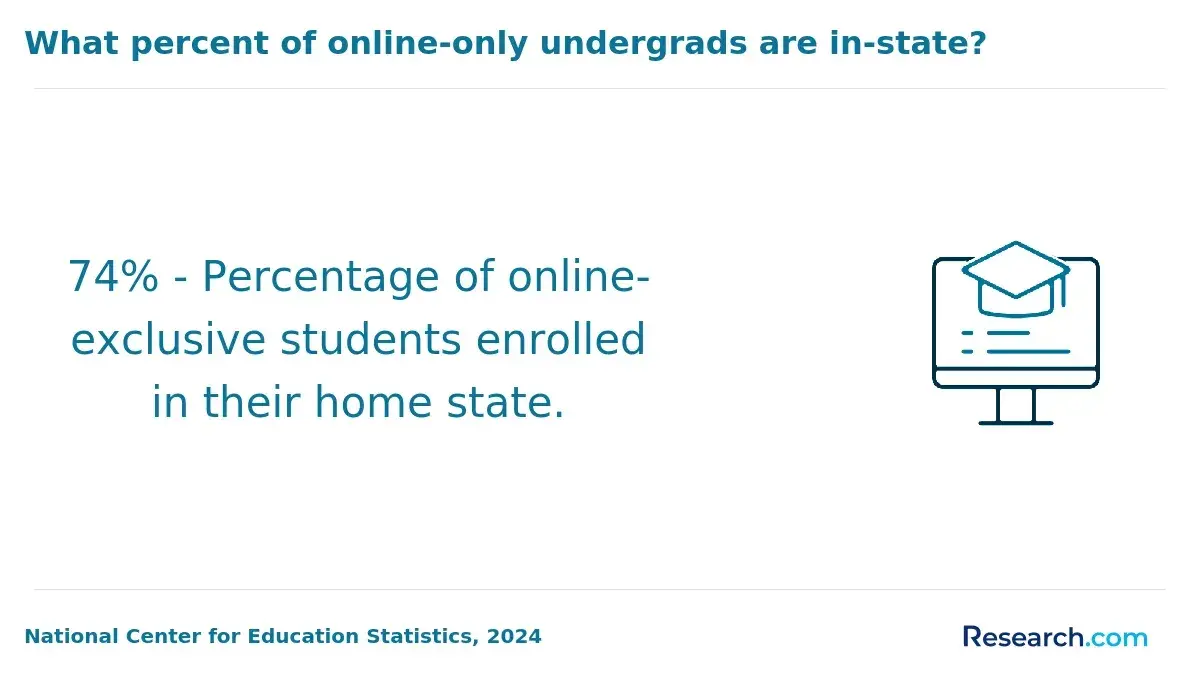
No-GRE online marine science programs are especially useful for students who have strong experience or clear goals but do not want to spend months preparing for a standardized test. They can also help applicants who live far from coastal campuses or need an online schedule because of work, military service, caregiving, or field-based employment.
The best-fit students usually fall into a few groups. These profiles can help you decide whether applying without test scores is a strength or a risk.
- Working environmental professionals who already have field, lab, compliance, GIS, fisheries, or conservation experience.
- Career changers with science coursework who want to move into aquatic resource management, coastal resilience, marine policy, or conservation work.
- Undergraduate science majors with strong grades but limited time or funds for GRE preparation.
- Military-affiliated or remote students who need online access to marine-related coursework.
- Agency, nonprofit, or consulting employees seeking graduate credentials for advancement.
Students in other flexible professional pathways often face similar trade-offs. For instance, nurses comparing online RN to BSN programs without clinical requirements also need to look beyond convenience and ask whether the curriculum, accreditation, and employer relevance support their next career step.
Students who may not benefit from a no-test pathway include those with weak science preparation and little relevant experience. In that case, taking additional coursework, earning strong grades, or completing a research or field project may strengthen the application more than simply applying quickly.
How Do Tuition and Financial Aid Compare for No-GRE Online Marine Science Degree Programs?
No-GRE online marine science programs can reduce application costs because students avoid exam registration, preparation materials, and retesting. However, the larger financial decision is total program cost, including tuition, fees, textbooks, technology, travel for any field or residency component, and lost work time.
The Federal Student Aid annual limit for Direct Unsubsidized Loans for most graduate and professional students is $20,500. That figure matters because some online master's programs may cost more than the amount a student can borrow through that loan type in one academic year, requiring savings, employer support, assistantships, scholarships, payment plans, or Graduate PLUS Loans.
The main cost categories are easier to compare when separated. Use the following framework before assuming that a no-test program is the most affordable option.
- Tuition model: Check whether the school charges per credit, per term, or a flat program rate.
- Residency or field costs: Ask whether any field course, lab intensive, boat-based training, or campus visit requires travel.
- Transfer or prior graduate credit: Confirm whether previous coursework can reduce total credits.
- Employer tuition benefits: Environmental agencies, consulting firms, utilities, aquaculture employers, and nonprofits may offer partial support.
- Financial aid eligibility: Confirm that the program is degree-seeking and eligible for federal aid if you plan to borrow.
Students comparing science and health-related online degrees should also think about speed versus cost. An accelerated healthcare administration degree, for example, may appeal because of faster completion, but the same rule applies: shorter does not always mean cheaper if per-credit tuition, fees, or workload reduce your ability to work.
The best financial choice is not always the lowest tuition. A slightly more expensive program may be worth considering if it has stronger advising, better employer recognition, relevant electives, or field opportunities that align with your career target.
What Career Outcomes Can Graduates Expect From No-GRE Online Marine Science Degree Programs?
Graduates of online marine science, fisheries, aquatic science, and coastal conservation programs may pursue roles in environmental consulting, fisheries management, coastal planning, conservation nonprofits, aquaculture, water quality, GIS analysis, environmental education, resource management, and government agencies. Job titles vary because marine science overlaps with biology, environmental science, public policy, data analysis, and natural resource management.
BLS 2024 data reports a median annual wage of $80,060 for environmental scientists and specialists. This is not a promise of earnings for marine science graduates, but it provides a useful benchmark for roles where employers value environmental assessment, regulatory knowledge, data analysis, and applied science training.
Common career directions include several clusters. Each path may require a different mix of coursework, field experience, technical skills, or graduate training.
- Environmental consulting: Site assessment, permitting support, impact analysis, monitoring, and client reports.
- Fisheries and aquatic resource management: Stock assessment support, habitat monitoring, population data, and agency programs.
- Coastal resilience and planning: Sea-level rise adaptation, shoreline management, hazard mitigation, and community planning support.
- Conservation and nonprofit work: Marine protected area support, outreach, restoration projects, grant-funded programs, and stakeholder engagement.
- Research and technical roles: Data collection, laboratory analysis, GIS mapping, statistical analysis, and scientific communication.
Students aiming for research scientist, tenure-track faculty, or advanced federal science roles may eventually need a thesis-based master's degree or PhD. A professional or non-thesis online master's can still be valuable, but it may be designed more for applied practice than doctoral research preparation.
What Common Application Mistakes Reduce Admission Chances to No-GRE Online Marine Science Degree Programs?
The most common mistake is treating "no GRE required" as the main reason to apply. Admissions committees still need evidence that you can succeed in a science-heavy online program, and employers will care more about skills, credibility, and experience than whether you skipped an entrance exam.
Applicants can improve their chances by avoiding mistakes that make an otherwise qualified candidate look unprepared or unfocused.
- Ignoring accreditation: Verify institutional accreditation before comparing tuition, rankings, or admissions convenience.
- Using a generic statement of purpose: Explain why the program's marine, aquatic, coastal, or conservation focus fits your goals.
- Overlooking prerequisites: Missing biology, chemistry, statistics, ecology, or research methods coursework can weaken an application.
- Submitting weak recommendations: Choose people who can discuss your science ability, writing, fieldwork, leadership, or professional reliability.
- Failing to ask about online field components: Some programs may require in-person labs, fieldwork, internships, or local site-based projects.
- Assuming test policies are permanent: Confirm the requirement for your intended start term, not last year's admissions page.
- Choosing only the quickest option: A faster program is not better if it lacks relevant electives, advising, or employer recognition.
This problem is not unique to marine science. Students searching for the easiest RN to BSN program face a similar risk: ease of admission or completion should be weighed against accreditation, learning quality, licensing relevance, and long-term professional value.
A strong application usually tells a coherent story: what you have studied, what experience you bring, what marine or aquatic problem you want to work on, and why that specific online program is the right bridge.
How Should Students Compare Accredited Online Marine Science Degree Programs Without GRE or GMAT Requirements?
The best no-GRE or no-GMAT online marine science program is the one that fits your academic background, schedule, budget, and career target. Because the field is interdisciplinary, two programs with similar names may prepare students for very different outcomes.
The table below gives a practical comparison framework. Use it to review programs side by side before requesting information or submitting applications.
| Comparison area | What to look for | Why it matters |
| Accreditation | Institutional accreditation recognized by U.S. higher education authorities | Supports credit transfer, financial aid eligibility, and employer confidence |
| Curriculum match | Courses in marine ecology, fisheries, coastal systems, GIS, statistics, conservation, or policy | Determines whether the degree actually supports your intended role |
| Online format | Asynchronous courses, live sessions, part-time pacing, or cohort schedules | Affects whether the program fits work, field seasons, and family responsibilities |
| Experiential learning | Capstone, internship, local field project, data analysis project, or research option | Helps convert coursework into portfolio evidence for employers |
| Admissions fit | GPA expectations, prerequisites, recommendations, résumé, and statement requirements | Shows whether you are competitive without GRE or GMAT scores |
| Total cost | Tuition, fees, travel, books, technology, and time to completion | Prevents underestimating the real investment |
| Career support | Faculty advising, alumni network, employer connections, and project relevance | Can influence internships, job search strategy, and career mobility |
Before applying, ask admissions counselors targeted questions rather than only requesting brochures. The best questions clarify risk, cost, and fit.
- Is the GRE or GMAT test-free, test-optional, or waived only for certain applicants?
- Which prerequisites are required before enrollment, and can any be completed after admission?
- Are there any in-person field, lab, residency, or internship requirements?
- Can online students work with faculty on applied projects or research?
- How many credits are required, and can prior graduate credits transfer?
- What types of employers or graduate programs have accepted recent graduates?
- What is the total estimated cost, including fees and any travel?
A good final shortlist should include at least one program that is affordable, one that is academically strongest for your goal, and one that offers the best schedule fit. If one school meets all three conditions and is properly accredited, it is likely a strong option.
Other Things You Should Know About Marine Science
Some marine science and aquatic science degrees can be completed fully online, especially professional or non-thesis programs. However, programs with fieldwork, labs, internships, or research requirements may require local site work or short in-person experiences.
No. Marine biology focuses mainly on marine organisms and ecosystems, while marine science is broader and may include oceanography, conservation, fisheries, chemistry, geology, policy, and coastal management.
Not always. Many online programs allow students to complete projects using local waterways, public datasets, agency partnerships, or remote research tools. If your goal requires hands-on marine fieldwork, ask how the program supports students who live inland.
It can, but the degree structure matters. A thesis-based or research-intensive master's is usually stronger preparation for doctoral study than a purely professional program. Ask whether faculty-supervised research, methods coursework, and academic writing opportunities are available.
References
- Master of Science in Biological Sciences and Marine Sciences Costs https://www.une.edu/sfs/graduate/costs/master-science-biological-sciences-and-marine-sciences-costs
- Cost & Financial Aid https://www.semesteratsea.org/financial-aid/
- Marine Biology Degree Programs in the U.S. | MarineBio Conservation Society https://www.marinebio.org/careers/us-schools/
- Undergraduate Marine Biology Programs Compared https://www.road2college.com/best-marine-biology-colleges/
- How to Become a Marine Biologist: A Step-by-Step Guide https://www.seamester.com/blog/how-to-become-a-marine-biologist/
- Marine biology-- where else should I apply? https://talk.collegeconfidential.com/t/marine-biology-where-else-should-i-apply/1740969
- Frequently Asked Questions https://www.marinecareers.net/frequently-asked-questions