2027 Accredited Online Marine Science Degree Programs for Working Adults: Flexible, Part-Time, and Self-Paced Options

Co-Founder and Chief Data Scientist
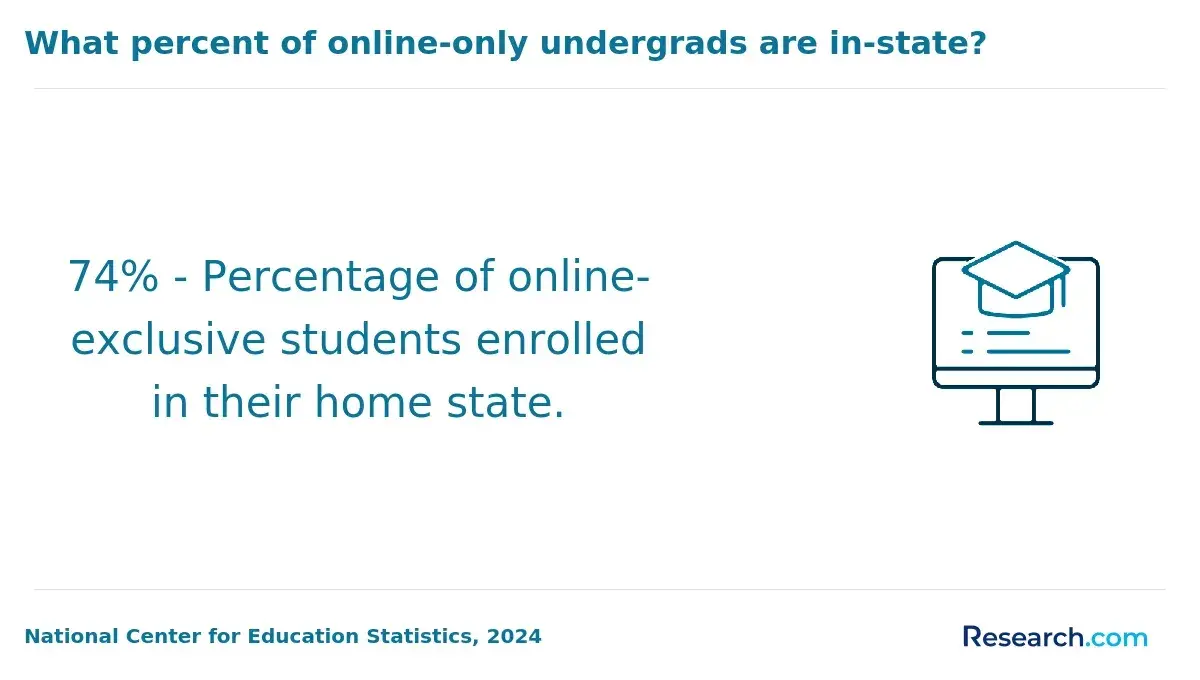
Choosing an accredited online marine science degree is harder when you are working full time, because "online" can still mean fixed class times, lab requirements, fieldwork, and strict deadlines. The need is real: a 2024 NCES report found that more than half of U. S. undergraduates took at least one distance education course in fall 2022. This guide is for adults comparing flexible, part-time, and self-paced paths. You will learn how accreditation, cost, transfer credits, workload, hands-on requirements, and career goals should shape your decision before you enroll.
Key Things You Should Know
What Is an Accredited Online Marine Science Degree Program and Why Does Accreditation Matter?
An accredited online marine science degree program is a college credential delivered fully online or mostly online in subjects such as oceanography, marine biology, coastal ecology, fisheries science, environmental science, marine conservation, or coastal resource management. For working adults, the key issue is not only whether courses are online, but whether the school has legitimate accreditation and whether required labs, field experiences, or internships can fit around work.
Accreditation matters because it affects federal financial aid eligibility, transfer credit, employer recognition, graduate school admission, and the credibility of your degree. In the United States, the most important baseline is institutional accreditation from an agency recognized by the U.S. Department of Education or the Council for Higher Education Accreditation. Marine science programs typically do not have a single required programmatic accreditor in the same way some health professions do; for comparison, career-specific fields such as dietetics programs may involve more direct accreditation-to-licensure connections.
The table below explains the accreditation checks that matter most when comparing online marine science options. Use it to separate legitimate programs from programs that may be flexible but risky.
| Accreditation or approval factor | What it means | Why it matters for working adults |
| Institutional accreditation | The college or university is accredited by a recognized institutional accreditor. | Usually required for federal aid, credit transfer, and employer confidence. |
| Programmatic accreditation | A field-specific accreditor reviews a particular program. | Less common for marine science, but relevant if the program is tied to engineering, education, or another regulated pathway. |
| State authorization | The school is allowed to offer online education to students in your state. | Important if you live outside the school's home state or may complete fieldwork locally. |
| Fieldwork and safety approvals | The program has policies for labs, boats, diving, research sites, or internships. | Helps you avoid schedule conflicts and unexpected travel or equipment costs. |
One common mistake is assuming that a school is accredited because its website uses professional language or advertises "career-ready" training. Before applying, verify the institution in the U.S. Department of Education's Database of Accredited Postsecondary Institutions and Programs or the CHEA database, then ask admissions whether your specific online program is covered by that accreditation.
Which Flexible Marine Science Degree Formats Are Best for Working Adults: Part-Time, Full-Time, or Self-Paced?
The best format depends on your weekly availability, career timeline, and tolerance for deadlines. Marine science is a lab- and data-driven field, so even flexible programs may include scheduled exams, virtual labs, field intensives, or research projects that are not fully self-paced.
The comparison below summarizes the main online formats a working adult is likely to encounter. It is especially useful if you are deciding whether to prioritize speed, predictability, or maximum control over your schedule.
| Format | Typical schedule | Best fit | Trade-off |
| Part-time asynchronous | Courses have weekly deadlines, but lectures can be viewed on your own time. | Adults with full-time jobs, caregiving duties, or rotating shifts. | Progress is slower, and science courses can still be demanding. |
| Full-time online | Multiple courses each term, often with weekly assignments and exams. | Students who can reduce work hours or want to graduate faster. | Less realistic for many full-time workers because lab reports and data work take time. |
| Self-paced or competency-based | Students move faster or slower within school-defined term limits. | Experienced learners with strong study habits and predictable independent study time. | Not all marine science courses are available this way because labs and field learning may require sequencing. |
| Hybrid low-residency | Most coursework is online, with occasional campus, field station, or coastal site visits. | Students who need online flexibility but want stronger field experience. | Travel, lodging, and time off work can add cost. |
| Live online cohort | Students attend scheduled evening or weekend sessions. | Learners who want structure, instructor access, and peer interaction. | Less flexible for shift workers or adults with unpredictable family responsibilities. |
Self-paced learning can be helpful, but it should not be confused with "no deadlines." If you are comparing self paced degrees, check whether science labs, proctored exams, prerequisites, and capstone projects follow a fixed calendar.
For most working adults, part-time asynchronous study is the safest starting point because it balances flexibility with structure. Full-time study makes sense if you have tuition support, savings, or an employer-approved schedule reduction. Self-paced study is best for disciplined learners who can study consistently without weekly class meetings.
What Are the Admission Requirements for Accredited Online Marine Science Degree Programs?
Admission requirements vary by degree level, but accredited online marine science programs usually expect evidence that you can handle college-level science, math, writing, and data analysis. Bachelor's programs are typically more accessible to career changers, while master's programs often require prior coursework in biology, chemistry, statistics, environmental science, or a related field.
The table below shows common admissions expectations by credential level. Use it to identify whether you are ready to apply now or should complete prerequisites first.
| Program level | Common admission requirements | Working-adult consideration |
| Associate or lower-division transfer pathway | High school diploma or GED, placement tests or prior college transcripts, introductory math and science readiness. | Useful if you want a lower-cost start before transferring into a bachelor's program. |
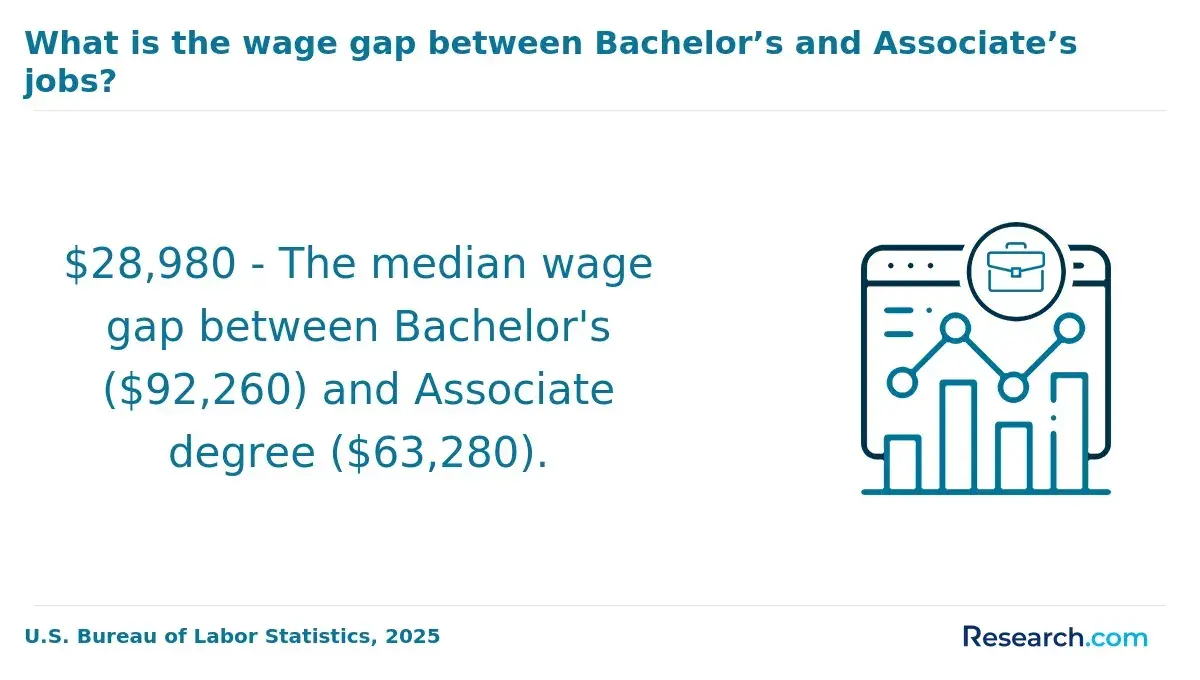
| Bachelor's degree | High school diploma or transfer credits, transcripts, GPA review, general education requirements, and sometimes prior lab science. | Best for adults seeking entry-level environmental or marine-related roles or graduate school preparation. |
| Bachelor's completion program | Prior college credits, minimum GPA, completed general education courses, and sometimes an associate degree. | Can shorten time to graduation if your credits apply directly to the major. |
| Master's degree | Bachelor's degree, prerequisite science courses, statement of purpose, resume, recommendations, and sometimes GRE scores. | Best for adults with a related academic or professional background who want advancement or specialization. |
| Graduate certificate | Bachelor's degree or professional experience, depending on the school. | Useful for targeted skills such as GIS, coastal management, marine policy, or environmental data analysis. |
Before applying, take a practical sequence of steps so you do not waste application fees or enroll in a program that does not match your background. These steps are especially important if you have been out of school for several years.
- Request an unofficial transcript review before applying if the school offers one.
- Ask whether online students must complete chemistry, biology, statistics, or geology prerequisites before upper-division marine science courses.
- Confirm whether lab science courses can be completed online, locally, during summer intensives, or only on campus.
- Check whether professional experience, military training, or prior learning assessment can reduce elective requirements.
- Ask whether admission to the university automatically means admission to the marine science major, because some majors have separate requirements.
A major red flag is an admissions process that accepts every student immediately without reviewing transcripts, prerequisites, or state authorization. Flexible programs can still be selective about academic readiness, especially when advanced science courses are involved.
How Much Does an Online Marine Science Degree Cost, and What Financial Aid Options Are Available?
The cost of an online marine science degree depends on residency status, public versus private institution, transfer credits, lab fees, technology fees, field travel, and whether you study full time or part time. Tuition is only one part of the total price, so working adults should compare the full cost to completion rather than the advertised cost per credit.
Recent national tuition benchmarks can help you judge whether a program's price is unusually low, typical, or high. College Board's 2024-2025 published tuition and fee averages provide a useful starting point, though online program charges may differ by school.
- Public four-year in-state tuition and fees averaged $11,610 for 2024-2025.
- Public four-year out-of-state tuition and fees averaged $30,780 for 2024-2025.
- Private nonprofit four-year tuition and fees averaged $43,350 for 2024-2025.
- The maximum Federal Pell Grant for eligible undergraduate students remained $7,395 in recent federal aid schedules.
The table below outlines common cost drivers in online marine science programs. It helps you ask better questions than "What is the tuition?"
| Cost factor | What to check | Why it matters |
| Tuition model | Per credit, per term, flat-rate full-time, or special online tuition. | Part-time students may pay more total fees over time even if each term is manageable. |
| Residency pricing | Whether online students pay in-state, out-of-state, or uniform online rates. | Public universities can be affordable or expensive depending on residency policy. |
| Lab and field fees | Virtual lab kits, field station costs, travel, safety training, or equipment. | Marine science may involve costs that purely lecture-based online majors do not. |
| Technology fees | Learning platform, proctoring, software, GIS tools, or data-analysis software. | These can add up across multiple terms. |
| Transfer credit acceptance | How many prior credits apply to general education, electives, and the major. | Accepted credits can reduce both tuition and time away from career advancement. |
| Employer benefits | Tuition assistance, reimbursement caps, or required grade minimums. | Employer funding can improve ROI, but reimbursement may arrive after you pay upfront. |
To control costs, compare the net price after aid, not just the published tuition. Working adults should complete the FAFSA if eligible, ask about scholarships for adult learners or environmental science students, review employer tuition assistance, and calculate whether taking fewer courses per term will affect eligibility for grants or loans.
Avoid choosing the cheapest program without checking accreditation, lab access, transfer policy, and career relevance. A low-cost program that does not accept your credits or lacks meaningful science coursework may cost more in the long run.
How Long Does It Take to Complete an Online Marine Science Degree, and Can Transfer Credits Help You Graduate Faster?
Completion time depends on degree level, transfer credits, course load, term structure, and whether required labs or field experiences are offered every term. For working adults, the fastest option is not always the best option; a realistic pace can protect your GPA, job performance, and family time.
The table below gives a practical timeline comparison. Use it to estimate the time commitment before you commit to a start date.
| Path | Typical credit requirement | Likely pace for working adults | What can speed it up |
| Full bachelor's degree | About 120 credits | Often 4 or more years full time; longer part time. | Transfer credits, summer courses, prior learning assessment, and careful course sequencing. |
| Bachelor's completion | Varies after transfer evaluation | Often 2 to 3 years part time if many general education credits transfer. | Associate degree transfer pathways and generous elective transfer policies. |
| Master's degree | Often 30 to 36 credits | Often 2 to 3 years part time. | Year-round courses, thesis alternatives, and employer-supported study time. |
| Graduate certificate | Often 9 to 18 credits | Often less than a master's, depending on course availability. | Stackable credits that later apply toward a master's degree. |
Transfer credits can help you graduate faster, but only if they apply to the degree map. Credits that transfer as electives may improve your total credit count without reducing the number of required science courses you still need.
If speed is your top priority, compare accelerated structures carefully. Programs in other fields, such as an accelerated healthcare administration degree, may have fewer lab or field sequencing constraints than marine science, so do not assume the same acceleration model will apply.
Before enrolling, ask the school for a written degree plan showing exactly which credits transfer, which requirements remain, when each required course is offered, and whether fieldwork is available in the terms you plan to study. This is one of the most effective ways to avoid delayed graduation.
What Should You Look for When Comparing Accredited Online Marine Science Degree Programs?
Comparing accredited online marine science programs requires more than ranking schools by tuition or brand name. The right program should match your career goal, science background, schedule, location, and ability to complete any hands-on requirements.
Use the following checklist when reviewing program websites or speaking with admissions advisors. Each item affects either credibility, flexibility, cost, or career value.
- Verify institutional accreditation through an official accreditation database, not only the school's marketing pages.
- Confirm whether the major is marine science, marine biology, oceanography, environmental science with a marine concentration, fisheries science, or coastal management.
- Ask whether courses are asynchronous, synchronous, self-paced, cohort-based, or hybrid.
- Request a sample weekly schedule for a typical 3-credit science course, including labs, discussion posts, quizzes, and reports.
- Review how labs are delivered, including virtual simulations, mailed lab kits, local lab arrangements, summer field sessions, or campus residencies.
- Compare total program cost after transfer credits, fees, financial aid, and employer reimbursement.
- Ask for career outcomes, internship partners, graduate school placements, or examples of student capstone projects.
- Check whether faculty have marine science, oceanography, fisheries, conservation, GIS, or coastal policy expertise.
The table below summarizes common mistakes and better alternatives. It can help you avoid decisions that often create delays or unexpected costs for adult learners.
| Common mistake | Why it is risky | Better approach |
| Assuming online means fully flexible | Some online courses require live sessions, proctored exams, or fixed lab deadlines. | Ask for the exact course delivery format before enrolling. |
| Ignoring fieldwork requirements | Marine science may require travel, field stations, boats, or local site work. | Confirm location, timing, and cost of every hands-on requirement. |
| Choosing only by tuition | Low tuition can be offset by fees, poor transfer acceptance, or limited course availability. | Compare total cost to graduation. |
| Overlooking transfer rules | Prior credits may not satisfy upper-division science requirements. | Get a written transfer evaluation and degree map. |
| Assuming the degree leads to licensure | Marine science roles are usually not licensed like nursing or teaching, but some jobs require specialized certifications. | Match the curriculum to the role you want, such as GIS, environmental compliance, research, or education. |
| Underestimating science workload | Labs, data analysis, and writing can take more time than lecture-only courses. | Start with one science course if you are working full time. |
Strong programs are transparent about accreditation, faculty, field requirements, course rotation, student support, and career pathways. If a school cannot answer those questions clearly, keep comparing.
What Career Opportunities and Salary Potential Can You Expect With a Marine Science Degree?
A marine science degree can support roles in environmental consulting, conservation, fisheries, coastal planning, aquaculture, education, research support, environmental compliance, GIS analysis, and government agencies. However, "marine biologist" is only one possible outcome, and many entry-level roles use broader titles such as environmental scientist, biological technician, natural resource specialist, or field technician.
Recent BLS wage and outlook data can help set realistic expectations. These categories are not perfect matches for every marine science job, but they are useful U.S. labor-market benchmarks for related roles.
| Career direction | Common responsibilities | Relevant BLS context | Degree fit |
| Environmental scientist or specialist | Assess environmental impacts, collect samples, prepare reports, support compliance projects. | BLS reported a median annual wage of $80,060 in May 2024 and projected 7% growth from 2023 to 2033. | Bachelor's may qualify for entry-level roles; master's can help with specialization. |
| Zoologist or wildlife biologist | Study animals, habitats, behavior, conservation needs, and population data. | BLS reported a median annual wage of $72,860 in May 2024 and projected 4% growth from 2023 to 2033. | Research-focused roles often prefer graduate training and field experience. |
| Biological technician | Assist scientists with lab tests, data collection, sample preparation, and field studies. | Often an entry point for students building research experience. | Bachelor's coursework plus lab and field skills can be valuable. |
| GIS or coastal data analyst | Analyze maps, satellite data, habitat changes, or coastal risk information. | Demand is influenced by climate resilience, planning, and environmental monitoring needs. | Marine science plus GIS, statistics, or programming can improve competitiveness. |
| Marine policy or coastal management specialist | Support planning, permitting, conservation programs, or public education. | Jobs may appear in government, nonprofits, consulting, or coastal communities. | Coursework in policy, communication, ecology, and data analysis is useful. |
The strongest career outcomes usually come from combining the degree with practical skills. Employers often value GIS, statistics, technical writing, field sampling, environmental regulations, remote sensing, coding, database management, boating safety, and scientific communication.
AI and automation are also changing the field. Remote sensors, drones, satellite imagery, machine learning, and automated water-quality monitoring can make data skills more important, not less. If you are comparing programs, look for coursework that teaches you how to collect, clean, interpret, and communicate environmental data.
How Can Working Adults Balance a Marine Science Degree With Full-Time Work and Family Responsibilities?
Balancing marine science coursework with full-time work requires a schedule that reflects the reality of science classes. A lecture-heavy elective may fit easily into evenings, while a lab-based oceanography or ecology course may require longer blocks for experiments, data analysis, and reports.
The most effective plan is to build your course load around your busiest work and family periods. The steps below can help you reduce burnout and avoid dropping courses late in the term.
- Start with one course in your first term if you have not studied online recently.
- Keep lab-heavy science courses separate from peak work seasons when possible.
- Reserve two or three recurring study blocks each week rather than relying on leftover time.
- Tell your family or household when exams, field assignments, and lab reports are due.
- Use employer tuition assistance only after confirming grade, reimbursement, and continued-employment requirements.
- Choose asynchronous courses if your work shifts change, but choose live courses if you need accountability and instructor interaction.
- Build a backup plan for travel, illness, child care, and internet outages before the term begins.
Do not choose a program because it sounds easy. Adult learners in many fields search for options like the easiest RN to BSN program, but marine science is different because lab reasoning, field methods, and data interpretation are central to the discipline.
A realistic weekly plan is better than an aggressive one. If your goal is a career change, strong grades, faculty relationships, and field experience may matter more than finishing one term faster.
What Student Support Services and Online Learning Resources Should You Expect From a Marine Science Degree Program?
Online marine science students should expect more than recorded lectures. Because the field involves science writing, data, labs, and career preparation, support services can strongly affect whether a working adult persists through the program.
When comparing schools, look for support that fits online learners rather than services designed mainly for residential students. The following resources are especially important for adults balancing school with employment.
- Online academic advising that helps you plan prerequisites, transfer credits, course sequencing, and graduation timelines.
- Faculty access through virtual office hours, timely email responses, discussion boards, or scheduled appointments.
- Science tutoring in biology, chemistry, statistics, oceanography, and environmental science.
- Writing support for lab reports, literature reviews, grant-style proposals, and capstone projects.
- Library access to scientific databases, journals, citation tools, and librarian consultations.
- Technology support for learning platforms, proctoring tools, GIS software, virtual labs, and data-analysis applications.
- Career services that understand environmental, marine, government, nonprofit, and consulting job markets.
- Disability accommodations and mental health resources available to online and part-time students.
Ask whether online students can access the same career fairs, research talks, alumni networks, and faculty mentorship opportunities as campus students. Also ask whether tutoring and advising are available during evenings or weekends, because standard business hours may not work for full-time employees.
A program with strong support may be worth a higher price if it improves your ability to finish, build a portfolio, and connect coursework to career goals. A program with weak support can feel flexible at first but become isolating when science courses become more advanced.
Do Online Marine Science Degree Programs Include Internships, Practicums, or Other Hands-On Learning Requirements?
Many online marine science degrees include some form of hands-on learning, even when most coursework is online. That may include virtual labs, home lab kits, local field observations, internships, research projects, capstones, summer field courses, coastal site visits, or short campus residencies.
This is one of the biggest differences between marine science and some online completion degrees. For example, adults comparing online RN to BSN programs without clinical requirements may find options with no new clinical rotations, while marine science students often need field or lab experiences to build credible scientific skills.
The table below explains common hands-on formats and what to clarify before enrolling. It can help you estimate travel, time off work, and local placement needs.
| Hands-on requirement | How it may work online | What to ask before enrolling |
| Virtual labs | Simulations, datasets, recorded experiments, or remote lab platforms. | Whether graduate schools or target employers view them as sufficient for your goal. |
| Home lab kits | Materials shipped to students for controlled experiments. | Whether kits require extra fees, safety steps, or specialized equipment. |
| Local fieldwork | Students collect observations or samples near their own location. | Whether your location has approved sites and whether permits are needed. |
| Field intensive | Short in-person sessions at a campus, coast, field station, or research site. | Exact dates, travel costs, lodging, work absence, and physical requirements. |
| Internship or practicum | Placement with an agency, nonprofit, lab, aquarium, consulting firm, or field site. | Whether the school helps secure placements or expects you to find one. |
| Capstone or research project | Applied project using data, literature, field observations, or an employer-linked problem. | Whether the project can align with your current job or career transition goal. |
Before you choose a program, ask direct questions about hands-on expectations. These questions can prevent conflicts with work, family responsibilities, and location constraints.
- Are any campus, coastal, boat-based, or field station visits required?
- Can internships be completed near my home or workplace?
- Are field experiences offered in evenings, weekends, summer sessions, or fixed blocks?
- What additional costs should I budget for equipment, travel, lodging, safety training, or software?
- Are there physical, swimming, diving, boating, or outdoor requirements?
- Can current employment count toward a practicum or capstone if it is related to marine or environmental work?
If a program claims to be fully online but gives vague answers about labs or fieldwork, treat that as a warning sign. Hands-on learning is not a drawback by itself; it becomes a problem only when the requirements are hidden, poorly supported, or incompatible with your schedule.
Other Things You Should Know About Marine Science
Possibly, but it depends on the role. Entry-level support roles may accept a relevant bachelor's degree with lab, field, and data skills, while research positions often prefer a master's or PhD plus hands-on experience.
Not always. Some programs and jobs involve diving, but many marine science roles focus on data analysis, policy, conservation planning, water quality, GIS, lab work, or education. Ask each program whether diving is required or optional.
No. Marine biology focuses more directly on marine organisms and ecosystems, while marine science can also include oceanography, geology, chemistry, fisheries, coastal management, environmental policy, and climate-related coastal issues.
Yes, if you need a targeted skill such as GIS, coastal management, environmental monitoring, or marine policy. A certificate can be lower commitment, but confirm whether credits can later apply to a master's degree.
References
- Online, Hybrid, and More: Flexible Learning Options in College - ReUp Education https://reupeducation.com/blog/online-hybrid-and-more-flexible-learning-options-in-college/
- Degrees & Certificates https://orangecoastcollege.edu/academics/math-sciences/marine-science/degree-certificate.html
- Home https://www.husson.edu/online/online-degrees/bachelor-of-science-in-marine-biology-and-conservation
- Choosing a Path in Marine Biology - Oceans Research https://www.oceans-research.com/choosing-a-path-in-marine-biology/
- Self-Paced Online Degree Programs https://www.umassglobal.edu/why-umassglobal/flexible-ways-to-learn/self-paced
- BSc (Hons) Marine Biology https://www.salford.ac.uk/courses/undergraduate/marine-biology
- Marine Biology Career Advice https://www.southernfriedscience.com/marine-biology-career-advice/
- How to become a marine biologist? | Conservation Careers https://www.conservation-careers.com/how-to-become-a-marine-biologist/
- 10 careers you can have with a Marine Science degree - SAMS UHI Student Blog https://blog.sams.ac.uk/10-careers-you-can-have-with-a-marine-science-degree/
- Financial Aid For Online Colleges https://www.affordablecollegesonline.org/financial-aid/financial-aid-for-online-colleges/