2027 Photography Degree Completion Time Report: How Long Students Actually Take to Graduate

Co-Founder and Chief Data Scientist
Many students pursuing a photography degree face complex challenges that extend beyond standard program durations. Financial constraints, shifts in career focus, and access to specialized equipment can significantly delay progress. Recent data from the National Center for Education Statistics (2024) highlight increasing part-time enrollment trends, reflecting how working students balance professional demands with academic commitments. These realities often extend completion timelines, particularly for students who juggle internships or creative projects that are essential but time-intensive. This article presents a grounded analysis of how long students actually take to complete a photography degree, identifying key influences on graduation timing and practical implications for planning educational paths.
Key Things To Know About Photography Degree Completion Time
- Mapping out your exact graduation timeline ensures you can seamlessly transition into specialized roles like commercial photography, photojournalism, or digital asset management. Aligning your degree completion with seasonal industry shifts helps you target open positions and freelance client projects right as you enter the job market.
- Understanding how long it takes to graduate allows you to build an accurate financial plan against the field's median annual salary of roughly $42,520. Knowing when you will start earning a professional wage makes it easier to calculate your return on investment and manage your educational expenses effectively.
- Factoring completion time into your search highlights the efficiency of online photography programs, which often offer accelerated paths or asynchronous structures to fast-track your graduation. This flexibility lets you finish your coursework
- What Is the Average Graduation Time for Photography Students? Average Graduation Timeline
- What Factors Have the Biggest Impact on Graduation Speed? Graduation Timeline Factors
- How Does Full-Time Versus Part-Time Enrollment Affect Graduation Timelines? Full-Time vs. Part-Time Graduation Timeline
- Do Online Photography Students Graduate Faster Than Campus-Based Students? Online Photography Students vs Campus-Based Students
- How Many Months or Years Can Transfer Credits Save? Transfer Credits
- Do Accelerated Photography Programs Significantly Reduce Completion Time? Accelerated Program Timeline
- Which Photography Program Requirements Most Often Extend Graduation Timelines? Factors Extending Graduation Timeline
- Does Taking Longer to Graduate Increase the Cost of a Photography Degree? Impact on Program Cost
- Does Graduating Faster Improve Career Prospects? Impact on Career Prospects
- Which Scheduling Mistakes Commonly Delay Graduation? Mistakes to Avoid
What Is the Average Graduation Time for Photography Students?
Completing a photography degree typically aligns with the four-year timeframe standard for most bachelor's programs in fine arts and design fields. According to recent findings from the National Center for Education Statistics reported in 2024, full-time students generally accumulate between 132 and 150 credit hours, finishing their degree in about four years. However, many students extend beyond this due to varied enrollment patterns, with part-time study being especially common among those balancing work or family commitments. These extensions reflect the real-world tradeoffs students make when managing academic progression alongside other responsibilities, impacting the overall average completion time for a photography degree.
Graduation timelines also vary due to structural differences across programs and individual circumstances. For instance, many degrees emphasize hands-on portfolios and internships, which can lengthen study periods as students invest additional time in gaining practical experience essential to employability. Transfer students often face extended timelines when credits from prior institutions are not fully accepted, sometimes adding semesters or even years to their degree journey. Moreover, the rise of online and evening classes provides necessary flexibility for working adults but may slow the pace compared to traditional on-campus schedules. These factors contribute to a broad spectrum of typical graduation timelines, illustrating that the photography degree average completion time depends heavily on enrollment intensity, credit transfer policies, and program design.
This variability has practical implications for academic planning, financial commitments, and workforce entry timing. Understanding these dynamics is key for prospective and current students, especially working adults and transfer candidates who must weigh longer-term costs against career readiness. Employers increasingly value not only technical proficiency but demonstrable experience, making extended time spent on internships or freelance projects potentially advantageous despite a longer path to graduation. For those comparing credentials, it is useful to explore flexible options like the BCBA degree programs, which can offer alternative timelines and structures responsive to diverse student needs.
What Factors Have the Biggest Impact on Graduation Speed?
Graduation speed in photography degree programs is shaped by the interplay of academic planning choices, structural program design, and external life circumstances rather than any single factor. Recognizing how enrollment strategies, curriculum flexibility, and student obligations interact provides clearer insight into why completion times vary widely. Students who understand these dynamics can better align course loads and program formats with their personal and professional demands, potentially improving on-time graduation rates.
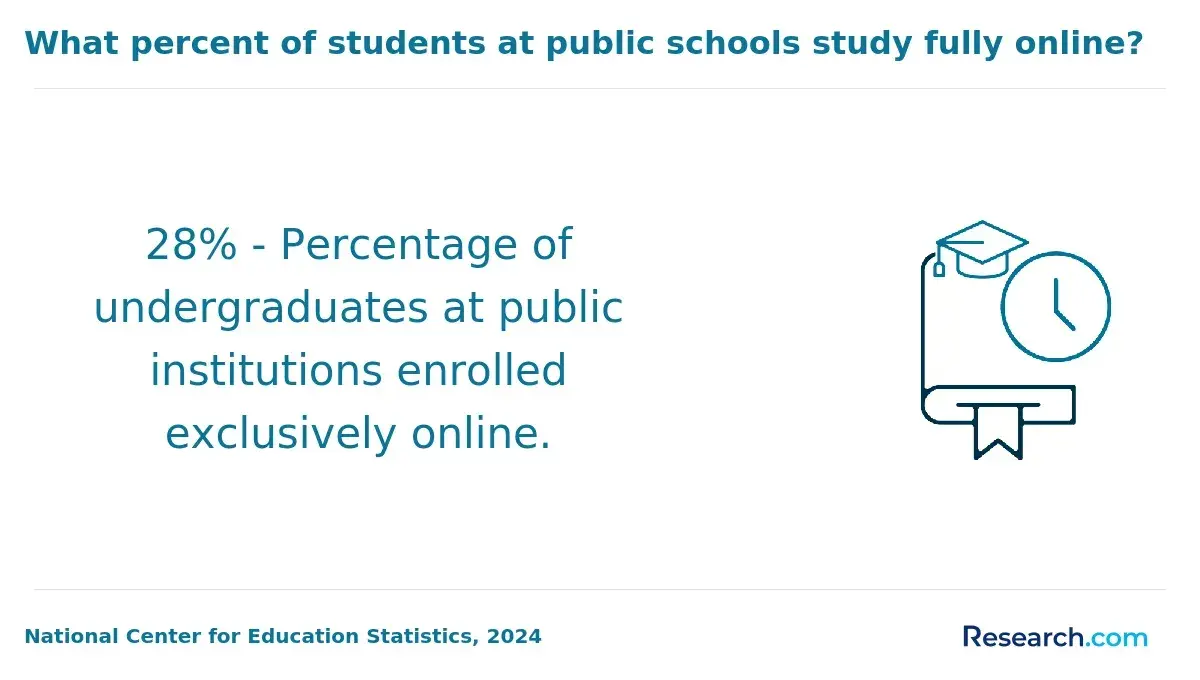
- Enrollment Status and Course Load: Whether a student enrolls full-time or part-time heavily dictates pace. According to the National Center for Education Statistics 2024 data, full-time students are twice as likely to graduate within four years compared to part-time students who balance studies with work or personal responsibilities. Part-time enrollment can extend timelines but offers needed flexibility for working adults, impacting the rate at which requirements are fulfilled in photography master's degree completion speed.
- Transfer Credits and Academic Requirements: Transfer students often face delays if their previously earned credits do not align precisely with photography program curricula. Additional required courses to meet specific program standards can push graduation timelines back by semesters, especially when institutions have strict transfer policies or course articulation agreements lag behind evolving academic standards.
- Program Delivery Format and Scheduling: Programs offering evening, weekend, or hybrid classes accommodate nontraditional students but generally extend completion times compared to conventional daytime schedules. Conversely, accelerated tracks or summer sessions can shorten graduation timelines but demand heightened workload intensity and time management skills, often increasing stress and the risk of burnout.
- Financial Factors and Aid Availability: Economic constraints significantly affect enrollment continuity and course loads; students facing financial hardship may reduce their semester credits or take breaks, lengthening time to degree. A 2024 Education Research Institute study noted that students with adequate financial aid were 30% more likely to graduate on time, underscoring the critical role of financial support in academic progression.
- Career-Related Commitments and Practical Experience: Internships, freelance work, and related professional opportunities in photography can enhance employment prospects but may slow academic progression if prioritized over coursework. Balancing practical experience with academic deadlines requires careful planning, as sustained industry engagement often leads to a variable but typically extended timeline to graduation.
For those evaluating program options with an eye toward financial practicality, it's worthwhile to explore resources like the cheapest online business degree listings, which provide insights into affordable pathways that can parallel considerations relevant for photography students managing cost alongside time to completion.
How Does Full-Time Versus Part-Time Enrollment Affect Graduation Timelines?
Graduation timelines for Photography degrees diverge notably between full-time and part-time students, with full-time enrollment typically enabling completion within the conventional four-year period. This accelerated progression stems from the heavier course loads required each term, allowing students to advance through prerequisite sequences without interruption. Conversely, part-time students average longer timeframes, often extending beyond four years, as recent 2024 data from national education surveys indicate. The lighter term loads reflect competing demands many part-time students face, such as employment or family responsibilities, which dilute their academic focus and slow credit accumulation.
The differences in completion speed are tied to several structural and personal factors. Full-time students benefit from enrolling in cohorts aligned with intensive studio sessions, technical workshops, and sequential project deadlines critical for hands-on skill development in Photography programs. Meanwhile, part-time students frequently encounter scheduling conflicts or limited access to specialized facilities that are less adaptable to non-full-time formats. Additionally, transfer or re-specializing students often opt for part-time paths to manage credit evaluations and prerequisite sequencing more flexibly, though this lengthens their overall study duration. These enrollment decisions reflect a complex balance of institutional program rigidity, course delivery formats, and external life commitments that shape academic pacing.
The choice between full-time and part-time enrollment also affects financial and workforce outcomes over the longer term. Full-time students bear higher immediate tuition expenses but can reduce total costs by shortening the duration of living and fee payments. They also enter the job market sooner with fresher skills and comprehensive portfolios, aligning with employer preferences for recent, continuous training in creative industries. Part-time students may spread tuition over more years and maintain work-life balance but face delayed career entry and potential challenges staying current with evolving Photography technologies and industry expectations.
Do Online Photography Students Graduate Faster Than Campus-Based Students?
Common assumptions suggest that online photography students might finish their degrees faster than those attending traditional campuses, but the reality is more complex and highly situation-dependent. A 2024 report from the National Center for Education Statistics found that online learners in photography-related programs had a median completion time around 3.5 years, slightly quicker than the typical four years for on-campus students. However, this difference does not reflect a universal advantage; factors such as individual pacing, course availability, and program structure heavily influence actual timelines. Completion speed varies widely across students, often shaped by the interplay between institutional flexibility and personal circumstances rather than modality alone.
Several critical elements affect graduation timelines across both online and campus settings. Online programs often provide asynchronous coursework and multiple start dates, allowing students to tailor their study schedules around work and family commitments, which can accelerate progress for motivated learners. Conversely, the necessity for hands-on learning in photography, including labs or studio time, can slow online completion due to limited access to equipment and mentorship. Full-time enrollment typically shortens degree duration, but many students balance part-time study with other responsibilities, extending time to graduation regardless of format. Internship and portfolio development requirements also vary by program and can introduce scheduling restrictions that impact on-campus and online students alike.
The choice between online and campus modalities has broader implications beyond graduation speed, influencing time management demands, academic discipline, and readiness for workforce entry. Online learners often face increased pressure to self-motivate and maintain consistent progress without immediate peer or instructor presence, which can both hasten or delay completion. On-campus students benefit from in-person collaboration and resource access, potentially stabilizing their pacing but sometimes constrained by rigid semester systems. Understanding these operational nuances helps prospective students set realistic expectations for how their education timeline may unfold based on their learning environment and personal workload.
One recent photography graduate recalls hesitating during the rolling admissions period for an online program, uncertain whether starting immediately or waiting for a more familiar semester cycle would be less overwhelming. The lack of a fixed start date initially caused anxiety, as they juggled work and portfolio preparation while unsure how quickly coursework pace would accelerate. Ultimately, enrolling early allowed them to capitalize on the program's flexible scheduling to complete essential classes faster than anticipated, though only after adapting to the increased need for independent time management and less direct feedback from instructors.
How Many Months or Years Can Transfer Credits Save?
Transfer credits often reduce the total time required to complete a photography degree by several months to over a year, contingent on the volume and relevance of credits that transfer effectively. Many transfer students save between one to two full semesters-approximately 4 to 8 months-when eligible coursework aligns closely with program requirements. However, the degree acceleration benefits vary greatly since credits must fit the photography curriculum's specific demands, with art and design-related courses providing more direct overlap. This variation in average time saved with transfer credits in photography programs highlights that straightforward credit accumulation does not always translate to equivalent reductions in time to degree completion.
The extent of time saved through transfer credits depends heavily on institutional policies governing accreditation compatibility, course equivalency evaluations, residency requirements, and maximum transferable credit limits. For instance, credits earned at accredited community colleges may reduce degree time by up to 25%, but program- or school-level restrictions often cap how many transfer hours count toward graduation. Additionally, course content alignment influences acceptance; theoretically similar credits may be rejected if lacking practical studio components essential to photography degrees. These systemic factors create significant variability between students' actual time savings despite superficially comparable credit transfers.
Consequently, transfer credits impact academic planning beyond simple timeline compression by influencing course sequencing, financial obligations, and readiness assessments. Students balancing work and family commitments often leverage these credits to reduce costs and study time, yet they must also consider potential gaps in foundational photography knowledge that could extend their realistic graduation timeline. For those exploring interdisciplinary options or seeking flexible paths, reviewing how transfer credits integrate into the curriculum is critical, especially for working adults who may benefit from guidance on best degrees for stay-at-home moms and others prioritizing accelerated but practical pathways.
Do Accelerated Photography Programs Significantly Reduce Completion Time?
Accelerated photography programs aim to shorten the usual degree completion timeline by increasing the intensity and volume of coursework within a condensed schedule. These programs typically compact the curriculum by reducing breaks and allowing students to take heavier credit loads each term, theoretically enabling degree completion in significantly less time than traditional programs. The intended effect is often a reduction of about 20-30% in total duration, allowing students to enter the job market sooner without sacrificing essential academic milestones.
Whether these time savings materialize depends on several critical factors. The required pacing can be challenging, as stacking more credits per semester or incorporating summer classes demands sustained focus and efficient time management. Prerequisite sequencing and the structure of internships, capstone projects, or portfolio reviews may limit how much the timeline can be compressed, since some experiential components need fixed durations or alignment with external opportunities. Additionally, if the curriculum does not allow overlapping or substitution of requirements, accelerated formats might yield limited reduction in total degree time despite increased workload intensity.
The trade-offs involved include heightened course load pressure, diminished scheduling flexibility, and potential constraints on the depth of skill acquisition and artistic exploration. Students must balance the faster pace against maintaining quality learning experiences, as compressed schedules may leave less room for developing practical expertise or engaging in collaborative projects. Consequently, accelerated programs can significantly reduce completion time for those who can sustain such intensity, but may not be as effective for students requiring a more measured academic progression or external commitments.
One graduate who pursued an accelerated photography degree recalled navigating a rolling admissions process that added unexpected complexity to their timing. Initially ready to apply immediately, they hesitated after encountering questions about portfolio submission deadlines and prerequisite completion verification. The uncertainty about when admissions decisions would finalize led to a nearly two-month delay before submitting materials. This delay compressed their preparation window but ultimately meant starting the program later than planned, reducing some of the anticipated time savings despite the program's accelerated design.
Which Photography Program Requirements Most Often Extend Graduation Timelines?
Graduation timelines in photography programs are often extended not merely by total credit requirements but by specific embedded components that reflect the rigor and professional standards of the field. These elements ensure students develop practical expertise and industry-relevant skills but simultaneously introduce scheduling difficulties and pacing restrictions. The following requirements illustrate how curriculum design and institutional policies shape the speed at which students typically complete their degrees.
- Extensive Portfolio and Capstone Projects: Producing a professional-quality body of work demands iterative creation and detailed critique cycles. This hands-on process inherently stretches over multiple semesters, as students refine their artistic vision and technical skills, making it difficult to compress into a traditional academic timeline.
- Mandatory Internships or Practical Work Placements: Many programs require off-campus internships to build real-world experience, which often conflicts with standard academic schedules. These placements can extend program length if additional enrollment or flexible sequencing is needed to accommodate workplace commitments.
- General Education and Credit Transfer Complexities: The necessity to fulfill broad liberal arts or institutional core requirements frequently lengthens time to degree, particularly for transfer students facing mismatched credits. Retaking courses or navigating prerequisite chains adds layers of administrative and academic delay beyond core program content.
- Limited Access to Specialized Studios and Equipment: Scarcity of lab time and studio availability creates registration bottlenecks. Students often must wait for open slots in high-demand courses, unintentionally extending their degree progression as they rearrange semesters around these constraints.
According to recent workforce data, approximately 35% of students in visual arts-related disciplines take over six years to graduate, underscoring how these embedded program components collectively delay completion. This extension aligns with employer preferences for graduates who present comprehensive portfolios and proven industry experience rather than solely academic credentials. Understanding these structural and experiential factors enables students and advisors to more realistically plan timelines and anticipate institutional hurdles inherent in quality photography education.
Does Taking Longer to Graduate Increase the Cost of a Photography Degree?
Taking longer than the typical degree timeline often raises the Photography degree total cost by graduation time due to how tuition and fees are structured. Many institutions charge tuition per semester or credit hour, so extending completion beyond the standard four years generally means paying additional tuition and related expenses such as lab fees and access to facilities. Delays can also reduce or eliminate eligibility for financial aid designed around a specific completion timeframe, increasing out-of-pocket costs for students. These extended periods often coincide with increased spending on equipment, software, and materials essential for photography coursework, compounding the expense. Work-study balance challenges further complicate timelines and eligibility, heightening the financial impact of delayed photography degree completion.
However, the financial consequences of extended timelines can vary depending on institutional pricing models and enrollment choices. Flat-rate tuition plans or programs designed for part-time study may cap expenses despite prolonged enrollment, while employer tuition assistance or flexible pacing options can mitigate added costs. Enrollment behavior, such as adjusting course loads, can indirectly influence total costs by affecting financial aid eligibility and time-to-degree. For prospective students exploring affordable routes, reviewing program policies and funding options at non profit universities may reveal pathways that balance flexibility with cost containment. While earning a degree in extended time often increases total expenses, understanding these financial structures is key to managing the tradeoffs embedded in extended photography degree completion timelines.
Does Graduating Faster Improve Career Prospects?
Graduating faster from a photography degree program can offer the advantage of entering the job market earlier, which may benefit individuals seeking to begin their career swiftly. However, employer evaluations rarely focus solely on the speed of degree completion. In fields such as photography, where creative and technical proficiency is critical, employers prioritize demonstrated skill, portfolio quality, and relevant experience over chronological graduation timelines. The impact of early graduation on photography career opportunities thus depends on how well a candidate leverages their time before and after finishing their degree to build a competitive profile.
Key factors determining whether graduating faster improves career prospects include the depth of internship experience, the strength and uniqueness of a candidate's portfolio, mastery of technical skills, and networking within industry circles. Practical exposure through internships or freelance work often carries more weight in hiring decisions than academic speed, as substantiated by data from arts-related employment surveys. These elements reflect not only competences but also a candidate's readiness to meet market demands. For students exploring educational pathways, resources like the animal degree insights into career alignment may offer additional context on balancing skill development and timing.
Trade-offs between faster graduation and experiential depth must be carefully considered. While accelerating degree completion may reduce costs and time out of the workforce, it can limit opportunities to engage fully in internships, co-ops, or creative projects that enhance employability and portfolio distinction. Ultimately, the responsiveness to individual career goals and labor market conditions guides whether an expedited timeline will have meaningful benefits, emphasizing quality and relevance of experience over the simple calendar length of a photography degree program.
Which Scheduling Mistakes Commonly Delay Graduation?
Graduation delays in photography programs are often rooted not in the inherent difficulty of coursework but in avoidable scheduling and enrollment missteps. These challenges affect students across degree levels and formats, undermining sustained academic progress. Awareness of how program structures, sequencing, and enrollment patterns interact is critical to managing timeline risks effectively.
Part-time enrollment combined with rigid course offerings is a leading cause of extended completion times. The 2024 National Student Clearinghouse report highlights that part-time photography students may require up to 50% longer to graduate than full-time peers, a reflection of cumulative credit accumulation delays compounded by limited course availability.
- Underestimating Part-Time Enrollment Impact: Choosing fewer courses per semester to accommodate external obligations often ignores how this disproportionately extends total program length due to semester caps on credit loads and limited course rotations.
- Misaligned Course Sequencing: Programs requiring a blend of technical, theoretical, and elective classes often schedule key courses infrequently or in conflicting terms, causing unavoidable pauses if prerequisites or general education demands are unmet.
- Overlooking Prerequisite Chains: Enrolling prematurely in upper-level courses without completing foundational requirements forces remedial repeat semesters, disrupting momentum and increasing total credits needed.
- Poor Utilization of Academic Advising: Failing to leverage advising resources leads to incoherent graduation plans that miss optimal course pathways and timing, amplifying delays due to suboptimal term-by-term enrollment choices.
- Ignoring Transfer Credit Limits: Assumptions that all previously earned credits apply can backfire, as institutional policies restrict transfer applicability, resulting in redundant coursework extending timelines.
- Scheduling Conflicts over Studio or Equipment Access: Resource constraints tied to studio availability or specialized equipment can force course substitutions or deferrals, fracturing continuous scheduling and prolonging degree completion.
Each misstep compounds within the rigid credit requirements and prerequisite sequencing inherent to photography programs, where technical skill progression and accreditation standards dictate course load rhythms. Anticipating these bottlenecks through proactive planning and institutional engagement is essential for preserving steady progression toward graduation.
Other Things You Should Know About Photography
In 2027, programs that effectively combine technical skill development with creative projects generally enable students to graduate on time by ensuring they acquire necessary skills without extending their study period. This holistic approach can optimize learning efficiency and maintain a smooth academic trajectory.
Programs with embedded internships generally extend completion time but provide meaningful real-world experience valued by employers in photography-related fields. Choosing a shorter program without internships may expedite graduation but could limit networking opportunities and portfolio diversity gained from industry exposure. Prioritizing internships is recommended if the student's goal is to enter competitive fields like commercial or editorial photography where hands-on experience often outweighs pure academic credentials.
Balancing off-campus employment, especially in unrelated or demanding jobs, regularly delays graduation beyond scheduled timelines. Students working 20 or more hours weekly often report extended degree durations due to constrained study and project time. Pragmatically, the decision should weigh immediate financial needs against longer-term costs: extended time in school can increase expenses and delay income growth in photography careers, suggesting that reducing work hours during critical semesters may improve timely completion and career progression.
While maximizing credit transfer can shorten completion times, this strategy should be balanced against program quality, faculty expertise, and available resources in photography. Lower-tier programs with generous credit acceptance may lack industry relevance or mentorship critical to career success. Prospective transfer students should weigh how well the program aligns with their professional goals and the potential tradeoff between faster graduation and acquiring skills valued by employers, rather than assuming credit quantity alone guarantees better outcomes.