2027 Digital Media Degree Popularity by Gender, Region, and Degree Level

Co-Founder and Chief Data Scientist
A prospective student researching digital media degrees might notice stark differences in enrollment by gender, region, and degree level. For example, a 2024 study revealed women comprise nearly 60% of bachelor's enrollments nationally, yet some states report male-dominated programs. Such disparities affect perceptions of program inclusivity and the strength of peer networks. Regional demand shifts may signal varying local industry ties or workforce needs, impacting graduates' job prospects. Additionally, bachelor's trends differ sharply from certificate or associate pathways, complicating how students weigh educational access versus depth of study. Understanding these nuances shapes more strategic decisions about which digital media path aligns with personal and professional goals.
This article examines digital media degree popularity by gender, region, and degree level to clarify critical trends and empower informed educational and career choices.
Key Things to Know About Digital Media Degree Popularity by Gender, Region, and Degree Level
- Women comprise nearly 40% of digital media undergraduates as of 2024, reflecting modest gender diversification; however, industry hiring still favors male candidates, creating a mismatch that can influence retention and workplace inclusion.
- Digital media enrollment is concentrated in coastal urban regions, where tech hubs drive demand; this regional clustering limits access for students in rural areas, affecting geographic diversity and requiring relocation or online program consideration.
- Associate degree growth outpaces bachelor's in digital media, highlighting cost and timing tradeoffs; while faster credentials offer quicker workforce entry, they may restrict advancement in specialized fields demanding higher-level skills.
- Key Things to Know About Digital Media Degree Popularity by Gender, Region, and Degree Level Key Things to Know About Digital Media Degree Popularity by Gender, Region, and Degree Level
- How Does Job Market Demand Influence Digital Media Degree Popularity? Market Demand and Degree Popularity
- How Does Online Digital Media Degree Enrollment Compare to Traditional Campus Programs? Online vs. Campus Enrollment
- What Degree Level Is Most Common Among Digital Media Students? Most Common Degree Levels
- How Do Enrollment Trends Differ Between Associate, Bachelor's, Master's, and Doctoral Digital Media Degrees? Enrollment Trends by Degree Level
- How Popular Is the Digital Media Degree Compared to Other College Majors? Degree Popularity vs. Other Majors
- Why Is the Digital Media Degree More Popular in Certain States and Regions? Regional Popularity Drivers
- What Demographic Groups Are Driving Growth in Digital Media Degree Programs? Growth by Demographic Groups
- What Is the Future Outlook for Digital Media Degree Enrollment by Gender, Region, and Degree Level? What Is the Future Outlook for Digital Media Degree Enrollment by Gender, Region, and Degree Level?
- How Have Digital Media Degree Enrollment Trends Changed Over the Past Decade? How Have Digital Media Degree Enrollment Trends Changed Over the Past Decade?
- Where Is the Digital Media Degree Most Popular Across the United States? Geographic Popularity Analysis
How Does Job Market Demand Influence Digital Media Degree Popularity?
Employer demand for digital media skills shapes enrollment patterns in ways that vary significantly by region, degree level, and gender representation. For instance, states like California and New York with dense entertainment and technology hubs demonstrate higher enrollment rates in bachelor's and master's digital media programs, reflecting a strategic alignment with employers' preference for advanced technical expertise and specialized roles such as UX design or animation production. However, despite a 13% projected employment growth for multimedia artists and animators reported by the U.S. Bureau of Labor Statistics, enrollment increases rarely match this demand one-to-one, as students and institutions weigh factors like program relevance, financial aid access, and alternative credentials including online courses with certificates.
The impact of labor demand on digital media degree enrollment also interacts with demographic and educational stratifications. Women remain underrepresented in certain digital media specialties due partly to entrenched industry dynamics and regional economic structures, though programs evolving alongside employer needs are gradually diversifying participation. Associate degree programs attract students targeting entry-level positions, especially in regions with smaller digital media sectors where employers may prioritize practical skills over higher credential levels. Meanwhile, metropolitan areas hosting robust creative economies drive demand for graduate education, reflecting employers' growing emphasis on portfolio quality and applied expertise rather than diploma credentialism alone.
How Does Online Digital Media Degree Enrollment Compare to Traditional Campus Programs?
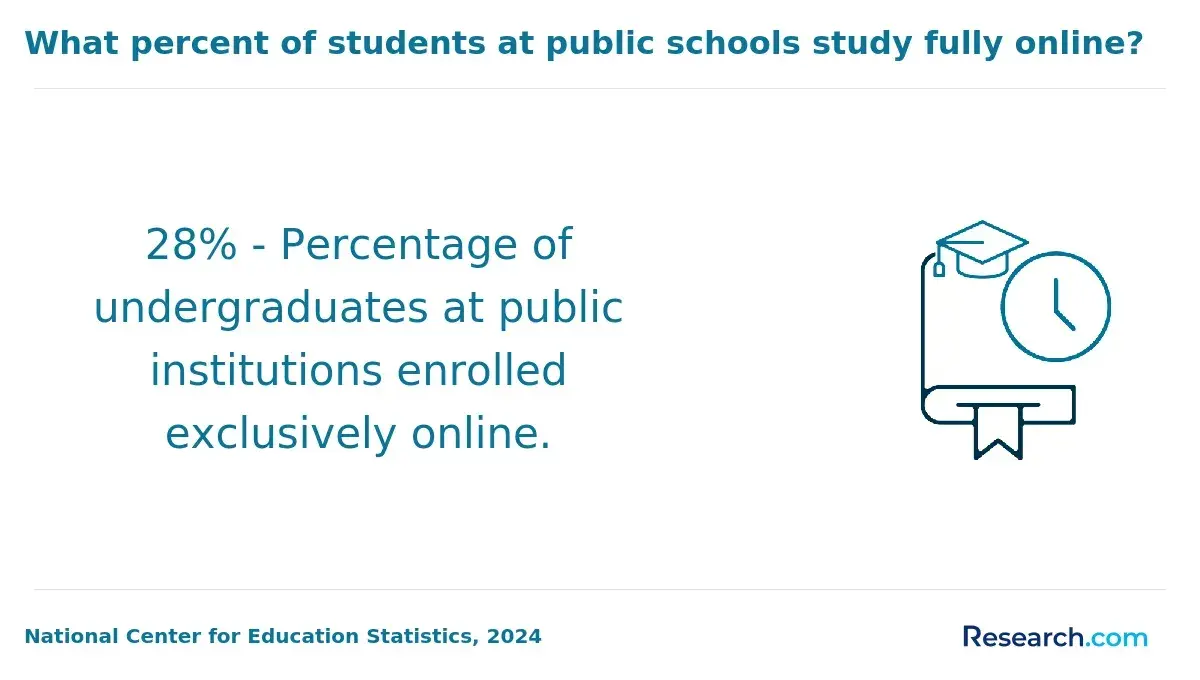
Online digital media degree programs have increasingly attracted students from diverse geographic and demographic backgrounds, contributing to their enrollment growth faster than traditional campus-based routes. The National Center for Education Statistics' 2024 data shows that 45% of digital media students are now enrolled fully online, up from 30% five years prior. This shift is particularly pronounced among learners balancing work or family obligations, as well as those in rural or underserved areas lacking local access to specialized programs. The online format thus broadens participation but tends to draw a different student profile, often older and more female, compared to the relatively younger and campus-oriented traditional enrollment.
This modality-driven divide also impacts program completion and student engagement patterns. Online digital media students face a lower average graduation rate-around 55% compared to 65% for those on campus-reflecting challenges in self-directed learning and the absence of immediate peer and institutional support. Institutions marketing their digital media curricula highlight skills relevant to remote workflows and content production, aligning with industry demands but also signaling varying employer perceptions, where campus graduates sometimes still hold an advantage in hands-on collaborative settings. For prospective students, weighing these factors is critical, especially given the tradeoffs in accessibility versus traditional engagement and networking opportunities.
One graduate who chose a fully online digital media degree described hesitating due to doubts about program rigor and the lack of on-campus interaction. Living in a small town without a nearby university offering digital media, the convenience of online study was compelling. Yet, the student initially worried about missing out on peer creative collaboration and real-time feedback common on campus. Over time, they found flexibility allowed balancing a part-time job and coursework better than expected, though they felt they had to cultivate discipline and seek external feedback proactively to compensate for the more independent learning environment.
What Degree Level Is Most Common Among Digital Media Students?
Bachelor's degrees dominate digital media enrollment because they strike a balance between comprehensive skill development and practical workforce readiness. According to the National Center for Education Statistics in 2024, about 65% of digital media students pursue bachelor's programs, reflecting employer preferences for candidates with four-year degrees in creative and technical roles. These programs integrate theory, hands-on projects, and portfolio building, making graduates more competitive for entry-level and mid-tier positions compared to associate degree holders, who often find themselves confined to support or technician roles due to a narrower curriculum.
Associate degrees, while representing around 20% of enrollments, often serve students seeking quicker, cost-effective entry points or pathways to transfer into four-year programs. In contrast, master's and doctoral degrees constitute roughly 15% of enrollments and tend to attract those focused on specialization, research, or academic careers rather than immediate industry entry. These advanced degrees can open doors to leadership and niche technical positions but require greater time and financial investment, which can deter many prospective students given less direct routing to typical digital media jobs.
Regional and modality factors also influence degree choices, with online bachelor's programs expanding access for working adults and metropolitan areas showing higher master's uptake due to dense tech sectors. Ultimately, bachelor's degrees remain the most common choice by effectively balancing cost, duration, and career outcomes, accommodating diverse student goals while aligning closely with employer demands across sectors and geographic locations.
How Do Enrollment Trends Differ Between Associate, Bachelor's, Master's, and Doctoral Digital Media Degrees?
Enrollment patterns in associate degree programs reflect a pragmatic approach by students prioritizing swift entry into the workforce through technical skill acquisition. Given their alignment with local industry demands and certifications, particularly at community colleges, these programs have seen a modest 3% growth over two years, capturing younger demographics seeking expedited pathways. Conversely, bachelor's degree participation makes up the majority-nearly 65%-of digital media enrollments, appealing to those aiming for versatility by blending theory with applied skills, especially as online and hybrid formats expand accessibility. This level's 7% growth highlights sustained demand for roles across content creation and design where comprehensive preparation matters.
Master's degree enrollment growth, at approximately 12% annually, signals increasing employer expectations for specialization and leadership in digital media strategy and analytics; professionals often pursue these advanced credentials to differentiate themselves. In contrast, doctoral programs remain niche due to their focus on academic and research careers, constrained by limited availability and longer completion times despite stable enrollment trends. These differences shape how students and workforce planners assess educational pathways-associate degrees facilitate immediate technical placement, bachelor's degrees balance breadth and depth for broader roles, while master's and doctoral pursuits emphasize depth, impacting both career trajectories and demographic participation patterns, including the observed gender variance at the bachelor's level. Prospective students weighing these options should also consider pathways like an online masters of counseling to complement media skills in interdisciplinary contexts.
How Popular Is the Digital Media Degree Compared to Other College Majors?
The relative enrollment figures for digital media degrees reveal important nuances rather than straightforward popularity. While digital media programs lag behind traditional fields like business and engineering in total graduates-around 45,000 bachelor's completions in 2023 per National Center for Education Statistics-they nonetheless reflect targeted growth fueled by industry demand for specialized skills in content creation and user experience. This niche status means students might find fewer program options and smaller cohorts, which can influence opportunities for peer networking and specialized mentorship compared to more saturated majors. Furthermore, competition from adjacent areas such as computer science and graphic design can affect both enrollment and workforce pathways, underscoring that popularity alone does not equate to optimal career alignment or educational value.
Graduate-level degrees in digital media remain relatively scarce, with only about 5,500 master's degrees awarded in 2023, contrasting sharply with larger fields like business administration. This signals that many employers place greater emphasis on undergraduate credentials or practical experience over advanced formal education in digital media careers. Additionally, gender disparities persist, with women representing roughly 40% of degree recipients, a factor that subtly shapes regional and institutional enrollment trends. Prospective students should weigh these enrollment realities alongside labor market demand and consider how program scale and demographic makeup may affect their educational experience and professional trajectory.
One graduate recounted navigating the smaller class sizes and less visible campus presence of the digital media program compared to business or nursing majors. At orientation, academic advisors highlighted that while digital media was less common, its interdisciplinary nature provided distinct advantages in emerging job sectors. This mix of skepticism and curiosity led the student to appreciate the program's growth potential despite initial uncertainty about its relative obscurity. The experience illustrated how awareness of enrollment dynamics can influence student confidence and decision-making more than raw numbers alone.
Why Is the Digital Media Degree More Popular in Certain States and Regions?
The demand for digital media degrees varies notably due to concentrated industry hubs that shape regional enrollment trends. States such as California and New York exhibit higher participation because their strong entertainment, technology, and advertising sectors provide direct employment pathways, enhancing the degree's practical value. For instance, California's Silicon Valley and Hollywood not only drive demand for skilled graduates but also influence students' program choices to align with local job markets. These regional trends in digital media education affect student networking opportunities and perceptions of the degree's relevance, often making it more advantageous to study where the industry is active rather than relying solely on program reputation.
Additionally, the availability of specialized educational programs and state policies plays a crucial role in shaping accessibility and degree popularity. Regions with robust higher education infrastructure offering accredited digital media curricula, including online formats, support greater enrollment, particularly among younger urban populations attracted by technological engagement and workforce development incentives. Conversely, areas with limited program variety or fewer digital media employers see lower enrollment, impacting how students weigh the tradeoff between convenience and employability. These disparities highlight how students must consider local market dynamics and state support when planning their educational path, as reflected in digital media degree demand across states.
Economic and demographic factors intersect with educational access, influencing not only enrollment volume but also the practical benefits of degree attainment. Metropolitan zones with measurable employment growth for media specialists attract students responding to tangible job prospects, a critical factor often overlooked when evaluating degree value. Furthermore, incorporating financial considerations such as credentialing costs-similar to those involved in selecting the best bookkeeping certification-into decision-making can optimize long-term outcomes. Prospective students should thus assess how regional industry presence, demographic trends, and policy priorities collectively impact both educational investment and workforce integration.
What Demographic Groups Are Driving Growth in Digital Media Degree Programs?
Shifts in enrollment within digital media degree programs reflect not only evolving workforce demands but also broader sociocultural changes that impact student demographics and program trajectories. Women, who now represent close to 48% of enrollments according to the National Center for Education Statistics, bring new perspectives to a field historically dominated by men, which may influence curriculum focus and peer dynamics. This gender rebalancing coincides with increased participation from Hispanic and Asian American students, whose growing presence challenges programs to address diverse cultural experiences and digital storytelling approaches relevant to an increasingly multicultural market.
Geographically, student populations cluster around expanding technology and media markets in the Western and Southern United States, especially in states like California and Texas, where industry demands translate into stronger local recruitment and internship pipelines. The predominance of associate and bachelor's degrees in enrollment growth underscores employer expectations for foundational digital competencies, while rising master's level participation highlights an influx of professionals pursuing advanced specialization as technological change accelerates. Online program participation, now around 35%, emphasizes the ongoing need for flexible learning models supporting working students and those balancing family obligations, which in turn shapes program delivery and access.
These demographic and regional patterns suggest that digital media programs are adapting to a more varied student body whose educational choices are closely tied to local labor markets and personal circumstances. This diversification broadens the skill sets within cohorts, potentially enhancing collaborative innovation but also requiring institutions to balance differing academic preparedness and career objectives. For prospective students and educators alike, understanding these nuanced enrollment trends is essential for aligning program design, career services, and employer partnerships with the realities of a shifting digital media workforce landscape.
What Is the Future Outlook for Digital Media Degree Enrollment by Gender, Region, and Degree Level?
Enrollment in digital media degree programs is projected to increase unevenly across regions and demographic groups, shaped largely by distinct labor market demands and institutional capacities. The National Center for Education Statistics anticipates approximately a 10% overall growth from 2024 to 2030, yet this aggregate figure masks significant variation: states with substantial technology sectors-such as California, New York, and Texas-are positioned to attract more students due to robust local industry connections and well-developed educational infrastructure. Conversely, rural and economically disadvantaged areas may struggle with limited program availability and broadband access, constraining enrollment growth and potentially widening regional disparities in workforce readiness.
Gender representation in digital media education is evolving, but progress toward balance remains modest. Women currently constitute about 38% of enrollees, with targeted outreach efforts expected to modestly improve their share; however, entrenched gender disparities persist, mirroring broader STEM trends. This imbalance affects not only enrollment but also the diversity of perspectives within the field, influencing both curriculum development and workplace inclusion. Meanwhile, degree-level preferences show rising interest in graduate programs that equip candidates with specialized interdisciplinary skills, reflecting employer demand for expertise in areas like digital content strategy and immersive technologies. Expanded online and hybrid models further complicate enrollment patterns, offering flexibility yet requiring students to navigate tradeoffs between program reputation, networking opportunities, and learning modality when planning their academic trajectories.
How Have Digital Media Degree Enrollment Trends Changed Over the Past Decade?
Enrollment shifts in digital media degree programs over the past decade reflect more than just growing interest; they signal evolving workforce demands and the uneven distribution of educational resources. The 45% increase in undergraduate enrollment is tied not only to rising student demand but also to the expansion of online and hybrid formats, which have made these degrees more accessible to working adults and nontraditional students. However, participation remains uneven geographically, with states like California and Washington showing higher enrollment and completion rates due to strong tech sectors, while rural areas face persistent barriers from limited program availability and inadequate broadband infrastructure. These regional disparities influence perceptions of degree relevance and long-term access to emerging digital economy careers.
Changes in digital media degree completion rates by gender and region highlight the gradual narrowing of historically male-dominated participation, with women now representing nearly 48% of enrollees according to 2024 data. This shift underscores ongoing efforts to close the gender gap, though it also raises practical questions about retention and curriculum rigor as completion rates lag behind enrollment growth by nearly 7%. Prospective students should consider these dynamics, particularly as the field expands rapidly, resulting in variable program quality and diverse graduate outcomes. Understanding these tradeoffs is crucial for those weighing educational pathways against job market realities and program cost.
Given these complexities, students exploring digital media should carefully evaluate how degree programs align with specific career goals and labor market demands. Institutional initiatives boosting media technology resources and pragmatic curriculum design have helped sustain growth, but market saturation in some regions calls for cautious consideration. For those balancing multiple obligations, options like hybrid degrees may offer flexibility without sacrificing rigor-a factor relevant even in fields such as the easiest MBA programs, where program format significantly impacts accessibility and outcomes.
Where Is the Digital Media Degree Most Popular Across the United States?
Digital media degree popularity clusters primarily in regions where established creative industries and technological hubs create sustained local demand for skilled professionals. This uneven distribution reflects how states with high concentrations of digital and creative sectors provide more robust employment opportunities and specialized educational programs, influencing both enrollment and completion rates. The top states for digital media degree enrollment typically feature dense metropolitan areas with integrated digital economies, where proximity to employers, networking environments, and institutional resources enhance program appeal and perceived value.
Regions such as the West Coast and parts of the Northeast benefit from deeply entrenched creative economies, which drive continuous growth in local digital media education. Meanwhile, the Southeast's expanding film and tech sectors contribute to climbing enrollments, illustrating how emerging industries can shift demand patterns and expand geographic accessibility to digital media programs. Prospective students examining digital media degree popularity by state should weigh how these regional factors affect not just availability but also long-term career trajectories and industry integration.
As students assess educational pathways, they must factor in regional disparities in program quality, employer expectations, and job market dynamics that shape outcomes beyond graduation. This geographic concentration leads to varied experiences in networking and internships, making location a strategic consideration. For those pursuing a forensic science degree online or related digital fields, understanding these nuances is essential to align academic choices with realistic workforce opportunities.
References
- Types of College Degrees https://www.act.org/content/act/en/students-and-parents/high-school-success/what-to-do-after-high-school/college-degrees.html
- Digital art and the job market (r)evolution https://rozprawyspoleczne.edu.pl/Digital-art-and-the-job-market-r-evolution,187871,0,2.html
- College Degree Levels in Order | University of Phoenix https://www.phoenix.edu/articles/online-college/college-degree-levels-in-order.html
- Essential Digital Skills for Media Students and Graduates https://al-fanarmedia.org/2025/04/essential-digital-skills-for-media-students-and-graduates/
- Digital MediaBA (Hons) https://www.londonmet.ac.uk/courses/undergraduate/digital-media---ba-hons/
- Why Digital Marketing Will Dominate the Job Market in the Future https://euphoriagenx.com/why-digital-marketing-will-dominate-the-job-market-in-the-upcoming-future/
- Making sure you're not a bot! https://mostwiedzy.pl/pl/publication/download/1/what-is-the-future-of-digital-education-in-the-higher-education-sector-an-overview-of-trends-with-ex_93670.pdf
- 76 Best Digital Media courses In the USA 2026 https://www.hotcoursesabroad.com/study/training-degrees/us-usa/digital-media-courses/loc/211/cgory/ka.42-4/sin/ct/programs.html
- 2026 Digital Media Trends: Capturing always-on fandom between releases and seasons https://www.deloitte.com/us/en/insights/industry/technology/digital-media-trends-consumption-habits-survey.html
- Why should you choose an Online Degree over a Traditional Degree? https://www.dypatilonline.com/blogs/why-should-you-choose-an-online-degree-over-a-traditional-degree
Other Things You Should Know About Digital Media
Gender disparities in digital media programs often translate to classroom dynamics and group work experiences. Predominantly male or female cohorts can create environments where minority students may feel isolated or less encouraged to participate fully. Students should consider programs actively fostering inclusivity, as diverse teams tend to better prepare graduates for collaborative, multidisciplinary workplaces which increasingly value varied perspectives.
Regions differ substantially in program focus, with some areas emphasizing creative design and others leaning toward technical or production-heavy tracks. Access to internships, industry connections, and relevant technology firms often aligns geographically and can affect the practical learning and job placement potential. Prioritizing proximity to regions that align with your specialization interests or career goals can optimize return on investment and immediate networking opportunities.
Higher degree levels typically demand deeper technical proficiency and theoretical understanding, but also come with increased workload and research expectations. Bachelor's programs often emphasize broad skills balancing creativity with foundational tech knowledge, whereas master's degrees push for specialization and applied research, which may extend time to employment. Prospective students should weigh their readiness for intensive study against their career timeline and whether advanced skills are necessary for their target roles.
Programs with higher female enrollment might offer more supportive peer networks for women, which is crucial given ongoing gender gaps in some digital media sectors. Conversely, male-dominated programs might provide stronger ties to certain industry subsectors historically dominated by men. Students should evaluate which environment better suits their professional identity and which networks more effectively align with their long-term career ambitions and comfort levels.