2027 Digital Media Degree Completion Rates by Format: Online, Hybrid, and Campus Programs Compared

Co-Founder and Chief Data Scientist
Choosing how to complete a digital media degree often presents a challenging decision. A prospective student weighing online, hybrid, or traditional campus programs must consider more than convenience. Each format comes with distinct demands on time management, access to resources, and engagement levels that influence persistence. Without clear insight into these factors, students risk starting programs that may hinder their completion chances.
Completion rates vary significantly across delivery formats, reflecting real differences in students' ability to navigate obstacles and stay motivated. These variations affect not only academic outcomes but also employability and long-term career trajectories. This article compares online, hybrid, and campus digital media degree completion rates, examines key factors driving student success, and explores how learners can select the format best aligned with their educational goals.
Key Things to Know About Digital Media Degree Completion Rates by Format
- Online formats show lower average completion rates, around 55% in 2024, often due to limited hands-on collaboration, which may slow skill development crucial for digital media workflows.
- Hybrid programs combine online flexibility with periodic in-person labs, raising completion likelihood by addressing engagement gaps that purely virtual formats struggle to fill.
- Campus programs maintain the highest completion rates, near 75%, benefiting from structured environments and peer networks that reinforce discipline and immediate access to specialized equipment.
- Key Things to Know About Digital Media Degree Completion Rates by Format Key Things to Know About Digital Media Degree Completion Rates by Format
- How Do Completion Rates Compare Across Online, Hybrid, and Campus Digital Media Programs? Completion Rate Comparison
- What Factors Have the Greatest Impact on Digital Media Degree Completion? Degree Completion Factors
- Which Digital Media Degree Format Is Hardest to Complete? Completion Difficulty
- How Does Each Digital Media Learning Format Affect Student Success? How Does Each Digital Media Learning Format Affect Student Success?
- How Does Enrollment Status Affect Digital Media Completion Rates? How Does Enrollment Status Affect Digital Media Completion Rates?
- Can Transfer Credits Improve Digital Media Degree Completion? Transfer Credits
- What Student Support Services Improve Digital Media Completion Rates? Student Support Services
- How Do Digital Media Completion Rates Affect Career Outcomes? Impact on Career Outcomes
- How Should Students Choose the Best Digital Media Learning Format? Choosing the Best Format
- What Are the Long-Term Pros and Cons of Each Digital Media Learning Format? Learning Format Pros & Cons
How Do Completion Rates Compare Across Online, Hybrid, and Campus Digital Media Programs?
Completion rates for online, hybrid, and campus digital media programs serve more as reflections of student demographics and circumstances than as direct indicators of program quality. Differences often arise because each format attracts students with varying levels of work experience, time availability, and support needs. For example, a working professional enrolled in a fully online digital media degree might face distinct challenges unrelated to the curriculum itself, shaping their path to completion in ways that differ from a full-time campus student.
Hybrid models strike an intermediate balance, offering some face-to-face interaction without sacrificing convenience. Ultimately, successful graduation relies as much on individual circumstances and motivation as on the instructional format, underscoring the importance of student self-assessment in program choice.
Prospective students comparing digital media degree completion rates by learning format should weigh these figures alongside their own study habits, outside obligations, and career objectives. A student juggling family and part-time work might find hybrid or online options better suited to maintaining steady progress, whereas another with fewer distractions could benefit from the immersive experience of campus programs.
Understanding these tradeoffs enables candidates to select formats that maximize their likelihood of finishing, aligning with evidence-based trends and practical realities rather than perceptions of which path is inherently best. For further context on career outcomes, consider exploring the best bachelor degrees to get.
What Factors Have the Greatest Impact on Digital Media Degree Completion?
Degree completion in digital media programs is rarely determined by motivation alone; rather, it emerges from a dynamic combination of personal circumstances, academic support, and how well the program's structure aligns with students' lives and goals. Research from the National Center for Education Statistics highlights that factors such as socioeconomic background, engagement, and institutional resources often outweigh the influence of delivery format when predicting success.
For example, a student balancing part-time work and family obligations may struggle in a campus format but thrive in a hybrid model that offers flexible scheduling while maintaining some in-person connection. The following factors most commonly influence digital media degree completion rates and should shape prospective students' choices:
- Socioeconomic and Time Commitments: Students with significant work or family responsibilities face logistical challenges that reduce persistence, particularly in campus programs where rigid schedules can conflict with other demands. Those juggling employment have approximately 25% lower completion rates, underscoring the need to realistically assess personal time availability before enrolling.
- Quality of Academic Advising and Support: Online learners benefit greatly from accessible, proactive advising and tutoring, which help compensate for reduced face-to-face interaction. Institutions providing robust advising and technical help see up to an 18% boost in completion across all formats, making these services essential for self-paced environments.
- Program Structure and Career Alignment: Students who perceive a clear, direct link between coursework and employability—through internships, project-based learning, or portfolio development—tend to persist. Hybrid or campus formats frequently embed these practical elements, but online programs that integrate such experiences can close this gap and improve outcomes.
- Student Engagement and Community Building: Real-time social interaction with faculty and peers, more common in campus and hybrid settings, strengthens commitment through stronger community ties and immediate feedback. Conversely, isolation in purely online formats can diminish motivation unless offset by deliberate community-building strategies.
- Self-Regulation and Time Management Skills: Online learners must master self-discipline to navigate self-paced coursework successfully. The ability to organize study schedules and meet deadlines independently is a critical predictor of success, especially where institutional support is less tangible.
- Access to Institutional Resources: Availability of tutoring, technical support, and learning aids plays a decisive role across all delivery formats, enhancing persistence when aligned with student needs. Active use of these resources can thus tip the balance toward completion for many.
Prospective students considering how format influences their digital media graduation success should also explore accessible options tailored to their lifestyle, such as affordable online bachelor degree programs that combine flexibility with proven support systems.
Which Digital Media Degree Format Is Hardest to Complete?
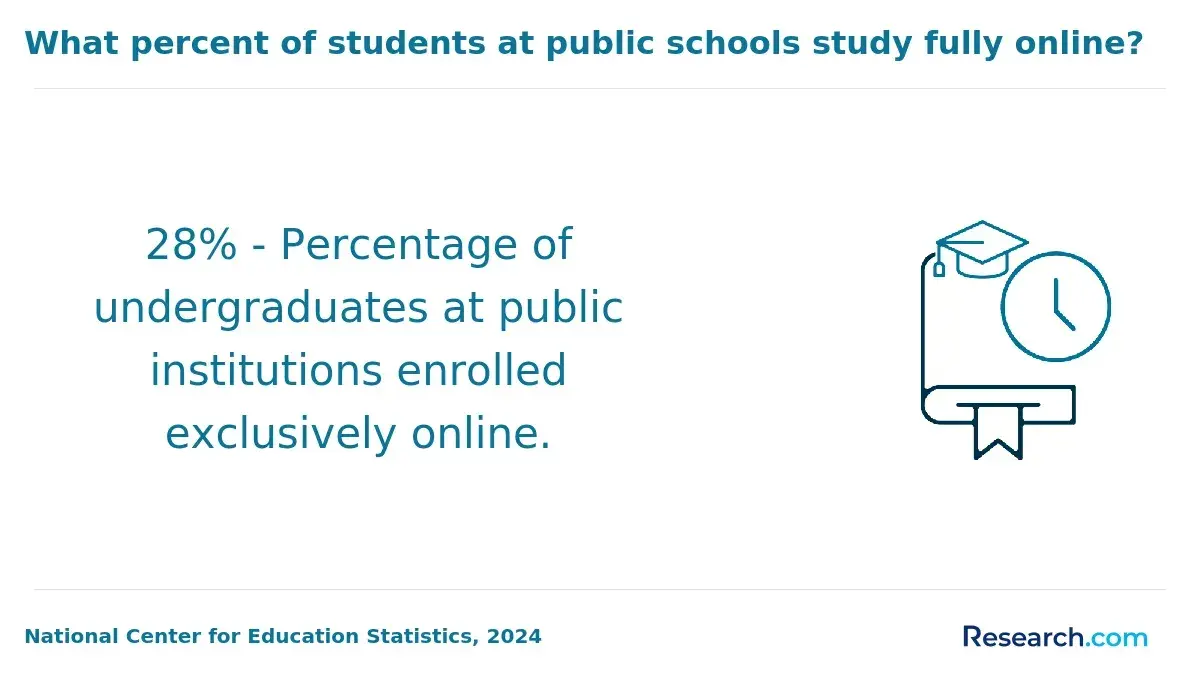
Data from a 2024 study by the National Center for Education Statistics reveals stark contrasts in completion rates among digital media degree formats: fully online programs show the lowest persistence, hybrid models perform moderately better, and traditional campus-based formats lead in graduation rates. This disparity stems largely from the immersive environment and structured schedules of campus programs that foster accountability, while online students often struggle with isolation, less direct faculty contact, and competing commitments like work or family. Hybrid programs offer a balance with in-person touchpoints encouraging retention, but the challenge of managing varied learning modes can create added complexity for some students.
While campus programs typically demand full-time attendance, limiting access for those with non-traditional needs, their higher completion rates underscore the benefits of consistent access to resources and peer networks. Conversely, fully online formats provide flexibility but require strong self-discipline and motivation, factors not evenly distributed among learners. The hybrid option, representing a middle ground, requires adaptability to differing environments, which may affect individual success differently depending on personal circumstances and learning preferences.
One digital media graduate recalls choosing an online program due to a demanding work schedule but found the lack of in-person interaction challenging. "Balancing late-night assignments around my job was isolating; I missed having direct feedback from instructors," they reflected. Their decision to switch to a hybrid program mid-course was fueled by a need for structure and camaraderie, proving pivotal for their persistence. This experience highlights how students' unique situations and support needs shape how difficult they find completing each format.
How Does Each Digital Media Learning Format Affect Student Success?
Student success in digital media programs is not determined solely by the learning format but by how well that format fits an individual's study habits, schedule constraints, and personal responsibilities. A highly self-motivated student juggling full-time work may find online learning more manageable, while those who thrive on direct interaction might perform better on campus. Recent data from the National Center for Education Statistics shows that fully campus-based programs still lead in degree completion rates compared to fully online formats, with hybrid programs often bridging the gap between the two. Below are key ways each learning format influences student outcomes.
- Student Engagement and Interaction: Face-to-face learning on campus typically leads to higher engagement through direct peer and instructor interaction, which supports persistence and academic performance. Students needing frequent feedback and collaboration may struggle in online environments where interaction is less immediate.
- Flexibility Versus Structure: Online programs offer unmatched flexibility, allowing learners to balance education with work or family, but this requires disciplined time management. Hybrid programs provide a middle ground, combining scheduled in-person sessions with online components, which caters well to students needing both flexibility and regular structure.
- Support Services Availability: On-campus formats generally provide more accessible academic advising, tutoring, and technical support, which can be critical to completing demanding digital media coursework. Remote learners must proactively seek out these resources and may find them less comprehensive.
- Self-Motivation and Accountability: Success online hinges on a student's ability to self-regulate learning and maintain motivation without the external pressure of a physical classroom. Those who struggle with autonomy are often better suited for campus or hybrid programs where accountability mechanisms are built-in.
- Retention Influenced by Learning Environment: The National Student Clearinghouse Research Center notes that hybrid students often achieve completion rates closer to campus peers, likely because the blend of formats supports sustained motivation and community feeling. Fully online students encounter higher dropout risk unless strong academic and social supports are in place.
- Real-World Scenario Consideration: Consider a working parent enrolled in a digital media program: the campus format may present scheduling conflicts and commuting challenges, whereas a hybrid approach offers intermittent in-person engagement without sacrificing flexibility. Conversely, a recent high school graduate with fewer outside responsibilities may benefit from campus immersion to build foundational networks and skills.
How Does Enrollment Status Affect Digital Media Completion Rates?
Enrollment status is among the most critical factors influencing degree completion rates in digital media programs. Its effect extends beyond merely the number of courses taken each term to how students manage commitments, learning environments, and institutional interaction. Success depends on aligning enrollment choice with personal circumstances and resources rather than defaulting to full-time or part-time options alone.
Below are key ways enrollment status shapes digital media degree completion outcomes:
- Immersive engagement and structure: Full-time students generally benefit from more consistent, immersive study routines combined with scheduled interactions, which enhance focus and persistence. This is especially true in campus and hybrid formats, where regular contact with faculty and peers supports steady progress.
- Competing responsibilities impact: Part-time students often juggle work, family care, and other obligations that dilute time for study and reduce momentum. Those balancing significant outside commitments should anticipate possibly extended timelines and seek strong advising to remain on track.
- Mode-related accountability differences: Fully online part-time learners may face challenges due to less direct oversight, which research shows can reduce completion likelihood by 15-20% compared to full-time students. Active self-discipline and peer networks become essential tools in these cases.
- Hybrid format middle ground: Students in hybrid programs have the advantage of occasional in-person engagement that bolsters motivation while retaining some scheduling flexibility. This format is often better suited for part-time learners aiming to sustain connection without full immersion.
- Skill currency and industry demands: Full-time enrollment expedites graduation, helping students enter the fast-evolving digital media workforce more quickly with up-to-date skills. Part-time students risk delays that may require extra effort to stay current with emerging technologies and trends.
- Institutional support variability: Completion rates are heavily influenced by available advising, tutoring, and peer support services. Full-time students often access these resources more readily, so part-time enrollees should proactively seek such support to counterbalance their constrained time.
- Real-world scenario insight: Consider a working parent selecting between full-time campus classes and part-time hybrid enrollment. Though part-time may offer a better life balance, the student must engage rigorously with advisors and set a clear timeline to avoid dropping out or prolonged program duration.
National education analyses of sports degrees online and related programs consistently underscore the importance of enrollment decisions. Choosing the right balance between full-time consistency and part-time flexibility requires realistic appraisal of personal circumstances to maximize degree completion success.
For comprehensive information on degree options and pacing, prospective students may explore sports degrees online, which often reflect similar enrollment challenges and strategies pertinent to digital media programs.
Can Transfer Credits Improve Digital Media Degree Completion?
Accepting transfer credits can play a crucial role in shortening the time needed to complete a digital media degree, particularly in flexible learning environments like online and hybrid programs. A 2024 report from the National Student Clearinghouse Research Center indicates that students who transfer credits successfully reduce their time-to-degree by about 20%, a significant factor linked to higher overall completion rates. This reduction often stems from avoiding redundant coursework, which not only saves time but also eases financial burdens.
For many learners—such as working adults, military veterans, or those with prior professional training—the ability to apply previous coursework towards degree requirements can mean the difference between finishing on schedule or facing delays. However, transfer credits don't uniformly translate into faster graduation. Their real value depends heavily on how well transferred courses match the digital media curriculum at the receiving institution and whether key technical or foundational credits are accepted.
Campus-based digital media programs often impose stricter limitations on the types of credits that can transfer, particularly for specialized technical courses, potentially extending the completion timeline. Conversely, online programs generally exhibit more adaptable credit transfer policies, acknowledging diverse learning experiences and certifications, thereby supporting smoother progression toward graduation.
Consider a learner who completed several digital media-related classes at a community college and wishes to continue their education at a four-year institution. If the receiving program accepts these credits as fulfilling core requirements, the student may avoid retaking foundational classes and focus instead on advanced topics, accelerating their degree path. If not, the student might face repeating courses, undermining the perceived advantage of transferring credits.
Prospective students can gauge the impact of transfer credits by carefully reviewing program requirements, securing an official credit evaluation, and comparing the number of remaining credits against their planned enrollment intensity. While transfer credits significantly improve completion odds for many, they represent just one factor among several, including academic support, financial resources, and time management, that ultimately determine success in digital media degree programs.
What Student Support Services Improve Digital Media Completion Rates?
Student support services strongly influence the likelihood that digital media students complete their degrees across online, hybrid, and campus formats. Tailored approaches that address specific challenges such as isolation in online programs or inconsistent attendance in hybrid formats can help maintain engagement and academic momentum.
Evidence from the National Student Clearinghouse Research Center in 2024 shows students who used online academic advising consistently increased their persistence rate by 30% per semester. The following key support services are closely linked to improved completion outcomes:
- Personalized Academic Advising: Regular, accessible academic advising offers online students targeted guidance to plan coursework and career paths, reducing uncertainty and discouragement common in remote learning environments.
- Cohort-Based Peer Mentoring: Hybrid learners benefit from structured peer groups that cultivate social ties and collective accountability, which help bridge the divide between virtual and in-person sessions.
- Early-Warning Intervention Systems: On-campus programs gain from data-driven alerts identifying at-risk students early, enabling timely outreach and customized support that prevent dropouts.
- Virtual Tutoring Services: Online students requiring flexible schedules find that access to on-demand tutoring improves skill mastery and bolsters confidence, which correlates with sustained enrollment.
- Mental Health Counseling: Given the high-pressure nature of digital media production, psychological support is critical across all formats to manage stress and sustain motivation.
- Financial Aid Advising: Flexible counseling that addresses fluctuating financial needs reduces dropout risks linked to economic strain, particularly for students balancing external responsibilities.
One recent graduate who completed an online digital media degree recalled struggling with feelings of isolation during a critical project phase. Initially hesitant to reach out, they found that weekly virtual check-ins with an advisor not only provided practical time management tips but also reconnected them personally to the program's goals. This direct engagement transformed their outlook from overwhelmed to proactive, ultimately enabling on-time program completion despite work and family demands.
How Do Digital Media Completion Rates Affect Career Outcomes?
Completion rates in digital media degree programs directly affect career trajectories and opportunities after graduation. Students who persist to finish their bachelor's degree typically experience stronger employment outcomes than those who leave before completing. However, the format of study—online, hybrid, or campus—plays a critical role in completion likelihood, which in turn influences professional success. Reviewing these dynamics clarifies why finishing a program matters beyond just earning a diploma. Here are some key ways degree completion shapes career results for digital media students.
- Improved employment prospects and starting salary: Graduates are more likely to secure positions relevant to their field and command higher initial pay than non-completers. A 2024 study found that bachelor's degree completion correlates with a 20% higher employment rate among digital media job seekers, reflecting employer preference for proven commitment and skills mastery. Students completing campus or hybrid programs often benefit most due to higher completion rates.
- Faster readiness for promotion and career progression: Degree holders typically advance more quickly into roles with greater responsibility and compensation. Employers in digital media value formal credentials combined with portfolios, so finishing the degree serves as a baseline for considering candidates for leadership or specialized roles. Persistence through hybrid programs can especially support sustained engagement leading to timely graduation.
- Eligibility for advanced education and specialization: Completing a bachelor's degree often enables enrollment in graduate programs focused on areas like digital marketing or multimedia design. Students aiming to deepen expertise or transition to research-intensive roles benefit by opening doors to recognized master's degrees, identified among the most valuable masters degrees. This pathway can substantially enhance career flexibility and earning potential.
- Enhanced professional networks and industry connections: Campus and hybrid completion experiences tend to foster stronger peer and faculty interactions, facilitating valuable collaborations. Students who graduate are more likely to access internships, projects, and mentorship opportunities, which boost portfolio quality and hiring chances. Online formats, while flexible, show lower completion and may require greater self-motivation to build these connections.
Understanding the impact of digital media degree completion rates on career success clarifies the real tradeoffs between program formats and highlights why steadfast completion is often the best investment for long-term results.
How Should Students Choose the Best Digital Media Learning Format?
Choosing the best digital media learning format requires more than a preference for convenience or tradition; it hinges on realistic assessments of one's lifestyle, motivation, and career intentions. Students balancing work and family often gravitate toward online programs for their flexibility but must acknowledge the higher risk of attrition due to less structured environments.
For example, a working parent may thrive in a hybrid program if they can commit to occasional campus visits without sacrificing online flexibility. The following factors provide a framework for weighing options when comparing online hybrid and campus digital media programs:
- Time Management and Self-Discipline: Completion rates are strongly linked to a student's ability to self-regulate study schedules. Online learners must demonstrate high self-motivation and organization, as these formats lack consistent face-to-face oversight. Hybrid and campus programs provide relatively more structure, supporting students who need external accountability.
- Learning Environment and Interaction: Campus programs offer immersive, in-person engagement with peers and faculty, fostering deeper networking crucial for digital media careers. Hybrid models blend this interaction with online flexibility, while fully online programs may limit direct collaboration, potentially impacting skill development and motivation.
- Career Networking Opportunities: Campus attendance facilitates immediate access to industry events, workshops, and internships that enhance employability. Hybrid learners can access some on-site resources, but online students must proactively seek virtual networking alternatives, which may not be equally effective.
- Access to Resources: On-campus facilities such as media labs and software are essential for hands-on learning in digital media. Online and hybrid students should evaluate the availability of remote access to these tools or equivalent substitutes to ensure skill acquisition is not compromised.
- Work and Family Obligations: Students with demanding schedules often benefit from the flexibility of online formats. However, according to 2024 data from national education reports, those juggling multiple responsibilities face a 15% higher dropout rate in solely online programs compared to campus-based learning, underscoring the need for realistic workload planning.
- Program Quality and Support Services: Students should assess whether the institution offers robust digital media advising, career services, and technical support tailored to their chosen format. Hybrid and campus formats generally provide more immediate access, which can improve persistence and outcomes.
- Personal Career Goals Alignment: Those targeting hands-on roles or intensive creative collaboration may find campus formats better suited to their ambitions. Conversely, students prioritizing credential attainment while maintaining employment might prefer online or hybrid programs, including options such as a doctorate degree online no dissertation, which emphasize flexibility.
What Are the Long-Term Pros and Cons of Each Digital Media Learning Format?
Choosing between online, hybrid, and campus formats for a digital media degree involves weighing distinct long-term advantages and challenges. Each pathway influences not only completion rates but also career preparedness and learning satisfaction. For example, a working parent may find hybrid learning optimal for balancing responsibilities while gaining valuable interpersonal skills. Consider these critical factors when deciding your educational path:
- Completion rate disparities: Campus programs have about a 20% higher on-time graduation rate compared to fully online formats, where attrition risks rise due to limited face-to-face engagement. Hybrid programs offer moderate improvements by blending in-person sessions with online flexibility.
- Flexibility versus structure: Online formats provide unmatched scheduling freedom, ideal for nontraditional students or those with tight work/family demands. Campus environments offer more structured routines vital for learners needing consistent support and immersive experiences.
- Skill integration and employability: Hybrid graduates benefit from combining digital proficiency with interpersonal communication—traits highly valued in today's digital media job market—while campus students gain deep mentorship opportunities.
- Social engagement and networking: Campus settings foster richer connections and mentoring, which positively impact career development. Hybrids improve social accountability better than online-only formats, which may isolate students.
- Cost and logistics: Online programs reduce commuting and housing expenses but may require higher self-discipline. Campus attendance can increase financial pressures due to living costs but often provides better access to resources.
References
- [PDF] The Role of Digital Media in Modern Education https://journal.umkendari.ac.id/index.php/ICEGPL/article/download/666/318
- Digital Media, BAS https://www.gulfcoast.edu/academics/degrees-programs/program-by-pathway/business-technology-manufacturing/digital-media-production-specialization-bas/index.html
- Digital MediaMA https://www.londonmet.ac.uk/courses/postgraduate/digital-media---ma/
- Why a Digital Media High-School Course is Essential for Today and Tomorrow https://hudsonglobalscholars.com/blog/why-a-digital-media-high-school-course-is-essential-for-today-and-tomorrow
- Study: Online learning improves retention, graduation rates https://www.highereddive.com/news/study-online-learning-improves-retention-graduation-rates/521271/
- 10.1 Models for media selection – Teaching in a Digital Age – Third Edition – Translators’ version https://www.saskoer.ca/teachinginadigitalagev3/chapter/9-1-models-for-media-selection/
- Will Transfer Credits Impact your College Graduation Date? | Blog https://waves.portagelearning.edu/blog/will-transferring-college-credits-impact-your-graduation-date
- eLearning Content Types for Engaging Digital Training | Smartcat AI https://www.smartcat.com/blog/elearning-content-types/
- Graduation & Transfer Timeline by Credits https://southseattle.edu/transfer-resources/graduation-transfer-timeline-credits
- The Impact of Digital Media on Learning: Balancing Technology Use in Education https://www.lpsglobal.edu.in/blog/2024/12/22/the-impact-of-digital-media-on-learning-balancing-technology-use-in-education/
Other Things You Should Know About Digital Media
On-campus digital media programs often require more intensive, collaborative projects with frequent in-person critiques, which can increase both the workload and pressure on students. While this environment may accelerate skills development, it can also lead to higher dropout rates if students struggle to balance time commitments or interpersonal dynamics. Online programs typically offer more flexible pacing and asynchronous work, making them better suited for students needing to manage external responsibilities, though this flexibility sometimes reduces the immersive collaboration that fosters motivation, affecting completion likelihood.
Hybrid programs combine in-person studio or lab work with online coursework, offering a middle ground that often aligns well with practical skill acquisition essential in digital media careers. Prioritizing hybrid formats makes sense for students who want structured, hands-on learning without the full-time campus presence, as this can improve completion rates by reducing burnout and providing varied engagement modes. However, hybrid programs demand disciplined time management to navigate both modalities effectively, so students lacking these skills may still face challenges in persistence.
Employers in digital media increasingly value demonstrable skills and portfolios over the degree's format, but they do recognize hands-on project experience often more accessible in campus and hybrid settings. Completing a program online may require students to proactively seek or create real-world experiences to meet these expectations, making completion rates tied not only to academic persistence but also to proactive career-building efforts. Students should weigh whether a program's format supports effective portfolio development, as this directly affects employability post-completion.
Online digital media programs generally allow for self-paced learning, accommodating working professionals and those with unpredictable schedules, which can boost completion rates for these groups. Conversely, campus programs follow stricter semester timelines, which can pressure students but also create a regimented environment conducive to consistency. Hybrid formats require juggling both, often increasing complexity. Students need to honestly assess their ability to self-regulate time, as success in more flexible formats depends heavily on independent discipline.