2027 Digital Media ROI by Institution Type: Public vs Private vs Nonprofit Online Programs

Co-Founder and Chief Data Scientist
Choosing between public, private, and nonprofit online digital media programs often feels like weighing nearly identical options until tuition costs and graduation rates come into focus. A 2024 report from the National Student Clearinghouse shows that private institutions boast a 15% higher on-time graduation rate than public counterparts but also leave students with 30% more debt on average. This disparity signals stark tradeoffs: higher institutional support and career services may come at significant financial risk, while lower tuition at public programs can mean fewer resources and longer degree completion times. Nonprofits vary widely, complicating clear expectations.
Understanding how these factors affect net ROI and career trajectories is critical for prospective students. This article unpacks comparative returns by institution type to guide informed decisions about digital media online programs.
Key Things to Know About Digital Media ROI by Institution Type
- Public institutions typically offer lower tuition but varying graduation rates; the 2024 NCES report links this to an ROI tradeoff where affordability may come at the cost of longer time-to-degree, impacting debt accrual.
- Private nonprofit programs often carry higher costs yet provide stronger employer recognition and accreditation signals, influencing career advancement potential positively among Digital Media graduates.
- Nonprofit online programs emphasize flexible pacing and extensive learner support, reducing opportunity costs for working adults, though such access benefits might involve premium pricing not always offset by direct salary gains.
- Key Things to Know About Digital Media ROI by Institution Type Key Things to Know About Digital Media ROI by Institution Type
- What Does ROI Mean for a Digital Media Program and How Is It Measured? Understanding Digital Media Program ROI
- How Do Public, Private, and Nonprofit Online Digital Media Programs Differ in Overall Value? Value by Institution Type
- How Do Tuition Costs Affect the ROI of a Digital Media Program Across Institution Types? Tuition Costs and ROI
- How Do Graduation Rates Influence Digital Media Program ROI? Graduation Rates Impact ROI
- What Role Do Career Outcomes Play in the ROI of a Digital Media Degree? Career Outcomes and ROI
- How Does Student Debt Impact the Long-Term ROI of a Digital Media Program? Debt vs. Long-Term ROI
- How Do Flexibility and Adult Learner Support Affect Digital Media Program Value? Flexibility and Program Value
- How Do Accreditation and Institutional Reputation Influence Digital Media ROI? How Do Accreditation and Institutional Reputation Influence Digital Media ROI?
- How Does Time-to-Degree Affect the ROI of Public, Private, and Nonprofit Digital Media Programs? How Does Time-to-Degree Affect the ROI of Public, Private, and Nonprofit Digital Media Programs?
- How Can You Choose the Best Digital Media Program Based on Your ROI Goals? Choosing Programs by ROI
What Does ROI Mean for a Digital Media Program and How Is It Measured?
Return on investment for a digital media program extends beyond simple tuition costs and expected salary gains; it demands a comprehensive evaluation of total educational expenses, student debt, and the opportunity costs tied to time spent out of the workforce. For instance, a student choosing between a public and a nonprofit online institution might find that while the public option offers lower tuition, its longer time-to-degree and less robust learner support services could delay entry into the workforce, eroding short-term ROI despite lower upfront costs. Measuring ROI in this context also involves scrutinizing graduation rates, with public programs displaying completion rates around 60% according to the National Center for Education Statistics, a factor that directly impacts the likelihood of realizing any return at all.
Career outcomes in digital media require nuanced analysis, as entry-level salary is only one dimension; job placement success and employer satisfaction with graduates' practical skills significantly influence long-term value. Nonprofit online programs frequently invest more heavily in support and mentoring, which may justify higher prices by improving career readiness and advancement potential. Given these complexities, prospective students must tailor their evaluation to personal circumstances and career goals, recognizing that a low sticker price does not always equate to the best financial or professional outcome. Considering opportunity costs, completion likelihood, and educational quality alongside financial metrics aligns with how to measure roi for digital media degrees in a way that aids informed decision-making.
Ultimately, weighing ROI involves reconciling institutional tradeoffs with individual priorities and market realities. For those navigating this landscape, comparing programs within the broader context of affordability, quality, and career fit-rather than relying on generic rankings or isolated earnings data-offers a more grounded perspective. Prospective learners can benefit from consulting the best college degrees for the future to align their investment with evolving employer demand and personal growth trajectories.
How Do Public, Private, and Nonprofit Online Digital Media Programs Differ in Overall Value?
The differences in value among public, private, and nonprofit online digital media programs hinge on the balance between cost, student support, and post-graduation outcomes. Public institutions typically provide more affordable tuition and flexible scheduling suited for budget-conscious adult learners juggling work and study, though their resources for the latest curriculum updates and personalized career services may be limited. Private programs, by contrast, often deliver stronger technology investments and individualized advising, which correlates with higher graduate employment satisfaction-reported at 78% for private versus 69% for public programs according to a 2024 Council for Higher Education Accreditation survey-but usually require taking on substantially greater student debt. Nonprofit offerings tend to bridge these extremes by aligning rigorous accreditation and industry relevance with moderate tuition and solid career services, appealing to students seeking a balanced return on investment without excessive financial risk.
These distinctions have real consequences for learners weighing long-term affordability against career outcomes and educational quality. For instance, a working professional prioritizing manageable debt and flexible pacing might find the lower-cost public route the most practical despite its potential limitations in cutting-edge content. Conversely, a recent graduate focused on entering competitive creative roles may opt for higher private tuition, accepting debt for enhanced networking and specialized support. Nonprofit programs frequently attract students who want credible credentials and adaptable learning environments but cannot justify the premium private price tag or the sometimes inconsistent public resources. Evaluating these tradeoffs in the context of personal financial circumstances, accreditation standards, and labor market positioning is essential to maximizing both near-term completion likelihood and future earnings potential.
When making her choice among program types, one student carefully compared tuition fees, financial aid packages, and graduation rates across public, private, and nonprofit online digital media options. She hesitated to pay significantly more for the prestige and expansive services advertised by private institutions, especially given her goal of minimizing debt while maintaining flexibility to work full-time. Public programs offered affordability but less clarity about their impact on her career goals. She ultimately selected a nonprofit program that provided balanced financial support and industry alignment, feeling reassured that it matched her priorities for cost control, accreditation, and practical career preparation without imposing undue economic strain.
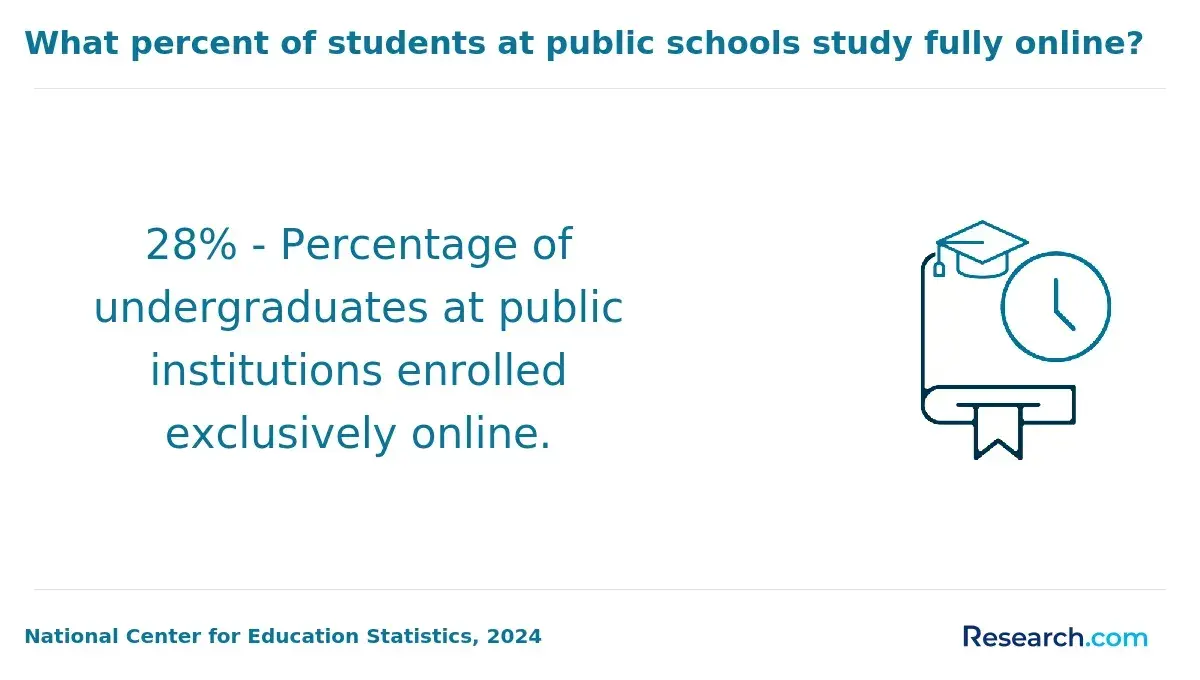
How Do Tuition Costs Affect the ROI of a Digital Media Program Across Institution Types?
Lower tuition at public online programs can significantly reduce student debt, often enhancing the net return on investment, but this advantage is not automatic. For example, while public institutions typically charge between $5,000 and $15,000 annually for in-state students, their generally lower completion rates and employer network strength may limit career earnings growth compared to private programs. A 2024 report from the Education Data Initiative highlights that private nonprofit online digital media programs have a 10% higher completion rate than public ones, which can offset their substantially higher sticker prices through better academic support and stronger industry connections.
Private programs often come with tuition fees two to three times that of public options, presenting a critical tradeoff: higher upfront costs may be justified only if they translate into superior outcomes such as faster degree completion, higher post-graduate salaries, or valuable networking opportunities. Nonprofit online programs, falling between public and private in price, frequently emphasize flexibility and career-aligned curricula, although variability in graduation rates and industry ties means their ROI depends heavily on individual program quality. According to the National Center for Education Statistics in 2024, students at public institutions borrow 25% less on average than those at private schools, underscoring the long-term financial shear of tuition differences when planning educational investments.
Ultimately, students must weigh tuition costs alongside factors like financial aid availability, graduation likelihood, and employer engagement rather than assuming lower price tags guarantee superior ROI. Choosing higher-cost private or nonprofit programs may prove beneficial for those needing robust support and faster degrees, whereas cost-conscious learners prioritizing reduced debt might find public options more practical despite potential tradeoffs in network strength and career services. This nuanced evaluation is essential for adult learners and working professionals seeking to balance immediate expenses with the long-term value of their digital media education.
How Do Graduation Rates Influence Digital Media Program ROI?
Graduation rates significantly affect the return on investment for digital media programs, but their impact varies notably across public, private, and nonprofit online institutions due to differences in student populations and program delivery. Public institutions generally report higher six-year graduation rates-about 48% according to the 2024 National Student Clearinghouse report-which can shorten time-to-degree and reduce overall educational costs. For cost-conscious adult learners balancing work and family, these higher completion rates often translate into more immediate economic benefits, yet these figures alone don't capture the full ROI picture for every student profile.
Lower graduation rates at some private and nonprofit online programs frequently reflect a larger share of nontraditional, part-time students valuing flexibility over pace. These learners may take longer to finish without diminishing the credential's labor market value, especially if the institution offers strong academic support, mentoring, and career services. This dynamic highlights a key tradeoff: while graduation rates serve as a useful proxy for program effectiveness and resource efficiency, they do not fully account for persistence challenges or part-time pathways that align better with adult learners' realities. Students comparing institutions should weigh these factors alongside educational costs and potential earnings, recognizing that the relationship between graduation rates effect on digital media program ROI is nuanced.
Additionally, career outcomes and employment alignment often matter more than graduation statistics alone. Evaluating programs in the context of these real-world outcomes-while considering how accelerated options might increase earning potential-can provide a clearer perspective. For example, those interested in an engineering online degree will find that institutional reputation and employer engagement frequently influence ROI as much as completion rates. In sum, graduation rates are a critical, but not singular, metric when assessing the practical value of online digital media programs.
What Role Do Career Outcomes Play in the ROI of a Digital Media Degree?
Career outcomes significantly shape the return on investment for online digital media degrees by influencing not only initial job placement but also long-term career trajectories within varying institutional contexts. Public online programs reported a 78% employment rate within six months of graduation in 2024, outperforming private for-profit and nonprofit counterparts, reflecting broader employer networks and stronger local industry ties. These differences underscore how graduates from public institutions may access more immediate job opportunities, while private and nonprofit programs often cater to niche markets or specialized skills, affecting the pace and nature of career progression. For students balancing tuition costs and debt, the interplay between employment rates, program relevance, and market demand forms a practical framework to evaluate whether the educational investment translates into sustainable workforce engagement.
The value of a digital media degree rests heavily on how well a program aligns with evolving employer expectations and industry standards-as reflected in wage growth data showing a 12% faster increase over five years for those whose online education matches workforce needs. This connection between curriculum relevancy and career mobility becomes especially crucial for professionals switching fields or returning to education after breaks. Yet, assessing ROI requires weighing time-to-degree and debt burden against potential career advancement and internal promotions, not just immediate salaries. Graduates must consider the realistic benefits of networking opportunities, employer recognition of credentials, and practical skill development when deciding among public, private, and nonprofit online programs.
One graduate recalled uncertainty about whether an online digital media degree would justify the cost and time amid competing responsibilities. Initially skeptical, they found that the degree facilitated a key internal promotion within a year, expanding project responsibilities and validating the credential's value with their employer. While not an overnight financial windfall, the graduate recognized that measurable career mobility and stronger professional connections provided tangible ROI beyond simple salary calculations, offering cautious optimism about long-term returns on the educational investment.
How Does Student Debt Impact the Long-Term ROI of a Digital Media Program?
Student debt levels critically shape the long-term return on investment for digital media graduates by affecting repayment timelines and financial flexibility. Private online institutions typically produce higher debt burdens-often 25% more than public programs-due to steeper tuition and limited state aid, which can extend repayment far beyond initial employment years. For instance, an entry-level salary near $45,000 may struggle to cover monthly loan payments from a $40,000 debt load, limiting early-career savings and delaying wealth accumulation. Such dynamics emphasize that debt-to-income ratios and graduation timelines are as crucial as total cost in assessing the long-term ROI of a digital media program.
Variations across public, private, and nonprofit online institutions highlight the complexity of comparing program value. Public programs generally offer more affordable tuition and lower default rates but might have longer completion times that increase borrowing. Nonprofit schools often fall between but vary widely in aid generosity and program quality. Since completion rates and marketable skills largely determine employment outcomes, prospective learners should evaluate institutions based on debt in concert with graduation success and career support. Adult learners and career changers especially need to balance these factors to avoid overleveraging financially while pursuing credentials.
Considering debt impact on digital media program ROI requires practical insight into how borrowing aligns with career pathways and outcomes. Students researching what jobs can you get with a project management degree will find parallels in assessing ROI for digital media as well: a strong employment trajectory is essential to justify upfront borrowing. Cost-conscious students must thus scrutinize program affordability alongside expected earnings, completion efficiency, and the real-world applicability of skills gained to measure long-term value.
How Do Flexibility and Adult Learner Support Affect Digital Media Program Value?
Programs that integrate flexible scheduling and targeted support for adult learners substantially alter the return on investment and perceived value of online digital media education. For working professionals balancing multiple responsibilities, asynchronous course options or hybrid models can reduce delays in progression, directly cutting time-to-degree and opportunity costs. A 2024 National Center for Education Statistics report highlights that learners in flexible environments persist toward completion at rates 35% higher than those confined to fully synchronous formats, improving both affordability and long-term employability by accelerating credential attainment without sacrificing income.
Support mechanisms such as personalized academic advising, career counseling, and faculty accessibility critically shape student retention and success, especially when aligned with adult learners' distinct needs like transfer credit articulation or military accommodations. Public institutions often leverage federally funded supports that ease financial burdens and provide broad access to veteran benefits, though they may be slower to adapt curricula or offer specialized career alignment. Conversely, private programs, while costlier upfront, frequently deliver stronger employer connections and tailored career services, which can translate into improved job placement in digital media fields, albeit with higher debt risk. Nonprofit providers tend to offer a mixed approach, with variable quality that requires careful evaluation.
How Do Accreditation and Institutional Reputation Influence Digital Media ROI?
Accreditation status directly impacts the practical value of a digital media program, influencing everything from employer recognition to the transferability of credits and eligibility for advanced study. For example, graduates from regionally accredited institutions tend to experience about 15% higher employment rates in digital media roles than those from nationally accredited or unaccredited programs, according to a recent report by the National Center for Education Statistics. This reflects employer preference for credentials that meet rigorous academic standards and facilitate professional licensure or certifications. Without recognized accreditation, graduates may face restricted career mobility and challenges in leveraging their degree for further education or industry credentials.
Institutional reputation interacts with accreditation but does not substitute for it. Public universities with strong local industry ties often offer internships and networks that yield direct job experience, boosting return on investment without the premium cost of some private nonprofits whose specialized focus may suit niche digital media careers. However, highly accredited lesser-known institutions might deliver solid learning outcomes and affordability that appeal to cost-conscious adults managing debt. Decision-makers should weigh demonstrated program outcomes, including graduation and employment success, alongside tuition and support services, as many employers increasingly prioritize candidates' portfolios and adaptable skills over school prestige alone.
How Does Time-to-Degree Affect the ROI of Public, Private, and Nonprofit Digital Media Programs?
Time-to-degree directly shapes the return on investment for public, private, and nonprofit digital media programs by altering tuition exposure, opportunity costs, and career timing. Public institutions, with extended average completion times fueled by high part-time enrollment, often lower per-term tuition burdens but expose students to prolonged opportunity costs such as delayed earnings growth. In contrast, private online programs usually feature accelerated pathways targeting full-time students, enabling quicker workforce entry and income gains but at the expense of higher upfront tuition and increased debt risk. These tradeoffs create complex decisions for learners weighing faster graduation against financial sustainability and life responsibilities.
Nonprofit online programs offer middle-ground flexibility, frequently leveraging transfer credits to shorten time-to-degree and reduce redundant coursework, thus affecting total costs and ROI positively. However, their variable graduation rates reflect the challenge of serving diverse adult learners balancing employment and family, underscoring the impact of academic support and persistence on completion timelines. For working professionals and transfer students, understanding these nuances in average completion time and return on investment in digital media online programs is critical to selecting pathways that align with career goals while minimizing long-term debt burdens.
When considering advanced options, cost-conscious students should explore specialized options such as online DBA programs that may offer structured pacing and focused advising. Integrating program duration, enrollment intensity, and transfer-friendly policies enables prospective students to make informed choices that optimize their educational investments with realistic workforce expectations in mind.
How Can You Choose the Best Digital Media Program Based on Your ROI Goals?
Determining the best digital media program based on ROI goals hinges less on institution type and more on individual priorities such as debt tolerance, career timelines, and employment status. Public online programs generally offer the lowest total cost due to state subsidies and broader financial aid, making them appealing for cost-conscious adult learners seeking minimal debt. A 2024 study from the National Center for Education Statistics reports that graduates from public online programs carry nearly 30% less debt compared to private institution alumni. However, public options may lack some of the career networking and brand recognition advantages that private programs provide, which can translate into higher starting salaries but also longer payback periods for tuition.
Nonprofit online programs often strike a balance between affordability and quality, emphasizing flexible scheduling, transfer-friendly credits, and steady graduation rates crucial for timely degree completion. These factors affect ROI by impacting time-to-degree and employability outcomes, especially for working professionals or those with family obligations. Evaluating the extent and structure of financial aid alongside career support services becomes essential when students compare ROI of public vs private vs nonprofit digital media degrees. Aligning these factors with specific financial circumstances and career goals ensures a realistic assessment of educational investments.
For those looking to compare precise program attributes, particularly if a shorter time-to-degree is a priority, exploring options within online MPA degrees can offer insights into how accelerated credentialing influences career trajectories. Ultimately, no single institution type universally guarantees the highest ROI; instead, a nuanced evaluation that includes graduation rates, debt burden, program flexibility, reputation, and career services guides informed decision-making for digital media learners seeking practical, long-term value.
References
- The Economics of Accreditation: Costs, Benefits, ROI - Course Accreditation https://course-accreditation.com/blog/the-economics-of-accreditation-costs-benefits-roi/
- Social Media ROI: How to Measure & Grow 2025 https://improvado.io/blog/social-media-roi
- Online Learning for Adults: Unveiling Hidden Benefits https://advantagesschool.com/benefits-of-online-learning-for-adults/
- Public colleges offer highest chance of positive ROI to students, report finds https://www.highereddive.com/news/public-colleges-offer-highest-chance-of-positive-roi-to-students-report-fi/618531/
- 4 Methods to Develop Your Digital Marketing ROI - Creative 4 All s.a.r.l. https://creative4all.com/en/blog/4-methods-to-develop-your-digital-marketing-roi/
- College is still worth it, even with student debt, but we can do better | Brookings https://www.brookings.edu/articles/college-is-still-worth-it-even-with-student-debt-but-we-can-do-better/
- Careers with a Media Major: Explore What’s Possible https://www.mountunion.edu/academics/undergraduate-degrees/media/careers-with-a-media-major-explore-whats-possible
- The Influence of Social Media on Public Relations as a Reinforcement of Higher Education Reputation https://serambi.org/index.php/managere/article/view/650
- A Comparative Study of Public Trust in Traditional Media and Digital Media https://pinnaclepubs.com/index.php/JMJCS/article/view/451
- Top Considerations for Mastering Digital Marketing ROI https://www.ttec.com/articles/top-considerations-mastering-digital-marketing-roi
Other Things You Should Know About Digital Media
Yes, program structure varies notably by institution type, influencing ROI through market-aligned skill acquisition. Private institutions often offer more niche specializations and cutting-edge technologies, which can align with certain employer demands but may limit breadth if you seek flexibility. Public programs, while sometimes more generalist, typically provide foundational skills with broader applicability and often maintain stronger ties to regional job markets. Nonprofit programs may emphasize community engagement and ethical digital media creation, which could appeal depending on your career goals. Choosing the right institution requires weighing whether you prioritize technical specialization or versatile capabilities, as this directly affects employability and career adaptability.
Employers often differentiate degrees based on the offering institution, with private institution degrees sometimes carrying brand prestige that can yield initial hiring advantages. However, public institutions are frequently regarded as delivering consistent, practical skills valued in large-scale or government projects. Nonprofit institution degrees may signal alignment with mission-driven or nonprofit sector employers but can be undervalued in commercial digital media roles. Ultimately, ROI is impacted not just by the degree but by how employers weigh the type of institution relative to their specific industry needs, making it crucial to research targeted employers' preferences before selecting a program.
Workload intensity and program pacing vary across institution types and heavily influence both completion rates and ROI for working learners. Public programs often allow for slower, flexible pacing but may involve heavier overall course loads per credit hour, demanding consistent time investment. Private institutions may offer accelerated options catering to quick upskilling but can require intense short-term effort, potentially conflicting with full-time work. Nonprofit programs tend to emphasize balanced, sustainable learning suited to adult learners but may extend time-to-completion. Professionals should prioritize programs with pacing and workload aligned to their work-life realities to avoid burnout, which can delay degree completion and reduce practical ROI.
While transferring credits can reduce time and tuition costs, actual transferability is inconsistent across institution types and can disrupt learning continuity, affecting ROI. Public institutions generally accept each other's credits more readily, but private and nonprofit programs often apply stricter evaluation, risking lost credits or repetition of courses. This can lengthen your study duration and increase costs, counteracting intended savings. Prospective students should verify credit transfer policies and align initial enrollment choices with long-term plans to minimize risks that jeopardize timely completion and financial benefits.