2027 Digital Media Student Debt Report: Borrowing, Monthly Payments, and Repayment Risk

Co-Founder and Chief Data Scientist
The varied curriculum lengths and technical demands of digital media programs shape distinct borrowing behaviors compared to other disciplines. Equipment costs and software licensing often increase upfront expenses, influencing the total debt burden for students balancing hands-on training with academic requirements. Entry-level salaries in digital media can fluctuate widely due to rapid industry changes and freelance opportunities, complicating monthly repayment planning.
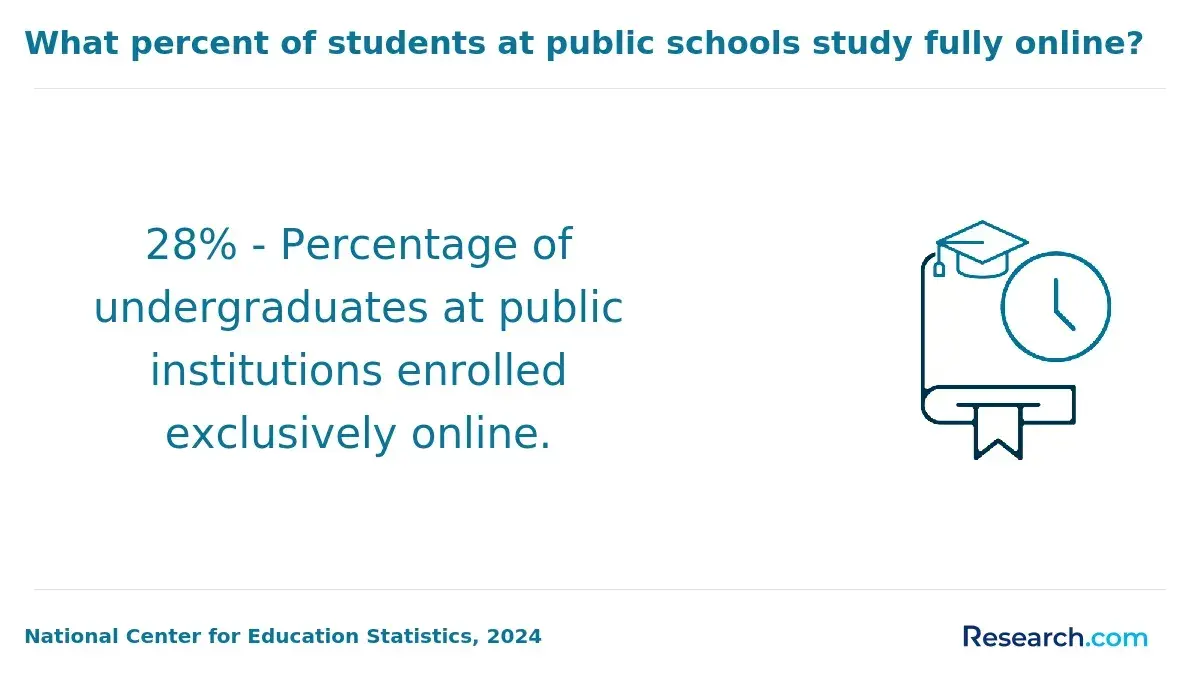
Recent data from the National Center for Education Statistics (2024) shows a growing portion of digital media enrollees aged 25 and older, reflecting diverse pathways into the field and extended education timelines. These enrollment patterns suggest evolving workforce needs and highlight repayment challenges unique to digital media graduates.
Key Things to Know About Digital Media Student Debt
- Digital media student debt often accrues faster than early-career wage growth, increasing long-term financial strain; this tradeoff necessitates careful program and loan selection to avoid costly repayment gaps.
- Employers increasingly prioritize portfolio skills over credentials alone, meaning heavy debt without demonstrable project experience can hinder employment opportunities and effective debt servicing.
- Rising tuition and accessory costs lengthen the time to repay loans, with 2024 data showing delayed payments elevate default risk, signaling a need for strategic borrowing and realistic repayment timelines.
- Key Things to Know About Digital Media Student Debt Key Things to Know About Digital Media Student Debt
- How Much Student Loan Debt Do Digital Media Graduates Typically Have at Graduation? Average Studen Loan Debt
- What Factors Have the Biggest Impact on Digital Media Student Loan Debt? Student Debt Key Factors
- What Is the Average Monthly Student Loan Payment for Digital Media Graduates? Average Monthly Payment
- How Do Repayment Rates Compare Between Public and Private Institutions? Public vs. Private Institution Repayment Rates
- Do Online Digital Media Graduates Have Different Repayment Outcomes Than Campus-Based Students? Online vs. On-Campus Student Loan Repayment
- Which Industries Provide the Best Financial Return Relative to Borrowing Costs? Which Industries Provide the Best Financial Return Relative to Borrowing Costs?
- Does Student Debt Affect Which Jobs Digital Media Graduates Accept? Does Student Debt Affect Which Jobs Digital Media Graduates Accept?
- What Factors Increase Student Loan Repayment Risk for Digital Media Graduates? Loan Repayment Risk Factors
- How Can Digital Media Students Reduce Student Loan Debt While Earning Their Degree? Tips to Reduce Student Debt
- How Should Prospective Students Evaluate Borrowing Risk Before Enrolling? Evaluating Student Debt Risk
How Much Student Loan Debt Do Digital Media Graduates Typically Have at Graduation?
Graduates in digital media typically leave school with student loan debt ranging from approximately $25,000 to $45,000, according to recent data from national education sources. This range reflects the varying costs across institutions and program structures, with average debt often clustering near $30,000 for those attending public colleges and rising toward $40,000 or more among private or specialized programs.
These figures align with broader student borrowing patterns but are influenced by factors such as program length, financial aid availability, and regional tuition differences. Understanding digital media student loan debt averages is essential for aligning borrowing strategies with realistic post-graduation financial expectations.
Major drivers of this variation include the type of institution attended-public versus private-and residency status impacting tuition levels. In-state students at public universities usually accumulate less debt than out-of-state peers due to lower tuition rates, while private institutions frequently have higher sticker prices but may offer more substantial scholarships and grants to select students.
Enrollment status also matters: full-time digital media students tend to borrow more to cover tuition and living costs, whereas part-time students may rely less on loans but potentially extend program duration. Since equipment costs and internship requirements vary between programs, these elements also affect total borrowing, highlighting the need for prospective students to assess how their particular circumstances influence typical borrowing amounts for digital media graduates.
Debt levels directly affect repayment burdens and long-term financial stability, especially given that many digital media entry-level roles offer modest starting salaries. Graduates with higher debt may encounter challenges balancing loan payments with living expenses, prompting consideration of income-driven repayment plans or strategic employment choices.
Expanding skills beyond core digital media competencies, such as coding or project management, can enhance earning potential and mitigate repayment risk. Those evaluating fast online degrees related to this field should carefully weigh these financial tradeoffs to ensure borrowing does not outpace plausible income growth after graduation.
What Factors Have the Biggest Impact on Digital Media Student Loan Debt?
Student loan debt levels among digital media students result from a complex interplay of institutional pricing structures and individual financial circumstances rather than any single factor. Variations in tuition costs, program duration, and financial aid accessibility collectively shape borrowing behaviors.
Understanding these overlapping drivers is essential for grasping why debt burdens differ so widely across digital media degree programs.
- Institution Type and Tuition Pricing: Public universities generally offer lower tuition rates compared to private for-profit institutions that dominate some digital media programs. This disparity often leads students attending private schools to borrow substantially more. Since program costs at private institutions can be 40-60% higher, this institutional pricing dynamic directly inflates the loan amounts digital media students incur.
- Program Length and Curriculum Demands: Degree programs range from short-term associate degrees to extensive four-year bachelor's or graduate studies. Longer programs accumulate more tuition and living costs, increasing borrowing needs. Specialized courses in digital media often require expensive software or equipment, which can add out-of-pocket expenses not always mitigated by scholarships, compounding overall debt.
- Financial Aid Accessibility and Reliance on Loans: Students with limited access to grants or scholarships face higher reliance on federal and private loans. Given that digital media graduates tend to have lower starting salaries relative to STEM fields, this increases relative repayment risks. The Federal Reserve Bank found median monthly student loan payments for digital media graduates at $280, illustrating the pressure of debt servicing on early career finances.
- Geographic Cost of Living and Educational Expenses: Location significantly affects borrowing since tuition and living costs fluctuate widely across urban and rural areas. High-cost metropolitan regions escalate living expenses alongside school tuition, which often forces students to increase borrowing to cover these cumulative costs. This geographic variance often interacts with institutional pricing to complicate debt outcomes.
- Enrollment Patterns and Student Financial Behavior: Choices around full-time versus part-time enrollment impact debt levels, as extending education over longer periods can both increase total tuition paid and defer entry into the workforce. Additionally, students' financial literacy and planning influence borrowing amounts, particularly how effectively they seek and utilize aid options and manage living expenses during their studies.
The convergence of these elements explains why factors influencing average digital media student loan debt cannot be isolated; instead, they form a network of conditions shaping total borrowing. Digital media students must weigh these practical realities carefully when estimating debt obligations and repayment potential, keeping in mind the interplay of institution type, program format and demographics on digital media borrowing.
For those exploring related fields, resources detailing the best online CACREP counseling programs offer useful comparative insight into educational funding dynamics across disciplines.
What Is the Average Monthly Student Loan Payment for Digital Media Graduates?
Recent data from the U.S. Department of Education and Federal Reserve analyses indicate that monthly student loan payments for digital media graduates generally fall between $250 and $450. This variation reflects the common debt ranges for these programs, typically $25,000 to $50,000, combined with standard repayment terms of around 10 years and fixed interest rates averaging 4% to 6%.
Entry-level salaries in digital media, often between $40,000 and $55,000 annually, intersect critically with repayment obligations, making these monthly payments a substantial financial consideration in the early career phase. The mix of borrowing levels and fixed payment schedules means many graduates experience a meaningful strain relative to their initial income, a factor rarely isolated in broad financial aid discussions.
Differences in monthly payments largely stem from how much was borrowed and the repayment plan selected, with income-driven programs increasingly common among digital media graduates due to their sometimes unpredictable cash flow. Graduates with higher loan balances from private institutions face steeper fixed payments unless they qualify for more flexible options that adjust based on income.
Variations in salary growth, which depend on employer type, geographic location, and contract stability in this project-oriented field, further complicate repayment dynamics. Interest accrual during deferment or forbearance periods can also inflate outstanding debt, extending the timeline and total cost, making a nuanced repayment strategy crucial to managing long-term financial impacts.
One graduate recalled navigating a rolling admissions cycle that left them uncertain about whether to accept an offer immediately or wait for a clearer financial aid package. They hesitated because submitting an application early did not guarantee upfront clarity on loan terms, which could significantly alter monthly payment expectations.
Ultimately, after securing their spot with some last-minute documentation and a financial consultation, the graduate found relief in establishing a repayment plan aligned with their anticipated income trajectory-a decision informed by the uncertainty and timing challenges common in digital media program admissions.
How Do Repayment Rates Compare Between Public and Private Institutions?
Recent figures from the U.S. Department of Education's College Scorecard highlight a significant gap in student loan repayment rates between graduates of public and private nonprofit universities within digital media programs. Approximately 48% of public university alumni have demonstrated progress on their federal student loans within three years after completing their studies, whereas this figure rises to about 62% for private institution graduates.
This disparity reflects more than just institutional type; it underscores complex interactions among borrowing behaviors, income trajectories, and program cost structures that uniquely impact repayment outcomes in this field. The underlying causes of these repayment differences stem largely from variations in tuition pricing, debt accumulation, and early-career earnings. Students at public universities often incur higher overall loan balances, partly due to extended study periods and additional borrowing to cover living expenses, which can delay or complicate repayment efforts.
Conversely, private institution graduates generally enter the workforce with higher median salaries, enhancing their capacity to meet loan obligations promptly. These income advantages align with perceptions of institutional prestige and stronger employer networks that can influence job placement and salary negotiation, which are critical factors for digital media graduates facing a competitive and evolving job market.
Beyond immediate repayment statistics, these trends carry broader financial implications. Higher loan burdens combined with slower repayment rates contribute to greater financial stress and constrain long-term economic mobility for many public institution graduates.
This dynamic also shapes how stakeholders evaluate the value and accountability of digital media programs, linking repayment performance to institutional responsibility in managing student debt risks. Recognizing these factors allows prospective students to better assess the tradeoffs between cost, expected earnings, and debt sustainability when selecting their educational pathways.
Do Online Digital Media Graduates Have Different Repayment Outcomes Than Campus-Based Students?
Recent data from the U.S. Department of Education's 2024 College Scorecard indicates that repayment rates for graduates of digital media programs differ substantially between public and private institutions. Specifically, the median three-year loan repayment rate for public university digital media alumni is around 42%, compared to approximately 33% at private nonprofit institutions.
These figures reflect distinctive borrowing and repayment patterns influenced by the student populations served and the respective institutional structures. When considering monthly student loan payments for campus and online digital media students, it is evident that public institution graduates often experience a more favorable debt-to-income balance, partly due to lower average debt burdens and varied financial aid access.
The divergence in repayment performance arises from multiple interconnected factors. Public universities generally have lower tuition costs, which reduce initial borrowing needs, while private nonprofit schools often carry higher tuition prices, prompting students to accumulate larger loan balances. Institutional prestige and network effects also play critical roles, as graduates from some private institutions may gain access to stronger employment opportunities and higher salaries, but this is not universal and is often insufficient to offset the heavier debt loads.
Variations in demographic profiles, with public schools enrolling more non-traditional or lower-income students, further influence borrowing behavior and repayment outcomes. These structural elements shape borrower repayments and reveal that simple public-versus-private distinctions mask deeper financial realities and risk profiles in digital media education. These repayment differentials have wider implications for financial stress and long-term economic mobility among digital media graduates.
Lower repayment rates at private institutions may signal increased debt strain or delayed income growth, which can affect perceptions of program value and institutional accountability in the digital media field. For students weighing borrowing decisions, especially for online programs, understanding how institutional price points, expected graduate earnings, and support mechanisms influence repayment risk is essential.
This analysis underscores the necessity of evaluating repayment data alongside employment outcomes and monthly student loan payments for campus and online digital media students to make informed choices tailored to career and financial goals. Prospective students might also consider complementary credentials, such as a book keeping certificate, for additional marketable skills and income support during repayment.
Which Industries Provide the Best Financial Return Relative to Borrowing Costs?
Financial returns for digital media graduates differ widely across industries, reflecting variations in both earning potential and customary debt loads. Strong ROI hinges not solely on starting salaries but on the interplay between income growth trajectories, hiring demand, and typical student borrowing. Industries with faster career advancement and higher median wages tend to ease loan repayment pressures, whereas sectors with modest pay can amplify long-term debt risk.
- Software Publishing: This industry often commands some of the highest entry-level and mid-career salaries for digital media grads, with median starting salaries around $65,000 reported in 2024. The robust demand for technical proficiencies including coding and digital content management fuels relatively quick wage growth, helping graduates offset borrowing costs more readily than average.
- Advertising and Public Relations: While starting salaries are typically lower than software publishing, steady growth and a broad range of employment opportunities contribute to moderate financial returns. Graduates with specialized digital marketing and analytics skills can accelerate earnings, somewhat mitigating debt repayment challenges linked to education expenses.
- Motion Picture and Sound Recording: This sector exhibits variable income patterns but rewards technical and creative skill combination with opportunities for higher compensation levels over time. Despite often requiring additional training investment, demand for digital media expertise in content production signals a reasonable balance between educational cost and income potential.
- Graphic Design and Print Media: These areas generally reflect lower median earnings near $40,000, with slower career advancement and limited high-wage prospects. Consequently, graduates facing significant debt may encounter strain in meeting loan obligations, highlighting the need for strategic borrowing and career planning aligned with realistic income expectations.
Recent data from the Bureau of Labor Statistics underscores that industries emphasizing technical digital media skills paired with creative abilities consistently outperform others in providing stronger financial returns relative to borrowing burdens. Understanding these sector-specific earning distributions and workforce demands is essential for effective decision-making about education investments and long-term repayment feasibility.
Does Student Debt Affect Which Jobs Digital Media Graduates Accept?
For digital media graduates, the burden of student debt frequently dictates initial employment choices by imposing strict salary and repayment demands. According to a 2024 National Center for Education Statistics report, 62% of these graduates carry an average of $28,000 in student loans, which pushes many toward positions offering immediate financial return rather than creative or portfolio-building roles.
The imperative to start repayment within months of graduation means that even modest salary differences across sectors can drive decisions, nudging graduates toward marketing, advertising, or corporate jobs where compensation tends to be higher and more stable. This often precludes acceptance of internships, freelance projects, or startup roles that provide valuable experience but limited immediate income. Job seekers weigh loan repayment schedules and monthly expenses heavily, prioritizing employment that ensures consistent cash flow to meet debt obligations over longer-term career satisfaction or innovation opportunities.
The influence of student debt differs notably across graduates depending on their debt load a nd geographic constraints. Those with heavier debt burdens show a greater propensity to leave their field entirely or opt for jobs with steady paychecks in adjacent industries like sales or administration, reflecting a risk-averse approach shaped by financial necessity. Meanwhile, graduates with lighter debt or external support demonstrate more flexibility to pursue creative or nonprofit paths despite lower earnings.
Regional cost-of-living disparities also shape these choices, as urban graduates face combined pressures of rent and debt repayments, further restricting career mobility. In the long term, many must reconcile early debt-driven tradeoffs with efforts to transition toward ideal roles once financial stability is established, often extending timelines for professional advancement and creative experimentation.
One digital media graduate recalled how the timing of loan repayment deadlines complicated her search for the right job during the rolling admissions process for graduate programs. Initially hesitant to commit to an unpaid internship opportunity that aligned perfectly with her interests, she delayed acceptance until securing a position promising a monthly salary capable of covering loan payments.
This decision introduced uncertainty and stress as she juggled applications and offers, but ultimately allowed her to maintain financial solvency early in her career. The experience highlighted how repayment pressures can force a delicate balancing act between idealistic goals and pragmatic necessities at pivotal career junctions.
What Factors Increase Student Loan Repayment Risk for Digital Media Graduates?
Repayment risk for student loans among digital media graduates is shaped by multiple interconnected financial, academic, and labor market factors rather than a single variable. This risk emerges from the complex interaction between debt levels accumulated during education and the stability of post-graduation income.
Understanding these dynamics is crucial for those considering digital media degree programs, as repayment vulnerability is often tied to both borrowing decisions and the realities of the creative labor market.
- Debt-to-Income Imbalance: The median annual wage for many digital media roles hovers near $50,000, while median graduate debt often exceeds $30,000. This narrow margin compresses graduates' capacity to manage monthly loan payments, exacerbating financial strain especially when living costs rise or inflation accelerates.
- Employment Instability and Sector Variability: Job availability fluctuates significantly by specialization and location within digital media, with many graduates moving into freelance or project-based work without steady income. This employment instability delays entry into consistent career paths, limiting reliable repayment ability.
- Program Completion and Credential Value: Graduates who do not finish programs or earn credentials lacking broad employer recognition tend to face underemployment. Without a strong portfolio or practical experience, securing well-matched jobs is difficult, which compounds repayment challenges through limited earnings and underuse of skills.
- Loan Composition and Interest Accrual: Heavy reliance on unsubsidized or private loans increases interest accumulation during school, raising total repayment amounts. This factor interacts with limited borrower support options, intensifying long-term financial burdens.
The Federal Reserve's 2024 Consumer Credit Report highlights that nearly 28% of borrowers with creative arts-related degrees, encompassing digital media, are 90+ days delinquent on student loans within five years of graduation. This underscores the heightened vulnerability digital media students face in debt repayment, reinforcing the importance of informed borrowing decisions and realistic assessment of career outcomes.
Students weighing the impact of online versus campus learning on repayment outcomes for digital media students should also consider program cost differences and support structures, as these influence total debt and post-graduate financial stability. For prospective students comparing educational expenses and outcomes, examining programs such as a mechanical engineering degree can provide perspective on how field-specific economic factors impact debt risks.
How Can Digital Media Students Reduce Student Loan Debt While Earning Their Degree?
Reducing student loan debt for digital media students demands proactive planning and strategic decision-making throughout their academic journey. Effective debt minimization combines financial awareness, academic efficiency, and leveraging institutional resources. Students must prioritize balancing affordability with timely degree completion and employability prospects to manage borrowing levels realistically. Practical strategies rooted in these principles help contain the cumulative debt that often exceeds $250 monthly in repayments for many borrowers.
- Attend Lower-Cost Institutions for Initial Credits: Starting at in-state public colleges or community colleges for foundational coursework significantly reduces tuition expenses. These savings can lower total borrowing by up to 30%, according to the National Center for Education Statistics (2024), making this a critical strategy for digital media students seeking to minimize student loan debt effectively.
- Engage in Paid Internships or Work-Study Relevant to Digital Media: Participating in federally supported work-study or paid internships allows students to earn income and gain industry-relevant experience simultaneously. This reduces the need for loans while enhancing resumes, aligning financial support directly with career goals.
- Complete Degree Within Standard Timeframe: Avoiding extended enrollment is essential; data from the U.S. Department of Education (2024) indicates students who graduate in four years decrease cumulative debt by nearly 25%. Disciplined course planning and limiting withdrawals or retakes constrain unnecessary borrowing.
- Utilize Employer Tuition Assistance Programs: For students working in media-related roles during their studies, employer tuition reimbursement can offset costs substantially. This reduces reliance on loans and connects educational progress with employment stability.
- Select Programs With Proven Career Placement and Market-Aligned Skills: Choosing digital media programs emphasizing strong job placement is crucial. Given that the Bureau of Labor Statistics projects 13% employment growth in related fields over the next decade, such alignment supports timely repayment and justifies moderate borrowing.
Students comparing flexible, career-aligned options may also want to look into the best online bachelor degree in sociology, another field known for strong job placement support and manageable tuition costs.
How Should Prospective Students Evaluate Borrowing Risk Before Enrolling?
Evaluating borrowing risk before enrolling in a digital media degree program is critical for understanding the long-term financial impact of education debt. This risk hinges on balancing total expected borrowing against realistic post-graduation earnings, which affects a student's capacity to manage debt repayment without undue hardship. A data point from the National Center for Education Statistics in 2024 shows approximately 45% of digital media graduates earn under $40,000 annually five years after graduation.
- Program Cost Versus Expected Income: Analyzing total tuition and fees alongside projected entry-level salaries helps determine if monthly loan payments will be sustainable relative to earnings in digital media careers.
- Loan Repayment Terms: Reviewing interest rates, grace periods, and available repayment options clarifies long-term debt obligations and how varying terms affect total repayment amounts.
- Employment Outcomes: Examining graduation rates and job placement statistics offers insight into the likelihood and timeframe of securing relevant employment necessary to support loan repayment.
- Skill Marketability: Assessing whether the curriculum aligns with current industry demands and employer expectations informs the potential for stable income and career advancement.
- Debt-to-Income Ratios: Calculating expected debt relative to anticipated salary provides a practical benchmark for financial sustainability and risk of default.
- Income Variability and Job Stability: Considering the prevalence of freelance or contract work in digital media alerts students to income fluctuations that may complicate consistent loan repayment.
- Institutional Transparency: Prioritizing programs that publish clear outcome data allows for informed comparisons of financial risks and rewards before committing to enrollment.
References
- Borrowers With Certain Educational Experiences Appear More Likely to Default https://www.pew.org/en/research-and-analysis/articles/2024/01/30/borrowers-with-certain-educational-experiences-appear-more-likely-to-default
- College is still worth it, even with student debt, but we can do better | Brookings https://www.brookings.edu/articles/college-is-still-worth-it-even-with-student-debt-but-we-can-do-better/
- New Report Finds Public Universities are Driving Students Toward Risky Private Student Loans - Protect Borrowers https://protectborrowers.org/new-report-finds-public-universities-are-driving-students-toward-risky-private-student-loans/
- New Report Highlights Barriers to Student Loan Repayment - ACA International https://www.acainternational.org/news/new-report-highlights-barriers-to-student-loan-repayment/
- Graduate School Debt - Center for American Progress https://www.americanprogress.org/article/graduate-school-debt/
- Student Loan Debt Statistics [2026]: Average + Total Debt https://educationdata.org/student-loan-debt-statistics
- Should you take out a loan for your child’s college? https://www.ameriprise.com/financial-goals-priorities/education-planning/student-loans-debt
- Student Loans: What to Know Before You Borrow https://www.neamb.com/paying-for-college/student-loans-what-to-know-before-you-borrow
Other Things You Should Know About Digital Media
Specialization within digital media programs-such as animation, interactive design, or digital marketing-significantly impacts borrowing risk and repayment ability. Programs with a strong technical focus often lead to roles with higher starting salaries, improving repayment prospects, whereas creative-heavy tracks may result in more freelance or gig-based work with less stable income. Prospective students should weigh the financial tradeoff of program focus: technical skills tend to align better with employer demand and steady income, which lowers repayment risk.
Digital media programs often involve intensive project-based coursework and deadlines that can limit time for part-time work or internships. Students facing a heavier workload may accrue more debt due to reduced income-earning opportunities during study. Planning a realistic work-study balance is crucial; students should prioritize programs that integrate paid internships or co-op options to offset borrowing and build professional experience that supports timely loan repayment.
Employers in digital media often demand portfolio quality and up-to-date technical proficiency beyond degree credentials, affecting job placement speed and salary level. Graduates entering the job market without robust practical skills or relevant experience may face underemployment, weakening repayment capacity. Prioritizing programs with strong industry ties and hands-on training increases employability and financial stability, helping graduates meet their monthly payment obligations more consistently.
Digital media careers can be volatile, fluctuating between full-time jobs, freelance gigs, and contract work. Graduates who secure loans with flexible repayment plans-such as income-driven repayment-can better navigate income variability and reduce default risk. It's advisable for borrowers to prioritize loan products and servicers offering adaptive repayment schedules to maintain financial stability amid unpredictable earnings common in digital media fields.