2027 Digital Media Salary Trends Report: Are Wages Keeping Up With Tuition and Inflation?

Co-Founder and Chief Data Scientist
Considering enrollment in a digital media program often starts with weighing the financial benefits against the escalating cost of education. A prospective student or recent graduate faces the challenge of assessing whether the degree's potential salary gains can outpace rising tuition fees and the broader impact of inflation.
This decision is not simply about comparing paychecks to debt but involves understanding how wage growth corresponds with the increasing cost of living and educational expenses. In many cases, failing to factor in inflation and tuition changes can obscure the real value of the investment. Salary growth, tuition inflation, and cost of living rarely align, complicating straightforward evaluations of financial return.
Prospective students must look beyond initial salary numbers and consider long-term earning potential and purchasing power. This article explores these salary trends alongside tuition costs and inflation rates to provide a clearer picture of the return on investment. It delves into affordability issues and other factors shaping the economic value of a digital media degree over time.
Key Things to Know About Digital Media Salary Trends
- Average graduate salaries in digital media rose 4.2% in 2024 but lag behind inflation-adjusted tuition increases, suggesting net real income growth is minimal for recent graduates.
- Specializing in emerging technologies like AR/VR correlates with a 15% higher starting salary, indicating targeted skills strongly influence early career earnings and offset education costs.
- Long-term earning potential hinges on continual reskilling due to rapid industry evolution, meaning static degrees depreciate faster than tuition debts, increasing the financial risk of initial investment.
- Key Things to Know About Digital Media Salary Trends Key Things to Know
- What Is the Current Salary Outlook for Digital Media Graduates? Salary Outlook
- Are Digital Media Salaries Keeping Up With Inflation? Inflation Impact
- How Do Tuition Costs Compare With Digital Media Salary Growth? Tuition vs Salary
- Does a Digital Media Degree Deliver a Positive Return on Investment? Degree ROI
- Which Industries Offer the Highest Salaries for Digital Media Graduates? Highest-Paying Industries
- Which States and Cities Offer the Highest Pay for Digital Media Professionals? Highest-Paying Locations
- How Do Digital Media Salaries Grow Throughout a Career? Career Growth
- How Do Digital Media Salaries Compare With Similar Degrees? Salary Comparison
- How Is Employer Demand Affecting Digital Media Salary Trends? Employer Demand
- How Can Students Maximize Their Lifetime Earnings With a Digital Media Degree? Maximizing Earnings
What Is the Current Salary Outlook for Digital Media Graduates?
Recent data from the U.S. Bureau of Labor Statistics indicates that digital media-related roles such as web developers, multimedia artists, and digital marketing specialists have median wages between $60,000 and $80,000 as of 2024. However, these figures vary notably depending on geographic location, experience, and specialty.
For example, a web developer in a high-demand tech hub might earn close to $77,000 annually, while graduates working in less urbanized areas may start with salaries closer to $50,000. This disparity showcases how two graduates holding the same digital media degree can experience very different salary outcomes based on their career path and regional job markets.
When assessing current digital media graduate salary trends, it's important to consider long-term growth and demand rather than just initial pay. Professionals who build cross-disciplinary skills in coding, user experience design, or digital analytics tend to see stronger salary progression, especially in competitive metros like New York or San Francisco, where earnings can be 10-20% higher than the national average.
Still, rising tuition and inflation, exceeding 5% in many regions, challenge the financial return for many graduates. Prospective students weighing the cost of education against earning potential should explore flexible associate degree online programs or specialized certifications to enhance their marketability without incurring excessive debt.
Ultimately, digital media earnings compared to tuition and inflation require a balanced view: salary opportunities improve with experience and relevant skillsets, but initial salaries may not fully offset the rising costs of education and living expenses. Strategic skill development and geographic flexibility often determine whether a graduate's investment yields sustainable financial benefits.
Understanding these variables can help students and career changers make informed decisions that align with their financial goals and the evolving demands of the creative economy.
Are Digital Media Salaries Keeping Up With Inflation?
Nominal salary increases in digital media occupations often mask a more complex reality when inflation is factored in. For instance, median wages for roles such as multimedia artists and graphic designers have grown by about 3% annually according to the U.S. Bureau of Labor Statistics, yet inflation has typically ranged from 4% to 7% over the same period.
This disparity means that despite higher paychecks on paper, the actual purchasing power of these salaries frequently stagnates or declines, highlighting a critical gap between wage growth and real earnings. Digital media salary growth versus inflation rates must therefore be viewed through this lens of real income rather than nominal figures.
Consider a recent graduate who secured a starting salary of $78,000 after completing a degree, up from $75,000 three years earlier. At first glance, this appears positive, but with inflation eroding value by approximately 5% per year, their effective income is roughly equivalent or slightly less than before. This scenario illustrates how rising tuition and fees, which have increased annually by around 3.5%, complicate the financial equation for new entrants.
Those evaluating digital media programs would benefit from assessing costs alongside realistic earning potential, factoring in geographic differences and experience levels that influence whether wages will truly keep up with inflation or lag behind rising costs, including tuition. To support sustained career investment, thoughtful consideration of affordable pathways such as affordable online masters programs can be essential.
How Do Tuition Costs Compare With Digital Media Salary Growth?
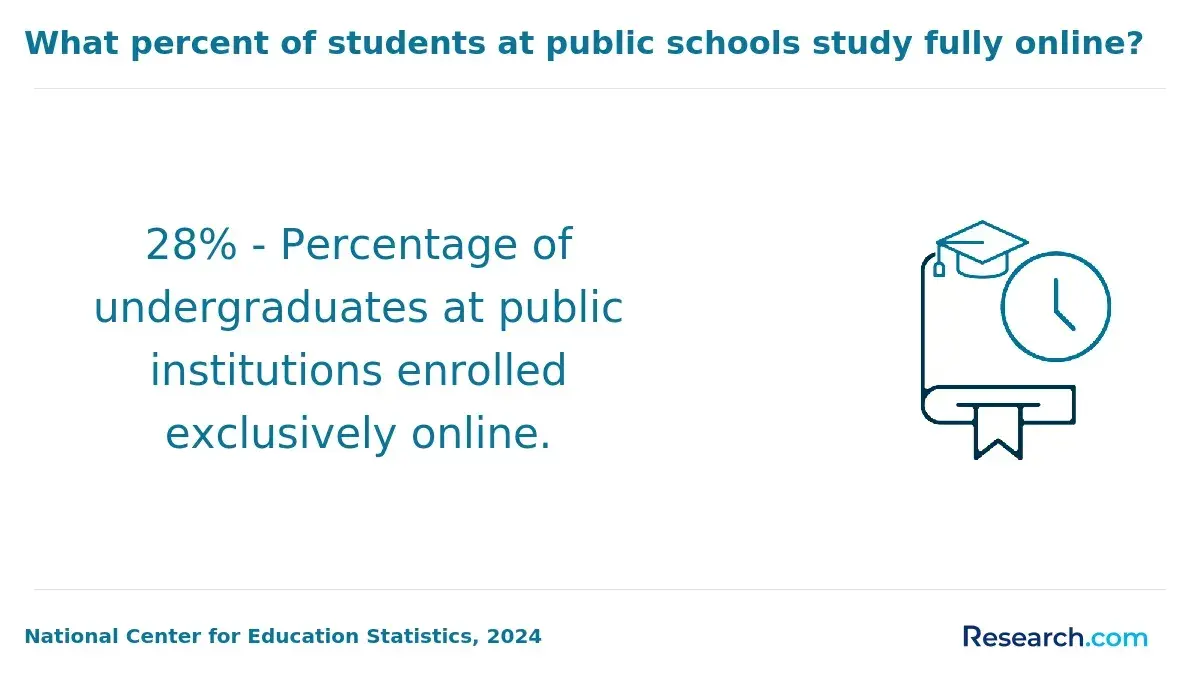
Tuition costs for a four-year degree in digital media have been escalating at an annual rate of about 3-5%, notably outpacing inflation, according to 2024 data from the National Center for Education Statistics. In contrast, entry-level salaries for digital media grads tend to grow more modestly, often just 1-2% above inflation each year as reported by the Bureau of Labor Statistics.
This imbalance means that the cost of investing in a degree increases faster than the early earning potential it unlocks, making financial planning more complex. For example, a student facing $44,000 in tuition over four years might start with an annual salary around $50,000, but slower salary growth and mounting loan interest can extend the debt repayment timeline well beyond initial estimates.
Evaluating the relationship between tuition trends and salary progression offers a more nuanced view than focusing on either figure alone. Factors like geographic location, specific job roles, and mid-career advancement also influence whether a digital media degree yields sufficient returns on investment.
Beyond tuition, living expenses and the option to supplement education with vocational certifications can significantly impact financial outcomes. Thus, the decision to pursue a degree requires balancing immediate educational expenses against long-term income trajectories, given that wage growth in digital media often flattens compared to STEM or business fields.
One digital media graduate recalls hesitating over enrolling in a traditional four-year program due to rising tuition rates. They weighed options including community college credits and industry certifications to reduce upfront costs. Ultimately, the incremental salary increases early in their career did not fully cover loan payments initially, leading them to rely on part-time freelance work to manage expenses.
This experience underscored the importance of blending formal education with practical income strategies to navigate the financial pressures associated with digital media schooling and career entry.
Does a Digital Media Degree Deliver a Positive Return on Investment?
Return on investment in higher education hinges on comparing the total cost of earning a degree with the cumulative financial benefits gained through career earnings and advancement. For a digital media degree, this balance often involves navigating rising tuition costs that have outpaced inflation over the past decade.
While starting salaries for digital media graduates generally fall slightly below the national average for all bachelor's degree holders according to 2024 data from the National Center for Education Statistics, earnings typically increase steadily as professionals gain experience and tap into growing demand for digital content, marketing, and multimedia skills across industries.
Consider a graduate who incurs $50,000 in debt from tuition and fees, starting with an initial salary around 10% below the average bachelor's degree holder. If this individual leverages internships and industry connections to secure roles that offer steady growth, supported by Bureau of Labor Statistics projections of faster-than-average job growth in digital media fields, their income can surpass debt repayment challenges within a decade.
Factors such as university networks, hands-on experience, and the ability to generate freelance or entrepreneurial revenue streams significantly influence whether the long-term return justifies upfront costs. According to research from the Georgetown University Center on Education and the Workforce, digital media graduates' return on investment improves notably over a 10- to 15-year span, reflecting career progression and ongoing skill development.
This analysis must account for individual circumstances and economic conditions, recognizing the variability in outcomes. The degree's ROI is less about immediate financial gain and more about cultivating versatile skills that open diverse professional avenues and income sources. Sound choices about where to study, managing tuition expenses, and maximizing practical experience remain critical to achieving a positive financial payoff from a digital media degree over time.
Which Industries Offer the Highest Salaries for Digital Media Graduates?
Digital media graduates face a diverse labor market where salary potential varies significantly by industry. While some sectors offer lucrative compensation tied to technical expertise and market demand, others provide broader opportunities for creative growth but with more moderate pay scales.
Choosing a sector involves balancing immediate earning potential with long-term career prospects and the evolving nature of digital skills. Data from the U.S. Bureau of Labor Statistics highlights several top US industries hiring digital media professionals that consistently report higher salaries and robust employment growth.
Below are key industries offering the highest paying roles for digital media graduates.
- Technology Companies: These firms often lead in salary scales due to the premium placed on software development, user experience design, and interactive media skills. Roles such as UX designers, animators, and multimedia content creators typically start between $65,000 and $80,000, with experienced professionals surpassing $100,000. Their demand for cutting-edge digital proficiency drives competitive pay.
- Entertainment And Media: Gaming, film, and television production attract digital media graduates with storytelling and digital artistry talents. Median salaries for digital content producers and multimedia specialists range from $70,000 to $85,000, with top-tier roles exceeding six figures. The industry's dynamic nature rewards creative innovation and technical versatility.
- Advertising And Public Relations: Digital campaign strategists and creative directors in metropolitan hubs can expect starting salaries from $60,000 to $75,000. These roles emphasize strategic digital communications and creativity, with career growth tied to effective brand storytelling and audience engagement in digital channels.
- Finance Sector: Increasingly reliant on digital transformation, finance employers offer lucrative packages for specialists skilled in virtual media technologies that enhance customer experience and data visualization. This sector values a mix of analytical and creative digital skills, often providing stable and rewarding salaries.
- Healthcare Industry: As healthcare invests in patient engagement and digital education tools, roles requiring multimedia content creation and interactive design experience are growing. Compensation in healthcare digital media roles tends to be competitive, reflecting industry investment in accessible and innovative communication.
For example, a graduate with a background in digital media who develops a strong portfolio in user interface design may find a more accelerated salary trajectory in technology companies compared to advertising firms. Awareness of these sector-specific factors is essential for weighing potential salaries against skill development and personal interests.
Prospective students and career changers also benefit from exploring multidisciplinary programs, such as an online MBA AACSB accredited program, which can enhance leadership capabilities and open doors within higher-paying industries.
Which States and Cities Offer the Highest Pay for Digital Media Professionals?
The geographic location of digital media professionals greatly impacts earning potential, influenced by local industry strength, cost of living, and economic conditions. While some states and cities offer top-tier wages, those figures often correlate with higher expenses, demanding nuanced consideration from prospective graduates.
Emerging tech hubs present growing opportunities that might balance compensation with affordability. Evaluating these factors together is essential for understanding the true financial outcome of a digital media degree.
Below are several key states and metropolitan areas where pay tends to be the highest for digital media roles in 2024 according to the U.S. Bureau of Labor Statistics and the National Association of Colleges and Employers.
- California Bay Area: Salaries here often exceed $90,000 annually due to a dense concentration of technology firms, multimedia companies, and startups. Though pay is among the nation's highest, students must weigh this against one of the most expensive housing markets in the country, which can erode disposable income substantially despite strong wages.
- New York City: With average digital media salaries typically between $75,000 and $85,000, New York's role as a global media hub fuels demand in advertising, broadcasting, and digital content firms. However, high living costs and fierce competition for roles make it imperative to assess the long-term stability of entry-level opportunities.
- Seattle, Washington: Seattle's robust tech economy and increasing digital content needs have pushed salaries upward. This city offers a somewhat lower cost of living compared to California and New York, making it attractive for those seeking a balance between competitive pay and livability.
- Austin, Texas: Rapid growth in both tech and creative sectors drives salaries close to coastal benchmarks. Austin's relatively affordable housing and vibrant cultural scene provide appealing conditions for graduates wishing to maximize net financial gains while accessing expanding job markets.
- Los Angeles, California: Known for its entertainment industry, LA offers lucrative wages for digital media specialists engaged in video production, animation, and digital marketing. Career opportunities are diverse, though the steep cost of living requires careful financial planning to ensure salary gains translate into savings.
- Washington, D.C. Metro Area: Demand for digital media skills in government agencies, nonprofits, and political consulting underpins competitive salaries. While housing costs are high, stable employment opportunities may offset some risks of economic fluctuation found in more volatile tech markets.
- Boston, Massachusetts: Boston's combination of tech startups, academic institutions, and media companies supports solid digital media wages. The city's education resources can provide ongoing career development, though living expenses remain a consideration in evaluating net benefits.
How Do Digital Media Salaries Grow Throughout a Career?
Starting salaries in digital media typically range from $40,000 to $55,000 annually, reflecting entry-level roles like junior designers or social media coordinators. Wage growth in these early years tends to be modest, constrained by a crowded job market and evolving technology demands.
However, salaries usually increase to roughly $65,000 to $85,000 by mid-career, often after five to ten years of experience, especially when professionals gain certifications or move into leadership roles like project management. According to the 2024 Occupational Outlook Report by the U.S. Bureau of Labor Statistics, this stage can offer steady, inflation-beating raises, but progress depends heavily on skill specialization and geographic or sector-specific factors.
Senior digital media professionals with over a decade of experience can earn well above $100,000, with top-tier roles such as directors or creative leads making between $120,000 and $150,000 or more. Two graduates with identical degrees might see drastically different salary paths: one focusing on broadening technical skills like UX/UI and analytics or earning relevant certifications may climb faster, while another staying in generalist roles might see slower gains despite similar tenure.
Long-term salary growth hinges largely on continuous learning, adaptability to new tools, and leadership responsibilities, as well as external pressures like inflation and education costs, which can erode purchasing power if wage increases lag.
One digital media graduate recalls hesitating to pursue an advanced certification during the earliest years of their career, uncertain if the investment justified the cost and time. Over time, facing stagnant wages and increasing competition, they chose to specialize in data-driven content strategy, leading to a promotion and a noticeable salary boost after eight years.
Reflecting on that decision, they now see the importance of timely upskilling in positioning oneself for meaningful salary increases rather than relying solely on years of experience.
How Do Digital Media Salaries Compare With Similar Degrees?
Examining career earnings for digital media versus similar fields reveals nuanced tradeoffs important for prospective and current students. Digital media graduates usually earn between $55,000 and $62,000 annually, a figure that reflects their hybrid skillset bridging creative arts and technical proficiency.
However, this range can lag behind degrees rooted more firmly in STEM, where salaries often surpass $75,000. Job flexibility and emerging technology competencies in digital media can offer long-term advantages despite initial salary differences.
Below is a comparison highlighting how digital media salary outcomes contrast with related degrees.
- Graphic Design: Digital media graduates generally report higher median salaries, around $55,000 to $62,000 compared to graphic design's approximate $50,000. This gap arises because digital media programs incorporate technical skills like video editing and interactive design, which broaden job prospects beyond traditional graphic roles.
- Communications: Salaries for communications graduates hover near $54,000, placing digital media graduates slightly above or on par. The multidisciplinary nature of digital media enhances eligibility for roles across marketing and entertainment, contributing to its comparable earning potential despite differences in curriculum focus.
- Computer Science: Computer science earns notably higher median salaries, frequently exceeding $75,000, reflecting the industry's strong demand for software and technical development expertise. While digital media professionals benefit from creative and technological intersections, their salary ceiling may be constrained in comparison.
Consider a recent graduate debating between degrees: choosing digital media might mean a modestly lower starting salary than computer science but potentially greater adaptability to emerging sectors, including marketing or entertainment technology. In contrast, opting for graphic design or communications positions trades some technical versatility for more narrowly defined roles.
Skill development remains key, as reported wage growth in digital media correlates strongly with staying current on evolving software. For those weighing investment against return, it is worth exploring options like the cheapest online master's mechanical engineering programs as benchmarks for cost versus career earnings, underscoring the importance of strategic degree selection.
How Is Employer Demand Affecting Digital Media Salary Trends?
Employer demand plays a pivotal role in shaping digital media salary trends by directly influencing competition for qualified candidates and hiring activity. As businesses expand their digital strategies, especially in areas like multimedia creation and digital marketing, the demand for skilled professionals rises. However, this does not always translate to proportional wage growth.
For example, a recent graduate entering the job market in 2024 may find multiple openings but face moderate salary offers, as an increasing number of candidates competes for similar roles. According to the U.S. Bureau of Labor Statistics, employment in digital media-related fields is projected to grow faster than average, yet wage growth often lags behind rising tuition and inflation, tempering earnings for entry-level positions.
Major factors shaping employer demand include technological advances, shifting consumer behaviors, and organizational budgets. Specialized skills such as augmented reality development or data analytics tend to command higher salaries, reflecting premium compensation for expertise that meets evolving market needs. Meanwhile, generalist roles face more modest wage increases despite strong hiring levels.
This pattern illustrates how employer demand impact on digital media salaries is nuanced: while demand can accelerate wage growth, experience, specialization, and broader economic conditions remain influential. Students and career changers weighing these dynamics should also consider that sustained employer demand may improve long-term earnings potential despite early-career constraints.
In evaluating the digital media job market, it is helpful to explore resources that highlight matching career paths, including the best jobs for introverts in this sector, offering additional perspective on roles suited to varied strengths and preferences in a growing field.
How Can Students Maximize Their Lifetime Earnings With a Digital Media Degree?
Maximizing lifetime earnings with a digital media degree requires more than just coursework; it hinges on strategic skill development and career choices aligned with market demands.
Recent 2024 reports from the U.S. Bureau of Labor Statistics and the National Association of Colleges and Employers (NACE) highlight how focusing on specialized roles and practical experience substantially increases earning potential. For example, a graduate specializing in user experience design who completes internships can often command offers 15-20% higher than peers with more generalist backgrounds.
Below are key approaches that students should consider.
- Specialize in High-Demand Areas: Concentrate on growing fields such as UX design, digital marketing analytics, or multimedia production. These niches benefit from rapid industry growth and tend to offer premium salaries as companies prioritize online engagement and data-driven tactics.
- Gain Practical Experience: Pursue internships, co-ops, or freelance projects during study to improve employability and boost starting salaries. Graduates with hands-on experience earn significantly more at entry level and build portfolios that aid in salary negotiations.
- Advance Education and Certifications: Consider graduate degrees or certificates in digital advertising, data visualization, or coding. According to Georgetown University Center on Education and the Workforce, this can increase earnings by at least 25% over a career.
- Build a Professional Network: Cultivating relationships within relevant industries opens doors to better job opportunities and salary improvements through referrals and insider knowledge.
- Target Fast-Growing Industries: Focus on sectors like technology, healthcare, entertainment, and e-commerce, where demand for digital media skills drives sustained salary growth and job security.
- Update Technical Skills Regularly: Continuously learning emergent tools and trends ensures relevance in a rapidly evolving field, preventing skill stagnation that can limit wage growth.
- Develop Quantifiable Portfolios: Showcase measurable results from projects and campaigns to substantiate value to employers, strengthening bargaining power for higher compensation.
References
- Digital Marketing Salary 2026 - Intelligent People https://www.intelligentpeople.co.uk/employer-advice/digital-marketing-salary/
- 2026 Marketing Career Outlook: AI’s Surprising Impact [Research] https://contentmarketinginstitute.com/career-salary-outlook/content-marketing-salary-outlook
- Does College Pay Off? A Comprehensive Return On Investment Analysis - FREOPP https://freopp.org/whitepapers/does-college-pay-off-a-comprehensive-return-on-investment-analysis/
- Has pay kept up with inflation? - The Hamilton Project https://www.hamiltonproject.org/data/has-pay-kept-up-with-inflation/
- Salary progression in Digital Marketing Manager https://www.whitecarrot.ai/resources/templates/progression-salary/digital-marketing-manager
- Career guide for digital marketing | edX https://www.edx.org/resources/digital-marketing-careers
- Marketing salaries: The trends you need to know about - EMR | Marketing, Digital & Communications Recruitment Agency https://www.emrrecruitment.co.uk/marketing-salaries-the-trends-you-need-to-know-about/
Other Things You Should Know About Digital Media Salary Trends
The tension between specializing deeply in areas like UX design or animation versus developing broad digital media skills affects long-term earnings. Specialized skills often lead to higher initial salaries but can narrow job opportunities if market demand shifts. Conversely, a broader skill set may provide more stable employment but slower wage growth. Students should prioritize programs that integrate both specialization options and cross-disciplinary skills, enabling adaptability as industry needs evolve.
Unpaid internships and volunteer projects commonly supplement digital media portfolios but delay income generation and may suppress early wage expectations. While such experiences can enhance employability and open doors to higher-paying roles, they also represent lost earnings and can extend time before salary gains materialize. Evaluating internship value must weigh portfolio impact against immediate financial costs, especially given rising tuition and living expenses.
Programs emphasizing industry partnerships, real-world projects, and emerging technology skills tend to produce graduates better positioned to command above-average starting salaries. Curricula that update regularly to reflect employer demands-such as proficiency in data analytics or immersive media-offer tangible negotiation advantages. Students should assess whether their program provides direct client experience or mentorship, as these components improve market readiness and salary leverage.
Pursuing graduate studies postpones earnings and accumulates debt but can differentiate candidates in a competitive job market. However, incremental salary increases for advanced degrees in digital media remain modest relative to cost increases. Prioritizing part-time or employer-sponsored graduate programs can mitigate financial risk, while immediate work experience combined with targeted certifications may yield better lifetime earnings than extended full-time study.