2027 Self-Paced Online Social Work Bachelor's Degree Programs

Co-Founder and Chief Data Scientist
Choosing a self-paced online social work bachelor’s degree is a practical decision for adults who want to enter social services without putting work, family, or other responsibilities on hold. These programs are designed for students who need more control over when they study, how quickly they move through courses, and how they use transfer credits or prior learning to shorten the path to graduation.
The flexibility is appealing, but it also raises important questions. Not every online social work program is truly self-paced, and not every flexible degree carries the same value for licensure, graduate study, financial aid, or employer recognition. Accreditation, field education requirements, tuition structure, and student support all affect whether a program is a smart investment.
According to the Council on Social Work Education, enrollment in online social work programs increased by 22% between 2018 and 2022, reflecting growing demand for accessible education formats. This guide explains how self-paced online social work bachelor’s programs work, how they differ from traditional online formats, what to check before enrolling, and how to choose a pathway that supports timely graduation and long-term career goals.
Key Benefits of Self-Paced Online Social Work Bachelor's Degree Programs
- Self-paced online social work bachelor's degree programs offer unmatched flexibility, allowing working professionals and non-traditional students to balance education with career and personal commitments.
- These programs emphasize accelerated skill acquisition through competency-based education models, enabling students to progress upon demonstrating mastery rather than time spent in class.
- Cost-effective pathways include transfer credit policies and prior learning assessments that reduce tuition and time to completion, helping students earn accredited credentials affordably.
What Are Self-Paced Online Social Work Bachelor's Degree Programs, and How Do They Differ From Traditional Online Formats?
Self-paced online social work bachelor’s degree programs let students complete coursework with fewer fixed weekly deadlines than traditional online programs. Instead of moving through a semester calendar with the same due dates as a class cohort, students may progress by completing modules, projects, exams, or competency assessments when they are ready.
The key difference is control over pace. In a traditional online program, students usually follow a structured academic calendar with weekly readings, discussion posts, assignments, and faculty-led interaction. In a self-paced model, students often have more freedom to accelerate during lighter work periods or slow down when personal obligations increase. That flexibility can be valuable, but it also means students must create their own structure.
- Start dates: Some self-paced programs use open enrollment or frequent start dates, while traditional online programs often begin on semester or term schedules.
- Course progression: Self-paced programs may allow students to advance after completing required milestones or demonstrating mastery, rather than waiting for a class schedule to move forward.
- Faculty interaction: Traditional online programs usually build in regular instructor and peer engagement. Self-paced students may need to initiate contact with faculty, coaches, or advisors.
- Accountability: Traditional programs provide external deadlines. Self-paced programs require stronger planning, independent study habits, and consistent progress tracking.
- Best-fit students: These programs tend to work best for motivated adults, transfer students, military learners, caregivers, and working professionals who can manage their own study calendar.
- Potential drawback: More flexibility can mean less built-in community, fewer live discussions, and a greater risk of procrastination if the student does not set weekly goals.
When comparing self-paced online social work bachelor’s degree programs, look closely at competency-based education models, transfer credit rules, prior learning assessment options, financial aid eligibility, and field education requirements. Students who plan to continue beyond the bachelor’s level may also want to understand how an accelerated undergraduate pathway could position them for options such as a 1 year online masters after completing the bachelor’s degree.
Which Accredited Institutions Offer Self-Paced Online Social Work Bachelor's Degree Programs?
Accredited institutions that offer flexible or self-paced online social work bachelor’s pathways generally use one of three models: competency-based pacing, asynchronous courses with flexible deadlines, or transfer-friendly degree completion formats. The best choice depends on how many credits you already have, how quickly you can study, and whether the program’s accreditation supports your goals for employment, licensure, or graduate school.
Examples of institutions commonly associated with flexible online social work bachelor’s study include the following:
- Capella University: Provides a competency-based bachelor’s in social work through its FlexPath subscription model, which charges a flat fee per term for unlimited course completion. Capella is accredited by the Higher Learning Commission (HLC), and students generally complete the program in 18 to 24 months depending on prior credits and pace.
- Western Governors University (WGU): Offers a fully online, competency-based bachelor of social work program with tuition charged per six-month term, encouraging fast progression without extra tuition costs. WGU is accredited by the Northwest Commission on Colleges and Universities (NWCCU) and typically sees completion times between 18 and 36 months.
- Thomas Edison State University: Features a self-directed bachelor’s in social work with flexible start dates and a per-credit tuition model. Accredited by the Middle States Commission on Higher Education, the university accepts extensive transfer credits plus prior learning assessments, leading to completion in 2 to 4 years on average.
- Columbia Southern University: Delivers an asynchronous, self-paced Bachelor of Arts in social work with a monthly subscription tuition model. Accredited by the Distance Education Accrediting Commission (DEAC), completion times vary widely, often falling between 18 and 36 months depending on course load.
- University of the Southwest: Offers a competency-based online bachelor’s in social work with individualized learning plans and term-based tuition permitting unlimited courses per term. Accredited by the Higher Learning Commission, most students finish within 18 to 24 months.
Before applying, confirm three details directly with the institution: whether the social work program itself has the accreditation you need, how field education is arranged in your state, and how the tuition model works if you slow down. A subscription format can save money for fast-moving students, but it can become more expensive if you need multiple terms to finish.
Students comparing flexible bachelor’s pathways may also find it useful to review how other accelerated degrees online structure pacing, transfer credit, and completion timelines.
How Long Does It Take to Complete a Self-Paced Online Social Work Bachelor's Degree?
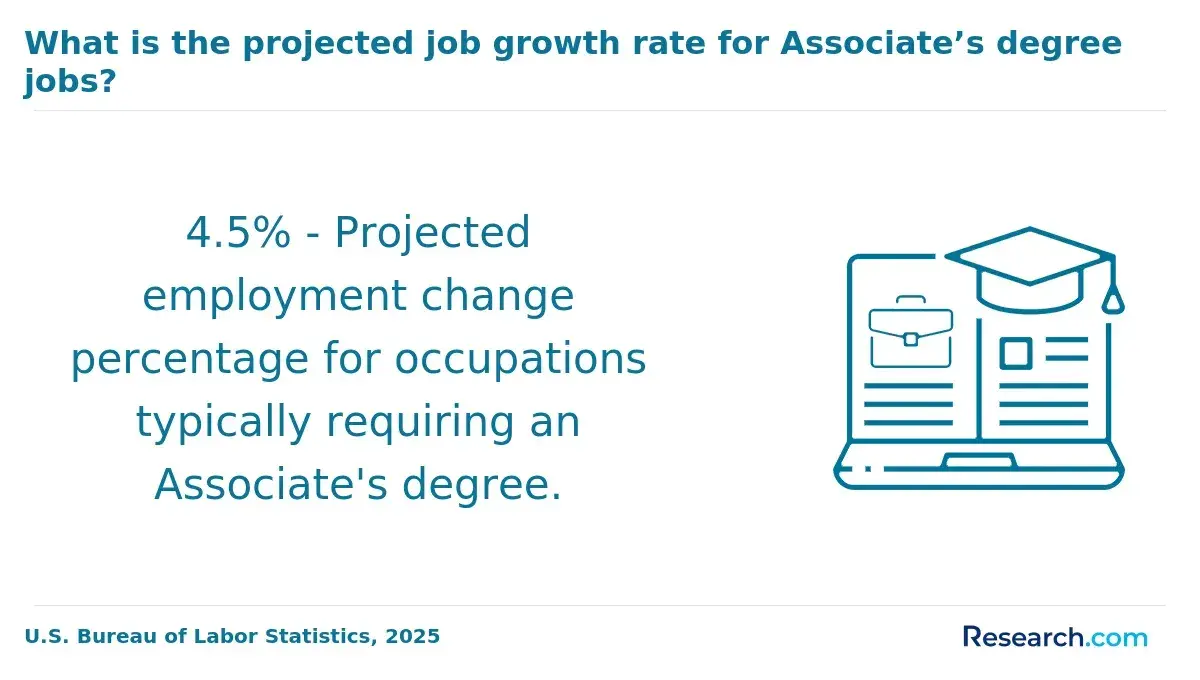
Completion time depends less on the label “self-paced” and more on how many credits you bring in, how many hours you can study each week, and whether the program lets you accelerate. Some students finish in 12 to 18 months, while a more typical range is two to four years. For comparison, data from the U.S. Department of Education’s National Center for Education Statistics indicates that the average duration for completing a traditional bachelor’s degree is about 4.5 years.
The fastest students are usually those who enter with substantial transfer credit, have predictable study time, and move through competency assessments quickly. Students starting with few credits, working full time, or managing caregiving responsibilities should build a more conservative timeline.
- Prior credits and transfer work: Associate degrees, previous college coursework, and general education credits can reduce the number of remaining courses.
- Weekly study hours: Students who can study 20 hours or more per week usually progress faster than those studying part time in short sessions.
- Prior learning assessment: Professional training, certifications, military experience, or portfolio-based evaluation may reduce required coursework when accepted by the school.
- Competency-based design: Programs that allow students to move forward after demonstrating mastery can shorten completion time for students who already understand the material.
- Field education requirements: Social work programs may include practicum or field placement expectations that cannot always be accelerated as quickly as online coursework.
- Support services: Advising, tutoring, writing support, and progress coaching can help students stay on schedule and avoid stalled enrollment.
A practical planning method is to ask the school for a degree audit before enrolling. Then estimate your timeline under three scenarios: your fastest possible pace, a realistic pace based on your weekly schedule, and a slower pace in case work or family demands increase. This gives you a clearer view of both time and cost.
One professional who enrolled in a self-paced online social work bachelor’s program described the experience as flexible but demanding. He said some weeks allowed quick progress through classes when work was slow, while other weeks required him to pause and reset his schedule. He also noted that prior certifications helped reduce the course load, and advisor support helped him stay motivated when competing responsibilities made progress harder.
The cost of a self-paced online Bachelor of Social Work (BSW) depends on the pricing model, the number of credits you need, how quickly you finish, and whether fees or course materials are included. A program that looks inexpensive per term may cost more if you need extra terms, while a higher upfront subscription may be cost-effective for students who can complete courses quickly.
Per-credit tuition: Many programs charge by the credit hour, commonly between $250 and $500+. Since a bachelor’s degree usually entails around 120 credits, tuition alone can range from $30,000 to $60,000, not counting additional fees.
Flat-rate subscription: Some institutions use a monthly, quarterly, or term-based subscription model. Students pay a fixed amount for a set period and may complete multiple courses during that window. This model rewards students who can move quickly and consistently.
Bundled fees: Some colleges combine tuition, digital materials, technology access, and other required resources into one charge. Bundling can make billing easier to understand, but students should still ask what is excluded.
Additional charges: Budget for technology fees, online proctoring, background checks, software licenses, graduation fees, and any costs tied to field placement. These charges can add hundreds to over a thousand dollars to the total cost.
Course materials: Some programs include digital textbooks and learning resources. Others require separate textbook purchases or subscription-based learning tools.
Pace and total cost: In subscription programs, taking longer can increase total cost because each additional term adds another payment. In per-credit programs, pace may not change tuition as much, but it can affect fees and opportunity cost.
Future graduate study: Students planning to pursue an MSW after the bachelor’s degree should consider the combined cost of both credentials and may want to compare affordable online msw programs before choosing an undergraduate pathway.
One professional who earned her social work bachelor’s degree through a self-paced online program described cost management as one of the biggest challenges. She said subscription fees became a concern whenever progress slowed, but the ability to accelerate helped reduce the final cost. Her main advice was to plan each term before it starts, account for technology fees, and avoid enrolling in a self-paced format without a realistic weekly study schedule.
What Graduates Say About Self-Paced Online Social Work Bachelor's Degree Programs
- Santino: "Choosing the self-paced online social work bachelor's degree program was a game changer for me because I needed the flexibility to balance studying with my full-time job. The affordability of the program made it accessible without the burden of overwhelming debt, which was a huge relief. After graduating, I noticed a significant boost in my confidence and opportunities for advancement within my organization."
- Jaime: "I was drawn to the self-paced online social work bachelor's degree program primarily because of its convenience-it allowed me to study at my own speed while managing family commitments. The lower program cost compared to traditional universities made it financially feasible, and that meant I could focus more on learning rather than worrying about expenses. Professionally, completing the degree opened doors to new roles and helped me build a stronger foundation for my career in social services."
- Everett: "Pursuing a self-paced online social work bachelor's degree was an intentional choice to align education with my unpredictable schedule. The reasonable tuition rates were essential for me, as investing wisely in education was a priority. Since earning my degree, I've experienced tangible career growth and greater respect from colleagues, reinforcing that this path was the right step for long-term professional development."
Other Things You Should Know About Social Work Degrees
Yes. Most accredited social work bachelor’s programs require a supervised field practicum, often 400 to 500 hours, even when coursework is self-paced online. The placement is usually arranged with an approved agency and must meet council and state requirements before graduation.
The 2027 curriculum for self-paced online social work bachelor's degree programs combines theoretical understanding with practical skills through interactive modules and case studies. This prepares students for various roles in healthcare, community services, and child welfare by equipping them with necessary real-world problem-solving skills and ethical frameworks.
Financial aid options for self-paced online social work bachelor’s degrees may include federal grants, loans, and scholarships. Students should fill out the FAFSA to determine eligibility and might need to maintain a minimum GPA to qualify for certain aids in 2027.
- Most Affordable Online BSW Programs: Low-Cost Bachelor's Degrees https://www.publicservicedegrees.org/online-degrees/social-work-programs/bachelors-bsw/most-affordable/
- PLA: Earn Credit Through Prior Learning Assessment | UAGC https://www.uagc.edu/admissions/non-traditional/pla
- Online BSW Programs https://socialworklicensemap.com/social-work-degrees/bachelor-of-social-work-programs/online-bsw/
- Explore UM | University of Manitoba - Social Work – Distance Delivery (BSW) http://umanitoba.ca/explore/programs-of-study/social-work-distance-delivery-bsw
- Online Social Work Degrees https://www.onlinemswprograms.com/online-social-work-degrees/
- A Comprehensive Guide to Competency-based Education https://www.edalex.com/guides/comprehensive-guide-to-competency-based-education/
- affordable online social work degree: Save on Tuition https://www.accio.com/biz-cheap/affordable-online-social-work-degree
- Accreditation | CASWE-ACFTS https://caswe-acfts.ca/our-activities/accreditation/
- 15 Best Bachelors Degrees Social Work courses abroad 2026 https://www.hotcoursesabroad.com/study/training-degrees/international/distance-online/bachelor-degree/social-work-courses/smode/3/slevel/12-2-3/cgory/l19-3/sin/ct/programs.html
- Self-Paced Learning: What to Expect From a CBE Program https://www.umassglobal.edu/blog-news/self-paced-learning-expect-a-cbe-program