2027 What Can You Do With a Healthcare Administration Degree

Co-Founder and Chief Data Scientist
Choosing a healthcare administration degree means deciding whether you want to lead healthcare systems without becoming a clinician. The timing is strong: the U.S. Bureau of Labor Statistics reports a 2024 median pay of $117,960 for medical and health services managers, with demand tied to an aging population, digital health records, and complex healthcare operations. This guide is for prospective students, career changers, and working healthcare staff who want to compare degree levels, jobs, costs, online options, certifications, and return-on-investment factors before enrolling.
Key Things You Should Know
- A healthcare administration degree can lead to roles in hospital operations, clinic management, health information, quality improvement, long-term care, insurance, compliance, and healthcare finance.
- Medical and health services managers had a 2024 median annual wage of $117,960, but entry-level administrative roles often pay less and vary by employer, location, experience, and graduate education.
- For leadership roles, a bachelor's degree is often the minimum; an MHA, MBA with a healthcare focus, or related master's degree can improve competitiveness for director-level and executive tracks.
What is a healthcare administration degree and what skills does it provide?
A healthcare administration degree prepares students to manage the business, operational, financial, legal, and people-centered side of healthcare organizations. Unlike nursing, medicine, or allied health programs, it usually does not train students to provide direct patient care. Instead, it focuses on how hospitals, clinics, insurers, long-term care facilities, public health agencies, and healthcare technology companies function.
Students considering a health administration degree should understand that the field sits between business and healthcare. You learn management concepts, but you apply them in environments where patient safety, privacy, regulation, staffing shortages, reimbursement rules, and ethical decision-making matter every day.
The most useful programs build both administrative judgment and healthcare-specific fluency. Core skill areas typically include the following:
- Healthcare operations: scheduling, workflow design, staffing, patient access, capacity planning, and service-line coordination.
- Finance and reimbursement: budgeting, revenue cycles, insurance payment models, billing basics, cost control, and financial reporting.
- Health law and compliance: HIPAA, patient rights, fraud and abuse prevention, risk management, contracts, and regulatory standards.
- Leadership and human resources: hiring, employee relations, change management, conflict resolution, labor issues, and team performance.
- Data and quality improvement: healthcare analytics, performance dashboards, patient safety measures, population health, and process improvement.
- Communication: writing executive summaries, presenting data to leaders, working with clinicians, and explaining operational changes to staff.
This degree is a strong fit if you are interested in improving healthcare delivery, managing teams, solving operational problems, and working with data and policy. It may be a weaker fit if you primarily want hands-on clinical work, laboratory work, or a career where licensure as a provider is the main requirement.
What jobs can you get with a healthcare administration degree?
A healthcare administration degree can support many career paths, but the right job depends heavily on degree level, work experience, internship history, and whether you specialize in finance, informatics, long-term care, human resources, or operations. A bachelor's degree can qualify candidates for coordinator, analyst, or department-level roles, while master's degrees are more common for senior management and executive positions.
The table below summarizes common roles and how they usually fit into a healthcare administration career path. Use it to identify whether a role is more entry-level, operational, analytical, or leadership-oriented.
| Role | Typical setting | Common responsibilities | Typical degree fit |
| Medical office manager | Physician practices, outpatient clinics, specialty offices | Supervises front-office staff, scheduling, billing coordination, patient flow, and office procedures | Associate or bachelor's with experience |
| Healthcare administrator | Hospitals, clinics, community health centers | Coordinates department operations, budgets, staff workflows, compliance tasks, and service delivery | Bachelor's or master's |
| Health services manager | Hospitals, ambulatory care, long-term care, health systems | Plans, directs, and evaluates clinical or administrative departments | Bachelor's often required; master's preferred for advancement |
| Revenue cycle analyst | Hospitals, insurers, billing companies | Reviews claims, payment patterns, denials, coding workflows, and reimbursement performance | Bachelor's with finance or analytics coursework |
| Quality improvement coordinator | Hospitals, accountable care organizations, public health programs | Tracks safety and quality metrics, supports audits, and helps redesign care processes | Bachelor's or master's |
| Health information manager | Hospitals, health systems, data governance teams | Manages patient data quality, privacy, coding systems, records workflows, and compliance | Bachelor's in health information management or related field |
| Long-term care administrator | Nursing homes, assisted living, continuing care facilities | Oversees facility operations, staffing, resident services, compliance, and finances | Bachelor's or master's; state licensure often required for nursing home administrators |
| Healthcare consultant | Consulting firms, health systems, technology vendors | Analyzes operations, recommends improvements, supports implementation, and evaluates performance | Bachelor's with experience; master's often preferred |
Entry-level candidates should be realistic: "administrator" titles may require several years of healthcare experience. A practical route is to begin in patient access, medical office coordination, billing, project coordination, or quality support, then move into management after building operational credibility.
Technology is also changing the field. Administrators increasingly work with electronic health record systems, telehealth workflows, AI-supported scheduling tools, cybersecurity policies, and analytics dashboards. You do not need to become a software engineer, but you should be comfortable interpreting data, asking good questions about automation, and protecting patient privacy.
How much can you earn with a healthcare administration degree and what is the job outlook?
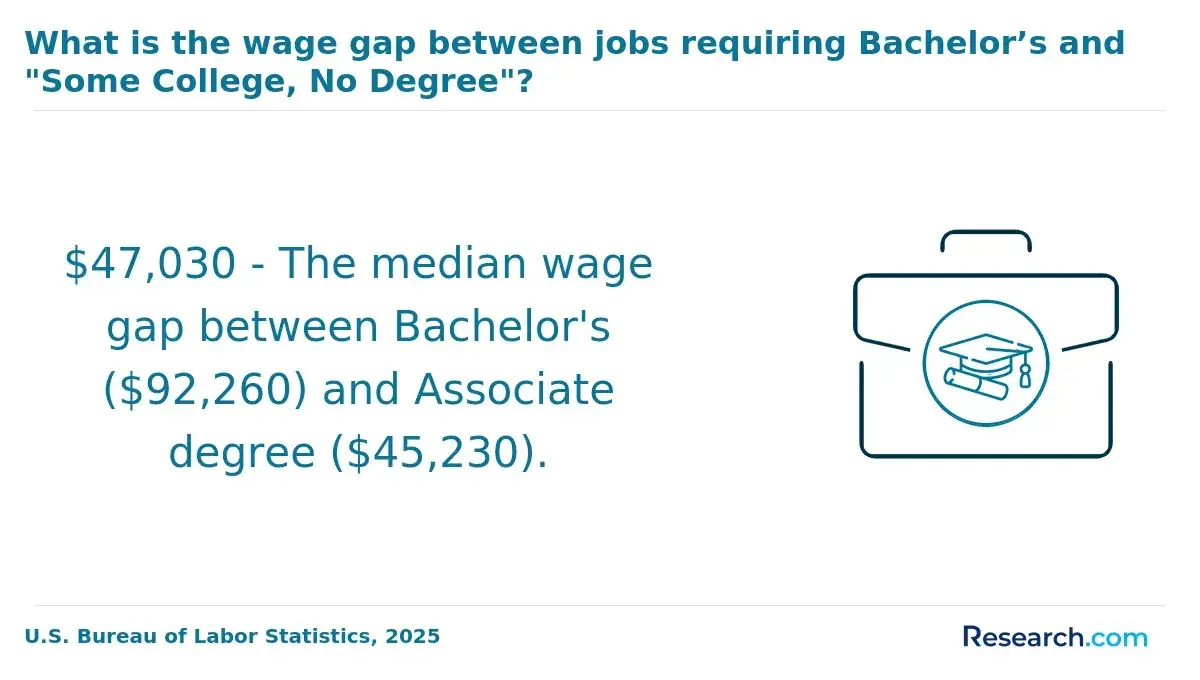
Salary potential is one of the main reasons students consider healthcare administration, but pay varies widely. The most-cited benchmark is the BLS category for medical and health services managers, which reported a 2024 median annual wage of $117,960. That figure is not an entry-level guarantee; it reflects a broad management occupation that includes experienced leaders in hospitals, physician groups, nursing care facilities, government, and other healthcare settings.
The table below shows how salary context changes by career stage. It is meant to help you interpret wage data realistically instead of assuming every graduate starts at a manager-level salary.
| Career stage | Common roles | Salary interpretation | What affects pay most |
| Early career | Administrative coordinator, patient access supervisor, billing specialist, project assistant | Often below manager-level medians because the role may not involve full departmental leadership | Healthcare experience, location, employer size, technical skills, and internships |
| Mid-career | Clinic manager, practice manager, quality coordinator, revenue cycle analyst | Can approach stronger compensation as responsibilities include budgets, teams, or performance metrics | Supervisory experience, analytics ability, certifications, and operational results |
| Advanced leadership | Department director, health services manager, long-term care administrator, consultant | More likely to align with higher healthcare management salary benchmarks | Graduate education, leadership record, facility complexity, licensure, and strategic responsibility |
The job outlook is favorable. BLS projects employment for medical and health services managers to grow 23% from 2024 to 2034, much faster than the average for all occupations. For readers, this suggests expanding opportunity, but not automatic placement; employers still evaluate experience, leadership ability, technical competence, and whether your education matches the role.
Healthcare administration may offer strong long-term value if you want management responsibility and are willing to build experience over time. If you need the fastest route to a clinical salary, however, a licensed clinical program may be a better comparison point than an administrative degree.
What types of healthcare administration degrees are available, from associate to graduate level?
Healthcare administration programs exist at several levels. The best choice depends on your current education, work experience, budget, and target role. An associate degree may help you enter healthcare office work, while a master's degree is often more relevant for leadership, consulting, policy, or executive-track positions.
The table below compares the most common degree levels. Use it to match your educational investment to the level of responsibility you want.
| Degree level | Best for | Common outcomes | Decision point |
| Associate degree in healthcare administration | Students seeking faster entry into healthcare office roles | Medical office assistant, records clerk, patient services representative, billing support | Good starting point, but limited for management without experience or further education |
| Bachelor's degree in healthcare administration | Students seeking management-track preparation | Clinic coordinator, operations analyst, practice manager, department supervisor | Often the practical minimum for long-term advancement in administration |
| Master of Health Administration | Students targeting senior healthcare leadership | Health services manager, hospital administrator, director-level roles, fellowship pathways | Best if you are committed to healthcare leadership and can justify graduate cost |
| MBA with healthcare concentration | Students who want broader business flexibility | Healthcare operations, consulting, finance, payer strategy, vendor management | Useful if you want options inside and outside healthcare |
| Graduate certificate in healthcare administration | Working professionals adding healthcare management knowledge | Advancement support, career pivot, focused skill development | Lower commitment than a master's, but may not substitute for a degree in competitive roles |
| Doctoral degree in healthcare administration or health policy | Senior leaders, researchers, faculty, or policy specialists | Executive leadership, academic roles, applied research, high-level policy work | Best for specialized goals, not necessary for most management roles |
Students sometimes ask whether a certificate is enough. It can be useful if you already have a bachelor's degree, healthcare experience, or a related credential. If you have no degree and want long-term management mobility, a certificate alone may be too narrow.
What courses are typically required in a healthcare administration degree program?
Coursework usually combines business foundations with healthcare-specific regulation, finance, quality, and operations. Program names vary, but strong curricula help students understand both the economics of care delivery and the human consequences of administrative decisions.
Most healthcare administration programs include courses in several core areas. These subjects matter because employers often expect graduates to communicate with clinicians, finance teams, compliance officers, and technology staff.
- Healthcare systems and policy: how U.S. healthcare is organized, financed, regulated, and evaluated.
- Healthcare finance: budgeting, reimbursement, insurance models, cost analysis, and financial decision-making.
- Health law and ethics: privacy, consent, patient rights, liability, compliance, and ethical leadership.
- Human resources in healthcare: workforce planning, labor relations, staff development, retention, and performance management.
- Quality improvement and patient safety: process mapping, root-cause analysis, reporting, benchmarking, and safety culture.
- Healthcare informatics: electronic health records, data governance, privacy, analytics, and technology-enabled care delivery.
- Strategic planning: market analysis, service-line growth, organizational change, and executive decision-making.
- Capstone, practicum, or internship: applied projects that connect classroom learning to real healthcare operations.
A common mistake is choosing the shortest curriculum without checking applied learning. Internships, practicums, case competitions, consulting projects, or employer-connected capstones can make a major difference for students who do not already work in healthcare.
How do online healthcare administration programs compare with campus-based options?
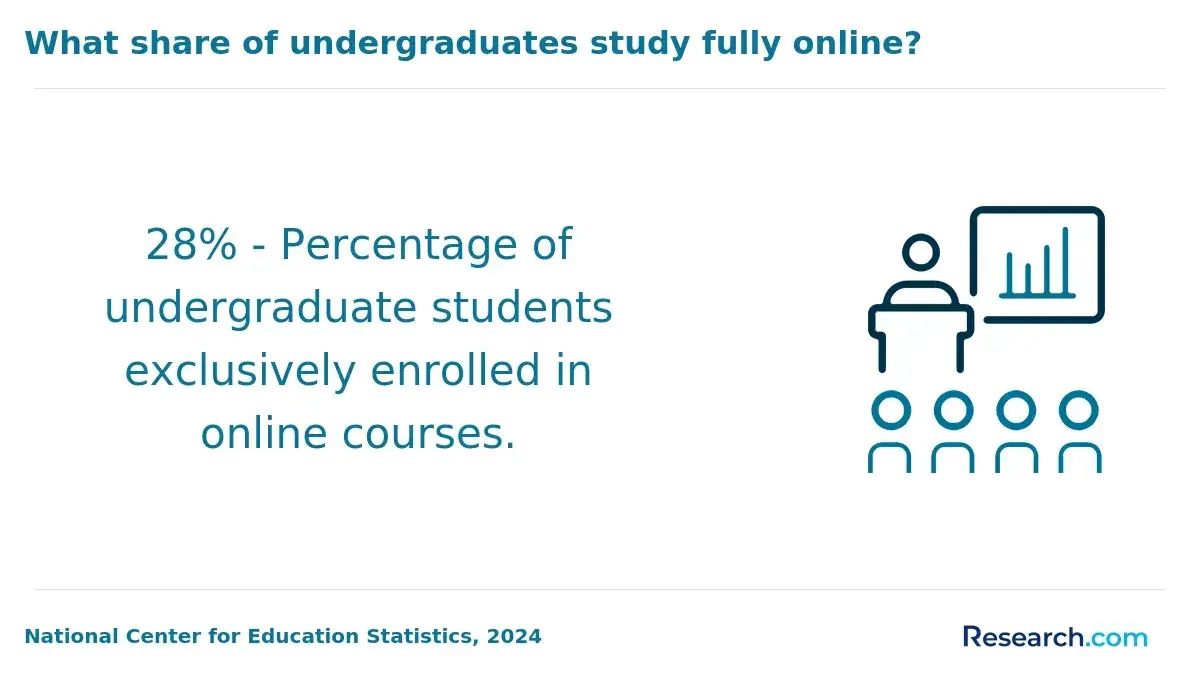
Online healthcare administration programs can be a strong option for working adults, caregivers, military learners, and students who do not live near a campus with the right healthcare management program. Campus-based programs may be better for students who want in-person networking, structured routines, graduate assistantships, or direct access to local hospital partnerships.
Format matters most when it affects support, internships, faculty access, and employer connections. For example, students interested in health information careers should check whether a CAHIIM accredited health information management degree online aligns more closely with their goals than a general healthcare administration program.
The table below compares online and campus-based formats across decision factors that affect student success, not just convenience.
| Factor | Online program | Campus-based program | Best choice when |
| Schedule flexibility | Often better for working students, especially asynchronous programs | More fixed class times and commuting requirements | Choose online if work or family obligations are significant |
| Networking | Can be strong if the program offers live sessions, alumni events, and employer partnerships | Often easier through in-person events and local healthcare relationships | Choose campus if you value face-to-face networking |
| Internships and practicums | May require students to find approved local sites | May have established regional placement relationships | Choose the format with clearer placement support |
| Learning style | Requires self-direction, time management, and comfort with digital tools | Provides more physical structure and immediate classroom interaction | Choose based on how you actually learn, not just convenience |
| Employer perception | Usually acceptable when the institution is accredited and reputable | May carry local recognition in regional healthcare markets | Choose the stronger program brand and outcomes evidence |
Online does not automatically mean easier or lower quality. The red flag is not the delivery format; it is weak accreditation, limited faculty access, unclear practicum policies, poor student support, or vague career outcomes.
What are the admission requirements for healthcare administration degree programs?
Admission requirements vary by school and degree level. Associate and bachelor's programs often focus on prior transcripts and general education readiness, while graduate programs may evaluate professional experience, essays, recommendations, and quantitative preparation.
The table below shows common requirements by program level. Always confirm details with the specific school because transfer policies, GPA thresholds, and test requirements can change.
| Program level | Common admission requirements | What applicants should prepare |
| Associate degree | High school diploma or equivalent, placement testing or prior college credits | Transcripts, basic math and writing readiness, financial aid documents |
| Bachelor's degree | High school diploma or transfer credits, minimum GPA, application essay at some schools | Transcripts, transfer-credit evaluation, prerequisite planning |
| Master's degree | Bachelor's degree, GPA requirement, resume, statement of purpose, recommendations | Career goals, leadership examples, quantitative readiness, healthcare exposure |
| Graduate certificate | Bachelor's degree or current enrollment in a graduate program | Clear reason for the certificate and how it supports current work |
| Doctoral program | Master's degree often preferred, professional experience, writing sample or research interest | Defined leadership, policy, teaching, or applied research goals |
To strengthen an application, especially for competitive graduate programs, focus on evidence that you understand healthcare operations. Helpful preparation may include the following steps:
- Gain exposure through healthcare employment, volunteering, internships, shadowing, or administrative support roles.
- Take prerequisite or refresher courses in statistics, accounting, economics, or management if your background is not business-related.
- Use your statement of purpose to connect your experience with a specific healthcare leadership problem you want to solve.
- Ask recommenders who can comment on reliability, communication, leadership potential, and analytical judgment.
- Request an official transfer-credit review before enrolling so you know your real timeline and cost.
A common mistake is applying only to the fastest or easiest program without checking whether its admissions standards, student support, and career services match your goals. Selectivity is not everything, but an unusually vague admissions process can be a warning sign.
How long does it take to complete a healthcare administration degree and what does it cost?
Completion time depends on degree level, transfer credits, enrollment intensity, and whether the program uses traditional semesters or accelerated terms. Cost depends on tuition, fees, books, technology charges, transportation, lost work time, and whether you qualify for financial aid or employer tuition assistance.
College Board's 2024 pricing data reported average published tuition and fees of $4,050 for in-district public two-year colleges, $11,610 for in-state public four-year institutions, and $43,350 for private nonprofit four-year institutions for the 2024-25 academic year. These are broad averages, but they show why comparing total program cost matters more than looking only at the advertised per-credit price.
The table below summarizes typical timelines and cost considerations. Use it as a planning tool, not as a substitute for a school-specific financial aid estimate.
| Credential | Typical full-time length | Common cost drivers | Ways to improve value |
| Associate degree | About 2 years | Local tuition, fees, books, online course charges | Use community college transfer pathways and avoid excess credits |
| Bachelor's degree | About 4 years, less with transfer credit | Institution type, residency status, room and board, program fees | Maximize transfer credits and compare in-state public options |
| Master's degree | About 1.5 to 3 years | Graduate tuition, practicum requirements, travel, reduced work hours | Seek employer tuition support and programs with strong career placement |
| Graduate certificate | Several months to 1 year | Per-credit tuition and whether credits stack into a degree | Choose certificates that can later apply toward a master's program |
| Doctoral degree | About 3 to 6 years | Dissertation or applied project fees, research requirements, time away from work | Enroll only when the credential supports a specific advanced goal |
Before enrolling, calculate cost in a practical sequence. This helps prevent the common mistake of choosing the lowest tuition rate but paying more overall because of poor transfer policies or delayed graduation.
- Request a written total cost estimate, including tuition, fees, books, technology charges, and residency-related costs.
- Ask how many credits will transfer and whether they apply to major requirements or only electives.
- Compare full-time and part-time scenarios, including how each affects work income and financial aid eligibility.
- Check whether employer tuition assistance, military benefits, scholarships, or grants can reduce out-of-pocket cost.
- Estimate likely career-stage outcomes conservatively instead of assuming immediate access to senior management pay.
Accelerated programs can be worthwhile for students with strong time management and transfer credits. They can be risky for students balancing heavy work schedules, caregiving, or limited academic support, because faster pacing can reduce time for internships and networking.
How can you choose an accredited and reputable healthcare administration program?
Accreditation should be one of your first checks. At a minimum, the institution should hold recognized institutional accreditation. For graduate healthcare management programs, Commission on Accreditation of Healthcare Management Education accreditation can be a strong quality signal, especially for students seeking administrative fellowships or competitive leadership pathways.
Program reputation is also field-specific. A school can be legitimate but still not be the best fit if it lacks healthcare employer relationships, applied projects, advising, or clear career support. The same principle applies when comparing programs in other management fields; a student considering a healthcare track should not choose a construction management online degree unless their real goal is operations leadership in building, infrastructure, or facilities rather than healthcare delivery.
The table below lists quality signals and red flags to review before committing. It can help you move beyond rankings and focus on evidence that affects student outcomes.
| What to check | Positive signal | Red flag |
| Institutional accreditation | Recognized accreditation listed by the school and verifiable through official databases | Vague claims, unrecognized accreditor names, or pressure to enroll before verification |
| Healthcare-specific curriculum | Courses in healthcare finance, law, quality, informatics, policy, and operations | Generic business curriculum with only one or two healthcare electives |
| Applied experience | Internships, practicums, capstones, fellowships, or employer-based projects | No clear way to gain practical healthcare administration experience |
| Faculty background | Faculty with healthcare leadership, policy, finance, informatics, or research experience | Little evidence that instructors understand current healthcare systems |
| Career support | Healthcare employer partnerships, alumni connections, resume support, and placement guidance | Only generic job boards or vague employment promises |
| Transparency | Clear tuition, fees, transfer policies, graduation requirements, and student support services | Hidden fees, unclear credit transfer, or high-pressure admissions tactics |
Before you apply, ask admissions advisors specific questions. Strong schools should be able to answer clearly and provide written documentation when needed.
- Is the institution accredited, and is the healthcare administration program accredited or aligned with any field-specific standards?
- What healthcare organizations have hosted internships, practicums, capstones, or alumni hires?
- How many transfer credits will count toward the major, not just the total degree?
- What career services are available specifically for healthcare administration students?
- Are online students eligible for the same advising, networking, and internship support as campus students?
- What are the total estimated costs through graduation, including fees and required materials?
Do not rely only on rankings, ads, or the speed of completion. The better program is the one that fits your career goal, budget, schedule, support needs, and local or national healthcare job market.
Are licenses or certifications required for healthcare administration careers, and how do you qualify?
Most healthcare administration jobs do not require a universal license, but some roles do. The clearest example is nursing home administration, where states typically require licensure, supervised experience, and an exam. Requirements vary by state, so students interested in long-term care leadership should check the licensing board where they plan to work before choosing a program.
Certifications are different from licenses. They are usually voluntary credentials offered by professional organizations, but they can help demonstrate expertise in areas such as health information management, medical practice management, revenue cycle, compliance, or quality improvement. They may be especially useful when you are trying to stand out for a specialized role.
The table below explains common credential categories. It is not a substitute for state board or certifying-body rules, but it can help you identify which credential path fits your target job.
| Credential type | Who may need it | Purpose | Important caution |
| Nursing home administrator license | Administrators of licensed nursing care facilities | Meets state legal requirements for facility leadership | Rules vary by state and may include exams, supervised training, and continuing education |
| Health information management certification | Professionals managing records, coding systems, data quality, or privacy | Shows competence in health data and information governance | Often tied to specific education pathways and exam eligibility rules |
| Medical practice management certification | Clinic managers and physician practice administrators | Validates knowledge of operations, billing, compliance, and practice leadership | Work experience may matter as much as coursework |
| Revenue cycle or billing certification | Billing, coding, claims, and reimbursement professionals | Supports roles involving insurance payment, denials, and financial workflow | Choose based on the exact job function, not the credential name alone |
| Quality or process improvement certification | Quality coordinators, operations analysts, and improvement specialists | Demonstrates process improvement and performance measurement skills | Most valuable when paired with real project experience |
If your real interest is direct diagnosis, prescribing, or patient treatment, healthcare administration may not meet your goal. For example, students exploring clinical advanced practice roles may compare administrative degrees with accelerated PMHNP programs, which follow a different licensure-based path for nurses pursuing psychiatric-mental health nurse practitioner practice.
To choose the right credential path, start with the job title you want and work backward. Review job postings, state licensure rules, employer preferences, required experience, and whether the credential is recognized in your region or specialty.
Other Things You Should Know About Healthcare Administration
It can be. Administrators often manage budgets, staffing shortages, compliance issues, patient complaints, and operational disruptions. The work may be rewarding for people who like problem-solving and leadership, but it is not a low-pressure office career.
Some roles offer remote or hybrid work, especially in revenue cycle, analytics, compliance, health information, project management, and payer operations. Jobs tied to facility leadership, staff supervision, or patient flow are more likely to require on-site work.
In 2027, a Healthcare Administration degree opens doors to roles such as hospital management, health policy advising, and healthcare consulting, none of which require clinical experience. The focus is on leadership, strategic planning, and the efficient management of healthcare operations.
Strong fits include organized communicators, analytical thinkers, ethical decision-makers, calm problem-solvers, and people who can work with both data and teams. If you dislike policy, budgets, documentation, or conflict management, the field may feel frustrating.
References
- Is a Healthcare Administration Degree Worth It? Jobs & Career Outlook https://www.cw.edu/news/is-a-healthcare-administration-degree-worth-it-jobs-growth-outlook/
- Why Choose an Accredited Healthcare Administration Program? - Healthcare Administration Degree Programs https://www.healthcare-administration-degree.net/why-choose-an-accredited-healthcare-administration-program/
- Healthcare Administration Degree https://slchc.edu/healthcare-administrator/healthcare-administration-degree/
- How to Become a Healthcare Administrator https://www.publichealthdegrees.org/careers/healthcare-administrator/
- Healthcare Administration Associate vs Bachelor’s Degree https://campus.edu/blog/healthcare/healthcare-administration-associate-vs-bachelors-degree
- Health Care Administration Management https://www.fanshawec.ca/programs/hct1b-health-care-administration-management/next
- Careers and Salaries in Healthcare Administration https://info.trevecca.edu/healthcare-administration/careers-and-salaries
- Bachelors in Health Administration | HealthAdministrationDegrees.com https://www.healthadministrationdegrees.com/programs/bachelors-in-health-administration/
- 10 careers you can pursue with a Healthcare Administration Degree - SMWC https://www.smwc.edu/10-careers-you-can-pursue-with-a-healthcare-administration-degree-blog-december-22/
- The Best Certifications for Healthcare Administrators | 2025-26 Guide https://masterspublichealth.com/healthcare-administrator-certifications/