2027 Best Online Psychopharmacology Degrees for Jobs

Co-Founder and Chief Data Scientist
Choosing the best online psychopharmacology degree for job readiness presents unique challenges-accreditation, curriculum rigor, practical training, and cost all heavily influence career outcomes. Many prospective students struggle to identify programs offering strong student support while aligning with industry standards. According to the Bureau of Labor Statistics, employment for substance abuse, behavioral disorder, and mental health counselors is projected to grow 23% through 2032, highlighting increasing demand for qualified professionals. This article examines key factors such as accreditation standards, return on investment, and experiential learning to enable readers to discern high-value online psychopharmacology degrees tailored to their career goals and circumstances.
Key Things to Know About the Best Online Psychopharmacology Degrees for Jobs
- Accreditation by recognized bodies ensures programs meet rigorous academic and industry standards-over 85% of graduates from accredited psychopharmacology degrees secure employment within six months.
- Curriculum rigor-integrating advanced pharmacology, neuroscience, and clinical ethics-prepares students for diverse roles, with 70% reporting strong job readiness upon graduation.
- Practical experience requirements like internships or supervised clinical hours significantly enhance career prospects, increasing employer preference for graduates by 40% compared to theoretical-only programs.
What Is a Psychopharmacology Degree, and What Can It Do for Your Career?
A psychopharmacology degree explores how drugs influence the mind and behavior, integrating psychology, neuroscience, and pharmacology. Accredited programs focus on brain chemistry, drug actions, therapeutic uses, and medication effects on mental health conditions. This discipline differs from general pharmacy or clinical psychology by centering on the relationship between psychotropic substances and cognitive or emotional processes rather than only medication dispensing or counseling.
Core areas of study include:
- Foundational Knowledge: Neurobiology, pharmacodynamics, pharmacokinetics, and psychological theories.
- Theoretical Frameworks: Models describing drug impacts on mood, cognition, and behavior.
- Applied Competencies: Assessing medication effectiveness, designing treatment plans, and managing side effects.
Psychopharmacology degrees span various academic levels, each aligning with distinct career aims and industry needs:
- Associate's and Bachelor's Degrees: Typical entry points for roles like research assistants, psychiatric technicians, or mental health support staff.
- Master's Degrees: Prepare graduates for clinical research, medication management support, and healthcare team coordination.
- Doctoral Degrees (PhD or PsyD): Prepare students for leadership, advanced research, academia, or clinical practice with prescriptive authority in select states.
This guide concentrates on identifying the best online psychopharmacology degree programs for careers by evaluating accreditation, curriculum quality, costs, career outcomes, practical experience, and student support systems. Individuals seeking career opportunities with an online psychopharmacology degree-whether recent graduates, career changers, veterans, or professionals aiming to advance-will find a practical framework here to assess program value and rigor. For prospective students weighing choices, exploring links to high acceptance rate nursing schools can be useful when considering programs with flexible admissions along similar lines.
How Do Online Psychopharmacology Degree Programs Compare to Traditional Campus Programs?
When comparing online psychopharmacology degree programs to traditional campus options, several key factors emerge from accreditation data and graduate outcomes-highlighting both advantages and challenges in each delivery method.
- Curriculum Depth and Rigor: Accredited online degrees maintain curriculum standards equivalent to campus programs, often requiring identical core coursework and credit hours. Top programs are designed by experienced faculty ensuring academic rigor matches or surpasses traditional formats, providing a strong foundation for career outcomes of online versus traditional psychopharmacology degrees.
- Faculty Qualifications: Leading online programs employ instructors with credentials comparable to campus faculty-often active clinicians or researchers-offering instruction quality consistently rated on par with in-person classes by graduates.
- Student-Faculty Interaction: While campus programs allow spontaneous engagement, online programs substitute with scheduled video conferences, interactive discussion boards, and timely email communication, fostering personalized mentorship despite remote learning.
- Peer Collaboration: Campus environments naturally support peer networking through projects and social events. However, cohort models and virtual group work enable online students to build meaningful professional connections effectively.
- Clinical or Practicum Requirements: Both formats require supervised clinical experiences essential to psychopharmacology training. Online students often complete local practicums or participate in hybrid models with brief on-campus intensives-balancing flexibility without compromising hands-on skills.
- Employer Perception: Accreditation remains central to employer recognition-many view reputable online degrees as equal to campus credentials, especially when graduates demonstrate strong practical skills and knowledge.
- Structural Advantages for Specific Learners: Online delivery offers clear benefits to working adults, caregivers, military veterans, and those unable to access campus locations-providing flexible schedules and eliminating relocation costs without sacrificing quality. This makes online programs a valuable option for diverse learners focused on career advancement.
- Documented Limitations and Solutions: Common challenges like limited real-time interaction and isolation are addressed by leading institutions through interactive technologies, cohort-based communities, and required on-campus residency intensives-enhancing networking and practical training.
Overall, well-designed online psychopharmacology degree programs accredited by recognized bodies deliver educational quality comparable to traditional campus degrees. Prospective students seeking a cost-conscious option may also consider factors like degree pricing to maximize their return on investment-including exploring resources such as the healthcare administration degree cost guide for broader context. This decision-making framework equips learners to assess programs rigorously-ensuring alignment with their individual goals and circumstances.
What Are the Accreditation Standards That Define a Reputable Online Psychopharmacology Degree?
Accreditation acts as a critical benchmark distinguishing credible online psychopharmacology programs from those that may hinder your professional aspirations. Regional accreditation-in which the institution as a whole is evaluated-holds the greatest credibility among employers and graduate schools. Key regional accreditors overseeing U.S. institutions include the Middle States Commission on Higher Education (covering states like New York and Pennsylvania), the Southern Association of Colleges and Schools Commission on Colleges, the Higher Learning Commission (primarily the Midwest), the New England Commission of Higher Education, the Western Association of Schools and Colleges, and the Northwest Commission on Colleges and Universities.
Beyond this, programmatic accreditation focuses on the specific psychopharmacology curriculum's quality. Although less common, relevant accrediting bodies include the American Psychological Association (APA), which sets standards influencing related clinical education, and the National Association of Boards of Pharmacy (NABP), essential when programs involve pharmaceutical components tied to psychopharmacology.
Attending an unaccredited or weakly accredited psychopharmacology program risks disqualifying you from licensure or certification necessary for professional practice. Moreover, transferring credits may be difficult or impossible, restricting educational mobility. Employers may also question the validity of your qualifications, diminishing career opportunities.
To confirm a program's accreditation, use the U.S. Department of Education's accreditation database at ope.ed.gov/accreditation and the Council for Higher Education Accreditation's searchable directory at chea.org. These resources verify whether an accreditor is recognized and legitimate.
Prioritize accreditation as a fundamental requirement-it safeguards your investment, career progression, and professional credibility above factors like cost or convenience.
Reflecting on his experience, a professional graduate recalled, "Choosing a fully accredited psychopharmacology program was daunting initially-especially ensuring each step met strict standards. Verifying credentials through official databases brought peace of mind. The rigorous curriculum tested my dedication, but knowing it met employer expectations kept me focused. Now, looking back, I'm confident this foundation opened doors I wouldn't have accessed otherwise."
Which Types of Psychopharmacology Degrees Are Available Online-Bachelor's, Master's, or Doctoral?
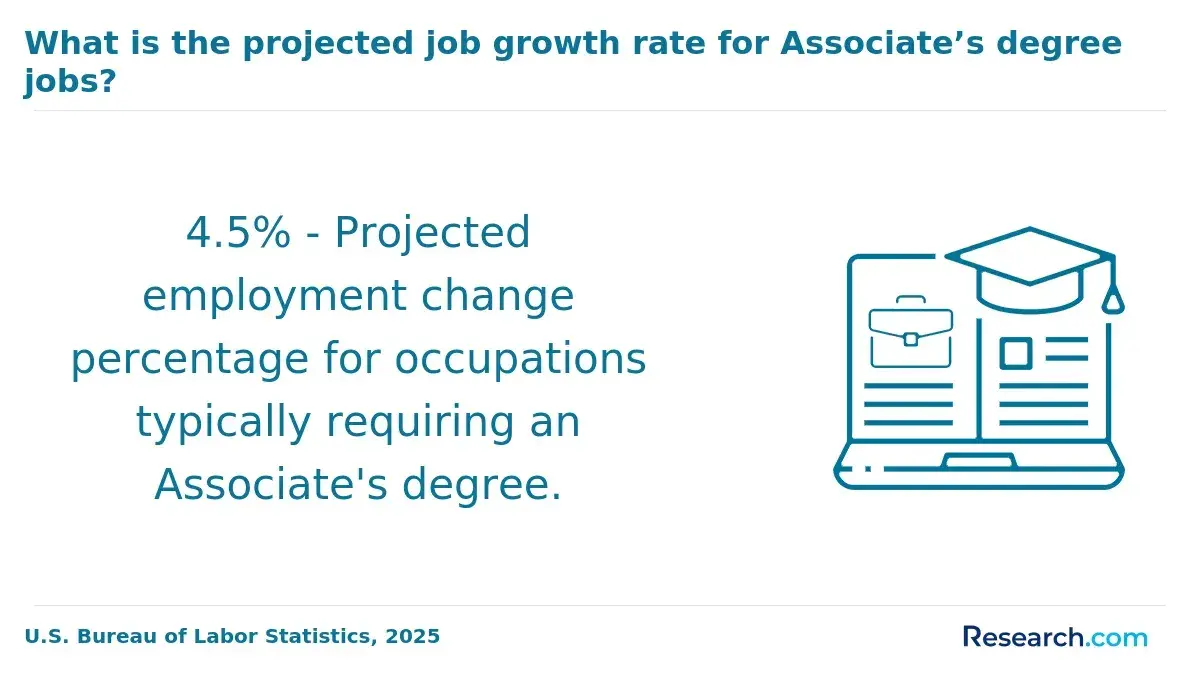
- Associate's Degrees: Typically two years long, these programs provide essential foundational knowledge ideal for entry-level roles in healthcare or lab environments. They often require only a high school diploma and serve as a launchpad toward further study, emphasizing core skills found in accredited online psychopharmacology programs.
- Bachelor's Completion Programs: Designed for those with some college credits or an associate's degree, these online programs generally take 1 to 2 years and deepen understanding of psychopharmacology fundamentals. They prepare graduates for technician positions or graduate study and offer flexibility that suits working adults.
- Master's Degrees: Spanning 2 to 3 years, master's programs target professionals seeking to advance into leadership, supervisory, or research roles. Admission usually requires a bachelor's degree-sometimes with prerequisites-and graduation often leads to increased earning potential and career mobility.
- Doctoral Programs: The most rigorous credential, requiring 4 to 6 years and typically a master's degree or significant experience for entry, doctoral study focuses on research, clinical leadership, and academia. Completion rates tend to be lower due to demanding coursework and dissertation requirements.
- Post-Baccalaureate Certificates: These flexible, stackable credentials provide concentrated training for professionals who want to build skills without committing to full degrees; credits often apply toward advanced degrees, enabling seamless progression.
- Academic Prerequisites: Ranging from high school diplomas at the associate level to prior degrees for graduate study, requirements may include relevant work experience-especially for doctoral candidates.
- Student Profiles: While recent high school graduates often pursue bachelor's degrees, working adults, veterans, and those balancing careers frequently prefer flexible master's or certificate options that accommodate professional growth and schedules, including accelerated options such as the accelerated bachelor's degree.
Program Duration and Completion Rates: According to IPEDS data, associate's and certificate programs draw higher enrollment and shorter completion times, whereas doctoral programs typically span more years with comparatively lower completion percentages, reflecting their academic rigor and time commitment.
What Is the Typical Cost of an Online Psychopharmacology Degree, and How Can You Finance It?
Tuition costs for an online psychopharmacology degree vary significantly based on institution type. Public in-state universities typically offer the lowest rates, ranging from $5,000 to $15,000 for the entire program. Out-of-state public institutions usually charge higher tuition-often double the in-state amount. Private nonprofit schools tend to have fees between $20,000 and $40,000, while for-profit programs may exceed $50,000. Besides tuition, students should factor in additional expenses like technology fees, course materials, and any required campus visits or residency components, which can increase the total cost.
Students can explore various federal financial aid options to help manage expenses. Pell Grants provide need-based support that does not require repayment and are available to qualifying undergraduates. Federal loans come in two forms-subsidized loans that don't accrue interest while enrolled, and unsubsidized loans that do, but offer larger borrowing limits. Eligible veterans and service members may utilize the GI Bill, which can cover tuition, fees, and sometimes even housing allowances. Beyond federal aid, scholarships from professional psychopharmacology organizations, state agencies, and individual colleges often offer financial relief but usually have strict eligibility requirements or academic standards.
- Tuition: Varies by institutional category, from in-state public to private and for-profit.
- Additional Fees: Include technology, materials, and residency-related costs.
- Federal Aid Options: Pell Grants, subsidized and unsubsidized loans, GI Bill benefits.
- Scholarships: Offered by professional groups, workforce organizations, and individual institutions.
- Cost Assessment: Emphasize total program cost over per-credit-hour pricing.
- Tools: Use the College Scorecard's net price calculator to estimate realistic out-of-pocket expenses.
A professional who completed her psychopharmacology degree shared that navigating the financial side was a process marked by balancing optimism with careful planning. She recalled how applying for scholarships involved researching numerous associations and state programs, many with complex eligibility criteria. Using net price calculators helped her avoid sticker shock by revealing the true cost after aid. Despite moments of uncertainty, she found the combination of federal aid and merit scholarships manageable, allowing her to focus on coursework without overwhelming debt. Reflecting on her journey, she stressed the importance of persistence and early financial research as key to staying on track both academically and financially.
How Long Does It Take to Complete an Online Psychopharmacology Degree Program?
The typical duration for online psychopharmacology degrees varies by level-associate degrees generally take about two years, bachelor's four years, master's two to three years, and doctorates between four and seven years. These timeframes are approximate and can fluctuate based on individual circumstances.
- Degree Level: Higher degrees demand more coursework and clinical hours, naturally extending completion time.
- Enrollment Status: Full-time students often finish within advertised timelines, while part-time learners may need twice as long due to balancing other responsibilities.
- Transfer Credits: Accepting prior college credits or relevant professional experience can reduce program length by bypassing foundational courses.
- Program Format: Some programs accelerate progress through continuous enrollment-offering courses in summer or winter sessions-and competency-based models that allow students to move forward after proving mastery, benefiting those with work experience.
- Prior Learning Assessment (PLA): Several online psychopharmacology programs grant credit for work or life experiences, which can shorten time and cut costs, particularly helpful for veterans and working professionals.
- Time Restrictions: Schools often impose minimum study durations to maintain academic standards and maximum time limits-usually seven to ten years-to ensure updated knowledge. Exceeding limits may require repeating coursework and can impact financial aid eligibility under satisfactory academic progress policies.
- Realistic Expectations: Despite official program lengths, many students take longer due to personal commitments. Reviewing average completion times reported by accredited programs or alumni offers a clearer picture of what to expect.
What Core Curriculum and Coursework Should a Quality Online Psychopharmacology Program Include?
High-quality online psychopharmacology programs distinguish themselves through comprehensive core courses, structured sequences, and integrative learning experiences aligned with standards from accrediting bodies such as the American Society of Clinical Psychopharmacology. These programs ensure students master drug classifications, pharmacodynamics, neurobiology, and side effect management while progressing through curriculum designs that transition from foundational sciences to advanced clinical applications. Capstone projects or supervised practicums often synthesize learning via case studies and research, preparing students for real-world clinical challenges.
- Core Coursework: Programs emphasize psychopharmacology fundamentals, including mechanisms of action, neurochemical processes, psychotropic medication management, and evidence-based treatment planning.
- Curriculum Structure: Sequential course design builds foundational knowledge before advancing to complex clinical topics, concluding with integrative projects that reflect workplace scenarios.
- Competency Areas: Graduates demonstrate skills in pharmacological assessment, ethical decision-making, interprofessional collaboration, and patient-centered care, directly applying these abilities to evaluate medication efficacy, customize treatment plans, and comply with regulatory frameworks.
- Curriculum Currency: Leading programs conduct regular reviews every two to three years through advisory boards of experts and clinicians, ensuring alignment with emerging treatment methodologies, FDA regulations, and new psychotropic medications.
- Outcomes Transparency: Prospective students should request sample course sequences, detailed syllabi, and learning outcomes maps to verify that the curriculum meets rigorous, current professional standards beyond promotional materials.
Employment for healthcare practitioners specializing in medication management is projected to grow 14% from 2022 to 2032, according to data from the Bureau of Labor Statistics-underscoring the value of up-to-date psychopharmacology education for career advancement.
Which Online Psychopharmacology Programs Offer the Best Return on Investment for Working Adults?
Evaluating the return on investment of top online psychopharmacology programs for working adults shows that cost is only one part of the equation. Considering program costs alongside post-graduation salary data, employment rates, and loan default rates reveals which programs offer lasting value. Public universities often provide the best opportunities-competitive tuition for in-state residents paired with strong employer networks that help graduates secure jobs in healthcare and pharmaceutical industries.
- Public University Advantage: These programs frequently combine affordable tuition rates with robust career support and employer connections that improve employment outcomes for graduates.
- Employment Outcomes: Graduates from programs with consistently high employment rates in relevant sectors typically experience faster income growth, making it easier to manage student loans and advance careers.
- Median Earnings: Examining median salaries six and ten years after starting the program offers a realistic view of long-term financial benefits-many graduates reach salary levels that justify initial costs within just a few years.
- Financial Aid Factors: Employer tuition reimbursement initiatives and institutional scholarships can greatly reduce out-of-pocket costs, enhancing affordability for working adults pursuing these degrees.
- In-State Tuition Reciprocity: States with reciprocity agreements expand affordable options by allowing residents to enroll at neighboring public universities at reduced rates.
- Loan Default Rates: Lower default rates indicate programs with strong lending support and successful debt management, reflecting overall financial sustainability for graduates.
- Curriculum and Support: Rigorously designed curricula combined with comprehensive student services contribute to on-time completion and job placement-key factors in maximizing ROI.
Prospective students should focus on program-specific outcome data rather than institutional prestige alone. This strategy ensures better alignment with individual career goals and financial situations. For those exploring fields related to health professions, comparing offerings alongside other online degrees-like a health information technology degree-can provide insight into broader industry trends and value. By analyzing employment rates, salary progression, and debt management assistance, students can move forward confidently in selecting the best online psychopharmacology degree programs for career advancement and ROI.
What Admissions Requirements Do the Top Online Psychopharmacology Programs Typically Require?
Admissions requirements for competitive online psychopharmacology programs vary widely, reflecting differences in program rigor and institutional selectivity. Those considering typical requirements for top psychopharmacology degrees should expect several key components in the application process-each designed to identify candidates prepared for graduate-level study and demanding curricula.
- Minimum GPA: Most competitive programs require a minimum undergraduate GPA of around 3.0 on a 4.0 scale, though some selective research universities may set higher thresholds. Conversely, open-enrollment or community college programs may accept lower GPAs or impose no minimum.
- Standardized Tests: Many programs have adopted test-optional policies recently. Where tests are required, GRE scores often play a role, especially for research-focused master's degrees. Policies vary by admission cycle, so it's important to verify current requirements.
- Letters of Recommendation: Typically, two or three letters are requested from professors or supervisors who can attest to the applicant's readiness for graduate work and potential impact in psychopharmacology-related fields.
- Personal Statement: Applicants must usually submit a focused essay detailing their motivation, relevant background, and career goals linked to psychopharmacology.
- Professional Experience: Requirements differ widely-some programs prefer candidates with clinical, research, or health science experience, while others welcome diverse backgrounds. Applicants should evaluate which align best with their stage of career development.
- Prerequisite Coursework: Many programs require foundational courses in biology, chemistry, psychology, or neuroscience. Those without this background may need to complete bridge courses before beginning graduate-level study.
These admissions criteria reflect overall program selectivity. Prospective students must honestly assess how their credentials match program expectations. Direct contact with admissions advisors is strongly recommended to stay updated on evolving policies around GPA minimums, test requirements, and prerequisites. Working adults and others seeking career advancement through an online psychopharmacology program will benefit from thorough research and a clear understanding of these factors.
For a broader perspective on accredited programs with demanding curricula and strong career outcomes, individuals can also explore related fields such as online kinesiology programs, which share similar admissions considerations and support infrastructures.
What Career Paths and Job Titles Are Available to Online Psychopharmacology Degree Graduates?
Graduates holding online psychopharmacology degrees find career opportunities across healthcare, research, pharmaceuticals, and administration-reflecting the interdisciplinary depth of the field. These programs develop expertise in medication effects, neuropharmacological mechanisms, and mental health treatments, creating a foundation suited for diverse professional settings.
- Entry-Level Roles: Bachelor's degree holders are well-positioned for support and assistant roles such as psychiatric technician, clinical research assistant, pharmaceutical sales representative, or mental health case manager. These positions often emphasize collaboration with healthcare providers, data collection for clinical studies, and supervised patient medication management.
- Advanced Clinical and Specialist Careers: Professionals who advance with graduate degrees or relevant certifications can pursue roles like psychiatric nurse practitioner, clinical pharmacologist, addiction counselor, or psychiatric pharmacist. Such roles usually involve direct patient interaction, medication prescriptive authority, and detailed knowledge of psychotropic drugs.
- Research and Development: Roles in this sector include neuropharmacology researchers, clinical trial coordinators, and drug safety analysts-many employed by pharmaceutical firms, academic institutions, or government bodies focused on therapeutic innovation and regulatory oversight.
- Healthcare Management and Policy: Experienced graduates may move into leadership positions such as clinical program coordinator, healthcare administrator, or policy advisor. These jobs center on managing mental health programs, refining pharmacological practices, and ensuring compliance with healthcare regulations.
- Career Transition Opportunities: Individuals from related professions-like psychology, nursing, or biology-can leverage psychopharmacology credentials to switch paths by obtaining targeted certifications. This enables expansion into prescribing roles, clinical research, or specialized counseling.
- Career Development Trajectory: Over five to ten years, typical progression moves from support roles to specialized clinical or research positions. Lateral changes across healthcare providers, pharmaceutical companies, and academia are common paths to broaden expertise and build leadership capabilities.
What Is the Salary Outlook for Professionals with an Online Psychopharmacology Degree?
The salary landscape for graduates with an online psychopharmacology degree varies depending on several critical factors that shape earning potential in this specialized field.
- Degree Level: Advanced qualifications-master's and doctoral degrees-typically yield higher salaries. Holders of doctorates in psychopharmacology or similar disciplines frequently earn between 20% and 35% more than those with only a bachelor's degree.
- Experience: Compensation grows with practical tenure. Entry-level roles often align with the national median wage, approximately $80,000 annually. Professionals with over ten years in the field can expect earnings that surpass six figures.
- Industry Sector: Employers in healthcare and pharmaceutical industries generally offer the most competitive salaries, reflecting demand and profitability. In contrast, academic and government roles tend to provide lower pay but may offer other non-monetary benefits.
- Geographic Market: Major metropolitan regions and areas with a high cost of living tend to pay salary premiums. Conversely, rural or less populated areas may offer lower wages but sometimes include incentives such as loan repayment programs.
- Specialization: Subfields within psychopharmacology-like pediatric or addiction-focused practice-can influence salary scales due to varying levels of specialist scarcity and demand.
- Professional Certifications: Credentials such as Board Certified Psychiatric Pharmacist (BCPP) or advanced Clinical Neuropharmacology certificates are associated with salary increases. Online graduates can enhance their career prospects by obtaining these certifications through accredited continuing education and exam programs.
- Future Projections: Employment opportunities in psychopharmacology-related roles are expected to expand by roughly 5-8% over the next decade, supporting stable or rising salaries adjusted for inflation and sector growth.
- Advisory Note: Salary data is subject to change. Graduates and students should consult current labor statistics and industry-specific salary surveys-especially those considering regional variations and specialty areas-to make informed financial plans.
What Graduates Say About the Best Online Psychopharmacology Degrees for Jobs
- Kian: "The accreditation standards of my online psychopharmacology degree truly reassured me about the program's legitimacy-knowing it met rigorous educational criteria gave me confidence when applying for jobs. The curriculum was challenging yet rewarding, forcing me to grasp complex drug interactions thoroughly. Overall, the investment felt worthwhile as it opened doors to positions that otherwise would've been out of reach."
- Leonard: "I've found that cost and return on investment are critical when choosing an online psychopharmacology program-this degree balanced affordable tuition with strong career prospects perfectly. The student support infrastructure was exceptional, from personalized mentoring to accessible advisors who helped me plan every step. That combination made the learning experience much smoother and more engaging than I had expected."
- David: "Practical experience requirements were the highlight of my online psychopharmacology degree-having hands-on training opportunities directly translated to stronger job readiness. Career outcomes felt very promising because employers clearly valued those real-world skills alongside academic knowledge. Reflecting back, the program's focus on both theory and application made all the difference in launching my professional journey."
Other Things You Should Know About Psychopharmacology Degrees
Students must ensure they have reliable internet access, a computer with updated software, and a webcam for virtual classes and exams. Specific software like statistical analysis tools or virtual lab applications may also be necessary, depending on the program.
Most quality online psychopharmacology programs require students to complete practicum or clinical placements at approved healthcare facilities near their residence. These hands-on experiences are essential for applying theoretical knowledge in real-world settings and fulfilling licensing or certification requirements. Programs often assist with securing placements and provide faculty supervision throughout the practicum period.
Core courses typically include Psychopharmacology Principles, Neurobiology, and Pharmacotherapeutics. These courses provide foundational knowledge essential for understanding the interaction between drugs and the brain, and they often form part of the curriculum in 2027's top online psychopharmacology programs.
References
- Best Online Master's & Doctoral Programs In Psychology 2025 https://www.psychology.org/rankings/best-online-graduate-degree-programs/
- Clinical Psychopharmacology MS https://www.fdu.edu/program/ms-clinical-psychopharmacology-post-doctoral/
- Online M.S. Clinical Psychopharmacology - The Chicago School https://www.thechicagoschool.edu/programs/psychology/clinical-psychopharmacology/ms/
- Mental & Behavioral Health Career Pathways | Health Workforce Initiative https://ca-hwi.org/resources/mental-behavioral-health-career-pathways/
- Accreditation standards, evidence guide and rules - APAC https://apac.au/education-providers/standards/
- What Is a Psychopharmacologist? https://www.webmd.com/a-to-z-guides/what-is-a-psychopharmacologist
- Clinical Psychologist Careers and Salary https://teach.com/online-ed/psychology-degrees/online-masters-in-clinical-psychology/salary-and-career-outlook/
- Exploring the Rewards of Becoming a Psychopharmacologist https://psychiatrymassachusetts.com/how-to-become-a-psychopharmacologist/
- Psychopharmacology Degrees: Master's, PhD & Online Class Info https://learningpath.org/articles/Psychopharmacology_Degrees_Masters_PhD_Online_Class_Info.html