2027 Cheapest Online Degrees at Florida Gulf Coast University

Co-Founder and Chief Data Scientist
Rising tuition costs and fluctuating fees make finding affordable online degree programs a complex challenge for many students. With remote learning now representing over 40% of undergraduate enrollments nationwide, choosing a cost-effective program without compromising quality is increasingly critical. Financial pressures can lead to disproportionate student debt loads, impacting post-graduation stability and career choices.
Florida Gulf Coast University offers a range of online degrees at relatively low tuition rates compared to many public universities. Evaluating these programs requires balancing price with practical outcomes, such as employability and skill relevance. This article will analyze FGCU's online degree offerings, their costs, and their value to help students make informed decisions about pursuing affordable higher education opportunities.
Key Points About the Cheapest Online Degrees at Florida Gulf Coast University
- The total tuition cost for online degrees at Florida Gulf Coast University is $28,032, reflecting a cost-efficient option for students weighing educational expenses against potential earnings in their chosen field.
- Available online programs target fields with practical application, such as business and health sciences, supporting students focused on aligning their education directly with relevant job market demands.
- Graduates demonstrate an earnings to debt ratio of 3.10x, indicating a relatively strong capacity to service student loan debt through income, which is essential for assessing long-term financial sustainability post-graduation.
Why is Florida Gulf Coast University emerging as a top choice for cost-effective online education?
Florida Gulf Coast University's emergence as a leader in cost-effective online education reflects its ability to deliver quantifiable financial outcomes alongside accessible learning pathways. For a working adult balancing job and family, paying over three times the student debt through post-graduation earnings provides tangible return on investment.
This economic reality matters more than sticker price when evaluating long-term affordability and career impact. Nationwide data states remote enrollment saturation exceeds 40%, driven by students seeking programs directly linked to employability, underscoring FGCU's strategic focus on workforce-relevant curricula that align with market demand.
Several core factors distinguish Florida Gulf Coast University as a premier destination for budget-conscious online learners. Consider these key reasons:
- Strong Earnings-to-Debt Ratio: Graduates earn 3.10 times their student debt, signaling efficient value delivery in financial terms. This ratio helps students avoid excessive long-term repayment burdens, a common concern for those financing education remotely.
- High Financial Aid Accessibility: With 79% of online students receiving aid averaging $6,238, FGCU significantly lowers net costs. This aid availability makes education more feasible for non-traditional and budget-sensitive learners.
- Focus on Practical Skills: Programs emphasize skills directly applicable in competitive job markets, ensuring that academics translate to employability. This approach benefits students prioritizing career advancement without extended education durations or unrelated coursework.
- Scalable Online Infrastructure: Serving over 16,000 remote students demonstrates FGCU's capacity to maintain quality and support at scale. Such infrastructure reduces resource strain, helping control tuition and fees for online degree seekers.
A recent online BSIT graduate shared how attending Florida Gulf Coast University helped avoid significant debt. She hesitated initially due to financial worries but found the combination of accessible aid and flexible online scheduling enabled her to work part-time while studying. "I managed to graduate with less than $5,000 in loans, which felt like a huge relief compared to my friends at other universities," she recalls. The practical career skills she gained also helped her secure a job shortly after graduation, confirming that the decision was financially and professionally sound.
What is the current base cost of online programs at Florida Gulf Coast University?
The base cost of online programs at Florida Gulf Coast University reflects a strategic balance between affordability and accessible education. The institution's total annual cost, including tuition and various expenses, reaches $28,032, but Federal Scorecard data suggest a lower total cost of attendance around $18,269 for in-state students living on campus. This discrepancy highlights the challenge of isolating base tuition from ancillary fees for clear cost comparisons.
Online tuition at Florida Gulf Coast University is charged per credit hour and remains stable due to recent tuition freezes. Compared to many public universities that have increased online tuition rates faster than on-campus costs, Florida Gulf Coast University's affordable online tuition rates at Florida Gulf Coast University represent a relative advantage when evaluating long-term financial impact.
Additional fees for online students, such as technology or course access charges, can add to expenses but generally stay modest. Such fees must be weighed carefully by prospective students as they assess the true affordability of distance education here versus other institutions with less transparent pricing.
For students seeking pathways to affordable credentials, programs like these offer meaningful options within broader higher education pricing disparities. Exploring easy degrees that pay well can provide useful context for evaluating whether Florida Gulf Coast University's online offerings align with career and budgetary goals.
Does Florida Gulf Coast University offer flat-rate tuition for out-of-state distance learners?
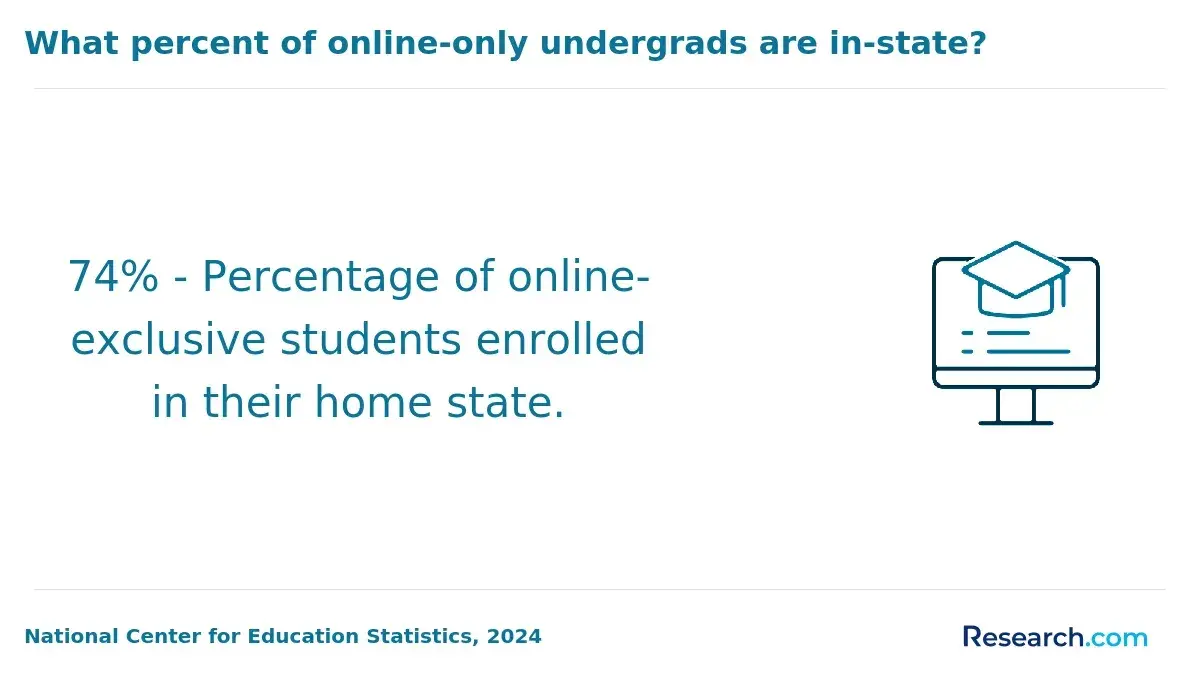
Out-of-state distance learners at Florida Gulf Coast University face an average tuition cost significantly higher than in-state rates, with total attendance expenses reflecting this disparity. For example, tuition for non-resident online students can exceed in-state costs by thousands annually, increasing the financial commitment required for the degree.
Unlike some institutions that offer regional flat-rate tuition or state-specific digital waivers to ease this burden, Florida Gulf Coast University maintains clear residency-based pricing tiers. This means out-of-state students rarely benefit from discounted online tuition unless their state has a specific reciprocal agreement, which is uncommon at FGCU.
Nationally, about 23% of public universities have introduced out-of-state digital tuition waivers to reduce geographic cost gaps, a trend FGCU has yet to adopt. This lack of flat-rate options places FGCU's out-of-state learners at a disadvantage compared to peers paying more uniform tuition regardless of residency.
For students prioritizing affordability and return on investment, these residency-driven cost differences can impact program choice and career trajectory, especially for online degrees where competitive pricing often guides decision-making in a broad, flexible market of alternatives.
Which online bachelor's degrees at Florida Gulf Coast University offer the lowest total tuition?
Florida Gulf Coast University offers economical online bachelor's degree programs designed to keep overall costs low while supporting flexible learning. Prospective students should consider programs that integrate affordable tuition with open educational resources to minimize additional expenses. Below are some of the most affordable online bachelor's degrees at Florida Gulf Coast University with their key cost-saving characteristics and instructional formats.
- Psychology: Tuition rates start as low as $120 per credit hour, making it one of the most budget-friendly options. The curriculum relies heavily on open-source digital materials, which reduces the need for costly textbooks. This program's fully online format allows students to balance work and study, lowering overall out-of-pocket investment.
- Business Administration: This program emphasizes practical skills relevant to steady job markets, helping justify its affordability with solid workforce pathways. Course materials utilize open educational resources, further cutting costs. Offered completely online, it suits students prioritizing a low total tuition while entering a competitive career field.
- Criminal Justice: Known for reasonably priced tuition and accessible digital content, Criminal Justice at Florida Gulf Coast University offers direct entry into sectors with ongoing growth. The online delivery format supports nontraditional learners aiming for cost-effective credentialing aligned with labor market demand.
- Environmental Studies: This degree provides affordable tuition combined with open-source curricular materials. Its flexible online design supports students looking to reduce expenses related to materials and travel. While niche, it offers long-term value for those interested in sustainability professions.
- Health Sciences: Health Sciences blends low per-credit tuition with digital educational resources, lowering the overall financial burden. The asynchronous online classes make it ideal for students balancing work or personal commitments, promoting an economical degree pathway in a stable job sector.
Tuition affordability at Florida Gulf Coast University is enhanced by the widespread use of open educational resources, significantly reducing costs beyond just tuition. Approximately 32% of all undergraduates nationwide now pursue degrees entirely online, reflecting a shift toward remote education that amplifies cost-saving benefits in programs like these. National data also shows a 15% higher average debt-to-income ratio for humanities graduates versus those from technical or professional fields, underscoring the importance of program choice when evaluating lower total tuition costs for online degrees at Florida Gulf Coast University.
When weighing options, students should match their financial commitment to labor market realities to avoid ineffective credential investments. For those interested in accelerated preparation, consider reviewing the accelerated online bachelor's degree opportunities available, which may provide additional pathways to minimize both time and money spent on earning a degree.
What are the most affordable online master's degree programs at Florida Gulf Coast University?
Florida Gulf Coast University offers some of the most affordable online master's degree programs available, making it a strategic choice for students seeking to minimize debt while maintaining career-focused flexibility. Compared to national averages where graduate debt can exceed $70,000, FGCU's cost structure around $403 per credit for several graduate degrees stands out. These fully online programs avoid on-campus residency requirements, reducing travel-related expenses common at other institutions. The following list highlights affordable master's programs at FGCU that balance cost efficiency, flexible online delivery, and potential salary growth.
- Public Administration: This program offers a cost-effective route for students interested in government or nonprofit leadership roles. Its fully remote format removes commuting costs and helps students progress without interrupting current employment, which can enhance salary growth without accruing excessive debt.
- Educational Leadership: Designed for educators seeking advancement, this degree emphasizes flexible online coursework at low per-credit rates. Graduates can leverage advanced credentials and leadership skills to pursue higher-paying administrative positions in education sectors.
- Nursing (MSN): Nursing remains a high-demand field with strong mid-career returns. FGCU's MSN program delivers all content online without campus visits, cutting costs and aligning with industry growth trends that reward advanced certifications with substantial income premiums.
- Environmental Science: While often associated with public sector or research roles that might offer moderate direct income increases, this program's affordability at FGCU and remote structure let students invest more cautiously, considering the varied ROI of careers in the environmental field.
- Business Administration (MBA): The MBA program combines low tuition with an all-online format, helping students avoid travel and lodging costs common in hybrid programs. Business degrees generally show strong return on investment by boosting salary potential, especially when paired with relevant work experience.
FGCU's online degree structure supports budget-conscious learners by maintaining textbook and digital resource fees consistent with traditional programs, avoiding extra material surcharges typically seen in online education. Long-term, students who select these affordable, fully remote degrees should weigh how well each aligns with their career goals and local labor market demands. Given that advanced degrees can increase mid-career earnings by about 20%, according to recent workforce studies, the debt-to-income balance remains a critical factor.
For students prioritizing practical, affordable graduate education options, these offerings at Florida Gulf Coast University merit serious consideration. Additionally, students interested in accelerated learning opportunities may explore options like 6 week courses with certificates to further optimize their professional development trajectory.
Are digital course materials at Florida Gulf Coast University expensive?
Online students at Florida Gulf Coast University must account for the cost of course materials and supplies in addition to tuition fees. These expenses can significantly affect overall affordability when pursuing a degree. On average, students spend around $1,200 on digital resources such as access codes and eTextbooks. Below are key examples of these materials and their impact on students' budgets and learning experience.
- McGraw-Hill Connect: A digital platform offering interactive homework and quizzes that align closely with course objectives. FGCU students typically pay between $50 and $150 for access, which adds flexibility but increases out-of-pocket costs beyond tuition.
- Pearson MyLab: Provides tailored practice and assessments in various subjects. While valuable for reinforcing skills, the licensing fees ranging from $60 to $140 can diminish financial savings expected from online learning.
- WileyPLUS: An integrated eTextbook and online homework tool that supports course comprehension. Florida Gulf Coast University students generally incur costs of $75 to $130, which must be budgeted carefully to avoid surprises.
- Cengage MindTap: Known for customizable content and real-time feedback, MindTap's subscriptions usually cost between $80 and $150, representing a sizable recurring investment.
National trends show a 7% rise in digital course material costs, reflecting increased licensing fees and subscription-based pricing. This pattern underscores the importance of factoring in material expenses early in financial planning for online studies at Florida Gulf Coast University, as these resources, while enhancing learning outcomes, do reduce net cost advantages.
Does Florida Gulf Coast University offer accelerated term options for online students?
Graduating in about 15 weeks per semester remains the standard timeline at Florida Gulf Coast University, but 5-week and 7-week accelerated online term options provide faster routes for motivated students. This setup can appeal to those seeking quicker workforce re-entry or aiming to avoid lengthy academic calendars common elsewhere.
Tuition at Florida Gulf Coast University is charged per credit, with a total of roughly $28,032 for degree completion. Accelerated scheduling compresses the timeline but does not lower the per-credit rate. This means total tuition remains stable unless a student bypasses auxiliary semester fees by condensing terms, which is rare.
Compared to institutions with subscription-based or competency-based pathways, Florida Gulf Coast University's accelerated terms lack unlimited credit progression for a flat cost. According to recent studies, accelerated academic calendars nationally have improved time-to-degree by around 15% for disciplined learners, highlighting efficiency benefits but increased workload challenges.
For working adults balancing jobs and family, the accelerated pace may intensify pressure without financial savings. Thus, choosing faster terms at Florida Gulf Coast University requires weighing the value of expedited completion against the demands of sustained, intensive study and stable tuition expenses.
Can online students Florida Gulf Coast University transfer credits to reduce tuition costs?
Florida Gulf Coast University accepts up to 90 transfer credits, enabling online students to cut tuition costs significantly from the full $28,032. This level of transfer can shorten time to degree completion, effectively lowering both tuition and living expenses tied to longer enrollment.
Tuition savings vary depending on articulation agreements and how prior learning assessments are applied. FGCU supports credit from CLEP exams, military training, and block-transfer arrangements with regional colleges, but the actual impact depends on the accreditation and comparability of previous coursework. Credits from unaccredited programs or unrelated fields may not transfer, increasing total costs.
Accreditation plays a critical role in transfer eligibility. Credits from institutions recognized by regional accrediting bodies have a higher likelihood of acceptance at FGCU. This affects borrowers, as non-transferable credits can extend time to graduate and inflate debt, especially for online students seeking cost-effective options.
Nationally, transfer student enrollment is rising, yet gaps in articulation remain a barrier; a 2024 study showed that institutions with streamlined credit transfer see a 15% higher graduation rate. For FGCU online students, leveraging these policies reduces tuition barriers and accelerates entry into the workforce.
One FGCU online graduate who transferred credits shared, "I was cautious about which classes to send over, especially from my community college. It took some back-and-forth with advisors because not all credits matched FGCU's requirements. Ultimately, being able to transfer 60 credits saved me thousands, but the process required patience. I had to plan carefully to avoid losing time or money, especially since my previous school wasn't regionally accredited."
What financial aid options are available to online students at Florida Gulf Coast University?
Financial aid for online students at Florida Gulf Coast University plays a decisive role in making degree programs affordable, especially given the national trend where student debt averages near $30,000 for bachelor's degree holders. An adult learner, for instance, juggling family responsibilities and part-time work, must carefully consider aid options that align with actual cost savings and manageable debt levels while ensuring future earning potential. Several scholarships and grants specifically target the needs of online learners, helping to reduce financial barriers and align educational investment with practical outcomes. Below are the primary financial aid programs that online students should consider.
- FGCU Foundation Scholarships: These scholarships provide both need- and merit-based awards, sometimes covering full tuition for high-achieving or financially disadvantaged students enrolled online. Eligibility varies based on academic performance and financial need.
- Florida Bright Futures Scholarship: Awarded based on academic merit and standardized test scores, this state scholarship covers between 50% to 100% of tuition, helping many incoming students significantly reduce educational expenses.
- FGCU Online Student Scholarship: Designed for remote learners, this scholarship offers partial tuition coverage and focuses on supporting students who pursue their studies exclusively online.
- Adult Learner Scholarship: Targeted at students returning to education while managing work or family, this aid provides moderate tuition assistance that can ease the burden for non-traditional students balancing competing priorities.
- Pell Grant: As a critical federal resource, the Pell Grant offers substantial aid for eligible low-income students, often covering a sizable portion of tuition and fees, enabling greater access to higher education for disadvantaged online learners.
Considering these financial aid programs is essential for prospective students evaluating the true cost of their education at Florida Gulf Coast University. Online learners must balance net price against expected career outcomes and debt levels in a context where a growing share of students increasingly rely on financial aid programs to manage tuition. For military-affiliated individuals, FGCU also ranks among military friendly online colleges, further expanding access options. This practical, data-informed approach is key to making an informed decision about pursuing an online degree at Florida Gulf Coast University.
How do you know if the affordable online programs at Florida Gulf Coast University are worth it?
Determining if the affordable online programs at Florida Gulf Coast University are worth pursuing depends on evaluating outcomes that matter in practical terms. For instance, a student aiming for a nursing career should know Registered Nursing graduates earn a median $60,279, which supports a reasonable return on investment compared to Natural Resources Management graduates earning $23,319. A real-world scenario illustrates this: a working adult choosing between programs needs a quicker path to stable income that aligns with market demand, not simply the lowest tuition.
Key indicators such as median salary, graduation rates, accreditation, employer relevance, and debt-to-income ratios frame the value of these programs. Below are core criteria for assessing the true worth of FGCU's online degrees.
- Median Alumni Salary: This reflects earning potential after graduation and varies widely by field at FGCU. Nursing and Computer Engineering show stronger returns than some other programs, which is crucial for repayment capacity and long-term stability.
- Graduation Rates: FGCU's 56% graduation rate signals that nearly half of students do not finish on time, impacting the ultimate cost and career momentum, especially important for online learners needing structured support.
- Program Accreditation: Accredited degrees hold greater weight with employers and licensing bodies. Accreditation ensures academic rigor and is essential in healthcare, technology, and engineering fields offered by FGCU.
- Alignment with Labor Market: Programs must meet current employer demands. FGCU's higher salaries in areas like Computer Engineering indicate better market fit, but less relevant degrees may limit job prospects despite affordability.
- Student Debt-to-Income Ratio: Nationwide trends show increasing struggle to repay loans when income lags. Evaluating FGCU's programs requires considering whether graduates earn enough relative to debt levels to avoid financial distress.
- Time-to-Workforce Entry: Completing a degree promptly affects job placement and earnings trajectory. Programs extending time-to-graduation or lacking job placement support may reduce the practical value of an otherwise inexpensive degree.
- Flexible Enrollment Options: Accessible start dates and online formats facilitate balancing work and study. Florida Gulf Coast University is included in rankings for online colleges with frequent start dates, which can improve student persistence and completion rates.
Evaluating affordable online degree value Florida Gulf Coast University requires integrating these multifaceted factors, not just cost, to judge true return on investment for FGCU online programs.
What Graduates Say About the Cheapest Online Degrees at Florida Gulf Coast University
- Carter: "Choosing the online program at Florida Gulf Coast University was largely a financial decision for me, given the affordable tuition compared to other schools. However, I quickly noticed that the lower upfront cost didn't entirely capture the real expenses-I had to budget for additional technology fees and occasional software upgrades that weren't clearly spelled out at first. Still, skipping the costs of commuting and housing helped me manage these surprises better, and ultimately the degree gave me a competitive edge when I transitioned into a full-time role in my industry."
- Terrell: "My experience with Florida Gulf Coast University's online degree was rooted in the flexibility it allowed around my work schedule, which was a huge factor in my decision since price wasn't the only consideration. While the program felt more budget-friendly compared to other options, I was careful to weigh the hidden costs related to digital course delivery which some peers overlooked and found limiting. Balancing these elements, I was able to accelerate my entry into the workforce with a credential that, at least for my role, has clearly contributed to unlocking better salary prospects."
- Maurice: "I appreciated the pragmatic approach Florida Gulf Coast University took with its online program pricing, which was noticeably lower than many competitors offering similar degrees. Having worked through the curriculum, I realized that while the initial affordability was helpful, the lack of certain on-campus resources meant I needed to be more self-sufficient, especially dealing with technical glitches. Still, the degree proved valuable for my career development, and the cost savings from no commuting or housing expenses made choosing FGCU a practical choice that didn't hold me back professionally."
Other Things You Should Know About Florida Gulf Coast University Degrees
Yes. Online students may pay the same tuition as Florida residents for some programs, but they can still face separate distance-learning or course fees. FGCU publishes tuition and fee schedules through the University Controller and the Office of the Registrar for exact 2027 charges by credit hour.
While tuition for these programs is relatively low, fees related to technology, proctored exams, and specific course materials can add up and affect the final cost significantly. Unlike traditional on-campus students, online learners may have to invest in reliable internet and suitable hardware, which is not covered by the university. Understanding these additional expenses upfront is essential for budgeting and avoiding surprises that could undermine the perceived cost savings of studying online.
Admission requirements typically include a completed application, a high school diploma or equivalent, and official transcripts. Specific programs may have additional criteria, so checking each program's webpage for detailed requirements is essential to ensuring eligibility.
References
- Reverse Transfer Program https://www.gulfcoast.edu/admissions/reverse-transfer-program.html
- FGCU Soars with Affordable Education https://eaglenews.org/30092/news/fgcu-soars-with-affordable-education/
- FGCU helps students find ways to minimize loan debt https://fgcu360.com/2021/08/03/fgcu-helps-students-find-ways-to-minimize-loan-debt/
- Digital Learning Faqs | Florida Gulf Coast University Bookstore https://fgcu.bncollege.com/digital-learning-faqs
- A Complete Guide to the Most Affordable Online Colleges https://www.calcoast.edu/news/a-complete-guide-to-the-most-affordable-online-colleges
- Florida Gulf Coast University https://courses.flvc.org/College/Florida-Gulf-Coast
- Florida Gulf Coast University Financial Information https://collegeiq.com/colleges/florida-gulf-coast-university/financials
- Florida Gulf Coast University https://www.unipage.net/en/33863/florida_gulf_coast_university