2027 How Much Does It Cost to Study Online at The University of Arizona Global Campus?

Co-Founder and Chief Data Scientist
Choosing an online degree program at The University of Arizona Global Campus presents a complex financial puzzle for many prospective students. Online education costs vary widely, and students must weigh tuition against the return on learning and future employability. With study trends revealing a 12% increase in overall online education expenses reported by the National Center for Education Statistics, affordability becomes a critical factor in deciding where to invest time and money.
This article unpacks the types of programs available, their costs, and admissions criteria at The University of Arizona Global Campus. It offers a grounded analysis aimed at helping students evaluate whether the investment aligns with their career goals and financial realities.
Key Points About the Cost of Studying Online at The University of Arizona Global Campus
- The total tuition for completing a degree at The University of Arizona Global Campus is approximately $37,387, establishing a fixed education cost that shapes financial planning and borrowing limits.
- The broader cost of attendance averages $30,866, including fees and expenses, signifying additional financial commitments beyond tuition that affect overall affordability assessments.
- Students must compare these costs with alternative online programs and potential career earnings to evaluate return on investment, especially when allocating financial aid and personal resources strategically.
What is the total cost of earning an online degree at The University of Arizona Global Campus?
The total cost of earning an online degree at The University of Arizona Global Campus extends beyond the listed tuition of $37,387 to include fees, books, and essential expenses. For a student completing the typical 120-credit program, the price per credit significantly drives the overall cost. According to a 2024 analysis by the National Center for Education Statistics, tuition per credit for accredited online programs continues to rise, signaling increasing financial commitment for students. This rise affects affordability and requires prospective students to weigh whether the investment aligns with their career objectives and potential salary gains.
Consider a working adult balancing employment and family obligations who enrolls part-time. Even with a lowered out-of-pocket cost after federal financial aid, this student faces additional distance learning fees like technology and course material charges, along with approximately $1,150 for books and supplies. These ancillary costs can accumulate, influencing the total expenses beyond the base tuition. Evaluating these expenses against long-term career outcomes is crucial, as financial aid availability varies and can reshape net costs dramatically.
Students must assess the full spectrum of tuition, fees, and hidden costs before committing. The estimated total cost of attendance reported at $30,866 reflects typical federal aid adjustments, not a guaranteed out-of-pocket figure. Realistic financial planning involves understanding all components, including mandatory fees and material expenses, to judge the program's value within personal budgets and expected labor market returns.
How do tuition rates vary across online programs at The University of Arizona Global Campus?
Tuition rates at The University of Arizona Global Campus vary most noticeably between programs in business or healthcare and those in general education fields. Programs with practical components or specialized instruction typically demand higher fees due to additional resources and training requirements. For example, healthcare-focused degrees often incur greater costs than more theory-based disciplines. The reported baseline tuition across online programs is about $13,160, but this figure can rise depending on credit load and program length.
Program-specific online tuition rates at The University of Arizona Global Campus are sensitive to factors like credit requirements and instructional format. A 2024 study from the National Center for Education Statistics notes tuition per credit hour in business and healthcare fields tends to be higher compared to other disciplines because they often involve hands-on learning and industry-specific skills. This means programs with extended credit hours or practical modules naturally increase total tuition beyond the basic rate.
Because tuition cost differences for online programs at The University of Arizona Global Campus depend on these variables, prospective students must analyze course length and credit demands carefully. A program with fewer credits but higher per-credit costs may be more expensive overall than a longer program with a lower rate. Comparing tuition in this manner can help students balance educational goals with budget constraints, especially when evaluating offerings such as 1 year master's programs online.
Ultimately, students should review tuition alongside program outcomes and employability to determine which online degree delivers the best return on investment. Tuition uniformity simplifies financial planning, but subtle differences can affect the true cost and value of a chosen program at The University of Arizona Global Campus.
What additional fees increase the cost of studying online at The University of Arizona Global Campus?
The true cost of studying online at The University of Arizona Global Campus often exceeds tuition, with additional fees significantly increasing the financial burden. For example, a student balancing work and coursework may find that required textbooks, software licenses, and platform fees push their budget well beyond initial projections. Students should anticipate several specific expenses beyond tuition that can impact overall affordability. The following items highlight key additional fees that may increase the cost of studying online at The University of Arizona Global Campus.
- Books and Supplies: Estimated at $1,150, this fee covers required textbooks, course-specific software, and essential materials not included in tuition. It can vary widely depending on the program's focus and course load.
- Technology and Platform Fees: These fees fund access to the learning management system, digital resources, and IT support needed for virtual classes. A 2024 study found that technology-related costs increase by 7% annually, reflecting growing infrastructure demands for online learners.
- Proctoring and Assessment Fees: Third-party proctoring services ensure testing integrity and charge per exam or course. These variable costs are often overlooked but add to the total price of earning a degree.
- Program-Specific Software or Lab Charges: Some healthcare, business, or technology programs require specialized software or lab access. Fees vary based on program intensity and may be mandatory for completing certain courses.
- Administrative Fees: Charges include enrollment processing, transcript requests, and graduation applications. While typically smaller amounts, these fees accumulate and affect the total investment over time.
- Infrastructure Costs: Reliable high-speed internet and suitable hardware are essential for successful participation in online courses. These recurring expenses represent critical investments for sustained engagement and performance.
- Course-Specific Expenses: Depending on course requirements, students may incur additional charges for licenses or materials needed to complete particular online courses, adding unforeseen costs to the financial equation.
Accounting for these additional fees is essential for prospective students evaluating extra costs beyond tuition at The University of Arizona Global Campus online programs. Real-world budgeting should incorporate these components to avoid surprises and to align educational expenses with career and financial goals.
Are online programs at The University of Arizona Global Campus more affordable than campus-based programs?
Online tuition at The University of Arizona Global Campus is charged at a flat rate of about $470 per credit hour, regardless of residency. This pricing applies uniformly, unlike campus tuition that varies significantly between in-state and out-of-state students. Online learners typically avoid mandatory campus fees such as housing, meal plans, parking, and facilities access, which can add several thousand dollars to on-campus attendance costs annually. These factors place online programs in a generally more affordable range, especially for students prioritizing direct educational expenses.
Cost variation within online programs can stem from program structure and delivery format. Accelerated courses or competency-based models can reduce time to degree completion, lowering indirect costs such as lost wages from prolonged study. However, certain programs might require paying for specific learning resources or proctored exams, which slightly increase overall expenses. These variations mean students must assess program details alongside tuition to understand the true cost.
A comparison of online and campus programs at The University of Arizona Global Campus highlights that online students save well beyond tuition differences. According to a 2024 national study, students enrolled exclusively online reduce total educational expenses by 21% on average due to fewer living costs and ancillary fees. This percentage matters because it contextualizes how lower non-tuition costs significantly improve affordability, even when online tuition per credit may be modestly higher than in-state campus rates.
Financial aid eligibility generally remains consistent for both online and campus students at The University of Arizona Global Campus. This parity maintains access to federal grants and loans, which supports affordability regardless of the learning format. When making cost decisions, prospective students should weigh these financial factors against practical considerations like what majors make the most money and resource access that on-campus study offers. For those focused primarily on cost-effectiveness, especially working adults, the University's online options provide a compelling path aligned with workforce demands and budget realities.
How do financial aid and scholarships affect the cost of an online degree at The University of Arizona Global Campus?
Financial aid and scholarships substantially influence the net cost of earning an online degree at The University of Arizona Global Campus by reducing the direct tuition burden but rarely eliminate out-of-pocket expenses entirely. While 100% of undergraduates reportedly receive some form of aid averaging $5,744, many still incur a median debt of $31,250. This indicates that reliance on financial support improves affordability but does not fully shield students from long-term financial obligations. Prospective students must anticipate ongoing expenses beyond tuition, including fees and living costs, which financial aid may not cover comprehensively.
For online learners, funding options are more limited compared to traditional campus students. Institutional scholarships, merit-based awards, and some distance-learner-specific grants exist but tend to be more competitive and narrowly available. In practice, a working professional seeking degree completion while managing family expenses might still need to supplement aid with employer tuition assistance or personal financing to manage total cost effectively. A 2024 higher education funding study showed 70% of online students use multiple aid sources, reflecting practical dependence on layered funding to sustain affordability.
Key financial aid and scholarship programs affecting total cost at The University of Arizona Global Campus include:
- Institutional Scholarships: These awards target undergraduate online students based on academic merit and financial need. Candidates must submit detailed applications early. Scholarships can reduce tuition significantly but are limited by availability and competitiveness.
- Merit-Based Aid: Granted to students who demonstrate strong academic credentials or leadership potential. This aid helps lower tuition costs but often requires maintaining certain GPA benchmarks during enrollment.
- Distance Learner Grants: Specific grants are reserved for online-only students in designated programs. Eligibility criteria focus on enrollment status and program type, offering targeted tuition relief for distance education.
- Employer Tuition Assistance: Many employers increasingly contribute to online education costs. To benefit, students typically must be employed full-time and coordinate with human resources. This assistance reduces net price but can vary widely in scope and terms.
- Federal Pell Grants: Available to eligible undergraduates demonstrating financial need. These grants provide non-repayable support and represent an essential pillar in federal aid coverage.
- State Grants and Scholarships: Some online students qualify for state-level aid programs. Eligibility depends on residency and program alignment, potentially supplementing institutional aid for in-state learners.
- Payment Plans: Although not an aid in the strict sense, structured payment options can spread tuition costs over time, easing immediate financial pressure though not reducing total cost.
A recent graduate shared that initially the median debt figure made continuing education seem overwhelming. However, combining a merit scholarship with her employer's tuition reimbursement enabled manageable payments without incurring unmanageable debt. She described applying early for institutional scholarships as crucial, stressing that early preparation prevented last-minute financial strain. At times, juggling work and coursework created uncertainty about sustaining aid, but proactive communication with financial aid advisors helped navigate those challenges. Her experience illustrates that while aid programs can lower tuition effectively, strategic planning and outside assistance often remain essential to afford online study at The University of Arizona Global Campus.
How does enrollment status affect online degree costs at The University of Arizona Global Campus?
The cost of earning an online degree at The University of Arizona Global Campus is closely tied to enrollment status, with distinct financial impacts for full-time, part-time, and accelerated students. Full-time enrollees generally pay a flat tuition rate of $13,160, covering a full course load, while part-time students incur per-credit charges that can grow significantly if their program duration extends. Accelerated options may front-load costs but enable faster graduation, potentially reducing overall expenses by limiting student fees across fewer semesters. This variability means students must carefully weigh both tuition fees and technology or administrative charges, which often apply per semester and disproportionately affect part-time learners.
Enrollment status also influences eligibility for financial aid, scholarships, and employer tuition assistance. At The University of Arizona Global Campus, 100% of the 32,604 students reportedly receive some form of aid, but access to funding can depend on maintaining a minimum credit load or enrollment intensity. Many employers and scholarship programs favor full-time enrollment, as this often aligns better with expected academic progress and timely completion. Understanding these nuances can guide prospective students in leveraging financial resources effectively based on their personal or professional needs.
The National Center for Education Statistics highlights a rising trend of part-time enrollment in online programs, increasing total costs due to extended degree timelines and cumulative fees. This dynamic directly affects the online degree tuition based on enrollment status at The University of Arizona Global Campus, where a total tuition of $37,387 contrasts with a total attendance cost of $30,866 reported by Federal Scorecard. Students face a real-world scenario where part-time enrollment may initially seem less expensive but ultimately increase financial burden and delay career advancement.
Prospective students should evaluate various enrollment paths by balancing affordability, academic progress, and long-term goals. Choosing between full-time, part-time, or accelerated study requires analyzing how each impacts total costs and completion speed. Exploring options, including online self paced college courses, may offer flexible pathways that align with personal circumstances while mitigating total expenses over the degree timeline.
How much student debt do online graduates from The University of Arizona Global Campus typically accumulate?
Online graduates from The University of Arizona Global Campus typically accumulate a median student debt of $31,250, a figure that demands careful evaluation in the context of career outcomes. The earnings-to-debt ratio of 1.13x indicates graduates start with incomes only slightly exceeding their debt balance, which may strain early repayment efforts. Borrowing levels are influenced by several factors, including program choice, reliance on federal versus private loans, and student ability to secure scholarships or employer tuition assistance. National trends show that about one-third of online students avoid debt altogether, but those who do borrow face significant challenges, especially if the chosen field offers starting salaries below traditional campus graduates' averages.
Employment outcomes heavily shape how these graduates assess their debt burden. Research from the National Center for Education Statistics highlights that recent online degree holders often encounter slower salary growth compared to traditional counterparts, which can delay loan repayment and increase total interest paid. However, fields with high demand in healthcare, IT, or business may help graduates manage debt more sustainably over time. The moderate default rates at The University of Arizona Global Campus suggest a mixed picture-some alumni manage their loans well, while others struggle, underscoring how career path and financial planning are crucial in determining if the debt translates into a justifiable investment.
One former student recalls being hesitant to take out loans exceeding $30,000 when pursuing a healthcare administration degree online. "I calculated that my starting salary would barely cover monthly loan payments," she says. After graduation, she relied on part-time work and careful budgeting to avoid default. "It was stressful at first, but knowing exactly what I owed and planning accordingly helped me stay afloat," she notes, reflecting the tight but manageable financial balancing act many graduates face.
Which online programs at The University of Arizona Global Campus offer the strongest return on investment?
The online programs at The University of Arizona Global Campus with the strongest returns on investment align closely with growing employer demands for digital skills and strategic business management. Selecting a program tied to high median salaries and labor market growth improves the likelihood of recovering tuition costs efficiently. For example, a graduate in Educational/Instructional Media Design often benefits from a median salary of $59,651, outpacing many other fields and making it a practical choice for those balancing career progression with program cost. Below are key programs that typically deliver strong ROI based on salary outcomes and industry relevance:
- Educational/Instructional Media Design: Graduates earn the highest median salary, $59,651, reflecting employer demand for expertise in digital content creation and educational technology integration.
- Management Information Systems and Services: This program leads to a median salary of $56,178, driven by demand for skilled professionals in data management and IT infrastructure critical to business operations.
- Business/Managerial Economics: Offering $55,719 median salary, it balances solid economic analysis skills with managerial knowledge valued in strategic business roles.
- Business Administration: Provides a median salary of $52,247, with broad applicability across industries and good alignment with managerial job openings.
- Finance: With $49,321 median salary, Finance graduates tap into steady demand in financial services, investment, and risk management sectors.
- International Business: Median earnings near $49,012 reflect the value of global commerce skills amid increasing economic globalization.
The overall earnings-to-debt ratio of 1.13x indicates moderate ROI, underscoring the importance of choosing majors linked to active employer networks and industry growth. Those seeking further context on program suitability may consult lists of military spouse friendly online colleges for comparative insights.
How do career outcomes influence the cost-benefit equation of an online degree at The University of Arizona Global Campus?
The typical student debt accumulated by graduates of The University of Arizona Global Campus must be viewed through the lens of expected career outcomes. Tuition costs and total program expenses can be significant, but their impact hinges on a graduate's ability to secure relevant employment. With about 58% of alumni finding jobs within 6 to 12 months post-graduation, the moderate employment rate underscores the financial risks for students who may face delays in income generation relative to debt repayment obligations.
Differences in program selection also shape long-term earning potential and return on investment. Degrees aligned with high-demand industries such as technology and healthcare generally offer stronger salary trajectories and more robust job placement. Conversely, graduates from arts and humanities programs may encounter a tighter labor market and slower salary growth, increasing the likelihood that their student debt will weigh more heavily against career earnings. This mismatch challenges students to evaluate not only tuition but program relevance and skill alignment with evolving employer requirements.
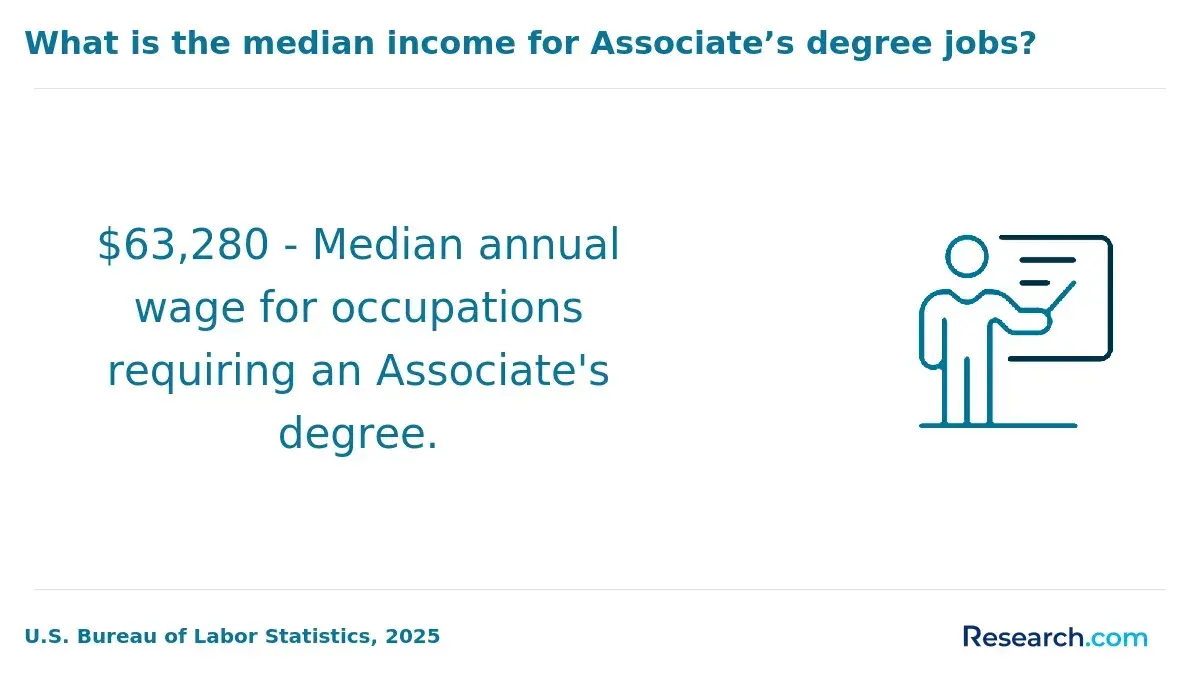
Comparing the cost-benefit of an online degree at The University of Arizona Global Campus to alternatives often leads prospective students to weigh debt against realistic earnings potential and career flexibility. For example, a graduate burdened with six figures in debt who earns a median annual salary near $35,404 may find it difficult to justify the expense when similar roles exist requiring only certificates or associate degrees with lower upfront costs. This dynamic forces scrutiny of whether higher education debt facilitates access to significantly better jobs or simply delays financial stability.
Many prospective students consider career outcomes alongside tuition to decide if the online route delivers sufficient value. When median mid-career salary growth plateaus earlier than peers from traditional universities, the decision to incur substantial debt needs careful assessment. Factors like networking opportunities, experiential learning, and program reputation influence these outcomes but often do not offset financial burdens for those in less lucrative fields. Ultimately, the interplay between student debt and career returns at The University of Arizona Global Campus is complex and highly dependent on program choice and labor market alignment.
How can students reduce the cost of an online degree at The University of Arizona Global Campus without sacrificing quality?
Online graduates from The University of Arizona Global Campus tend to manage student debt by strategically leveraging available financial mechanisms. Typical debt accumulation varies broadly based on individual choices, but practical approaches significantly lower overall costs without compromising educational outcomes. For example, a working adult who transfers a substantial number of credits and uses employer tuition reimbursement may cut their effective tuition by more than half, thus minimizing debt while maintaining full academic rigor. The following strategies illustrate how cost can be reduced effectively and responsibly:
- Maximize Transfer Credits: Applying previously earned credits can reduce remaining course load by as much as 30%, saving tuition costs and shortening time to degree completion without sacrificing curriculum depth or program quality.
- Utilize Institutional Scholarships: Targeting scholarships offered directly to online students helps offset tuition. These awards typically require maintaining academic standards, ensuring motivation and quality retention remain high throughout the program.
- Employ Employer Tuition Reimbursement: Many employers cover 60% or more of tuition through reimbursement programs, allowing students to pay only a fraction upfront. This support encourages students to stay enrolled and graduate on time with relevant workplace skills.
- Opt for Digital and Open Educational Resources: Choosing ebooks, rentals, or open-access materials lowers textbook expenditures substantially. These resources provide the same academic content as traditional textbooks, preserving learning quality with a fraction of the cost.
- Consider Accelerated Course Options: Enrolling in competency-based or accelerated courses lets students complete credits faster, reducing overall tuition and living costs. These formats maintain academic standards through rigorous assessments rather than extended seat time.
- Plan Course Load Strategically: Balancing full- and part-time enrollment according to personal and professional demands helps avoid extra semesters. Efficient progression aligns with employer expectations for timely degree completion.
- Apply for External Scholarships and Grants: Pursuing non-institutional financial aid broadens funding sources. These awards often reward merit or specific backgrounds without adding repayment burdens, improving net cost and preserving educational value.
What Graduates Say About the Cost of Studying Online at The University of Arizona Global Campus
- Camila: "Choosing to study an online degree at The University of Arizona Global Campus was largely influenced by the transparent tuition structure and the availability of financial aid options. I had to carefully balance the cost of fees and the flexibility of online classes with my full-time job, and the option to receive employer tuition assistance really made it feasible for me. Graduating with this degree allowed me to transition into a project management role without taking on significant debt, which has made a tangible difference in my long-term financial planning."
- Brittany: "My experience with The University of Arizona Global Campus involved a lot of upfront research on affordability, especially since I was concerned about accruing debt. The tuition was competitive, but I was mindful about fees and how they added to the overall expense. Leveraging scholarships and installment plans helped me manage payments during the program. Ultimately, the degree gave me a credential that employers respected in my field, and I was able to switch careers faster than I had expected, making the investment worthwhile despite the tight budget."
- Aisha: "When I enrolled at The University of Arizona Global Campus, cost was one of my biggest concerns-tuition, fees, and how much financial aid would cover. I appreciated their clear communication about total expenses and the support in applying for aid, which influenced my decision to start immediately rather than delay. The affordability of the program, combined with the ability to study at my own pace online, helped me complete the degree while working part-time, and the qualification opened doors to a better salary that justified the cost over time."
Other Things You Should Know About The University of Arizona Global Campus Degrees
In 2027, pursuing an undergraduate degree online at The University of Arizona Global Campus is estimated to cost approximately $510 per credit. Students should anticipate additional fees for materials and technology, which may vary based on specific program choices, totaling around $60,000 to $70,000 for the entire program, excluding potential transfer credits or financial aid that might lower the overall expense.
The University of Arizona Global Campus structures many online programs in accelerated or modular formats that can condense coursework into shorter periods. While this can reduce the duration of study, the intensive pace may lead to increased workload and stress, potentially requiring students to pay for additional terms if they need to retake courses. Budgeting should account not only for tuition but also for the realistic pace you can maintain, as falling behind may lead to higher total costs due to extended enrollment.
Programs at The University of Arizona Global Campus that include formal employer partnerships or industry-recognized certifications often have higher tuition but may improve post-graduation employment prospects. Choosing these programs can result in higher initial costs but potentially faster return on investment due to better job alignment. If your primary goal is immediate workforce re-entry or advancement, prioritizing these programs is advisable despite the price, as generic degrees may incur lower upfront costs but carry more risk in job market relevance.
The University of Arizona Global Campus accepts transfer credits, but policies and credit applicability vary by program, which affects total cost savings. Students with prior coursework can reduce tuition by transferring credits, yet some courses may not align with degree requirements, leading to extra classes and fees. Careful assessment of how many credits are accepted before enrollment can avoid unexpected expenses and time delays, making transfer credit evaluation a key factor in minimizing financial and time investment.
References
- University of Arizona Global Campus Tuition | CollegeData https://www.collegedata.com/college-search/University-of-Arizona-Global-Campus/money-matters
- University of Arizona Global Campus Tuition | CollegeData https://waf.collegedata.com/college-search/university-of-arizona-global-campus/money-matters
- UAGC tuition changes spark student concerns and confusion https://news.azpm.org/p/azpmnews/2024/2/15/219137-uagc-tuition-changes-spark-student-concerns-and-confusion/
- Public News Service | News in the Public Interest https://www.publicnewsservice.org/2025-04-16/higher-education/online-college-courses-just-as-expensive-as-in-person-classes/a96301-1
- The University of Arizona Global Campus Online MBA https://www.bschools.org/profiles/uagc-online-mba
- Exorbitant Costs, Little Benefit: $5,000 Marketing Cost Per Student at UAGC with Low Academic Success - Grand Canyon Institute https://grandcanyoninstitute.org/research/exorbitant-costs-little-benefit-5000-marketing-cost-per-student-at-uagc-with-low-academic-success/
- The University of Arizona Global Campus Review | Best Accredited Online Colleges 2026 | CompareOnlineColleges.com https://www.compareonlinecolleges.com/reviews/university_of_arizona_global_campus_review
- Costs of Online and Campus Colleges | University of Phoenix https://www.phoenix.edu/blog/comparing-the-costs-of-online-and-campus-colleges.html