2027 Washington State University - Carson College of Business Transfer Credit Policy: How Many Credits Can You Bring?

Co-Founder and Chief Data Scientist
Students applying to online degree programs at Washington State University - Carson College of Business often face uncertainty about how many previously earned credits will count toward their new degree. This challenge grows when transferring courses from different institutions or life experience evaluations, which can vary widely in acceptance.
With over 60% of undergraduate students nationally transferring credits or enrolling as transfer students, understanding these policies is critical to avoid prolonging study time or increasing expenses.
This article breaks down Washington State University - Carson College of Business's transfer credit policies, detailing maximum credit limits and necessary documentation. It guides prospective students through practical steps to optimize credit use while aligning academic and career goals effectively.
Key Points About Transferring Credits at Washington State University - Carson College of Business
- Washington State University - Carson College of Business accepts transfer credits including ACE-recommended credits and those earned through CLEP and DSST/Dantes exams, enabling credit flexibility but requiring early submission to maximize transfer value and avoid unnecessary coursework.
- Transferring credits depends on a formal evaluation verifying course equivalency and alignment with degree requirements, which means students must prepare comprehensive official transcripts and detailed documentation of prior learning experiences.
- While no fixed maximum is stated, strategic planning around the fall term transfer window and comprehensive credit submission helps students minimize redundant classes and accelerate degree completion timelines within Washington State University - Carson College of Business.
Does Washington State University - Carson College of Business allow students to transfer credits from a different school?
Washington State University - Carson College of Business shows a generally open approach to accepting transfer credits, with about 85% of transfer applicants admitted. Despite this moderate entrance difficulty, students must still navigate institutional policies that influence how many credits apply toward their degree. This transfer credit acceptance policy offers realistic pathways for credit mobility while reflecting typical barriers universities set to protect curriculum integrity.
The transferability of credits strongly depends on the accreditation status of the original institution. Credits from regionally accredited colleges and universities are prioritized, aligning with standard practice in higher education.
Conversely, credits from nationally accredited schools usually carry less weight, often facing rejection or limited application toward degree requirements. This distinction impacts how students plan their transfer of credits from a different school and affects their degree timeline and costs.
Washington State University - Carson College of Business transfer credit acceptance policy also extends to credits earned through exams like CLEP and DSST, as well as ACE evaluations. These alternative credit routes support students with diverse educational backgrounds.
Still, caution is needed because a 2024 national study found nearly 25% of potential transfer credits are lost due to articulation mismatches and policy discrepancies. This highlights the practical necessity for students to consult academic advisors before transferring.
A growing share of transfer students nationwide optimize credit acceptance to shorten degree completion, something prospective students at WSU Carson should consider. For those seeking additional flexibility, exploring a cheap online PhD may offer alternative routes to advanced credentials beyond traditional credit transfer channels.
What is the maximum number of transfer credits allowed at Washington State University - Carson College of Business?
Washington State University - Carson College of Business limits transfer credits to a maximum of 90 for its online bachelor's degree programs. This ceiling amounts to about 75% of the total credits needed, ensuring that at least 30 credits are directly completed at WSU. This balance preserves academic standards and degree value.
The Washington State University Carson College of Business credit transfer limits depend heavily on accreditation and course relevance. Credits from regionally accredited institutions are preferred. Lower-division credits often only count as electives or general education, while upper-division credits must align closely with major requirements. Transfer students from non-accredited schools face stricter limitations or rejections.
A recent 2024 study highlights that capping transfer credits at 75%-80% correlates with improved graduation rates and employer satisfaction nationwide. This trend reveals the tradeoff between allowing credit mobility and maintaining a rigorous credential that employers trust. Such findings reinforce the strategic value of completing critical upper-division coursework within the Carson College curriculum.
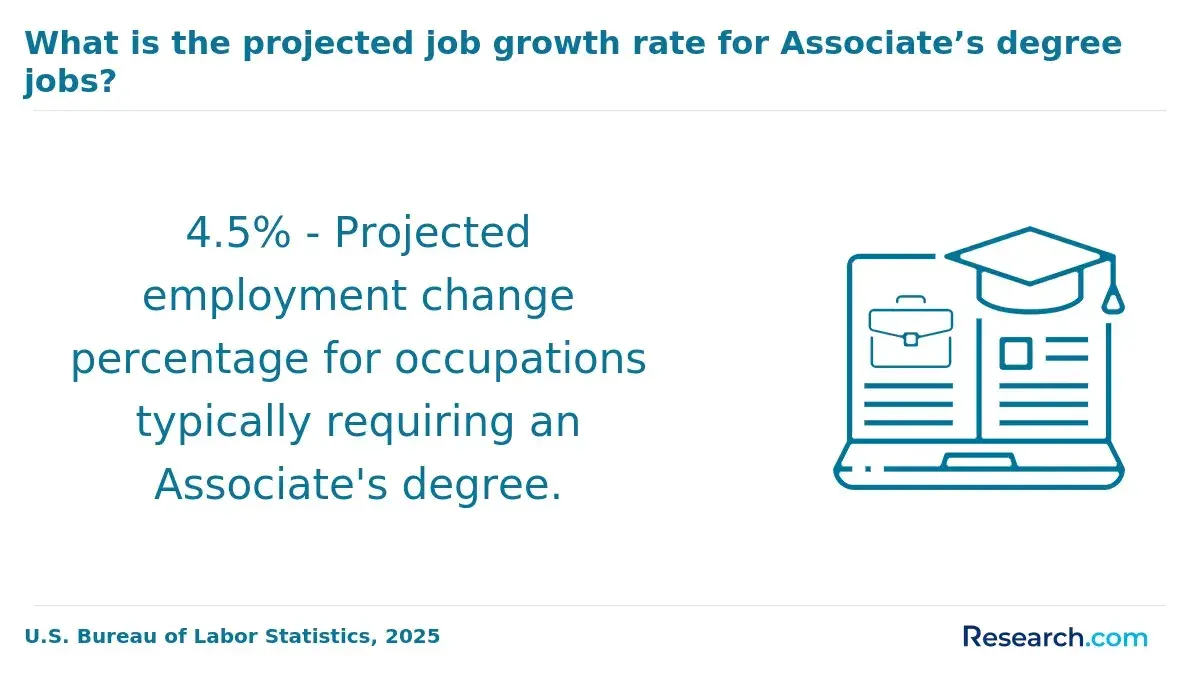
A practical scenario illustrates this: a student entering with an associate degree in 6 months online free from a community college can maximize lower-division transfers but must still plan to complete foundational and advanced courses at Washington State University - Carson College of Business to meet transfer credit acceptance criteria and labor market expectations.
Are there different transfer credit caps for online vs on-campus programs at Washington State University - Carson College of Business?
Washington State University - Carson College of Business applies no distinct transfer credit caps for online versus on-campus programs. Both delivery methods follow identical academic standards and credit validation processes, ensuring fairness in credit acceptance regardless of enrollment format. This parity reflects the institution's commitment to evaluating content relevance and curriculum alignment rather than delivery modality.
Online programs typically do not impose separate limits based on remote course structures, unlike some institutions that require minimum campus residency. WSU's approach focuses on academic rigor and syllabus detail over physical class attendance. This allows students in competency-based or self-paced online programs to transfer credits that meet standard curriculum requirements as effectively as traditional semester-hour credits.
In practice, students transferring to WSU from remote programs may find the evaluation process equally demanding, with an emphasis on transcript scrutiny and documentation of learning outcomes. Recent trends show a 15% rise in digital transfer credit recognition nationwide, underscoring growing acceptance of online credentials in workforce-aligned business education. This makes strategic syllabus preparation critical for maximizing credit acceptance and accelerating degree completion at WSU.
Applicants should prioritize comprehensive documentation of prior coursework and learning relevance to navigate transfer evaluations successfully. This careful alignment benefits students regardless of modality, preserving degree integrity and enhancing employability prospects.
How does Washington State University - Carson College of Business evaluate international transcripts and foreign course credits?
Eligibility for foreign academic credits at Washington State University - Carson College of Business hinges on rigorous academic alignment and authenticity checks.
For instance, a student transferring credits from a European university must show that their courses genuinely match WSU's curriculum while also providing reliable grade equivalencies. The college applies established criteria to ensure that credits contribute meaningfully to degree progress.
Below are the primary factors considered during transcript evaluation:
- Course Equivalency: The content of foreign coursework must closely mirror the university's established curriculum. Evaluators compare syllabi and learning outcomes to validate relevance and academic rigor.
- Institutional Accreditation: Credits are only accepted from recognized and accredited foreign institutions. Verification confirms the legitimacy and standards of the sending university.
- Grade Conversion: Foreign grades undergo conversion to fit into the American 4.0 GPA scale, ensuring consistent academic quality across diverse grading systems.
- English Proficiency: Students may need to demonstrate sufficient English skills via standardized testing before credit approval to guarantee comprehension and classroom success.
- Third-Party Credential Evaluation: Independent assessments by organizations like NACES provide an objective equivalency and authenticity check, reducing subjectivity in credit transfer decisions.
With U.S. academic credit mobility growing by over 15%, such thorough evaluation practices at Washington State University - Carson College of Business underscore the importance of detailed preparation for international transfer students to maximize credit acceptance and maintain degree momentum.
Are there alternative theoretical or practical credentials that Washington State University - Carson College of Business accepts as credit?
Washington State University - Carson College of Business accepts several alternative credentials for credit transfer, primarily to leverage students' prior experience while maintaining academic standards. For example, an adult learner with military service or professional certification can reduce time-to-degree and enhance employability by strategically applying these credits. Below are key alternative credentials recognized at the college and how they are assessed.
- Prior Learning Assessment (PLA) Credits: This formal process evaluates experiential learning through portfolios or challenge exams. Credits are awarded after rigorous review, ensuring alignment with course outcomes. PLA eligibility varies and is particularly useful for nontraditional learners.
- Joint Services Transcript (JST): Military experience documented via JST is examined to determine equivalency with degree requirements. Credits from JST support veterans but typically apply to specific online programs aligned with military training.
- American Council on Education (ACE) Credits: Standardized exams like CLEP and DSST, alongside ACE-recommended professional certifications, are accepted when they meet curricular equivalencies. This pathway enables some corporate training programs to convert into academic credit.
- Corporate Training and Professional Licenses: Direct credit transfer for corporate or licensed training is generally restricted unless pre-approved by ACE or meeting strict curricular criteria, reflecting employer and academic rigor expectations.
Institutions with strong PLA policies report a 15% higher completion rate among adult learners, showing the economic and career value of such alternative credits. For students considering Washington State University - Carson College of Business prior learning assessment options, understanding these nuances can improve credit transfer outcomes.
Evaluating alternative credits carefully allows students to optimize pathways through flexible, yet academically sound routes. Students should review how these credits correlate with program requirements to avoid credit loss while progressing efficiently. Those exploring credit transfer in online study contexts might also consider looking at affordable online degree programs for alignment opportunities.
How do you request an official transfer credit evaluation from Washington State University - Carson College of Business?
Requesting an official transfer credit evaluation from Washington State University - Carson College of Business starts with a clear understanding of the multi-step administrative process that influences how many credits count toward your degree. For example, a student transferring from a community college must anticipate submission timelines and documentation requirements well before enrollment to avoid delays impacting their academic progress.
The key phases of initiating a credit audit are outlined below to help prospective students in the official transfer credit evaluation process for Washington State University - Carson College of Business online programs.
- Office of Admissions Submission: Students begin by applying through the university's Office of Admissions, which manages intake for transfer evaluations. This step requires official transcripts sent directly from prior institutions, preferably via electronic delivery to expedite processing.
- Transcript Verification: Once transcripts arrive, they enter a verification phase where authenticity and completeness are confirmed. This step ensures that all coursework records meet institutional standards before detailed review begins.
- Course-by-Course Analysis: Carson College of Business academic advisors conduct a precise evaluation comparing each transferred course to WSU's curriculum. This assessment determines credit equivalency based on course content, credit hours, and grading scales.
- Notification and Credit Posting: After evaluation, students receive official results detailing which credits are approved to count toward degree requirements. The credits are then posted to the student's academic record.
Typical completion times range from two to four weeks, largely influenced by how quickly transcripts are received and internal review capacity. Recent trends indicate a 30% reduction in processing time nationwide due to digital transcript adoption, a shift that correlates with increased transfer student enrollment and highlights the value of prompt document submission.
For those comparing credit policies across institutions, understanding this process is essential to maximizing transferred credits and managing time to degree efficiently. Prospective students evaluating transfer options might also explore data from non profit online colleges to benchmark transfer credit frameworks in flexible business education pathways.
What are the deadlines for submitting your transfer transcripts to Washington State University - Carson College of Business?
Washington State University - Carson College of Business sets precise transfer transcript deadlines tied to its semester schedule. For priority admission, students must submit transcripts by November 15 for spring enrollment and March 15 for fall enrollment. Regular decision deadlines are December 15 for spring and June 1 for fall, reflecting critical cutoffs to ensure smooth credit evaluation.
Deadlines vary for rolling admissions, which accept transcripts on a space-available basis until just before term starts. This flexibility may help some students, but late submissions risk losing timely credit transfers and course placement benefits. These timelines underscore the importance of early planning for transfer students at Washington State University Carson College of Business transfer credit deadlines.
Nationally, about 65% of US colleges have tightened transfer windows to reduce delays and improve degree pathway clarity, reflecting evolving administrative efficiency. Missing these deadlines can extend degree completion time and increase educational costs, limiting productive application of prior credits. Students should factor transcript delivery and processing times into their planning carefully.
For those seeking the easiest degree to get with the most transferable credits, awareness of these deadlines at Washington State University - Carson College of Business is essential in optimizing credit utilization and progression.
What is the impact of transferring credits on graduation timelines at Washington State University - Carson College of Business?
Transferring credits to Washington State University - Carson College of Business can accelerate or delay graduation depending on how well the credits fit into the specific business curriculum. For example, a student who transfers accounting credits that satisfy core prerequisites may complete degree requirements much faster. On the other hand, if credits only count as electives or fail to meet early course prerequisites, the student might face extended enrollment and additional coursework.
National data shows roughly 25% of transferred credits do not apply toward major requirements, which often prolongs time-to-degree and increases educational costs. The following factors clarify the varied impact of credit transfers on graduation timelines for online students at Washington State University - Carson College of Business.
- Alignment with Core Business Courses: Credits that match required core courses allow students to progress through the program without repeating foundational subjects, shortening total time-to-degree. Conversely, non-aligned credits delay advancement due to the need for additional classes.
- Sequential Prerequisite Structure: The business curriculum requires courses to be taken in order. Transferred credits that do not fulfill early prerequisites can disrupt a student's schedule, causing enrollment delays.
- Credit Applicability Rate: With an average 62% graduation rate for transfer students, misapplied credits contribute to lower completion rates by extending study duration and burdening financial resources.
- Financial Impact of Delays: Extended time-to-degree increases tuition costs and postpones workforce entry, affecting lifetime earnings and financial stability.
One graduate recalled, "I transferred several finance courses, but only a few fully counted toward my degree. I had to retake an introductory course that delayed me by a semester. Initially, I felt frustrated since I planned to finish sooner, but working closely with advisors helped me adjust my course load efficiently. In the end, the extra time was manageable, and I graduated knowing I hadn't missed essential knowledge."
How much tuition can you save by maximizing your transfer credits at Washington State University - Carson College of Business?
Maximizing transfer credits at Washington State University - Carson College of Business directly reduces the total tuition cost, which otherwise reaches $33,412 for the full program. Transferring equivalent lower-division credits eliminates charges for those courses and related fees, trimming the upfront financial burden significantly.
Savings vary based on the volume of accepted credits. For example, a student transferring 30 credits could bypass nearly 25% of tuition and associated fees, shortening time to degree and lowering overall expenses. This flexibility allows learners to tailor their educational investment more strategically.
Compared to the median graduate debt of $19,500, optimized transfer credits can reduce borrowing needs substantially. The federal scorecard reports a Total Cost of Attendance around $27,176, reflecting these efficiencies. This reduction translates into less reliance on loans and decreased interest accumulation across typical repayment periods.
Recent data show that students leveraging transfer credits improve their net price outcomes by 15% or more, yielding tangible returns on investment. This approach aligns with employer expectations for completed degrees without unnecessary delay, enhancing both financial and career trajectories.
How can you appeal a denied transfer credit decision at Washington State University - Carson College of Business?
Appealing a denied transfer credit decision at Washington State University - Carson College of Business requires strategic navigation of formal review channels and meticulous evidence assembly. One common misstep involves submitting insufficient syllabi or course materials, which limits the appeal's impact despite valid academic equivalencies.
Students who engage deeply with the process often initiate contact with evaluators early to address disagreements before escalation. For example, a marketing transfer applicant who initially lost credit for a digital analytics course successfully reversed the decision by demonstrating detailed course outcomes closely mirroring WSU requirements. Below are key strategies for students disputing credit denials.
- Departmental Review Request:This first step involves asking the academic department that conducted the original credit evaluation to re-examine the course materials. It allows students to clarify any course content discrepancies directly with subject experts, which can correct clerical errors or misunderstandings early on.
- Appeal to Academic Dean:If departmental review fails, forwarding the appeal to the academic dean of the relevant college offers another chance for reconsideration. This step introduces administrative oversight that may assess the appeal with a broader perspective on program standards and student progression.
- Registrar's Office Intervention:Though less common, the registrar can facilitate final appeal processing by ensuring all deadlines and documentation requirements are met. Timeliness is critical as appeals must be filed within 30 calendar days of the original credit decision, protecting academic scheduling and enrollment.
- Comprehensive Documentation Submission:Success hinges on submitting detailed syllabi, official transcripts, and learning outcome evidence closely aligned with WSU's curricular goals. Precision here addresses a primary reason behind denial, which is frequent misalignment of course objectives noted in transfer denial studies showing 27% of applicants face such denials nationally.
One Washington State University - Carson College of Business online graduate recalled feeling anxious when her business communication credits were initially rejected. She contacted the department promptly and gathered detailed syllabi and assignments from her previous institution. The department's willingness to review these materials reassured her.
After the dean's office reviewed the formal appeal, the credits were accepted. She noted that submitting evidence quickly and directly engaging multiple levels made the difference between losing several credits and graduating on time.
What Graduates Say About Their Admissions Experience at Washington State University - Carson College of Business
- Julian: "Enrolling in the online program at Washington State University - Carson College of Business was a pragmatic choice for me. The transfer credit process was detailed but manageable: I had to send official transcripts and work closely with the registrar's office to make sure my prior coursework aligned with the degree requirements. While the generous credit caps eased some administrative stress, I found that maximizing my transfer credits didn't drastically shorten my time to graduation, though it did reduce some tuition expenses. Overall, the experience prepared me well to enter the workforce with a solid foundation and clarity on advanced major-specific subjects."
- Francisco: "Studying through the online degree at Washington State University - Carson College of Business was both an opportunity and a challenge. Navigating the transfer credit evaluation demanded careful coordination-especially verifying equivalencies and submitting multiple official transcripts. I appreciated how the school's credit policy allowed me to carry over much of my prior learning, which helped me jump into higher-level courses faster than I initially expected. This accelerated path made a noticeable difference when I transitioned into a new role, equipped with practical business skills reinforced by the program."
- Ivan: "My online degree journey at Washington State University - Carson College of Business was a reflective process, particularly regarding credit transfers. The administrative steps-securing official transcripts, communicating with multiple offices, and tracking course equivalencies-required patience and persistence. Although the cap on transferable credits was generous, I found that focusing on the quality of course matches rather than just quantity made for a more meaningful curriculum progression. Entering the workforce, I felt confident that my degree represented a well-rounded education rather than just a shortcut, which has helped me professionally."
Other Things You Should Know About Washington State University - Carson College of Business Degrees
Standardized test scores are not required for transfer credit evaluation for online programs at Washington State University's Carson College of Business. Transfer credit evaluations primarily focus on the academic transcripts and course content relevancy to ensure a smooth credit transfer process.
Standardized test scores do not directly affect the transfer credit evaluation process or course placement for online programs at Washington State University - Carson College of Business. The evaluation relies on reviewing previous college transcripts, course equivalencies, and grades rather than test scores. Therefore, students should prioritize aligning their prior coursework with program requirements instead of expecting high test scores to improve credit acceptance or advanced placement.
Standardized test scores do not influence eligibility for prerequisite waivers or accelerated degree pathways in the online programs. Instead, demonstrated mastery through prior college-level course completion with acceptable grades is what the college values. This practical focus means that transfer students should emphasize completing foundational business or general education courses with strong performance rather than rely on standardized testing to bypass course requirements.
Given that standardized test scores hold little weight in transfer credit decisions, submitting them is unlikely to enhance admission to specialized tracks or certificates within Washington State University - Carson College of Business.
It is more strategic to focus effort on completing relevant coursework and preparing a clear academic narrative around transfer credits. Students seeking to improve their candidacy should prioritize course performance and alignment with program goals over test scores.
References
- WSU Transfer Decision Date https://talk.collegeconfidential.com/t/wsu-transfer-decision-date/2024538
- Washington State University - Carson College of Business - Study Abroad https://members.apiabroad.com/washington-state-university-carson/
- College Credits | Washington Business Week https://www.wbw.org/students/why/college-credits/