2027 Oceanography Degree Concentration Trends: Which Specializations Are Growing the Fastest

Co-Founder and Chief Data Scientist
Facing a choice among oceanography degree concentrations, Maya hesitates between marine biotechnology and coastal management. With less than 30% growth predicted in traditional physical oceanography jobs by 2030, selecting a specialization without clear industry demand risks stagnating career prospects. Meanwhile, emerging sectors like marine data science show a 45% enrollment surge since 2022, reflecting increased employer needs for advanced analytics skills.
For someone balancing graduate applications and career shifts, misjudging which field aligns with long-term labor trends can mean challenges securing relevant roles or advancing professionally. This article examines how oceanography degree specializations are evolving, spotlighting those with the fastest growth and strongest market alignment to guide informed decisions.
Key Things to Know About Oceanography Degree Concentration Trends and Fast-Growing Specializations
- Rising demand for marine biotechnology reflects the industry's pivot toward sustainable resources, but intensive lab training may extend program duration, influencing total education costs and candidate availability.
- Employers increasingly prefer specializations in climate impact modeling, emphasizing interdisciplinary skills; graduates lacking quantitative expertise face narrower job prospects in climate-sensitive sectors.
- Enrollment surges in coastal engineering signal workforce shifts toward infrastructure resilience, yet limited program access and higher research requirements may delay entry into the labor market.
- Key Things to Know About Oceanography Degree Concentration Trends and Fast-Growing Specializations Key Things to Know About Oceanography Degree Concentration Trends and Fast-Growing Specializations
- What Are the Most Popular Oceanography Degree Concentrations Today? Popular Degree Concentrations
- Which Oceanography Degree Specializations Are Growing the Fastest? Fastest Growing Specializations
- Why Are Certain Oceanography Degree Concentrations Experiencing Rapid Growth? Reasons for Rapid Growth
- Which Industries Are Driving Demand for Fast-Growing Oceanography Degree Specializations? Industries Driving Demand
- What Are the Highest-Paying Oceanography Degree Concentrations? Highest-Paying Concentrations
- How Are Technology and Innovation Influencing Oceanography Degree Specialization Trends? Tech and Innovation Impact
- What Career Opportunities Are Available in Fast-Growing Oceanography Degree Concentrations? Career Paths in Growth Areas
- Which Online Oceanography Degree Concentrations Are Seeing the Most Growth? Which Online Oceanography Degree Concentrations Are Seeing the Most Growth?
- What Is the Future Outlook for Emerging Oceanography Degree Specializations? What Is the Future Outlook for Emerging Oceanography Degree Specializations?
- How Can You Choose the Right Oceanography Degree Concentration Based on Your Career Goals? Choosing Your Degree Concentration
What Are the Most Popular Oceanography Degree Concentrations Today?
Current popularity trends in oceanography degree concentrations reflect shifting industry demands toward environmental sustainability and technological integration. Biological and chemical oceanography lead enrollment growth, driven by heightened employer focus on ecosystem health, pollution mitigation, and biogeochemical research, essential for addressing challenges such as ocean acidification and fisheries management.
The National Science Foundation's 2024 data, showing biological oceanography attracting over 40% of new marine science students, underscores how workforce needs in environmental consulting and regulatory agencies shape student specialization choices. Physical oceanography remains significant but increasingly intersects with data science and remote sensing, responding to the growing reliance on computational modeling and satellite observations in climate modeling and hazard prediction.
This blend of science and technology attracts students seeking careers that combine traditional ocean physics with advanced analytics, highlighting a key tradeoff between depth in classical disciplines and versatility in emerging hybrid fields. Meanwhile, burgeoning interest in interdisciplinary fields like marine policy reveals student recognition of career paths that address governance and sustainable development, areas where market demand is expanding but program sizes remain relatively small.
Which Oceanography Degree Specializations Are Growing the Fastest?
Demand for oceanography degrees with concentrations in marine data science and coastal resilience is rising sharply, driven by shifts in both technology and regulatory priorities. A 2024 report from the U.S. Bureau of Labor Statistics highlights a projected employment growth exceeding 15% through 2030 for specialists capable of handling large-scale ocean data analytics, climate modeling, and AI-supported environmental monitoring.
This reflects broader industry moves toward integrating complex computational tools with real-time oceanographic observation, which in turn reshapes curriculum priorities and increases emphasis on interdisciplinary expertise. Coastal resilience programs are simultaneously expanding due to intensified focus on climate adaptation strategies needed to address sea level rise and extreme weather impacts, with university enrollments in these tracks up by roughly 20% since 2022, signaling sustained employer demand in environmental consulting and disaster response sectors.
While marine biotechnology also shows consistent growth fueled by innovation in pharmaceuticals and sustainable aquaculture, its longer-term viability hinges on complex cross-field knowledge involving biology, chemistry, and engineering, factors that could limit immediate workforce entry. Emerging areas like marine robotics promise future opportunities but carry higher barriers in terms of technical skill integration and capital requirements, suggesting these may be less accessible for students seeking quicker employment outcomes.
Students and professionals should weigh how fast-growing specializations align with their individual career goals and tolerate tradeoffs between specialization depth, labor market volatility, and adaptability to evolving environmental policies and technology platforms. A student navigating these choices recalled initially favoring marine robotics for its innovation appeal but hesitated after consultations with faculty and industry mentors highlighted the significant interdisciplinary demands and slower job market absorption.
Instead, the student shifted focus to marine data science after reviewing recent labor market data and enrollment trends, appreciating its strong analytical foundation and clearer pathways into roles supporting climate modeling and resource management. This decision emerged from balancing personal research interests with pragmatic employment outlooks, curriculum design differences, and the perceived stability of emerging technologies over more experimental specializations.
The process underscored the importance of continuously cross-referencing workforce reports, program outcomes, and expert advice to avoid overestimating short-term hype when planning an oceanography degree concentration.
Why Are Certain Oceanography Degree Concentrations Experiencing Rapid Growth?
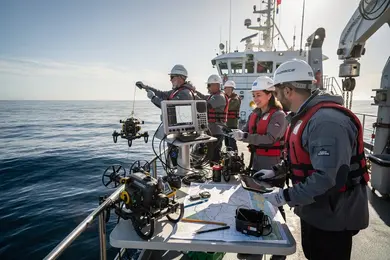
Technological innovation, shifting regulatory landscapes, and labor market shortages collectively drive demand for specific oceanography degree concentrations, especially those integrating data science and environmental policy expertise. For instance, the rapid adoption of autonomous underwater vehicles and high-resolution environmental modeling tools has intensified employer preference for graduates skilled in geospatial analytics and machine learning within marine contexts.
This shift is particularly evident in sectors like offshore energy and fisheries management, where interpreting complex datasets to guide sustainable resource use directly influences operational and compliance outcomes. A 2024 report from the U.S. Bureau of Labor Statistics underscores this by highlighting a nearly 20% faster growth rate in marine environmental science and ocean data analytics specialties compared to traditional physical oceanography roles.
However, these growth trends are not universally advantageous and require careful alignment with individual career goals and program strengths. The increased emphasis on multidisciplinary skill sets creates tradeoffs: degrees heavily focused on emerging technologies or legal frameworks may offer robust employment prospects in niche areas but demand continuous professional development to remain effective amid fast-paced technological and policy changes.
Moreover, workforce shortages in interdisciplinary fields such as marine biotechnology signal significant opportunities, yet graduates must navigate the complexity of blending biology, engineering, and data expertise. Prospective students must weigh these factors against the need for foundational oceanographic understanding and consider the implications for long-term adaptability within evolving marine industries.
Which Industries Are Driving Demand for Fast-Growing Oceanography Degree Specializations?
Industry demand, rather than academic trends alone, is the primary driver behind the growth of certain oceanography degree specializations. The offshore energy sector-spanning wind, oil, and gas-seeks professionals with expertise in marine geology and physical oceanography to address critical needs in seabed analysis and environmental impact assessment. This focus is closely linked to expanding offshore wind farms and persistent hydrocarbon exploration efforts.
Students considering this concentration should recognize the operational complexity and regulatory scrutiny that define these roles, influencing employer expectations and job stability. Key industries fueling growth in oceanography specialization careers also include marine conservation and environmental monitoring, especially as regulatory environments tighten around pollution control and marine protected areas.
Experts in chemical and biological oceanography are increasingly valuable for analyzing ecosystem health and climate impacts, with the U.S. Bureau of Labor Statistics projecting an 8% growth in related environmental science roles through 2034, signaling stronger labor market demand compared to many science sectors. Emerging fields like aquaculture and seabed mineral extraction create further opportunities, requiring skills in sustainable resource management and technological proficiencies such as data analysis from autonomous underwater vehicles.
Prospective students must weigh geographic market variability and the likelihood of needing advanced or interdisciplinary credentials to secure desired positions. Making a specialization choice aligned with workforce trends is vital, particularly when balancing commitments alongside earning a degree. For those exploring program affordability amid these factors, consulting resources on affordable psychology master's programs can provide comparative insights on managing educational investments effectively.
What Are the Highest-Paying Oceanography Degree Concentrations?
The highest earning potential in oceanography degree concentrations typically arises where scientific expertise intersects with specialized technical skills, especially in marine geology, coastal engineering, and ocean technology. The 2024 U.S. Bureau of Labor Statistics highlights strong employer demand for professionals who combine oceanographic knowledge with capabilities in areas like underwater robotics, geospatial analysis, and environmental regulation compliance.
These skills are critical in expanding sectors such as offshore energy and maritime infrastructure, where projects increasingly require technically adept leaders who can navigate both scientific complexities and regulatory challenges. This dynamic creates opportunities for faster salary growth, though it often comes with the tradeoff of continuous upskilling and certification requirements.
Leadership roles within interdisciplinary government or private-sector projects notably boost salary trajectories, reflecting a broader workforce shortage of candidates able to manage both technical details and project coordination. However, emerging fields linked to renewable ocean energy or climate modeling, while promising, may demand significant long-term educational investment and may not align neatly with every student's career interests or lifestyle preferences.
Considering these operational realities alongside salary potential is essential; the market rewards adaptability and cross-disciplinary fluency more than narrowly focused expertise that lacks practical application in high-demand industries. One graduate recalled weighing the appeal of marine geology against coastal engineering after reviewing alumni employment data and consulting faculty advisors.
While marine geology aligned with their academic interests, coastal engineering's clearer path to leadership roles and involvement in large infrastructure projects influenced their decision. The graduate noted feeling cautious about the additional technical certifications coastal engineering required but recognized these as necessary steps for better job prospects and salary advancement in competitive sectors.
How Are Technology and Innovation Influencing Oceanography Degree Specialization Trends?
Technology advancements driving oceanography degree trends have shifted specialization demand toward hybrid skills in AI, data analytics, and autonomous systems. For example, employers' needs increasingly focus on graduates who can handle high-resolution data from drones, remotely operated vehicles, and satellites, which support environmental consulting and offshore energy sectors. This evolution explains why curricula now often integrate machine learning, coding, and geospatial analysis, reinforcing that specialization choices must balance technical depth with adaptability to emerging digital platforms.
Innovation impact on oceanography specialization growth also reveals a strategic tradeoff between traditional research methods and fast-moving tech applications such as autonomous underwater vehicles (AUVs) and marine data science. Hands-on experience with these tools enhances employability but requires ongoing skill upgrades beyond initial degree completion.
Prospective students weighing specialization pathways should consider how well programs address cross-disciplinary competencies and soft skills like critical thinking, which remain vital in data-driven decision-making environments. For those balancing career demands, options like online MBA programs no GMAT required demonstrate parallel trends favoring flexible, tech-relevant graduate education models that accommodate working professionals.
What Career Opportunities Are Available in Fast-Growing Oceanography Degree Concentrations?
The rising demand for specialized skills in oceanography reflects a distinct shift toward integrating advanced technology with environmental science priorities. Concentrations like marine data science, which emphasize programming, machine learning, and spatial analytics, increasingly cater to employers in federal agencies and research institutions focused on large-scale data management from autonomous underwater vehicles and satellite systems.
Choosing this path often means developing a hybrid skill set that merges computational expertise with traditional oceanographic methods, offering a competitive edge in roles centered on monitoring and predictive environmental modeling. Conversely, climate oceanography aligns more closely with policy development and regulatory frameworks, positioning graduates to engage with governmental and international bodies on climate impact assessments.
This specialization demands a deep understanding of biogeochemical cycles and the capacity to translate complex scientific data into actionable insights for decision-makers, underscoring a tradeoff between technical data skills and communicative policy fluency. Meanwhile, marine biotechnology opens opportunities beyond pure research, expanding into pharmaceutical and biofuel innovation as well as environmental remediation, thus attracting those interested in interdisciplinary applications and industry-driven innovation.
Notably, data from the U.S. Bureau of Labor Statistics in 2024 projects an 8% growth in related environmental science sectors, signaling sustained employer interest in oceanography fields that combine technological adeptness with environmental stewardship.
Which Online Oceanography Degree Concentrations Are Seeing the Most Growth?
Growth in online oceanography degree concentrations is primarily driven by the increasing demand for expertise in marine environmental science and coastal management. This shift reflects broader regulatory and environmental challenges, including stricter federal and state requirements for environmental impact assessments related to climate change and sea-level rise.
For instance, employers in government agencies and private consulting firms emphasize proficiency in applied policy analysis alongside fieldwork, which underscores the need for programs that blend technical skills with real-world problem-solving. According to data from the Bureau of Labor Statistics and NOAA, sectors engaged in coastal resilience and marine sustainability are expanding faster than traditional oceanographic research roles, a distinction prospective students must weigh against their long-term career goals.
Simultaneously, concentrations in marine geospatial analytics and ocean data science are experiencing rapid growth due to technological advances such as autonomous underwater vehicles and big data integration. These specializations appeal to professionals who seek to bridge marine biology with computational disciplines, responding to an employer preference for interdisciplinary expertise. However, the complexity of these fields requires a willingness to engage in substantial technical training and continuous upskilling, potentially limiting options for students with non-technical backgrounds.
Notably, many universities are expanding online offerings to accommodate working professionals, but students should consider how well these programs deliver hands-on experiences crucial for mastering evolving marine monitoring technologies. Aligning specialization choices with evolving industry demands and regulatory frameworks can lead to greater employability but requires a realistic assessment of one's capacity to adapt to shifting professional standards.
What Is the Future Outlook for Emerging Oceanography Degree Specializations?
The fastest-growing oceanography degree specializations are clearly those that meld technological innovation with urgent climate and sustainability challenges. Employment for environmental scientists and specialists-a category heavily overlapping with oceanographers-is projected to increase by 8% through 2032 per the U.S. Bureau of Labor Statistics (2024), signaling robust demand driven by sectors such as marine robotics, coastal resilience, and oceanographic data science.
These areas respond to practical workforce needs, including deployment of autonomous underwater vehicles and AI-based climate modeling, which increasingly dictate how governments and industries monitor, adapt to, and mitigate environmental impacts. Growing interest in interdisciplinary programs reflects career growth trends in oceanography concentrations, with nearly 35% of new degree tracks integrating technology and data science elements-a 12% growth over the last five years.
For prospective students, this means selecting a specialization involves strategic tradeoffs: great technical skills in AI analytics or remote sensing can enhance employability but may risk rapid obsolescence if not coupled with solid foundational oceanographic principles. The dynamics of coastal infrastructure expansion and offshore renewable energy projects further reinforce demand for expertise in ecosystem monitoring and climate adaptation, areas that require balancing scientific rigor with regulatory compliance and practical application.
Budget variability and geopolitical shifts caution against over-specializing in niche fields vulnerable to funding cuts or policy changes. As students assess their options, considering programs that emphasize adaptability alongside emerging technologies is critical. Those seeking affordable pathways to pivot or advance in these specializations might explore complementary options like MBA programs under 10k to strengthen their management and policy acumen, enhancing long-term career flexibility in this evolving market.
How Can You Choose the Right Oceanography Degree Concentration Based on Your Career Goals?
Choosing the best oceanography degree concentration for career advancement requires a strategic evaluation of industry demand and long-term career trajectories rather than following immediate market trends. For example, students focused on marine biology may face a narrower range of roles primarily in academia or environmental nonprofits, while those specializing in ocean engineering often access broader opportunities in offshore energy or defense sectors.
Concentrations emphasizing interdisciplinary skills-such as data analytics, GIS, and machine learning-respond more directly to employer demands for adaptable professionals capable of handling complex environmental datasets and technology-driven challenges. How to select an oceanography concentration based on job opportunities involves assessing skill alignment with emerging fields like climate modeling and marine biotechnology, which are experiencing notable growth due to increased funding and regulatory pressures.
Furthermore, students should weigh whether their chosen specialization offers clear licensure or certification pathways, which significantly influence career flexibility and professional advancement in both public and private sectors. Recognizing these factors early mitigates the risk of pursuing training that limits graduate education options or locks graduates into stagnating job markets.
Employment in environmental and marine science-related roles is projected to grow by 8% over the next decade, according to the U.S. Bureau of Labor Statistics, highlighting sustained demand for specialized expertise. For those researching degree pathways, exploring options like a geologist degree online may complement oceanography studies by broadening environmental science credentials, thereby enhancing versatility in a competitive market.
References
- Ocean research report: emerging topics and opportunities | Clarivate https://clarivate.com/academia-government/blog/ocean-research-report-emerging-topics-and-opportunities/
- Deep Dive into Oceanography https://education.nationalgeographic.org/resource/deep-dive-oceanography/
- Key Marine Technology Trends in 2025 - Ocean Science & Technology https://www.oceansciencetechnology.com/news/key-marine-technology-trends-in-2025/
- Oceanography https://www.marinecareers.net/career-fields/oceanography
- Requirements and Job Outlook of Oceanography https://www.employmentcrossing.com/article/900049246/Requirements-and-Job-Outlook-of-Oceanography/
- 10 Jobs You Can Get With a Marine Biology Degree https://www.seamester.com/blog/10-jobs-you-can-get-with-a-marine-biology-degree/
- Marine Sciences https://www.une.edu/cas/schools/marine-environment/programs/bs-marine-sciences
- Stockton University https://stockton.edu/sciences-math/marine-science.html
- Career profile https://merconsortium.eu/careers/career-profile/
- Home https://www.husson.edu/online/blog/2026/01/difference-between-oceanography-and-marine-biology
Other Things You Should Know About Oceanography
Concentrations like marine biology and chemical oceanography offer broad foundational knowledge applicable across diverse roles, but rapidly emerging fields such as coastal resilience or marine technology provide more focused expertise with clearer niche career paths. If you aim for flexibility early in your career, broader concentrations might be safer; however, if you have a clear industry target, investing in an emerging specialization can offer faster employment entry and advancement. Employers increasingly seek candidates who bring applied, specialized skills aligned with pressing environmental or technological challenges, so balancing foundational coursework with targeted electives often yields the best outcomes.
Emerging specializations like autonomous underwater vehicles and marine data analytics typically demand strong programming and technical skills, often requiring students to dedicate significant time to coding, statistical modeling, and hands-on tech projects. Conversely, fields focused on ecosystem management or climate impact policy might emphasize extensive fieldwork, regulatory understanding, and interdisciplinary collaboration, which involve different stresses and time commitments. Evaluating your readiness for these varied workloads early on can influence your success, as mismatched expectations may lead to burnout or longer completion times.
While traditional fields such as physical oceanography remain foundational and respected, industries related to renewable energy, environmental monitoring, and marine technology increasingly prioritize candidates with credentials in emerging specializations like offshore wind resource assessment or marine robotics. Graduates from cutting-edge concentrations often secure positions faster and potentially command higher starting salaries due to market demand. However, these fields can be narrower, and it's important to ensure your chosen specialization maintains relevance as technologies and policies evolve.
For career changers, emerging specializations may offer a strategic advantage by filling newly created skill gaps where experienced professionals are in short supply. However, transitioning professionals must be prepared for steep learning curves in both theoretical knowledge and technical skills. Established concentrations might provide a more gradual re-entry by leveraging transferable competencies but could involve tougher competition due to larger graduate pools. Assess your background and openness to intensive reskilling to determine whether immediate market demand or a broader foundational approach better suits your transition goals.