2027 Oceanography Job Market Report: Open Roles, Salary Bands, and Hiring Momentum

Co-Founder and Chief Data Scientist
Shifts in climate policy and the integration of autonomous monitoring technologies are reshaping employment patterns within oceanography. These factors influence which roles emerge and how skill requirements evolve, directing employer focus toward data analytics, environmental compliance, and interdisciplinary collaboration.
As regulatory frameworks tighten, salary bands increasingly reflect specialized expertise rather than general scientific knowledge. Hiring momentum varies across subfields, often mirroring investment cycles in research funding and maritime infrastructure.
Geographic clusters with established marine institutions maintain robust demand, contrasting with regions adapting to new economic pressures. This article examines open roles, salary ranges, and hiring activity to reveal how oceanography's workforce is adapting and the implications for its future trajectory.
Key Things to Know About Oceanography Job Market
- Open roles in oceanography have grown modestly, but high specialization demands create fewer accessible positions for generalists, requiring strategic skill targeting to avoid extended job searches.
- The 2024 workforce analysis highlights a tightening salary band tied closely to federal and academic budgets, forcing employers to prioritize candidates with direct field experience over purely theoretical backgrounds.
- Hiring momentum is uneven geographically, meaning candidates face tradeoffs between relocating cost and opportunity; this spatial variability influences timing and financial planning for entering the job market.
- Key Things to Know About Oceanography Job Market Key Things to Know About Oceanography Job Market
- How Strong Is Demand for Oceanography Graduates in Today's Job Market? Demand for Graduates
- Which Oceanography Careers Have the Most Open Job Opportunities? In-Demand Careers
- What Salary Bands Are Employers Offering Across Oceanography Careers? Offered Salary Bands
- Which Industries Are Hiring the Most Oceanography Graduates? Top-Hiring Industries
- How Does Hiring Demand Vary by State, Region, and City? Hiring Demand by Location
- What Skills Are Employers Prioritizing in Oceanography Job Postings? In-Demand Skills
- Which Certifications Increase Employability and Salary Potential? High-Value Certifications
- How Do Remote and Hybrid Opportunities Affect the Oceanography Job Market? How Do Remote and Hybrid Opportunities Affect the Oceanography Job Market?
- Which Oceanography Careers Show the Strongest Long-Term Hiring Momentum? Strongest Careers
- How Can Students Use Job Market Data to Make Better Career Decisions? How Can Students Use Job Market Data to Make Better Career Decisions?
How Strong Is Demand for Oceanography Graduates in Today's Job Market?
The demand for oceanography graduates in the United States is marked by steady but measured growth. According to data from the U.S. Bureau of Labor Statistics, employment opportunities for oceanographers and related marine scientists are projected to increase by 6% through 2032, aligning with average occupational growth rates.
Recent LinkedIn Workforce Reports from early 2024 confirm consistent hiring activity, particularly in government agencies, environmental nonprofits, and private firms with a focus on marine technology and data analysis.
However, these roles often require advanced degrees and interdisciplinary expertise, underscoring a competitive market where candidates must demonstrate practical skills alongside academic knowledge to gain traction.
Key drivers shaping the demand for oceanography professionals include technological advancements in data analytics, increasing federal investment in environmental monitoring, and the expanding need for expertise in climate change mitigation and resource management.
Geographic and sectoral variations impact salary and job availability, with private industry roles in offshore resources and environmental consulting typically offering higher remuneration compared to public sector positions.
The nuanced labor market also reflects a growing premium on graduates who can integrate scientific research with real-world applications, fostering environmental policy development and commercial innovation. For those considering postgraduate pathways, a practical background in programming, fieldwork, and data-driven analysis is increasingly essential to meet employer expectations and evolving workforce needs.
Long-term stability in oceanography employment is tied to global environmental priorities and ongoing technological evolution, which create emerging roles but also require adaptability. Students and early-career professionals should interpret current hiring signals with an emphasis on skill diversification and relevant experience, balancing further academic credentials against the demand for actionable competencies.
For individuals weighing multidisciplinary education options alongside oceanography training, exploring programs such as an online MBA can offer complementary skills in management and strategy, enhancing employability in a competitive labor market.
Which Oceanography Careers Have the Most Open Job Opportunities?
Job opportunity distribution within oceanography careers is shaped by expanding environmental monitoring requirements, persistent skills shortages, and employer demand for interdisciplinary expertise. Openings reflect broader labor market shifts, including increased investment in climate impact studies and resource management, rather than isolated job listings.
Geographic and sectoral factors also influence the highest demand oceanography jobs by region, underscoring variations in employer priorities and funding sources. Understanding these dynamics helps clarify which roles have the most openings and why they remain critical to ocean-related research and operational initiatives.
- Marine Research Scientists: This role experiences sustained demand due to its central position in climate impact analysis and policy advisory efforts. Employers, including federal agencies and environmental NGOs, prioritize candidates with strong analytical skills and experience in physical and chemical oceanography, as these experts provide data-driven insights essential for conservation strategies.
- Environmental Consultants Specializing in Ocean Systems: Growing regulatory scrutiny and sustainability mandates have propelled hiring in this sector. Consultants with backgrounds in statistical modeling, geospatial analysis, and ecosystem services are especially sought after to support impact assessments and compliance monitoring projects.
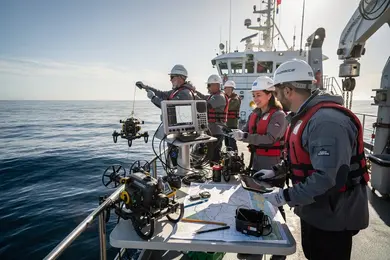
- Technical Oceanographic Support Staff: The rise of autonomous underwater systems and remotely operated vehicles (ROVs) fuels demand here. Technicians skilled in data acquisition, field instrumentation, and maintenance are critical to expanding observational networks, reflecting a broader trend of technology integration in oceanographic fieldwork.
- Ecological Oceanographers and Marine Biologists: Positions in biodiversity assessment and habitat restoration remain plentiful, driven by increasing attention to ecosystem resilience and fisheries management. Proficiency in ecological modeling and familiarity with conservation policy enhance employability in this niche.
- Geophysical Oceanographers: Their expertise in seismic surveying and sediment analysis is in demand among offshore energy firms and environmental agencies. The need to quantify ocean floor characteristics for both resource extraction and hazard assessment keeps openings stable, while interdisciplinary skills combining physical measurements and spatial data analysis expand candidate appeal.
- Physical Oceanographers Focused on Climate Modeling: These specialists support large-scale projects aimed at understanding ocean temperature profiles and currents, essential to global climate models. Employers favor applicants adept at integrating diverse oceanographic data streams and communicating complex findings to non-specialist stakeholders.
According to the U.S. Bureau of Labor Statistics and data from NOAA, over 40% of oceanography job openings increasingly require candidates to blend technical, analytical, and communicative competencies. For those assessing educational pathways, exploring options that develop quantitative skills and practical experience in emerging ocean technologies is advisable.
Prospective students may benefit from consulting resources focused on cost-effectiveness and program quality, especially when considering advanced degrees. A relevant source for this research is the most affordable online master's programs, which can help manage long-term career investment decisions in oceanography fields.
What Salary Bands Are Employers Offering Across Oceanography Careers?
Compensation in oceanography careers reflects a clear tiered structure tied to experience and specialization intensity, with entry-level roles generally earning between $50,000 and $65,000 as reported in 2024 labor data from the U.S. Bureau of Labor Statistics and LinkedIn Salary Insights.
Mid-career professionals with five to ten years of experience typically command salaries from $70,000 to $95,000, reflecting added responsibilities such as project management and independent research.
At the senior level, including principal investigators and specialists with advanced degrees or extensive experience, salaries range from $100,000 to upwards of $140,000, particularly within research-intensive or private consulting environments. These figures illustrate how oceanography pay scales correlate closely with progressive skill acquisition, leadership roles, and the complexity of research or operational tasks involved.
Variations in salary bands are strongly influenced by specialization within oceanography, with niche expertise in climate modeling or marine resource management often attracting premium offers due to limited supply and high market demand. Geographic location plays a notable role as well; prominent coastal research centers and private sector firms tend to offer higher compensation than governmental posts or inland areas, reflecting the competitive landscape and cost of living differentials.
Additionally, company size and sector-public versus private-impact wages, with private consultants and tech firms frequently outpacing the public sector due to profit-driven incentives and innovation requirements. The interplay between education, sectoral demand, and regional economics ultimately dictates compensation, underscoring that salary bands are as much a function of labor market dynamics as they are of individual qualifications.
A graduate who entered oceanography during a period of rolling admissions recalls that timing was critical; they delayed applying after completing their bachelor's degree to gain field experience, all while waiting anxiously for admission decisions that arrived sporadically over several months.
This wait created pause, forcing strategic choices about pursuing advanced degrees versus immediate employment. Their experience highlighted the uncertainty and nuanced planning involved in navigating career and education milestones within a specialized, fluctuating job market where salary prospects hinge not just on credentials but also on timing and tactical entry points in the field.
Which Industries Are Hiring the Most Oceanography Graduates?
Demand for oceanography graduates in 2024 is concentrated within industries undergoing rapid technological transformation, workforce growth, or facing significant skills shortages. This hiring pattern reflects broader shifts in environmental policy enforcement, energy transition strategies, and scientific innovation rather than isolated recruitment spikes.
Employers increasingly seek candidates who combine technical aptitude with applied understanding of marine systems to address complex challenges in resource management and climate resilience.
- Government Agencies: Federal and state entities focused on environmental conservation, fisheries regulation, and coastal monitoring represent the largest single employer group. These roles demand expertise in data analysis, policy implementation, and environmental assessment, driven by mandates to manage marine resources sustainably. According to 2024 data from the U.S. Bureau of Labor Statistics and NOAA, over 40% of oceanography-related positions reside within this sector, reflecting its pivotal role in enforcing climate and habitat protections.
- Energy Sector: The energy industry, particularly offshore oil and gas and emerging renewable ocean power, is expanding its recruitment of oceanography graduates. This growth aligns with the increasing complexity of offshore operations and the industry's pivot toward sustainable energy solutions like tidal and wave technologies. Employers prioritize skills in oceanographic instrumentation, geospatial analysis, and environmental risk assessment to support development and regulatory compliance in dynamic ocean environments.
- Academic and Research Institutions: Universities and specialized research centers continue to hire oceanographers for roles requiring advanced scientific expertise, especially in marine ecology, climate modeling, and sensor development. These positions often necessitate graduate-level qualifications, emphasizing proficiency in quantitative methods and experimental design to drive innovation in understanding ocean processes.
- Environmental Consulting and Marine Spatial Planning Firms: Consulting companies have emerged as important players by integrating scientific knowledge with regulatory frameworks. Their oceanography hires focus on environmental impact assessments, habitat mapping, and policy advising, requiring strong analytical skills, interdisciplinary collaboration, and familiarity with environmental law. This sector benefits from broad ocean science training applied to practical, regulatory-driven challenges.
How Does Hiring Demand Vary by State, Region, and City?
Hiring demand for oceanography professionals shows distinct variation by state and region, shaped largely by the economic structure and institutional presence within each area. Coastal states such as California, Washington, and Massachusetts lead job availability due to concentrated marine science industries, federal research agencies, and extensive oceanographic infrastructure.
According to labor market data from the U.S. Bureau of Labor Statistics and regional workforce reports, the Pacific Coast benefits from a mix of private environmental research, technology startups, and federal outposts like NOAA, while the Northeast emphasizes climate research and policy roles within dense academic and governmental networks.
In contrast, the Gulf Coast's oceanography job market is tied more closely to energy and coastal restoration initiatives, influencing specialization and salary ranges.
States with limited coastal access typically display more modest demand, where oceanography graduates may need to pivot toward related geoscience or environmental consulting roles. This geographic distribution highlights the importance of aligning career expectations with the economic drivers and institutional ecosystems unique to each region's oceanography job demand by state and region.
At the city level, metropolitan areas with marine research universities or significant coastal infrastructure report more intense hiring activity and higher salary potential, driven by competitive and interdisciplinary employer demands. Cities like Seattle, Boston, San Diego, and Charleston exemplify these urban hubs where employer density, talent pipelines, and local infrastructure create robust ecosystems for oceanography professionals.
However, these advantages often come with higher living costs and require expertise in data analytics, remote sensing, or environmental law to compete effectively. Such cities combine nonprofit, academic, and government roles, making them hotspots but also challenging labor markets.
Inland or less specialized cities tend to have weaker concentrations, meaning candidates may need geographic flexibility or consider broader occupational paths. For individuals weighing educational pathways, including a degree in office administration or related fields might broaden options in overlapping sectors, emphasizing practical adaptability in career planning tied closely to this nuanced labor market landscape.
What Skills Are Employers Prioritizing in Oceanography Job Postings?
Employer demands in oceanography roles increasingly reflect the sector's rapid technological shifts and the growing integration of automated data collection and analysis tools. Recruitment priorities reveal a landscape where interdisciplinary expertise and practical field experience intersect with advanced technical abilities.
As environmental monitoring expands and marine systems modeling gains complexity, employers expect candidates to merge scientific knowledge with computational and collaborative skills, underscoring the evolving nature of the discipline.
- Geospatial Analysis and Remote Sensing Proficiency: The surge in satellite data usage and autonomous underwater platforms necessitates fluency in spatial data interpretation. Employers prioritize candidates adept with GIS software, as these skills directly support real-time environmental assessment and resource management, which are at the forefront of contemporary oceanography.
- Programming in Python, R, or MATLAB: Coding capabilities have become integral for handling large datasets and developing predictive models concerning ocean currents and climate impacts. Job listings frequently require this expertise, emphasizing its role in enabling advanced statistical analysis and automation, which improves efficiency and research depth.
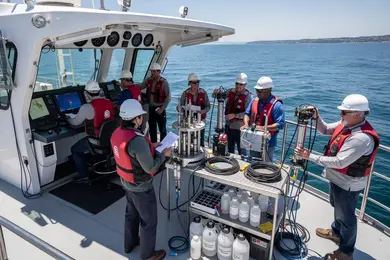
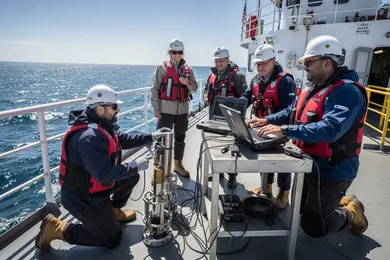
- Field Data Collection and Instrument Deployment Experience: Despite increased automation, hands-on skills remain essential for managing data integrity and troubleshooting in challenging marine environments. Practical field competence signals reliability and adherence to stringent safety protocols, traits that distinguish candidates in entry-level and specialized positions alike.
- Data Management and Statistical Analysis Techniques: The ability to organize, cleanse, and statistically evaluate complex datasets reflects growing expectations for analytical rigor in oceanographic research. Mastery here enables professionals to extract actionable insights from raw data, bridging field observations with broader environmental models.
- Interdisciplinary Communication and Team Collaboration: Oceanography projects often involve diverse stakeholders, including policy makers and interdisciplinary teams. Effective communication skills enhance the translation of technical findings into practical applications, a quality that nearly half of current job postings identify as critical for successful execution of applied research objectives.
A 2024 report by the U.S. Bureau of Labor Statistics highlights that over 65% of oceanography-related positions list GIS proficiency as a baseline requirement, while more than half expect coding skills, signaling a clear pivot toward computational fluency combined with field expertise. Understanding these prioritized skills provides a realistic compass for aligning educational choices with the nuanced demands of today's oceanographic labor market.
Which Certifications Increase Employability and Salary Potential?
Certifications in the oceanography sector function primarily as markers of advanced technical capabilities and industry preparedness, supplementing formal education to elevate a candidate's job market competitiveness.
These credentials validate expertise in specific skill areas where employers commonly experience shortages, thereby influencing hiring priorities and starting salaries. Strategic certification not only signals an applicant's readiness to meet specialized challenges but can also lead to measurable salary improvements, as reflected in recent workforce studies.
- Certified Professional Oceanographer (CPO): This credential is prized because it attests to comprehensive technical knowledge and adherence to professional standards critical across scientific and regulatory roles. Employers often use CPO status to differentiate candidates who possess both theoretical understanding and applied competence, which can translate into greater leadership opportunities and salary premiums.
- Geographic Information Systems (GIS) Certification: As spatial data and mapping become increasingly central to marine research and resource management, GIS certification directly addresses a widespread skill gap. The Bureau of Labor Statistics notes a 22% higher employment rate for oceanography specialists proficient in GIS, underscoring its tangible impact on employability and wage potential.
- Marine Spatial Planning Accreditation: This certification aligns with growing demand for sustainable ocean resource management and regulatory compliance professionals. It signals an ability to balance environmental, social, and economic factors effectively, making certified individuals prime candidates for government and private-sector roles focused on offshore project planning.
- Basic Safety Training (BST): Specialized safety credentials are essential for offshore and fieldwork positions where regulatory compliance and risk mitigation are paramount. Candidates combining safety certifications with scientific expertise often have access to a broader range of roles and command higher compensation due to the operational risks involved.
One early-career oceanography graduate recalls the challenge of choosing which certification to pursue amid a rolling admissions process for advanced technical roles. Facing months of waiting for application results, they hesitated before committing to a GIS program but ultimately used this time to complete a safety certification.
This dual approach positioned them uniquely when employers later prioritized candidates with both field readiness and analytical skills, easing their transition into a higher-paying position despite initial uncertainty.
How Do Remote and Hybrid Opportunities Affect the Oceanography Job Market?
The rise of remote and hybrid work arrangements is reshaping hiring patterns in oceanography careers by expanding roles suited to computational, modeling, and policy analysis functions. According to recent workforce analytics, nearly 30% of new openings in oceanography-related fields now incorporate some element of remote work, reflecting growing employer confidence in digital collaboration tools.
Hybrid positions are increasingly preferred for blending field research with remote data processing, aligning with the discipline's experimental demands. This shift also prompts employers to prioritize candidates with advanced digital communication and cloud-based data visualization skills, fundamentally altering the skill sets that early-career professionals must develop to remain competitive in this evolving job market.
These trends influence geographic hiring dynamics by enabling organizations to tap into broader talent pools while balancing local presence needs, thereby reducing traditional regional constraints while intensifying competition. Salary structures reflect these changes, often showing narrower disparities as cost savings on physical infrastructure translate into varied compensation based on role complexity rather than location alone.
Employers are redefining collaboration expectations, emphasizing asynchronous communication and independent work capacity essential for remote or hybrid contexts.
As this evolution continues, job seekers should evaluate how these factors interrelate with mentorship, network building, and practical skills, especially when considering programs that blend technical education with real-world application, such as child psychology master's programs that emphasize digital proficiency within interdisciplinary research environments.
Understanding remote work trends in oceanography careers and hybrid job opportunities in oceanography industry is crucial for navigating this shifting labor landscape effectively.
Which Oceanography Careers Show the Strongest Long-Term Hiring Momentum?
Long-term hiring momentum within oceanography careers reflects structural transformations rather than transient job market shifts. This momentum is rooted in enduring economic and technological trends that reshape employer demand and workforce composition over time.
Understanding which oceanography careers sustain growth requires analyzing how evolving industries, regulatory priorities, and innovation spur persistent talent needs. These dynamics illustrate that momentum is less about short-term hiring spikes and more about stable, future-proof employment pathways aligned with complex environmental challenges and advanced technologies.
- Marine Science Technicians sustain strong hiring momentum due to their essential role in operating sophisticated underwater equipment and autonomous vehicles (AUVs) that monitor ocean environments. As ocean data collection shifts toward automation and sensor networks, demand for technicians who can manage these technologies grows steadily, reflecting broader industrial digitization and environmental monitoring mandates.
- Environmental Scientists Specializing in Ocean Ecosystems continue to see increased job openings driven by heightened focus on ocean acidification and biodiversity preservation. Their expertise supports regulatory compliance and resource management amid escalating environmental policy requirements influencing fisheries, habitat protection, and climate impact mitigation.
- Oceanographers Skilled in Data Analytics and Remote Sensing benefit from the integration of computational modeling with field research. The surge in interdisciplinary applications, combining geospatial information systems (GIS) and big data analytics, reinforces long-term demand for professionals who bridge environmental science and technology.
- Coastal Resilience and Marine Spatial Planners experience sustained growth aligned with expanding governmental and private investments in climate adaptation infrastructure. Their work intersects policy, environmental engineering, and urban planning, meeting the increasing need to mitigate coastal hazards and manage marine resources sustainably.
According to the U.S. Bureau of Labor Statistics (2024), job opportunities in these oceanography roles are projected to increase by approximately 12% over the next decade, outpacing many related scientific disciplines. This reflects structural shifts emphasizing interdisciplinary skills and advanced technological proficiency over traditional single-discipline expertise, crucial for sustained career momentum in oceanography careers with highest long-term growth rates.
Careers emphasizing climate change research and marine resource management leverage this trend, with strong employer demand for oceanographers skilled in emerging technologies such as remote sensing and data analytics. The rise in roles related to coastal resilience and marine spatial planning corresponds to expanding investments in climate adaptation, both in public policy and private sectors.
Key factors influencing these long-term hiring trends include:
- A growing need for expertise in ocean acidification and its impact on fisheries and biodiversity.
- Expanded use of autonomous underwater vehicles (AUVs) and advanced sensor arrays requiring technically skilled operators.
- Increasing cross-sector collaboration involving environmental policy, infrastructure planning, and oceanographic research.
However, prospective candidates should heed the competitive nature of academic and traditional research institutions, where funding inconsistencies may restrict advancement opportunities.
Gaining practical experience with GIS, programming languages, and effective multidisciplinary collaboration remains critical for accessing the oceanography jobs segment exhibiting the strongest hiring momentum. For those seeking career insights in related high-demand fields, resources covering specialized roles such as a profiler job offer useful context on workforce dynamics.
How Can Students Use Job Market Data to Make Better Career Decisions?
Students can leverage current job market data from labor reports, hiring platforms, and salary databases to evaluate demand, compensation, and growth potential within oceanography fields. Detailed analysis of open positions reveals which specialties attract increased hiring interest, while salary tiers help clarify income trajectories at various career stages.
Additionally, monitoring industry growth signals from sources such as the Bureau of Labor Statistics guides students toward emerging sectors like climate modeling or marine technology with better long-term prospects. These insights enable more strategic alignment of education investments with shifting workforce needs rather than relying on outdated or anecdotal information.
Interpreting this data requires balancing quantitative indicators with personal factors like geographic mobility, skill alignment, and professional interests. Overemphasizing short-term hiring surges risks channeling students into oversaturated or transient niches without sustainable career opportunities.
Instead, combining labor market trends with individual goals allows for informed decision-making that accounts for potential volatility and evolving employer expectations. This disciplined approach helps avoid both over-specialization and under-preparation, enhancing the likelihood of stable, adaptable careers in oceanography amid changing workforce dynamics.
References
- Civilian Careers in Oceanography and Meteorology https://www.usna.edu/Oceanography/ProspectiveStudents/Civilian-Careers.php
- Remote Work in Marine Sciences: A Paradigm Shift in the Workforce • Blue-Jobs • The online platform to find a job in marine sciences https://blue-jobs.com/2025/01/28/remote-work-in-marine-sciences-a-paradigm-shift-in-the-workforce/
- How to become an oceanographer | Conservation Careers https://www.conservation-careers.com/how-to-become-an-oceanographer/
- Top 15 Highest Paying Marine Biology Jobs in 2025 (UK & US Salaries Guide) https://apexlearning.org.uk/highest-paying-marine-biology-jobs-2026/
- Schmidt Marine https://jobs.schmidtmarine.org/
- The skills employers seek https://www.emerging.fr/post/the-skills-employers-look-for-in-new-university-graduates
- The Transformative Impact of Remote Work: How Online Jobs are Empowering Workers in Emerging Markets https://nextbillion.net/transformative-impact-remote-work-online-jobs-empowering-workers-emerging-markets/
- Employment opportunities for students and graduates in science https://www.dfo-mpo.gc.ca/career-carriere/science/students-etudiant/index-eng.html
- Oceanography https://www.marinecareers.net/career-fields/oceanography
- More than a Hobby: Marine Science Career Development through the Lens of Social Cognitive Career Theory | Current: The Journal of Marine Education https://current-journal.com/articles/10.5334/cjme.83
Other Things You Should Know About Oceanography
Choosing between a specialized oceanography position and a broader environmental science role hinges on one's long-term career focus versus flexibility. Specialized roles often demand deeper technical knowledge and may offer higher initial salaries but come with narrower job availability and potential geographic constraints.
Broader environmental science roles provide more diverse opportunities and adaptability during economic shifts but may limit advancement specifically in oceanographic research or applications. Candidates should prioritize specialized positions only if they are confident in their technical expertise and geographic preferences; otherwise, a hybrid skillset may enhance employability without sacrificing technical rigor.
Junior oceanography roles typically offer more structured mentorship and slower skill development but often come with tighter salary bands and less influence on project direction.
Senior positions require proven experience with higher expectations for independent problem-solving and leadership, which correlates with substantially higher pay but increased workload and stress. For early-career professionals, prioritizing junior roles that provide clear growth pathways and technical training is advisable to build a solid foundation before moving into demanding senior roles with broader responsibility scopes.
Seasonal funding cycles, especially those tied to government research grants, create fluctuating hiring momentum that disproportionately affects contract and temporary oceanography roles. This intermittent hiring can challenge job stability and complicate career progression for professionals reliant on continuous employment.
Understanding these patterns is crucial for candidates considering contract positions; prioritizing organizations with diversified funding sources or permanent roles can mitigate employment gaps and provide more consistent career growth.
In private sector oceanography roles, practical field experience often outweighs purely academic credentials, particularly in applied research, consulting, or technology development. Employers prioritize candidates who demonstrate hands-on skills, problem-solving in dynamic environments, and the ability to manage data collection and analysis efficiently.
While advanced degrees remain valuable for research-heavy roles, individuals targeting applied positions should focus on internships, fieldwork, and project-based experience to meet employer expectations and improve hiring competitiveness.