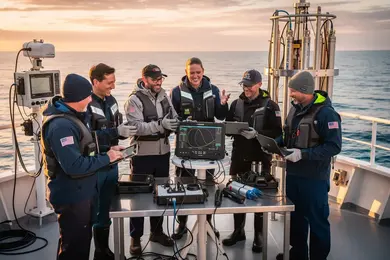
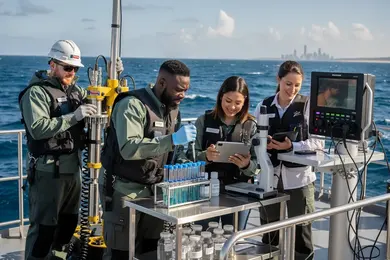
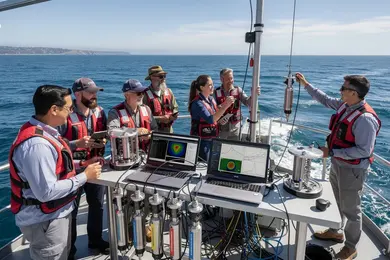
2027 Oceanography Degree Enrollment Trends by Age Group: Traditional Students vs Adult Learners

Co-Founder and Chief Data Scientist
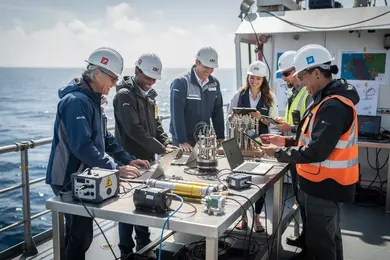
The demand for skilled professionals in oceanography has intensified, driven by a 12% projected workforce growth through 2030 as climate monitoring and marine conservation expand. Traditional students-typically aged 18 to 24-often enroll early to meet rigorous practicum and laboratory requirements essential for research roles. Adult learners face unique barriers: balancing career transitions with intensive fieldwork and stringent credentialing standards limits their participation.
This bifurcation reflects deeper structural challenges in oceanography education, where hands-on experience and timely progression are critical for employability. The age distribution signals persistent accessibility gaps and suggests evolving program designs may be necessary to sustain workforce replenishment.
Key Things to Know About Oceanography Degree Enrollment Trends by Age Group
- Traditional college-age students constitute over 70% of oceanography enrollees, reflecting entrenched academic pipelines but limiting adult learners' peer networking and internship opportunities critical to field integration.
- Employers often prioritize candidates with uninterrupted academic timelines, which disadvantages older enrollees despite their relevant work experience, underscoring a workforce bias impacting career trajectory in oceanography.
- Adult learner enrollment growth faces cost and time tradeoffs, as delayed educational entry compresses practical fieldwork phases, affecting skill development speed and delaying competitive job market entry.
- Key Things to Know About Oceanography Degree Enrollment Trends by Age Group Key Things to Know About Oceanography Degree Enrollment Trends by Age Group
- Which Age Groups Represent the Largest Share of Oceanography Students? Students by Age Group
- Why Do Traditional Students Choose Oceanography Degree Programs? Traditional Students
- Why Do Adult Learners Return to School for an Oceanography Degree? Adult Learners
- How Do Academic Goals Vary Between Younger and Older Oceanography Students? Academic Goals by Age Group
- How Do Financial Concerns Differ Between Traditional Students and Adult Learners? Financial Concerns by Age Group
- What Challenges Do Adult Learners and Traditional Students Face While Earning an Oceanography Degree? Student Challenges by Age Group
- How Does Age Affect Oceanography Degree Student Retention? Age and Student Retention
- Which Oceanography Specializations Are Most Popular Among Adult Learners? Top Specializations for Adult Learners
- How Does Age Affect Job Opportunities for Oceanography Graduates? Impact of Age in Job Opportunities
- What Do Current Oceanography Enrollment Trends Reveal About Future Demand? What Do Current Oceanography Enrollment Trends Reveal About Future Demand?
Which Age Groups Represent the Largest Share of Oceanography Students?
Oceanography programs draw students at different life stages, but enrollment predominantly clusters within certain age brackets shaped by career timelines, financial readiness, and educational pathways. The age distribution of these students mirrors broader workforce demands and higher education accessibility rather than simple academic choice.
Factors like career entry sequencing, work-study balance, and employer preferences play critical roles in defining who enrolls in oceanography degrees and when.
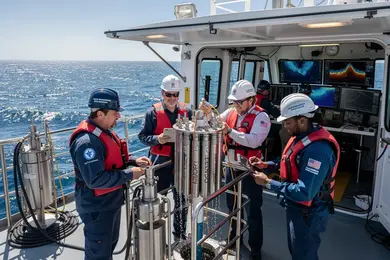
- Ages 18-24: This group forms the largest segment of traditional students in oceanography degree programs. Having recently completed high school, these individuals typically pursue full-time undergraduate studies, benefiting from clearer academic structures and direct transitions into advanced science training. Their enrollment aligns with institutional pathways designed for continuous, immersive learning involving lab work and field research, which suits younger students' availability.
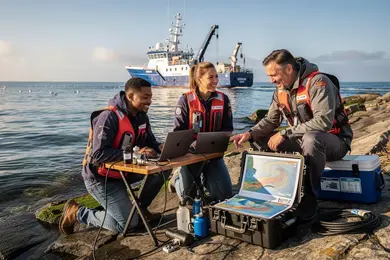
- Ages 25-34: Representing the next sizable cohort, many in this bracket pursue oceanography degrees as part of career changes or upskilling efforts. Adult learners here weigh practical considerations like balancing work and study, often opting for part-time or flexible learning options. Though less prevalent than the traditional cohort, they are increasingly visible as programs adapt to accommodate professional schedules and evolving environmental sectors.
- Ages 35-44: Enrollment declines notably in this range due to intensified challenges in managing family and job commitments alongside demanding oceanography curricula. Time constraints limit opportunities for hands-on internships or research, reducing the feasibility of full-time participation. Workforce entry is often delayed or segmented for this group, leading to longer paths to degree completion.
- Ages 45 and Older: This segment remains the smallest but gradually growing, often driven by reskilling needs related to climate initiatives or sustainability roles within existing careers. However, limited institutional flexibility and employer emphasis on recent credentials can discourage full engagement. For these learners, programs like 1- year master's programs provide more accessible pathways but are not yet widespread across oceanography education.
Why Do Traditional Students Choose Oceanography Degree Programs?
The decision by traditional students to enroll in oceanography degree programs often reflects a convergence of academic curiosity and strategic early career planning. Many young learners pursuing oceanography degrees are drawn by the interdisciplinary nature of the field, which offers a foundation in biology, chemistry, physics, and geology, providing a comprehensive scientific skill set that appeals to those interested in environmental and climate challenges.
This degree functions as a strong signal to employers about analytical rigor and applied scientific knowledge, which helps traditional students explore multiple career pathways from government research roles to environmental consulting. According to a 2024 report by the National Science Foundation, over 65% of traditional-age oceanography students cite a passion for addressing marine ecosystem issues as a key enrollment driver, illustrating the blend of academic motivation and aligned career interests.
Underlying this initial engagement are institutional and systemic factors shaping student choices. University recruitment efforts often target high school graduates with backgrounds or interests in STEM, facilitating streamlined entry into oceanography programs through specialized advising and summer research opportunities. Guidance counselors and early college exposure to marine science topics play a critical role in shaping perceptions of job market stability and the value of oceanographic expertise in emerging environmental fields.
This guidance helps traditional students evaluate oceanography not just as an academic pursuit but as a pragmatic step toward defined career trajectories that include fieldwork and research internships, which are less prioritized by adult learners who often seek flexibility instead. For example, elective courses and outreach initiatives help familiarize young students with the field before formal enrollment, reinforcing their motivation and aligning academic pathways with employer expectations.
Students who follow these pathways often benefit from structured curriculum progression and readily available research placements compared to those exploring degrees later in life, illustrating how early decision-making influences specialization and career outcomes. Exploring options among master's degrees can also offer insights into manageable pathways that balance practical outcomes with life commitments.
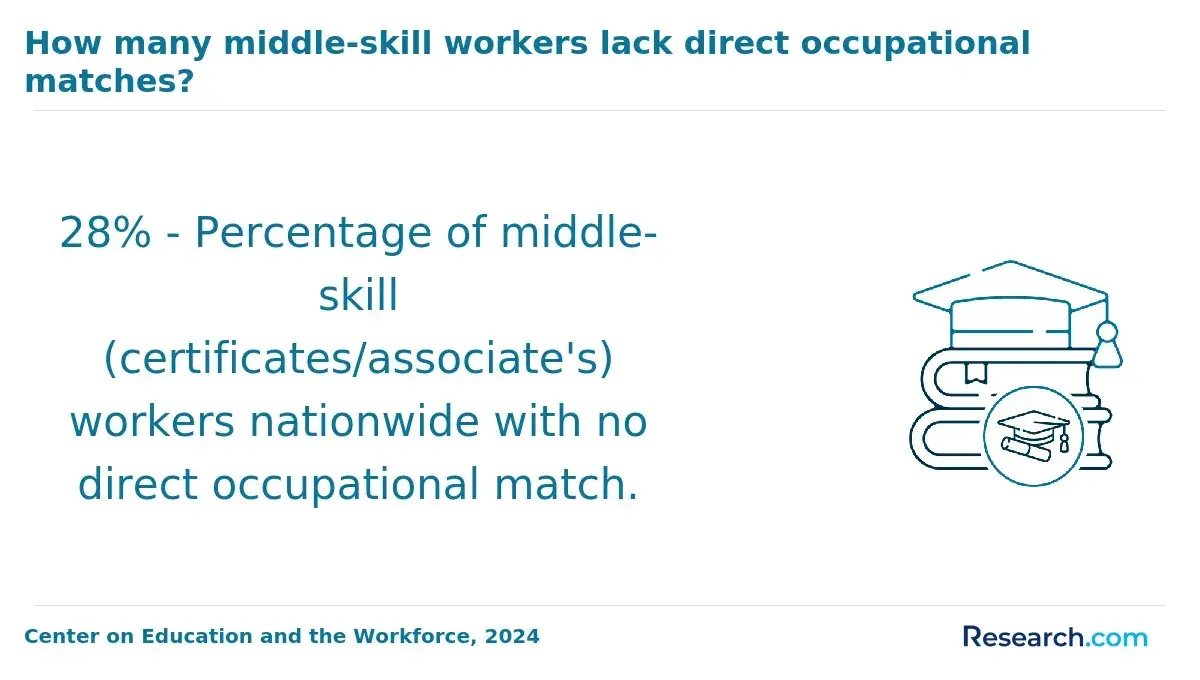
Why Do Adult Learners Return to School for an Oceanography Degree?
Adult learners often pursue an oceanography degree to facilitate occupational shifts, wage enhancement, or to remain competitive amid evolving industry standards. Unlike traditional students who enter oceanography as a first career step, these individuals typically seek to deepen scientific expertise or pivot within allied environmental and marine sectors.
Data from the National Center for Education Statistics in 2024 indicates that nearly 40% of students aged 25 and older enroll in STEM fields to upgrade qualifications necessary for higher-paying or more technically demanding roles. This demographic balances the financial opportunity costs of returning to education by targeting skills like marine data analytics and environmental assessment that are increasingly prioritized by employers responding to climate and sustainability challenges.
Other significant drivers include employer-sponsored tuition benefits and the growing availability of flexible program delivery models such as online and part-time coursework, which accommodate ongoing work and family commitments. Credential inflation and more stringent certification requirements in marine sciences also push adult learners to update their qualifications to meet current professional standards.
These learners often emphasize applied competencies like GIS proficiency and fieldwork readiness, reflecting employer expectations for job-ready graduates who can integrate theoretical knowledge with practical environmental problem-solving in real-world contexts.
How Do Academic Goals Vary Between Younger and Older Oceanography Students?
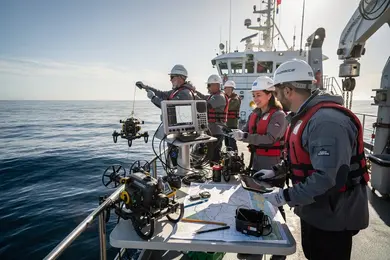
Traditional-age oceanography students, generally between 18 and 24 years old, often engage with their studies through an exploratory lens aimed at building broad scientific fundamentals. Their academic focus typically centers on mastering core theories, conducting laboratory and field research, and positioning themselves for entry-level roles or graduate education pathways.
According to the 2024 National Center for Education Statistics, nearly 70% of these students prioritize graduate study or research early in their programs. This cohort's relatively limited work experience and financial responsibilities allow them to invest time in foundational skill development and academic networking, though this approach may delay immediate workforce entry.
By contrast, adult learners returning to oceanography tend to navigate their education with narrowly defined goals aligned with career shifts or skill upgrades essential for specific employer demands. Often balancing family and professional life, they prefer applied knowledge that translates directly to workplace outcomes or certification completion, emphasizing credentials that expedite promotion or transition within environmental fields.
The American Association of Colleges and Universities reported in 2024 that over 70% of these nontraditional students enroll with a focus on job-specific competencies rather than academic research. This pragmatic approach reflects a strategic recalibration based on accumulated labor market experience and the pressing need to balance education with existing obligations.
One adult learner shared how he delayed applying to oceanography programs after initial research revealed shifting admission deadlines and rolling applications, creating uncertainty around enrollment timing. Balancing part-time job hours and household responsibilities left him hesitant to commit without clarity on start dates and course formats.
Ultimately, securing advice from an academic advisor about program flexibility helped him decide to submit his application just before the final review period, alleviating anxiety about missing critical deadlines while maintaining control over his career transition timeline.
How Do Financial Concerns Differ Between Traditional Students and Adult Learners?
Traditional students enrolled in oceanography degree programs often depend heavily on family support, financial aid, or student loans to cover tuition and living expenses. With limited personal income sources, their primary financial concerns center on managing immediate tuition costs and the long-term consequences of debt accumulation.
According to a 2024 report from the National Center for Education Statistics, 68% of undergraduate students rely mainly on external funding rather than earnings, underscoring dependency patterns that influence educational choices and debt tolerance. These financial dynamics shape decisions about program length, as extended degree timelines may compound debt but are sometimes justified by anticipated future earnings growth, making cost comparisons of oceanography degrees for traditional students an important factor in enrollment decisions.
Adult learners face distinctly different financial pressures when pursuing oceanography studies, as many balance tuition payments with ongoing family obligations and mortgage responsibilities. This group often confronts the opportunity cost of lost wages during reduced work hours or full-time study periods, complicating affordability despite leveraging employer tuition assistance programs.
The Lumina Foundation's 2024 survey emphasizes that 57% of adult learners prioritize degree completion while maintaining employment, highlighting their need for flexible payment options and financial aid solutions tailored to mature students. Financial aid options for adult learners in oceanography must also reflect these pragmatic concerns, as this population tends to evaluate education as a strategic career investment rather than an exploratory phase, making resource access and time management critical factors.
These divergent financial considerations influence enrollment patterns and program selection between traditional and adult oceanography students. Adult learners are more likely to opt for online formats offering flexibility to balance work and study, whereas traditional students may favor on-campus experiences despite higher upfront costs. Both groups undertake calculations of return on investment grounded in their life stage and workforce participation, with adult learners focusing on minimizing employment gaps and accelerating career transitions.
For prospective students, understanding these nuanced financial behaviors and education funding dynamics is essential in navigating oceanography program accessibility and long-term career implications, whether evaluating tuition costs directly or considering options like the cheapest AACSB online MBA as a parallel reference to affordability strategies in specialized degree areas.
What Challenges Do Adult Learners and Traditional Students Face While Earning an Oceanography Degree?
Traditional students pursuing an oceanography degree often encounter significant adjustment challenges transitioning from high school to the intensified demands of STEM coursework. Developing a solid foundation in complex scientific principles while managing structured schedules can strain newcomers, with nearly 45% reporting difficulties adapting to rigorous lab work and theory in their first year, according to the National Center for Education Statistics.
Time management struggles frequently arise as these students juggle academic expectations alongside social integration within specialized programs, impacting retention and progression in demanding curricula. In contrast, adult learners face a distinct set of hurdles rooted in their broader life responsibilities. Returning to academic environments after extended absences requires re-familiarizing with scientific concepts and balancing studies with employment and family obligations.
The time-intensive nature of laboratory work presents pronounced challenges, as 63% of adult STEM learners identify juggling practical course components alongside external commitments as a major barrier, per the Council for Adult and Experiential Learning. These pressures often necessitate flexible scheduling and support mechanisms tailored to accommodate ongoing professional roles and personal demands, which traditional structures may not adequately address.
Effective degree pathways in oceanography increasingly depend on institutions adapting to these diverse needs through differentiated advising, flexible learning formats, and targeted support services. By recognizing how economic pressures manifest differently-such as loan dependence for traditional students versus immediate family and income constraints for adult learners-programs can better structure access and completion trajectories.
Addressing this spectrum of challenges with lifecycle-sensitive resources is vital for improving outcomes and enabling both student populations to navigate the academic and practical complexities inherent to oceanography education.
How Does Age Affect Oceanography Degree Student Retention?
Younger oceanography students generally face retention issues tied closely to academic acclimation and sustained motivation. Many are transitioning directly from high school, adjusting to the rigor and pace of college-level coursework while navigating unfamiliar institutional structures. Early engagement challenges, including less developed study habits and limited external commitments, often contribute to fluctuations in persistence. According to the 2024 National Center for Education Statistics, retention rates within this group hover around 70-75%.
In contrast, older oceanography students tend to exhibit stronger intrinsic motivation and clearer career objectives but confront retention obstacles due to external pressures. Juggling full-time employment, family responsibilities, and less flexible scheduling creates competing demands on their time, which conventional program models often inadequately address.
The presence of part-time enrollment and online class options can improve their retention significantly-sometimes by as much as 15 percentage points-as highlighted by recent data from the American Geophysical Union. These learners' persistence is frequently conditioned by how well institutions accommodate their complex life circumstances rather than academic preparedness alone.
One oceanography graduate recalled a prolonged application period marked by uncertainty during rolling admissions. Balancing work demands and family obligations, they hesitated to commit without clarity on course flexibility and start dates. Only after direct communication with admissions, confirming options for part-time enrollment and online access, did they finally submit their materials-an experience underscoring how timing and institutional responsiveness can critically influence retention for adult learners navigating nontraditional pathways.
Which Oceanography Specializations Are Most Popular Among Adult Learners?
Adult learners in oceanography degree programs tend to prioritize specializations that offer clear pathways to career mobility, practical skill enhancement, and alignment with workforce needs. Many mature students balance education with existing job responsibilities, leading them to prefer applied fields with direct relevance to current or prospective employer demands.
This inclination is supported by a 2024 National Oceanic and Atmospheric Administration (NOAA) report, which shows that about 62% of adult learner enrollments favor applied and interdisciplinary subfields rather than purely theoretical disciplines.
- Marine Resource Management: This specialization attracts adults seeking roles in sustainable fisheries, conservation policy, and regulatory compliance, capitalizing on industry experience and facilitating transitions into environmental governance or consultancy.
- Coastal Zone Management: Professionals focusing on coastal resilience and adaptation strategies choose this area to acquire skills that respond directly to rising climate impacts, supporting salary advancement through niche expertise valued by government agencies and non-profits.
- Environmental Oceanography: Adult learners leverage this track to update their knowledge on ecosystem health and pollution mitigation, meeting growing employer demands for specialists who can apply data analytics to real-world environmental challenges.
- Interdisciplinary Oceanography: Mature students often select this for its integration of ocean sciences with economics and data science, enabling flexible career reinvention in consultancy and multidisciplinary project management.
- Policy and Regulatory Compliance: This specialization is favored by those aiming to bridge scientific understanding with legal frameworks, enhancing employability in sectors where policy-driven environmental decisions shape operational priorities.
The emphasis on these specializations reflects a broader trend where adult learners pursuing oceanography degree specializations favored by adult learners prioritize immediate employability and adaptability. Unlike traditional students focused on physical oceanography or marine biology, mature students seek programs that build on prior work experience and facilitate workforce transitions.
For individuals balancing GPA challenges while seeking relevant career paths, exploring colleges that accept 2.0 GPA providing oceanography-related specializations can be a strategic option to gain credentials aligned with evolving industry needs.
How Does Age Affect Job Opportunities for Oceanography Graduates?
Traditional students in oceanography programs-typically younger graduates in their early 20s-generally benefit from established campus recruitment pipelines and access to internships that facilitate quicker entry into the workforce. Their recent academic training aligns closely with current research methodologies and technology, which employers often prioritize during early-career hiring.
Data from the U.S. Bureau of Labor Statistics (2024) indicates that younger STEM graduates, including those in oceanography, tend to experience faster initial hiring rates, reflecting employer preferences for fresh, adaptable talent. This dynamic shapes career opportunities by positioning younger graduates advantageously within the initial hiring cycle of the oceanography job market, directly impacting their early professional experiences and trajectory.
Adult learners entering oceanography fields later bring varied prior work experiences and transferable skills that can improve long-term job stability and retention, as reflected in National Center for Education Statistics data showing higher retention rates among these graduates after five years. However, they often encounter employer perceptions related to age and adaptability, which may necessitate targeted networking efforts or credential updates to overcome implicit biases in hiring.
These candidates typically pursue career transitions, leveraging their broader professional background to complement oceanography expertise, which reshapes their job opportunities differently than younger peers. For students weighing educational timing, understanding these nuanced workforce segmentation factors and how age influences career prospects is essential when aligning expectations and strategic planning, whether pursuing a traditional path or alternatives like an online bachelor's degree in forensic science.
What Do Current Oceanography Enrollment Trends Reveal About Future Demand?
Shifting enrollment patterns in oceanography degree programs reveal nuanced changes in student interest and perceived career trajectories within the field. While traditional full-time students aged 18 to 24 remain the majority, recent data from the National Science Foundation's 2024 Survey of Earned Doctorates highlights a consistent 4% annual growth in adult learners-those aged 25 and older-who seek specialized reskilling opportunities.
This diversification reflects a broader recognition of oceanography's applied value beyond academia, as mid-career professionals pursue updated skills aligned with evolving environmental and industrial demands. Meanwhile, the balance between research-intensive and practice-oriented programs is adapting to these demographic shifts, indicating a widening spectrum of educational offerings catering to distinct career goals.
These enrollment dynamics correspond to broader labor market signals signalling increased demand for oceanography graduates with expertise in climate impact analysis, marine biodiversity, and data-driven approaches. Industry developments like offshore renewable energy expansion and tighter environmental regulations create workforce shortages that education providers respond to by expanding flexible and targeted curriculum options.
Growth in adult learner enrollment further implies that program accessibility and modularity will become critical for attracting candidates who must integrate study with professional responsibilities. Consequently, current enrollment trends forecast continued program growth and specialization diversification, shaped by technological advances and labor market priorities that value adaptable, workforce-ready oceanography skills.
References
- How Climate Change is Reshaping Jobs at Sea and Oceanography Careers • Blue-Jobs • The online platform to find a job in marine sciences https://blue-jobs.com/2024/12/10/how-climate-change-is-reshaping-jobs-at-sea-and-oceanography-careers-%F0%9F%8C%90/
- Adult Postsecondary Learners: Reviewing the Data and Evidence https://www.jff.org/idea/adult-learners/
- College Enrollment Statistics [2026]: Total + by Demographic https://educationdata.org/college-enrollment-statistics
- Reasons to Major in Marine Biology https://www.seamester.com/blog/8-reasons-to-major-in-marine-biology/
- Does Higher Ed’s Value Proposition Resonate with Adult Learners? - UPCEA https://upcea.edu/does-higher-eds-value-proposition-resonate-with-adult-learners/
- 5 Reasons to Return to Education as an Adult https://ucr.rotherham.ac.uk/blog/5-reasons-to-return-to-education-as-an-adult/
- Employment opportunities for students and graduates in science https://www.dfo-mpo.gc.ca/career-carriere/science/students-etudiant/index-eng.html
- Rebound or Mirage? Unpacking the Latest International Enrollment Trends https://encoura.org/resources/wake-up-call/rebound-or-mirage-unpacking-the-latest-international-enrollment-trends
- More than a Hobby: Marine Science Career Development through the Lens of Social Cognitive Career Theory | Current: The Journal of Marine Education https://current-journal.com/articles/10.5334/cjme.83
Other Things You Should Know About Oceanography
In 2027, enrollment trends show a noticeable increase in adult learners entering oceanography degree programs. Flexible course offerings and the promise of skill diversification attract adult learners, whereas traditional students tend to pursue these degrees for foundational career paths in marine sciences.
Yes, adult learners usually benefit from programs with asynchronous or evening classes that fit around their work schedules. However, oceanography's emphasis on lab and field experiences means fully online degrees might limit practical skill development. Adult learners must weigh the convenience of flexible formats against potential gaps in hands-on training, which can affect preparedness for technical roles in marine research or environmental consulting. Prioritizing hybrid programs often results in better outcomes for adult students.
Many employers in oceanography value practical experience highly, sometimes favoring candidates with direct field work over purely academic credentials. Adult learners returning with substantial prior experience may find that additional academic qualifications enhance their credibility, but need to focus on programs that build applied skills and updated scientific knowledge. Traditional students, by contrast, must often build experience through internships. Older students should target programs that align educational gains with tangible professional skill development.
Traditional students generally have less exposure to complex problem-solving outside academia, which can limit their perspective in applied oceanography contexts. Adult learners often bring diverse professional and life experience that enrich cohort discussions and project approaches, benefiting collaborative learning. Traditional students should seek opportunities-such as internships or interdisciplinary projects-that foster practical problem-solving to bridge this experience gap and better meet employer expectations for well-rounded skills.