2027 Behavioral Health Tuition Inflation Report: How Fast Are Program Costs Rising?

Co-Founder and Chief Data Scientist
Tuition inflation in behavioral health programs reflects distinct pressures tied to the discipline's evolving workforce and educational demands. Increased regulatory requirements for clinical training and licensing have driven programs to expand field-based supervision and specialized faculty hires, raising operational costs. Technological investments, including simulation labs and telehealth platforms, add unique infrastructure expenses absent from many other fields.
According to the 2024 National Center for Education Statistics, enrollment in behavioral health disciplines rose sharply, amplifying resource needs. The age distribution skewing towards mid-career learners indicates shifting accessibility priorities and workforce reintegration. This report analyzes tuition trends to illuminate how such factors shape program costs and educational trajectories over time.
Key Things to Know About Behavioral Health Tuition Inflation
- Tuition for behavioral health programs has risen 6% annually since 2022, outpacing inflation; this accelerates debt burdens, pressuring students to weigh longer repayment horizons against immediate workforce entry.
- Employers increasingly seek graduates with specialized credentials, raising stakes on program selection as elevated costs may not yield expanded job opportunities without targeted skill acquisition.
- Rising costs lengthen time-to-degree for many by limiting enrollment options, often forcing part-time study that delays career advancement and increases overall financial exposure.
- Key Things to Know About Behavioral Health Tuition Inflation Key Things to Know
- How Much Has Behavioral Health Tuition Increased Over the Past Decade? Tuition Increase Breakdown
- How Does Behavioral Health Tuition Inflation Compare to Overall Inflation? Tuition Inflation
- Which Types of Schools Have Experienced the Fastest Behavioral Health Tuition Growth? Tuition Growth by School Type
- What Factors Are Driving Rising Costs in Behavioral Health Degree Programs? Tuition Cost Drivers
- How Does Behavioral Health Tuition Growth Vary by State and Region? Tuition Growth by State
- Are Online Behavioral Health Programs Becoming More Affordable Than Campus-Based Programs? Online Program Affordability
- How Have Financial Aid and Scholarships Changed as Behavioral Health Tuition Has Increased? Impact on Financial Aid and Scholarships
- How Does Rising Behavioral Health Tuition Affect Student Debt After Graduation? Impact on Student Debt
- Do Higher-Cost Behavioral Health Programs Deliver Better Career Outcomes or Earnings? Impact on Career Outcomes
- What Do Current Tuition Trends Suggest About the Future Cost of a Behavioral Health Degree? Current Tuition Trends
How Much Has Behavioral Health Tuition Increased Over the Past Decade?
Tuition for behavioral health degree programs in the United States has increased roughly 30% to 40% over the past decade at public four-year institutions, with private nonprofit schools generally experiencing even higher rises. According to data from the National Center for Education Statistics and the College Board, these increases remain significant when adjusted for inflation, reflecting consistent upward pressure on the average cost growth of behavioral health degree programs in the United States.
While these figures capture headline growth, the variation across institution types highlights disparities in funding models and expenditure priorities that shape tuition-setting. This trend comes amid steady demand in healthcare and social services sectors, where behavioral health professionals play critical roles but often face limited starting salaries relative to education costs.
The drivers behind rising behavioral health tuition include declining state appropriations, which have forced many public institutions to shift costs onto students, as well as growing investments in specialized faculty, clinical training environments, and compliance with rigorous accreditation standards.
Administrative expansion and technological upgrades also contribute to institutional budgets, adding layers of expense beyond direct instruction. Changes in enrollment patterns, including fluctuating student demand and a greater need for experiential learning opportunities, further complicate pricing strategies.
These cost inflators reflect broader higher education pricing trends but disproportionately affect programs that require hands-on clinical practica and interdisciplinary instruction, impacting affordability and access for economically disadvantaged students.
This tuition inflation creates a challenging environment for prospective behavioral health students weighing long-term value versus immediate financial burden. Many must balance accruing debt with modest early-career wages, affecting not only individual decisions but also workforce diversity and accessibility.
As affordability pressures mount, potential students often explore alternate routes or more cost-effective options such as online formats; for those considering related fields, the online pharmacy school option represents one such alternative in healthcare education.
Ultimately, understanding the intricate factors behind tuition increases is vital for making informed choices about pursuing behavioral health credentials in a rapidly evolving educational and labor market landscape.
How Does Behavioral Health Tuition Inflation Compare to Overall Inflation?
Tuition inflation in behavioral health programs has consistently outpaced general consumer price inflation, with annual increases between 5% and 7% compared to the roughly 3% to 4% rise in the Consumer Price Index reported by the U.S. Bureau of Labor Statistics from 2020 through early 2024. This divergence reflects broader trends in higher education where tuition and fees grow faster than overall economic inflation, driven by factors beyond standard market pressures.
Regional tuition cost growth in behavioral health programs versus general inflation highlights the specialized nature of these programs, which require resources and clinical partnerships that do not scale easily, unlike many consumer goods and services. These rising costs suggest a widening affordability gap that cannot be explained solely by general economic factors but must be understood in the context of institutional funding frameworks and program-specific demands.
The structural drivers behind this gap include persistent declines in public subsidies that force institutions to increase tuition to cover operational expenses. Growth in administrative costs, expanded student services, and investments in technology catering to online and hybrid learning modalities contribute to tuition pressures.
Behavioral health programs specifically face higher operational costs due to the need for low student-to-instructor ratios, accreditation compliance, and clinical site partnerships, which are more resource-intensive than other academic tracks. These systemic factors, combined with shifting funding models, explain why behavioral health tuition inflation rates compared to overall inflation diverge significantly, revealing underlying pressures that sustain higher education cost escalation beyond typical inflationary trends.
For students and families, escalating tuition can intensify affordability challenges, often leading to increased borrowing and extended program durations as many juggle part-time study with employment to manage cost. This inflation gap influences decision-making around program selection and modality, especially where alternatives like an LPN program no TEAS required may offer shorter or less costly pathways in related health fields.
Understanding these dynamics is critical for assessing the long-term value and return on investment of behavioral health credentials amid rising tuition pressures that are outpacing broader economic inflation.
Which Types of Schools Have Experienced the Fastest Behavioral Health Tuition Growth?
Tuition growth for behavioral health programs varies considerably across institutional types, influenced by diverse funding mechanisms, enrollment dynamics, and programmatic costs. Public universities often benefit from state appropriations that constrain their tuition hikes, whereas private nonprofits rely heavily on tuition revenue to support research and specialized offerings, driving steeper increases.
Understanding these structural differences is critical for prospective students assessing the evolving affordability and value propositions within behavioral health education:
- Private Nonprofit Universities: These institutions typically face greater financial pressure to raise tuition because they lack consistent government funding and invest heavily in specialized faculty and facilities. Since 2020, behavioral health tuition at many private nonprofits has climbed 3% to 5% faster annually than at public counterparts, reflecting investment in program expansion and reputation maintenance.
- Public Universities: Supported partially by state funding, public universities experience more moderate tuition growth. However, fluctuations in government budgets can force sudden increases. Public institutions often balance accessibility mandates with the rising costs of compliance and clinical placements required for behavioral health programs, which tempers their pricing power.
- For-Profit Institutions: These schools rely almost entirely on tuition and tend to adjust prices aggressively in response to market demand and regulatory changes. Behavioral health programs at for-profits may see volatile tuition shifts as they rapidly scale offerings or adapt to licensure criteria, but they also face heightened scrutiny and constraints from federal financial aid policies.
- Research-Intensive Universities: Behavioral health programs within research-focused universities carry premium pricing tied to cutting-edge studies, integration with interdisciplinary health sciences, and accreditation standards. The resource intensity required here results in tuition increasing at rates exceeding both regional colleges and many public schools.
- Regional Colleges: Generally more access-oriented and less research-driven, regional colleges maintain relatively restrained tuition growth in behavioral health, reflecting budget constraints and efforts to attract working adults. However, limited scale and fewer specialized resources sometimes result in reduced flexibility in adjusting tuition consistently.
- Online Universities: Tuition trends among online-focused institutions vary widely depending on market positioning and program quality. While some leverage low overhead to cap increases, others raise tuition to invest in technology platforms and personalized support required for complex behavioral health curricula, influencing the overall cost trajectory.
What Factors Are Driving Rising Costs in Behavioral Health Degree Programs?
Rising costs in behavioral health degree programs stem from a complex interplay of institutional funding shifts and broader economic pressures rather than a singular cause. Public institutions face declining state appropriations, prompting greater dependence on tuition revenue to sustain program quality and capacity.
At the same time, behavioral health programs require faculty with specialized credentials and clinical experience, driving up labor expenses as wages in health-related academia grow faster than general inflation.
These factors occur alongside expanding administrative roles tasked with managing intensified regulatory compliance and program accreditation demands, further contributing to overhead. This multifaceted cost structure reflects how evolving workforce needs and educational standards shape financial decisions within higher education.
Key drivers include declining public support that forces universities to offset losses through tuition hikes, compounded by rising salaries for licensed clinical faculty and adjuncts whose expertise commands premium pay. Investments in advanced simulation labs, telehealth technology, and comprehensive digital platforms have become essential to meet accreditation and prepare students for a changing clinical landscape.
These capital and maintenance outlays, coupled with expanded student services and operational expenditures, magnify the upward pressure on program costs. According to a 2024 National Center for Education Statistics report, faculty salaries in health-related fields increased over 5% within two years, outpacing inflation and reflecting the premium on clinical training.
Ultimately, these intertwined economic and structural factors drive tuition growth that often challenges affordability even as programs aim to maintain workforce relevance and educational rigor.
Reflecting on this landscape, one behavioral health graduate recalls the tension of navigating a rolling admissions cycle amid escalating costs. They delayed applying to multiple programs, weighing financial readiness against the limited windows for securing spots as acceptance depended heavily on demonstration of clinical experience and prerequisite coursework.
The uncertainty around tuition increases added pressure to finalize decisions quickly, yet careful timing allowed them to maximize scholarship opportunities and avoid the steepest rate hikes. This experience underscored how rising expenses influence not only program design but also student strategies in managing admissions timing and resource allocation.
How Does Behavioral Health Tuition Growth Vary by State and Region?
Behavioral health tuition growth rates vary significantly across U.S. states and regions, shaped by a complex interplay of state funding priorities, institutional structures, and local economic factors. States experiencing rapid tuition inflation often have diverse institutional mixes, including public universities facing reduced state appropriations alongside private and research-intensive campuses that command higher fees.
These variations align closely with regional economic conditions and workforce demands, as areas with higher living costs and greater healthcare labor shortages generally see more pronounced tuition increases for behavioral health programs. This dynamic contributes to uneven access and cost pressures that prospective students must carefully assess beyond geographic labels, reflecting deeper funding and institutional strategy differences.
Key drivers of this regional disparity include state appropriations to public higher education, which directly affect tuition setting in flagship and community colleges serving behavioral health students. For example, many Northeastern and Western states report budget gaps that public institutions offset through tuition hikes, sometimes exceeding 5% annually, as seen in states such as New York and California.
Conversely, Midwestern states like Ohio and Iowa often maintain slower tuition growth, typically under 3%, reflecting steadier state investment and lower regional cost of living. The concentration of research universities and private institutions also intensifies price variance, with areas hosting numerous high-cost providers experiencing steeper increases.
Regional demand for behavioral health professionals influences pricing too; states expanding workforce capacity through subsidies may control tuition growth, as observed in Texas, while others with less coordinated policy approaches face cost escalations that challenge affordability and graduate employment prospects.
These regional price patterns have broader implications for student mobility and program selection, as tuition inflation directly affects long-term return on educational investment. Students choosing programs must weigh not only sticker price increases but also local labor market conditions, wage growth, and program quality outcomes to evaluate true affordability.
Affordability disparities driven by behavioral health tuition growth by state trends can inadvertently reinforce workforce shortages in high-need regions if rising costs impede entry-level access.
Recognizing such structural tuition differences is critical for policymakers and prospective learners navigating the practical realities of sustained education investment. For those comparing options within healthcare fields, exploring related pathways like radiology tech programs can also provide valuable benchmarks on regional program costs and employment dynamics.
Are Online Behavioral Health Programs Becoming More Affordable Than Campus-Based Programs?
Recent patterns show that online behavioral health degree programs are increasingly positioned as more cost-effective alternatives to traditional campus-based counterparts, yet this shift is deeply influenced by differing institutional cost structures and pricing strategies. Campus programs often incorporate expenses related to maintaining physical facilities, housing, and transportation, which inflate overall student costs beyond just tuition.
Conversely, online programs rely heavily on digital infrastructure and innovative course delivery methods, allowing many institutions to price tuition lower or offer more flexibility in payment timing.
According to a 2024 study by the Education Data Initiative, annual tuition inflation for campus-based behavioral health degrees has exceeded that of online programs by about four percentage points per year over the past half-decade, underscoring a widening affordability gap shaped by operational decisions rather than transient market factors.
The cost disparity hinges on several core drivers intrinsic to program delivery. Online education reduces reliance on costly campus maintenance and physical classroom spaces but necessitates sizable upfront investments in learning management systems, multimedia content production, and faculty training for virtual instruction.
Additionally, achieving accreditation and fulfilling hands-on clinical practicum requirements adds complexity and expense, prompting some programs to blend hybrid models that can diminish pure digital savings. Student support services such as advising, technology help desks, and mental health resources must also be recalibrated for remote learners, impacting per-student costs differently than on-campus models.
Thus, the relative affordability of online behavioral health degrees results from balancing savings in infrastructure with sustained or redistributed costs in digital innovation and quality assurance, reflecting strategic institutional priorities and evolving expectations in professional preparation.
One graduate recounted the uncertainty faced during the admissions timeline for an online behavioral health program. With rolling admissions extending several months, they hesitated to confirm enrollment without clear guidance on scheduling clinical practicums and potential financial aid. The candidate juggled provisional job offers while seeking timely responses from admissions officers about hybrid onsite requirements, feeling a persistent tension between urgency and caution.
Eventually, last-minute clarity on program flexibility allowed them to commit confidently, but the experience highlighted how nuanced institutional processes and communication impact the perceived value and accessibility of online programs beyond listed tuition costs.
How Have Financial Aid and Scholarships Changed as Behavioral Health Tuition Has Increased?
Financial aid and scholarship offerings in behavioral health education have adapted unevenly to escalating tuition costs, with growth in aid dollars falling short of matching price increases. Institutional scholarship funds have expanded but are often concentrated in selective tracks or awarded under more stringent merit criteria, narrowing access for students with unconventional backgrounds or lateral entrants to the field.
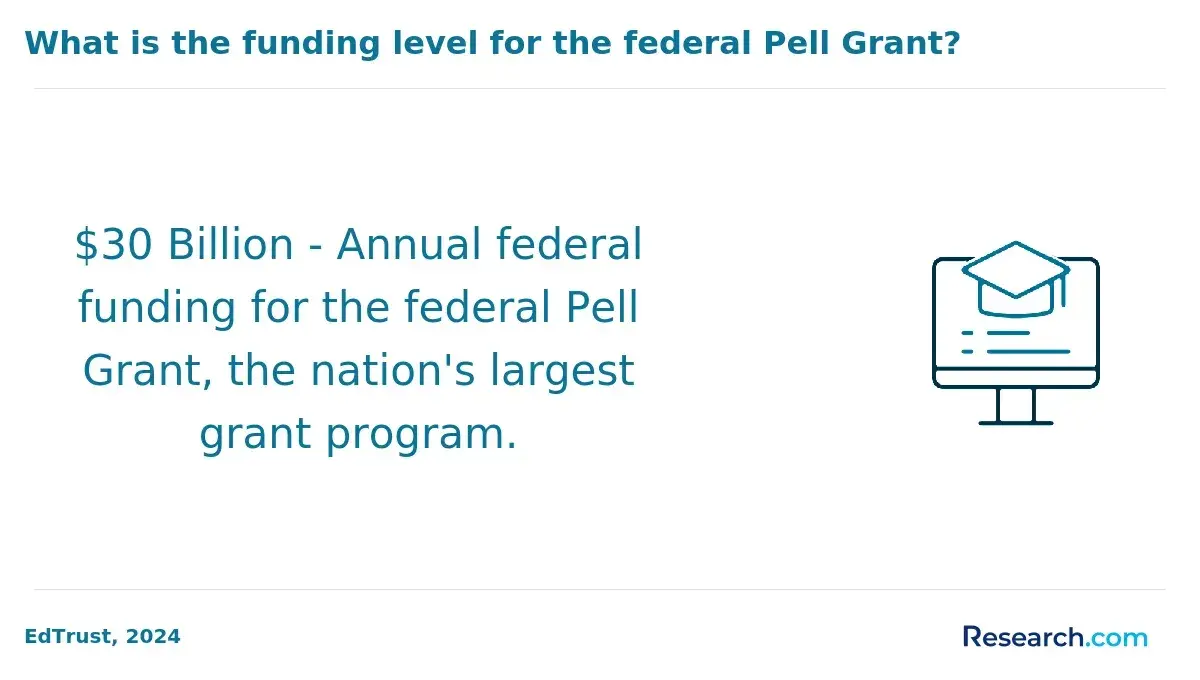
While federal need-based assistance, including Pell Grants, has seen incremental adjustments, these changes have not fully offset rising tuition and fees, leaving many students reliant on borrowing to finance their studies.
These shifts are driven by intensified competition among programs to attract and retain students amid constrained public funding. Institutions increasingly employ tuition discounting through merit-based scholarships to draw high-achieving applicants, a strategy that favors those with stronger prior credentials and creates barriers for nontraditional learners.
State and private funding streams for behavioral health remain inconsistent across regions, leading to patchy availability of institutional and external aid packages. This dynamic complicates financial planning for students, especially as many aid packages mix grants, loans, and work-study, necessitating a sophisticated understanding to navigate effectively.
Although some efforts to introduce targeted repayment assistance and employer partnerships aim to reduce debt stress, the net price paid by behavioral health students frequently remains high relative to expected entry-level salaries in the sector.
The result is that rising tuition, combined with partial aid compensation, challenges the accessibility and affordability of behavioral health programs. Prospective students must critically assess these financial aid realities alongside workforce outcomes, as scholarship constraints and loan dependence influence both program choice and long-term career viability within behavioral health fields.
How Does Rising Behavioral Health Tuition Affect Student Debt After Graduation?
Rising tuition costs in behavioral health degree programs directly translate to increased student borrowing, as many students must fill the gap between education expenses and available financial resources. This growing reliance on loans is exacerbated by tuition inflation outpacing wage growth, requiring students to take on larger debts to complete their studies.
As behavioral health program costs rise faster than general inflation, students face higher principal loan amounts upon graduation, tightening their financial margins in the early stages of their careers. This pattern is particularly significant given that many behavioral health graduates enter the workforce with salaries that may not keep pace with their debt burdens, reflecting how rising behavioral health tuition impacts student loan debt in the United States.
Key factors shaping this dynamic include the widening discrepancy between tuition costs and institutional financial aid, which does not always increase proportionally with tuition hikes. Students at private institutions often encounter higher prices and correspondingly larger debts compared to those in public programs. Interest accumulation during extended program durations or part-time enrollment further inflates total repayment amounts.
Additionally, post-graduation income varies substantially within behavioral health fields, with entry-level salaries frequently insufficient to offset high debt loads efficiently. Recent 2024 analyses show that many behavioral health graduates carry debts exceeding typical starting salaries, underscoring the persistent challenges in managing repayment. These complexities affect borrowing behaviors and heighten long-term financial risks tied to increased educational costs.
The broader implications of rising tuition-induced debt include heightened repayment stress, which can delay key life milestones and push graduates toward income-driven repayment plans or loan forgiveness programs to achieve sustainability. This burden often influences students' decisions about which programs to pursue, as affordability and return-on-investment become critical considerations.
Behavioral health employers typically expect relevant certifications and experience but may not offer wages that keep pace with education costs, intensifying financial pressures. Prospective students should assess tuition trends alongside realistic salary forecasts and program structures, including options like the fastest RN to BSN program online, to optimize their educational and economic outcomes.
Do Higher-Cost Behavioral Health Programs Deliver Better Career Outcomes or Earnings?
Whether higher-cost behavioral health programs deliver notably better career outcomes or earnings is a nuanced question. Recent analyses, including a 2024 report from the National Center for Education Statistics (NCES), demonstrate that program cost alone is not a reliable predictor of salary or employment success.
Graduates from more expensive programs often have starting salaries comparable to those from moderately priced institutions, suggesting that tuition does not directly translate into higher earnings. This aligns with broader findings on higher-cost behavioral health programs career outcomes, which emphasize that expensive tuition does not guarantee superior workforce entry or sustained income growth.
Several factors beyond price more strongly influence career outcomes and earnings in behavioral health. Institutional prestige may provide networking advantages, but internship quality, employer partnerships, and specialization options are often more determinative.
Geographic location and regional industry connections shape wage variability, while licensure and certification carry substantial weight among employers. Moreover, alumni networks can facilitate job placement and advancement, balancing cost considerations.
The Bureau of Labor Statistics (BLS) findings underscore that debt incurred from pricey programs can delay net financial benefits, reinforcing the importance of practical experience over pedigree. This underscores the need for comprehensive regional behavioral health degree earnings comparisons rather than simplistic cost-to-outcome assumptions.
Given these complexities, prospective students should approach program selection with a focus on return-on-investment metrics that account for debt load, licensure timelines, and skill development. Emphasizing practical training components such as internships and supervised clinical hours becomes critical for employability regardless of tuition.
For those exploring accessible educational pathways, it may be useful to review LPN programs with easiest admission requirements as part of a broader strategic approach to entering health careers. Ultimately, effective decision-making requires weighing the full financial and professional trajectory rather than relying solely on program expense as a proxy for success.
What Do Current Tuition Trends Suggest About the Future Cost of a Behavioral Health Degree?
Current trends indicate that the cost of earning a behavioral health degree is increasing at a rate surpassing general inflation, reflecting sustained tuition growth over recent years. Data from the National Center for Education Statistics (2024) shows an average annual tuition increase of about 4.5% for health-related graduate programs, including behavioral health.
This persistent rise suggests that future degree costs will likely continue on an upward trajectory, even when adjusted for inflation, highlighting pressures on affordability and program accessibility over time.
Several factors influence this upward pricing trend. Public and private institutions face constrained funding environments that limit subsidies, prompting reliance on higher tuition revenue. At the same time, expanding demand for specialized behavioral health skills increases enrollment pressure, which may drive prices higher.
The broader shift toward online and hybrid learning models introduces both cost-saving opportunities and significant investments in technology and student support services, complicating simple cost projections. These institutional behaviors reflect a balancing act between maintaining quality, managing costs, and meeting evolving workforce requirements.
For prospective students, these dynamics suggest that steadily rising tuition will likely persist, contributing to greater borrowing and financial planning challenges. Awareness of these trends should guide decisions about program length, format, and return on investment. Evaluating not just sticker price but also potential employer demand and credential relevance is essential when interpreting tuition forecasts to navigate future educational affordability more effectively.
References
- Unraveling the True Drivers of Rising College Tuition and Policy Pathways https://ijeber.com/unraveling-the-true-drivers-of-rising-college-tuition-and-policy-pathways/
- The Behavioral Health Care Affordability Problem - Center for American Progress https://www.americanprogress.org/article/the-behavioral-health-care-affordability-problem/
- 4 Best Examples of Successful School Mental Health Programs - Effective School Solutions https://effectiveschoolsolutions.com/examples-mental-health-programs-schools/
- How High Stress and Skyrocketing Tuition Contribute to a Growing Mental Health Crisis on College Campuses | Scholars Strategy Network https://scholars.org/contribution/how-high-stress-and-skyrocketing-tuition
- Mental Health in College | NAMI https://www.nami.org/kids-teens-and-young-adults/young-adults/mental-health-in-college/
- The financial and mental cost of the United States’ higher education issues | ELVTR https://elvtr.com/blog/a-failing-system-the-financial-and-mental-cost-of-the-united-states-higher-education-issues
- Trends in State Strategies to Improve the Behavioral Health Workforce - NASHP https://nashp.org/trends-in-state-strategies-to-improve-the-behavioral-health-workforce/
- K-12 Mental Health Technology Spending: $81.6M Market Analysis Of EdTech Opportunities https://www.nationgraph.com/post/k-12-mental-health-technology-spending-81-6m-market-analysis-of-edtech-opportunities
- Behavioral Health Initiative - West Virginia Higher Education Policy Commission https://www.wvhepc.edu/inside-the-commission/offices-and-affiliates/health-sciences/behavioral-health/behavioral-health-initiative/
- Do Higher Wages, Benefits, and Career Development Reduce Turnover in Behavioral Health? https://behavioralhealthnews.org/do-higher-wages-benefits-and-career-development-reduce-turnover-in-behavioral-health/
Other Things You Should Know About Behavioral Health
Longer behavioral health programs with heavier coursework often coincide with higher tuition, making total cost a significant factor. Students must evaluate whether accelerated programs that are typically more expensive per credit but shorter in duration align better with their financial capacity and career timelines. Choosing a lengthier, lower-cost program might reduce immediate debt but could delay workforce entry and earning potential. Prioritizing programs that balance manageable workload and tuition affordability helps optimize both educational quality and timely career progression.
Higher tuition does not always equate to stronger employer demand or better job placement in behavioral health fields. Employers increasingly value practical experience, licensure, and relevant skills over brand prestige or cost of education. Prospective students should prioritize programs with robust practicum components and clear pathways to certification rather than those with steep tuition but limited direct workforce integration. Investing more upfront requires careful scrutiny of outcome data showing employer alignment and practical readiness.
Rapid tuition increases place heightened pressure on students considering master's or doctoral programs, areas where costs and duration compound financial strain. For many, delaying enrollment to save or seeking employer tuition assistance can be better than incurring excessive debt early. Alternatively, prioritizing degree programs with strategic specializations linked to in-demand behavioral health roles can improve return on investment despite rising costs. Carefully timing advanced education against career goals and financial resources is essential amid inflationary tuition trends.
In-state programs often offer more stable tuition rates over time and reduce ancillary costs like relocation, which can mitigate overall expense growth. However, quality and specialization availability vary widely between states, so cost savings must be balanced against program relevance and employer recognition in students' target job markets. When rising tuition pressures are intense, selecting a strong in-state program with solid clinical placement opportunities generally provides the best combination of affordability and practical career benefits.