2027 Oceanography Degree Completion Time Report: How Long Students Actually Take to Graduate

Co-Founder and Chief Data Scientist
Delays in completing an oceanography degree often result from intertwined academic and personal factors rather than fixed program durations. Research from the National Center for Education Statistics (2024) highlights that STEM disciplines, including oceanography, experience significant variations in graduation timelines due to lab-intensive courses, research commitments, and seasonal fieldwork. Transfer students and working adults frequently face extended timelines as they balance prerequisites with professional obligations. Additionally, retention patterns reveal that changes in research focus or funding can disrupt progression. This analysis explores how these real-world influences shape actual completion periods, offering insight into what students and planners should anticipate when pursuing an oceanography degree.
Key Things To Know About Oceanography Degree Completion Time
- Having a clear timeline for your degree lets you plan an efficient transition into high-demand roles like oceanographer, marine biologist, or hydrologist. Knowing when you will graduate helps you align your job applications with hiring cycles and secure technical positions faster.
- Anticipating your graduation date allows you to map out your entry into a field with a solid financial return, where the median salary sits around $98,740 per year. Pinpointing this timeframe helps you calculate exactly when you will start earning a return on your educational investment.
- Discovered graduation windows can help you decide if an online program is right for you, as these flexible formats often feature accelerated tracks that speed up your path to graduation. This allows you to balance your current job or personal life while potentially entering the workforce ahead of schedule.
- What Is the Average Graduation Time for Oceanography Students? Average Graduation Timeline
- What Factors Have the Biggest Impact on Graduation Speed? Graduation Timeline Factors
- How Does Full-Time Versus Part-Time Enrollment Affect Graduation Timelines? Full-Time vs. Part-Time Graduation Timeline
- Do Online Oceanography Students Graduate Faster Than Campus-Based Students? Do Online Oceanography Students Graduate Faster Than Campus-Based Students?
- How Many Months or Years Can Transfer Credits Save? How Many Months or Years Can Transfer Credits Save?
- Do Accelerated Oceanography Programs Significantly Reduce Completion Time? Accelerated Program Timeline
- Which Oceanography Program Requirements Most Often Extend Graduation Timelines? Factors Extending Graduation Timeline
- Does Taking Longer to Graduate Increase the Cost of a Oceanography Degree? Impact on Program Cost
- Does Graduating Faster Improve Career Prospects? Impact on Career Prospects
- Which Scheduling Mistakes Commonly Delay Graduation? Mistakes to Avoid
What Is the Average Graduation Time for Oceanography Students?
Students pursuing an oceanography degree in the United States generally complete their programs within four to five years when enrolled full-time, which is consistent with the typical duration of most science-related undergraduate degrees. Part-time students often extend this timeframe, frequently taking six years or more due to external commitments such as work or family responsibilities. Transfer students also face extended timelines because of credit transfer challenges and differing program requirements. This variability affects the typical degree completion timeline for oceanography programs and reflects how enrollment patterns directly impact progression rates.
Graduation time in oceanography is further influenced by the academic demands and structural complexity of these programs. The interdisciplinary nature of oceanography requires students to navigate coursework across chemistry, biology, geology, and physics, often alongside specialized ocean sciences topics. Requirements like extensive lab work, field research, internships, and senior theses add layers of scheduling difficulty that can delay degree completion. Some students may opt for or be required to participate in internships or research experiences that, while beneficial for employability, extend the duration of their studies. The choice between on-campus or online formats also contributes to timeline differences, with some students leveraging online EdD programs and other flexible options to accommodate personal circumstances. According to 2024 data from higher education research, over 40% of STEM degree seekers, including those in oceanography, finish beyond four years due to such complexities.
These extended timelines carry significant implications for academic planning and financial investment, as longer periods of study may delay entry into the workforce and impact earnings potential. Employers often view timely graduation as a proxy for focus and mastery, though extended completion can reflect resilience and richer experience. Prospective oceanography students and education planners must weigh these factors carefully, understanding how program design, credit policies, and personal circumstances interact to influence not only graduation timing but also career trajectories and opportunity costs.
What Factors Have the Biggest Impact on Graduation Speed?
Graduation speed in oceanography programs depends on a complex mix of academic planning, institutional design, and individual circumstances. No single factor dictates how quickly students finish, but the interaction of course load decisions, enrollment status, and program flexibility shapes varied timelines. Understanding these influences enables students to make more strategic choices about balancing workload, research commitments, and program format, which can either accelerate or extend time to degree completion.
- Enrollment Status and Credit Accumulation: Full-time enrollment generally leads to faster graduation by allowing students to complete required credits more rapidly. However, oceanography students often shift between full- and part-time status to accommodate intensive research, internships, or employment demands, which slows credit accumulation and extends degree timelines.
- Program Structure and Scheduling Flexibility: Rigid curricula with limited course offerings can bottleneck progress, especially in highly specialized oceanography programs with sequential prerequisites. Conversely, programs that incorporate hybrid formats, summer courses, or flexible scheduling options help students maintain momentum and finish sooner by adapting to diverse student needs and external obligations.
- Research and Fieldwork Requirements: The empirical nature of oceanography frequently involves lengthy field studies and projects that do not conform to standard semester timelines. Nearly 40% of ocean sciences students face delayed graduation due to these components, highlighting how essential but time-consuming research responsibilities directly impact graduation speed.
- Transfer Credits and Articulation Challenges: Transfer students often experience extended programs because credit equivalencies may not align perfectly with oceanography prerequisites, requiring repeated coursework. This can add approximately one semester on average to completion time, underscoring the critical role that seamless credit transfer plays in avoiding unnecessary delays.
- Work Commitments and Financial Necessities: Students working over 20 hours weekly, a common scenario for those financing costly field excursions or specialized equipment, often require additional semesters to manage the dual demands of employment and rigorous STEM coursework. This tradeoff between income generation and academic progress is a key contributor to slower degree completion.
These intertwined factors show why students within the same program can experience widely differing timelines. Effectively navigating enrollment strategies, workload distribution, and institutional policies is vital to optimizing graduation speed and managing the practical realities of an oceanography degree.
For those weighing options, understanding the effects of program design on oceanography degree graduation speed is especially important when balancing research intensity and course availability. Similarly, assessing enrollment status impact on oceanography master's completion time helps clarify how full- or part-time choices influence progress under real-world conditions.
Students interested in degree formats with built-in flexibility and recognized accreditation should consider exploring online business degree programs accredited that may offer structural models adaptable to scientific disciplines, providing insights into balancing work, study, and timely completion.
How Does Full-Time Versus Part-Time Enrollment Affect Graduation Timelines?
Enrollment status plays a critical role in shaping the duration required to complete an Oceanography degree. Full-time students typically finish within four to five years, reflecting the heavier credit loads taken each semester and alignment with traditional academic pacing. Conversely, part-time enrollment often extends completion timelines by two to four years or more due to fewer courses per term and less frequent access to necessary classes. Data from 2024 institutional studies confirm that this divergence is not merely academic but also recognized by employers who prioritize graduates with timely, concentrated educational experiences in fast-evolving STEM fields like Oceanography.
The pace of progression hinges on factors such as the number of credits taken each term, course sequencing priorities, and program availability, all of which tend to favor full-time students. Part-time learners face challenges including sporadic course offerings and prerequisite bottlenecks that disrupt continuity. Additionally, program delivery formats that lack flexibility or fail to accommodate nontraditional schedules exacerbate delays for part-time students juggling work and family commitments. These external responsibilities split focus and limit consistent academic immersion, often requiring supplemental experiential opportunities to maintain competitiveness in Oceanography careers.
Decisions about enrollment status carry significant implications beyond graduation date, influencing financial planning, mastery of complex material, and workforce entry timing. Full-time study typically demands greater immediate resource investment but supports sustained engagement and faster accumulation of specialized skills. In contrast, part-time pathways may ease short-term burdens but risk prolonging educational costs and delaying critical career milestones. Understanding these dynamics helps students and advisors realistically balance life circumstances with the operational demands and employer expectations inherent to Oceanography degree completion.
Do Online Oceanography Students Graduate Faster Than Campus-Based Students?
It is often assumed that online oceanography students might complete their degrees faster due to flexible scheduling, but data from the National Center for Education Statistics in 2024 shows a more nuanced reality. On average, online students in oceanography programs take about 4.5 to 5 years to graduate, compared to roughly 4 to 4.3 years for their campus-based peers. This pattern reflects that although online formats offer adaptability, the varied pacing and often part-time enrollment of working adults and other nontraditional students can extend completion timelines beyond those of traditional full-time campus learners. Still, some accelerated online programs can outpace traditional schedules, depending on program design and student engagement.
Graduation speed in both modalities hinges on several critical factors. Online students frequently benefit from self-paced courses and year-round class availability, but balancing coursework with jobs and family obligations can slow progress. In contrast, campus-based programs usually have fixed semester schedules and more structured academic milestones, which can promote more consistent progression but may lack flexibility. Institutional policies on transfer credits and availability of specialized courses also play a role, as does access to advising and support services. Additionally, practical components like internships often required for oceanography degrees have set timeframes that affect both online and on-campus students' timelines, sometimes limiting acceleration options regardless of format.
The choice between online and campus enrollment has implications beyond scheduling-it influences how students manage competing demands and enter the workforce. Online students tending to juggle external responsibilities must develop strong time management to maintain momentum, whereas campus students may rely more on institutional structure to progress steadily. Those aiming for faster entry into oceanography careers should weigh how degree modality aligns with personal circumstances and academic rigor because extended completion times, even in flexible programs, can delay workforce readiness and professional credentialing.
One oceanography graduate recalled the challenge of navigating a program with rolling admissions while working full-time. Initially hesitant to apply without knowing how transfer credits would be evaluated, they delayed submitting transcripts until late in the cycle. This uncertainty caused a stressful wait, compressing the time available to prepare for their first term. Although the flexibility of the online format ultimately helped balance work and study, the admissions timing and credit evaluation processes introduced delays that impacted their overall graduation timeline more than expected.
How Many Months or Years Can Transfer Credits Save?
Transfer credits can significantly shorten the time required to complete an oceanography degree, with many students saving anywhere from several months up to more than a year. The average time saved depends heavily on how well previously earned credits align with the degree program's core and elective requirements, as well as the total volume of transferable coursework. According to analyses by the National Center for Education Statistics (NCES) in 2024, students who transfer relevant credits can reduce their academic timeline by roughly 25% to 40%. This variation reflects not only the number of credits accepted but also how institutions weigh those credits toward specialized oceanography courses, such as geology, biology, and chemistry, which are foundational to the field. Understanding the transfer credits impact on oceanography degree completion time requires more than just estimating months saved; it demands assessing how credits translate into tangible progression within a program's curriculum.
The key factors influencing the actual time saved with transfer credits in oceanography programs include accreditation compatibility, course equivalency evaluation, and institutional policies on residency and maximum transferable credits. Credits earned from regionally accredited institutions or well-established STEM programs typically transfer with fewer obstacles, directly applying to major requirements and thus accelerating degree progression more reliably. In contrast, credits from community colleges or unrelated fields often fulfill only elective or general education requirements, reducing their effect on time-to-graduation. Additionally, some universities maintain strict limits on how many credits can be transferred or require a minimum number of credits to be completed in residence. These policies significantly affect whether students can bypass introductory classes or need to repeat foundational coursework, which in turn impacts the degree completion timeline.
Transfer credits also influence broader academic planning and financial considerations, since they can shift when and how remaining courses are taken, potentially allowing students to focus earlier on advanced oceanographic research and fieldwork. However, careful evaluation of transfer credit applicability is essential to avoid gaps in learning continuity that can occur when cohort progressions and integrated lab experiences do not transfer effectively. For working adults or transfer students, strategic credit evaluation can optimize course sequencing and reduce overall costs but requires navigating diverse institutional standards. Prospective students weighing oceanography degree timelines may also consider alternatives with flexible credit policies, including programs highlighted for affordability such as the cheapest online master's in project management, which reflect the broader trend of credit transfer affecting workforce readiness.
Do Accelerated Oceanography Programs Significantly Reduce Completion Time?
Accelerated oceanography programs aim to condense the traditional degree timeline, often pitching themselves as offering completion in three years or less compared to the usual four. These programs generally achieve this by increasing the intensity of coursework per term and reducing breaks, allowing students to progress at a quicker pace through required courses. The curriculum tends to be compressed, with fewer electives and a tighter sequence of core requirements, designed to streamline progression. Institutions often expect students to carry heavier credit loads and maintain full-time status year-round to realize the potential time savings.
However, meaningful reductions in completion time depend heavily on program design specifics. The ability to handle intense credit loads each term without delays is crucial, but factors such as prerequisite chains and capstone or internship requirements can limit acceleration. Many programs preserve these experiential components at lengths similar to traditional tracks, reducing opportunities for substantive time cuts. Transfer credits and prior coursework can also influence the actual duration, as students lacking these may face standard pacing regardless of the accelerated label. Thus, without careful alignment between course availability, sequencing, and workload capacity, the nominal quicker timeline may not translate into significant real-world reduction.
Trade-offs arise from the compressed schedules, including diminished flexibility for part-time work, extracurricular research, or internship opportunities essential for employer readiness in oceanographic fields. The heightened pace can intensify academic pressure and limit engagement with hands-on experiences that enrich mastery and job market positioning. For many non-traditional students balancing employment or family obligations, accelerated formats may prove unsustainable. Consequently, the value of faster completion must be weighed against the risks of compromised learning depth and reduced practical exposure.
One graduate of an accelerated oceanography program recalled hesitation during the rolling admissions cycle after submitting their application early, unsure how promptly they'd hear back amid a competitive field. They needed timely confirmation to plan moving logistics and finalize job transitions but faced weeks of waiting that introduced uncertainty. Eventually accepted, they recognized that while the shorter program promised speed, the real challenge was navigating administrative timing and personal readiness. This experience underscored how acceleration sometimes hinges less on curriculum design and more on external factors like admissions pacing and planning flexibility.
Which Oceanography Program Requirements Most Often Extend Graduation Timelines?
Graduation timelines in Oceanography programs are frequently extended not simply due to total credit load but because of specific embedded curriculum components. These requirements are designed to uphold educational rigor and ensure graduates possess hands-on skills aligned with professional standards. However, their structural and scheduling demands often create pacing bottlenecks that slow student progress, especially when course sequencing or external factors limit flexibility.
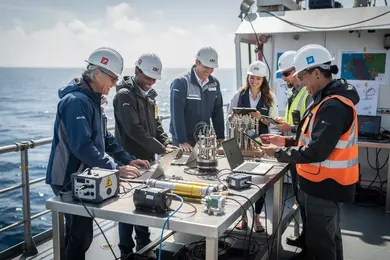
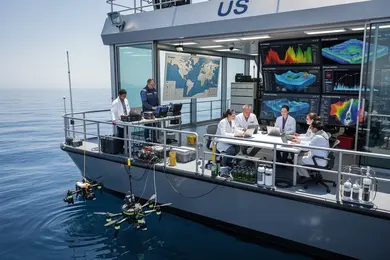
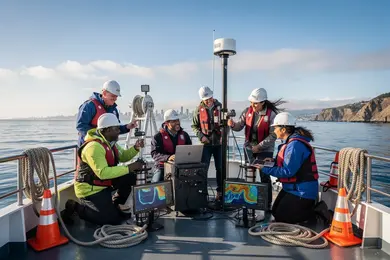
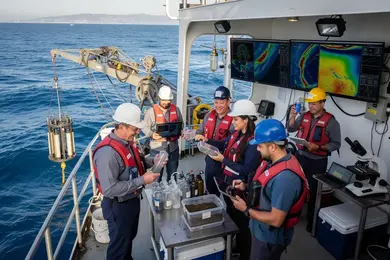
- Laboratory and Fieldwork Requirements: These experiential components are critical for applying theoretical knowledge to real-world marine environments but often occur seasonally or during restricted timeframes. Missing these sessions can delay progression significantly, as alternatives may be limited and rescheduling options constrained by institutional policies and environmental conditions.
- Advanced Science and Math Prerequisites: Oceanography degrees typically require proficiency across physics, chemistry, calculus, and specialized topics such as marine geology. Students with varied academic backgrounds often need to retake or spread these foundational courses over multiple terms, adding semesters especially for transfers or those shifting majors.
- Capstone Research or Thesis Projects: Completing original research requires navigating unpredictable timelines related to data collection, analysis, and faculty advisor availability. These dependencies introduce variability in completion time, with some projects extending well beyond planned durations due to logistical or experimental complexities.
- Specialized Elective Availability: Limited course offerings in niche areas can create registration bottlenecks. When electives central to a student's focus or graduation requirements are offered infrequently, this can push timelines further.
- Certification and Safety Training: Requirements like marine operations safety certifications carry additional time demands outside regular coursework. Coordinating these training sessions often impacts term planning and lengthens the overall timeline.
- Internship and Co-op Participation: While enhancing employability, internships and cooperative education placements frequently reduce the number of traditional academic terms completed per year. Institutional credit structures and employer schedules sometimes force students to extend enrollment to fulfill both experiential and credit requirements.
Recent data from the National Oceanographic Workforce Survey indicates that approximately 35% of oceanography students extend their studied duration due primarily to misaligned fieldwork scheduling and prerequisite course sequencing. Understanding these curriculum-driven constraints helps students and planners realistically project degree completion timelines and make informed decisions about balancing education quality against time investment.
Does Taking Longer to Graduate Increase the Cost of a Oceanography Degree?
Taking longer to complete an oceanography degree typically increases the total tuition and related expenses, especially under fee structures that charge per semester or credit hour. Students extending their studies often face additional tuition charges for extra semesters, alongside continuing costs for textbooks, campus fees, and supplies. A longer timeline can also lead to lost financial aid eligibility if programs impose strict enrollment duration limits, forcing students to cover more costs out of pocket. These financial dynamics, combined with accumulated living expenses and delayed entry into the workforce, illustrate the cost implications of extended oceanography degree completion. Given the specialized nature of oceanography, where fieldwork and labs limit flexible course sequencing, such extended timelines are common and have tangible financial consequences that affect total educational investment.
However, the financial impact of delayed oceanography graduation in the US can vary significantly based on institutional pricing models and student enrollment behavior. Flat-rate tuition models that allow full-time course loads at a set price per term, employer tuition assistance programs, or part-time enrollment options priced differently may reduce the incremental cost of extended timelines. Students who carefully balance course loads and maximize credit transfers while maintaining steady enrollment may avoid some financial penalties typically associated with longer study durations. Nonetheless, these enrollment decisions influence how costs accrue over time, underlining the complex relationship between academic pacing and degree cost. Prospective oceanography students should weigh these variables alongside practical considerations such as expected starting salaries and employer expectations to understand the tradeoffs involved in program pacing. For those exploring related interdisciplinary options, resources such as a library science degree online provide additional insight into flexible program structures and financial planning strategies.
Does Graduating Faster Improve Career Prospects?
Graduating faster from an oceanography degree program can provide practical advantages by allowing earlier entry into the workforce and potentially reducing student debt, which may improve initial job search positioning. However, employers rarely assess candidates based solely on the speed of degree completion. Instead, hiring managers in scientific and research-based fields often weigh the depth of academic preparation, relevant hands-on experience, and demonstrated research capabilities more heavily than simply finishing quickly. Thus, the impact of accelerated graduation on career prospects depends on how it aligns with these broader evaluation criteria rather than on the graduation timeframe alone.
The impact of accelerated oceanography graduation on job opportunities hinges largely on factors such as the quality and variety of internships undertaken, the strength of portfolios and thesis work, mastery of technical skills, and the extent of professional networking within the field. Employment outcomes correlate strongly with meaningful project involvement and laboratory or field experience, which can sometimes require additional semesters beyond a traditional schedule. Employers value candidates who have proven applied competencies and exposure to real-world challenges, elements that a faster path might compromise if it limits these experiential opportunities.
Students considering accelerated programs should carefully weigh the trade-offs between speed and depth of preparation, especially since well-rounded experience often drives long-term employability in oceanography roles. Graduating quickly may offer financial and personal benefits, particularly for those balancing work or family obligations, but it could inadvertently constrain participation in specialized coursework or extracurricular projects critical for career readiness. For those seeking guidance on flexible or affordable education alternatives, options such as a cheap online general studies degree may complement their academic planning without compromising essential skill development.
Which Scheduling Mistakes Commonly Delay Graduation?
Graduation delays in oceanography programs are frequently driven by enrollment and scheduling missteps rather than pure academic difficulty. These challenges occur across associate, bachelor's, and graduate-level pathways, as well as in online and campus-based formats. Such errors complicate the alignment of course prerequisites and institutional timelines, disrupting steady academic progress and extending degree completion. Recognizing these pitfalls is essential to managing credit flow and navigating program sequencing constraints effectively.
- Improper Prerequisite Sequencing: Attempting advanced courses without completing core math, physics, or foundational oceanography prerequisites forces students to repeat or postpone classes. Given the layered course dependencies in oceanography curricula, this mistake often stalls progress by entire semesters.
- Underloading Credit Hours Early: Enrolling in fewer credits per term than the pace required for timely completion can extend the total time in the program by years. This is common among working adults balancing external obligations and transfer students adjusting to new institutional credit policies.
- Overlooking Limited Availability Labs or Fieldwork: Oceanography programs typically include capstone labs or fieldwork components offered only once or twice annually. Missing registration windows or delaying enrollment in these critical courses creates bottlenecks that prolong graduation timelines.
- Neglecting Proactive Academic Advising: Failing to regularly consult advisors about course sequencing and registration deadlines often results in missed opportunities to optimize schedules, leading to unnecessary delays and credit accumulation issues.
A 2024 National Student Clearinghouse report highlights that such planning errors collectively contribute to extension of degree timelines by an average of one to two semesters, emphasizing the need for strategic enrollment management in oceanography programs.
Other Things You Should Know About Oceanography
Taking additional semesters can allow oceanography students to engage more deeply in research projects, internships, and specialized courses. This extra time can enhance their expertise, make them more competitive in the job market, and potentially lead to better job placements post-graduation.
Participating in research can enrich learning and improve employability but often demands extra hours beyond standard coursework. Overcommitting to research without adjusting course loads can lengthen the time needed to fulfill credit requirements. Students should weigh the practical benefits of research experience against potential timeline extensions and consider limiting research involvement if timely graduation is a priority.
Employers often prefer candidates with a timely graduation record as it indicates discipline and strong time-management skills, especially in field-driven or project-based roles. Taking significantly longer to graduate may raise concerns about a candidate's ability to manage complex tasks or meet deadlines. Students aiming for competitive entry-level positions should therefore prioritize completing their degrees within the standard timeframe to align with employer expectations.
Extending degree completion can allow students to deepen specialization, complete a minor, or gain broader interdisciplinary skills relevant to oceanography careers. While this may increase time and cost, it can enhance job market competitiveness and provide more meaningful experiential learning. Students should assess whether these benefits outweigh the drawbacks of delayed entry into the workforce, especially if they plan careers requiring niche expertise or advanced research skills.