2027 Data Science Tuition Inflation Report: How Fast Are Program Costs Rising?

Co-Founder and Chief Data Scientist
Rapid advancements in big data infrastructure and AI integration have reshaped the curriculum and delivery models of data science programs, driving significant changes in tuition costs. Increased investment in specialized faculty, cloud computing resources, and sophisticated software licenses creates operational pressures distinct from many other disciplines. Simultaneously, evolving employer expectations now demand proficiency in emerging tools and real-world project experience, compelling programs to expand experiential learning components and industry collaborations.
According to the Computing Research Association's 2024 report, enrollment in data science graduate programs surged by 18%, intensifying resource competition. Notably, the growing share of mid-career students reflects shifting workforce demands and influences program design and pricing structures.
Key Things to Know About Data Science Tuition Inflation
- Data science tuition inflation outpaces general higher education costs by over 6% annually, increasing financial barriers and forcing students to weigh accelerated programs against long-term debt accumulation.
- Employers increasingly value skill demonstration over formal credentials alone, shifting the ROI evaluation away from tuition cost toward practical experience and measurable competency.
- Rising program expenses disproportionately affect mid-career learners, whose limited time horizon for career advancement compresses decision timelines and amplifies opportunity cost concerns.
- Key Things to Know About Data Science Tuition Inflation Key Things to Know About Data Science Tuition Inflation
- How Much Has Data Science Tuition Increased Over the Past Decade? How Much Has Data Science Tuition Increased Over the Past Decade?
- How Does Data Science Tuition Inflation Compare to Overall Inflation? How Does Data Science Tuition Inflation Compare to Overall Inflation?
- Which Types of Schools Have Experienced the Fastest Data Science Tuition Growth? Tuition Growth by School Type
- What Factors Are Driving Rising Costs in Data Science Degree Programs? Tuition Cost Drivers
- How Does Data Science Tuition Growth Vary by State and Region? Tuition Growth by State
- Are Online Data Science Programs Becoming More Affordable Than Campus-Based Programs? Online Program Affordability
- How Have Financial Aid and Scholarships Changed as Data Science Tuition Has Increased? Impact on Financial Aid and Scholarships
- How Does Rising Data Science Tuition Affect Student Debt After Graduation? Impact on Student Debt
- Do Higher-Cost Data Science Programs Deliver Better Career Outcomes or Earnings? Impact on Career Outcomes
- What Do Current Tuition Trends Suggest About the Future Cost of a Data Science Degree? What Do Current Tuition Trends Suggest About the Future Cost of a Data Science Degree?
How Much Has Data Science Tuition Increased Over the Past Decade?
Over the past decade, tuition for data science programs at four-year institutions in the United States has increased significantly, generally between 40% and 60%, a rate notably higher than the overall average college tuition growth of around 30% reported by the College Board. This data, drawn from 2024 sources including the U.S. Department of Education's College Scorecard and the National Center for Education Statistics, highlights that data science program tuition growth outpaces broader higher education inflation. Many public and private institutions have raised their prices in response to growing demand for data science skills, which command competitive salaries and career outcomes, thereby reflecting their premium positioning. This trend is indicative of how specialized technical fields have leveraged market demand to justify steeper tuition hikes compared to less specialized disciplines.
The underlying drivers of this tuition escalation extend beyond general inflation and include shifts in institutional priorities and funding models. As state support for higher education contracts, colleges have often targeted STEM and tech-oriented degrees like data science for revenue generation, investing heavily in faculty expertise, cutting-edge software, and infrastructure necessary to maintain competitive programs. These investments are matched by employer expectations for graduates proficient in areas such as machine learning and big data analytics, making programs costlier to operate but theoretically more valuable. At the same time, declining enrollments in other majors have pressured universities to offset lost revenue, pushing data science and similar programs toward premium pricing.
The rising cost of data science degrees substantially affects affordability and student decision-making, especially when weighing return on investment. Increased tuition heightens financial risk for learners without access to generous scholarships or tuition assistance, emphasizing the importance of evaluating program quality, graduation rates, and job placement alongside price. Additionally, as tuition inflates, alternative education pathways like boot camps and certificate programs have gained appeal by offering targeted, lower-cost options, challenging the traditional degree model. Prospective students must navigate these tradeoffs carefully, balancing the recognized value of formal degrees with the availability of more accessible routes such as easiest online degrees that pay well to make informed choices within the evolving educational landscape.
How Does Data Science Tuition Inflation Compare to Overall Inflation?
Recent data highlights that tuition inflation for data science programs has consistently outpaced general consumer price inflation, with the Consumer Price Index rising about 3.5% annually from 2021 through 2024, while data science program costs-particularly at the graduate level-have increased at rates often exceeding 5% per year. This divergence underscores how specialized program cost growth does not simply mirror headline inflation metrics but reflects sector-specific forces. Data from the National Center for Education Statistics and the College Board confirm that data science tuition inflation compares to overall US inflation by consistently surpassing it, driven by program demands not captured in broader economic measures. Prospective students navigating these trends must consider how this inflation impacts affordability and long-term financial planning in their education choices.
The structural factors behind this tuition growth gap include diminished public subsidies that have shifted more financial responsibility onto students, as well as expanding administrative costs and heightened investment in technology and infrastructure essential to data science curricula. Additionally, increased spending on student services and specialized faculty expertise contribute to rising operational expenses, placing upward pressure on tuition beyond typical inflation. This is particularly evident in data science program cost growth versus national inflation rates, where the need for cutting-edge software licenses and advanced lab facilities inflates program budgets. These dynamics reflect a higher education market grappling with shifting funding models and the imperative to maintain competitive, relevant offerings in a rapidly evolving field.
For students, the widening gap between tuition inflation and general inflation exacerbates affordability pressures, often necessitating greater borrowing or longer repayment horizons. This inflation trend also influences program selection, as learners weigh the tradeoffs between cost, quality, and anticipated labor market returns. Careful evaluation of tuition trends alongside early career salary trajectories is crucial, especially where tuition growth in data science may erode the relative financial advantage of obtaining advanced qualifications. Those searching for cost-effective pathways should explore options like cheap online colleges to mitigate the impact of escalating tuition while pursuing the skills employers demand.
Which Types of Schools Have Experienced the Fastest Data Science Tuition Growth?
Tuition inflation for Data Science programs differs markedly by institutional type, driven by variations in funding mechanisms, enrollment pressures, and program delivery formats. Understanding these drivers is critical to grasping why some institutions raise costs more aggressively while others maintain more moderate tuition growth. These differences ultimately affect the affordability and perceived value of Data Science degrees across higher education sectors.
- Private Nonprofit Universities: These institutions often face fewer state-imposed tuition controls and rely heavily on tuition revenue to support cutting-edge facilities and faculty specialization. Consequently, they tend to exhibit higher annual tuition growth-averaging around 6.7% recently-as they expand advanced Data Science labs and recruit research-active professors.
- Public Universities: Subject to state budget constraints and political pressures, public universities typically increase tuition more modestly, averaging near 3.9% growth annually. However, limited public funding compels some to offset cuts by raising fees, especially for in-demand Data Science programs with specialized technology costs.
- For-Profit Institutions: Driven by market responsiveness and often focused on short-term credentialing, for-profit schools may show volatile tuition trends reflecting aggressive enrollment tactics or program expansion, though quality and transparency concerns sometimes suppress sustained price hikes.
- Research-Intensive Universities: These often have the highest resource demands due to extensive lab infrastructure and faculty research commitments in Data Science. Their tuition growth reflects investments in interdisciplinary curriculum and access to specialized datasets and computing resources, which justify higher pricing to students.
- Regional Colleges: Serving mostly local or nontraditional students, these institutions generally display slower tuition increases, balancing cost sensitivity with the necessity to maintain program relevance in a competitive labor market.
- Online Universities: With scalable delivery models and lower physical overhead, online institutions often maintain stable or moderately increasing tuition. However, they face pressure to invest in digital platforms and real-time labs for hands-on Data Science experience, affecting pricing dynamics.
The divergence in tuition growth rates across these institution types underscores the interplay between financial models, program specialization costs, and market positioning. The most rapid increases often occur where institutions combine high fixed costs with elite branding and limited funding diversity, shaping affordability trends in a field critical to workforce development.
What Factors Are Driving Rising Costs in Data Science Degree Programs?
Rising costs in data science degree programs stem from intertwined institutional and economic pressures rather than a single factor. Public funding cuts have shifted a larger share of program financing onto tuition, intensifying cost burdens for students. At the same time, the growing market demand for data science skills encourages universities to invest heavily in faculty with specialized expertise, and these rising labor costs significantly impact program budgets. The complexity of data science education also requires incorporating advanced technology and interdisciplinary curricula, which multiplies resource demands and further inflates expenses. This multifaceted dynamic is driving tuition increases beyond general higher education trends, highlighting the shifting landscape of cost allocation in specialized technical fields.
Several key drivers frame these cost dynamics. Declining state appropriations for public universities force reliance on tuition revenue, creating upward tuition pressure. Faculty salaries have escalated, as institutions compete for professionals proficient in machine learning, AI, and applied analytics. Concurrently, administrative overhead expands to manage accreditation, industry partnerships, and compliance with evolving standards, contributing hidden but significant expenses. Investments in cloud computing infrastructure, secure data storage, and licensed software reflect necessary but costly commitments to keep curricula relevant. According to a 2024 report by the National Center for Education Statistics, tuition and fees in specialized master's programs, including data science, have jumped by an average of 6% annually over five years, outpacing inflation and underscoring these systemic influences on overall pricing behavior.
One data science graduate recalls the challenge of waiting for multiple rolling admissions decisions while balancing work and application preparations. Aware of the increasing costs, they hesitated to commit early, weighing financial aid offers and program resources amid unfolding uncertainties. This prolonged waiting period forced adjustments in saving strategies and enrollment timing, illustrating how fluctuating program costs and admissions processes can create practical challenges beyond academic preparation alone.
How Does Data Science Tuition Growth Vary by State and Region?
Tuition growth rates for data science programs exhibit significant variation by state and region in the U.S., influenced by divergent state funding policies, institutional models, and regional economic factors. States with extensive public university systems and stronger state appropriations often experience more moderate increases in tuition, while regions dominated by private or research-intensive universities tend to have steeper tuition growth. These differences reflect how universities balance limited public support with institutional priorities and market conditions, affecting affordability and program accessibility. Understanding these dynamics is essential in contextualizing data science tuition increase by state beyond simple regional cost comparisons.
Key drivers of tuition variation include the level of state funding dedicated to higher education, especially STEM and data-focused disciplines, which can offset tuition hikes in public institutions. Coastal states such as New York, California, and Massachusetts typically show annual data science tuition growth rates exceeding 5%, linked to their concentration of costly private institutions and research universities that leverage local demand for advanced technical skills amid high living costs. Conversely, states like Ohio, Indiana, and Texas often report more modest growth around 2% to 3%, reflecting their relatively more robust public funding structures and less aggressive price escalation by public universities. Additionally, regional labor market demand for data science roles and workforce composition further influence these trends, with universities in tech hubs investing more heavily to maintain competitiveness.
The uneven tuition growth across states has broader implications for student mobility and educational return on investment. High tuition increases in certain regions do not always correspond to proportionally better employment outcomes, particularly if local labor markets become saturated. This challenges prospective students to weigh regional tuition trajectories against employer demand and internship opportunities. For some learners, examining alternative paths, such as accredited but cost-effective programs or options like PsyD online programs in related fields, may present more sustainable access to career advancement. Recognizing regional differences in data science program costs is thus critical for making informed decisions grounded in affordability, practical outcomes, and long-term career relevance.
Are Online Data Science Programs Becoming More Affordable Than Campus-Based Programs?
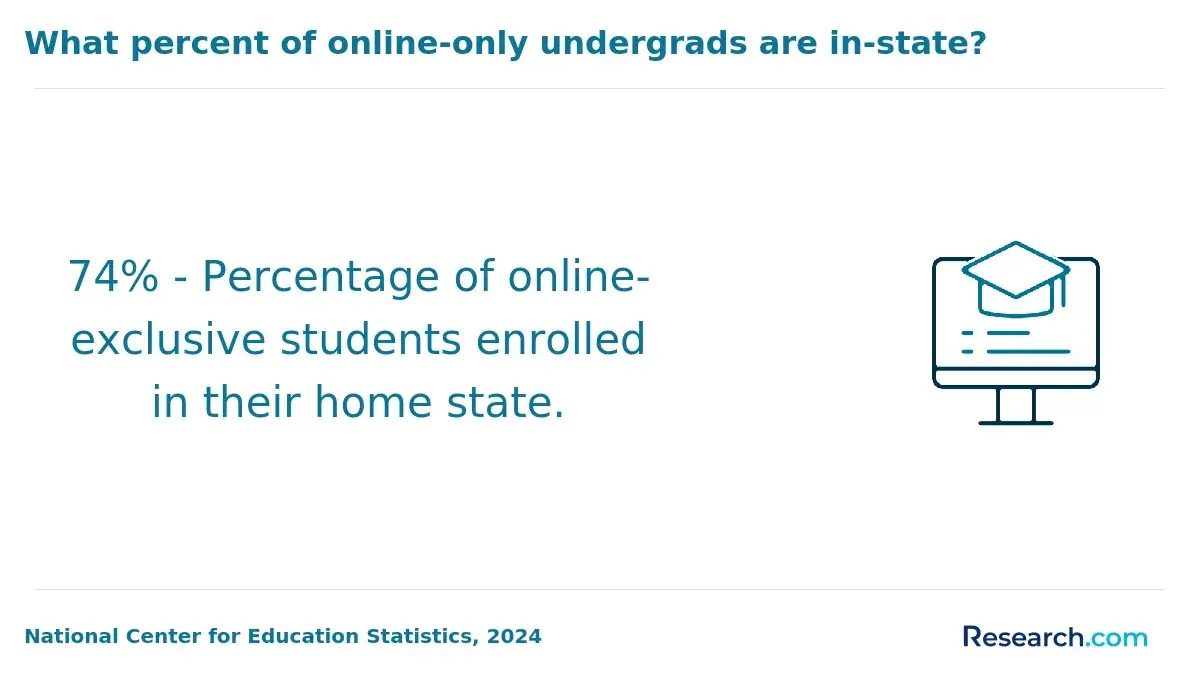
Recent trends in tuition pricing indicate that online data science programs tend to maintain a lower sticker price compared to traditional campus offerings, but the financial gap is steadily decreasing. This shift partly results from how institutions structure their fees: campus programs factor in expenses tied to physical infrastructure, including classroom space, maintenance, and on-site amenities, which inflate costs. Conversely, online degrees capitalize on scalable digital delivery platforms that reduce facility overhead per student, allowing for more competitive pricing. Yet, universities investing heavily in cutting-edge technology, advanced instructional design, and comprehensive virtual student services are compressing the affordability advantage historically held by online formats. According to a 2024 report by the National Center for Education Statistics, average tuition for fully online data science master's programs is about $15,000 annually, compared to roughly $25,000 for comparable in-person programs, illustrating a narrowing but still meaningful difference.
The economics behind these pricing disparities stem from multiple institutional factors. While online programs avoid many physical infrastructure costs, they require significant investment in digital platforms, ongoing technical support, and faculty training to ensure quality remote instruction, which can raise operating expenses. Additionally, the move toward more personalized and interactive online learning models necessitates skilled instructional designers and increased student engagement efforts, which some universities factor into program pricing. Faculty workload models also differ; online instruction may involve smaller synchronous cohorts or more modular content delivery, impacting compensation structures. Notably, student support services such as career advising and tutoring now extend into virtual environments, adding to overhead regardless of delivery mode. As a result, affordability outcomes reflect strategic decisions by institutions balancing operational cost savings against investments needed to sustain pedagogical quality and student satisfaction in digital contexts.
One graduate of an online data science program recalls a period of uncertainty during the rolling admissions cycle. Early in the application window, they hesitated to submit materials, weighing whether waiting for potential campus offers was worthwhile despite higher costs. The prolonged timeline introduced anxiety over missed deadlines and reallocation of financial aid, prompting a last-minute decision to finalize the online application. This choice, influenced by cost considerations and timing pressures, underscored how affordability debates often interplay with procedural complexities and real-world constraints rather than straightforward tuition comparisons alone.
How Have Financial Aid and Scholarships Changed as Data Science Tuition Has Increased?
As tuition fees for data science programs have escalated sharply, the structure of financial aid and scholarships has shifted but not always in ways that fully address affordability pressures. While federal grants and loans remain foundational supports, the relative growth of grant funding has lagged behind tuition inflation, prompting many students to increasingly depend on loan financing. Concurrently, institutions have broadened merit-based scholarships aimed at attracting high-achieving STEM and data science candidates, but these enhancements tend to benefit students with strong academic profiles rather than the broader population. Work-study and employer partnership funding have also expanded, offering partial cost relief through integrated experiential learning, yet these supports typically complement rather than replace traditional aid mechanisms.
Several factors drive these trends, including intensified competition among programs for qualified applicants and shifting government aid policies that constrain grant growth despite rising demand. Public universities increasingly deploy tuition discounting strategically, leaning on merit aid expansions to maintain enrollments amid cost surges. Federal financial aid caps and limited increases in need-based assistance have compounded affordability challenges, especially for lower-income students whose access remains constrained. As a result, merit scholarships function more as recruitment incentives than broad-based affordability tools, reinforcing disparities in net pricing within data science cohorts.
The net effect is a complex affordability landscape where nominal increases in institutional aid have not offset higher sticker prices, leading to greater reliance on debt and uneven access to meaningful grant support. This dynamic influences student decision-making, as prospective and current learners must carefully assess expected borrowing against realistic financial aid prospects. For many, the rising net price constrains program choices and may extend time to degree completion due to work commitments or increased financial stress. Understanding how institutional aid practices interact with larger federal and state funding frameworks is vital for evaluating the true cost and return of data science education amid ongoing tuition inflation.
How Does Rising Data Science Tuition Affect Student Debt After Graduation?
Rising tuition costs in data science degree programs have a direct and measurable impact on student borrowing levels, significantly increasing reliance on loans to finance education. As tuition inflates, the gap that students must cover grows wider, pushing many to seek larger loan amounts that elevate their total debt burden after graduation. This trend is particularly pronounced among traditional college-age students who generally have lower personal income and depend heavily on federal aid. The average student loan burden for data science graduates after tuition increases often leads to extended repayment periods and accrual of higher interest costs, which can delay key financial milestones such as homeownership and retirement savings.
Several factors contribute to this rising debt landscape. The widening disparity between tuition and available financial aid means scholarships and grants do not keep pace with program cost increases, forcing students to fill the funding gap with additional borrowing. Differences between public and private institution pricing also affect debt outcomes, with private programs typically charging higher rates that compound loan amounts. Interest accumulation during prolonged study spells further inflates the total repayment sum, especially for those stretched over part-time or extended learning schedules. Moreover, variations in post-graduation income across data science fields influence repayment capacity. Not all graduates secure salaries that adequately offset debt pressure, affecting long-term financial stability and the return on investment from their education.
These rising debt levels place substantial stress on repayment systems and prompt many borrowers to rely on income-driven repayment plans or loan forgiveness programs where available. The increased financial pressure shapes choices about program selection and perceived value, with some students opting for shorter or less costly alternatives, including 2 year online degrees, to mitigate long-term debt risks. The financial tradeoffs require students to carefully weigh tuition inflation against realistic income projections and repayment obligations to avoid disproportionate economic strain after completing their studies.
Do Higher-Cost Data Science Programs Deliver Better Career Outcomes or Earnings?
Higher-cost data science programs often raise expectations of better career outcomes and elevated earnings, yet tuition alone is not a reliable predictor of success. While a 2024 report from the National Center for Education Statistics finds that graduates from programs charging over $50,000 annually tend to have starting salaries about 15% higher than those from under $20,000 programs, this correlation does not imply causation. The earnings impact of expensive data science degrees varies widely, reflecting differences in program quality, market demand, and individual student factors rather than price premiums alone.
Institutional prestige, program resources, and employer networks exert significant influence on job placement and salary growth beyond tuition cost. Programs that offer strong internship pipelines, specialized curriculum tracks, and regional industry connections can enhance employability even at moderate or lower price points. Alumni outcomes and brand recognition may open doors, but many employers weigh candidates' demonstrated skills, portfolio strength, and adaptability more heavily than pedigree. Thus, mid-tier and lower-cost programs with focused hands-on experience and employer partnerships can deliver competitive career outcomes despite lower tuition. Students increasingly evaluate tradeoffs such as specialization depth, geographic relevance, and network accessibility when considering program value.
Prospective students should approach higher tuition with caution, balancing sticker price against realistic career trajectories and personal goals. Return on investment analyses must integrate not only initial salaries but also long-term earnings growth, continued skill development, and labor market dynamics. Cost-conscious learners might explore alternative educational paths, including boot camps or accelerated credentials like a fast track project management degree online, where applicable. Overall, evaluating the complex interplay between cost and career outcomes in data science requires nuanced judgment beyond simplistic assumptions that higher tuition guarantees superior employment prospects.
What Do Current Tuition Trends Suggest About the Future Cost of a Data Science Degree?
Tuition trends for data science degree programs demonstrate a consistent rise in costs that exceeds general inflation, signaling a durable upward trajectory. A 2024 report from the National Center for Education Statistics notes a 4.5% increase in average graduate tuition and fees from 2022 to 2023, reflecting historical patterns where tuition growth outpaces wage increases and consumer price indices. This persistent premium over inflation indicates that the future cost of data science degrees likely will continue to climb, driven not only by market forces but also by evolving institutional pricing strategies and investment priorities.
Key factors influencing this trend include constrained public funding and heightened demand for data science skills, which compel institutions to expand and specialize their offerings. Investment in advanced technologies, online platforms, and student support services raises operating costs that are often transferred to students. Meanwhile, growth in flexible certificate and online programs provides alternatives but also experiences steady price increases as institutions enhance content and delivery. These dynamics suggest that future tuition rates will reflect complex interplays between educational innovation, market demand, and funding models rather than simply reacting to inflation.
For prospective students, these cost trajectories underscore the necessity to evaluate programs with an eye toward long-term return on investment, balancing tuition growth expectations with employability outcomes and debt implications. The rising sticker price carries implications for repayment durations and borrowing risks, particularly for adult learners who prioritize flexible schedules. Understanding tuition forecasts in this nuanced context is essential for strategic educational planning amid an evolving labor market demanding both credentials and demonstrable skills.
References
- The Future of Data Science: Emerging Technologies and Trends https://www.ucumberlands.edu/blog/the-future-of-data-science-emerging-technologies-and-trends
- Effects of Student Loan Debt on Economy [2026]: Data Analysis https://educationdata.org/student-loan-debt-economic-impact
- 2025 Most Affordable Online Master's in Data Science Programs https://www.onlineu.com/most-affordable-colleges/data-science-masters-degrees
- Everything you need to know about the Data Scientist job: studies, salary... - ECE https://www.ece.fr/en/everything-you-need-to-know-about-the-data-scientist-job-studies-salary/
- Data Science in 21st Century Education: Problems and Solutions https://www.turingcollege.com/blog/data-science-in-21st-century-education-problems-and-solutions
- Why is the cost of college rising so fast? https://ssti.org/blog/why-cost-college-rising-so-fast
- 10 Best Countries To Study Data Science: Top Universities, Fees, & Starting Salaries https://www.instarem.com/blog/best-countries-to-study-data-science/
- Average net tuition down when adjusted for inflation, Brookings data shows https://www.highereddive.com/news/college-net-prices-affordability-brookings-institution-phillip-levine/815261/
- Fun with Tuition Data | HESA https://higheredstrategy.com/fun-with-tuition-data/
- Must-Know Essential Data Science Facts for Career Growth https://www.icertglobal.com/blog/important-data-science-facts-you-cannot-miss-blog
Other Things You Should Know About Data Science
While rising tuition reflects demand and perceived program value, students should carefully assess whether the program's curriculum and experiential components align with employer expectations. Paying more doesn't guarantee superior skills or job readiness; prioritizing programs with strong project-based learning and industry connections can offer better returns despite higher upfront costs. Since employer focus often centers on demonstrated ability rather than school prestige alone, prospective students should weigh cost increases against tangible opportunities for practical application and networking.
Accelerated programs often charge premium prices due to condensed timelines and intensive workloads, which can strain students and limit time for deep learning or internships. Although they reduce time to graduation, the compressed pace may impede mastery of complex concepts, potentially affecting job performance post-graduation. Prospective students should prioritize program structure that balances cost with sustainable learning pace and opportunities for applied experience, rather than choosing accelerated options based solely on shorter duration.
As tuition inflates, access disparities can widen, particularly affecting students from underrepresented or low-income backgrounds who may face limited financial aid options specific to data science programs. This can reduce diversity in the field and increase pressure on candidates to accept higher debt or forgo quality education. Decision-makers should seek programs with transparent support mechanisms and explore alternatives such as employer-sponsored training or community-based bootcamps to mitigate cost barriers while maintaining market-relevant skills.
Lower-cost, newer programs might appeal as a budget-friendly choice, but their limited track record can complicate assessing employability and skill transferability. Without robust employer recognition or proven graduate success, the risk of lower ROI increases. For many students, investing slightly more in established programs with verifiable outcomes and employer networks may reduce uncertainty and improve hiring prospects, especially in competitive markets where proven credentials matter.