2027 Data Science ROI by Institution Type: Public vs Private vs Nonprofit Online Programs

Co-Founder and Chief Data Scientist
Choosing between public, private, and nonprofit online programs in data science can seem straightforward until a prospective student compares outcomes beyond tuition sticker prices. Recent analysis from the National Center for Education Statistics (2024) highlights that while private institutions charge substantially higher fees, their average graduation rates and career support services do not always justify the added cost.
Meanwhile, public programs often report higher graduation rates but vary widely in postgraduate employment assistance. This divergence matters because even modest differences in student debt and employment outcomes can compound, affecting long-term financial stability and career mobility.
This article dissects these institutional distinctions to clarify the true ROI of online data science education.
Key Things to Know About Data Science ROI by Institution Type
- Public institutions tend to offer lower tuition but often have variable graduation rates, influencing time-to-degree and total cost; this tradeoff affects debt levels and delays career progress for working adults balancing affordability and completion risk.
- Private online programs may carry higher sticker prices yet frequently leverage strong employer networks and brand recognition, enhancing career advancement potential despite increased initial debt exposure.
- Nonprofit online schools often emphasize learner support and flexible pacing, crucial for mid-career professionals; however, accreditation variability requires scrutiny to ensure long-term value and employer acceptance.
- Key Things to Know About Data Science ROI by Institution Type Key Things to Know About Data Science ROI by Institution Type
- What Does ROI Mean for a Data Science Program and How Is It Measured? Understanding Data Science Program ROI
- How Do Public, Private, and Nonprofit Online Data Science Programs Differ in Overall Value? Value by Institution Type
- How Do Tuition Costs Affect the ROI of a Data Science Program Across Institution Types? Tuition Costs and ROI
- How Do Graduation Rates Influence Data Science Program ROI? Graduation Rates Impact ROI
- What Role Do Career Outcomes Play in the ROI of a Data Science Degree? Career Outcomes and ROI
- How Does Student Debt Impact the Long-Term ROI of a Data Science Program? Debt vs. Long-Term ROI
- How Do Flexibility and Adult Learner Support Affect Data Science Program Value? Flexibility and Program Value
- How Do Accreditation and Institutional Reputation Influence Data Science ROI? Accreditation and Reputation
- How Does Time-to-Degree Affect the ROI of Public, Private, and Nonprofit Data Science Programs? Time-to-Degree
- How Can You Choose the Best Data Science Program Based on Your ROI Goals? Choosing Programs by ROI
What Does ROI Mean for a Data Science Program and How Is It Measured?
Return on investment for data science programs extends beyond immediate salary boosts and requires a comprehensive assessment of total educational costs, including tuition, fees, and accumulated student debt. For example, graduates of private online programs often face 20-30% higher debt levels compared to public institutions, which can diminish long-term financial gains despite potentially stronger employer networks or career services.
Evaluating ROI demands attention to program completion rates and time-to-degree. Low graduation rates can erode value by increasing costs without delivering expected credentials or career acceleration, a common issue in some private and nonprofit offerings.
The opportunity cost of time spent studying also affects ROI differently depending on personal circumstances and employer support. Working professionals balancing income streams with part-time or flexible pacing may preserve earnings and reduce missed wages, optimizing ROI even at programs with higher tuition.
Conversely, students without such flexibility might realize better net value from more affordable public options despite fewer individualized services. Prospective learners should align their goals and economic situation with institutional outcomes, recognizing that a lower sticker price does not always translate into the strongest long-term return, particularly given differences in student debt burdens and career placement success documented in national education datasets.
Understanding how to measure ROI in data science education requires integrating these multifaceted factors rather than relying on simplistic earnings comparisons. Decision-making benefits from examining institutional transparency around student outcomes and leveraging resources relevant to one's career trajectory and financial profile.
This nuanced approach is essential for cost-conscious adult learners, transfer students, and career changers who must navigate tradeoffs between cost, quality, and time investment to identify programs that deliver durable value and align with evolving workforce demands, as reflected in assessments of the best college majors.
How Do Public, Private, and Nonprofit Online Data Science Programs Differ in Overall Value?
Public, private, and nonprofit online data science programs present distinct tradeoffs that shape their overall value depending on a student's priorities around cost, flexibility, and career trajectory. Public institutions generally offer more affordable tuition and lower average debt, estimated at around 25% less than private programs, making them attractive for learners prioritizing financial restraint.
However, they may offer less personalized support and slower course pacing compared to smaller private institutions that leverage brand recognition and networking, which some employers favor when evaluating credentials. Nonprofit programs often blend mission-driven curricula with industry partnerships, yielding marginally higher job placement rates, yet prospective students must weigh variability across programs and specific career outcomes against typically higher costs and financial aid availability.
For many working professionals and transfer students, the choice hinges on how well institutional reputation, student services, and program specialization align with long-term employment goals without disproportionately increasing debt. While private programs can enhance networking avenues, the premium tuition may not always justify faster or better job placement if affordability undermines completion or elevates financial risk.
Public and nonprofit options, though potentially less prestigious, can still deliver strong accreditation and credible outcomes that reduce financial stress and improve return on investment, especially when paired with strategic career supports. These distinctions affect not only initial enrollment decisions but also the sustainability of career development plans post-graduation.
A student who carefully assessed a public university's lower tuition and solid advising services alongside a private nonprofit program recognized the potential for improved job prospects at the latter but hesitated over its higher cost and uncertain financial aid. Comparing graduation rates, employer perceptions, and flexibility preferences led them to select the public program, valuing manageable debt and steady progress over brand appeal.
Despite initial concerns about fewer networking opportunities, the student appreciated the clear alignment with personal financial limits and the accredited curriculum, which provided confidence in long-term value without excessive borrowing.
How Do Tuition Costs Affect the ROI of a Data Science Program Across Institution Types?
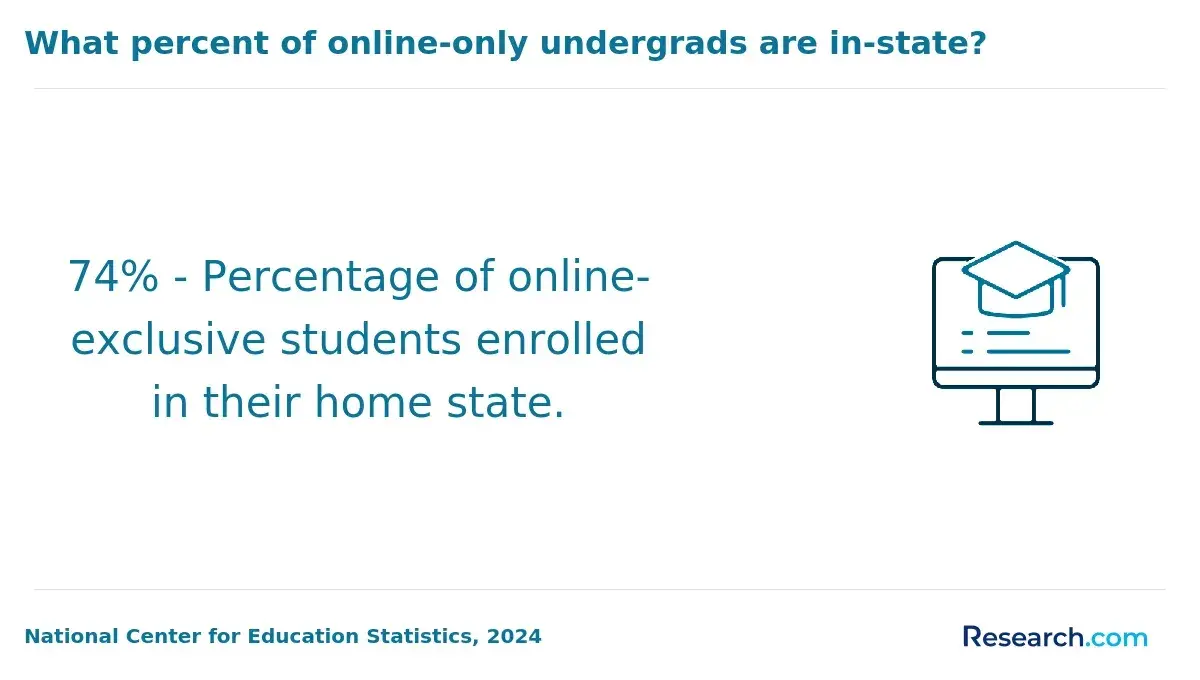
Tuition costs influence the return on investment (ROI) for online Data Science programs, but lower sticker prices do not guarantee better outcomes. Public universities often offer annual tuition between $8,000 and $15,000 due to state subsidies, yielding less student debt on average according to a 2024 National Center for Education Statistics report; however, their typically larger cohorts and less individualized support can result in lower graduation rates and extended time-to-degree, which erodes cost savings.
In contrast, private and nonprofit institutions with annual fees as high as $40,000 may deliver more flexible pacing, intensive mentoring, and stronger career networks that accelerate completion and improve employment prospects, potentially justifying the higher upfront investment.
The critical tradeoff lies in assessing net costs after aid and scholarships alongside program quality and graduate outcomes rather than comparing sticker prices alone. For instance, a working professional balancing full-time employment may benefit more from a nonprofit program's tailored career services and shorter completion window, enabling quicker salary gains despite higher tuition.
Conversely, students prioritizing affordability and minimizing debt exposure might find better fits within public programs, particularly where state grants reduce net expenses. Ultimately, ROI hinges on how tuition interacts with completion efficiency, debt management, employer recognition, and salary growth opportunities specific to each institution type and learner's personal context.
How Do Graduation Rates Influence Data Science Program ROI?
Graduation rates profoundly affect the return on investment for data science programs, particularly when considering institutional differences in support and flexibility. Public online programs often show completion rates near 55% within six years, reflecting their larger scale and more developed student services that shorten time-to-degree and reduce overall costs.
Conversely, many private and nonprofit programs serve diverse adult learners balancing education with other responsibilities, trading off faster graduation for access and program relevance. Evaluating how these completion patterns impact long-term value is essential, as persistence challenges can increase debt burdens and delay workforce entry, undercutting financial and career gains.
Graduation rates offer a useful but incomplete metric of outcomes since they do not fully capture program quality or employer-valued skills. Some programs intentionally prioritize flexibility, thus extending time-to-completion without necessarily diminishing ROI when skills, networking, and real-world training align with market demands. For cost-conscious students comparing graduation rate trends in public private nonprofit data science programs, balancing completion likelihood against instructional quality and total cost is critical.
Resources provided by institutions and the ability to sustain engagement become key drivers of success, shaping employability and debt management considerations. Adult learners may also find value in alternative strategies seen in the cheapest EdD programs online that emphasize tailored pacing and effective support.
What Role Do Career Outcomes Play in the ROI of a Data Science Degree?
Employment outcomes are a decisive factor shaping the return on investment for online data science degrees, with program type influencing both cost and career benefits in distinct ways. Public institutions often appeal through lower tuition and regional industry connections, which can facilitate quicker job placement and manageable debt load, particularly for students balancing work and study.
Private providers may promise specialized curriculum and better access to niche sectors but come with higher upfront costs whose payoff depends heavily on the strength of their employer networks and career services. According to a 2024 National Center for Education Statistics report, programs with strong employer partnerships consistently achieve employment rates above 85% within six months post-graduation, underscoring how career services and practical skill training directly enhance ROI beyond sticker price.
Long-term value also hinges on career mobility and the ability to translate skills into evolving roles. Graduates from programs integrating applied projects report smoother transitions into data-centric occupations, a critical advantage as 62% of employers increasingly prefer candidates with demonstrated real-world competencies over solely theoretical knowledge.
This dynamic creates a tension for adult learners and career changers who must weigh flexible scheduling and affordability against access to these experiential opportunities, which vary by institution type. For example, a graduate aiming for a government analytics role may find public or nonprofit programs more aligned with their sector's expectations, while those targeting tech industry innovation might benefit from the networking advantages of private programs.
A recent graduate shared that the true measure of ROI for their online data science degree wasn't just initial employment but recognition within their organization, where the credential opened doors to internal promotions and expanded project responsibilities. They valued how the program's applied learning aligned with their day-to-day work, even though they initially questioned if the investment would yield tangible career gains.
Over time, this practical relevance proved essential, providing professional confidence and opportunities that offset the program's cost and duration in ways that raw salary figures alone couldn't capture.
How Does Student Debt Impact the Long-Term ROI of a Data Science Program?
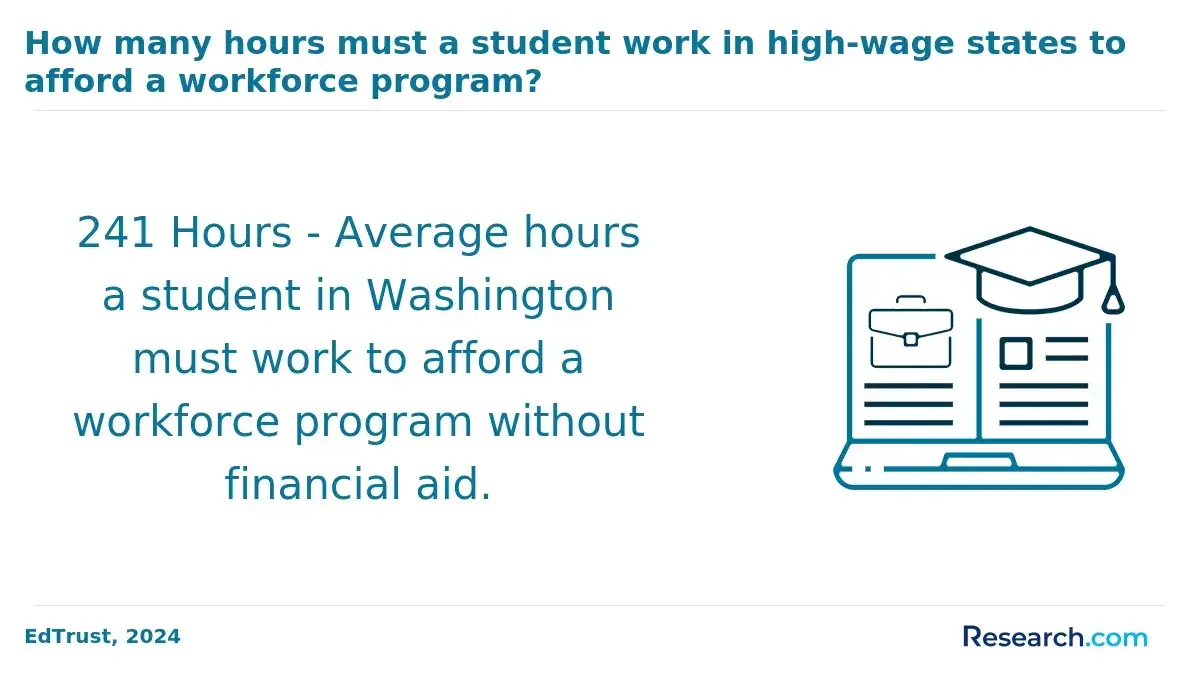
Long-term student debt impact on data science program ROI is deeply influenced by the interplay between institutional type, borrowing levels, and repayment dynamics. Private online institutions often result in nearly 40% higher debt compared to public alternatives, which affects post-graduation financial flexibility.
For example, a graduate accumulating substantial debt at a private program may face delayed wealth building despite data science's competitive salaries, especially if repayment obligations overshadow early-career income gains. Careful evaluation of borrowing strategies alongside program costs and realistic completion timelines is essential to avoid eroding the program's long-term value.
Students should also consider how the student loan burden and career outcomes in data science vary by program quality and support services. Public online programs typically offer lower tuition and stronger state aid, minimizing debt but occasionally at the expense of slower job placement or reduced starting salaries.
Meanwhile, nonprofit programs bridge this gap with moderate costs and targeted scholarships but show wide variability in debt-to-earnings ratios depending on reputation and regional factors. Prospective learners balancing affordability and educative value should prioritize programs with transparent outcome data, realistic graduation rates, and alignment with labor market demand, rather than relying solely on upfront cost or prestige.
For those exploring related options, the online BA business administration programs represent a comparison in weighing institutional debt versus career returns within broad workforce pathways.
How Do Flexibility and Adult Learner Support Affect Data Science Program Value?
The impact of scheduling flexibility and tailored support services on the ROI of online data science programs is often underestimated despite affecting degree completion and career outcomes significantly. Programs that integrate asynchronous coursework with some synchronous opportunities allow working adults to maintain employment while advancing their education, reducing opportunity costs tied to full-time study.
For example, public universities leveraging scalable digital content can offer part-time options that boost adult learner graduation rates by around 15%, though they may sacrifice personalized advising due to larger class sizes. Private institutions, by contrast, typically provide more synchronous faculty engagement but at higher tuition costs, resulting in a complex tradeoff between more direct interaction and increased debt.
Student support structures such as career counseling aligned with employer expectations, transfer credit assistance, and flexible accommodations for military or caregiving responsibilities are critical to improving persistence and shortening time-to-degree. Nonprofit programs often excel in delivering mission-driven support and employer partnerships that can facilitate internships or job placement but may lack the technological scale or networking breadth of larger public or private schools.
According to 2024 data from the Council for Adult and Experiential Learning, institutions with comprehensive support frameworks see persistence rates improve by 20%, highlighting how these services translate into tangible educational value. Ultimately, cost-conscious adult learners must weigh the benefits of strong advising and career services against potential drawbacks in affordability and institutional scale when evaluating the long-term worth of online data science credentials.
How Do Accreditation and Institutional Reputation Influence Data Science ROI?
Accreditation and institutional reputation significantly affect the practical return on investment (ROI) of online data science programs by shaping employer trust and academic recognition. Graduates from properly accredited programs benefit from smoother credit transfers and clearer paths to graduate education, directly influencing career mobility.
For example, a candidate applying for a data analyst role in a competitive tech market may be favored if their degree is from an institution with recognized regional accreditation and a solid reputation for rigorous curriculum and graduate outcomes, as reported by the Council for Higher Education Accreditation's 2024 findings showing a 15% higher job placement rate within six months for accredited program graduates.
However, the value of prestige varies across sectors: while corporate recruiters often prefer well-known institutions for pipeline reliability, many employers in data science emphasize demonstrable skills and project experience, sometimes outweighing pedigree. This dynamic places additional importance on program support services and faculty expertise, which differ notably between public, private, and nonprofit providers.
Public institutions frequently offer affordable tuition and research resources that help minimize debt burdens, whereas private programs might provide more personalized mentorship at higher costs, complicating ROI calculations for career changers or adult learners focused on financial pragmatism.
Students must consider accreditation's assurance of quality and eligibility for licensure alongside institutional reputation's effect on employer perceptions. Choosing a program without credible accreditation risks undermining both transferability and long-term career flexibility. Balancing these factors with cost and support structures is essential, since neither accreditation nor reputation alone guarantees outcomes; the best investment aligns academic quality with clear pathways to employment and manageable debt, especially in a fast-evolving field like data science.
How Does Time-to-Degree Affect the ROI of Public, Private, and Nonprofit Data Science Programs?
Time-to-degree significantly shapes the ROI for public, private, and nonprofit online data science programs by influencing both direct and indirect costs tied to tuition exposure, student debt accumulation, and delayed income. For example, public programs frequently offer extended part-time tracks that accommodate working professionals but can stretch beyond the usual two years, increasing opportunity costs related to foregone wages or postponed workforce entry.
In contrast, private and nonprofit programs often provide accelerated pathways completed within 12 to 18 months, which reduce time enrolled and associated expenses but may compress curriculum depth and practical experience, affecting long-term employability.
Transfer credit policies and institution-specific support services further mediate these outcomes. Public institutions typically have broader transfer credit acceptance, potentially shortening time-to-degree and lowering overall costs, which is crucial for transfer students or those with prior credits.
Meanwhile, private nonprofits might offer enhanced networking and career resources that help offset shorter completion timelines by fostering stronger post-graduation positioning. These dynamics create nuanced tradeoffs in the time-to-degree comparison for ROI in public vs private nonprofit data science programs, especially for adult learners balancing work, family, and education demands.
Prospective learners, including those searching for degrees for felons, must weigh how these variables affect their academic pacing and income interruption. While accelerated options shrink opportunity costs, they risk increased stress and attrition, whereas extended programs offer flexibility but might prolong debt and delay market reentry.
Understanding these practical realities enables more informed decisions about educational investment based on personal circumstances and workforce expectations rather than speed alone.
How Can You Choose the Best Data Science Program Based on Your ROI Goals?
The best return on investment in a data science program is shaped more by individual priorities than by whether the institution is public, private, or nonprofit. Public online programs often deliver lower tuition rates and thus reduce student debt, a crucial factor for cost-conscious learners aiming to minimize long-term financial burdens.
However, private programs frequently offer stronger learner support and greater scheduling flexibility, which benefits working professionals balancing education with job and family obligations. Evaluating these tradeoffs is fundamental when assessing the best online data science programs for maximizing return on investment.
Graduation rates, program reputation, and career services also directly impact salary growth and job placement, with some private institutions demonstrating median two-year salary increases nearing 35%, while public programs average about 25%, according to recent data published by the Georgetown University Center on Education and the Workforce. Nonprofit schools typically fall between these extremes, prioritizing accreditation and rigorous curriculum, which influences employer recognition and career mobility.
Time-to-degree considerations further affect ROI, as accelerated or intensive formats may reduce time outside the workforce despite higher upfront costs. Prospective students should weigh these factors alongside financial aid availability, debt expectations, and employment goals to align their choice with personal circumstances.
Adults seeking to balance cost, quality, and career outcomes might also explore resources on the best GIS programs to understand parallel sector trends and institutional evaluations. Understanding how to evaluate data science program ROI by institution type requires this nuanced assessment, reflecting not just tuition figures but also practical implications for earnings and career trajectories in a competitive labor market.
References
- The Long-Term Effects of Student Loans | ACE Blog https://ace.edu/blog/the-long-term-effects-of-student-loans/
- Understanding Student Outcomes: A Data-Driven Approach to Success in Higher Education https://www.equifax.com/newsroom/all-news/-/story/understanding-student-outcomes-a-data-driven-approach-to-success-in-higher-education/
- How Student Loan Debt Impacts Your College ROI https://www.lendkey.com/blog/student-loans/how-student-loan-debt-impacts-your-college-roi/
- Choose the Right Data Science Program for Career | Learnbay https://www.learnbay.co/blogs/how-to-choose-the-right-data-science-program-for-your-career-goals
- Tips for communicating ROI of data science projects https://posit.co/blog/tips-for-communicating-roi-of-data-science-projects
- Evaluating ROI Analytics in Higher Education Institutions https://www.heliocampus.com/resources/blogs/evaluate-roi-analytics
- Best Value Data Science Programs: Highest ROI 2026 https://hakia.com/degrees/data-science/best-value-programs/
- Data Analytics ROI: How to Measure and Maximize the Value of Your Data | Domo https://www.domo.com/glossary/data-analytics-roi
Other Things You Should Know About Data Science ROI by Institution Type
Private institutions often offer more specialized and up-to-date data science curricula that emphasize cutting-edge tools and applied projects, reflecting closer ties to industry trends. Public programs may focus more on foundational theory, which can lengthen the time to mastery of practical skills but provide a strong analytical base. Nonprofit online programs tend to balance theory and practice but sometimes rely heavily on standardized content with less customization. For students prioritizing immediate workplace readiness, private programs may offer a slight edge, while public programs might favor those seeking broader theoretical depth.
Employers often consider the type of institution but focus more on demonstrable skills and project portfolios. Graduates from private online programs may benefit from stronger brand recognition and networking opportunities, which can help overcome employer skepticism about online learning. Public institutions, despite sometimes lower name recognition, can leverage their large alumni networks and recognized credentials but may face assumptions about less personalized instruction. Nonprofit programs typically occupy an ambiguous space, so students should prepare to substantiate their skills with real-world experience or certifications to address variable employer expectations.
Private online programs often demand a more intensive workload compressed into shorter terms, suitable for self-motivated learners able to balance fast-paced study with work. Public institutions may offer more flexible pacing but sometimes at the expense of prolonged degree completion. Nonprofit programs vary widely; some provide modular formats allowing customization of workload. Candidates juggling full-time jobs and family should consider public or nonprofit options for greater scheduling flexibility, whereas those prioritizing speed and immersive learning might lean toward private programs despite the heavier short-term burden.
Nonprofit programs can offer a middle ground in cost, curriculum design, and student support, often appealing to learners seeking affordable quality without the brand premiums of private schools. They tend to provide strong mission-driven support and practical course structures adaptable to diverse learner needs, which benefits working professionals needing balance and continuity. If long-term debt avoidance is crucial but public institutions do not offer desired flexibility or specialization, a nonprofit online program can be a strategic choice, provided its graduation and employment metrics align with career goals.