2027 Online vs Campus Data Science Outcomes Report: Graduation Rates, Cost, and Career Trade-Offs

Co-Founder and Chief Data Scientist
Adult learners transferring credits into data science programs often face opaque credit acceptance policies that inflate time-to-graduation unexpectedly. A 2024 report shows only 58% of online data science programs accept more than 75% of transfer credits, compared to 72% in campus programs. This gap reflects persistent institutional biases favoring traditional on-campus pathways, complicating cost and timeline calculations for career pivots. With working professionals balancing employment and deadlines, these differences shape not just graduation rates but long-term ROI and skill relevance. This article analyzes graduation outcomes, total costs, and career impacts of online versus campus data science pathways to clarify these trade-offs for informed enrollment decisions.
Key Things to Know About Online vs Campus Data Science Outcomes
- Campus-based data science programs report a 12% higher graduation rate than online formats (NCES, 2024), reflecting campus access to structured support that mitigates attrition risks common in remote learning.
- Online programs often lower direct costs, but hidden time investments and slower completion rates increase total expense, influencing budgeting decisions and delaying workforce re-entry.
- Employers increasingly recognize specialized online credentials; however, campus alumni typically report stronger internship networks, affecting early-career placement pathways and signaling divergent employer engagement channels.
- Key Things to Know About Online vs Campus Data Science Outcomes Key Things to Know About Online vs Campus Data Science Outcomes
- What Are the Biggest Differences Between Online and Campus Data Science Program Outcomes? Online vs Campus Outcomes
- How Do Graduation Rates Compare Between Online and Campus Data Science Programs? Comparing Graduation Rates
- Why Do Online and Campus Data Science Students Have Different Completion Rates? Why Completion Rates Differ
- How Do Online and Campus Data Science Programs Compare on Total Cost? Total Cost Comparison
- What Hidden Costs Should Students Expect in Online vs Campus Data Science Programs? Hidden Program Costs
- How Does Financial Aid Affect the Cost of Online and Campus Data Science Programs? Financial Aid Impact
- Do Online and Campus Data Science Graduates Have Different Career Outcomes? Comparing Career Outcomes
- How Do Employers View Online vs Campus Data Science Degrees? How Do Employers View Online vs Campus Data Science Degrees?
- Which Data Science Degree Format Offers Better Flexibility for Working Adults? Which Data Science Degree Format Offers Better Flexibility for Working Adults?
- How Should Students Choose Between an Online and Campus Data Science Program? Choosing Your Program Format
What Are the Biggest Differences Between Online and Campus Data Science Program Outcomes?
Cost considerations further complicate decisions between online and campus pathways, as the advertised tuition advantage of online programs often diminishes once technology fees, prolonged enrollment, and additional expenses are included. These factors can lead to total costs similar to or exceeding campus-based attendance, affecting debt levels and financial planning for many students. Moreover, employer perceptions still weigh practicum experience and on-site collaboration heavily, making local campus networks valuable for early career entrants despite the growing acceptance of online credentials from accredited institutions. This dynamic influences career mobility and signals the importance of aligning program format with both immediate affordability concerns and long-term professional signaling, especially for those exploring one year masters degree options.
Prospective data science students must therefore evaluate how format affects access to faculty, peer networks, and experiential learning opportunities critical for workforce readiness. Online programs offer geographic flexibility that suits working adults, yet the limited direct exposure to local industry ecosystems can restrict internship placements and employer connections vital in certain markets. Navigating these differences involves balancing short-term convenience and schedule adaptability with the structured support and career-enabling resources more prevalent in campus settings-factors that ultimately shape graduation success, debt accumulation, and competitive positioning in the data science job market.
How Do Graduation Rates Compare Between Online and Campus Data Science Programs?
Graduation rates in data science programs reveal important nuances beyond simple mode of delivery, with traditional campus programs typically reporting six-year undergraduate completion rates near 60-65%, while fully online counterparts often range from 40-50%, according to 2024 data from the National Center for Education Statistics. This difference largely reflects variations in student profiles and support structures rather than purely academic rigor. Many online learners juggle part-time enrollment alongside work and family responsibilities, which can extend time to degree or increase the likelihood of temporary breaks. Furthermore, campus programs often employ cohort models and more immediate academic advising, fostering accountability and peer interaction that help sustain momentum.
Comparisons based solely on graduation percentages underestimate how program design and student circumstances influence outcomes. Online data science offerings frequently allow asynchronous pacing for flexibility, but this can reduce structured deadlines and real-time guidance that some students need to stay on track. Selective admissions policies at many residential institutions also mean campus cohorts often start with stronger academic preparation, skewing completion rates upward. For working adults weighing options, recognizing these factors alongside raw statistics is critical: a lower online graduation rate may signify broader access and life complexity rather than weaker program quality.
One recent data science graduate recalled carefully weighing these trade-offs after observing that the campus program she considered maintained a tight-knit cohort with mandatory synchronous sessions, while the online option offered greater scheduling freedom but less direct advising. She hesitated about managing her full-time job and family obligations in a program that lacked regular check-ins. Ultimately, she chose the campus route despite the commute, valuing the built-in peer and faculty engagement that promised clearer guidance and fewer off-track risks-decisions shaped less by prestige and more by the practical realities embedded in graduation patterns.
Why Do Online and Campus Data Science Students Have Different Completion Rates?
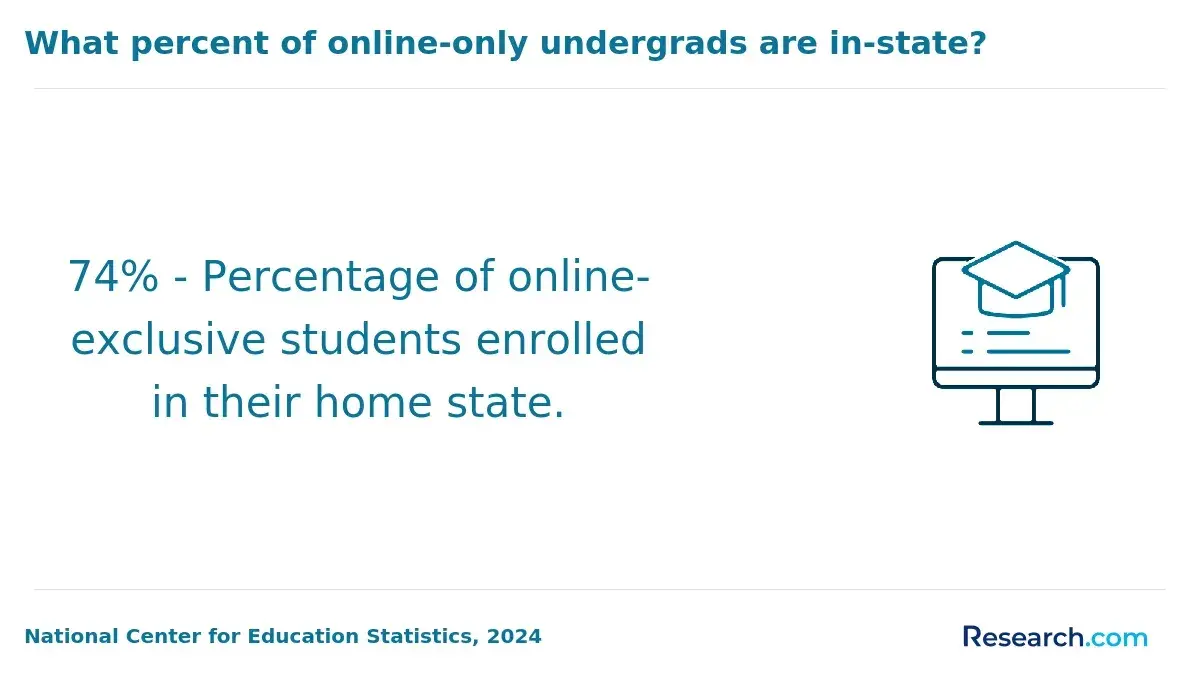
Completion rates in data science degree programs differ significantly between online and campus modalities due to varying student circumstances and institutional designs rather than purely academic quality. For instance, many online learners manage full-time employment and family obligations, leading them to enroll part-time and face increased stop-out risk as they juggle competing priorities. National Center for Education Statistics data from 2023-2024 shows campus-based bachelor's programs average a 62% six-year graduation rate, compared to roughly 40% for fully online programs. This gap often signals the challenges part-time, working adults encounter in sustaining uninterrupted progress through sequential, technically demanding coursework typical in data science.
Campus students benefit from embedded cohort systems, immediate faculty access, and on-site labs or internships that reinforce engagement and timely completion. Online programs frequently lack these intensive support mechanisms, making proactive academic advising and virtual peer networks crucial but inconsistently implemented. Older online learners with transfer credits face additional hurdles as credit articulation delays can stall momentum and extend time to degree. Additionally, campus environments generally provide more structured opportunities to build professional networks critical for entry-level hiring, which some online formats struggle to replicate effectively.
These distinctions emphasize that prospective students should consider their schedule stability, need for direct student support, and capacity for self-directed pacing when evaluating graduation statistics. The lower completion rates for online data science programs reflect broader demographic and life circumstance complexities rather than an inherent deficit in educational rigor. Understanding these trade-offs aids in selecting the format that best aligns with one's constraints and career timeline, especially given the sequential nature and practical skill demands of data science curricula.
How Do Online and Campus Data Science Programs Compare on Total Cost?
Evaluating the total cost differences between online and campus data science degrees requires considering more than advertised tuition rates. Campus programs often carry mandatory fees and living expenses-such as housing and transportation-that can add $10,000 to $15,000 annually, pushing total attendance costs at public universities to $25,000-$35,000 per year. Online options typically reduce or eliminate these costs but add unique technology fees and may require upgrading hardware or software. This tradeoff affects student debt and the ability to maintain steady employment during study, since online learners often borrow less and sustain income, balancing affordability against potential limits in campus resources and face-to-face support.
Cost structures also influence eligibility for financial aid and tuition assistance. Campus students may access wider institutional scholarships and comprehensive advising, while online learners-particularly working adults-often benefit from employer-sponsored tuition reimbursement that fits their schedules better. When considering how do online and campus data science program total costs compare, students must factor in program length, course load flexibility, and how these align with their career timelines and financial planning. Those exploring online counseling degrees similarly balance cost against practical support and career demands, reflecting broader trends in how education formats reshape cost and outcomes decisions.
What Hidden Costs Should Students Expect in Online vs Campus Data Science Programs?
Total expenses for data science programs extend well beyond published tuition, with format driving markedly different hidden costs that shape student budgeting and career planning. Online learners typically face mandatory technology fees ranging from $200 to $400 per term to cover digital platforms, proctoring, and specialized software critical for coursework, while campus students incur substantial living expenses-housing, commuting, parking, and meal plans-that can add $8,000 to $12,000 per year. These indirect costs often impact the feasibility of maintaining part-time employment; campus students' rigid schedules and commute demands frequently reduce working hours, increasing reliance on loans. The U.S. Department of Education found that campus students carry 15-20% more debt on average than their online peers, reflecting these opportunity costs and the uneven financial burdens embedded within each format.
Moreover, hybrid or residential program elements introduce unpredictable travel expenses, sometimes exceeding $500 per trip, while childcare expenses weigh more heavily on campus attendees due to on-site scheduling. These factors complicate straightforward cost-benefit analysis and should be evaluated alongside personal circumstances and work flexibility. Such financial tradeoffs influence not only completion timelines but also the long-term debt load impacting post-graduation employment decisions, especially given employer expectations for practical skills over format prestige. The choice between online and campus data science pathways often hinges on nuanced cost structures that extend far beyond sticker price.
A recent graduate shared how initial estimates favoring an online program shifted after uncovering recurring software subscription fees and mandatory proctoring costs that weren't clear upfront. Comparing this with a campus option, they also had to weigh commuting expenses and lost weekend work hours, which complicated their budget and timeline decisions. Ultimately, they chose the campus route, accepting higher upfront living costs for stable work-study balance and in-person networking opportunities, though they acknowledged that these hidden costs introduced unexpected financial stress and required careful ongoing management throughout their studies.
How Does Financial Aid Affect the Cost of Online and Campus Data Science Programs?
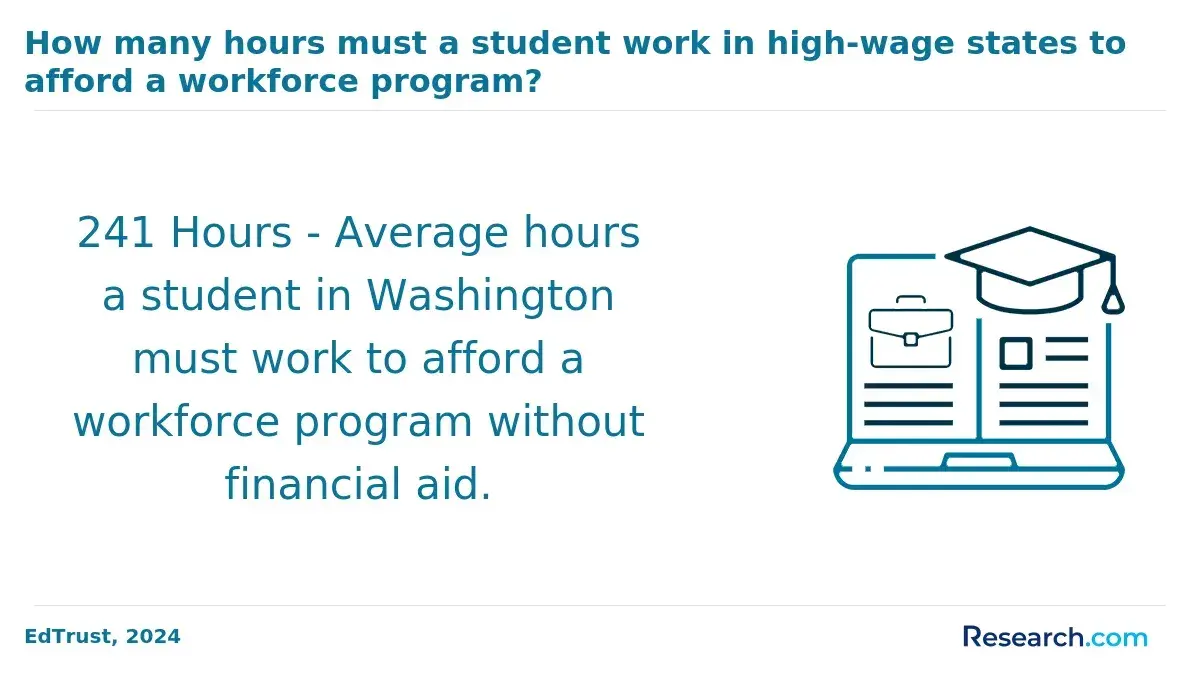
Financial aid significantly complicates direct tuition comparisons between online and campus data science programs, as the net cost depends heavily on aid packaging tied to enrollment type and student circumstances. For example, campus-based students often access institutional scholarships and assistantships requiring physical presence, which can reduce net expenses and provide stipends that online learners typically cannot utilize. Conversely, online students, who may be balancing part-time study with employment, often take greater advantage of employer tuition reimbursement programs and flexible federal aid, which affects their borrowing and pacing decisions differently than full-time campus counterparts. These dynamics mean prospective students weighing financial aid impact on online and campus data science tuition must scrutinize not only sticker price but also eligibility nuances related to residency, enrollment intensity, and available institutional aid.
Differences in technology fees, living costs, and aid accessibility further influence the true affordability and value proposition of each format. Residency requirements continue to shape state grant availability, usually favoring in-state students regardless of modality, but the availability of on-campus roles limits many online learners from capturing the full spectrum of institutional aid. The interaction between financial aid availability for data science programs and individual circumstances, such as employment status and willingness to engage in campus roles, decisively affects net price and potential debt load. Students should also consider that federal updates like FAFSA's emphasis on transparent net price calculators can facilitate more realistic budgeting prior to enrollment.
Decision-makers evaluating online versus campus study might also review alternative credential pathways that integrate well with working schedules, such as accelerated or hybrid programs. Those interested in related fields may explore construction management degrees offered online, illustrating how program structure, financial aid, and career outcomes intersect in different professional domains. Ultimately, understanding these aid-related tradeoffs plays a crucial role in determining the practical and financial viability of each pathway within the broader landscape of data science education and workforce integration.
Do Online and Campus Data Science Graduates Have Different Career Outcomes?
The subtle distinctions between online and campus data science graduates often hinge more on access and perception than on educational content alone. For instance, hiring managers may regard online credentials cautiously when from less accredited programs or unfamiliar institutions, which can affect early career opportunities despite comparable skill levels. Campus graduates typically benefit from stronger internship pipelines and alumni networks that directly support hiring and advancement, with data showing about 15% higher internship participation compared to online peers-an advantage that can tangibly impact employer evaluations and career trajectories.
Choosing an online program frequently reflects a deliberate trade-off for flexibility, especially for working professionals balancing family or geographic constraints, permitting uninterrupted employment while earning credentials. However, this format may limit direct access to in-person networking and some experiential requirements, which though rare in data science, can affect licensure or certification in related applied fields. Additionally, while online graduates often incur lower debt burdens, lingering gaps in employer familiarity and opportunities for face-to-face mentorship can translate into slightly different long-term mobility and salary outcomes, underscoring the importance of considering institutional reputation, program transparency on transcripts, and embedded career services when weighing these pathways.
How Do Employers View Online vs Campus Data Science Degrees?
Employer evaluations of online versus campus data science degrees hinge less on delivery format and more on accreditation quality, program rigor, and tangible evidence of skill application. For instance, a hiring manager at a major healthcare analytics firm may prioritize candidates from regionally accredited programs with integrated practicum experiences that validate hands-on competence over whether the degree was earned online or on campus. Nearly 70% of employers polled by the National Association of Colleges and Employers (NACE, 2024) now rate online data science credentials as equally credible when these conditions are met, yet caution remains when transcripts fail to explicitly articulate data science specialization or when practical exposure is absent.
Workforce implications diverge by sector and applicant background; industries emphasizing collaborative problem-solving and networking often assign added value to on-campus experiences due to immersive interpersonal development and career services. Conversely, online programs frequently attract professionals with varied career trajectories and mature work histories, offering employers a broader spectrum of applied perspectives. The Society for Human Resource Management (SHRM, 2024) further notes a shift toward portfolio demonstrations, coding tests, and project-based assessments, which increasingly eclipse degree format in employer trust. Students must weigh these nuances-including institutional reputation, program design, and evidence of experiential learning-against personal factors such as schedule flexibility and financial investment to align their educational choice with targeted career outcomes.
Which Data Science Degree Format Offers Better Flexibility for Working Adults?
Flexibility in online data science programs for working adults hinges not simply on asynchronous scheduling but on how these programs accommodate unpredictable work hours and life demands. While online formats allow part-time pacing and recorded lectures, many still require synchronous participation for exams or collaborative projects, which can conflict with shift work or caregiving responsibilities. In contrast, campus-based degrees offer more structured cohort progression and direct faculty interaction but impose fixed class times and commute burdens that can extend weekly time commitments well beyond scheduled hours, directly impacting job retention and study-life balance.
Programs with hybrid or evening classes may bridge some gaps, but trade-offs remain in access to hands-on labs and networking, which campus students leverage for skill application and employer visibility. The differing stop-out and transfer policies also affect persistence; online programs often permit pauses without penalty, providing critical flexibility to manage fluctuating workloads, whereas campus formats may enforce stricter progression timelines generating greater cost exposure if interruptions occur. These factors contribute to varied graduation timelines and influence cumulative costs, making the financial and temporal investment deeply contingent on a student's employment stability and personal obligations.
Choosing between flexible campus versus online data science degree options involves assessing how program structure intersects with one's career and life context, especially when weighing employer expectations for credentials that balance rigor with adaptability. Those seeking affordable pathways should assess their specific needs carefully, including exploring resources like environmental engineering schools online, which illustrate the nuanced pricing models in online education. Ultimately, informed decision-making requires blending academic delivery modes with realistic appraisals of schedule control, faculty access, and long-term employability implications.
How Should Students Choose Between an Online and Campus Data Science Program?
Choosing between online and campus data science programs requires weighing graduation rates, total costs, and career support in relation to individual circumstances. Campus programs typically see higher completion rates-around 60% within six years compared to roughly 45% for online formats-reflecting the challenges online students face balancing work and family alongside studies. This persistence gap can influence how quickly students move through sequenced courses and their eventual career entry, especially in competitive fields demanding hands-on skills and internships. For example, a working professional with irregular hours may prioritize an online program's flexibility but should consider potential delays in completion and the lesser access to direct faculty mentorship or in-person recruiting events.
Cost differences between delivery formats extend beyond tuition to include housing and commuting, with campus attendance often doubling overall expenses relative to online alternatives. Still, many employers in data science fields expect cohort learning and experiential engagement that campus programs facilitate more robustly, impacting practical readiness and networking. Students must therefore balance affordability against long-term opportunity costs, including how effectively a program's career services align with their goals. Prospective learners exploring online MFA programs can draw parallels in assessing value, while also scrutinizing employer expectations and graduation outcomes as key decision factors when comparing graduation rates and career outcomes for data science students.
References
- Hidden Costs in Online Degrees: What You Should Know Before Enrolling https://www.onlinecu.in/blog/cu/hidden-costs-to-consider-in-online-degrees
- How do employers look at online degrees? - MBA Crystal Ball https://www.mbacrystalball.com/blog/2017/01/27/online-degrees-how-employers-view-them/
- Online Colleges and Universities: Are They Delivering on Diversity and Inclusion? A Recent Analysis from IPEDS Data https://www.airweb.org/article/2023/03/30/online-colleges-and-universities-are-they-delivering-on-diversity-and-inclusion-a-recent-analysis-from-ipeds-data
- The Cost of Online Education • Oxford Learning College https://www.oxfordcollege.ac/news/the-cost-of-online-education/
- Why Learning Data Science is a Smart Career Move https://shooliniuniversity.com/blog/why-learning-data-science-is-a-smart-career-move/
- Best Data Science Programs in 2026 https://www.dataquest.io/blog/best-data-science-programs/
- Online vs in-person study: which one is right for you? https://www.ube.ac.uk/whats-happening/articles/online-vs-in-person-learning/
- Online vs Campus Data Science Degree Programs: Complete Comparison https://hakia.com/compare/data-science-online-vs-campus/
- Data Science Classes vs. Traditional College Programs: Which Gets You Hired Faster in 2025? https://onlineaitraining.com/blog-data-science-classes-vs-college
- How Employers View Online Degrees: Interviews with Nine Hiring Executives https://www.onlineeducation.com/features/how-employers-view-online-degrees
Other Things You Should Know About Data Science
Campus programs often provide hands-on access to specialized labs, in-person collaboration, and immediate feedback from instructors, which can accelerate mastery of complex tools and algorithms. Online programs may rely more heavily on self-directed projects and virtual simulations, which require stronger self-motivation and technical independence. Students aiming to build deep practical expertise quickly might benefit from the structured, immersive environment of campus settings, while online learners should plan for additional time and resource seeking to compensate for less direct interaction.
Campus-based students benefit from face-to-face networking through events, career fairs, and informal peer interactions, which can lead to strong professional connections, internships, and referrals. Online students often have to work harder to establish equivalent networks, relying on virtual forums and scheduled webinars, potentially slowing initial career advancement. For those targeting roles in competitive markets or firms that value interpersonal dynamics, campus programs can offer a critical edge; however, online learners can offset this by proactively seeking external professional communities and mentorship.
Online programs typically offer greater schedule flexibility, allowing working professionals to balance education with full-time jobs, but this often means a heavier responsibility on the learner to manage pacing and deadlines independently. Campus programs have fixed schedules and more intensive time commitments during the weekday, which can conflict with work but also enforce disciplined study habits through in-person class times. Professionals who struggle with unstructured time may find campus programs provide clearer boundaries for study, whereas self-directed learners needing flexibility should prepare for rigorous self-management in online formats.
While many employers have grown to accept online degrees, some still scrutinize the depth of hands-on experience and project rigor, which tends to be more standardized and visible in campus programs. Campus graduates often have portfolios enhanced by collaborative assignments, presentations, and supervised internships, which can tip hiring decisions for some technical roles. Online graduates should prioritize curating strong project evidence and seek internships or contract work to demonstrate comparable competencies, especially when applying to organizations with traditional hiring practices or highly competitive roles.