2027 Data Science Affordability by State: Where Students Pay the Most and Least

Co-Founder and Chief Data Scientist
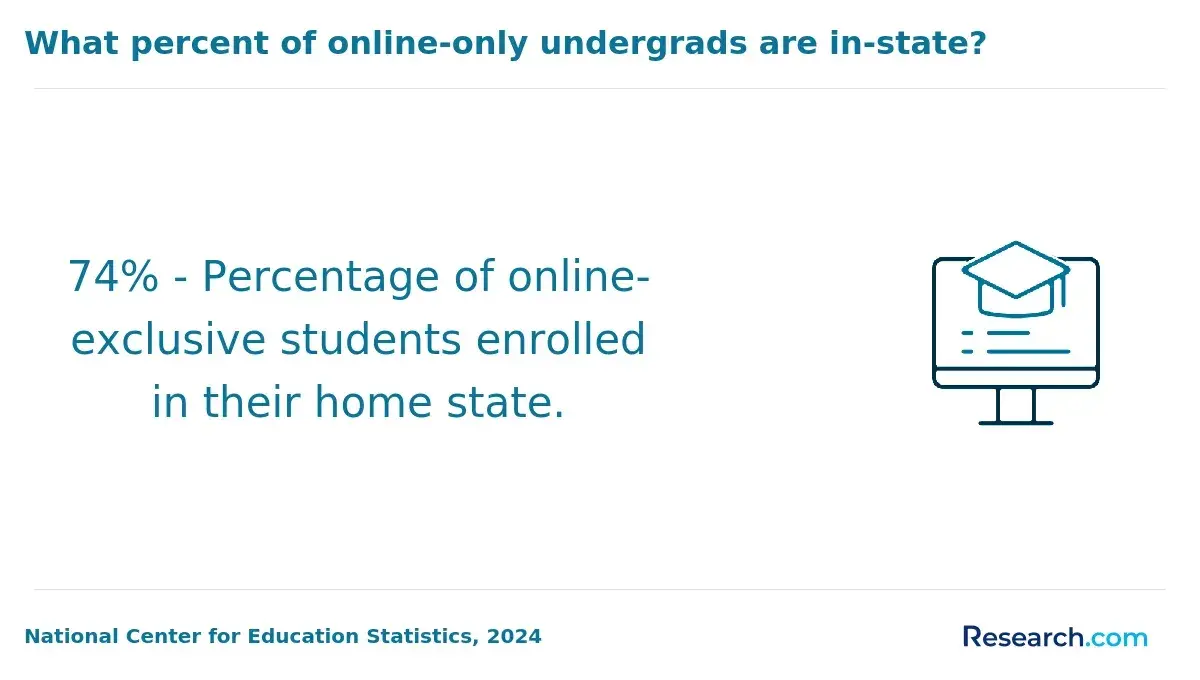
Choosing between a flagship state university charging $12,000 annually for in-state Data Science tuition and a neighboring private college with a $35,000 sticker price can overwhelm prospective students. This gap often masks higher living costs or limited financial aid options, complicating the decision beyond raw tuition figures. A 2024 National Center for Education Statistics report found that students attending out-of-state public universities borrow 18% more on average, highlighting how state residency policies shape debt burdens.
Understanding these systemic factors is crucial for weighing total investment and future career agility. This article analyzes data science affordability by state to reveal where students realistically pay the most and least, guiding more strategic enrollment choices.
Key Things to Know About Data Science Affordability by State
- States with low tuition often have higher living costs, creating a tradeoff where total affordability depends on balancing tuition savings against regional expenses, influencing data science students' budget planning.
- Out-of-state tuition premiums frequently exceed state-funded financial aid, limiting workforce mobility for data science graduates and affecting employer access to diverse regional talent pools.
- The 2024 NCES report highlights rising student borrowing linked to expensive private or out-of-state programs, underscoring the timing risk for students accepting higher initial costs over long-term financial stability.
- Key Things to Know About Data Science Affordability by State Key Things to Know About Data Science Affordability by State
- Which States Have the Most Affordable Data Science Degree Programs? Most Affordable State Programs
- Which States Have the Highest Data Science Degree Costs? Highest State Tuition Costs
- How Much Does a Data Science Degree Cost by State? Degree Costs by State
- Why Does Data Science Affordability Vary So Much Between States? State Affordability Variations
- How Do In-State and Out-of-State Tuition Rates Affect Data Science Affordability? In-State vs. Out-of-State Rates
- How Does the Cost of Living Impact Overall Data Science Affordability by State? Living Costs and Affordability
- Which States Offer the Best Value for a Data Science Degree? Best Value State Degrees
- What Financial Aid and Scholarship Opportunities Can Reduce Data Science Costs? What Financial Aid and Scholarship Opportunities Can Reduce Data Science Costs?
- Are Online Data Science Degree Programs More Affordable Than On-Campus Options? Are Online Data Science Degree Programs More Affordable Than On-Campus Options?
- Is a Data Science Degree Worth the Cost Based on Career Outcomes and ROI? Degree ROI and Outcomes
Which States Have the Most Affordable Data Science Degree Programs?
Affordability in data science degree programs is closely tied to state-level investment in public higher education and residency-based tuition structures that favor in-state students. States with robust public university funding, such as Wyoming and New Mexico, maintain tuition fees significantly below the national average, creating tangible cost advantages for residents.
For budget-conscious learners, this means that enrolling in a data science program within such states can reduce reliance on loans and shorten the time to degree completion by enabling year-round study rather than part-time attendance dictated by financial constraints. However, students must weigh these savings against potential tradeoffs, including regional job market strength and networking opportunities that often correlate with geographic clusters of tech industry employers.
Data science students must also consider how variations in tuition and living costs affect overall affordability. According to 2024 data from recognized sources like the National Center for Education Statistics and the College Scorecard, in-state tuition costs for data science degrees across states can vary dramatically, often reflecting broader economic conditions such as local cost of living.
For example, states that combine low tuition with effective financial aid programs enable lower debt burdens and improve long-term financial outcomes. Some offer flexible online degree options, which help cut housing and transportation expenses. This intersection of tuition affordability and educational infrastructure should inform enrollment decisions, particularly for students planning to stay within a state's job market after graduation, a factor that also affects the practical value of the investment.
Financial aid and scholarship availability further shape where data science degree affordability is realistically attainable. States providing targeted grants to residents can offset sticker prices, making degrees more accessible to lower-income students seeking STEM credentials. Prospective students evaluating programs should be cautious of out-of-state tuition premiums, which can significantly alter the cost-benefit calculation and may discourage seeking quality programs in states without preferential pricing policies.
In such cases, pathways like the accelerated social work degree highlight broader trends toward accelerated or flexible programs as models that might also inform strategies within data science education to reduce time and expense. Ultimately, understanding these multi-dimensional cost factors relative to personal circumstances is essential for maximizing both educational value and long-term career returns.
Which States Have the Highest Data Science Degree Costs?
States with the highest data science degree costs tend to reflect complex interplay between limited public education funding, high living expenses, and a concentration of private institutions. The National Center for Education Statistics reports that average in-state tuition at public four-year colleges in California can exceed $15,000 annually, a figure that climbs sharply in private institutions and urban hubs like New York. These elevated costs are often tied to states reducing per-student appropriations while students simultaneously face inflated housing and daily living expenses, forcing tuition to shoulder more of the financial burden. Consequently, the decision to pursue a data science degree in these regions requires careful evaluation of whether the program's local industry connections and employment prospects adequately offset the upfront expenses.
Adding to this dynamic, states with dense networks of research universities and private colleges typically incorporate higher fees to support advanced computational resources and expert faculty essential for modern data science training. Residency restrictions and fewer programs offering in-state tuition limits narrow lower-cost enrollment options, pushing some budget-conscious learners to consider online degrees or interstate alternatives. These geographic and institutional factors create a nuanced landscape where paying more may offer better job placements but risks long-term debt, particularly if graduate salaries don't match local cost-of-living demands. Weighing these variables is crucial when comparing states, as tuition rates alone fail to capture the total financial and career impact of pursuing a data science credential in high-cost areas.
Reflecting this complexity, a student from a midwestern state described extensive research comparing in-person programs in California and online options from local universities. Though California's programs were renowned for tech-sector connections, the student hesitated due to non-resident tuition premiums and personal relocation costs, including securing affordable housing near campus. Scholarship possibilities and remote learning flexibility factored heavily into their final choice, highlighting how distal factors beyond sticker price influence affordability assessments. This experience underscores that prospective data science students must scrutinize not only tuition but the full contextual tradeoffs shaping educational and economic outcomes across state lines.
How Much Does a Data Science Degree Cost by State?
Differences in tuition policies, institutional funding, and local living costs create wide disparities in the true expense of earning a data science degree across states. For instance, students attending public universities as residents generally pay substantially less than out-of-state or private school enrollees, a gap that can more than double total annual costs.
This often makes states like Wyoming and New Mexico more financially viable for budget-conscious learners due to their lower in-state tuition and reduced living expenses, compared with high-cost regions such as California or New York where yearly costs frequently surpass $30,000. Students forced to weigh relocation or out-of-state enrollment must balance these immediate financial burdens against prospective earnings or program prestige.
State-level differences in financial aid availability and institutional support further complicate cost considerations, altering the net price families ultimately face beyond published tuition. The preponderance of private institutions in some states also skews affordability, frequently demanding tuition premiums well above public alternatives.
These factors influence whether learners need to take on more debt or seek alternatives such as online programs, which may offer lower fees but varying employer regard. Integrating 2024 data from the National Center for Education Statistics reveals that strategic selection of in-state public programs can minimize debt while preserving access to growing demand fields, a critical factor as employers increasingly prioritize demonstrable skills and practical experience in hiring decisions.
Why Does Data Science Affordability Vary So Much Between States?
State funding disparities are a central reason data science tuition differences by state persist, directly shaping whether public universities can subsidize costs for residents. For instance, California and Florida allocate substantial budgets to higher education, which tends to restrain tuition hikes and provide more affordable in-state options.
Conversely, states with shrinking public investment face accelerated tuition increases, particularly impacting students relying on state-subsidized aid. This funding volatility, combined with variations in cost of living-such as higher expenses in urban centers like New York-further skews affordability and influences where students choose to enroll or transfer, especially when weighing in-state tuition against potentially lower-cost online programs.
Enrollment patterns also reflect affordability challenges, as states dominated by private institutions frequently show higher average tuition rates due to limited price competition. In regions where data science programs are relatively new or concentrated among specialized private colleges, students encounter fewer economical pathways compared to states with established public offerings. Additionally, financial aid availability varies significantly; states emphasizing need-based grants help mitigate costs for lower-income learners, while reliance on loans or merit aid can unintentionally widen gaps.
These factors collectively affect long-term educational planning and workforce alignment, with many employers now prioritizing hires who balance practical skills and cost-efficient credentials, making it critical for prospective students to carefully evaluate these cost dynamics before committing to a program, whether considering traditional in-state routes or alternatives like a doctorate of education.
How Do In-State and Out-of-State Tuition Rates Affect Data Science Affordability?
Residency-based tuition differentials critically shape the financial feasibility of pursuing a data science degree, often determining where students can realistically afford to enroll. Public institutions typically offer significantly reduced rates for in-state residents, with average annual tuition around $11,200 versus $27,100 for out-of-state students, based on 2024 data from the National Center for Education Statistics. These disparities not only reflect state funding priorities but also influence student decisions about relocating or establishing residency to access lower tuition and reduce total degree costs. However, regional reciprocity agreements and tuition compacts can mitigate some of these gaps, allowing students from neighboring states to benefit from reduced out-of-state rates, which factors into cross-border enrollment choices and financial planning.
Online programs offering flat tuition rates regardless of residency can lessen geographic cost disparities but may lack access to certain campus resources and local networks, which carry tangible value in data science career pathways. Private colleges, charging consistent tuition regardless of residency, sometimes rival or undercut out-of-state public rates, prompting decision-makers to weigh these options alongside state-supported schools. For many, the long-term implications of paying out-of-state tuition include higher debt and limited flexibility for switching programs without financial penalty, underscoring the importance of understanding nuanced funding policies and regional enrollment incentives when comparing data science degree affordability.
A recent graduate reflected on paying out-of-state tuition after moving to a neighboring state for a well-ranked data science program. Although regional agreements reduced part of the cost, the student still faced nearly double the in-state rate and grappled with whether the program's quality justified the expense. Attempts to reclassify residency were complicated by state regulations, and financial strain prompted careful budgeting around housing and fees. "It was frustrating to realize that even with partial reciprocity, the tuition hit was significant," they recalled, emphasizing how residency status shaped both their educational choices and post-graduation financial outlook.
How Does the Cost of Living Impact Overall Data Science Affordability by State?
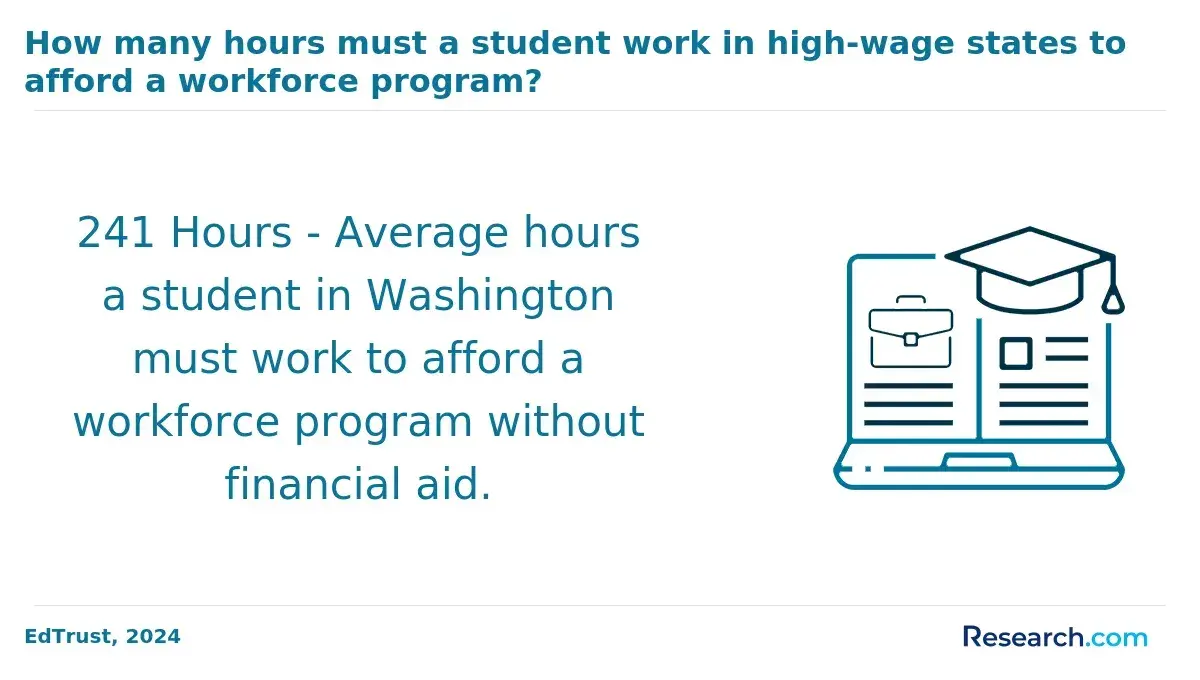
Housing costs represent a critical but often underappreciated factor when assessing where pursuing a data science degree is financially viable. Although tuition can appear uniform or comparable between states, students enrolling in high-rent areas like California or New York face monthly housing expenditures that may double the national average, significantly driving up the total cost beyond sticker tuition prices.
This forces many to weigh whether to accept more student debt or reconsider enrollment locations altogether, illustrating how regional living expenses affecting data science education costs directly influence financial aid needs, debt exposure, and enrollment decisions.
Transportation, food, healthcare, and local wage conditions also interact with these rent disparities to shape the overall affordability equation. In sprawling metropolitan regions, elevated gasoline prices and limited public transit elevate monthly expenses, while urban centers tend to have higher food and healthcare costs, complicating budget planning for students.
Conversely, states in the Midwest or South often provide relief through lower living costs, enabling students to allocate resources differently or even pursue hybrid or online program components. For those evaluating where to pursue their degree, integrating these cost-of-living and data science affordability by state considerations alongside tuition presents a clearer picture of long-term financial commitments.
Recognizing these factors, prospective learners benefit from exploring flexible degree options—potentially including online masters in communications and related fields—to mitigate local cost burdens without sacrificing educational quality. Ultimately, comparing purely tuition-based affordability misses how varying regional expenses shape practical access to data science education and its associated career pathways.
Which States Offer the Best Value for a Data Science Degree?
Assessing the best state for a data science degree requires more than comparing tuition fees; the full financial and career context matters. For example, a lower in-state tuition in Utah combined with a manageable cost of living and graduation rates above 60% can reduce the total investment required and speed workforce entry.
Conversely, states with prestigious institutions but high living expenses, such as California or New York, might expose students to significant debt without a proportional increase in early-career earnings. The availability of state financial aid and residency-driven tuition rates further complicate this equation, as they can sharply lower net costs for local students but offer limited relief for out-of-state or online enrollees.
The interplay between degree completion outcomes and local labor market strength ultimately defines value for students who prioritize measurable career returns. North Carolina's Research Triangle Park demonstrates how a robust tech ecosystem supports STEM graduates with strong employment prospects that justify moderate tuition levels around $9,200 annually.
In Texas, varying tuition approaches across universities still align with a large economy hungry for data science talent in sectors like finance and healthcare, contributing to comparatively low student loan default rates. Such data underscores that the cheapest programs do not always present the strongest investment, especially when delayed graduation or weak employment markets extend financial strain or suppress income growth.
Decisions about where to enroll, whether to relocate or pursue online options, should weigh these factors with care. Securing in-state tuition benefits often requires early residency qualification, which can reshape affordability, while public versus private enrollment choices influence debt load and access to applied learning environments.
Understanding these subtleties highlights why a nuanced view-emphasizing degree completion speed, net cost after aid, and regional job demand-is essential for a cost-conscious student navigating the diverse landscape of data science education across the United States.
What Financial Aid and Scholarship Opportunities Can Reduce Data Science Costs?
Federal aid programs like Pell Grants represent a fundamental starting point for many lower-income students navigating the cost landscape of a data science degree, providing up to $7,395 annually in 2024. Yet, relying solely on federal grants seldom covers the full tuition, necessitating a layered approach that includes state grants and institutional scholarships.
For instance, a student residing in California might access generous state-funded grants that significantly reduce net expenses, while a counterpart in a state with limited aid faces a higher out-of-pocket burden. These geographic differences critically impact long-term financial planning and raise important considerations about where to enroll based on affordability and aid availability.
Institutional aid varies widely between public and private nonprofit universities, with the National Postsecondary Aid Study reporting that public university students receive roughly 18% of costs covered by institutional funding compared to nearly 30% at private nonprofits. Merit-based and need-based scholarships, although valuable, usually require competitive applications and may not be guaranteed year-to-year, complicating budget stability.
Furthermore, eligibility nuances such as full-time enrollment status and residency rules influence access to aid; part-time students often face reduced federal benefits despite balancing work and family responsibilities. Employer tuition reimbursement programs add a practical funding layer for working adults, especially in tech hubs, but these vary significantly by employer and often require alignment with job relevance and retention.
Are Online Data Science Degree Programs More Affordable Than On-Campus Options?
Online data science degree affordability in the United States is influenced by more than just headline tuition rates, with total cost varying substantially by state and institution. While fully online programs often list tuition 15-25% lower than in-state public colleges, this gap can narrow or even reverse when accounting for factors such as mandatory technology fees, program-specific tuition policies, and residency rules that sometimes impose out-of-state rates on online learners.
A budget-conscious student in a high-cost state may find that housing and commuting expenses, often exceeding $12,000 annually for campus attendance, create a significant premium, yet must also weigh the potential extra charges online programs add to bridge those conventional cost advantages.
Cost comparison of on-campus versus online data science programs by state highlights the complexity of affordability decisions, particularly for students balancing part-time enrollment and employment. Some states' policies offer lower online tuition to residents, enhancing access, while others maintain parity with out-of-state pricing that erodes savings.
Employer tuition assistance tends to favor online learners due to flexibility, but Pell Grants and other aid programs often apply equally across modalities, making financial aid impact highly individualized. For prospective students, it remains crucial to evaluate how institutional fee structures, opportunity costs linked to flexibility, and local economic conditions converge to shape net expenses.
For those researching options in related fields, a comparative perspective may be gleaned from online masters history affordability studies, which similarly emphasize nuanced tradeoffs rather than absolute cost advantages. Ultimately, determining the most financially viable route to a data science degree requires integrating these multi-layered cost factors with realistic assessments of personal circumstances, including employment status and regional cost-of-living differences.
Is a Data Science Degree Worth the Cost Based on Career Outcomes and ROI?
Data science degree ROI by state hinges not only on tuition costs but also on regional labor demand, graduation rates, and the broader context of opportunity costs and debt burden. For example, pursuing a data science degree in states like California or Texas often yields a more favorable financial outcome due to relatively lower in-state tuition and strong local tech sectors that rapidly absorb graduates.
Conversely, high tuition states such as Massachusetts or New York may require extended periods to recoup costs despite lucrative job markets, making it essential for students to weigh geographic mobility and program quality alongside sticker prices. Evaluating career outcomes for data science graduates in the US demands attention to completion rates and employment placement, as programs with graduation rates above 70% and a strong track record of field-specific employment considerably improve the experiential and economic payoff.
Nationally, 84% of data science graduates secure employment in their field within six months, with average student debt around $28,000, slightly below STEM averages, according to recent government data. Students must also recognize the importance of aligning degree choices with workforce demand and personal career trajectories rather than assuming uniform value across institutions or states.
Job markets concentrated in tech hubs often present greater advancement and salary growth opportunities, enhancing long-term ROI beyond initial employment. Those seeking practical insights into degree value may find parallels in analyses of professions like the FBI criminal profiler salary, where local economic factors critically shape career financial outcomes.
References
- College Affordability Still Out of Reach for Students with Lowest Incomes, Students of Color https://www.ihep.org/college-affordability-still-out-of-reach-for-students-with-lowest-incomes-students-of-color/
- Examining ROI: Is a Master's in Data Science and AI Worth It? https://blog.udallas.edu/tower-thoughts/examining-roi-is-a-masters-in-data-science-and-ai-worth-it
- Importance of Cost of Living | Goldwater Institute https://www.goldwaterinstitute.org/cost-of-living/
- Average Cost of College [2025]: Yearly Tuition + Expenses https://educationdata.org/average-cost-of-college
- Cost of Online College vs. Traditional | Champlain College Online https://online.champlain.edu/blog/cost-of-online-education-vs-traditional-education
- Best Universities for MS in Data Science in USA 2026-27: Ultimate Guide https://leapscholar.com/blog/ms-in-data-science-in-usa-eligibility-cost-top-colleges-admission-process/
- Most Affordable Data Science Degree Programs 2026 https://hakia.com/degrees/data-science/most-affordable-programs/
- The College Affordability Gap: Insights and Impact on Families https://encoura.org/resources/wake-up-call/the-college-affordability-gap-insights-and-impact-on-families
- Does College Pay Off? A Comprehensive Return On Investment Analysis - FREOPP https://freopp.org/whitepapers/does-college-pay-off-a-comprehensive-return-on-investment-analysis/
- How Data Science Can Transform Financial Aid and Enrollment? - The Higher Education Assistance Group, Inc. https://heag.us/how-data-science-can-transform-financial-aid-and-enrollment/
Other Things You Should Know About Data Science
Shorter data science programs often come with higher per-credit costs but reduce living and opportunity costs by accelerating entry into the workforce. States where programs have longer durations but lower tuition may lead to overall higher expenses when accounting for additional semesters. Students prioritizing immediate job market entry should balance tuition savings against the total time invested, especially when employer demand values experience and speed of skill acquisition.
Yes, states differ in how their data science programs integrate practical experience, such as capstones or internships, which directly impacts employability. Less expensive states may offer degrees with fewer applied components, potentially requiring graduates to seek external experience to remain competitive. Budget-conscious students should prioritize programs that align affordability with robust experiential learning, as employer preference often favors demonstrable skills over theoretical knowledge alone.
States with higher tuition but stronger tech hubs may present quicker employment and higher starting salaries, partly offsetting upfront costs. Conversely, paying less in states with weak data science job markets can delay employment, increasing the effective cost of education. Students must consider regional hiring trends, as affordability on paper may not translate to financial advantages without viable local opportunities and employer networks.
While in-state tuition reduces sticker shock, students targeting remote or national data science roles may benefit more from program reputation and curriculum relevance than just cost. Some out-of-state or online programs in pricier states hold stronger connections to industry leaders and recruiters, enhancing long-term employability. Budget-conscious learners should weigh paying a premium for a degree with broader geographic recruiting reach against saving upfront costs with potentially limited network effects.