2027 Data Science Transfer Credit Trends: How Schools Are Adapting for Adult Learners

Co-Founder and Chief Data Scientist
When a military veteran returning to civilian life attempts to transfer credits earned at a technical college toward a bachelor's degree in data science, unexpected refusals can disrupt their graduation timeline and inflate costs. Recent 2024 data from the National Student Clearinghouse shows only 58% of reported transfer credits are accepted outright by receiving institutions, reflecting ongoing challenges in credit mobility. This limitation often forces adult learners to retake courses or face delays, impacting workforce reentry and financial planning. Understanding how schools adjust their transfer policies and recognize prior learning is crucial for adult students aiming to complete data science degrees efficiently.
This article examines current transfer credit trends, evolving institutional practices, and the implications for prospective data science students navigating degree completion amid shifting credit acceptance landscapes.
Key Things to Know About Data Science Transfer Credit Trends for Adult Learners
- Institutions increasingly accept military and workforce credits, reflecting employers' demand for demonstrable skills but requiring adult learners to navigate inconsistent evaluation standards across programs.
- Automated transcript reviews accelerate transfer evaluations, reducing time to degree but may overlook nuanced competencies, pressuring learners to supplement with explicit coursework for employer recognition.
- Expanded credit for prior learning boosts accessibility and cost efficiency, yet tradeoffs include limited applicability for advanced technical electives, prompting strategic course selection to meet both academic and industry expectations.
- Key Things to Know About Data Science Transfer Credit Trends for Adult Learners Key Things to Know About Data Science Transfer Credit Trends for Adult Learners
- How Are Data Science Programs Changing Transfer Credit Policies for Adult Learners? Evolving Adult Transfer Policies
- Why Are More Data Science Schools Accepting Credit for Prior Learning and Work Experience? Prior Learning Credit Benefits
- How Do Data Science Colleges Evaluate and Award Transfer Credits Today? Transfer Credit Evaluation Process
- Which Alternative Credits Are Most Commonly Accepted by Data Science Programs? Accepted Alternative Credits
- How Are Data Science Schools Improving Transfer Pathways for Community College Students? Improved Community College Pathways
- How Can Transfer Credits Help Data Science Students Graduate Faster? Accelerating Degree Completion
- How Much Money Can Students Save Through Data Science Transfer Credit Opportunities? Cost Saving Through Transfers
- How Are Data Science Programs Supporting Military Students and Workforce Learners Through Transfer Credits? How Are Data Science Programs Supporting Military Students and Workforce Learners Through Transfer Credits?
- What Transfer Credit Innovations Are Shaping the Future of Data Science Education? What Transfer Credit Innovations Are Shaping the Future of Data Science Education?
- How Can Adult Learners Maximize Transfer Credits in a Data Science Program? Maximizing Your Transfer Credits
How Are Data Science Programs Changing Transfer Credit Policies for Adult Learners?
Data science programs are increasingly redefining transfer credit policies to accelerate degree completion for adult learners and working professionals by prioritizing the recognition of prior learning and real-world experience. A growing number of institutions now incorporate credit for military training, professional certifications, and employer-sponsored coursework, which can often translate into up to 30 previously earned credits. This shift reduces redundancy and lowers educational costs, but students must carefully evaluate how these credits align with specialized program requirements, as some schools still maintain strict limits on foundational versus applied course equivalencies. For example, a military-affiliated student transferring to a data science program may find that while core math and statistics credits are accepted broadly, technical electives like machine learning or data engineering might require direct course completion due to curricular rigor or employer-aligned competencies.
Transfer credit acceptance trends in data science for working professionals also reflect enhanced articulation agreements between community colleges and universities, enabling smoother pathways and clearer expectations for course sequences. These formalized pathways help students avoid credit loss, which has historically delayed graduation timelines and increased costs, particularly in STEM fields where curricula rapidly evolve. Additionally, innovations in AI-backed transcript evaluation are streamlining the credit review process, allowing programs to assess non-traditional learning faster and with greater consistency, giving students more certainty in their academic planning. Yet, discrepancies in policy application across institutions create a critical decision point: learners must often weigh the benefits of enrolling in a program with broader credit mobility against potential challenges in course alignment or necessary additional prerequisites. For those comparing options, resources like 1 year associate degree programs online offer relevant pathways that can maximize transfer credit while minimizing time-to-degree.
Why Are More Data Science Schools Accepting Credit for Prior Learning and Work Experience?
The expansion of credit acceptance for prior learning and work experience within data science programs is a response to shifting institutional priorities rather than merely relaxed transfer policies. Schools are increasingly aligning curricular structures with labor market realities by evaluating professional certifications, military training, and portfolio-based competencies to validate nontraditional learning. This approach addresses economic pressures and enrollment competition by reducing redundancy and shortening time to degree for adult learners and working professionals. However, there remains an academic rigor tradeoff, as institutions must balance flexible credit awards with maintaining program quality, which requires careful scrutiny of how experiential learning translates into academic standards.
Beyond institutional incentives, employer demands for demonstrable skills in machine learning, data analysis, and applied statistics are influencing how prior experience is assessed. For example, some programs grant credit for industry certifications such as analytics credentials or significant workplace projects, integrating validated job-based learning into academic credit paths. This integration often affects degree completion strategies by improving accessibility but introduces variability across programs in credit transferability and evaluation methods. The Council for Adult and Experiential Learning's 2024 report showing over 60% of U.S. institutions offering credit for prior learning signals a broader trend, yet prospective students must navigate the uneven acceptance policies and consider how these credits impact persistence and long-term credential value.
One working professional seeking to earn a data science degree faced administrative delays as their employer-sponsored machine learning certification initially met skepticism from the transfer evaluation team. The institution required detailed documentation and a portfolio review to verify competency equivalence. Although this process extended the time before credits were confirmed, the eventual acceptance alleviated the need to repeat foundational coursework. The candidate's cautious optimism came from realizing how institutional policies are evolving but also how important it is to proactively engage with advisors to understand specific documentation demands and potential credit limits early in their enrollment journey.
How Do Data Science Colleges Evaluate and Award Transfer Credits Today?
Evaluating transfer credits in data science programs has evolved into a strategic function that directly influences enrollment management and student outcomes rather than serving as a mere administrative task. Institutions now weigh accreditation status, course content alignment, and demonstrated learning outcomes carefully, particularly when assessing credits from community colleges, military training, and professional certifications. For example, a working professional with industry certifications and relevant military analytics training may receive partial credit, but must still navigate residency requirements and upper-division credits that often limit the total transferable coursework accepted. This nuance impacts how soon a student can complete their degree and controls program rigor, as not all credits fulfill core requirements equally.
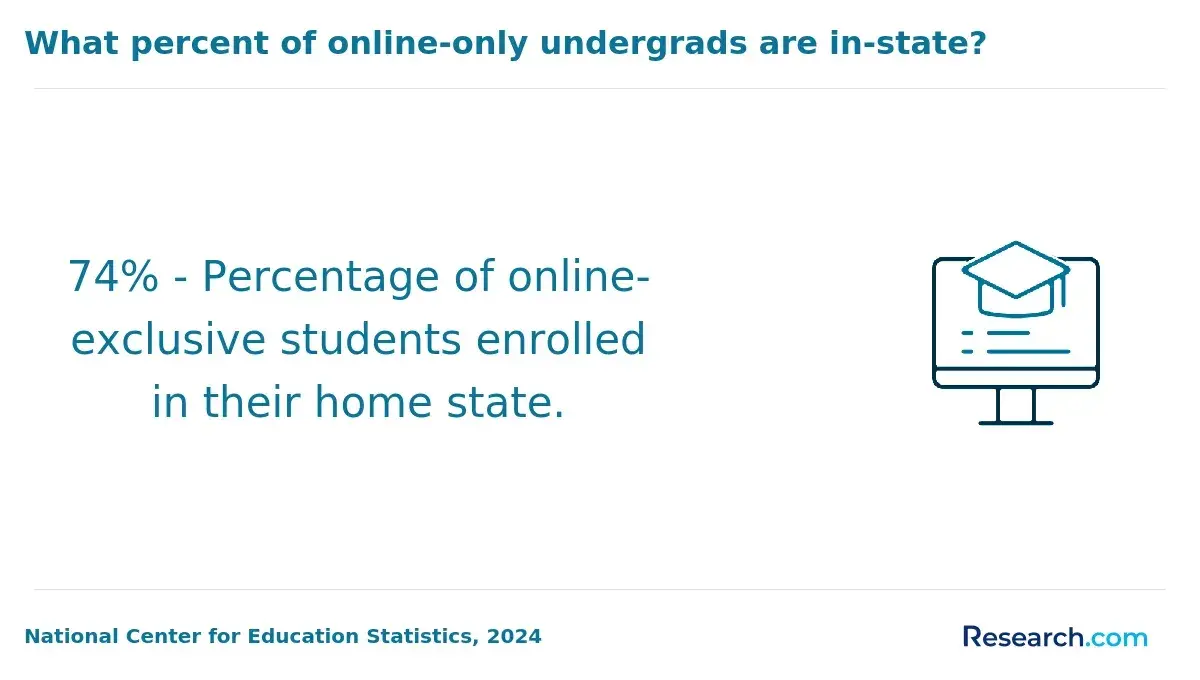
Advanced evaluation technologies and articulation agreements are increasingly common, streamlining decisions while maintaining academic standards and reducing uncertainty for learners. The National Center for Education Statistics (2024) notes that nearly half of public colleges have expanded recognition of prior learning policies to integrate workforce-developed skills, which reflects an institutional response to the practical skills demanded by employers in data-driven industries. However, transfer students must still consider factors like minimum grade thresholds and credit caps, which vary widely and affect how many credits actually accelerate degree completion. These policies influence educational costs and mobility, underscoring the need for proactive academic advising to optimize credit acceptance and align educational paths with evolving labor market needs.
Which Alternative Credits Are Most Commonly Accepted by Data Science Programs?
Alternative credit acceptance in data science programs has evolved into a strategic mechanism to enhance degree accessibility and completion for adult learners rather than simply adjusting transfer policies. Credit for prior learning (CPL), military training, and standardized exams such as CLEP are widely recognized, with over 70% of institutions integrating these pathways, according to a 2024 Council for Adult and Experiential Learning report. However, programs often impose strict evaluation processes, limiting accepted credits to lower-division courses or requiring rigorous portfolio assessments, reflecting a balance between flexibility and maintaining essential academic standards. This nuanced approach influences how efficiently previously earned credits can shorten degree timelines and reduce costs, but it also demands careful planning to avoid gaps in foundational data science competencies.
Common alternative credit sources in data science include workforce certifications, competency-based assessments, and nontraditional courses endorsed by organizations like the American Council on Education. Institutions assess these credits against accreditation requirements and program-specific residency policies, frequently restricting the transfer of upper-division credits to preserve critical advanced skills. For adult learners, this complexity means transfer credit policies for data science programs must be navigated thoughtfully to ensure credits align with employability goals and program rigor. Thoughtful transfer planning can leverage diverse credit portfolios, but misalignment risks extended study duration or knowledge deficits affecting long-term career outcomes. Practical decision-making around credit acceptance remains a pivotal factor in maximizing flexibility within a data science degree.
When considering degree options in technology-related fields, adult learners may also explore pathways like those offered in a video game designer degree to compare how credit transfer approaches vary across disciplines, helping inform realistic expectations around credit portability and program adaptability.
How Are Data Science Schools Improving Transfer Pathways for Community College Students?
Data science programs prioritize streamlined transfer pathways to reduce costly credit loss and accelerate degree completion, addressing a critical barrier for community college students. Institutions increasingly rely on detailed articulation agreements and dual-admission partnerships that clearly outline course equivalencies and degree progression steps, mitigating confusion around credit applicability. Despite these collaborations, variability remains-especially with technical or applied courses requiring individualized reviews that can extend transfer timelines or restrict credit usage. A recent National Student Clearinghouse Research Center report highlights that schools with robust transfer agreements can cut credit loss by up to 20%, a significant factor influencing academic momentum and overall accessibility.
In addition to formal agreements, many programs integrate prior learning assessments and dedicated transfer advising to validate experiential knowledge and guide students through complex credit evaluation processes. This support proves essential for adult learners balancing work, military service, or other commitments, allowing them to leverage existing skills and avoid redundant coursework. However, not all credits align perfectly with bachelor's degree requirements, requiring students to strategically select courses at the community college level and remain flexible about degree pathway decisions. Institutional differences in credit acceptance policies necessitate careful planning to optimize transfer outcomes without compromising preparedness for advanced data science coursework.
One community college transfer student initially faced uncertainty because the target data science program's credit equivalency list did not fully cover their applied statistics class, a course they viewed as crucial. Conflicting information from advisors compounded the confusion, making the student cautious about investing more time in prerequisite courses before official transcript evaluation. After an in-depth review facilitated by the university's transfer coordinator, the student learned that partial credit would be granted alongside recommended supplemental coursework to bridge gaps, offering a clearer, albeit more complex, pathway. This experience underscored how proactive advising and transparent articulation benefits can ease transfer friction but also revealed the careful navigation required to maximize credit applicability in practice.
How Can Transfer Credits Help Data Science Students Graduate Faster?
Transfer credit benefits for data science students depend heavily on how well those credits align with degree requirements and institutional policies. While students who transfer credits from accredited programs may graduate roughly 1.2 semesters earlier, not all credits necessarily provide a straightforward acceleration. Variations in credit acceptance - often around 65% approval rates - plus limitations on substituting upper-division courses mean that strategic academic planning is essential. For example, a working professional transferring an introductory statistics course might still face extended timelines if core data science or elective credits aren't recognized or if prerequisite chains delay enrollment in advanced classes.
The rise of articulation agreements and prior learning assessment (PLA) options increasingly supports adult learners, military-affiliated students, and transfer students by offering clearer pathways and acknowledging workforce certifications. However, the extent to which PLA shortens time to degree varies by institution and relevance to data science coursework, which adds complexity to enrollment strategies and affordability considerations. Programs balancing residency requirements and course sequencing can still constrain accelerated graduation, especially where employers value rigorous upper-division training alongside degree completion.
These realities underscore the need for transfer students to engage closely with academic advisors early on to optimize credit application and anticipate potential bottlenecks. Leveraging credits effectively means choosing institutions with transparent transfer-friendly policies and understanding how credits from community colleges, universities, or military training integrate into specialized data science degree frameworks. Evaluating options such as fast masters degrees can complement credit transfer strategies for learners aiming to minimize time while maintaining skill relevance and employability.
How Much Money Can Students Save Through Data Science Transfer Credit Opportunities?
Transfer credits in data science programs can materially affect the cost and duration of degree completion, but the actual savings hinge on complex institutional policies and credit applicability. For example, community college coursework in STEM subjects frequently transfers as lower-division credits, potentially saving thousands given the significant per-credit cost gap-averaging around $250 in 2024-between community colleges and universities. Military-affiliated students and professionals may leverage prior learning assessments to convert relevant training and certifications into academic credit, effectively shortening their time to degree by half a year or more. However, these benefits are limited by factors such as residency requirements mandating coursework be completed at the awarding institution and program-specific caps that often restrict transfer credits to between 60 and 90 credits, constraining how much tuition and time can be saved.
Variability in credit acceptance policies among institutions further complicates transfer planning, especially when strict course equivalency standards create gaps in credit recognition for certain STEM courses. This results in duplicated coursework and additional expenses, diminishing expected financial gains. Adult learners and transfer students aiming to optimize transfer credit savings should rigorously evaluate institutional transfer frameworks and seek targeted academic advising aligned with their prior credentials and career objectives. The bottom line is that while transfer opportunities can accelerate workforce re-entry and reduce educational outlays, the degree of cost reduction depends heavily on institutional flexibility, credit evaluation nuances, and strategic planning rather than the mere volume of transferred credits alone.
How Are Data Science Programs Supporting Military Students and Workforce Learners Through Transfer Credits?
Data science programs increasingly face the challenge of balancing rigorous academic standards with the practical realities of military and workforce learners' prior experiences. Military training and professional certifications often align well with technical data analysis skills, yet credit awards remain inconsistent across institutions, affecting degree completion timelines. For example, a military-affiliated student may find that while some schools accept extensive training as credit, others limit credit transfer, necessitating additional coursework and extending time to graduation. According to a 2024 report from the American Council on Education, nearly 85% of colleges accept some form of military training or certifications for credit, but the varied application of these policies means students must carefully evaluate institutional credit articulation agreements before enrolling.
Workforce learners benefit from prior learning assessments (PLAs) that recognize certifications, apprenticeships, and employer-based training, with competency-based evaluations granting credit for demonstrable skills outside traditional classroom settings. However, this flexibility often comes with tradeoffs: insufficient counselor support and disparate evaluation criteria can hinder streamlined degree paths, especially as the National Center for Education Statistics notes that military students' degree completion rates remain 12% lower within six years compared to non-military peers. Ultimately, data science programs that integrate transfer credits with targeted bridging courses can improve educational accessibility and better align curricular demands with students' existing competencies, yet the variability in credit acceptance requires adult learners to make strategic decisions about their academic planning to minimize redundancy while maintaining credential relevance.
What Transfer Credit Innovations Are Shaping the Future of Data Science Education?
Transfer credit innovations are increasingly redefining how adult learners and transfer students navigate data science education, particularly by enhancing degree mobility and reducing institutional roadblocks. One of the most impactful shifts involves AI-assisted transcript evaluation, which accelerates credit articulation and improves precision. A 2024 report from the National Center for Education Statistics highlights a 25% rise in transfer credit acceptance rates for STEM fields using AI methods, reflecting a strategic move by institutions to streamline credit recognition processes. However, this presents a tradeoff: while faster evaluation benefits students aiming for timely completion, it also requires careful oversight to maintain academic rigor and equivalency standards across diverse educational backgrounds.
Competency-based education (CBE) and expanded credit recognition for military and workforce experience add practical value by acknowledging skills beyond traditional coursework. For example, adult learners balancing employment can leverage prior learning for accelerated progress, supported by a Department of Education study showing CBE programs can cut degree completion time by up to 30% in technical fields. Digital credentialing further supports credit portability by enabling verified skills to transfer seamlessly between institutions and employers, though unequal access to these technologies can create disparities. Navigating these technology-driven credit assessment methods for adult learners requires prioritizing transfer pathway transparency and evaluating how alternative credit policies align with long-term career strategies. Prospective students examining options like the best online electrical engineering programs USA should similarly consider how transfer credit innovations impact program flexibility and employability outcomes.
How Can Adult Learners Maximize Transfer Credits in a Data Science Program?
Maximizing transfer credits in a data science program requires adult learners to closely examine institutional policies and strategically manage credit evaluations to avoid common pitfalls such as course equivalency mismatches and rigid residency requirements. For example, a returning student with credits from a community college and military training may find that some STEM-related coursework does not satisfy upper-level prerequisites, leading to unexpected additional semesters and increased costs. According to the National Student Clearinghouse (2024), less than 60% of attempted transfer credits in STEM fields typically apply toward degree requirements, highlighting the need for deliberate planning rather than assumptions about credit acceptance.
Prior learning assessments, including recognition of military experience and professional certifications, are increasingly used to reduce time to graduation, but these often face caps or restrictions to general education rather than specialized data science courses. Adult learners should prioritize programs with clear articulation agreements and degree mapping tools that clarify how each credit applies to program competencies. Navigating these nuances impacts not just time-to-degree but also course sequencing flexibility and long-term educational costs. Understanding whether a program accepts alternative credentials like bootcamp certificates can further influence how effectively previously earned credits contribute to accelerated degree completion, an essential consideration for those focused on maximizing prior learning credits in data science degree completion. In this context, evaluating options like a fastest online cyber security degree can provide insight into efficient credit transfer pathways in related technical fields.
References:
- Understanding Credit Evaluation for College Admissions https://goedmo.com/blog/credit-evaluation-for-college-admissions/
- 2.04 – Transfer and Exam-based Credit | Ozarks Technical Community College https://ozarkstech.edu/policy/2-04-transfer-of-credit/
- College Credit for Heroes: Accelerating Degree Completion | Journal of Veterans Studies https://journal-veterans-studies.org/articles/10.21061/jvs.v8i1.264
- Adult Postsecondary Learners: Reviewing the Data and Evidence https://www.jff.org/idea/adult-learners/
- More Data on Credit Transfer (Part 3) | HESA https://higheredstrategy.com/more-actual-data-on-credit-transfer-part-3/
- How Prior Learning Can Help Students Accelerate Into the Future of Work https://www.cael.org/resouces/pathways-blog/how-prior-learning-can-help-students-accelerate-into-the-future-of-work
- 4 Ways Transfer Students Can Maximize College Credits for Prior Experience https://www.umassglobal.edu/blog-news/4-ways-transfer-students-can-maximize-college-credits-prior-experience
- Empowering Global Data Science & AI Education | WDSAI https://www.wdsai.org/
- Data Science Innovation https://www.ekascloud.com/our-blog/data-science-innovation/3478
- Transfer credits| MS in Statistics and Data Science | Department of Mathematics and Statistics https://www.unr.edu/math/graduate/ms-in-statistics-and-data-science-handbook/transfer-credits
Other Things You Should Know About Data Science
Many transfer credits awarded in data science emphasize foundational or introductory coursework, which can limit students' exposure to advanced or specialized topics essential for competitive roles. Accepting a broad range of lower-level credits might speed up degree completion but reduces time in hands-on, cutting-edge projects that drive real-world skills. Adult learners should assess if their credits map onto core competencies or electives, prioritizing programs that balance credit flexibility with rigorous, practical coursework to avoid gaps in critical knowledge areas employers expect.
Credits from loosely related fields like general IT, statistics, or mathematics may count toward data science degrees, but they often lack direct applicability to specific tools, programming languages, or methodologies used in data science roles. Overreliance on such credits can result in a fragmented curriculum that leaves experiential and technical proficiencies underdeveloped. Prospective students should critically weigh how much of their transfer credits align with data science's evolving skill demands, favoring programs that require verification of applied competence rather than just coursework completion.
While accelerating the path to graduation reduces opportunity costs and supports workforce reentry, it may come at the expense of engaging with faculty-led, up-to-date curriculum integral to mastering data science challenges. For adult learners targeting career shifts or advancement, prioritizing program rigor alongside credit acceptance is crucial; selecting institutions that combine transfer-friendly policies with intensive capstone projects or labs can optimize both time and long-term employability. In essence, credit transfer should not shortcut immersion into contemporary tools and problem-solving approaches.
Employers increasingly scrutinize the relevance and depth of data science education, favoring candidates whose academic experience includes recognized, program-specific coursework and hands-on projects. A degree completed largely through transferred credits from varied sources might raise questions about a candidate's technical readiness or adaptability. Students should strategically transfer credits that uphold curricular cohesion and seek supplementary credentials or portfolio work to demonstrate competence, mitigating potential employer concerns over uneven academic preparation.