2027 Data Science Degree Program Availability Report: Which States and Schools Offer the Most Options

Co-Founder and Chief Data Scientist
The concentration of data science degree programs across states reveals underlying dynamics in regional educational investment and workforce alignment. States with broader program availability often reflect ecosystems engaging proactively with evolving labor demands, as employment in data science roles grew by over 15% nationally between 2022 and 2024, according to the U. S. Bureau of Labor Statistics. This growth urges institutions to expand curricular offerings to meet varied employer expectations.
Furthermore, the uneven distribution of programs signals disparities in access to specialized training, which can influence local talent pipelines and economic development. This report examines which states and schools provide the most degree options and explores the implications for educational access and workforce readiness in data science.
Key Benefits of States and Schools That Offer the Most Data Science Degree Program Options
- States with numerous data science programs often require prospective students to navigate varying prerequisite structures, which can extend degree timelines but allow tailored skill development aligned with specific industry needs.
- Employers increasingly expect graduates to demonstrate adaptable technical expertise reflecting diverse curricula, making graduates from broader program arrays more competitive in markets valuing multidimensional data science competencies.
- Greater program availability correlates with localized access, reducing relocation costs for students; however, disparities remain, meaning geographic concentration still influences affordability and timing of program completion.
- Key Benefits of States and Schools That Offer the Most Data Science Degree Program Options Key Benefits
- Which States Offer the Most Data Science Degree Programs? Top States
- Why Do Some States Have More Data Science Programs Than Others? Program Availability
- Which Colleges Offer the Largest Number of Data Science Degree Options? Top Schools
- How Do Online Programs Improve Access in States With Limited Options? Online Program Access
- How Much Does Data Science Program Tuition Vary by State? Tuition by State
- How Does Data Science Program Demand Affect Admissions Decisions? Program Demand
- How Do Data Science Specialization Options Vary by Region? Specialization Options
- How Does Regional Employer Demand Affect Career Outcomes? Employer Demand
- What Factors Matter Most When Comparing Data Science Programs Across States? Key Comparison Factors
- Which Regions May See the Fastest Growth in Data Science Education? Fastest Growing Region
Which States Offer the Most Data Science Degree Programs?
The geographic distribution of data science degree programs across the United States reflects complex interactions between regional labor market demands, the density of higher education institutions, and the strength of local industry sectors. States with major metropolitan hubs and established research universities tend to offer a broader array of programs, providing prospective students with greater specialization opportunities and stronger links to employer networks.
Understanding which states lead in program availability helps clarify how these ecosystems align to foster data science education tailored to workforce needs.
- California: Driven by Silicon Valley's global tech dominance, California hosts the most extensive range of data science degree programs nationally. This concentration is supported by a dense network of universities offering diverse specializations such as artificial intelligence, machine learning, and big data analytics. These factors create an educational environment where students benefit from cutting-edge research and direct connections to technology firms, enhancing practical skills and employment prospects.
- New York: New York's data science program availability is underpinned by its combination of prestigious research institutions and the financial industry's growing dependence on data-driven strategies. Programs here emphasize applied analytics and collaboration with industry partners, reflecting the state's diversified economy and multifaceted career pathways. Students gain exposure to real-world problem solving within finance, healthcare, and media sectors, which bolsters graduate employability.
- Massachusetts: Anchored by elite universities such as MIT and Harvard, Massachusetts presents a concentrated offering of interdisciplinary data science degrees. The focus on integrating statistics, computer science, and domain-specific knowledge enhances innovation and research competencies for students targeting academic or technical roles. This state's program density, despite a smaller overall population, illustrates how institutional intensity and research impact drive availability.
States like Texas and Washington are rapidly expanding program options, reflecting broader growth trends in tech hubs beyond traditional coastal clusters. Prospective students also weigh factors such as cohort size and specialization breadth, since less saturated states may limit networking and hands-on experiences. For those considering program format and duration, exploring options such as the fastest EdD program online highlights the diversity of pathways available, even as they evaluate regional educational ecosystems for data science curricula.
Why Do Some States Have More Data Science Programs Than Others?
Variations in the availability of data science degree programs across states largely reflect disparities in higher education infrastructure aligned with regional workforce needs. States with dense populations and diverse economies typically maintain larger public university systems and research institutions capable of developing specialized curricula that respond to demand for data science graduates. In these regions, the relationship between institutional capacity and local labor market demand creates a dynamic where education ecosystems expand programs to feed a growing pipeline of analytics professionals.
This interplay means states with limited institutional resources or lower urban concentrations often have fewer robust program offerings despite emerging employer interest, making program availability uneven nationwide. The key drivers shaping this uneven distribution include state funding priorities, research university capacity, and industry cluster presence. Many public universities rely heavily on state appropriations, which influence investment in interdisciplinary fields like data science that require sustained faculty expertise and technology infrastructure.
Regions anchored by technology hubs or industries with acute needs for advanced analytics-such as finance in Massachusetts or technology in Washington-foster stronger program development due to employer-driven demand. According to the Bureau of Labor Statistics, states with higher concentrations of data-related roles see more institutions offering relevant degrees, reinforcing a cycle where funding and workforce demand align to expand educational capacity.
Conversely, areas lacking such industry or research footholds struggle to justify scaling these programs, limiting regional student access. These disparities have broader consequences for student access and regional workforce development, amplifying the role of online education as a partial equalizer. States and institutions with limited physical program offerings increasingly rely on online modalities to reach students who might otherwise lack local options, paralleling trends seen in fields like online construction management degrees.
However, while online programs improve accessibility, differences in institutional reputation and employer recognition still influence long-term career outcomes. Understanding these systemic factors behind why some states offer more data science programs than others helps clarify how structural economics, funding mechanisms, and local industry clusters jointly drive program expansion and shape the national landscape of data science education.
Which Colleges Offer the Largest Number of Data Science Degree Options?
The breadth of data science degree programs a college offers correlates strongly with its institutional scale, research intensity, and interdisciplinary capacity rather than its geographic location alone. Larger and more research-active universities frequently provide multiple specialized tracks, certificate options, and delivery formats, reflecting their ability to allocate diverse resources and faculty expertise.
This expansion supports a spectrum of student objectives, from tech workforce entry to applied research roles, while smaller or less funded institutions typically have a narrower focus.
- Large public research universities: These institutions benefit from extensive funding and an established STEM ecosystem, enabling them to offer numerous undergraduate and graduate data science programs. For example, flagship state universities often deploy tailored tracks in areas such as machine learning, artificial intelligence, and business analytics, leveraging broad faculty networks across computer science, statistics, and engineering departments. Their scale supports professional certificates and doctoral-level research, addressing wide-ranging workforce demands.
- Private research universities: Though generally smaller in scale, these schools frequently emphasize innovation and niche applications of data science, such as health informatics or financial analytics. Ivy League and other selective institutions concentrate on interdisciplinary research collaborations and industry partnerships that foster specialized curricula, but their overall program quantities rarely exceed large public systems due to limited size.
- Regional comprehensive universities: Serving diverse student populations, these institutions often expand data science offerings through interdisciplinary departments and flexible delivery modes like online and hybrid formats. While their program variety may not match flagship public universities, they provide accessible pathways integrating applied learning with regional industry needs.
- Technical institutes and polytechnic colleges: Focused on applied skills and workforce readiness, these schools typically offer concentrated programs in data analytics and machine learning fundamentals. Their affiliation with local industries supports hands-on training and targeted certificates, although degree variety remains constrained by smaller academic scope.
- Community colleges with transfer articulation: While they rarely grant specialized data science degrees, many provide foundational coursework or associate degrees in statistics and data analytics. These programs serve as stepping stones for students intending to transfer into four-year universities, thus contributing indirectly to overall data science educational pathways.
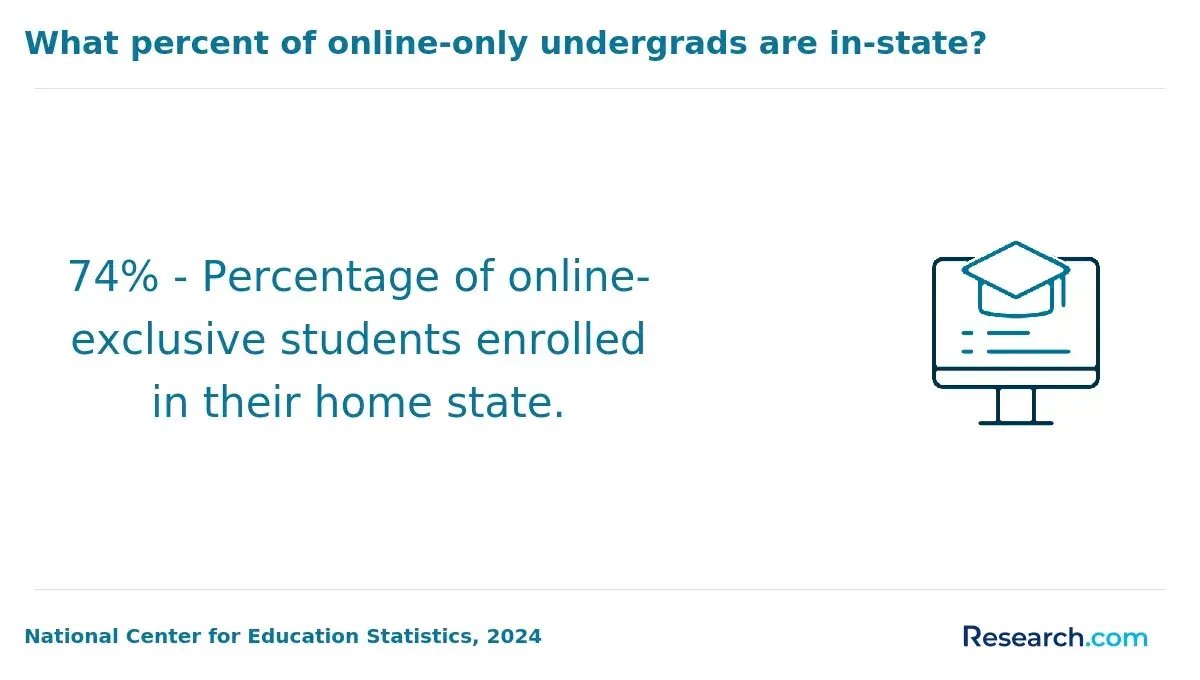
According to the National Center for Education Statistics (2024), institutions with broad academic department collaboration and robust research frameworks tend to offer three to five times more data science-related degree options than smaller or non-research-focused colleges. This structural advantage drives both program diversification and alignment with evolving labor market demands.
How Do Online Programs Improve Access in States With Limited Options?
In states where in-person data science degree programs are scarce or nonexistent, online delivery formats substantially expand educational access by removing geographic boundaries that traditionally limit enrollment. Students in these regions gain the opportunity to pursue specialized data science curricula without facing relocation costs or logistical barriers, which is critical where local institutions may lack offerings aligned with emerging industry demands. This shift is particularly important for individuals balancing work or caregiving duties, as it enables asynchronous engagement and flexible pacing to accommodate irregular schedules.
According to the U.S. Department of Education's 2024 Distance Education Postsecondary Dataset, enrollment among students in states with fewer than five brick-and-mortar data science programs increases by as much as 55% when online alternatives are available, underscoring the impact of digital programs on expanding pathways in underserved markets. Online program delivery restructures how students interact with higher education systems by decoupling enrollment from physical proximity and institutional capacity constraints.
Cross-state access allows institutions to scale offerings beyond traditional catchment areas, effectively broadening faculty reach and curricular diversity without the expense of new campuses. Asynchronous and hybrid learning models diminish reliance on synchronous attendance, enabling learners to progress according to personal timelines and eliminating time zone or commuting concerns. These mechanisms reduce the dependency on local universities' resources, fostering a more competitive and responsive educational ecosystem where students can select from a wider array of program features tailored to their needs rather than being limited by geography.
Broader implications of this expansion include shifts in regional workforce development strategies, as online graduates from states with limited physical academic infrastructure gain qualifications aligned with labor market demands. The increased student mobility enabled by virtual access fosters competition among institutions across state lines, encouraging program innovation and responsiveness to employer expectations. However, this landscape also raises questions about maintaining equitable academic quality and support services when scaling enrollment digitally, highlighting the need for ongoing attention to institutional capacity and student outcomes amid rapid virtualization.
How Much Does Data Science Program Tuition Vary by State?
Tuition for data science degree programs varies significantly across U.S. states due to differences in state funding levels, institutional types, and residency-based pricing models. Public universities rely heavily on state appropriations, which directly affect in-state tuition affordability, while out-of-state students face substantially higher rates reflecting the absence of such subsidies. Private institutions, largely independent of state funding constraints, establish tuition based on market factors, often resulting in broader price disparities. This layered financing system means that tuition variation is not arbitrary but reflects distinct approaches to balancing institutional revenue streams and public investment in higher education.
In 2024, average in-state tuition at public universities offering data science programs typically ranges from around $6,000 per year in more affordable states such as Wyoming and New Mexico to over $15,000 annually in higher-cost states including California and Massachusetts. Out-of-state tuition charges commonly double these figures, exceeding $30,000 at selective research universities with strong brand recognition and research resources. Private institutions set tuition independently, often ranging between $25,000 and $50,000 or more annually, reflecting different market positioning and program specialization. These patterns align with data from sources like the U.S. Department of Education and state university system reports, illustrating how average data science degree costs by state are shaped by complex funding and pricing frameworks rather than uniform market forces.
Such tuition variances impact student decisions on program selection and mobility, often weighing cost against factors like research opportunities and employment prospects. Students in states with limited public funding may face higher tuition but potentially better local industry connections, while lower-cost states might offer fewer specialized programs or less robust industry engagement. For those exploring flexible alternatives, examining an array of options including online masters in communications programs can provide insights into balancing affordability with practical outcomes. Understanding how much does data science program tuition vary by state enables prospective students to make informed choices grounded in both financial realities and long-term career considerations.
How Does Data Science Program Demand Affect Admissions Decisions?
Rising demand for data science programs has tightened admission standards, making acceptance more competitive especially at well-established institutions with limited spots. As applicant volume grows, universities increasingly prioritize candidates who demonstrate not only strong quantitative skills but also relevant practical experience, reflecting a shift toward evaluation criteria tied to employability and workforce readiness. This surge often compels programs to refine their selection process, weighing technical proficiency and real-world project exposure more heavily to manage enrollment within constrained capacity.
The dynamics behind this heightened selectivity include physical limitations such as classroom space and faculty availability, along with accreditation mandates that limit cohort sizes to ensure quality instruction. Additionally, labor market demand for graduates with expertise in large-scale data management, ethical AI, and analytics tools drives programs to filter applicants aligned with these evolving employer expectations. This creates a feedback loop where programs must balance admitting sufficient students to meet workforce needs while preserving the depth and rigor crucial for career outcomes, intensifying competition among applicants.
The escalation in demand also influences applicant strategies, pushing candidates to develop stronger portfolios through prior internships or research to remain competitive. Meanwhile, expanding programs in emerging regions might admit more students but often with less access to specialized resources or prestigious networks, creating disparities in long-term career advantages. These factors collectively shape the landscape of accessibility, program reputation, and student preparedness across different geographic and institutional contexts.
How Do Data Science Specialization Options Vary by Region?
Data science specialization offerings are closely aligned with regional economic priorities and concentrated industries, leading to a distinct variation in program focus across the United States. Coastal hubs like the Northeast and West Coast, which house technology and financial powerhouses, prioritize advanced tracks such as machine learning, artificial intelligence, and big data analytics. This alignment reflects employer demand for expertise in complex computational frameworks and scalable data infrastructures.
Conversely, Midwestern and Southern states often emphasize specializations that address the needs of dominant local sectors like manufacturing, agriculture, healthcare, and logistics, favoring applied analytics, business intelligence, and data engineering to support operational and industry-specific challenges. Key drivers behind these regional disparities include the interplay between local industrial ecosystems and university research agendas.
Institutions in Texas shape their data science tracks around energy analytics and health informatics, leveraging tight industry partnerships and specialized workforce demands. Similarly, universities in Washington and Oregon orient their programs toward environmental data science and computational biology, areas reflecting strong regional research investment and employment needs. According to a 2024 report from the National Center for Education Statistics, over 60% of data science degree programs in states with major tech clusters offer at least one specialization, contrasting with a national average closer to 45%, underscoring how regional labor market structures influence academic curriculums.
The variation in specialization also has significant implications on student choices and post-graduate mobility. Students targeting niche, emerging fields may find coastal metropolitan programs offer better alignment with cutting-edge employer requirements and research innovation, while those in less densely populated areas might encounter more generalized pathways that limit sector-specific skill development. This can affect long-term career flexibility and the ability to enter advanced roles, making geographic context an essential factor when comparing program opportunities and aligning educational decisions with desired labor market outcomes.
How Does Regional Employer Demand Affect Career Outcomes?
Regional employer demand directly shapes job availability and initial career opportunities for graduates of data science degree programs. Metropolitan areas with concentrated technology, finance, or healthcare industries offer a denser pool of entry-level positions and internships, often resulting in quicker employment and stronger early paying roles. According to projections from the U.S. Bureau of Labor Statistics, regions with high employer demand report starting salaries around 18% above the national median for data science roles.
Such employer density also facilitates deeper networks for graduates, impacting their ability to convert academic credentials into sustained workforce participation. When considering how regional employer demand impacts career outcomes in data science programs, it is clear that geography plays a decisive role in shaping early-stage prospects. Key mechanisms driving this relationship include localized industry clusters that influence curricular emphasis through employer-university partnerships and targeted skill requirements.
Regions anchored by innovation hubs or multinational corporations encourage rapid skill development in trending analytical tools and domain-specific applications, differentiating graduates' readiness. Wage competition among employers in these clusters further elevates salaries and benefits, reinforcing migration patterns toward such economies. Conversely, less dense regions may offer affordability and less hiring competition but often marginalize graduates from robust mentorship or exposure to cutting-edge projects.
State-by-state employer needs shaping data science job prospects thus become a core factor for students weighing academic programs against realistic job market outcomes. Broader implications extend to geographic mobility decisions, where students or recent graduates must weigh relocating against emerging trends such as remote work expansion. While remote roles offer some flexibility, many employers still prioritize proximity to innovation ecosystems for access to collaborative projects, client interaction, and continuous learning opportunities.
Understanding these nuanced regional demand patterns helps align data science educational choices with practical workforce dynamics, ensuring career trajectories reflect both immediate hiring realities and longer-term growth potential. Those seeking alternatives might also explore interdisciplinary degrees like an online math degree that can complement data science competencies within varied labor markets.
What Factors Matter Most When Comparing Data Science Programs Across States?
Comparing data science degree program availability by state involves more than just identifying where programs exist. State-level differences impact not only access but also costs, specialization diversity, and how well programs align with local employer demand and workforce needs. These variations shape students' practical experience, affordability, and long-term career prospects, making it critical to evaluate programs through a multi-dimensional lens.
- Graduation and employment rates: States with well-established data science programs often demonstrate significantly higher graduate employment rates, with some reporting up to 15% better placement within six months. These outcomes reflect how effectively programs connect students to the job market and can signal regional employer demand intensity.
- Curriculum comprehensiveness and specialization: The range of specializations available-from machine learning to business analytics or data engineering-varies widely by state. Programs that integrate theoretical rigor with applied learning, including internships and advanced technology access, better prepare students for evolving roles and diverse career paths.
- Industry connections and geographic proximity to tech sectors: States hosting concentrated tech hubs provide stronger pipelines to internships and employment. Proximity to leading companies also often enhances networking and practical project opportunities, factors that crucially influence post-graduation outcomes.
- Accreditation and faculty quality: Accreditation status and faculty expertise contribute to curriculum rigor and employer recognition. States with more accredited institutions and experienced faculty tend to deliver education that aligns more closely with employer expectations and workforce standards.
- Cost and financial accessibility: Tuition rates and cost of living vary significantly across states, affecting the total cost of obtaining a data science degree. Prospective students should consider how these factors impact debt levels and return on investment, especially when evaluating programs that differ widely in price and financial aid availability.
For students seeking accelerated pathways, understanding how data science education compares with options like accelerated online MBA programs may also inform decisions about timing and career strategy.
Which Regions May See the Fastest Growth in Data Science Education?
Growth in data science education commonly occurs where employer needs, demographic shifts, and higher education investments align. Future expansion patterns typically reflect broader regional economic development and workforce priorities. Understanding which U.S. regions are poised for significant growth requires examining industry dynamics, population trends, and institutional capacity, not just enrollment metrics or program counts.
- Southeast: Rapid population growth combined with expanding healthcare, finance, and technology sectors is driving demand for data science skills across Southeastern states. Public university systems are increasing program offerings to address workforce shortages, with many institutions emphasizing applied curricula aligned with local employers. This convergence of factors suggests the Southeast will see both higher program availability and specialization options focused on regional industry needs.
- Western Region: The West continues to expand data science education, bolstered by established tech hubs and strategic university investments. States like California and Washington report significant year-over-year increases in data science degrees, fueled by broadening industry demands from biotech to advanced manufacturing. Institutional capacity and employer partnerships support diverse program pathways targeting workforce readiness.
- Mountain West: Emerging tech sectors and regional workforce development initiatives in states such as Colorado and Utah position the Mountain West for steady growth. Growing populations and targeted funding for interdisciplinary data science programs contribute to expanding academic options, particularly those integrating domain-specific knowledge with analytics skills.
- Midwest: While traditionally slower to expand, the Midwest benefits from manufacturing and logistics industries increasingly adopting data-driven approaches. Investment in public university programming and workforce retraining efforts may yield moderate growth, although economic restructuring challenges could impact pace and specialization breadth.
- Northeast: Despite a concentration of elite institutions with established data science offerings, growth rates are comparatively moderate due to already saturated markets and high program costs. The region's strength lies more in depth and research intensity than rapid expansion, shaping niche opportunities rather than large-scale enrollment increases.
References:
- What all policy analysts need to know about data science | Brookings https://www.brookings.edu/articles/what-all-policy-analysts-need-to-know-about-data-science/
- The State of Data Science https://www.stitchdata.com/resources/the-state-of-data-science/
- Specializations https://www.mastersindatascience.org/data-science/masters/specializations/
- List https://www.datacamp.com/de/blog/data-science-in-education
- Data science education lagging in the U.S. https://www.k12dive.com/news/data-science-education-lagging-in-the-us/738630/
- Data Science in education: how data is transforming schools https://liora.io/en/data-science-in-education-how-data-is-transforming-schools
- Data Science State Pages | DiscoverDataScience.org https://www.discoverdatascience.org/states/
- Best Data Science Bachelor’s Degree Programs, Jobs, and Salaries https://careerkarma.com/blog/data-science-bachelors-degrees/
- Best Data Science Degree Programs 2026 https://hakia.com/degrees/data-science/
- The Future of Public Data Lies in the States, But It’s Complicated https://issues.org/public-data-states-bowen/
Other Things You Should Know About Data Science
Not necessarily. While states with many data science programs often have larger local tech sectors, employer expectations tend to focus on skills and project experience rather than program quantity in a state. Graduates from less saturated states may have advantages in niche markets or less competition locally. The recommendation is to weigh employer networks and alumni success in specific programs over simple geographic abundance.
Yes, because program intensity and structure vary widely. States with many programs may offer both accelerated and extended options, impacting work-study balance and skill depth. A heavy workload with limited practical application may hurt long-term retention, so students should assess whether a program integrates real-world data projects and internships to prepare for employer demands despite the competitive volume of choices.
Highly important. In states with many programs, specialization tracks-like machine learning, data engineering, or bioinformatics-can distinguish graduates in a crowded job market. However, overly narrow specializations may limit adaptability. Students should consider their career goals and seek programs balancing foundational skills with selective specialization to maximize both immediate job placement and long-term career flexibility.