2027 TESOL & Multilingual Learners Tuition Inflation Report: How Fast Are Program Costs Rising?

Co-Founder and Chief Data Scientist
Tuition growth within TESOL & Multilingual Learners programs reflects complex shifts rather than broad higher-education trends. Increasing accreditation standards and heightened expectations for specialized faculty raise operational costs unique to these disciplines.
Investment in immersive language labs, updated technology platforms supporting multilingual instruction, and experiential field placements also amplify expenses. According to the 2024 Modern Language Association report, enrollment in graduate TESOL programs grew by 7% amid rising demand for specialized certification, intensifying resource needs.
Notably, a greater share of younger students entering these programs suggests evolving workforce priorities toward early professional development, shaping future tuition trajectories and accessibility within multilingual education.
Key Things to Know About TESOL & Multilingual Learners Tuition Inflation
- Rising tuition for TESOL & Multilingual Learners programs increased 7% from 2023 to 2024, pressuring students to weigh immediate costs against long-term teaching market saturation and credential inflation.
- Employers in K-12 and adult education increasingly expect advanced TESOL credentials, making higher tuition a gatekeeper that narrows access and may limit workforce diversity in language instruction roles.
- Delayed entry due to escalating costs disproportionately affects nontraditional students, compressing career timelines and reducing the time available to recoup education investments through job advancement.
- Key Things to Know About TESOL & Multilingual Learners Tuition Inflation Key Things to Know
- How Much Has TESOL & Multilingual Learners Tuition Increased Over the Past Decade? Tuition Increase
- How Does TESOL & Multilingual Learners Tuition Inflation Compare to Overall Inflation? Tuition Inflation
- Which Types of Schools Have Experienced the Fastest TESOL & Multilingual Learners Tuition Growth? Tuition Growth by School Type
- What Factors Are Driving Rising Costs in TESOL & Multilingual Learners Degree Programs? Tuition Cost Drivers
- How Does TESOL & Multilingual Learners Tuition Growth Vary by State and Region? Tuition Growth by State
- Are Online TESOL & Multilingual Learners Programs Becoming More Affordable Than Campus-Based Programs? Online Program Affordability
- How Have Financial Aid and Scholarships Changed as TESOL & Multilingual Learners Tuition Has Increased? Impact on Financial Aid and Scholarships
- How Does Rising TESOL & Multilingual Learners Tuition Affect Student Debt After Graduation? Impact on Student Debt
- Do Higher-Cost TESOL & Multilingual Learners Programs Deliver Better Career Outcomes or Earnings? Impact on Career Outcomes
- What Do Current Tuition Trends Suggest About the Future Cost of a TESOL & Multilingual Learners Degree? Tuition Trends
How Much Has TESOL & Multilingual Learners Tuition Increased Over the Past Decade?
Over the past decade, tuition for TESOL & Multilingual Learners programs in the United States has risen substantially, with increases ranging from 30% to 45% depending on the institution type, according to data from the National Center for Education Statistics and the U.S. Department of Education College Scorecard.
These costs have outpaced general inflation, which averaged around 20% in the same period, signaling a concentrated escalation in specialized education pricing. Public universities generally show more moderate tuition growth, closer to 25% to 35%, while private institutions often exceed 40%, intensifying financial challenges for students pursuing credentials in this field.
Understanding this decade-long tuition growth trend for TESOL & Multilingual Learners programs is crucial for gauging how educational costs and value are shifting within the broader higher education landscape.
Several factors drive these tuition increases, including state funding reductions that force public universities to raise fees, and greater institutional investment in technology and support services tailored for multilingual learner populations. Rising demand for qualified TESOL professionals has also prompted expansion and enhancement of these programs, further contributing to higher costs.
At the same time, enrollment shifts and the intensifying credential requirements from employers push institutions to offer more specialized training, often with updated curricula and resources. Prospective students must weigh these cost drivers against potential outcomes, recognizing that higher tuition does not automatically guarantee better employment prospects, especially amid increasing student debt burdens.
With employers increasingly expecting formal TESOL qualifications for roles involving multilingual learners, students face pressing decisions about how to balance tuition affordability, program quality, and long-term return on investment. Comparing program costs alongside completion rates, job placement data, and salary impacts becomes vital for informed decision-making.
For those evaluating educational pathways, including related healthcare credentials like an online DNP, attention to these financial and career implications can help clarify which options may best align with personal goals and market realities.
How Does TESOL & Multilingual Learners Tuition Inflation Compare to Overall Inflation?
The tuition inflation for TESOL & Multilingual Learners programs in the United States has consistently exceeded the general Consumer Price Index (CPI) inflation rate, with data from the National Center for Education Statistics (NCES) and the College Board showing annual increases between 4% and 6% in recent years.
In contrast, broader economic inflation as measured by the U.S. Bureau of Labor Statistics CPI has hovered closer to 3% to 4%. This persistent gap between TESOL & Multilingual Learners tuition inflation rates and overall inflation reflects a sector-specific cost dynamic rather than a straightforward alignment with household consumption patterns.
Several structural factors underline why TESOL & Multilingual Learners tuition growth outpaces general inflation. Declining public subsidies and state funding have forced institutions to shift more operational costs onto students, while administrative overhead and expanded student support services have amplified institutional expenses.
Investments in technology, infrastructure, and specialized faculty further raise program costs, especially given the smaller cohort sizes typical within these programs. These entrenched institutional cost behaviors mean TESOL & Multilingual Learners tuition rates are less responsive to general inflationary pressures and more driven by sector-specific financial imperatives.
This divergence has direct implications for students balancing educational affordability and program selection. Increasing tuition pressures contribute to heightened borrowing and financial strain, challenging many prospective learners' decisions about pursuing TESOL & Multilingual Learners degrees.
As tuition inflation diverges from wage growth in education-related careers, students must weigh cost against perceived long-term value carefully. Those exploring pathways might also consider alternatives like online RN programs as a comparative lens on cost efficiency and career return on investment within education and healthcare fields.
Which Types of Schools Have Experienced the Fastest TESOL & Multilingual Learners Tuition Growth?
Tuition increases for TESOL & Multilingual Learners programs are uneven across different types of institutions, reflecting diverse funding models, market demands, and operational priorities. Publicly funded schools often face budget constraints that affect tuition patterns differently than private entities relying more heavily on tuition revenue.
Additionally, the adoption of online or hybrid delivery formats influences cost structures and pricing strategies, further diversifying tuition growth trajectories. Dissecting these institutional distinctions is crucial for assessing affordability trends and cost-value relationships within TESOL & Multilingual Learners education.
- Public Community Colleges: These institutions have experienced some of the steepest tuition hikes, often exceeding 6% annually in recent years, driven by declining state appropriations and increased enrollment of adult learners seeking accessible credentials. The reliance on tuition to offset public funding gaps makes these colleges vulnerable to sharper price increases despite their traditionally lower-cost positioning.
- Private Nonprofit Universities: Typically displaying more modest tuition growth around 3% or less, private nonprofits often have diversified revenue streams including endowments and philanthropic support. Their ability to cross-subsidize TESOL & Multilingual Learners programs helps moderate tuition escalations compared to public colleges.
- For-Profit Institutions: These schools frequently adjust tuition based on market demand and program profitability. However, regulatory scrutiny and shifting enrollment trends can lead to volatile pricing, affecting the consistency of tuition increases for language education programs.
- Research-Intensive Universities: High overhead costs associated with specialized faculty and resources in these universities tend to limit rapid tuition hikes despite their prestige. Their focus on comprehensive program offerings often necessitates stable pricing to sustain enrollment and funding balance.
- Online Universities: With growing enrollment in flexible TESOL & Multilingual Learners programs, many online institutions balance cost-efficiency with technology investments. Tuition growth reflects this tension, as scalability can reduce marginal costs, but continuous platform updates and student support services maintain upward pressure on prices.
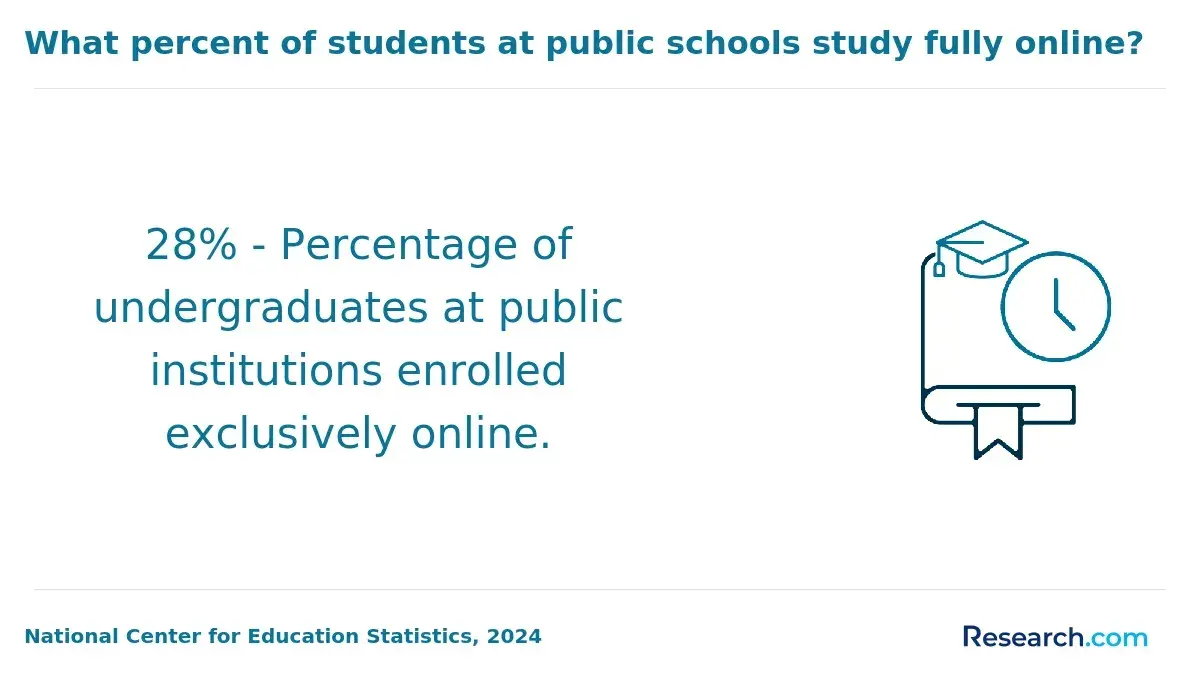
Data from the National Center for Education Statistics (NCES, 2024) illustrates that public community colleges and online schools have faced the fastest tuition increases in TESOL & Multilingual Learners education, underscoring how public funding constraints and digital infrastructure costs shape affordability differently across institutional types.
What Factors Are Driving Rising Costs in TESOL & Multilingual Learners Degree Programs?
Rising costs in TESOL & Multilingual Learners degree programs stem from a complex web of institutional and economic forces rather than a single factor. These programs require specialized resources and staffing aligned with evolving learner needs, which inevitably drive expenses upward. The interplay between shrinking public funding, growing compliance demands, and enhanced student support services results in a multifaceted cost structure.
Consequently, tuition increases reflect widespread adjustments across operational layers rather than isolated budgetary changes, making affordability a challenging issue for many candidates.
Significant contributors to this trend include reductions in state appropriations for public institutions, pushing universities to depend more heavily on tuition revenue to cover fixed and variable costs. Concurrently, faculty salaries have risen to compete for expertise in multilingual education, compounded by expanded administrative staffs overseeing compliance, accreditation, and student engagement.
Investments in digital infrastructure, essential for blended and online delivery models, add a further financial burden as programs upgrade platforms and integrate advanced educational technology. Supporting data from the National Center for Education Statistics in 2024 notes that programs with substantial online components experience up to a 15% premium in per-credit costs, underscoring how technology modernization factors into overall price dynamics.
A TESOL & Multilingual Learners graduate shared that navigating the admissions process was far from straightforward. Faced with rolling deadlines and unclear timelines, they hesitated to submit their application early, weighing costs against potential financial aid options. The delay introduced uncertainty that complicated planning, especially as programs often updated requirements mid-cycle and competitive slots filled unpredictably.
Ultimately, the experience highlighted how administrative processes and timing pressures, fueled by program demand and resource scarcity, can subtly influence decisions long before tuition bills arrive.
How Does TESOL & Multilingual Learners Tuition Growth Vary by State and Region?
Tuition growth for TESOL & Multilingual Learners programs varies significantly across U.S. states and regions, shaped by differences in state funding, institutional types, and local economic conditions. These variations reflect how public university funding models, state education appropriations, and regional cost-of-living affect program pricing strategies.
The complexity of these factors means that tuition increases cannot be solely explained by geographic location but must be understood through the lens of broader education finance systems and regional economic pressures.
Key drivers of tuition growth differences include state appropriations to higher education and how public university systems manage funding gaps, often resulting in tuition adjustments to compensate. Regions with a higher concentration of research universities and private institutions, such as the Northeast and the West, experience steeper tuition inflation due to competitive program offerings and elevated operational costs.
Conversely, states with larger public university networks in the South and Midwest may see slower tuition increases, reflecting more stable state subsidies and strategic enrollment management.
Additionally, local labor market demand for bilingual educators and TESOL specialists influences program capacity and pricing, with states like Washington and Colorado reporting notable tuition growth linked to workforce needs and diverse population trends. This variation in funding and labor dynamics directly informs the state-by-state TESOL and multilingual learners tuition increase trends.
These tuition growth disparities carry important implications for students weighing program affordability against potential return on investment. Higher tuition inflation in some states can amplify student debt burdens without corresponding salary advances, while slower-growing tuition states might limit program availability or support services essential for career readiness. Geographic tuition differences also affect student mobility and program selection, with cost considerations competing with regional employment prospects.
Prospective students should carefully evaluate these factors alongside workforce demands and state education policies, including related offerings such as FNP programs, which may intersect with multilingual education pathways in healthcare and community settings.
Are Online TESOL & Multilingual Learners Programs Becoming More Affordable Than Campus-Based Programs?
Recent trends indicate that online TESOL & Multilingual Learners programs are often positioned as more affordable compared to their campus-based counterparts, largely due to differing cost structures.
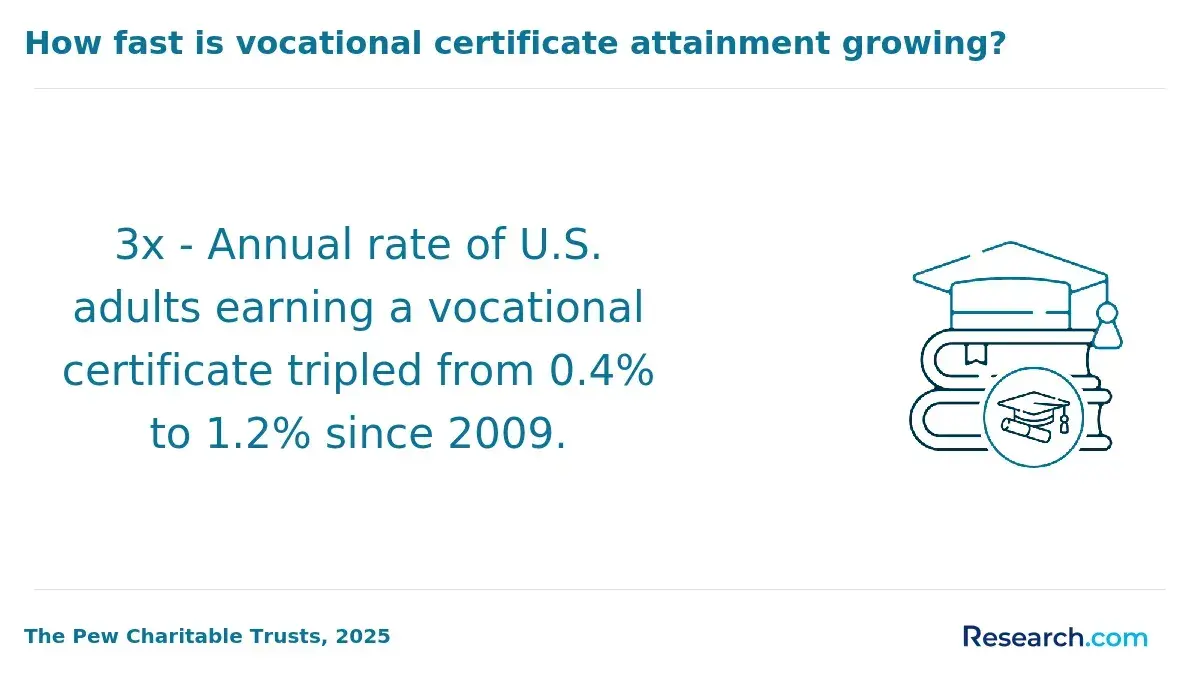
According to data from the National Center for Education Statistics in 2024, annual tuition increases for online formats have risen around 3.2% from 2022 to 2024, while traditional campus programs saw increases closer to 5.1%. This divergence reflects not just pricing strategy but fundamental distinctions in delivery modes.
Institutions offering online degrees can balance scaled access with lower physical infrastructure costs, but these savings are intertwined with significant investments in technology and digital platform maintenance, shifting how affordability is measured beyond mere sticker price.
The cost advantage of online TESOL & Multilingual Learners programs arises from reduced dependence on physical spaces such as classrooms and residence facilities, which traditionally drive campus operational expenses.
However, these savings are offset by upfront commitments to learning management systems, multimedia content creation, and enhanced technical support, all vital to sustaining engagement and pedagogical quality remotely. Faculty workloads may also transform; online teaching often requires different instructional design inputs and continuous virtual interaction, which can affect program staffing expenses.
Additionally, robust student services tailored to online learners incur recurring costs, indicating that lower tuition rates often reflect strategic trade-offs rather than uniform affordability. This complexity suggests that price differences are partly structural but vary according to institutional priorities and resource allocation strategies rather than simply being transient market effects.
One graduate recounted their cautious approach during the rolling admissions cycle for an online TESOL & Multilingual Learners program. Initially hesitant due to inconsistent application response times, they delayed submitting key documents while weighing financial aid options and program reputations. This uncertainty created stress about missing early enrollment benefits.
Once all requirements were submitted, a shorter-than-expected wait time for acceptance and clearer tuition cost breakdown helped ease anxieties. Their experience underscores how nontransparent timing and evolving pricing policies in online programs can influence perceived affordability and decision-making, beyond the baseline tuition figures alone.
How Have Financial Aid and Scholarships Changed as TESOL & Multilingual Learners Tuition Has Increased?
Financial aid and scholarships have incrementally expanded in response to rising tuition costs in TESOL & Multilingual Learners programs, but these increases often fail to match the pace of tuition inflation, which continues to pressure net prices for students. Institutions have introduced more targeted merit-based awards and specialized scholarships to attract high-achieving candidates with relevant experience, while need-based aid has seen moderate growth, typically constrained by budget caps that limit its ability to fully offset escalating costs.
External funding, including grants from nonprofits and professional groups focused on language education, supplements institutional support but remains limited and highly competitive, leaving many learners to bridge affordability gaps largely on their own.
Key factors driving these changes include a competitive market for TESOL & Multilingual Learners students coupled with evolving federal and state aid policies that have not kept pace with tuition increases. Institutional pricing strategies increasingly rely on merit-based discounting to secure enrollment among qualified applicants, narrowing opportunities for less traditional or part-time learners, who typically receive less aid.
Additionally, the expansion of work-study and graduate assistantship roles provides partial financial relief but demands significant time commitments, complicating the balance between employment and academic progress. These dynamics reflect broader trends in higher education financing where aid distribution favors applicants demonstrating strong academic credentials or prior teaching experience, effectively reshaping access within TESOL & Multilingual Learners fields.
As a result, overall net price stability remains elusive for many prospective TESOL & Multilingual Learners students, with affordability challenges influencing program choice, delivery format, and duration decisions. Rising out-of-pocket costs contribute to increased reliance on personal loans and extended repayment periods, affecting long-term financial outcomes.
Consequently, prospective students must carefully evaluate the intersection of tuition growth and evolving aid structures, recognizing that financial support mechanisms may insufficiently mitigate rising expenses, particularly for part-time, online, or nontraditional learners who represent a substantial share of the TESOL & Multilingual Learners population but often face diminished institutional aid access.
How Does Rising TESOL & Multilingual Learners Tuition Affect Student Debt After Graduation?
Rising tuition costs for TESOL & Multilingual Learners programs directly drive higher student borrowing levels, as many students lack sufficient financial aid to cover the growing expenses. This leads to increased reliance on loans to finance tuition and related education costs, pushing overall debt burdens upward.
Adult learners, who often have fewer institutional aid opportunities and less familial financial support, are particularly vulnerable to accumulating substantial debt. The rising tuition landscape in TESOL & Multilingual Learners significantly shapes borrowing patterns, influencing how much students must loan before graduation.
Key factors amplifying the impact of tuition inflation on post-graduation debt include widening gaps between program costs and available aid, as well as price disparities between public and private institutions where TESOL & Multilingual Learners degrees are offered. Interest accrual during extended study periods also adds to the debt load, while varied employment earnings post-graduation affect repayment capacity.
Despite growing demand for TESOL & Multilingual Learners expertise, starting salaries tend to be modest, which means that wage-to-debt ratios often result in longer repayment timelines and increased financial strain. These dynamics underline critical variations in debt outcomes by institution type, program flexibility, and regional labor markets, highlighting the complex financial calculus students face when considering enrollment.
The escalating debt tied to rising tuition costs places considerable pressure on graduates, who must navigate monthly repayments that can stretch for years. Limited access to employer reimbursement and loan forgiveness programs within education-related professions restricts mitigation options, often leaving income-driven repayment plans as the primary recourse. This environment affects how prospective students weigh program costs against long-term value, sometimes discouraging enrollment despite robust TESOL & Multilingual Learners labor needs.
Prospective learners might explore alternative credentials or pathways, such as the accelerated SLP master's program, to manage educational investment versus expected financial returns. Monitoring how rising TESOL & Multilingual Learners tuition impacts student loan debt in the United States remains essential for informed decisions and financial planning.
Do Higher-Cost TESOL & Multilingual Learners Programs Deliver Better Career Outcomes or Earnings?
Higher-cost TESOL & Multilingual Learners programs do not consistently deliver better career outcomes or earnings despite often promoting enhanced curricula and specialized practicum opportunities.
The 2024 National Center for Education Statistics report noted that initial salary differences between graduates from more expensive and moderately priced or public institutions averaged less than 8%, a disparity frequently negated by the financial burden of higher student debt. This indicates that program tuition alone is not a reliable indicator of post-graduation economic advantage, underscoring the complexity behind evaluating the return on investment for TESOL & multilingual learners degrees.
Outcomes are more closely tied to factors beyond cost, such as institutional prestige, access to robust internship pipelines, and employer partnerships that facilitate practical experience and job placement. Geographic location and alumni networks further shape employment prospects, particularly in regions with strong demand for language instruction.
It is these strategic connections, along with the depth of specialization and certification opportunities, that influence whether graduates can leverage their education into sustainable employment. Employers increasingly prioritize demonstrated intercultural competence and hands-on experience over program reputation alone, shifting the traditional calculus of program value.
Prospective students should consider these nuanced tradeoffs when weighing higher tuition fees. A pragmatic evaluation of long-term ROI involves balancing financial strain against tangible career supports like community ties and ongoing professional development.
For guidance on related degree options that focus on practical counseling skills and workforce applicability, resources such as addiction counseling degree online counseling may offer complementary pathways. Ultimately, tuition costs matter less than how effectively a program connects students to meaningful, real-world teaching opportunities and sustained career growth.
What Do Current Tuition Trends Suggest About the Future Cost of a TESOL & Multilingual Learners Degree?
Current tuition trends for TESOL & Multilingual Learners degree programs suggest a persistent upward trajectory in costs, paralleling broader graduate education increases. Data from the National Center for Education Statistics in 2024 indicates an average annual tuition rise of about 4.5% over the past five years, outpacing general inflation in higher education.
This trend reflects structural cost pressures rather than cyclical fluctuations, implying that future tuition is likely to follow a similar pattern unless significant institutional changes occur. Adjusting for inflation, the real cost of these degrees is effectively rising, challenging assumptions that higher education will become more affordable over time.
Key factors influencing this trajectory include shifting institutional funding models that increasingly rely on tuition revenue to cover administrative growth and expanded programming. Demand for specialized skills in TESOL & Multilingual Learners remains steady or growing, pushing programs to invest in technology-enhanced delivery such as online and hybrid formats, which may add upfront costs but also broaden access.
Additionally, institutions are allocating resources to improve student services and experiential learning components, which contribute to overall price increases. These drivers collectively underscore that tuition growth is not solely a function of market forces but also of evolving educational priorities and cost structures.
For prospective students, especially adult learners balancing competing priorities, these trends highlight the importance of weighing tuition inflation against potential workforce gains. Rising costs may increase reliance on borrowing or lead to selecting shorter, targeted credentials over traditional degrees.
Understanding these factors helps students interpret tuition forecasts critically, considering not just sticker price but also program delivery, flexibility, and alignment with employer expectations when planning educational investments in TESOL & Multilingual Learners fields.
References
- Cost and Affordability | ITTT https://www.tesolcourse.com/pillars/tefl-jobs-opportunities/tefl-vs-tesol-courses-which-is-better/cost-and-affordability/
- Why is the cost of college rising so fast? https://ssti.org/blog/why-cost-college-rising-so-fast
- Bilingual Education and TESOL https://www.messiah.edu/graduate/bilingual-education-tesol
- Is a Master’s in TESOL worth it? – Bridge https://bridge.edu/tefl/blog/masters-tesol-worth-it/
- Inflation Has Yet to Affect Tuition, but Students Still Feel the Rising Costs | Insight Into Academia https://insightintoacademia.com/inflation-has-yet-to-affect-tuition-but-students-still-feel-the-pain-of-rising-costs/
- Career Benefits of Being Bilingual | Workforce Essentials, TN https://workforceessentials.com/career-benefits-of-being-bilingual/
- In Debt: Student Loan Burdens Among Teachers https://learningpolicyinstitute.org/product/student-loans-among-teachers-brief
Other Things You Should Know About TESOL & Multilingual Learners
Rising tuition costs often come with increased program intensity or length, which affects not just finances but also time commitment. Prospective students must weigh whether longer programs with higher costs offer proportionally greater practical training or networking opportunities that enhance employability. Choosing a shorter, well-structured program can reduce overall financial and time burdens, but it may limit depth of training; therefore, prioritizing programs with clear alignment to employer expectations and practical classroom experience is crucial.
As tuition inflates, certificates and non-degree credentials gain appeal due to lower upfront costs and faster completion times. However, certificates often lack the comprehensive theory and research components valued by K-12 and higher education employers, potentially limiting career advancement. For those targeting public school positions or advanced roles, investing in a full degree may yield better long-term returns despite higher costs. Students should assess their career goals carefully against cost differences to avoid under-investing in credentials that could restrict employment options.
Rising costs can disproportionately affect working adults who balance employment with studies, as higher tuition adds financial strain and may reduce flexibility in scheduling. Programs that demand on-campus presence or intense in-person practicum components can intensify this challenge. Online or hybrid formats might offer relief but are not necessarily cheaper, and some employers prefer candidates with traditional classroom experience. Students need to prioritize programs that offer flexible pacing and recognize employer preferences, balancing affordability with practical credential value.
While lower tuition reduces immediate financial pressure, programs with robust ties to school districts and language service providers can improve job-placement rates and salary prospects. Investing in programs with established practicum placements and employer partnerships often leads to faster employment and better salaries, offsetting higher tuition over time. Thus, prospective students should weigh upfront costs against the value of professional networks embedded within the curriculum, leaning toward programs that enhance real-world readiness even if tuition is higher.