2027 TESOL & Multilingual Learners Salary Trends Report: Are Wages Keeping Up With Tuition and Inflation?

Co-Founder and Chief Data Scientist
Considering whether to pursue a TESOL & Multilingual Learners degree often begins with a crucial question: does the potential salary justify the increasing cost of tuition and the broader impact of inflation? Recent graduates and prospective students face a complex financial landscape where education expenses have risen sharply, but wage growth may not have kept pace. Deciding to invest in this field means weighing immediate costs against a future income that must stretch further as inflation erodes purchasing power.
Salary trends, tuition fees, and inflation do not always rise in tandem, complicating the calculation of a degree's true value. Understanding long-term earning potential requires more than a snapshot of starting salaries. This article examines salary developments, education expenses, inflation's effect, and the overall return on investment to evaluate the affordability and financial viability of a TESOL & Multilingual Learners degree over time.
Key Things to Know About TESOL & Multilingual Learners Salary Trends
- Graduate salaries in tesol & multilingual learners average 10% below inflation-adjusted tuition debt growth since 2021, indicating narrowing real income gains post-degree investment.
- Regional demand spikes in urban multilingual hubs drive salary premiums, suggesting geographic flexibility critically enhances long-term earning trajectories.
- Advanced certifications correlate with up to 18% higher wages, emphasizing strategic credentialing over basic degree completion for significant income differentiation.
- Key Things to Know About TESOL & Multilingual Learners Salary Trends Key Things to Know About TESOL & Multilingual Learners Salary Trends
- What Is the Current Salary Outlook for TESOL & Multilingual Learners Graduates? Salary Outlook
- Are TESOL & Multilingual Learners Salaries Keeping Up With Inflation? Inflation Impact
- How Do Tuition Costs Compare With TESOL & Multilingual Learners Salary Growth? Tuition vs Salary
- Does a TESOL & Multilingual Learners Degree Deliver a Positive Return on Investment? Degree ROI
- Which Industries Offer the Highest Salaries for TESOL & Multilingual Learners Graduates? Which Industries Offer the Highest Salaries for TESOL & Multilingual Learners Graduates?
- Which States and Cities Offer the Highest Pay for TESOL & Multilingual Learners Professionals? Which States and Cities Offer the Highest Pay for TESOL & Multilingual Learners Professionals?
- How Do TESOL & Multilingual Learners Salaries Grow Throughout a Career? Career Growth
- How Do TESOL & Multilingual Learners Salaries Compare With Similar Degrees? Salary Comparison
- How Is Employer Demand Affecting TESOL & Multilingual Learners Salary Trends? Employer Demand
- How Can Students Maximize Their Lifetime Earnings With a TESOL & Multilingual Learners Degree? Maximizing Earnings
What Is the Current Salary Outlook for TESOL & Multilingual Learners Graduates?
The current salary outlook for tesol and multilingual learners graduates reflects significant variability influenced by factors such as geographic location, level of education, and type of employer. According to recent data from the U.S. Bureau of Labor Statistics, adult literacy and remedial education teachers earn a median salary near $58,000 as of 2023, with the top 10% exceeding $96,000.
Postsecondary foreign language instructors see a higher median, around $70,000, though these figures fluctuate considerably between institutions and regions. For example, two graduates holding the same degree may experience different salary outcomes if one works in a public school in a lower-cost state starting at $40,000, while another with advanced certification secures a postsecondary role in a high-demand urban area earning closer to $70,000 or more.
Entry-level wages for tesol and multilingual learners professionals tend to be modest compared to other education specialties, often ranging from $40,000 to $50,000 depending on certification, employer type, and regional market conditions. This can make it challenging to justify rising graduate program costs and personal living expenses amid inflation.
However, long-term projections from the U.S. Department of Labor indicate that demand in this field is expected to grow faster than average through 2030, driven by global migration and the need for linguistic integration services. Prospective students are encouraged to assess potential salary growth and job stability alongside initial pay rather than focusing solely on starting salaries.
Understanding salary trends for tesol and multilingual learners graduates involves evaluating nuanced, real-world tradeoffs between location, experience, and career trajectory. Those willing to pursue further qualifications or positions in states like California or New York can expect higher earning potential.
Considering these dynamics alongside educational costs and opportunities for advancement is essential. For those also exploring alternative education pathways, including flexible options such as online RN to BSN programs no clinicals, the decision to invest in a tesol and multilingual learners degree should weigh realistic returns over time rather than initial figures alone.
Are TESOL & Multilingual Learners Salaries Keeping Up With Inflation?
Recent data clearly shows that nominal salary increases in TESOL and multilingual learners professions have not kept pace with inflation, undermining real earning power. The U.S. Bureau of Labor Statistics reported that inflation has averaged around 5% annually between 2023 and 2024, while wage growth for related occupations like adult literacy and ESL instructors has only hovered between 2% and 3%.
This disparity means that even when salaries appear to rise, their purchasing power is effectively shrinking, leaving many professionals financially squeezed despite pay raises.
Consider a recent TESOL graduate starting as an ESL teacher in an urban school district with a multilingual learner population. While their salary might increase by 3% one year, the real cost of living-including rising housing and education expenses-grows faster.
Additionally, tuition costs for credentialing have increased nearly 7% over the past two years, intensifying the financial challenges for new entrants. Those evaluating TESOL and multilingual learners salary trends inflation comparison need to factor in that these rising tuition fees and stagnant pay scales may limit both short-term affordability and long-term earnings potential.
Several factors influence whether salaries keep pace with inflation, including geographic location, institutional salary policies, and job role complexities. Salary compression in sectors like K-12 education particularly affects those in high-need, urban areas where multilingual learner populations are largest, often leading to stagnant wages despite increased workload.
For prospective students weighing the value of a TESOL credential, exploring alternatives such as supplemental income or geographic salary variations is important. If you wonder whether do all nursing schools require the TEAS is a question worth asking in your career research, then similarly detailed inquiry into certification costs and earning trajectories in TESOL fields is advisable.
How Do Tuition Costs Compare With TESOL & Multilingual Learners Salary Growth?
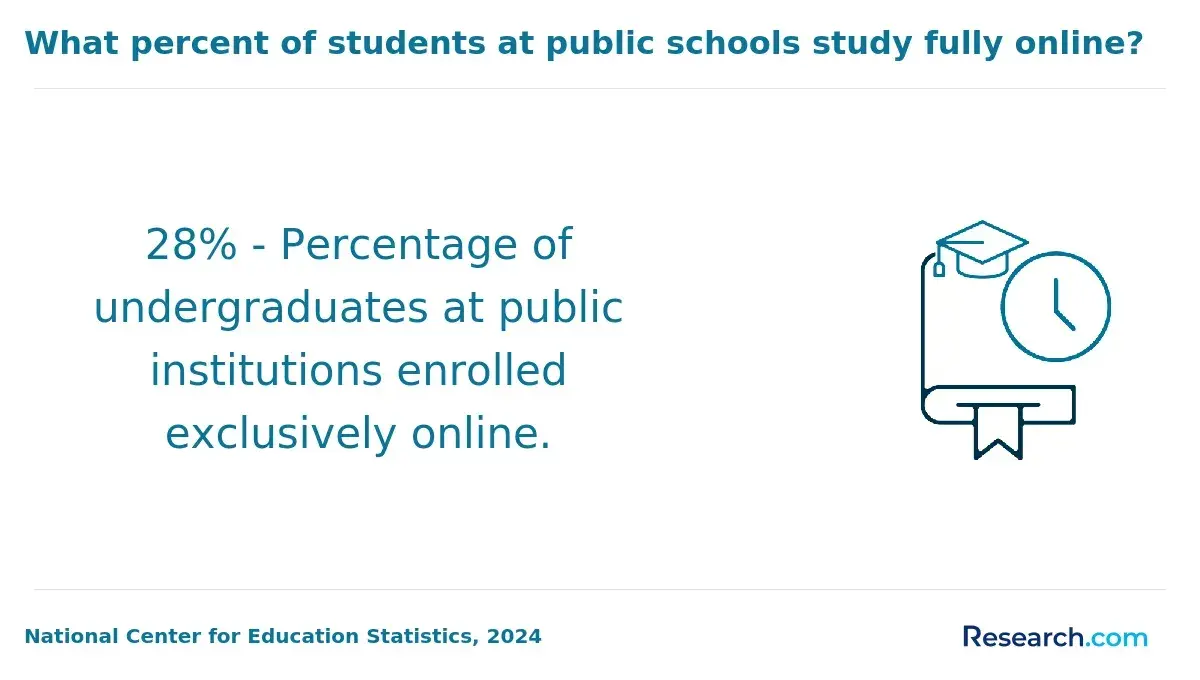
Evaluating tuition costs alongside salary growth offers a more nuanced understanding of the financial implications of pursuing a TESOL & Multilingual Learners degree than examining either factor alone. While average tuition for undergraduate and graduate TESOL & Multilingual Learners programs has risen about 4.5% annually over the past five years, early-career salaries have increased only about 2% per year, creating a growing gap between investment and return.
According to 2024 data from the National Center for Education Statistics and the U.S. Bureau of Labor Statistics, starting salaries typically range from $40,000 to $45,000, with mid-career wages increasing to roughly $55,000 to $65,000. This disparity means students facing rising tuition may need to carefully assess potential debt and delayed wage gains against their long-term earning prospects.
Factors influencing this relationship include geographic location, institutional cost variations, and employment sectors, which all affect the balance between tuition burden and salary outcomes. For example, a student attending a high-cost private university may incur significantly more debt than another choosing a state institution with scholarships, yet both might face similar salary ceilings in public school teaching roles.
Understanding this dynamic helps prospective students and career changers weigh financial risk realistically, especially when inflation continues to erode wage growth. The alignment, or misalignment, of rising educational expenses and stagnant earnings underscores the importance of strategic financial planning tailored to individual circumstances.
One recent TESOL & Multilingual Learners graduate recalls hesitating before committing to a costly master's program after comparing tuition trends with salary data. Faced with limited funding options, she carefully researched programs that offered assistantships and lower tuition without sacrificing accreditation.
Even with steady post-graduation employment in a school district offering mid-range salaries, she reflects on the prolonged payoff timeline required to balance student loan obligations with daily living expenses. Her experience highlights how the widening tuition-salary gap can turn what seems like a straightforward career step into a complex financial decision shaped by both personal resources and market conditions.
Does a TESOL & Multilingual Learners Degree Deliver a Positive Return on Investment?
Return on investment (ROI) in higher education, particularly with a TESOL & Multilingual Learners degree, hinges on weighing the total cost of earning the credential against long-term financial gains, career opportunities, and professional development rather than solely starting salaries.
For instance, a graduate who invests in additional certifications or advanced qualifications alongside their TESOL & Multilingual Learners degree may initially face stagnant wages but typically sees growth that outpaces inflation over time.
According to a 2024 report from the American Council on Education, median salaries for TESOL & Multilingual Learners graduates generally exceed those of general education teachers, with wage increases in many regions surpassing inflation rates, though this varies by geographic and sectoral factors.
Consider a TESOL & Multilingual Learners graduate who accepts a position in a metropolitan nonprofit organization versus a rural public school. While initial earnings in the rural setting may be lower, the nonprofit role offers networking and specialized experience that often accelerates wage growth. Geographic location, type of employer, and pursuit of continuous education significantly influence the degree's financial payoff.
Data from the Modern Language Association in 2024 further suggests that combining TESOL & Multilingual Learners expertise with ongoing professional development materially improves earning potential, highlighting that ROI is also tied to strategic career planning rather than the degree alone.
Rising tuition and inflation have unquestionably increased upfront costs, meaning a positive ROI is not guaranteed uniformly. Graduates planning to work in less remunerative regions or sectors may find the return slower or less substantial, requiring careful evaluation of cost versus anticipated career trajectory.
Ultimately, ROI for TESOL & Multilingual Learners degrees is conditioned by an individual's employment market, willingness to engage in lifelong learning, and the capacity to leverage advanced credentials for higher-paying roles. This nuanced perspective underscores that the degree's value extends beyond immediate salary gains to encompass broader, long-term financial and professional benefits.
Which Industries Offer the Highest Salaries for TESOL & Multilingual Learners Graduates?
Salary prospects for TESOL & Multilingual Learners graduates vary notably across industries, reflecting the differing demands, required expertise, and institutional budgets. While public K-12 education provides the most common employment path, its compensation generally lags behind other sectors, creating real financial tradeoffs for graduates weighing the cost of their degree against potential earnings.
Data from the U.S. Bureau of Labor Statistics suggests that targeted experience, specialization, and roles beyond classroom instruction contribute significantly to higher salaries in this field. Below are some of the industries that consistently provide stronger earning potential for TESOL & Multilingual Learners graduates:
- Higher Education: Universities and colleges, especially in urban or high-cost-of-living areas, often pay between $60,000 and $90,000 annually for full-time faculty. These roles include teaching, curriculum design, research, and administrative duties. Advanced degrees or specialization in areas like applied linguistics or assessment often improve earning capacity.
- Private Language Training: This sector caters predominantly to adult learners and corporate clients, offering salaries that frequently exceed those in public schools. TESOL professionals here design tailored programs for business and technical language needs, sometimes surpassing $70,000 annually, especially when consulting and program management skills come into play.
- Government and International Organizations: Agencies such as the State Department and the United Nations hire TESOL & Multilingual Learners graduates for roles in policy development, cultural exchange, and language education. Compensation often includes benefits and allowances, making total remuneration competitive above standard teaching roles.
- Corporate Sector: Multinational corporations increasingly require language specialists for employee training and cross-cultural communication programs. TESOL professionals in these roles leverage expertise in adult education and intercultural competence, which can translate into premium salaries and bonuses.
- Language Technology Firms: Companies developing educational software, translation tools, or AI language models seek TESOL subject matter experts to ensure linguistic accuracy and pedagogical soundness. These technical and interdisciplinary roles provide opportunities for higher earnings based on both linguistic and technological skills.
- Nonprofit Organizations: NGOs focused on immigrant integration, refugee education, or community language programs may offer competitive salaries for TESOL specialists leading large-scale initiatives. Though sometimes dependent on funding cycles, these roles often include leadership and grant management responsibilities that enhance compensation.
Graduates seeking to offset the rising costs of a TESOL & Multilingual Learners degree and inflation pressures should carefully weigh these sectors' salary trajectories. For instance, a TESOL professional moving from a public school position earning mid-level wages to a corporate language training role can see a salary increase of 20-30% or more.
For those interested in exploring complementary skill sets, examining online radiology tech programs might offer insights into cross-disciplinary career moves that can enhance income potential.
Which States and Cities Offer the Highest Pay for TESOL & Multilingual Learners Professionals?
Salary levels for TESOL & Multilingual Learners professionals in 2024 largely mirror regional economic priorities and living costs, making geographic choice critical for maximizing net earnings. Data from the U.S. Bureau of Labor Statistics and the National Center for Education Statistics indicate significant variation, with some states and cities offering substantially higher wages that align with concentrated immigrant populations, union presence, and funding for education programs.
While coastal hubs provide top-tier pay, the increased cost of housing and daily expenses can diminish overall financial gains, necessitating a nuanced approach to weighing potential income against living outlays.
Consider a recent graduate who lands a TESOL role in San Francisco commanding a salary 20% above the national median but faces housing costs triple those in Midwest cities like Chicago, potentially offsetting the nominal wage advantage.
Key locations known for the highest compensation follow:
- California: Leading the nation due to its vast immigrant population, California's major metros like San Francisco and Los Angeles pay 15-20% above the national median. The demand spans K-12 schools and community programs. However, candidates must balance strong salaries against some of the highest living costs in the country, which can erode take-home benefits.
- New York City: Robust investments in multilingual education within public schools, nonprofit agencies, and private institutions drive wages higher. Unionized teaching roles and grant-funded initiatives contribute to this trend. Yet, the city's high rents and living expenses mean salary premiums may be necessary just to maintain a modest lifestyle.
- Boston, Massachusetts: A nexus for universities and research institutions, Boston offers premium pay reflecting demand for TESOL educators in both K-12 and higher education sectors. The city's well-funded education ecosystem creates opportunities but carries above-average housing costs and competitive job markets.
- Chicago, Illinois: Midwestern demand is growing steadily, though wages remain closer to the national median. Lower housing and living expenses can make Chicago an attractive alternative despite salary tradeoffs, especially for early-career professionals managing tuition debt.
- Minneapolis, Minnesota: Similar to Chicago, this market offers moderate wage growth amid expanding multilingual populations. Cost of living is comparatively reasonable, enhancing net earnings potential for those prioritizing financial balance over top-end salary.
- Washington, D.C. Metro Area: High federal and nonprofit sector involvement in language education boosts pay rates here. The concentration of government grants and international organizations supports specialized roles but living costs remain high relative to many other regions.
- Seattle, Washington: The tech-driven economy fuels educational investments, resulting in above-average TESOL salaries. While the housing market is costly, opportunities in both public schools and corporate-sponsored language programs provide diverse career paths.
How Do TESOL & Multilingual Learners Salaries Grow Throughout a Career?
Starting salaries for TESOL & Multilingual Learners professionals typically range from $40,000 to $50,000, reflecting positions in K-12 or adult education that often coincide with limited initial credentials and less experience. Over time, those who pursue further qualifications like master's degrees or specialized certifications, or who seek roles beyond direct instruction into curriculum development or program management, tend to see their earnings rise to between $55,000 and $70,000 within five to ten years.
According to the National Center for Education Statistics and TESOL International Association data from 2024, this mid-career jump aligns with growing demand for multilingual education expertise and leadership in increasingly diverse learning environments. The path to higher pay here depends heavily on additional credentials and the ability to leverage leadership opportunities rather than solely seniority.
Progression into senior roles such as administration, education policy, or higher education faculty positions can push salaries past $75,000, with some professionals earning above $90,000 annually. However, the pace and extent of salary increases vary significantly depending on factors like geographic location, institution type, and professional networking.
For example, two TESOL graduates starting at the same salary might diverge substantially: one might remain in classroom teaching with minimal advancement, while the other pursues a master's degree and leadership roles, resulting in a wider salary gap after a decade.
Research from the Education Research Institute confirms that salary growth correlates most strongly with advanced qualifications and strategic career moves into specialized roles or consultancy.
One graduate shared that after earning a TESOL & Multilingual Learners degree, the initial salary in a suburban school district felt insufficient amid rising living costs, prompting hesitation about the investment. Choosing to complete a master's while teaching part-time, they later applied for a curriculum coordinator position, which increased their salary noticeably within a few years.
They reflected, "It wasn't just about waiting for a raise; it was about making deliberate choices to grow professionally." This experience highlights how deliberate upskilling and role shifts, rather than time served alone, fuel meaningful wage growth in this field.
How Do TESOL & Multilingual Learners Salaries Compare With Similar Degrees?
Data from the U.S. Bureau of Labor Statistics and the National Center for Education Statistics highlight that TESOL & Multilingual Learners salaries generally fall below broader education fields but remain competitive within language-oriented specialties.
Median annual earnings for TESOL graduates typically range from $52,000 to $58,000, which is lower than general or special education salaries that often exceed $60,000. Understanding how these salaries stack up against related degrees can help prospective students evaluate if the long-term earning potential justifies the investment amid rising tuition and inflation.
Below is a comparison of TESOL & Multilingual Learners with similar degree programs:
- General Education: Graduates usually secure higher median salaries between $60,000 and $65,000 due to a wider range of teaching opportunities and stronger demand across public school systems. This broader appeal tends to increase their long-term earning potential compared to TESOL specialists.
- Applied Linguistics: Careers in applied linguistics often pay between $50,000 and $55,000. These roles emphasize research and language analysis rather than direct instruction, which can limit salary growth but still align closely with TESOL earnings due to shared niche focus.
- International Language Training: Educators working in corporate or international school settings can earn between $65,000 and $70,000. These higher salaries usually require additional certifications or extensive experience, offering pathways to surpass standard TESOL salary ranges.
- STEM Education: Degree holders frequently earn over $75,000 on average, reflecting strong market demand and better funding. For TESOL students considering alternative education degrees, STEM fields may provide significantly greater financial return over time.
For those weighing options, knowing the typical earnings of related degrees establishes realistic expectations. Prospective TESOL & Multilingual Learners students should also examine opportunities for specialization and explore diverse positions to enhance salary prospects.
To understand geographic salary variations, reviewing the DNP salary by state resource offers insight into regional pay disparities that similarly affect TESOL professionals.
How Is Employer Demand Affecting TESOL & Multilingual Learners Salary Trends?
Employer demand significantly influences salary trends for TESOL & Multilingual Learners professionals by affecting competition for qualified candidates and shaping hiring activity. When demand rises, especially in areas with growing immigrant and refugee populations, institutions often increase recruitment efforts, which can lead to faster wage growth.
However, a 2024 report from the National Center for Education Statistics reveals that although demand for TESOL & Multilingual Learners roles has grown by about 8% over two years, average salary increases hover around 2.5-3% annually. This lag partly reflects budget constraints many language programs face, limiting their ability to translate demand into higher salaries despite increased hiring.
Consider a scenario in a metropolitan school district experiencing rapid demographic change: even with strong employer demand, the district may struggle to offer competitive wages due to fiscal restrictions and rising operational costs. This creates a tension where jobs are plentiful, but compensation grows slowly, challenging those weighing the return on investment from pursuing a TESOL & Multilingual Learners degree.
Other key factors influencing employer demand include regional economic conditions, specialization within multilingual education, and candidate experience, all of which contribute to variable salary outcomes. Prospective students should evaluate these dynamics carefully, balancing the potential job availability with the reality that wage growth may not keep pace with inflation and tuition costs.
For those assessing educational paths amid these trends, exploring accredited programs such as the best online MFT programs can provide insight into balancing cost with future earnings. Understanding how employer demand impact on TESOL salaries requires recognizing these tradeoffs as well as the broader economic environment that shapes TESOL multilingual learners salary growth trends.
How Can Students Maximize Their Lifetime Earnings With a TESOL & Multilingual Learners Degree?
Maximizing lifetime earnings with a TESOL & Multilingual Learners degree requires more than completing coursework; strategic decisions shape career trajectories in meaningful ways. Evidence from the U.S. Bureau of Labor Statistics and 2024 peer-reviewed research highlights that specialization, credentialing, and location profoundly influence income levels.
For example, a graduate combining TESOL skills with bilingual education certifications in a metropolitan area serving immigrant communities can access significantly higher salaries than peers in less specialized roles or rural districts. Incorporating technology expertise further differentiates candidates, aligning with ongoing digital innovation in language education.
Below are key strategies for enhancing long-term earning potential:
- Specialization Focus: Pursuing niches such as bilingual education or STEM language support capitalizes on market demand, positioning graduates as indispensable in schools and corporations that require these expertise.
- Advanced Credentials: Obtaining certifications like CELTA or DELTA, or advanced degrees in applied linguistics, boosts credibility and opens doors to higher-paying instructional or leadership roles.
- Targeted Industry Experience: Work in sectors with steady growth-such as international education, corporate training, or refugee integration nonprofits-to benefit from competitive salaries tied to specialized skills.
- Geographic Mobility: Relocating to urban centers or global business hubs with large immigrant populations can yield substantial salary advantages due to higher demand for TESOL services.
- Technological Proficiency: Mastering digital teaching platforms and AI-assisted language tools enhances efficiency and relevance in a rapidly evolving educational landscape.
- Networking and Partnerships: Building connections with organizations focused on multilingual learners facilitates access to exclusive job opportunities and professional development resources.
- Lifelong Learning Commitment: Continually updating skills and knowledge keeps professionals competitive, which is critical given shifting policy and technological trends in language education.
References
- Why choose TESOL certification in 2026: career paths | TEFL Institute https://teflinstitute.com/blog/why-choose-tesol-certification-2026-career-paths/
- Highest Paying Teacher Jobs | ITTT https://www.tesolcourse.com/tefl-tesol-info/highest-paying-teacher-jobs/
- 5 Highest-Paying Countries for TEFL Teachers in 2026 https://www.uni-prep.com/articles/5-highest-paying-countries-for-tefl-teachers-in-2026/
- Teach English as a Second Language Job and Salary Outlook | CUNE https://www.cune.edu/news/teach-english-second-language-salary
- Employer Demand for Multilinguals Is Rising | LTI Blog https://www.languagetesting.com/blog/employer-demand-for-multilinguals-is-rising/
- Is College Worth It? A Comprehensive Return on Investment Analysis - FREOPP https://freopp.org/whitepapers/is-college-worth-it-a-comprehensive-return-on-investment-analysis/
- [PDF] Agency and Investment in L2 Learning: The Case of a Migrant ... https://www.cogitatiopress.com/socialinclusion/article/viewFile/7062/3373
- Online Master of Arts in Teaching TESOL Degree Programs https://teach.com/online-ed/education-degrees/online-mat-tesol-programs/
- ESL Teacher Career Guide: Certifications & Growth 2026 https://tahricteaches.com/hu/esl-teacher-career-path-certifications-growth-opportunities/
- Salary Potential with a TESOL Master's Degree | ITTT https://www.teflcourse.net/pillars/tesol-master-s-degree-guide/salary-potential-with-a-tesol-master-s-degree/
Other Things You Should Know About TESOL & Multilingual Learners
Certification demands differ widely across states and institutions, influencing both starting salaries and ongoing workload. Educators required to complete multiple certifications or endorsements often face additional unpaid preparation time, which is rarely reflected in salary scales. Prioritizing programs aligned with states or districts that recognize a single, streamlined certification can reduce barriers and improve net compensation relative to effort invested.
While adult education roles for multilingual learners sometimes offer higher hourly wages, they often come with less job security and fewer benefits compared to K-12 positions. K-12 teachers may face lower initial salaries but benefit from structured pay increases and retirement plans. For long-term financial stability, those prioritizing consistent benefits should weigh K-12 opportunities more heavily despite modest starting pay.
Data shows that while advanced degrees can enhance instructional quality and open leadership tracks, they do not consistently lead to proportional salary increases in multilingual learners fields. Candidates should evaluate whether additional schooling is necessary for their targeted roles or if gaining experience and specialized certifications might yield faster financial returns. Prioritizing advanced degrees makes more sense in districts with formal salary tiers tied to education level.
Many educators in TESOL & multilingual learners roles face significant unpaid work such as lesson planning, family outreach, and professional development, which inflates time commitment beyond contracted hours. Even modest wage increases may be offset by extended unpaid duties, diluting overall compensation effectiveness. Decision-makers should consider workload management and compensation for non-teaching responsibilities as key factors in evaluating salary adequacy.