2027 TESOL & Multilingual Learners Degree Growth by State: Where Interest Is Rising the Fastest

Co-Founder and Chief Data Scientist
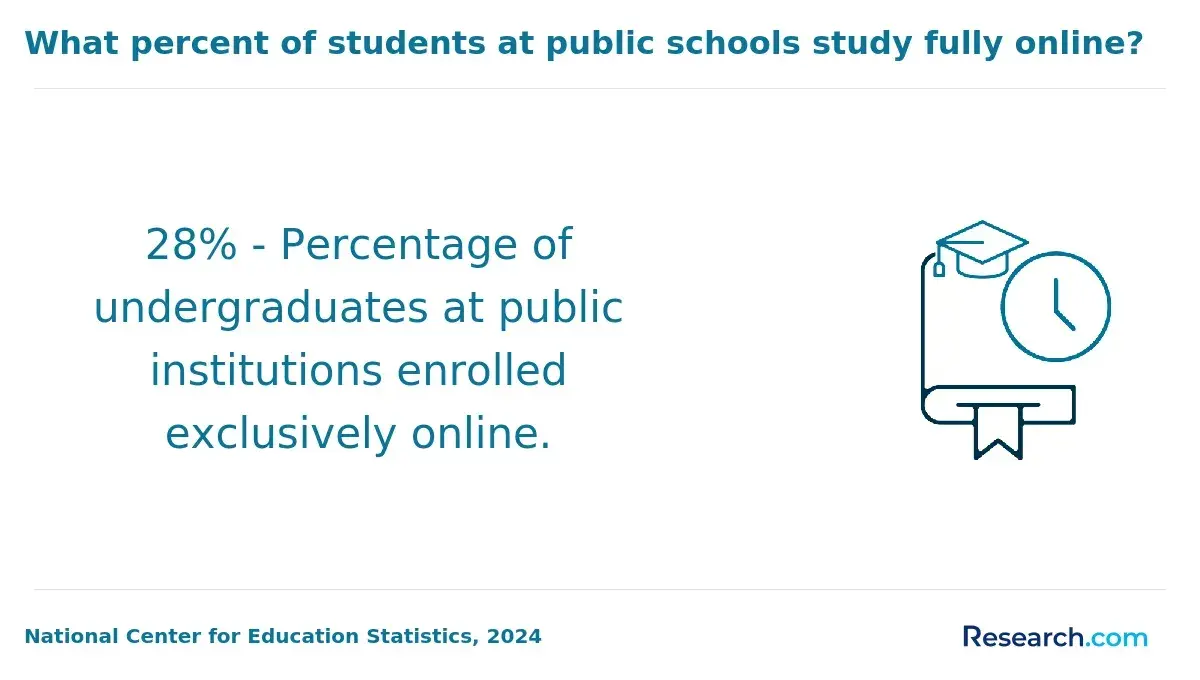
States experiencing rapid growth in tesol & multilingual learners degree enrollment often share dynamic economic or demographic shifts, such as surging immigrant populations or expanding education sectors. For instance, recent data from the National Center for Education Statistics reveals a 15% uptick in online master's program enrollments nationwide, underscoring how flexible, remote pathways influence student decisions amid regional workforce demands. This pattern highlights how some states adapt through policy changes and institutional investment to meet the needs of adult learners balancing work and study. Understanding these localized factors clarifies where and why rising interest translates into sustainable career opportunities for graduates.
Key Things to Know About the State Where TESOL & Multilingual Learners Degree Interest Is Rising the Fastest
- States like Texas see rapid growth due to high multilingual populations combined with workforce demand; employers seek candidates with contextualized skills, elevating selective hiring that favors regionally tailored TESOL & Multilingual Learners training.
- California's expansive online program availability reduces geographic and timing barriers, enabling adult learners' reentry but often shifts cost burdens toward students navigating part-time enrollment constraints.
- Florida's regulatory emphasis on credentialing streamlines licensure but limits program supply growth, prompting candidates to weigh faster employability against fewer institutional options and potential access bottlenecks.
- Which States Are Seeing the Fastest Growth in TESOL & Multilingual Learners Degree Enrollment? States Seeing the Fastest Growth in Enrollment
- What Does Enrollment Growth in TESOL & Multilingual Learners Programs Actually Tell Prospective Students? Interpreting Enrollment Growth
- How Do Regional Job Market Conditions Drive TESOL & Multilingual Learners Degree Demand by State? Role of Regional Job Market Conditions
- Which States Have Added the Most New TESOL & Multilingual Learners Degree Programs in the Last Five Years? States That Have Added the Most Programs
- How Has the Rise of Online Education Changed Which States Lead in TESOL & Multilingual Learners Program Interest? Role of Online Education in Increased Program Interest
- What Demographic Trends Are Fueling TESOL & Multilingual Learners Degree Growth in Specific States? Demographic Trends Fueling Growth
- How Do State Funding Levels for TESOL & Multilingual Learners Services Influence Degree Program Growth? Role of State Funding Levels
- Which States Are Emerging as Unexpected Leaders in TESOL & Multilingual Learners Degree Interest? States Emerging as Unexpected Leaders in Growth
- How Does State Population Size Affect the Interpretation of TESOL & Multilingual Learners Degree Growth Data? Role of State Population Size
- What Role Do State Licensing Requirements Play in Driving or Suppressing TESOL & Multilingual Learners Enrollment? Role of State Licensing Requirements
Which States Are Seeing the Fastest Growth in TESOL & Multilingual Learners Degree Enrollment?
Nationally, enrollment growth trends in TESOL & Multilingual Learners degree programs reflect strategic responses to shifting demographic realities and workforce demands rather than uniform expansion. While broader increases in graduate and undergraduate education are evident, states experiencing the most rapid rises demonstrate unique blends of immigrant population growth, policy innovation, and institutional readiness that directly influence recruitment and completion rates. Identifying these leading states reveals how regional market pressures and certification requirements shape the landscape for potential students - a factor critical when weighing program value beyond mere enrollment popularity.
- Arizona: Growth here corresponds with rapid demographic shifts, especially in multilingual communities, paired with intentional graduate program investments aimed at preparing educators for increasingly diverse classrooms. This alignment facilitates smoother transitions into licensure pathways that many employers prioritize in urban and suburban districts.
- Florida: Enrollment surges stem from the state's expansive immigrant population and mandated multilingual certifications across numerous school districts, which stimulate a direct pipeline from program completion to teaching roles requiring specialized linguistic skills.
- Texas: The state's large Spanish-speaking demographic combines with state-supported licensure routes and employer demand for bilingual professionals, making TESOL specialization not just a degree choice but often a practical licensing strategy for educators aiming for job stability in high-need regions.
- Washington: Regional emphasis on bilingual education manifests in both university collaborations and school district partnerships, driving recent graduates' employability by fostering hands-on experience opportunities aligned with progressive instructional models sought by local administrations.
- New York: Diverse urban populations coupled with a dense network of accredited graduate programs attract a wide applicant pool, including out-of-state candidates, though heightened competition means students must weigh program responsiveness to evolving workforce needs carefully.
This distribution of fastest growing TESOL degree programs by state highlights the importance of contextualizing enrollment momentum relative to workforce alignment and licensure integration. Subsequent sections will explore economic incentives, credentialing complexities, and program design features that underpin these trends, guiding prospective students in selecting pathways that not only reflect rising market interest but also enhance long-term career viability and employment outcomes. For individuals considering where to pursue advanced language education credentials, metrics of state-level growth serve as valuable indicators of where institutional and employer ecosystems are most vibrant and adaptive. Additionally, those evaluating online options should investigate offerings like the most affordable online DNP programs, which illustrate parallel trends in affordability and access influencing graduate program choice across disciplines.
What Does Enrollment Growth in TESOL & Multilingual Learners Programs Actually Tell Prospective Students?
Enrollment growth in TESOL & Multilingual Learners programs often signals heightened interest but does not inherently ensure academic quality or favorable career outcomes. Prospective students must critically evaluate this growth in conjunction with other metrics to discern whether it represents genuine opportunity or superficial expansion.
Raw increases in enrollment can reflect responsiveness to labor market demand or demographic shifts, especially in regions with diverse linguistic populations or policy incentives supporting multilingual education. However, growth driven primarily by aggressive recruitment or lowered admission standards might compromise program rigor and ultimately diminish graduates' employability.
- Retention: Sustained or improving retention rates suggest that students remain engaged and supported, increasing the likelihood of degree completion and meaningful skill acquisition.
- Graduation Rates: High graduation rates indicate the program's effectiveness in guiding students through credentialing processes critical for workforce entry.
- Job Placement Outcomes: Alignment with actual labor market needs manifests in consistent employment of graduates in TESOL & Multilingual Learners roles, which many employers prioritize when hiring.
- Licensure Pass Rates: Success on certification exams highlights programs that effectively prepare students for professional standards and credentialing requirements.
- Recruitment Practices: Rapid enrollment driven by marketing or reduced standards can mask weaknesses in academic quality and student support, signaling caution to prospective students.
- Labor Market Alignment: Genuine program growth correlates with regional demographics, language education demand, or regulatory policies encouraging multilingual educator recruitment.
- Contextual Evaluation: Enrollment figures must be interpreted alongside qualitative insights from current students and alumni to accurately assess program culture, instructional quality, and career prospects.
- Critical Lens: Students should verify growth claims through institutional transparency and direct engagement, avoiding assumptions based solely on enrollment increases.
How Do Regional Job Market Conditions Drive TESOL & Multilingual Learners Degree Demand by State?
Regional job market dynamics heavily influence demand for TESOL & Multilingual Learners degree programs, as employment opportunities directly shape graduate enrollment trends. States with expanding healthcare sectors, growing public education systems, and specific incentives for bilingual educators consistently demonstrate higher hiring rates for TESOL & Multilingual Learners credential holders. These labor market conditions do not merely boost job openings; they affect the availability of practicum placements, salary potential, and licensure pathways, making them pivotal factors for candidates weighing program choices.
- California: The intersection of healthcare expansion and large, diverse K-12 districts creates sustained demand for multilingual educators. State-funded incentive programs targeting bilingual teacher recruitment amplify both job market growth and graduate interest.
- Texas: Rapid population increases and urban employer initiatives drive significant growth in bilingual education roles, reinforced by teacher shortages and enhanced public funding.
- Florida: With its sizeable multilingual population and healthcare sector growth, Florida emphasizes culturally responsive teaching, which elevates demand for TESOL & Multilingual Learners professionals.
- New York: Expanding public-sector institutions, including city schools and healthcare, generate steady employment growth for credentialed professionals able to address diverse linguistic needs.
- Washington: State mandates and employer incentives for bilingual educators in K-12, combined with public sector job expansion, boost both hiring and graduate degree pursuit.
Leveraging Bureau of Labor Statistics projections alongside state workforce data, it becomes clear that candidates should assess local labor market conditions meticulously, as a strong regional outlook enhances practical training opportunities and improves negotiation leverage for salaries. Conversely, entering a stagnant or oversupplied market may constrain experiential learning and limit long-term career growth.
Moreover, prospective students must consider variations in state licensure requirements and employer expectations-particularly the growing preference for dual certification in TESOL and bilingual education-when selecting programs. For those exploring flexibility in location, analyzing these factors alongside enrollment trends allows for strategic decisions grounded in practical employability rather than enrollment popularity alone.
For those interested in alternative pathways or exploring other professional education fields, options like a nursing school with no entrance exam may provide comparative insights on workforce access barriers and credentialing requirements.
Which States Have Added the Most New TESOL & Multilingual Learners Degree Programs in the Last Five Years?
States with the most significant expansion in TESOL & Multilingual Learners degree programs over recent years show how regional demographic pressures and policy incentives shape educational offerings. These variations influence the range of program formats, competition for funding, and ultimately, student outcomes and job market alignment.
- California: Diverse populations and recognized shortages of bilingual educators have driven California institutions to introduce new TESOL & Multilingual Learners degrees and robust online options. Targeted state funding and workforce shortage designations have accelerated capacity growth, creating a competitive environment where program quality and financial aid availability vary widely.
- Texas: Rapid population growth and a notable immigrant community underpin Texas's program expansion. The interplay of multiple institutions enhancing curricula and scholarship offerings reflects regional demand but also requires students to navigate varying program reputations and cost structures when selecting schools.
- Florida: Florida's rise in TESOL & Multilingual Learners degrees centers on multilingual student needs and bilingual instruction mandates. The emphasis on fully online tracks accommodates working professionals, though graduates must weigh flexibility against potential market saturation in populous districts.
- New York: Driven by education mandates and grant funding, New York's heightened program availability often leads to specialized curricular tracks and tuition competition. Students benefit from more scholarship options but face the complication of assessing program outcomes amid many similar offerings.
- Washington: Washington integrates multilingual education into its equity framework, fostering gradual program expansion and collaboration among institutions. State grants promote innovation, yet student demand concentrates around urban Puget Sound, influencing program size and access.
Institutions' decisions to launch or broaden TESOL & Multilingual Learners programs hinge on accreditation benefits, workforce shortage incentives, and peer competition, which together shape the financial and curricular landscape for students. Those comparing programs within states marked by numerous offerings should carefully evaluate factors such as scholarship competitiveness, faculty expertise, and alignment with prospective regional employment markets to ensure their selected program offers practical value beyond mere availability.
A graduate recounted their experience navigating the fluctuations of program availability in Texas. Initially planning to apply to an existing accredited program, delays in enrollment confirmation and a late announcement of a new online cohort forced a rapid reassessment of options. This graduate described the uncertainty during the rolling admissions period as "a balancing act between urgency and caution," ultimately choosing the newer program due to its flexible schedule and scholarship offer. Their story underscores the tangible impact of how state program expansions affect applicant timing and decision-making dynamics.
How Has the Rise of Online Education Changed Which States Lead in TESOL & Multilingual Learners Program Interest?
The expansion of fully online TESOL & Multilingual Learners programs has fundamentally altered the geography of graduate education enrollment. Where proximity once governed students' choices-favoring programs within commuting or relocation range-online accessibility now enables states with reputable and affordable offerings to draw significant out-of-state interest. This shift repositions certain states as national hubs for TESOL & Multilingual Learners education, often independent of their overall population size or traditional academic prominence.
- Geographic Decoupling: States with established online TESOL & Multilingual Learners programs attract students nationwide, transcending local enrollment limits through flexible delivery.
- Program Reputation: Institutions with well-regarded curricula and strong graduate employment outcomes command outsized attention beyond their home states due to their credential value.
- Tuition Competitiveness: Cost-effective tuition structures in some states incentivize price-conscious students to enroll remotely despite distance.
- Licensure Complexity: Despite broader online access, varying state-specific teaching licensure requirements remain a critical constraint shaping program selection and career mobility.
- Workforce Implications: This geographic realignment diversifies teacher preparation locations in some regions while centralizing expertise in others, influencing local education labor markets and graduate career pathways.
While the rise of online TESOL & Multilingual Learners programs expands educational choice, prospective students must carefully investigate state licensure parameters to ensure alignment between their program selection and intended employment locations. This consideration remains vital to avoid practical barriers after graduation despite expanded geographic access to programs.
What Demographic Trends Are Fueling TESOL & Multilingual Learners Degree Growth in Specific States?
States experiencing growth in TESOL & Multilingual Learners degree enrollment are responding to multifaceted demographic dynamics that reshape local education and workforce needs. Students and professionals should recognize that enrollment spikes tied solely to migration may not guarantee long-term job stability compared to states where multiple demographic forces converge, reinforcing sustained demand for TESOL expertise across service sectors.
- Immigration Patterns: Southern and Western states like Texas, Arizona, and California continue to see significant immigrant inflows, driving demand for educators skilled in multilingual instruction to support expanding K-12 and adult English learner populations. This influx intensifies pressure on school districts to hire TESOL-trained staff.
- K-12 Enrollment Growth: Nevada and North Carolina exemplify states where rising birth rates and domestic migration increase school-age populations, directly expanding bilingual and ESL program requirements and consequently raising enrollment in related degree programs.
- Urbanization: Metropolitan hubs such as New York City and Chicago attract multilingual families, creating dense pockets of TESOL demand that often exceed statewide averages. These urban centers amplify the need for culturally and linguistically responsive teaching skills.
- Population Aging: States like Florida experience declining youth populations nationally, but counterbalance this with immigrant growth and increasing adult education enrollment, including retirees pursuing second careers, offering diverse employment niches for TESOL graduates.
- Mental Health Diagnoses: Rising rates of diagnosed mental health issues among students, particularly in Oregon and Washington, increase demand for TESOL professionals trained in trauma-informed and culturally responsive instructional methods, highlighting evolving employer expectations beyond language proficiency.
Because demographic trends shaping multilingual learners enrollment in US states vary widely, prospective students should analyze local conditions and workforce policies to align their education with markets exhibiting sustained, multifactorial growth. Such alignment improves employability and career resilience where TESOL expertise is structurally embedded. Those interested in cross-sector opportunities might also consider fields like healthcare management, where analogous demographic pressures create complementary demand; more details can be found via programs such as online masters in healthcare management.
How Do State Funding Levels for TESOL & Multilingual Learners Services Influence Degree Program Growth?
State funding levels significantly shape the expansion and resilience of TESOL & Multilingual Learners degree programs by directly influencing local workforce demand and program viability. States with robust investment in Medicaid reimbursement, school-based mental health, block grants, and community health centers commonly cultivate stable employment environments that incentivize educational institutions to grow and refine their TESOL & Multilingual Learners offerings. In contrast, states with limited or erratic funding often see program stagnation or decline, as graduates seek opportunities elsewhere, weakening local academic and professional ecosystems. Evaluating a state's recent legislative actions regarding TESOL & Multilingual Learners funding can reveal how sustainable career opportunities might be, while prospective students should probe programs on the share of graduates who remain employed within the state five years post-graduation to gauge practical outcomes.
- Funding Stability: States that maintain consistent, long-term financial support beyond short-term grants enable degree programs to plan and expand with confidence, reflecting a healthier market outlook.
- Employment Pipeline: Public funding signals sustained demand, prompting universities to align curricula and resources with employer expectations in sectors reliant on multilingual expertise.
- Graduate Retention: Insufficient funding often drives "brain drain," pushing graduates to relocate to better-funded states, undermining the growth potential of local programs.
- Legislative Trends: Tracking recent state policies on TESOL & Multilingual Learners funding helps anticipate shifts in program availability and career sustainability.
- Program Outcomes: Graduates' in-state employment rates after several years offer tangible evidence of alignment between education, funding, and local job markets.
One graduate recalls hesitating to commit on initial application deadlines because their preferred program in a well-funded state extended admissions decisions over several months, reflecting its growing applicant pool. The delayed timeline allowed the graduate to finalize financial aid and weigh job prospects, underscoring how funding-driven program competitiveness and transparency affect candidate strategies during enrollment cycles.
Which States Are Emerging as Unexpected Leaders in TESOL & Multilingual Learners Degree Interest?
Growth in TESOL & Multilingual Learners degree enrollment in certain states defies traditional expectations, shaped more by targeted policy and demographic shifts than historical reputation. These emerging programs often offer strategic advantages such as less competitive admissions and affordable tuition. However, students must weigh such benefits against potential vulnerabilities tied to transient funding or limited market size-factors that directly influence post-graduate employment stability and regional demand.
- Kentucky: Once peripheral in this field, Kentucky now leads in enrollment growth due to state initiatives supporting refugee and immigrant education in metropolitan areas like Louisville. The rise of accredited graduate programs under the Kentucky Educational Collaborative reflects a clear response to growing multilingual populations. While promising, the durability of this growth is closely linked to fluctuations in state budgeting cycles, which could impact program expansion and hiring prospects.
- Arkansas: Arkansas's rise in TESOL & Multilingual Learners interest is propelled by targeted workforce development programs designed to fill ESL teacher shortages in rapidly diversifying rural districts. Their involvement in interstate compacts facilitates credential portability, a crucial factor for career changers and mobile professionals. However, pandemic-era federal grants have played a significant role in this boost, making long-term sustainability contingent on continued state investment.
- Ohio: Ohio's accelerated enrollment growth reflects demographic changes and recent policy reforms that mandate higher ESL teacher qualifications. With a mix of smaller public institutions offering competitive tuition and less stringent admissions, Ohio attracts a diverse student profile including career switchers. Yet, rapid program proliferation raises concerns around market saturation, potentially diminishing job opportunities if growth outpaces demand.
- Nebraska: Engagement with refugee resettlement agencies drives increasing demand for qualified TESOL & Multilingual Learners educators in Nebraska, especially within urban centers like Omaha. The state's comparatively affordable graduate programs appeal to cost-sensitive students, though limited state funding and a smaller job market may constrain robust employment outcomes. Prospective students should assess their tolerance for these tradeoffs in relation to regional job placement prospects.
Which states are emerging as unexpected leaders in TESOL & Multilingual Learners degree interest reflects broader regional growth trends in multilingual learners education and highlights where the fastest growing TESOL degree programs by state can be found. For graduates exploring diverse educational pathways, understanding these nuances is vital for aligning academic choice with realistic employment expectations. For those considering a pivot to this field, especially career changers, investigating available job pathways akin to those identified in bioinformatics major jobs can provide valuable perspectives on how specialized programs translate into labor market opportunities.
How Does State Population Size Affect the Interpretation of TESOL & Multilingual Learners Degree Growth Data?
Interpreting TESOL & Multilingual Learners degree enrollment growth requires analyzing it relative to state population size and existing workforce levels to avoid misleading conclusions. For example, a large state that adds 2,000 new TESOL & Multilingual Learners graduates annually might appear to have a booming market. However, if that state's population numbers in the tens of millions, this growth could represent only modest per-capita expansion, indicating less intense demand compared to absolute figures. Conversely, a smaller state adding 300 graduates could signal a significant per-capita increase, reflecting stronger local demand that outpaces supply and potentially more favorable hiring conditions for recent graduates rather than raw enrollment numbers alone.
Absolute growth numbers reveal how many credentials are produced but do not capture market saturation or workforce absorption capacity. Employing a per-capita growth lens-measuring new graduates relative to population and current TESOL & Multilingual Learners professionals-offers a clearer indication of genuine market expansion and workforce pressures. When evaluating multiple states, those with a ratio of licensed TESOL & Multilingual Learners professionals below the national average often represent underserved regions, presenting better early-career employment prospects. This population-relative approach is essential for understanding the practical economic and demographic forces shaping TESOL & Multilingual Learners degree enrollment by state population.
- Licensure Complexity: Some states require extended supervised teaching hours and additional exams, limiting rapid growth in TESOL & Multilingual Learners workforce despite increasing enrollment.
- Population Demographics: Areas with growing multilingual student populations tend to show stronger demand for TESOL & Multilingual Learners professionals, independent of overall population growth.
- Workforce Saturation: States with high existing numbers of TESOL & Multilingual Learners professionals indicate mature markets where new entrants may face stiffer competition.
Those assessing graduate programs or career shifts in this field should also consider shifting educational landscapes, such as the growing availability of online health information management degree programs CAHIIM accredited, which, while outside TESOL, reflect broader trends toward flexible, competency-based education affecting workforce development across sectors.
What Role Do State Licensing Requirements Play in Driving or Suppressing TESOL & Multilingual Learners Enrollment?
State licensing requirements critically influence enrollment patterns in TESOL & Multilingual Learners degree programs by shaping the practical feasibility and attractiveness of pursuing these credentials. Prospective students often evaluate not just the academic demands but the entire licensure trajectory, including post-degree testing, supervised teaching periods, or renewal mandates. For example, a candidate in a state with protracted supervised teaching requirements may face delayed entry into the workforce, increasing overall costs and deterring enrollment compared to states with more streamlined processes. This operational reality impacts both the pace of workforce entry and long-term salary prospects, as many employers in states with clear licensure standards typically require or prefer candidates who hold state certification, thus aligning hiring preferences closely with regulatory frameworks.
- Stringency: States imposing rigorous post-degree assessments or extended clinical hours often see suppressed enrollment due to heightened time and financial burdens beyond formal study.
- Transparency: Clear, accessible licensure guidelines reduce uncertainty, allowing students to plan their educational and professional trajectories with confidence, thereby attracting more candidates.
- Employer Influence: Licensing boards affect enrollment indirectly by shaping employer expectations; sectors where licensure is consistently mandated drive stronger demand for compliant graduate programs.
- Feedback Loops: Robust licensing infrastructures foster program expansion and advocacy for regulatory stability, creating self-reinforcing cycles that support enrollment growth.
- Practical Considerations: Prospective students must evaluate complete licensure pathways-including renewal and classroom hour obligations-relative to alternative states to align educational investments with realistic workforce entry timelines and salary potential.
References
- Teaching English-Language Learners: What Does the Research Say? https://www.colorincolorado.org/article/teaching-english-language-learners-what-does-research-say
- Study: Reform Teacher Licensing to Alleviate Teacher Shortage https://will-law.org/study-reform-teacher-licensing-to-alleviate-teacher-shortage/
- Strategies to Boost Enrollment in World Language Programs - Language Magazine https://languagemagazine.com/2026/03/29/strategies-to-boost-enrollment-in-world-language-programs/
- Adapting to Changes in California’s English Learner Population - Public Policy Institute of California https://www.ppic.org/publication/adapting-to-changes-in-californias-english-learner-population/
- Long-Term English Learners in California https://learningpolicyinstitute.org/product/ca-long-term-english-learners-report
- Only 5 States are Meeting Targets for English Learners: What Can They Teach Us? | Lexia https://www.lexialearning.com/blog/only-5-states-are-meeting-targets-english-learners-what-can-they-teach-us
- Four Policy Levers May Increase English Learner Students’ Participation in Required Academic Courses https://www.wested.org/blog/insights-impact/four-policy-levers-may-increase-english-learner-students-participation-in-required-academic-courses/
- Is Online Learning Here to Stay? Trends & Insights for 2026 https://www.calmu.edu/is-online-learning-here-to-stay-trends-insights-for-2026
- Multilingual learners in Minnesota: A survey of statewide support – MinneTESOL Journal https://minnetesoljournal.org/multilingual-learners-in-minnesota-a-survey-of-statewide-support/
- WVJC | The Rise Of Online Education | June 2026 https://www.wvjc.edu/the-rise-of-online-education/
Other Things You Should Know About TESOL & Multilingual Learners
Higher tuition combined with elevated living costs can significantly dampen student enrollment in fast-growing tesol & multilingual learners programs, especially for those relocating or lacking substantial financial aid. Conversely, states balancing moderate tuition with affordable living attract more candidates, creating a competitive market for graduates. Prospective students should weigh program quality against total financial burden, as lower-cost programs in high-growth areas may offer better long-term return on investment through stronger local employment pipelines and reduced debt.
Rural and underserved states showing rapid tesol & multilingual learners degree growth often utilize targeted program expansions linked with community partnerships and incentives for graduates to stay and work locally. These programs emphasize experiential learning directly related to regional needs, such as bilingual education in predominant local languages. However, the depth of employer networks may be narrower, potentially limiting diverse career trajectory options outside the immediate area. Students prioritizing job placement should consider whether the state's program guarantees practicum placements closely tied to active demand in underserved settings.
While rising enrollment in a state signals growing interest, it also implies intensifying competition for jobs within that local market, which can cap salary growth and job availability over time. Prospective students should interpret growth rates alongside labor market saturation and employer hiring capacity rather than assuming positive correlation with easy employment. Prioritize states where growth is balanced with economic expansion and policy support for multilingual education to enhance career sustainability rather than chasing the fastest-growing markets indiscriminately.