2027 TESOL & Multilingual Learners Degree Enrollment Trends by Age Group: Traditional Students vs Adult Learners

Co-Founder and Chief Data Scientist
Licensing prerequisites and practicum requirements create divergent enrollment patterns between traditional-age students and adult learners in TESOL & Multilingual Learners degree programs. Traditional students often leverage immediate access to university resources and field placements, facilitating earlier credential acquisition. Conversely, adult learners face constraints from work and family commitments, delaying or limiting full-time enrollment despite the sector's 19% projected employment growth through 2030.
Workforce shortages in K-12 and higher education settings drive demand for candidates with specialized credentials, influencing adult learners to pursue part-time or hybrid pathways. The age distribution highlights evolving workforce needs and suggests increasing emphasis on flexible, competency-based educational models for sustained professional integration.
Key Things to Know About TESOL & Multilingual Learners Degree Enrollment Trends by Age Group
- Adult learners dominate TESOL & multilingual learners enrollment, reflecting career changers prioritizing practical certification over traditional academic timelines, but they encounter higher opportunity costs due to delayed workforce reentry.
- Employers increasingly prefer candidates with TESOL & multilingual learners credentials obtained before age 30, associating younger graduates with greater technological adaptability and potential longer-term retention.
- Enrollment data shows a rise in part-time TESOL & multilingual learners aged 25+, indicating accessibility tradeoffs that extend program duration but accommodate work-life balance for nontraditional learners.
- Key Things to Know About TESOL & Multilingual Learners Degree Enrollment Trends by Age Group Key Things
- Which Age Groups Represent the Largest Share of TESOL & Multilingual Learners Students? Students by Age Group
- Why Do Traditional Students Choose TESOL & Multilingual Learners Degree Programs? Traditional Students
- Why Do Adult Learners Return to School for a TESOL & Multilingual Learners Degree? Adult Learners
- How Do Academic Goals Vary Between Younger and Older TESOL & Multilingual Learners Students? Academic Goals by Age Group
- How Do Financial Concerns Differ Between Traditional Students and Adult Learners? Financial Concerns by Age Group
- What Challenges Do Adult Learners and Traditional Students Face While Earning a TESOL & Multilingual Learners Degree? Student Challenges by Age Group
- How Does Age Affect TESOL & Multilingual Learners Degree Student Retention? Age and Student Retention
- Which TESOL & Multilingual Learners Specializations Are Most Popular Among Adult Learners? Top Specializations for Adult Learners
- How Does Age Affect Job Opportunities for TESOL & Multilingual Learners Graduates? Impact of Age in Job Opportunities
- What Do Current TESOL & Multilingual Learners Enrollment Trends Reveal About Future Demand? Enrollment Trends
Which Age Groups Represent the Largest Share of TESOL & Multilingual Learners Students?
TESOL & Multilingual Learners programs attract individuals at varied stages of life, yet enrollment tends to cluster within particular age groups shaped by timing in workforce entry, financial capacity, and educational accessibility. These enrollment patterns reflect systemic interactions between higher education pathways and labor market demands rather than mere academic choice.
Understanding these demographic concentrations requires examining how career trajectories, economic considerations, and program designs align differently across age segments.
- Ages 18-24: This group comprises the largest share of TESOL & Multilingual Learners students, driven primarily by recent high school graduates pursuing undergraduate or initial graduate credentials. Their enrollment often follows a traditional academic track focused on preparing for early career entry, which favors full-time studies and condensed program timelines. However, despite strong motivation to graduate quickly, these students generally bring limited workplace experience compared to older peers.
- Ages 30-45: Adult learners in this range constitute a growing segment, often balancing study with ongoing employment and familial responsibilities. Many enter TESOL & Multilingual Learners as a second career or seek specialized credentials to augment existing skills amid evolving workforce requirements. Their enrollment is buoyed by flexible offerings such as online courses and part-time schedules emphasizing practical application, which align with employer preferences for mature, experienced candidates.
- Ages 25-29: This intermediate group represents individuals transitioning from early career phases, sometimes returning for advanced qualifications to enhance employability or shift roles. Their presence reflects varying motivations combining part-time enrollment and the pursuit of credentials that may bridge gaps between initial education and longer-term career goals.
- Ages 46 and older: Though smaller in number, this demographic includes professionals advancing toward leadership roles or seeking certifications to address shifts in multilingual learner demographics. Barriers such as program affordability and time commitments influence their participation, and their enrollment rates often link to highly flexible or targeted credential pathways.
These age groups correspond with national higher education enrollment trends and labor market realities documented by sources like the National Center for Education Statistics. The distribution highlights the significance of accessible, adaptable program structures catering to diverse learner profiles.
Prospective students evaluating TESOL & Multilingual Learners pathways should consider how their life stage intersects with employment expectations and program flexibility to optimize outcomes. For example, those exploring advanced clinical credentials in fields adjacent to education can also review MSN to DNP online programs as a model for balancing career advancement with education.
Why Do Traditional Students Choose TESOL & Multilingual Learners Degree Programs?
Traditional students typically choose TESOL & Multilingual Learners degree programs driven by a combination of academic curiosity about language acquisition and the clear signaling value these degrees offer within education and social service sectors. Many are motivated by early career exploration goals, perceiving this field as a pathway to stable employment in schools, community organizations, and global settings where cultural competence is increasingly prized.
The degree aligns with their intent to engage in meaningful educational roles that address linguistic diversity, which is supported by data from the U.S. Department of Education's 2024 National Postsecondary Student Aid Study highlighting that 42% of traditional-age education enrollees cite career stability and diverse population support as top reasons for their choice. Deeper factors influencing enrollment trends include university recruitment strategies that target high school graduates interested in social impact career paths, alongside guidance counseling that frames TESOL & Multilingual Learners programs as pragmatic options amid growing demand for ESL-certified educators.
Exposure to related coursework in secondary education or early college plays a crucial role in shaping enrollment decisions, reinforcing the perception of job market stability in multilingual education fields. These structural and motivational dynamics collectively influence traditional students' deliberate alignment with TESOL & Multilingual Learners degree programs, framing them as both academically relevant and employment-ready pathways within the broader context of college enrollment trends in TESOL & Multilingual Learners programs. Those seeking flexible pacing often consider options at self paced colleges to complement their early career planning.
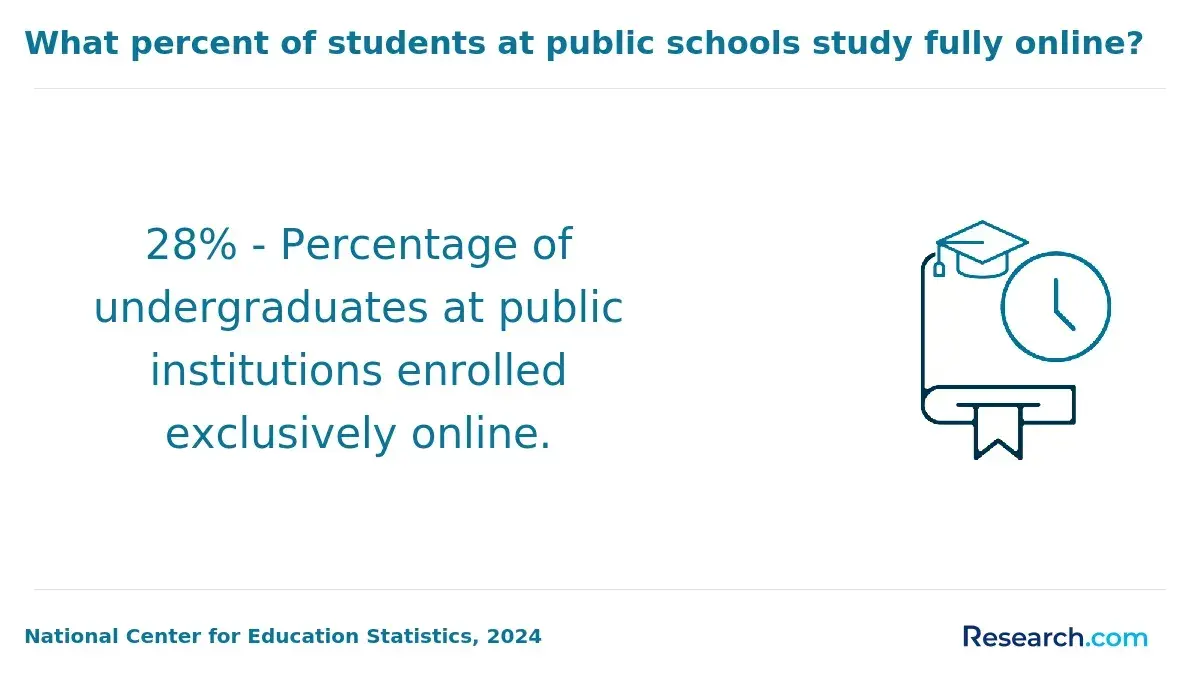
Why Do Adult Learners Return to School for a TESOL & Multilingual Learners Degree?
Adult learners pursuing a TESOL & Multilingual Learners degree often do so with specific workforce objectives, such as shifting careers or enhancing their current roles to access higher salaries or greater job security. These students typically balance existing professional experience with the need to meet evolving credential expectations that have intensified due to credential inflation within education and language services.
The U.S. Department of Education's 2024 National Postsecondary Student Aid Study reports that over 45% of graduate enrollees aged 25 and older choose advanced degrees like TESOL & Multilingual Learners to improve employability or pivot industries, reflecting a clear trend of strategic, mid-career upskilling rather than exploratory education typical of younger students. External factors further shape this educational return, including increased employer-backed tuition assistance and the proliferation of flexible learning formats such as online or evening courses, which accommodate the competing demands of work and family life for adult learners.
Changes in industry standards also compel continuous skill renewal, with many adult learners enrolling to update pedagogical approaches and cultural competence in response to more diverse multilingual populations. The alignment of program accessibility with labor market requirements underscores a pragmatic approach to education focused on timely, relevant credential acquisition rather than traditional campus experiences.
How Do Academic Goals Vary Between Younger and Older TESOL & Multilingual Learners Students?
Younger TESOL & Multilingual Learners students, often in the 18 to 24 age range, generally engage with their programs as exploratory platforms for foundational skill development and broad pedagogical understanding. Their academic objectives frequently revolve around preparing for entry-level teaching roles or positioning themselves for advanced graduate studies. This stage typically involves a longer-term perspective on career trajectories, where the emphasis lies in acquiring a wide-ranging knowledge base and credentials that support future flexibility across educational settings.
According to the 2024 report from the U.S. Department of Education's National Center for Education Statistics, these students prioritize comprehensive skill-building given their relative lack of workplace experience and an intent to solidify career options early on. In contrast, adult TESOL & Multilingual Learners students, generally 25 and older, approach their academic paths with immediacy and specificity, seeking targeted skill acquisition aligned with current job requirements or certification milestones.
Their goals tend to reflect established professional identities, balancing educational pursuits with ongoing career and familial responsibilities. This cohort favors flexible course formats and accelerated credentialing processes to directly enable career progression, role changes, or licensure maintenance. The NCES data notes that around 62% of these learners enroll with the intent to enhance practical competencies that translate into measurable employment benefits, reflecting a pragmatic, outcome-driven approach rooted in prior labor market involvement.
How Do Financial Concerns Differ Between Traditional Students and Adult Learners?
Traditional students pursuing a TESOL & Multilingual Learners degree often rely significantly on family support, federal student loans, and grants to finance their education, with tuition costs and anticipated long-term debt shaping their decisions. These students tend to weigh upfront tuition affordability against the opportunity cost of delayed full-time employment, as many face limited income streams while enrolled. Borrowing is a common strategy, with recent data indicating that about 68% of traditional education students graduate with debt averaging near $30,000.
This reflects how financial challenges for traditional vs adult learners diverge, as younger students typically negotiate a longer repayment runway but with less immediate income pressure. By contrast, adult learners aged 25 and older face a distinct set of financial pressures, balancing tuition payments with ongoing living expenses, mortgage obligations, and family responsibilities. Their decision-making often incorporates lost wages from reducing work hours or leaving employment temporarily, while some access employer tuition assistance to mitigate costs.
These learners may be less eligible for grants targeting younger students, resulting in more complex tuition affordability and funding options for TESOL & Multilingual Learners students at this life stage. Data from the Lumina Foundation highlights financial strain as a primary barrier for 55% of adult learners, reflecting their acute sensitivity to the immediate economic tradeoffs of returning to school. These differing financial realities influence enrollment behavior and program selection, with adult learners frequently prioritizing flexible, online formats and programs that offer clearer returns on investment.
Traditional students may be more inclined to attend on-campus programs with an expectation of longer-term financial payoff, while adult learners' financial behavior emphasizes minimizing disruption to current income streams and maximizing employer recognition of credentials. For prospective students evaluating these factors, resources such as online ABSN programs illustrate how accelerated and affordable pathways can better align with the practical constraints shaping these life-stage dependent educational choices.
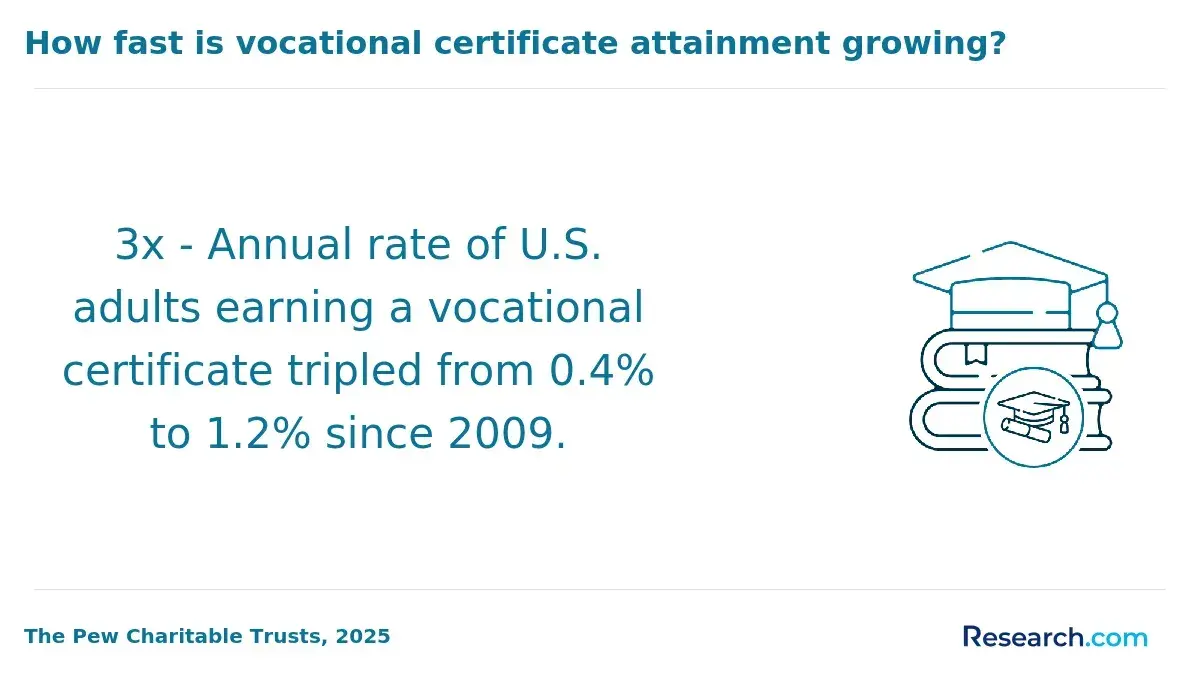
What Challenges Do Adult Learners and Traditional Students Face While Earning a TESOL & Multilingual Learners Degree?
Traditional students pursuing a TESOL & Multilingual Learners degree often face challenges tied to their developmental stage and academic backgrounds. Many must adapt to the combined pressures of rigorous coursework and social integration within higher education, frequently without extensive prior exposure to culturally nuanced pedagogies critical in this field. Time management issues arise as they navigate structured schedules while cultivating foundational discipline in learning environments that expect a swift academic adjustment.
Financial constraints are likewise significant; the 2024 National Center for Education Statistics found that nearly 57% of traditional students identify monetary strain as a major obstacle to degree completion in language education contexts. Adult learners encounter a distinct set of challenges rooted in their simultaneous commitments to work, family, and study. Re-entering academic settings often requires enhancing foundational skills, especially in technology use, to match modern instructional demands.
The time availability is tightly constrained by professional obligations and caregiving responsibilities, factors that can limit engagement with traditional course formats and campus resources. A 2024 Adult Postsecondary Education Trends survey highlighted that 65% of adult students in TESOL & Multilingual Learners programs struggled with accessing flexible scheduling and affordable childcare, which critically affected their persistence and academic progress.
These differing challenges underscore the need for institutions to tailor support structures that address varied student lifecycle demands. Flexible learning modalities, comprehensive advising that understands time and financial pressures, and targeted academic assistance can help reconcile the contrasting needs of traditional and adult learners. Programs that successfully adapt to these nuances not only improve retention but also align educational delivery with the practical realities both groups face in completing TESOL & Multilingual Learners degrees.
How Does Age Affect TESOL & Multilingual Learners Degree Student Retention?
Younger TESOL & Multilingual Learners students often struggle with adapting to the demands of higher education, which can negatively impact retention. Many face difficulties in establishing clear academic and career goals early on, leading to wavering motivation and inconsistent engagement with coursework and campus resources. Additionally, the transition to autonomous learning and managing social distractions presents challenges that may delay academic progress.
According to the 2024 National Center for Education Statistics, retention rates for students in this group hover around 65%, reflecting these adjustment pressures and the compounded impact of financial instability and competing priorities common among traditional college-age learners. In contrast, older students pursuing TESOL & Multilingual Learners degrees generally show greater persistence, with retention rates closer to 78%, largely driven by defined professional objectives and a pragmatic approach to coursework.
However, their academic persistence is frequently tested by external obligations such as full-time employment, family care, and limited discretionary time. These life responsibilities require flexible program structures and institutional supports to maintain engagement. Their prior experience also sharpens their time-management and prioritization skills, which contribute to sustained enrollment despite the more fragmented schedules and greater personal demands they face.
Which TESOL & Multilingual Learners Specializations Are Most Popular Among Adult Learners?
Adult learners enrolled in TESOL and Multilingual Learners degree programs overwhelmingly prioritize specializations that offer direct, practical benefits aligned with their existing professional roles or clear pathways to career mobility. Unlike younger traditional students who may explore broader academic interests, adult learners often select specializations tied to immediate workplace applicability and measurable advancement potential. This focus reflects a strategic approach to upskilling and career reinvention, where enhancing concrete competencies in high-demand areas supports salary growth and sector transitions.
Data from the 2024 National Center for Education Statistics (NCES) shows that approximately 62% of adult TESOL students pursue bilingual education specializations, substantially outpacing the 40% uptake among traditional college-age peers. This preference underscores adult learners' connection to multilingual communities and their pursuit of roles requiring bilingual proficiency, often in K-12 education, adult education, or community services.
- Bilingual Education: Adult learners favor bilingual education to leverage existing language skills and meet growing employer demand for educators fluent in multiple languages. This specialization directly increases employability in diverse settings and frequently correlates with improved salary prospects and job stability.
- Intercultural Communication and Language Acquisition: This area appeals to adults aiming to deepen cultural competence and understand language development within multicultural environments-key assets for those working in immigrant-rich or globalized workforce segments.
- ESL Curriculum Design and Assessment: Choosing this specialization reflects a strategic focus on instructional theory and program development, enabling practitioners to contribute to improving educational effectiveness and to qualify for leadership or curriculum coordinator positions.
- Adult Education Methods: Tailored for mature learners already involved in education or training roles, this specialization emphasizes teaching techniques and learner engagement strategies suited for adult populations, supporting smoother workforce transitions within education sectors.
- Multilingual Learner Support Services: This specialization addresses the growing need for professionals skilled in designing and managing support services for language minority students, aligning with employer expectations for comprehensive student services expertise.
Adult learners' specialization choices mirror their prioritization of credentials that facilitate tangible workplace outcomes rather than purely theoretical or research-focused study. This pragmatic orientation supports transitions into roles that demand cultural and linguistic fluency coupled with applied teaching and program development skills.
Such decisions demonstrate a deliberate balancing of time investment against salary advancement and job security, crucial for mid-career professionals navigating evolving educational landscapes. For example, adult learners often examine related fields with similarly structured career trajectories, such as healthcare roles evidenced by researched CPC medical coding salary trends, indicating broader labor market patterns favoring specialized credentialing.
These insights on tesol and multilingual learners degree specializations for adult students can help current and prospective enrollees identify programs that align effectively with their professional experience and employment goals, maximizing both educational ROI and long-term career sustainability.
How Does Age Affect Job Opportunities for TESOL & Multilingual Learners Graduates?
Graduates of TESOL & Multilingual Learners programs aged 18 to 24 often benefit from established entry-level hiring pipelines that prioritize recent academic credentials and adaptability to evolving instructional technologies. Employers generally view this group as more agile and open to innovative teaching modalities, which aligns with demand for digital fluency and integration of new pedagogical tools. Access to internships, structured onboarding, and formal career development initiatives tends to be higher for these younger graduates, positioning them advantageously in early-career job markets.
This dynamic reflects broader labor market segmentation where traditional college-age cohorts experience more streamlined pathways into K-12 roles and similar teaching environments, underscoring key patterns in how age impacts job prospects for TESOL & multilingual learners graduates. In contrast, older TESOL & Multilingual Learners graduates, usually 25 and over, navigate a different employment landscape shaped by prior work history and transferable skills, which can open doors to leadership or specialized instructional positions but often with fewer formal entry points.
These candidates may face employer hesitation related to assumptions about salary expectations or adaptability, despite frequently bringing enhanced cultural competence and workplace maturity. According to a 2024 report from the National Center for Education Statistics, adult graduates have a 12% lower rate of entry into traditional K-12 teaching roles within the first year post-graduation compared to younger peers, illustrating persistent labor market challenges.
For those balancing career transitions or seeking roles aligned with life-stage priorities, understanding such nuances in employer behavior is critical, particularly when evaluating career opportunities by age group in TESOL & multilingual learners fields. Prospective students considering alternative educational routes might also explore options like an online speech pathology bachelor degree for veterans that reflect diverse workforce demands and age-related considerations.
What Do Current TESOL & Multilingual Learners Enrollment Trends Reveal About Future Demand?
Recent enrollment patterns in TESOL & Multilingual Learners programs show distinct shifts in candidate profiles and motivations, signaling evolving perceptions of career value within the field. Notably, adult learners are driving a 12% rise in program participation, far outpacing the 4% increase among traditional students aged 18-24. This suggests heightened professional recognition of TESOL expertise as a practical skill for mid-career transitions and workforce adaptability, contrasting with younger students who often treat these degrees as initial career steps but may be diverting toward STEM or interdisciplinary pathways.
These enrollment dynamics also mirror labor market signals such as expanding demand for multilingual educators across educational, corporate, and community-based settings where workforce diversity and communication skills are critical. Increasing employer expectations for flexible, online, and hybrid program formats reflect technological adaptation and industry needs, while growing adult learner engagement points to sustained workforce shortages and specialization needs that will likely influence program growth and curricular innovation. Seen through these trends, TESOL & Multilingual Learners degrees appear positioned for long-term relevance shaped by labor market alignment rather than traditional undergraduate supply alone.
References:
- How Higher Education Institutions Can Address the Needs of Adult Learners https://www.higheredtoday.org/2022/04/18/how-higher-education-institutions-can-address-the-needs-of-adult-learners/
- Effective Teaching Methods for Developing Adult Learners’ Spoken Foreign Language Skills: A Systematic Review https://andragogy.pl/index.php/andragogy/article/view/1556
- Be the Future Students Choose https://languagemagazine.com/2026/05/29/meet-students-where-they-are-be-the-future-students-choose/
- How TESOL Specializations Shape Better Teaching and Learning - BridgeUniverse - TEFL Blog, News, Tips & Resources https://bridge.edu/tefl/blog/academic-english-specializations/
- Why college? A deep dive into adult learners’ journeys https://www.luminafoundation.org/news-and-views/why-college-a-deep-dive-into-adult-learners-journeys/
- Demotivation and Dropout in Adult EFL Learners https://tesl-ej.org/wordpress/issues/volume23/ej92/ej92a8/
- The Case of TESOL in Applied Linguistics https://www.sciltp.com/journals/sala/articles/2603003385
- 5 things you didn't know about language teaching | Hong Kong TESOL https://hongkongtesol.com/blog/5-things-you-didnt-know-about-language-teaching
- 5 ESL Teaching Trends Colleges Are Watching in 2026 https://www.scholaro.com/db/News/esl-teaching-trends-2026-362
- The Future of Teaching English: ELT Trends, AI, and New Skills for Modern Teachers https://tefl-tesol-certification.com/blog/the-future-of-teaching-english-elt-trends-ai-and-new-skills-for-modern-teachers
Other Things You Should Know About TESOL & Multilingual Learners
Adult learners often juggle work and family responsibilities, making program flexibility critical. Programs that offer asynchronous coursework or part-time options can reduce conflict with personal schedules but may extend time to completion, which can impact career timelines. Prioritizing programs with clear support structures and flexible deadlines is advisable to maintain progress without sacrificing quality or engagement.
Traditional students may benefit from cohort programs that foster peer interaction and networking, enhancing collaborative skills valued by many employers in language education fields. However, cohort models can limit schedule flexibility and increase pressure to keep pace with peers. For students valuing autonomy or with unpredictable schedules, self-paced options may better support consistent progress despite potentially fewer opportunities for community building.
In 2027, TESOL & multilingual learners programs have seen a growth in enrollment among adult learners due to their desire for career advancement and flexible learning formats. However, traditional students still dominate the enrollment, particularly in structured, full-time programs, seeking comprehensive training and networking opportunities.
While program reputation can open doors, employers in TESOL & multilingual learners fields frequently prioritize demonstrable teaching skills and cultural competency. Students, especially adult learners who may need quick workforce reintegration, should focus on programs offering hands-on practicum and real-world experience. Balancing reputation with tangible skill-building opportunities generally yields better career outcomes than emphasizing name recognition alone.