2027 TESOL & Multilingual Learners Degree Concentration Trends: Which Specializations Are Growing the Fastest

Co-Founder and Chief Data Scientist
Facing a crossroads, a working professional explores TESOL & multilingual learners degree concentrations but hesitates amid uncertain job demand and relevance. Choosing a specialization misaligned with sector growth risks stagnant prospects. Recent 2024 labor data reveal a 15% spike in demand for multilingual literacy specialists, signaling shifts toward integrated language and content instruction roles.
Meanwhile, enrollment trends show rising interest in digital and culturally responsive pedagogy, reflecting employer calls for adaptable, tech-savvy educators. This analysis dissects which TESOL & multilingual learners specializations exhibit the fastest growth, weighing their alignment with workforce needs and long-term career trajectories for informed decision-making.
Key Things to Know About TESOL & Multilingual Learners Degree Concentration Trends and Fast-Growing Specializations
- Specializations emphasizing digital literacy integration show 25% annual enrollment growth, signaling a shift requiring students to balance tech skills with linguistic pedagogy tradeoffs for future classroom relevance.
- Rising employer demand favors candidates trained in multilingual assessment techniques, indicating that programs offering deeper assessment expertise enhance graduate employability despite narrower instructional focus.
- Newer concentrations targeting underserved language communities often demand longer study periods and higher costs, impacting access but positioning graduates for roles in expanding, policy-driven educational sectors.
- Key Things to Know About TESOL & Multilingual Learners Degree Concentration Trends and Fast-Growing Specializations Key Things to Know About TESOL & Multilingual Learners Degree Concentration Trends and Fast-Growing Specializations
- What Are the Most Popular TESOL & Multilingual Learners Degree Concentrations Today? Popular Degree Concentrations
- Which TESOL & Multilingual Learners Degree Specializations Are Growing the Fastest? Fastest Growing Specializations
- Why Are Certain TESOL & Multilingual Learners Degree Concentrations Experiencing Rapid Growth? Reasons for Rapid Growth
- Which Industries Are Driving Demand for Fast-Growing TESOL & Multilingual Learners Degree Specializations? Industries Driving Demand
- What Are the Highest-Paying TESOL & Multilingual Learners Degree Concentrations? Highest-Paying Concentrations
- How Are Technology and Innovation Influencing TESOL & Multilingual Learners Degree Specialization Trends? Tech and Innovation Impact
- What Career Opportunities Are Available in Fast-Growing TESOL & Multilingual Learners Degree Concentrations? Career Paths in Growth Areas
- Which Online TESOL & Multilingual Learners Degree Concentrations Are Seeing the Most Growth? Which Online TESOL & Multilingual Learners Degree Concentrations Are Seeing the Most Growth?
- What Is the Future Outlook for Emerging TESOL & Multilingual Learners Degree Specializations? What Is the Future Outlook for Emerging TESOL & Multilingual Learners Degree Specializations?
- How Can You Choose the Right TESOL & Multilingual Learners Degree Concentration Based on Your Career Goals? Choosing Your Degree Concentration
What Are the Most Popular TESOL & Multilingual Learners Degree Concentrations Today?
The current popularity of TESOL & multilingual learners degree concentrations reflects wider shifts toward more integrated and technologically adept instructional approaches in response to evolving educational and workforce demands.
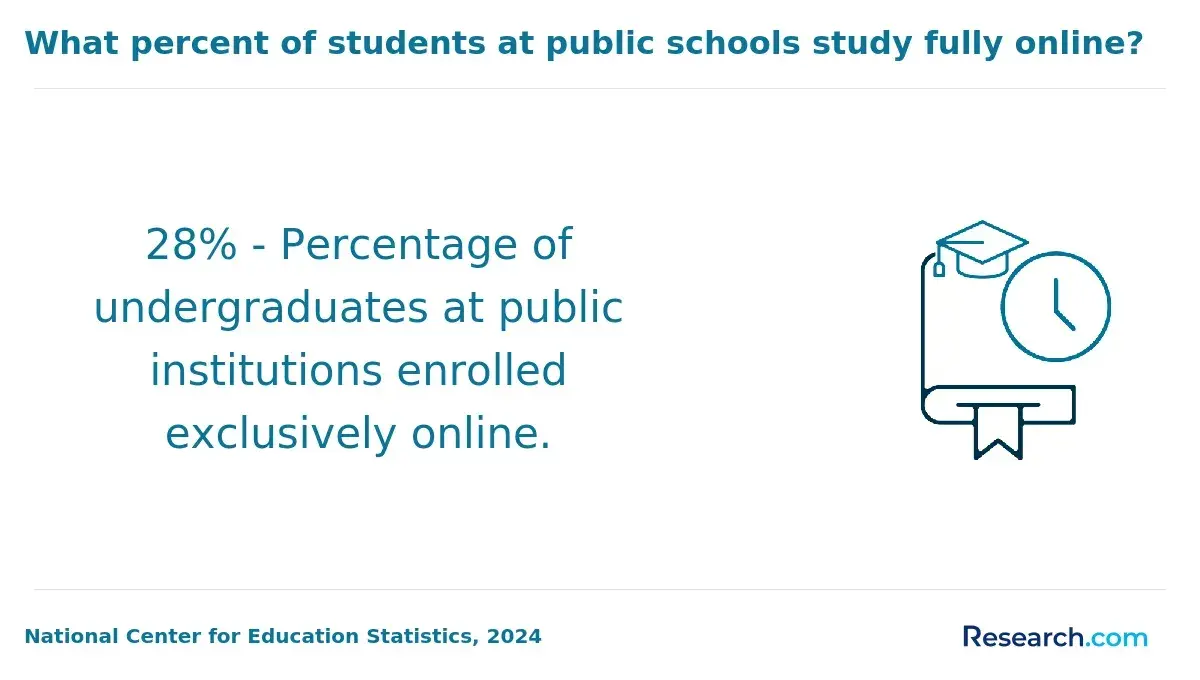
Concentrations that blend bilingual education with culturally responsive teaching methods have surged, fueled by nearly 22% of public school students being English learners, according to the U.S. Department of Education's National Center for Education Statistics 2024 report.
This demographic trend pushes programs to prepare educators capable of managing linguistically diverse classrooms effectively, a critical factor as schools seek to reduce learning disparities and meet federal diversity mandates.
Technology-enhanced language instruction has become a leading specialization, driven by a 17% increase in employer demand for TESOL professionals with digital pedagogy skills, as highlighted by the American Council on the Teaching of Foreign Languages.
Integrating computer-assisted language learning and virtual immersion techniques allows educators to deliver remote or hybrid instruction that aligns with global education trends. However, candidates must weigh the technical skill build against traditional language pedagogy depth.
This reflects a broader shift where TESOL and multilingual learners degree concentrations must balance language teaching foundations with adaptable, tech-savvy methods. Many programs now incorporate digital strategies alongside classic bilingual education models.
Specializations targeting adult education and workforce development respond to substantial labor market needs, given projected 12% growth for adult literacy and language instructors through 2030. Programs focusing on contextualized, occupationally relevant language instruction prepare graduates for roles addressing migrant and non-native professionals' needs, positioning them well amid workforce shortages in sectors like healthcare and manufacturing.
Prospective students should consider these practical dynamics carefully, evaluating how concentration popularity signals may align with or diverge from actual employment niches, rather than defaulting to more visible or broad-based options. For those also exploring interdisciplinary advanced education or career pathways, examining options like the cheapest online healthcare administration degree can complement language expertise to broaden professional alternatives.
Which TESOL & Multilingual Learners Degree Specializations Are Growing the Fastest?
Demand for bilingual education and digital pedagogy specializations within TESOL & Multilingual Learners degrees is accelerating due to notable demographic shifts and the pervasive integration of technology in education. The U.S. Bureau of Labor Statistics forecasts nearly 12% growth in bilingual educator roles through 2034, reflecting intensified needs in linguistically diverse school districts.
This growth signals a strategic advantage for students aiming to merge language instruction with evolving digital platforms, yet it also requires balancing technical proficiency with traditional pedagogical skills. The surge in enrollment for programs emphasizing virtual language teaching and adaptive learning technologies underscores a broader industry transition toward hybrid and remote instruction models, which reshapes curricula and demands continuous skill updates to maintain relevance.
Programs that focus on supporting multilingual learners in STEM fields and social-emotional learning are also expanding, driven by employer calls for educators who can navigate complex content alongside language acquisition. Regulatory changes mandating tailored English learner services further solidify these specializations' standing, though these shifts introduce practical challenges in career flexibility given the specialized knowledge required.
Similarly, while specialized tracks addressing immigrant and refugee education show episodic intensity in response to geopolitical fluctuations, their market impact is less sustained. Ultimately, students must assess how specialization choices align with both current market momentum and personal long-term adaptability given the evolving expectations of public and private educational employers.
A graduate considering their TESOL & Multilingual Learners concentration weighed digital pedagogy against bilingual education, initially drawn to the appeal of innovative technology use. After reviewing recent labor projections and consulting advisors, they recognized the stronger, steadier growth of bilingual instruction grounded in demographic demand and regulatory support.
However, they hesitated over the narrower scope of bilingual programs compared to the breadth of digital platform expertise. Their decision process involved analyzing curriculum differences and employment outcomes, reflecting uncertainty about whether current digital trends would sustain long-term demand or shift quickly with technology evolution, ultimately illustrating the complex tradeoffs prospective students face when selecting a specialization amid rapidly changing workforce conditions.
Why Are Certain TESOL & Multilingual Learners Degree Concentrations Experiencing Rapid Growth?
Growth in TESOL & Multilingual Learners degree concentrations is primarily driven by a combination of shifting regulatory demands, technological integration, and evolving employer expectations. For instance, the introduction of stricter language access policies in many states has intensified the need for teachers who hold credentials specifically aligned with these requirements, leading to expanded job opportunities, especially in underserved regions.
Institutions that blend digital literacy and AI-based language tools into their curricula are responding to employer preferences for candidates competent in both pedagogical theory and educational technology. This trend is supported by recent projections indicating a 12% increase in language-related education roles over the next decade according to the U.S. Bureau of Labor Statistics.
However, the rapid expansion of these concentrations does not guarantee suitability for every student; those considering these pathways must weigh the complexity introduced by regulatory compliance and ongoing technological adaptation against their own career goals and local labor market conditions. Graduates often face tradeoffs between focus areas like multicultural competence or language policy, each appealing to different segments of the job market.
Consequently, selecting a specialization requires careful consideration of not only immediate employability but also the sustainability of skill relevance, as professionals must frequently update expertise to keep pace with digital innovations and changing educational mandates. This dynamic landscape underscores the importance of aligning curricular choices with practical frameworks of workforce demand and long-term professional development within multilingual education fields.
Which Industries Are Driving Demand for Fast-Growing TESOL & Multilingual Learners Degree Specializations?
Growing demand for TESOL and multilingual learners degree specializations is increasingly driven by industry needs rather than academic interest alone. The education sector remains dominant, with a particular emphasis on K-12 public schools and adult education programs where workforce shortages and policy shifts around bilingual education are reshaping hiring.
The U.S. Bureau of Labor Statistics projects an 11% employment growth for language educators through 2034, highlighting how demographic changes and immigration trends translate into tangible demand for specialized TESOL skills in real-world classroom contexts.
Beyond education, healthcare is rapidly emerging as a critical industry for TESOL professionals, especially as patient populations with limited English proficiency rise by roughly 30%. Compliance with regulations like Title VI of the Civil Rights Act requires providers to ensure language access, prompting hospitals and clinics to seek specialists proficient in medical English and cultural literacy.
In parallel, technology firms and global corporations value TESOL experts who integrate digital tools and intercultural communication into language instruction, reflecting the complexities of remote workforces and international business.
Prospective students should weigh these sector-specific dynamics carefully, as specialization choices influence both employability and the practical scope of instructional roles, a consideration as important as assessing graduation rates or program affordability such as those offered by cheapest RN to BSN.
What Are the Highest-Paying TESOL & Multilingual Learners Degree Concentrations?
Concentrations in TESOL & Multilingual Learners that integrate leadership skills, program management, or curriculum design typically yield higher earning potential due to the added complexity and responsibility these roles demand.
A 2024 report from the U.S. Bureau of Labor Statistics highlights that professionals specializing in bilingual program administration or multilingual curriculum development earn up to 20% more than instructors focused solely on classroom teaching.
This premium reflects growing institutional demands for experts who can navigate diverse learner needs, implement technology-enhanced instruction, and coordinate comprehensive language programs-skills that surpass standard pedagogical expertise and open pathways to supervisory or policy-influencing positions.
Choosing such specializations often involves tradeoffs, as time spent developing administrative or assessment competencies may reduce direct teaching opportunities and require a shift in job functions.
Regional and institutional factors also heavily influence salary outcomes, emphasizing the importance of localized market research when assessing program value. The scarcity of educators blending TESOL expertise with skills in leadership, technology integration, and culturally responsive curriculum design increases their market leverage but demands a readiness to engage with broader organizational challenges beyond classroom instruction.
One graduate recalled weighing a TESOL concentration emphasizing bilingual education leadership against a curriculum development track. After reviewing employment data and discussing with faculty, they recognized the leadership path aligned better with employer demand for program coordinators and higher compensation, though it meant fewer classroom hours and more administrative duties.
Balancing personal passion for direct teaching with longer-term financial and career stability led to cautious optimism, as they acknowledged the leadership focus required broader skill development but promised stronger advancement prospects in diverse educational settings.
How Are Technology and Innovation Influencing TESOL & Multilingual Learners Degree Specialization Trends?
Innovations in artificial intelligence, automation, and digital platforms are directly reshaping TESOL & Multilingual Learners degree concentration trends.
Technology integration has become an essential competency rather than a supplementary skill. Programs emphasizing computer-assisted language learning (CALL) and educational technology (EdTech) are expanding rapidly, responding to employer demand for specialists adept at using natural language processing tools to deliver personalized feedback efficiently.
This shift requires students to develop hybrid skill sets that combine linguistic expertise with technical fluency, which increasingly determine long-term career relevance and advancement opportunities in both academic and corporate language instruction settings.
The influence of how technology is shaping TESOL & multilingual learners degree specializations is evident in the growing emphasis on data-driven decision-making and learner analytics, enabling educators to measure and adapt instruction in real time to meet accountability standards.
However, adopting advanced digital tools involves strategic tradeoffs, including ongoing professional development needs and dependence on robust technological infrastructure, which can challenge programs with limited resources. Prospective students must weigh these operational realities against their educational goals, recognizing that concentrations lacking a technology focus may face reduced demand as hybrid and remote learning models become standard practice.
Employers now favor TESOL specialists who can design multilingual classrooms integrating technology and foster adaptive learning environments, accelerating growth in instructional design and multilingual technology integration tracks. For working professionals balancing multiple commitments, understanding these trends is vital when selecting a specialization, as graduates proficient in both pedagogy and technology management are positioned to navigate evolving workforce demands effectively.
Those interested in interdisciplinary applications with practical career impact might explore related fields such as ultrasound tech to appreciate broader professional training models informing TESOL innovations.
What Career Opportunities Are Available in Fast-Growing TESOL & Multilingual Learners Degree Concentrations?
Employment projections from the U.S. Bureau of Labor Statistics indicate an 11% growth in roles related to adult literacy and remedial education teachers specializing in TESOL & Multilingual Learners, reflecting a heightened need for targeted instruction in multilingual settings across K-12, higher education, and corporate environments.
This trend signals a clear shift toward advanced skill sets centered on integrating digital language learning technologies and culturally responsive pedagogy, emphasizing the relevance of concentrations that combine instructional technology with curriculum development tailored to diverse linguistic populations.
For instance, specialists in second language assessment are increasingly critical for institutions aiming to meet evolving state accountability standards, demonstrating how specific expertise can position graduates competitively in both educational and policy-driven contexts.
Specializing narrowly in applied linguistics versus educational technology carries distinct implications for career trajectory and adaptability. Candidates focusing on technology-enhanced language acquisition find themselves well-aligned with hybrid and online education models, industries currently expanding rapidly, while those oriented toward policy and advocacy roles navigate evolving legislative landscapes concerning language access and equity.
Regional labor market variations further complicate outcomes; professionals in areas with dense multilingual communities encounter more robust demand but may also face intensified competition. Ultimately, selecting a concentration that aligns tightly with one's career objectives and local workforce conditions is essential, as ongoing professional development remains necessary to sustain relevance amid continuous pedagogical innovations and regulatory changes.
Which Online TESOL & Multilingual Learners Degree Concentrations Are Seeing the Most Growth?
The most rapid growth in online TESOL & Multilingual Learners degree concentrations is driven predominantly by bilingual education and digital language instruction, reflecting shifting demographics and evolving instructional modalities.
A 12% rise in enrollments for bilingual and dual-language teaching programs between 2022 and 2024, as reported by the U.S. Bureau of Labor Statistics and the National Center for Education Statistics, demonstrates how expanding multilingual student populations are reshaping demand.
Employer preferences increasingly favor educators who combine language proficiency with technological fluency, especially as remote and hybrid classrooms become standard. This is evidenced by a 15% increase in job placements for graduates skilled in digital TESOL pedagogy according to the Modern Language Association.
This trend carries meaningful implications for specialization choice: students who focus exclusively on traditional TESOL methods may find themselves less competitive as schools prioritize tech-integrated and culturally responsive teaching strategies.
At the same time, concentrations emphasizing equity and inclusion align with district-level initiatives and funding opportunities aimed at improving outcomes for diverse learners, signaling a stable but complex growth area. However, these emerging areas require adaptability and ongoing curriculum innovation, which can complicate degree planning and place greater demands on student capacity to master both pedagogical and technological competencies.
Decisions on whether to pursue bilingual education, digital instruction design, or culturally responsive teaching should account for long-term workforce relevance as well as immediate employability.
While fast-growing specializations offer access to expanding job markets, they also demand specialized skills that may not translate universally across all education settings. Prospective students, career changers, and working professionals must weigh these tradeoffs carefully to align their educational investments with both practical realities and their professional objectives.
What Is the Future Outlook for Emerging TESOL & Multilingual Learners Degree Specializations?
The fastest-growing TESOL & Multilingual Learners degree specializations are increasingly shaped by technology integration and shifting demographic patterns. Employment projections indicate a 10% increase from 2022 to 2032 for adult literacy and remedial education teachers, many of whom specialize in TESOL, signaling robust demand in diverse instructional contexts.
However, this growth is uneven-urban and well-resourced districts are more likely to invest in emerging areas like digital language pedagogy, while rural or economically disadvantaged regions may face slower growth, underscoring a critical tradeoff for students selecting specializations.
Practical alignment with interdisciplinary skills significantly enhances employability. For example, combining TESOL expertise with special education or counseling addresses real-world employer preferences for multifaceted professionals capable of supporting diverse learner needs.
The rise in bilingual and dual-language programs, driven by sustained immigrant enrollment and policy shifts toward inclusive curricula, further amplifies demand for coordinators skilled in multicultural curriculum design. Prospective students must also consider funding variability and regional policy changes that affect these pathways, which frames the future job market trends for emerging TESOL & Multilingual Learners degree specializations.
Digital and blended instructional methodologies remain a critical growth area, directly influenced by increased remote learning and AI integration for language assessment and personalized learning plans. Understanding this shift is essential for evaluating long-term career implications.
Those exploring degree choices might also assess related fields to enhance versatility, particularly in light of evolving employer expectations around data literacy and technology use in education. For context on alignment with broader educational career prospects, prospective candidates should review comparative salary and career opportunity data such as the health information management bachelor degree salary trends, which reflect similar workforce dynamics in specialized education sectors.
How Can You Choose the Right TESOL & Multilingual Learners Degree Concentration Based on Your Career Goals?
Choosing the right TESOL & Multilingual Learners degree concentration is crucial for aligning with industry demand and individual career trajectories. For instance, focusing on bilingual education or digital language methodologies can position candidates advantageously in settings where technology integration meets diverse learner needs, reflecting a 12% faster employment growth compared to traditional ESL roles as reported by the U.S. Bureau of Labor Statistics in 2024.
However, selecting a concentration primarily based on interest without considering skill applicability or labor market trends can limit future opportunities, especially in leadership or curriculum development paths that increasingly prioritize adaptable, culturally responsive educators.
Many employers now seek graduates proficient in language assessment techniques, culturally informed pedagogy, and digital literacy, especially within multilingual settings and K-12 environments. Students exploring the best TESOL & Multilingual Learners specializations for future job opportunities should weigh programs emphasizing practical competencies and emerging fields such as technology-enhanced language learning or bilingual special education.
This pragmatic alignment enhances career flexibility and opens advancement avenues beyond classroom roles, including administrative positions focused on policy and instructional design. Those intending to pursue further graduate education might also consider how their chosen concentration intersects with research trends and broader workforce needs.
For working professionals or career changers evaluating degree options, comparing TESOL concentrations with other related fields can be critical; for example, those interested in educational support roles in healthcare or social services might explore alternative credentials, similar to the specialized online nursing programs for non-nurses.
Such cross-disciplinary awareness enhances strategic decision-making, ensuring the selected TESOL & Multilingual Learners concentration not only meets immediate employment goals but also sustains long-term professional growth amid evolving educational landscapes.
References
- What are the most in-demand TESOL specializations in the job market? | ITTT TEFL & TESOL https://www.tesolonline.com/ai/what-are-the-most-in-demand-tesol-specializations-in-the-job-market/
- How TESOL Specializations Shape Better Teaching and Learning - BridgeUniverse - TEFL Blog, News, Tips & Resources https://bridge.edu/tefl/blog/academic-english-specializations/
- Online EdD Programs in TESOL and English Language Learning https://www.onlineeddprograms.com/faqs/edd-programs-tesol
- Global Trends in TESOL Education | ITTT https://www.tesolcourse.com/pillars/tesol-best-practices/the-future-of-tesol-education/global-trends-in-tesol-education/
- TESOL Trends: Innovations Shaping the Future of Language Teaching https://www.tesolinchina.com/h-nd-9182.html
- Study Abroad Blogs https://one-educationgroup.com/en/study-education-tesol/
- The Growing Value of Bilingual Skills in the US Job Market - Participate Learning https://www.participatelearning.com/blog/the-growing-value-of-bilingual-skills-in-the-us-job-market/
- The Future of Teaching English: ELT Trends, AI, and New Skills for Modern Teachers https://tefl-tesol-certification.com/blog/the-future-of-teaching-english-elt-trends-ai-and-new-skills-for-modern-teachers
- Ten trends and innovations in English Language Teaching 2024 | British Council https://www.britishcouncil.org/voices-magazine/ten-trends-and-innovations-english-language-teaching-2024
- Specialization Options for TESOL Students | ITTT https://www.teflonline.net/pillars/tesol-course-comparison/comparing-tesol-course-content/specialization-options-for-tesol-students/
Other Things You Should Know About TESOL & Multilingual Learners
Specializations like digital literacy integration and bilingual education are currently expanding faster than traditional TESOL tracks due to evolving employer demands for technology-savvy educators and multilingual program coordinators.
Choosing a specialization with a clear application in schools adopting hybrid or multilingual frameworks improves job prospects and salary potential. However, students must weigh whether their program's curriculum offers deep practical training or remains theory-heavy, as this gap often influences early-career employability.
Newer specializations often include demanding interdisciplinary coursework combining linguistics, technology, and psychology, which can extend study time and increase academic stress. If students work full-time or have other commitments, opting for well-established specializations with more structured program requirements may be more manageable and minimize burnout.
Prioritizing programs with flexible scheduling, clear practicum components, and strong advising support can also mitigate workload challenges associated with innovative or rapidly evolving fields.
Programs that actively update curricula to reflect evolving TESOL certification standards and the integration of multicultural competencies tend to produce graduates who are immediately effective in the classroom.
Selecting a concentration that features employer partnerships, internship placements, or embedded technology training is critical for meeting hiring criteria that emphasize practical skills over purely theoretical knowledge. Job seekers ignoring these factors may find themselves needing additional on-the-job training or certification, delaying career advancement.