2027 TESOL & Multilingual Learners Degree Completion Time Report: How Long Students Actually Take to Graduate

Co-Founder and Chief Data Scientist
Many students pursuing TESOL & Multilingual Learners degrees encounter unexpected delays influenced by factors beyond course requirements. Work obligations, family responsibilities, and enrollment patterns often extend completion timelines. According to the National Center for Education Statistics (2024), part-time enrollment remains prevalent among graduate students, directly affecting their progression pace. This is especially relevant in TESOL & Multilingual Learners fields, where increased professional demands and practicum placements can slow academic progress. Transfer credits and language proficiency also shape individual trajectories, creating variability in time-to-degree. This article examines how long students actually take to graduate in TESOL & Multilingual Learners programs and highlights key influences on these timelines.
Key Things You Should Know About TESOL & Multilingual Learners Degree Completion Time
- Most TESOL & Multilingual Learners degree programs take two to four years to complete. Full-time students often graduate within two years, while part-time enrollment, practicum requirements, and work or family responsibilities can extend completion to three or four years.
- Graduation speed depends on both program structure and personal circumstances. Enrollment status, transfer credits, language proficiency requirements, internships or practicums, course sequencing, and online versus campus-based study all influence how quickly students complete their degree.
- Graduating faster isn't always the best path to career success. Although accelerated and online programs may shorten completion time, employers generally place greater value on teaching experience, multilingual competencies, and professional readiness than on how quickly a degree was earned.
- What Is the Average Graduation Time for TESOL & Multilingual Learners Students? Average Graduation Timeline
- What Factors Have the Biggest Impact on Graduation Speed? Graduation Timeline Factors
- How Does Full-Time Versus Part-Time Enrollment Affect Graduation Timelines? Full-Time vs. Part-Time Graduation Timeline
- Do Online TESOL & Multilingual Learners Students Graduate Faster Than Campus-Based Students? Do Online TESOL & Multilingual Learners Students Graduate Faster Than Campus-Based Students?
- How Many Months or Years Can Transfer Credits Save? How Many Months or Years Can Transfer Credits Save?
- Do Accelerated TESOL & Multilingual Learners Programs Significantly Reduce Completion Time? Accelerated Program Timeline
- Which TESOL & Multilingual Learners Program Requirements Most Often Extend Graduation Timelines? Factors Extending Graduation Timeline
- Does Taking Longer to Graduate Increase the Cost of a TESOL & Multilingual Learners Degree? Impact on Program Cost
- Does Graduating Faster Improve Career Prospects? Impact on Career Prospects
- Which Scheduling Mistakes Commonly Delay Graduation? Mistakes to Avoid
What Is the Average Graduation Time for TESOL & Multilingual Learners Students?
For students pursuing TESOL & Multilingual Learners degrees, completion timelines generally span two to four years, with full-time master's programs often structured to finish within two years. However, actual graduation times frequently differ from this model, especially as part-time enrollment extends duration to three or more years. Such hybrid pacing accommodates working adults balancing employment and personal responsibilities, reflecting broader workforce trends emphasizing flexible education pathways. This variability in the typical degree completion timeline for TESOL & Multilingual Learners students underscores the importance of considering individual circumstances rather than fixed timeframes.
Several factors influence these variations, including program design, course load, and credit transfer policies. Transfer students from unrelated disciplines may face prerequisite courses that lengthen their academic plan, while online or hybrid formats, despite offering flexibility, sometimes slow progress due to less rigid scheduling. On-campus programs with structured sequences can facilitate faster completion but may not suit all learners. Additionally, field-specific requirements such as internships or certification prerequisites and employer-driven licensure timelines often shape how quickly students prioritize finishing their studies. Recognizing these structural and enrollment dynamics is essential for managing realistic expectations around average time to graduate for TESOL and multilingual learners programs.
Timing also directly impacts academic planning, financial investment, and entry into education-related careers. Extended durations can increase costs and delay workforce participation, while compressed schedules might intensify workload but accelerate career transitions. For those evaluating advanced study alongside professional commitments, understanding the nuanced interplay of enrollment status, program format, and institutional policies is critical. In contexts like nursing, similarly complex pathways exist, evidenced by resources on MSN to DNP online programs, highlighting the broader relevance of program completion timing across education fields.
What Factors Have the Biggest Impact on Graduation Speed?
Graduation speed for TESOL & Multilingual Learners master's programs depends on a complex interplay of academic decisions, program design, and individual circumstances rather than any single factor. Students' enrollment choices, prior credits, and external commitments all significantly shape how quickly they navigate requirements and finish their degrees. Recognizing these influences equips students to make more informed decisions about course load, enrollment status, and program format, directly affecting their time to completion.
- Enrollment Status: Whether a student is full-time or part-time is among the most significant determinants of graduation speed. Full-time students typically complete their degree within two to three years, while part-time students often extend beyond four years due to reduced term credit loads, which slows overall progress in TESOL & Multilingual Learners programs.
- Prior Academic Preparation and Transfer Credits: Students who enter with relevant undergraduate courses or previously earned graduate credits can bypass certain prerequisites, effectively shortening their path to degree. Conversely, those without a background in linguistics or education usually face longer timelines to satisfy foundational requirements.
- Program Delivery Format: Online and hybrid formats offer flexibility that benefits working adults balancing multiple obligations but often lead to prolonged completion times. Data from the U.S. Department of Education indicates that students learning online in education fields frequently take about 20% longer to graduate than those attending on-campus programs, reflecting slower course pacing and workload management challenges.
- Financial and Personal Circumstances: Obligations such as full-time employment and family responsibilities can extend graduation timelines substantially. Without sufficient employer support like tuition assistance or flexible scheduling, students may need to reduce course loads, increasing the time to degree completion.
- Institutional Policies and Academic Advising: Institutional strategies-such as how transfer credits are evaluated, prerequisite requirements are structured, and advising resources are deployed-play critical roles in either accelerating or delaying progress. Efficient advising can guide students to optimal course sequences that reduce unnecessary barriers in TESOL & Multilingual Learners programs.
Understanding the impact of these factors clarifies why two students in the same TESOL & Multilingual Learners program can have vastly different graduation experiences. Students must weigh their enrollment strategy against external commitments and program structure to set realistic timelines for completion. For those navigating complex personal and professional demands, programs with flexible delivery may offer advantages despite longer durations, while full-time enrollment and credit transfer optimization remain key levers for accelerating degree attainment.
For prospective TESOL & Multilingual Learners students seeking additional practical insight, exploring resources on colleges with no application fee can reduce upfront costs, thereby indirectly supporting quicker progression through financial ease.
How Does Full-Time Versus Part-Time Enrollment Affect Graduation Timelines?
Graduation timelines for TESOL & Multilingual Learners degrees diverge significantly between full-time and part-time enrollment, reflecting differing academic intensities and program durations. Full-time students generally complete bachelor's programs within two to three years and master's degrees in one to two years, aligning closely with standard curricular designs. According to recent 2024 data from leading education research agencies, concentrated course loads and continuous enrollment enable many full-time learners to maintain steady progress and graduate within expected timeframes. Conversely, part-time enrollment typically extends completion by one to two years or more, as students take lighter credit loads each term to accommodate competing life obligations, which slows academic momentum and prolongs degree timelines.
Several structural and personal factors shape these varied completion patterns. Full-time candidates benefit from access to a broader range of courses per semester, more predictable class sequencing, and often greater availability of preferred formats such as in-person or day classes, facilitating an accelerated academic trajectory. Part-time students, balancing work, family, or other responsibilities, face limited evening or online section offerings, prerequisite sequencing challenges, and course availability constraints that can interrupt their study flow. These influences interact complexly with institutional policies and program flexibility, meaning part-time progression is often less linear and more sensitive to external disruptions than full-time pathways.
The decision between full-time and part-time enrollment carries substantial implications beyond duration, affecting financial planning, academic intensity, and workforce entry timing. Full-time study may reduce overall tuition costs by shortening enrollment periods and allows earlier labor market participation-factors that many employers in education regard positively as signals of persistence and focus. Meanwhile, part-time routes afford critical flexibility necessary for working adults to remain employed but increase debt burdens through extended tuition payments and may dilute skill retention due to prolonged program pacing. These tradeoffs underscore the necessity for TESOL & Multilingual Learners students to strategically assess enrollment status based on their personal circumstances and professional objectives.
Do Online TESOL & Multilingual Learners Students Graduate Faster Than Campus-Based Students?
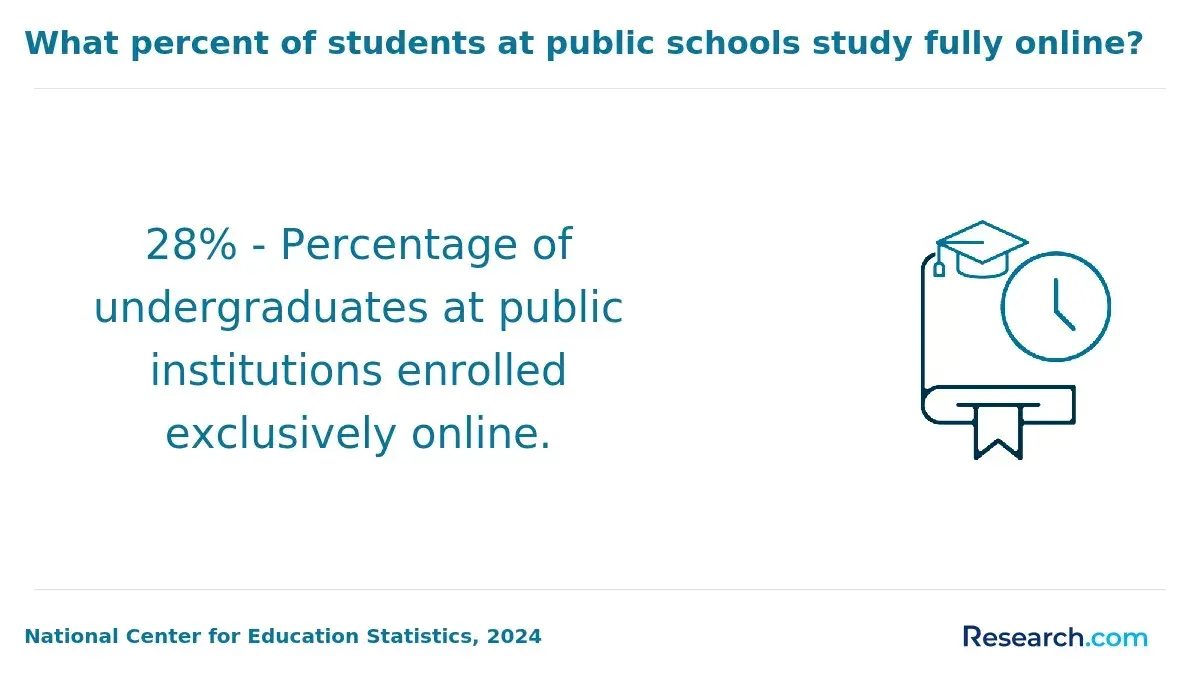
It is often perceived that students enrolled in online TESOL & Multilingual Learners programs complete their degrees faster than those attending traditional campus-based courses, but this generalization overlooks significant variability. Data from the National Center for Education Statistics in 2024 shows that online learners average around 3.7 years to graduation, compared to 4.1 years for on-campus students, suggesting a modest edge in completion speed. However, these averages mask wide differences contingent on student profiles and program specifics. Factors such as part-time status, transfer credits, and external responsibilities can extend degree timelines regardless of delivery format, making a clear-cut faster graduation path difficult to assert universally.
The pace of degree completion hinges on multiple institutional and learner-driven factors beyond mere modality. Flexible scheduling and accelerated course formats typical of online programs allow many students, particularly working adults, to maintain steadier progress without pausing career activities. Conversely, on-campus programs often embed structured full-time enrollment and experiential requirements, like internships or practicum, which can prolong program length but provide in-person support and networking advantages. Student self-regulation and access to academic advising also heavily influence progression rates; those juggling family or job demands may find asynchronous online models more accommodating, though the lack of immediate peer engagement can reduce persistence for some. Consequently, the interplay between enrollment flexibility, academic workload, and support mechanisms shapes who graduates faster more than the modality itself.
Choosing between online and campus TESOL & Multilingual Learners programs means weighing not only speed but also how each format aligns with time management demands and career entry goals. Online learners often navigate greater autonomy, requiring disciplined scheduling to leverage accelerated offerings effectively, which may suit those with work commitments. Traditional campus students might experience longer completion times but benefit from a rhythm anchored by set class times and face-to-face mentoring. Understanding these tradeoffs aids candidates in selecting pathways that realistically fit their life circumstances and professional timelines rather than assuming modality alone dictates graduation speed.
A graduate recalled feeling torn during the rolling admissions period when applying to a TESOL & Multilingual Learners online program. They hesitated to submit their documents early, unsure if waiting would allow for better preparation or more favorable start dates. This delay introduced a brief period of anxiety as acceptance decisions arrived incrementally, contrasting with the fixed entry points typical of campus programs. In hindsight, the candidate recognized that the uncertainty around staggered notifications and flexible registration windows required careful strategic timing to avoid unplanned postponements, illustrating how modality-specific enrollment processes can shape initial momentum toward degree completion.
How Many Months or Years Can Transfer Credits Save?
Transfer credits can significantly impact the overall time needed to complete a TESOL & Multilingual Learners degree, with potential savings ranging from a few months up to more than two years in some cases. The actual reduction depends heavily on the volume of credits accepted and how well prior coursework aligns with the new program's requirements. Many bachelor's degree pathways in this field require around 120 to 130 credit hours, and students entering with substantial transfer credits-particularly from regionally accredited institutions-often bypass foundational classes. According to recent educational research, students transferring 60 or more credits typically might save as much as 50% of their degree time, but the average months saved with transfer credits for multilingual learners degrees still varies widely due to differing institutional practices.
The degree of time savings hinges on several critical factors, including accreditation compatibility between sending and receiving institutions, course equivalency determinations, and specific institutional policies such as residency requirements and maximum transferable credit limits. Technical or specialized TESOL courses often have stricter criteria for transferability, thus limiting acceleration in advanced or professional coursework. Additionally, some programs require that a minimum number of credits be completed on-site to ensure educational integrity, which constrains the total time that transfer credits can shorten. These institutional variances mean that transfer credit impact on TESOL degree completion time is not uniform and must be evaluated on a case-by-case basis alongside consultation of articulation agreements and program catalogs.
Beyond direct academic timelines, the influence of transfer credits extends to financial considerations and degree planning logistics. Students who successfully transfer credits may reduce tuition costs and lessen opportunity costs by entering the workforce earlier, although careful sequencing of remaining TESOL & Multilingual Learners courses is crucial to maintain coherent skill development and meet employer expectations. For working adults balancing multiple commitments, understanding how transfer credits affect course sequencing and program pacing is essential. Those seeking further information on alternative educational pathways might explore resources such as online medical assistant programs, which highlight similarly complex transfer credit policies in related fields with increasing demand across healthcare systems.
Do Accelerated TESOL & Multilingual Learners Programs Significantly Reduce Completion Time?
Accelerated tesol & multilingual learners programs aim to reduce the traditional time required to earn a graduate degree by condensing coursework and allowing students to take heavier credit loads within shorter terms. These programs often restructure the curriculum by compressing sequences and offering intensive classes during summer or winter sessions. The intent is to streamline progression and limit unnecessary breaks, theoretically enabling completion in fewer semesters. However, the designed acceleration predominantly targets course scheduling rather than fundamentally altering program requirements like total credit hours or field experience components.
Actual time savings depend heavily on factors such as academic intensity, prerequisite fulfillment, and the distribution of required credits each term. For example, while some programs compact course delivery, the increased workload can raise stress and challenge retention, potentially causing withdrawals or repeated classes that offset any advantage. Additionally, transfer students or those needing foundational prerequisites before starting core courses often face extended timelines regardless of acceleration options. Requirements like internships or capstone projects are usually fixed and cannot be shortened, further limiting how much students can advance their completion date through program pacing alone.
Trade-offs in accelerated settings include reduced scheduling flexibility and heightened academic pressure, which can affect students' ability to balance work, family, or other commitments while maintaining academic quality. This can influence not only the pace of degree completion but also the depth of learning and overall experience. Thus, acceleration benefits are often uneven, with only those able to sustain an intensive study load under structured timelines realizing meaningful time reductions while others may encounter unexpected delays despite enrolling in faster tracks.
An accelerated tesol & multilingual learners graduate recalled hesitating during the rolling admissions period, uncertain if applying immediately would allow enough time to prepare prerequisite courses she lacked. Though eager to finish more quickly, she ultimately delayed enrollment to complete essential foundation classes at her own pace. This cautious approach added months to her total timeline but prevented early academic struggles and setbacks. Her experience highlights that, beyond program design, strategic entry timing and personal readiness fundamentally shape whether acceleration yields tangible reductions in completion time.
Which TESOL & Multilingual Learners Program Requirements Most Often Extend Graduation Timelines?
Graduation timelines in TESOL & Multilingual Learners programs often extend beyond stated credit hour requirements due to embedded curricular components designed to enhance professional readiness. These mandatory elements reflect essential competencies in teaching and multilingual education but frequently impose logistical and pacing constraints on student progress. Understanding how these structural and experiential demands intersect with academic sequencing and institutional policies helps clarify why program completion can take longer than expected.
- Practicum and Internship Placements: These supervised teaching experiences require students to secure classroom or virtual placements, which depend on school availability and alignment with academic calendars. Limited placement slots and scheduling bottlenecks can delay enrollment in these crucial hours, with recent labor market data showing that 45% of students face at least six months' delay waiting for practicums.
- Comprehensive Portfolio Development: Portfolios demand extensive documentation such as lesson plans, assessments, and reflective components, often subjected to iterative faculty review. The cyclical nature of feedback and revision can slow progress, particularly for working students balancing external commitments, frequently adding an entire semester or more to program length.
- Language Proficiency Requirements: Candidates must demonstrate competence in a non-English language or specialized pedagogical approaches, which may necessitate additional coursework or retesting. This standard addresses industry expectations for multilingual fluency but often results in 3 to 9 months of added time for students requiring remedial instruction, according to recent O*NET data.
- Thesis or Capstone Projects: Though optional in some programs, research-intensive theses or applied capstones require sustained independent work and faculty supervision, which can extend timelines if students face challenges in research design or data collection phases.
- Comprehensive Exams or Specialty Electives: These assessments and targeted coursework ensure mastery of core content and certifications but may be scheduled infrequently each academic year, creating waiting periods that lengthen time to completion.
Does Taking Longer to Graduate Increase the Cost of a TESOL & Multilingual Learners Degree?
Taking longer to complete a TESOL & Multilingual Learners degree often increases total tuition and related expenses, especially when institutions charge by the semester or credit hour. Students extending their studies beyond standard timelines may lose eligibility for certain financial aid packages designed for full-time enrollment within set periods, thereby incurring higher out-of-pocket costs. Additionally, incremental tuition raises during extended enrollment periods can compound these costs, along with additional fees for continued access to campus resources, course materials, and administrative services. This dynamic is particularly relevant for those balancing employment or family commitments, as slower academic progress lengthens the total time before recouping education-related investments. The financial consequences of extended TESOL & Multilingual Learners graduation timelines are therefore intertwined with institutional pricing and aid policies, directly impacting the overall cost burden.
However, extended degree timelines do not always translate into significantly higher costs, depending on the program's tuition structure and enrollment options. Some programs employ flat-rate tuition models or allow part-time enrollment pricing that caps term charges regardless of course load, which can mitigate added expenses even if completion spans more semesters. Employer tuition assistance programs or flexible pacing policies may further alleviate financial strain by supporting continued study without penalty. Individual enrollment behavior, such as course load adjustments and sequencing, indirectly shapes total costs by influencing time to degree and financial aid eligibility. For prospective students, understanding these nuanced financial tradeoffs is essential in assessing the true impact of prolonged degree completion on their investment. Research from the National Center for Education Statistics underscores how extended timelines can raise total education costs by approximately 25%, and professionals should weigh these factors alongside long-term salary prospects and career timing effects, including opportunities related to acute care certification for FNP.
Does Graduating Faster Improve Career Prospects?
Graduating faster from a TESOL & Multilingual Learners degree program can accelerate early career entry and potentially reduce the time spent in job-seeking immediately after completion. This timing advantage may be especially relevant for working adults or transfer students aiming to reenter the workforce quickly. However, employers rarely assess graduation speed as a standalone criterion; instead, they evaluate a candidate's overall readiness, which includes demonstrated skills, certifications, and hands-on experience. The relationship between graduation timelines and career advancement for TESOL & Multilingual Learners students is nuanced, with early completion offering limited but tangible benefits in initial hiring speed rather than guaranteed superiority in the competitive hiring pools.
Whether faster degree completion significantly improves career prospects depends largely on factors such as internship experience, the depth of practice teaching, language proficiency, and cultural competency development. Employers in education and language services prioritize these practical elements alongside academic credentials, making portfolios and professional networks critical. Students who expedite their programs may risk sacrificing essential experiential learning opportunities that strengthen long-term career viability. Balancing graduation speed with acquisition of marketable skills often determines the practical impact on employment outcomes in TESOL & Multilingual Learners fields. For prospective students weighing their options, reviewing different therapy degrees may uncover relevant insights about aligning program timelines with specific career goals and industry demand.
There are inherent trade-offs to consider: faster completion can mean fewer chances to engage with advanced electives, specialized coursework, or mentorship relationships that enrich professional development. In many cases, a more measured pace supports greater depth of learning and network building, which employers value highly when assessing a candidate's sustained employability. Understanding these dynamics helps clarify how the impact of graduation timelines intersects with job market realities, emphasizing that speed without complementary career readiness signals rarely confers distinct advantages.
Which Scheduling Mistakes Commonly Delay Graduation?
Graduation delays in TESOL & Multilingual Learners degree programs commonly arise not from academic difficulty alone but from avoidable scheduling and planning mistakes during enrollment and course selection. These disruptions affect students across all program levels and formats, including working adults and transfer students, complicating steady academic progress. Understanding how these errors intersect with institutional course sequencing and credit policies is essential to maintain timely progression.
- Misjudging Prerequisite Chains: Many TESOL & Multilingual Learners programs require strict completion of foundational courses before advanced topics. Students often enroll in courses without confirming prerequisite completion, leading to repeated classes or delayed progression as institutions restrict enrollment.
- Ignoring Course Offering Cycles: Key courses may only be available in certain semesters or formats. Registering without verifying semester availability creates gaps that force students to pause enrollment, extending overall duration.
- Imbalanced Course Loads: Overloading can cause burnout or failures, while underloading, common among working students, prolongs degree completion. This tradeoff between manageability and timely graduation is a frequent cause of extended timelines.
- Insufficient Academic Advising: Without consistent consultation, students miss crucial updates on policy changes or optimal sequencing strategies, increasing the risk of misaligned enrollments and delayed fulfillment of program requirements.
- Transfer Credit Misalignment: Transfer students may encounter mismatched course equivalencies or credit acceptance delays, complicating progression and requiring additional semesters.
According to the National Center for Education Statistics in 2024, about 42% of master's degree students, a significant portion relevant to TESOL & Multilingual Learners candidates, take over six years to graduate, often due to these scheduling and course availability complexities. Proper planning that aligns enrollment decisions with institutional sequencing policies can substantially reduce prolonged graduation timelines.
Other Things You Should Know About TESOL & Multilingual Learners
While programs with limited electives can reduce overall credit requirements, this doesn't always translate to a faster graduation timeline. Electives often provide crucial specialization or practical skills that improve employability in competitive language education markets. Students aiming for quick completion must weigh the value of these courses against the urgency to finish; sacrificing relevant electives might limit job opportunities post-graduation and offset any time savings.
Employers in education and language services generally value practical skills and certification over rapid degree completion. A moderate timeline that ensures comprehensive training and robust field experience tends to be viewed more favorably than a hastened program. Prospective students should therefore avoid rushing through the degree solely for speed; demonstrating thorough preparation and well-rounded competencies is often more impactful for career advancement.
Part-time enrollment allows working professionals to balance employment and education but typically extends the degree timeline significantly. The key tradeoff here is between maintaining income and job security versus finishing the degree sooner. For those targeting leadership or specialized roles, accepting a longer completion time can yield better learning retention and networking opportunities that part-time pacing offers, but students must be prepared for the ongoing commitment this entails.