2027 TESOL & Multilingual Learners Degree Program Availability Report: Which States and Schools Offer the Most Options

Co-Founder and Chief Data Scientist
The concentration of TESOL & Multilingual Learners degree programs highlights distinct regional commitments to language education in response to demographic shifts. States with growing multilingual populations tend to invest more heavily in preparing educators skilled in culturally responsive instruction, aligning academic offerings with community needs. The U. S. Bureau of Labor Statistics projects an 11% increase in employment for adult basic and secondary education instructors between 2022 and 2032, underscoring rising workforce demand. Program availability patterns thus reflect both localized educational priorities and national trends in language acquisition support. This analysis details which states and schools offer the most TESOL & multilingual learners degree options and explores what these patterns indicate about access, institutional focus, and labor market alignment.
Key Benefits of States and Schools That Offer the Most TESOL & Multilingual Learners Degree Program Options
- States and schools with diverse TESOL & multilingual learners programs offer tailored curricula, enabling nuanced specialty focus; however, this may elongate degree completion timelines given the breadth of specialization options.
- Employers increasingly seek candidates with credentials from institutions offering robust TESOL & multilingual learners tracks, reflecting labor-market prioritization of versatile language education expertise aligned with multilingual community needs.
- Wide program availability correlates with increased access, especially for underserved populations, lowering geographic and economic barriers; yet disparities in program funding can affect consistent educational quality.
- Key Benefits of States and Schools That Offer the Most TESOL & Multilingual Learners Degree Program Options Key Benefits of States and Schools That Offer the Most TESOL & Multilingual Learners Degree Program Options
- Which States Offer the Most TESOL & Multilingual Learners Degree Programs? Top States
- Why Do Some States Have More TESOL & Multilingual Learners Programs Than Others? Why Do Some States Have More TESOL & Multilingual Learners Programs Than Others?
- Which Colleges Offer the Largest Number of TESOL & Multilingual Learners Degree Options? Top Schools
- How Do Online Programs Improve Access in States With Limited Options? Online Program Access
- How Much Does TESOL & Multilingual Learners Program Tuition Vary by State? How Much Does TESOL & Multilingual Learners Program Tuition Vary by State?
- How Does TESOL & Multilingual Learners Program Demand Affect Admissions Decisions? Program Demand
- How Do TESOL & Multilingual Learners Specialization Options Vary by Region? Specialization Options
- How Does Regional Employer Demand Affect Career Outcomes? Employer Demand
- What Factors Matter Most When Comparing TESOL & Multilingual Learners Programs Across States? Key Comparison Factors
- Which Regions May See the Fastest Growth in TESOL & Multilingual Learners Education? Fastest Growing Region
Which States Offer the Most TESOL & Multilingual Learners Degree Programs?
Program availability for TESOL & Multilingual Learners degrees is closely tied to regional demographic and institutional factors rather than random distribution. States with dense populations and well-established higher education networks provide more extensive program options, reflecting demand from diverse linguistic communities and local school systems. These ecosystems foster collaborations between universities and K-12 districts, which not only expand curricular offerings but also enhance graduate employability in multilingual education roles. Understanding these geographic patterns is crucial for prospective students who must assess how program specialization aligns with local certification requirements and labor market needs.
- California: California's substantial immigrant population and large public university system generate a comprehensive array of TESOL & Multilingual Learners programs spanning multiple degree levels and specializations. The state's institutions often embed practicum experiences tied to urban school districts, allowing candidates to develop applied skills in bilingual education and culturally responsive pedagogy. This concentration supports diverse career pathways, especially in metropolitan areas with sustained demand for multilingual educators.
- New York: Driven by a multicultural urban population, New York's TESOL & Multilingual Learners programs frequently emphasize bilingual pedagogy and policies geared toward inclusion within large city school systems. Its numerous public and private universities extend multidisciplinary approaches that combine education theory with applied research, benefiting students targeting urban educational settings. The density of institutions provides a wide range of specialization options backed by strong workforce alignment.
- Texas: Texas education programs often focus on dual-language curriculum design and state-specific certification pathways, reflecting its growing bilingual communities and public school demands. The state's higher education landscape includes universities with ties to regional school districts, offering practical training that meets local regulatory standards. This alignment improves employment prospects for professionals aiming to work in state public schools or community-based education settings.
Midwestern states such as Illinois and Ohio are increasing TESOL & Multilingual Learners program availability but generally provide fewer options than coastal leaders due to smaller university clusters and less immigrant population density. Students in rural or less populated states face limited access, requiring reliance on online or hybrid modalities, where applicable. For those evaluating educational paths, it is vital to weigh program diversity and institutional engagement against regional job market realities and licensure criteria.
Those exploring program costs and delivery models may also consider different modalities, including hybrid and fully online options. For instance, some candidates complement their search with research on DNP online programs, illustrating the growing role of online education in professional fields where geographic barriers limit access.
Why Do Some States Have More TESOL & Multilingual Learners Programs Than Others?
Availability of TESOL & Multilingual Learners degree programs varies significantly across states due to differences in higher education infrastructure and regional demand for graduates equipped to work with linguistically diverse populations. States with large immigrant communities and public school systems that prioritize English learner services tend to maintain a broader selection of programs. This regional differences in TESOL & multilingual learners degree availability reflect not just population size but also the capacity of higher education institutions to offer specialized training, which hinges on factors like faculty expertise, research activity, and partnerships with local school districts. The distribution often aligns closely with urban centers where student demand and practicum opportunities converge, translating demographic need into academic offerings.
Key drivers of program variation include state funding priorities that affect how universities allocate resources to education departments and develop specialized tracks in multilingual education. University research capacity and established education schools foster program expansion in states where academic institutions collaborate closely with public and community organizations supporting immigrant populations. Employer demand for TESOL & Multilingual Learners skills, especially in regions with concentrated industries such as healthcare and social services, also shapes program growth. States that recognize and enforce certification requirements for ELL educators incentivize institutions to build comprehensive curricula, while others with limited policy support see fewer options. According to the National Center for Education Statistics, states ranking in the top 10% for English language learner populations offer on average three times more TESOL-related degrees than states in the bottom 50%, illustrating the strong interplay of funding, labor market demand, and institutional capability.
These disparities affect student access and regional workforce development, prompting growth in online and accelerated program formats that seek to bridge gaps where brick-and-mortar options are scarce. The evolving landscape of teacher preparation increasingly requires students and professionals to evaluate not only program availability but also how well those programs connect with local employment opportunities and certification standards. For those weighing options, considering state-by-state demand for TESOL and multilingual education programs alongside institutional strengths can clarify the potential for timely graduation and career entry. Those interested in expedited pathways might explore accelerated career programs that balance rigorous training with workforce alignment across different regions.
Which Colleges Offer the Largest Number of TESOL & Multilingual Learners Degree Options?
The breadth of TESOL & Multilingual Learners degree options at a college is driven more by institutional capacity and academic infrastructure than by geographic factors alone. Larger institutions with significant research activity and funding tend to offer the widest variety of specialized tracks, flexible formats, and interdisciplinary approaches within these programs. This allows them to address diverse student needs and evolving workforce demands more comprehensively than smaller or less research-intensive schools.
- Research Universities with Education Specializations: These institutions leverage extensive faculty expertise, grant funding, and multidisciplinary departments to offer diverse TESOL & Multilingual Learners paths, including applied linguistics and language assessment specializations. Flagship public universities in states like California and New York often fall into this category, using their broad academic resources to develop innovative curriculum models and online delivery options that serve both traditional and working students.
- Comprehensive State Universities: Often situated in metropolitan regions with diverse linguistic populations, these schools capitalize on strong education departments and connections with local schools and agencies. They frequently provide a spectrum of degree types-from certificates to graduate degrees-structured to meet regional workforce requirements and practical training opportunities through established community partnerships.
- Private Institutions with Established Education Schools: While generally offering fewer TESOL & Multilingual Learners options due to smaller scale and funding constraints, some private colleges maintain specialized tracks supported by dedicated education faculties. However, their program diversity rarely matches that of larger public institutions, limiting opportunities for highly tailored career pathways.
- Community Colleges with Certificate and Associate Programs: These institutions prioritize accessibility and credentialing for entry-level multilingual educators, focusing on short-term certificate programs rather than extensive bachelor's or graduate degrees. Their role is crucial for workforce entry but less oriented toward advanced specialization or research-informed curriculum development.
Data from the 2024 federal education reports indicate that research universities and large state schools consistently offer the largest number of TESOL & Multilingual Learners degree options, linked to their ability to invest in applied research, curriculum innovation, and scalable program formats. For students, selecting a program within these institutions can translate into stronger alignment with employer demands, broader specialization choices, and varied instructional modalities tailored to multifaceted career trajectories in multilingual education.
How Do Online Programs Improve Access in States With Limited Options?
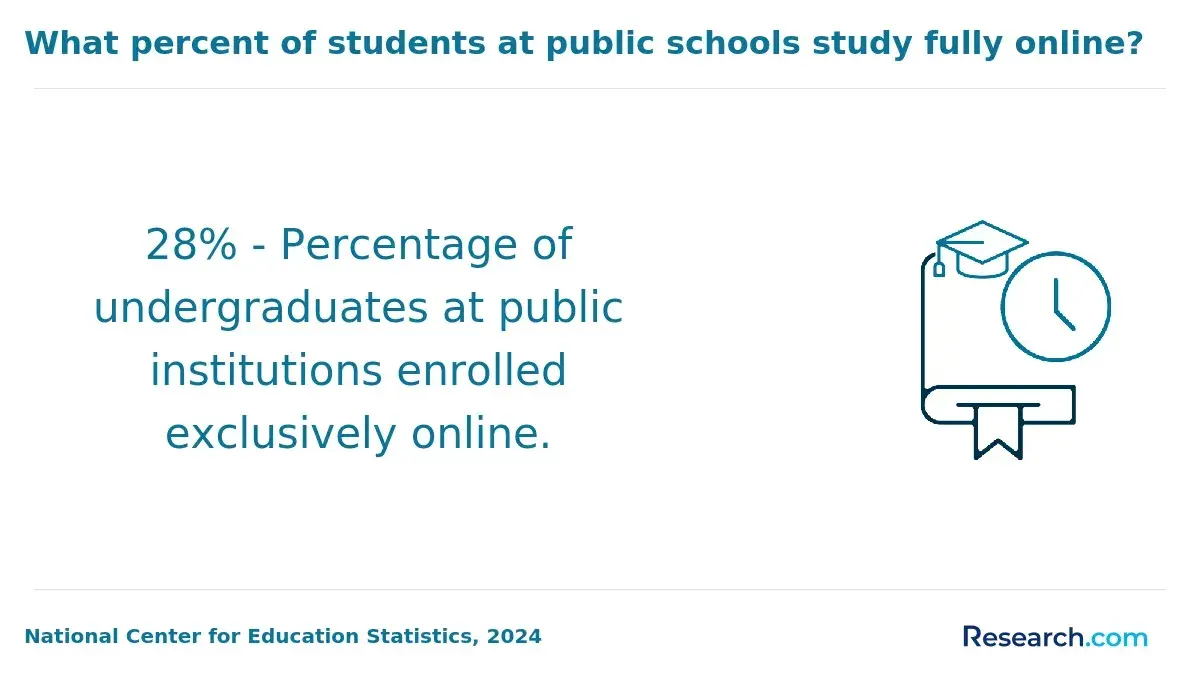
Online tesol & Multilingual Learners programs have notably reduced geographic barriers for students residing in states where traditional, in-person academic options are sparse or nonexistent. By offering curricula accessible beyond the physical campus, these programs allow learners to gain specialized credentials without relocating or facing prohibitive commuting demands. This expansion in access helps address state-level disparities in educational availability, enabling candidates from underserved areas to join a growing cohort of qualified professionals equipped for linguistically diverse classrooms. According to recent figures from a 2024 report by the U.S. Department of Education's National Center for Education Statistics, enrollment in online education has increased by more than 15% since 2022, underlining the growing reliance on remote modalities as a structural response to limited local options.
The mechanisms driving this accessibility hinge largely on flexibility in scheduling and asynchronous learning models, which bypass time-zone and campus attendance constraints common in rural or resource-limited states. Cross-state enrollment pathways have expanded as institutions scale their online offerings, diminishing reliance on local universities that may lack capacity or specialized programs in tesol & Multilingual Learners fields. This institutional reach facilitates wider distribution of faculty expertise and program resources, fostering academic inclusion for student populations previously constrained by geographic isolation. The trend towards virtual instruction produces a more competitive landscape among universities vying to attract students nationwide, encouraging program enhancement and innovation focused on remote learners' needs.
These shifts have broader implications for regional workforce development and educational equity. As online programs enable candidates to prepare for multilingual teaching roles without uprooting their lives, states with historically thin pipelines of tesol & Multilingual Learners graduates can gradually strengthen their local capacity to serve diverse linguistic communities. This connectivity also influences student mobility patterns, as the decision to study across state lines becomes less dependent on physical relocation and more strategic, based on program quality and logistical fit. Consequently, educational institutions must navigate a more fluid enrollment environment, balancing localized service commitments with the demands of a widely dispersed student body.
A graduate recounted the challenges faced during a rolling admissions cycle, highlighting the practical timing considerations involved. They recalled hesitating to submit application materials immediately, uncertain if gathering additional recommendations would improve their chances-but the delay risked missing early decision windows preferred by some programs. Ultimately, weighing feedback from advisors and monitoring department updates helped the candidate finalize a submission that balanced readiness with urgency. This experience underscores how online program applicants in states with fewer choices often navigate complex, time-sensitive decisions while accessing distant institutions, reflecting a layered admissions reality shaped by remote learning's expanding reach.
How Much Does TESOL & Multilingual Learners Program Tuition Vary by State?
Tuition costs for TESOL & Multilingual Learners programs by state vary considerably due to differences in public funding models, institutional types, and residency-based pricing systems. Public universities generally adjust tuition based on whether a student is an in-state or out-of-state resident, reflecting state budget priorities and subsidies aimed at resident students. Private institutions, by contrast, apply more uniform tuition rates regardless of location, relying on private funding sources rather than state support. This fundamental distinction shapes the overall pricing landscape and explains why regional tuition differences in TESOL & Multilingual Learners degree programs cannot be viewed merely as arbitrary or market-driven but rather are deeply embedded in how higher education is financed across states.
Current tuition rates illustrate these dynamics: public universities often charge in-state residents between $5,000 and $12,000 annually for TESOL & Multilingual Learners degrees, especially in states with robust educational funding like California, Florida, and Texas. Out-of-state students typically pay twice as much, with some states such as New York and Massachusetts exceeding $20,000 per year for graduate-level programs. Private institutions maintain costs generally ranging from $15,000 to $30,000 annually, reflecting their reliance on tuition for revenue instead of state allocations. These tuition figures highlight significant affordability disparities that influence student choices and geographic mobility. For students weighing program cost against outcomes, these variations impact access and decision-making about where to study, especially in balancing in-state price advantages against the reputational weight of institutions in higher-cost states. Understanding these patterns is crucial beyond surface-level comparisons, as they reflect systemic education finance and regional market structures rather than simple program pricing.
The resulting tuition variability also affects program availability and competitiveness across different states. Areas with high multilingual demand and supportive policy environments often exhibit expanded program options and competitive pricing to attract diverse student populations. Meanwhile, states with fewer TESOL & Multilingual Learners degree offerings lack pricing competition, potentially limiting affordable access. Regional disparities further influence how prospective educators engage with the market, shaping workforce distribution and long-term career trajectories. Those exploring pathways similar to other fields must also consider related online radiology tech programs or other specialized offerings to gauge the landscape of cost versus educational value in their field of interest.
How Does TESOL & Multilingual Learners Program Demand Affect Admissions Decisions?
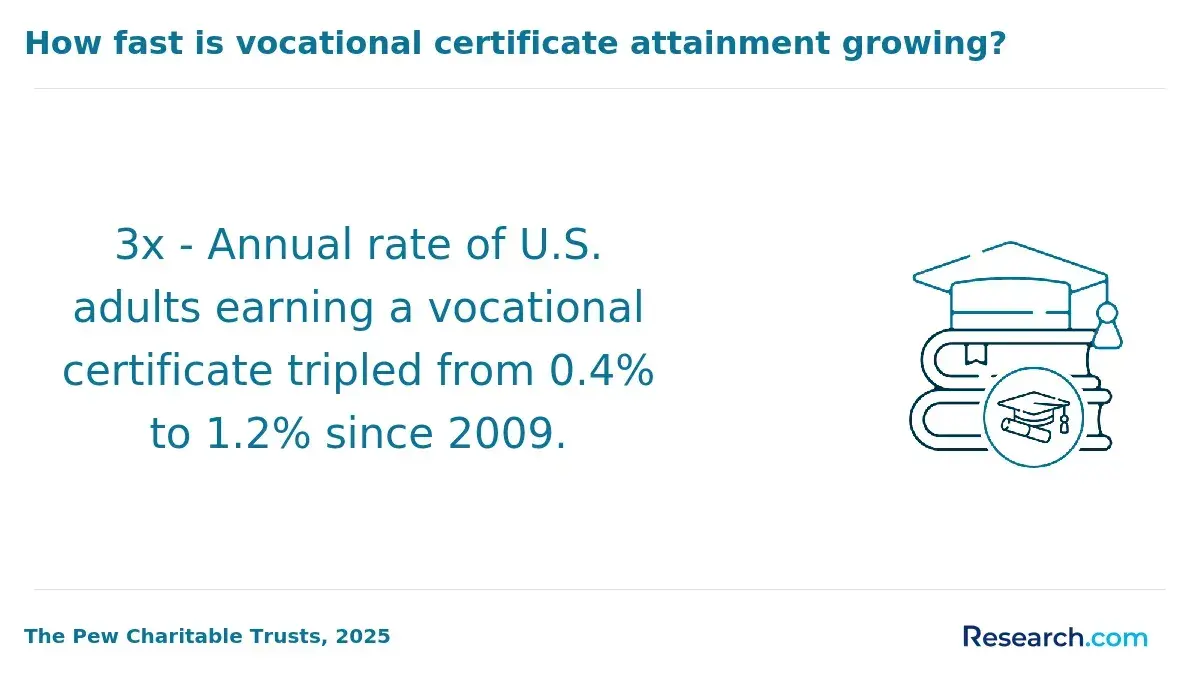
Rising interest in TESOL & Multilingual Learners programs has intensified admissions selectivity, particularly in regions with growing immigrant populations. As applications surge, institutions often tighten enrollment criteria to manage demand, emphasizing candidates' practical experience and alignment with workforce needs. This shift not only lowers acceptance rates but also prompts programs to refine their evaluative measures, prioritizing intercultural competency and bilingual skills to match the realities of diverse classrooms.
This heightened selectivity is tied closely to structural limits such as class size caps, faculty availability, and accreditation standards that restrict how many students programs can admit each cycle. Schools balancing these constraints face a tradeoff between accessible enrollment and maintaining rigorous, specialized training that meets evolving K-12 multilingual education standards. Labor market signals further influence admissions priorities, as institutions adapt to employer expectations by favoring candidates with proven impacts on multilingual learner outcomes and readiness to navigate complex classroom dynamics.
Consequently, applicants must finely calibrate their preparation and timing, understanding that growing demand often leads to phased admissions or waitlists, especially in high-population states where institutional resources are stretched. Meanwhile, less pressured programs may offer more straightforward admission pathways but at the cost of fewer advanced specialization opportunities, challenging prospective students to weigh accessibility against program depth and long-term professional positioning.
One graduate recalled navigating a rolling admissions process marked by delays and uncertainty due to unexpected application volume spikes. While initially hesitant to submit incomplete documents, they realized timely responsiveness was critical amid fast-changing program capacity. This experience underscored how navigating admissions for TESOL & Multilingual Learners degrees demands strategic timing and a clear grasp of how increasing demand reshapes selection dynamics in real time.
How Do TESOL & Multilingual Learners Specialization Options Vary by Region?
TESOL & Multilingual Learners specialization tracks reflect the economic priorities and workforce structures of their regions, shaping program focus and depth. In states with high immigrant populations and diverse urban centers, such as California and New York, degree offerings emphasize multifaceted bilingual education, dual-language program development, and culturally responsive pedagogy aligned with complex metropolitan school needs. These regions leverage extensive federal funding and institutional partnerships to support specializations integrating applied linguistics and educational technology, responding to employer demand for professionals skilled in both language acquisition and socio-emotional student support. Conversely, in regions where rural and suburban education dominates, like parts of the Midwest and South, programs concentrate more narrowly on limited English proficiency strategies within less linguistically varied populations, aligning tightly with state licensure requirements that reflect local labor market certification standards.
The variation in specialization options also arises from local institutional research priorities and industry collaborations. Universities in high-immigration states often maintain strong ties with urban school districts, fostering specialization options that advance multilingual curriculum innovation and preparation for linguistically diverse classrooms. This contrasts with programs in regions where educational systems negotiate fewer immigrant learners, fueling a focus on rural education challenges and practical certification pathways. Data from the National Center for Education Statistics in 2024 indicates that states with robust immigrant communities offer roughly 25-30% more TESOL & Multilingual Learners specializations than states with homogeneous populations, highlighting how workforce demand drives academic provision. Additionally, the distribution of federal Title III funds to support English learner education further influences program richness and internship opportunities, reinforcing the connection between external funding, local labor market needs, and curriculum design.
These regional specialization disparities carry implications for prospective students' mobility and employment prospects. Graduates from programs tailored to urban multilingual settings may find their skills less transferable to rural districts emphasizing certification compliance and specific instructional models, while those trained in less populous regions may face limitations when seeking roles requiring broader bilingual or culturally responsive expertise. Understanding how specialization options correspond to regional labor markets and education ecosystems is critical for aligning academic choices with long-term career trajectories, ensuring candidates select programs that reflect their geographic and professional objectives.
How Does Regional Employer Demand Affect Career Outcomes?
Regional employer demand directly shapes job availability and early career opportunities for graduates of TESOL & Multilingual Learners degree programs by concentrating roles in areas with significant immigrant populations and active language education initiatives. States like California, Texas, and New York exemplify this dynamic, where localized demand leads to a higher volume of relevant openings and often faster transitions from education to employment. This regional employer demand for TESOL & multilingual learners careers drives differential access to K-12 schools, higher education institutions, government agencies, and nonprofits that require language specialists. Areas with limited language education infrastructure, on the other hand, frequently present constrained entry points, requiring graduates to adapt geographically or occupationally.
The relationship between local job markets and TESOL & multilingual learners employment outcomes hinges on factors such as employer concentration, university-industry partnerships, and regional wage competition. High-demand regions often foster specialized hiring ecosystems with established professional networks that facilitate placement and retention. These clusters enhance salary potential by aligning cost of living considerations and institutional budgets with competitive wage offers. Collaborations between employers and academic programs in these areas also contribute to internship opportunities and on-the-ground experience, further bridging supply and demand. Conversely, less active markets may lack these reinforcing cycles, resulting in fewer advancement prospects and less stable employment pathways.
Broader implications include how geographic mobility decisions and the expanding remote work landscape intersect with these regional patterns. Graduates must weigh immediate location-based opportunities against strategic long-term trajectories shaped by demand variability across states. For prospective students, analyzing these labor market structures alongside academic program availability helps clarify where educational investment aligns with sustainable careers. Those researching allied fields might also find parallels, such as with BSN to MSN online programs, where regional demand similarly influences career outcomes.
What Factors Matter Most When Comparing TESOL & Multilingual Learners Programs Across States?
Comparing TESOL & Multilingual Learners degree programs across states requires examining factors beyond mere program availability. State-level differences significantly influence access to education, regional tuition differences for tesol and multilingual learners degrees, specialization tracks, and post-graduation employment prospects. Understanding these nuances helps prospective students and researchers assess program value in alignment with workforce demands and realistic outcomes.
- Accreditation and program legitimacy: Programs accredited by recognized bodies, such as CAEP or regional accreditors, provide important assurances of academic quality and adherence to professional standards. According to 2024 U.S. Department of Education data, graduates from accredited TESOL & Multilingual Learners programs achieve a 15% higher employment rate within six months than those from non-accredited institutions.
- Curricular breadth and specialization options: States differ in the range and depth of specialization tracks offered, including bilingual education, literacy development, or cultural competency. Programs with broader curricular options better prepare candidates for diverse regional demands, ultimately enhancing employability and long-term career flexibility.
- Quality and diversity of practicum experiences: Field placements in states with significant English Language Learner (ELL) populations tend to provide richer practicum settings. This hands-on experience is highly valued by employers seeking adaptable educators ready for varied classroom environments.
- Cost of attendance and financial aid availability: Tuition varies considerably between states and institutions, notably between public and private schools. States with multiple public universities offering TESOL & Multilingual Learners degrees generally present more affordable options, directly influencing student debt load and return on investment.
- Regional workforce alignment: The local demand for multilingual educators affects hiring competitiveness and practical opportunities post-graduation. Programs attuned to state-level ELL demographics and educational policy trends often yield stronger labor market outcomes.
Prospective students must weigh these factors carefully when evaluating tesol and multilingual learners degree programs by state. Cost considerations can be further supported by exploring specialized pathways such as the cheapest online PhD in counseling, which shares similarities in balancing affordability with professional readiness.
Which Regions May See the Fastest Growth in TESOL & Multilingual Learners Education?
Growth in TESOL & Multilingual Learners education programs is concentrated where employer demand intersects with demographic shifts and targeted higher education investment. Regions experiencing rapid population diversification, combined with expanding workforce needs, typically see the strongest program development. Economic growth and education system capacity further reinforce opportunities for specialized degree offerings aligned with practical bilingual and multilingual teaching skills.
- Southwest: This region, including Texas and parts of California, leads due to its rapidly growing immigrant populations and robust public school demands. State university systems have expanded TESOL-related program capacity to meet employer needs for bilingual educators, and funding directed at bilingual education strengthens curriculum innovation and workforce readiness.
- Southeast: Florida and neighboring states show high enrollment increases driven by demographic change and policy shifts supporting multilingual learners. The region's education sector is investing to close gaps in service delivery for English learners, influencing the availability of new credentialing options and practical training pathways.
- West Coast: Beyond California's prominence, Oregon and Washington reflect moderate growth tied to technology-sector-driven immigration and educational equity initiatives. Universities here often offer specialized instruction aligned with local workforce contexts including immigrant support services.
- Midwest: Though historically stable, pockets of demographic diversification in urban centers have led to incremental expansions in multilingual education programs. Employer demand remains localized, so program growth is slower and more dependent on regional policy adjustments than broad economic drivers.
- Northeast: Growth in this region is more conservative, constrained by relatively stable populations and established higher education structures. While still important for research and advanced degrees, program availability expands primarily through strategic institutional investment rather than demographic urgency.
References
- MA TESOL Directory - Language Magazine https://languagemagazine.com/2024/03/22/ma-tesol-directory/
- 11 Best Countries To Teach English Abroad In 2026 https://www.theteflacademy.com/tefl-guide/best-countries-to-teach-english-abroad/
- Best States For Teaching | ITTT https://www.tesolcourse.com/tefl-tesol-info/best-states-for-teaching/
- Research: TESOL and Language Teacher Training in the Digital Age https://www.etamu.edu/projects/tesol-and-language-teacher-training/
- Online Multilingual Education Degrees | Teaching Degrees https://www.teachingdegrees.com/online/multilingual-education
- Benefits of Degrees in English as a Second Language | AllEducationSchools https://www.alleducationschools.com/teaching-degrees/english-as-a-second-language/
- Federal Laws and Regulations Governing the Education of Multilingual Learners https://www.colorincolorado.org/serving-multilingual-learners/federal-laws-and-regulations-governing-education-multilingual-learners
- English Language Learning Market Size, Share, Growth, and Industry Analysis, By Type (Digital, Through Books, In Person Courses), By Application (For Kids and Teens, For Adults, For Businesses, For Educational and Tests), Regional Insights and Forecast to 2035 https://www.marketgrowthreports.com/market-reports/english-language-learning-market-103052
- Teach English in the United States | TESOL Certification https://americantesol.com/teach-in-United-States.htm
- Learning Acceleration for Multilingual Learners - TNTP https://tntp.org/publication/unlocking-learning-acceleration-for-multilingual-learners/
Other Things You Should Know About TESOL & Multilingual Learners
In the 2027 TESOL & Multilingual Learners Degree Program Availability Report, students are advised to assess faculty expertise, curriculum focus, and available resources in varied programs. Matching these with career objectives and regional workforce demands helps identify the most suitable program.
While attending a school with numerous TESOL & Multilingual Learners programs can provide curricular variety and networking flexibility, the overall reputation and connections of the institution are crucial for employability. Schools with fewer but more selective programs often have stronger employer recognition and alumni networks, which can outweigh the benefits of extensive offerings. Prioritizing quality and targeted career support over quantity is generally advisable when deciding where to enroll.
States hosting a high concentration of TESOL & Multilingual Learners programs frequently feature a mix of full-time, part-time, and accelerated tracks, offering flexibility but also complexity in scheduling. This diversity enables students to balance work or family commitments but can also mean that some programs demand heavier practicum hours or concurrent course loads. Prospective students should carefully evaluate program requirements to avoid unmanageable workloads that could delay graduation or affect performance.
Matching program content with the linguistic and cultural needs of local learner populations is vital for graduates seeking immediate employment. Programs that integrate region-specific language diversity, assessment tools, and immersion experiences better prepare students for realities faced in local schools or community programs. Students should prioritize programs with demonstrated employer partnerships or field placements that reflect their intended job market to maximize relevance and hiring prospects.