2027 Leadership Tuition Inflation Report: How Fast Are Program Costs Rising?

Co-Founder and Chief Data Scientist
Leadership programs face unique cost pressures tied to specialized faculty expertise and the integration of experiential learning components such as executive coaching, simulations, and field-based projects. Unlike many disciplines, these programs require intensive investment in small cohort models and technological platforms that support real-time collaboration and assessment. In 2024, enrollment in Leadership degrees grew by 5.3%, increasing demand for expanded faculty and administrative support, which pushes operational expenses upward.
Such structural factors contribute to tuition inflation distinct from other fields. The age distribution skewing toward mid-career professionals suggests evolving workforce needs and highlights the importance of flexible, resource-intensive program delivery in shaping program costs.
Key Things to Know About Leadership Tuition Inflation
- Leadership tuition inflation outpaces general education costs by 5% annually, indicating rising specialization premiums that may constrain access for candidates balancing immediate career demands with education expenses.
- Employers increasingly scrutinize cost-to-outcome ratios amid soaring tuition, favoring candidates with credentials reflecting targeted, practical leadership skills over broad or generic program completions.
- Delayed enrollment due to escalating tuition often extends career interruption periods, increasing opportunity costs and impacting long-term return on investment for prospective leadership students.
- Key Things to Know About Leadership Tuition Inflation Key Things to Know About Leadership Tuition Inflation
- How Much Has Leadership Tuition Increased Over the Past Decade? How Much Has Leadership Tuition Increased Over the Past Decade?
- How Does Leadership Tuition Inflation Compare to Overall Inflation? How Does Leadership Tuition Inflation Compare to Overall Inflation?
- Which Types of Schools Have Experienced the Fastest Leadership Tuition Growth? Tuition Growth by School Type
- What Factors Are Driving Rising Costs in Leadership Degree Programs? Tuition Cost Drivers
- How Does Leadership Tuition Growth Vary by State and Region? Tuition Growth by State
- Are Online Leadership Programs Becoming More Affordable Than Campus-Based Programs? Online Program Affordability
- How Have Financial Aid and Scholarships Changed as Leadership Tuition Has Increased? Impact on Financial Aid and Scholarships
- How Does Rising Leadership Tuition Affect Student Debt After Graduation? Impact on Student Debt
- Do Higher-Cost Leadership Programs Deliver Better Career Outcomes or Earnings? Impact on Career Outcomes
- What Do Current Tuition Trends Suggest About the Future Cost of a Leadership Degree? What Do Current Tuition Trends Suggest About the Future Cost of a Leadership Degree?
How Much Has Leadership Tuition Increased Over the Past Decade?
Tuition for leadership degree programs in the United States has surged significantly over the past decade, increasing by roughly 35% to 45% after adjusting for inflation, based on recent information from the National Center for Education Statistics and the U.S. Department of Education College Scorecard. This growth outpaces general inflation and mirrors broader trends seen within professional education fields. It is important to note that this rise is not uniform; private institutions have experienced sharper tuition hikes compared to public universities, where increases typically range from 25% to 30%. Variations also exist between delivery formats, with online and hybrid leadership programs seeing price inflation as demand grows and digital infrastructure investments intensify.
Several factors contribute to this upward pressure on tuition costs. Enhanced curricular offerings that integrate experiential learning and practical skills development require greater faculty investment and updated technology platforms. Furthermore, administrative expenses have escalated as institutions expand student support services and industry partnerships to meet employer expectations for applicable leadership competencies. Changes in public funding allocations also play a role, prompting some programs to rely more heavily on tuition revenue. These combined elements drive tuition beyond simple operational cost inflation, reflecting evolving institutional priorities and the competitive landscape within leadership education.
This tuition escalation carries meaningful implications for affordability and student decision-making. Prospective learners must weigh the financial burden against anticipated employment outcomes, recognizing that elevated costs often translate into increased debt loads and selective program enrollment strategies. Many employers demand demonstrable skills and credentials from recognized leadership programs, which adds pressure to invest despite rising prices. Those exploring accelerated options should consider alternatives such as an associate degree in 6 months online free to balance cost, duration, and credential relevance within their overall educational pathway.
How Does Leadership Tuition Inflation Compare to Overall Inflation?
The tuition inflation rate for leadership degree programs has consistently outpaced overall consumer inflation, with data from the National Center for Education Statistics and the College Board showing an average annual increase of about 4.5%, compared to the U.S. Consumer Price Index's approximate 3% growth over the same period. This divergence highlights how leadership tuition inflation rate compared to national inflation trends reflects sector-specific cost dynamics rather than broad economic factors, driven in part by higher operational expenditures and program specialization. Meanwhile, overall inflation is influenced by diverse factors such as housing, energy, and food costs that don't directly affect university pricing structures, underscoring the unique upward pressure on leadership tuition. These distinctions are crucial for understanding how education expenses evolve relative to general consumer costs.
Several structural factors explain why higher education tuition increases exceed general inflation. Reduced state funding for public institutions forces colleges to rely more heavily on tuition revenue, driving up costs for leadership-oriented programs. At the same time, rising administrative expenses, expanded student services, and investments in digital platforms and infrastructure contribute to overall cost growth. These institutional pressures intersect with growing employer demand for leadership competencies in sectors like healthcare and technology, effectively enabling programs to charge premium prices. The resulting dynamic creates a feedback loop where financial constraints and market demand jointly elevate tuition independent of broader economic inflation trends.
The sustained gap between leadership tuition inflation and overall consumer price inflation intensifies affordability challenges for students, often requiring increased borrowing and financial aid reliance. This inflationary environment encourages prospective students to scrutinize program costs against expected long-term value, influencing choices related to program format and institution type. For example, some may seek alternatives such as the best online cyber security degrees as more cost-effective options, highlighting the growing premium placed on cost-benefit analysis amid rising tuition. Understanding these inflation dynamics is critical for making informed decisions about educational investments and managing financial exposure in a shifting higher education market.
Which Types of Schools Have Experienced the Fastest Leadership Tuition Growth?
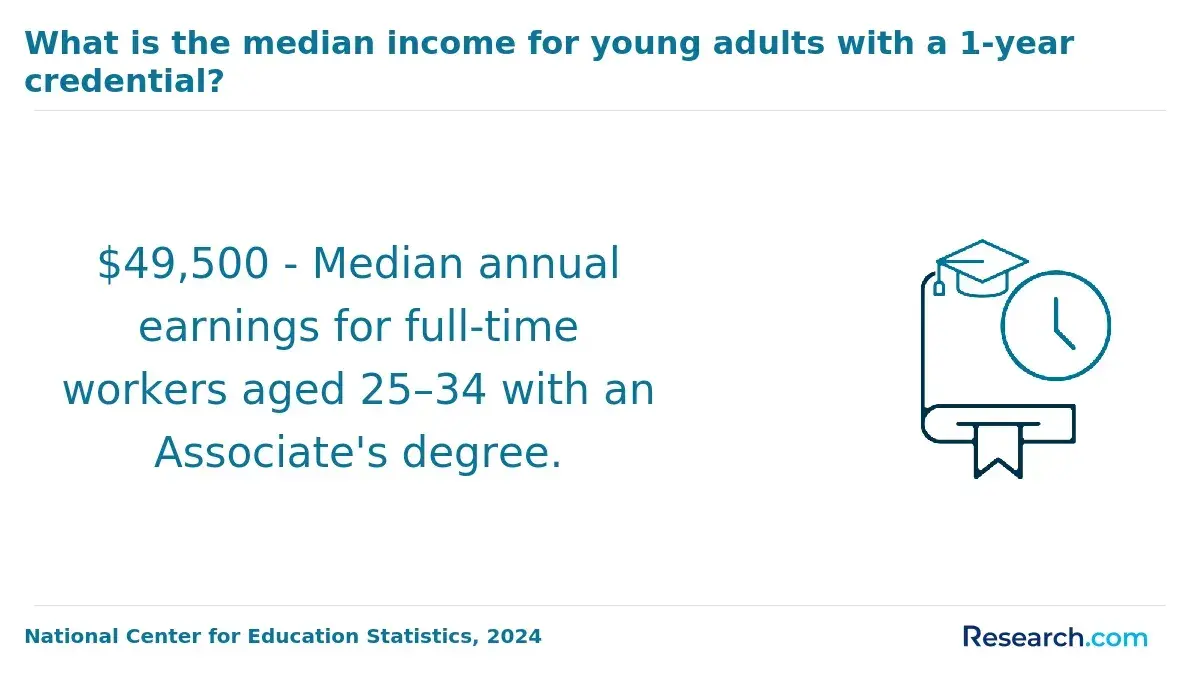
Tuition growth for leadership degree programs varies considerably by institutional type, reflecting differences in funding mechanisms, enrollment trends, and program delivery formats. Such variation affects both short-term affordability and long-term return on investment, making it critical to understand the underlying financial and structural dynamics. Recent data from the National Center for Education Statistics (2024) show private nonprofit schools registering the highest annual tuition increases, which underscores distinct pricing pressures tied to resources and market positioning.
- Private Nonprofit Universities: These institutions often command higher tuition growth due to reliance on tuition revenue to fund extensive faculty research, specialized leadership curricula, and networking infrastructure. Their reputation-driven pricing leverages perceived value among professionals aiming for senior roles, pushing average annual increases above 5.5%.
- Public Universities: Subsidized to some degree by state funding, public universities display more moderate tuition growth, typically around 3%. The constrained budgets combined with mandated affordability goals limit price hikes, though these institutions may also invest less in costly leadership program enhancements.
- For-Profit Institutions: Market competition and the prevalence of low-cost online alternatives temper tuition increases at for-profit schools. While growth is comparatively slower, skepticism from employers about program credibility influences their pricing power and recruitment strategies.
- Research-Intensive Universities: These schools often embed leadership degrees within broader, resource-heavy graduate studies, causing tuition to reflect costs of advanced facilities and faculty expertise. Their premium pricing growth is driven by high demand from executive-level students willing to pay for extensive specialization and institutional prestige.
- Regional Colleges: Typically serving local or nontraditional populations with fewer specialized programs, regional colleges experience minimal tuition inflation. Their focus on accessibility and lower operating costs leads to slower price growth, though this may come at the expense of network opportunities valued by leadership candidates.
What Factors Are Driving Rising Costs in Leadership Degree Programs?
Rising expenses in leadership degree programs stem from a convergence of institutional and economic forces rather than any isolated cause. Tuition increases reflect deeper shifts in how universities allocate resources amid evolving expectations for program quality and delivery. These costs are shaped by structural adjustments within higher education finance, including changes in funding sources, administrative expansion, and the drive to maintain competitive, credentialed faculty. For example, recent data from the National Center for Education Statistics highlights a sustained tuition growth averaging over 5% annually in leadership-related master's programs, surpassing general inflation and signaling a persistent upward pressure on program affordability.
The reduction of public funding for many state universities has elevated dependency on tuition revenue as a primary income stream, forcing leadership programs to adjust prices accordingly. Faculty compensation is another significant driver, as attracting and retaining experienced educators with advanced expertise demands higher salaries and augmented benefits. Administrative costs have ballooned as programs invest more in compliance, accreditation upkeep, and student service expansions like career counseling. Concurrently, the technological evolution in learning environments-spurred by growing demand for online and hybrid formats-has necessitated substantial outlays for digital infrastructure and continual content updates, sometimes increasing program budgets by close to 10% annually. These intersecting factors reflect a broader institutional response to market and regulatory pressures shaping leadership education's financial landscape.
One leadership graduate recalled the challenge of navigating a rolling admissions cycle where program costs were rising mid-application. They delayed submitting materials, weighing whether to accept earlier offers at lower rates or risk higher tuition later after updated budget announcements. This uncertainty forced the candidate to prioritize options hastily, balancing financial constraints against waiting for possible scholarship decisions. Their experience illustrates the practical tensions students encounter as institutional cost dynamics unfold over time, influencing not only post-enrollment affordability but strategic admission timing and preparation decisions.
How Does Leadership Tuition Growth Vary by State and Region?
Tuition growth for leadership programs varies considerably across U.S. states and regions, influenced by complex interactions between state funding mechanisms, institutional types, and local economic contexts. States with robust public university systems and consistent state appropriations generally maintain more moderate tuition increases, while those with a higher concentration of private or research-intensive institutions often see steeper growth. Such disparities reflect not just geographic distinctions but also institutional pricing strategies shaped by competitive markets and differing state commitment to higher education funding. This variation in leadership tuition growth by state trends underscores broader systemic factors rather than simple regional cost differences.
Key drivers behind regional leadership program costs include fluctuating state appropriations, which affect the balance between public subsidy and tuition revenue. In states where public funding has eroded, universities compensate by raising tuition, especially for graduate leadership degrees where demand remains strong. Urban centers with high living costs and clusters of private institutions, such as those found in the Northeast and West, experience tuition growth rates approaching 5% annually. This contrasts with states in the Midwest and South where larger public systems and lower cost-of-living pressures contribute to more restrained increases, often below 3%. Additionally, workforce demand and institutional branding strategies influence pricing, as employers in dynamic labor markets expect candidates to hold relevant credentials, sometimes justifying sharper tuition hikes.
These regional tuition differences have meaningful implications for student mobility, affordability, and program return on investment. Prospective leadership students in high-cost states confront higher financial tradeoffs and must weigh networking advantages against longer periods to recoup educational investments. Such dynamics intensify disparities in access and may push learners toward alternative options such as accelerated degrees that offer practical value and reduced duration. For instance, those considering an accelerated master's in psychology online should apply similar scrutiny to leadership program costs and outcomes, balancing expenses against career prospects in their regional labor market.
Are Online Leadership Programs Becoming More Affordable Than Campus-Based Programs?
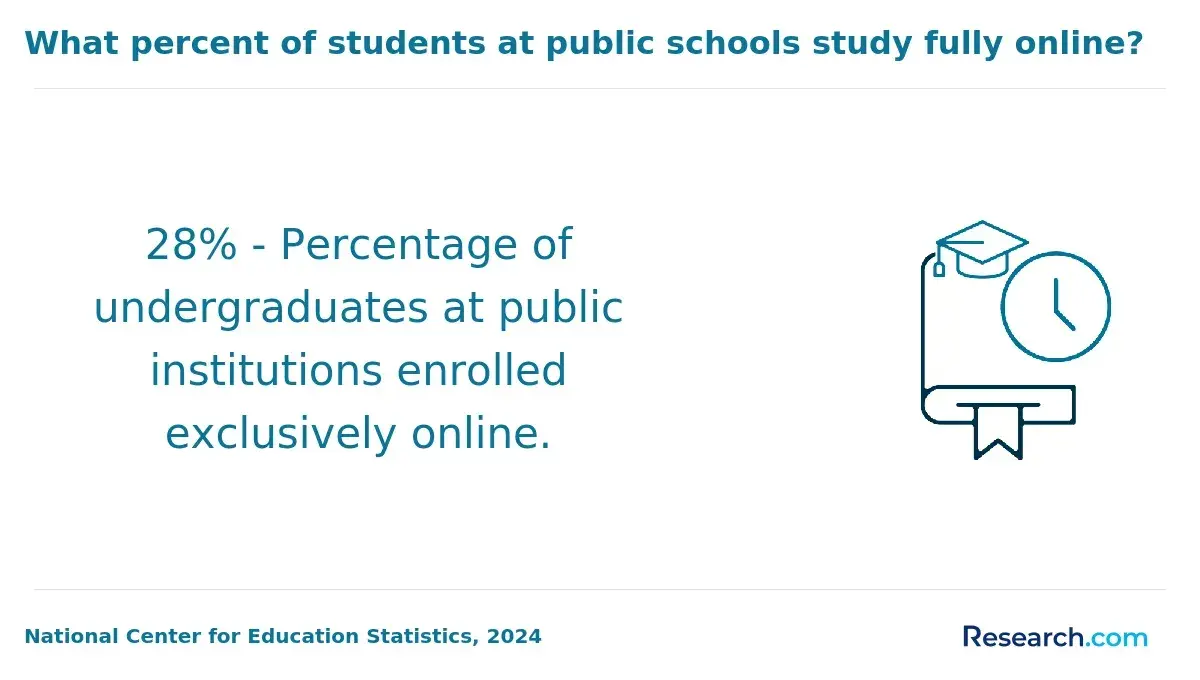
Recent data from the National Center for Education Statistics highlights a complex trend in the affordability of Leadership degree programs: while tuition for online formats increased by roughly 3.2% over the past year, campus-based program costs grew faster, by about 5.1%. This disparity reflects different pricing approaches rather than a straightforward cost advantage. Institutions tend to price campus-based programs factoring in physical infrastructure, staffing, and traditional service models, whereas online tuition often incorporates technology platform fees, digital content design, and scalable delivery capabilities. Consequently, the relative affordability of online Leadership degrees is nuanced, shaped by the balance between these structural cost components and evolving institutional strategies on pricing.
Key drivers behind these affordability differences include significantly lower expenditures on campus facilities and on-site student services for online programs, which can reduce costs but necessitate substantial investment in digital learning environments and specialized instructional design. Faculty roles in online programs often demand modified delivery methods or additional training to maintain engagement virtually, contributing to varied wage and operational expenses compared to campus settings. Additionally, student support systems must adapt to remote access constraints, introducing new service models and technology overhead that can offset some infrastructure savings. These competing factors create a dynamic pricing landscape where online Leadership programs may appear more affordable overall yet still command premium tuition in certain cases where brand value or convenience justify it.
For many prospective students, true affordability extends beyond tuition to consider time-to-completion, opportunity cost, and career impact, all of which are influenced by the delivery format's flexibility and employer reception. While digital delivery can reduce ancillary costs such as commuting and housing, employer perceptions often weigh in on the value of on-campus interaction, adding another layer to the cost-benefit calculus when choosing between program types.
An online Leadership graduate recalls the uncertainty during their admissions process, where rolling admissions meant waiting weeks for final acceptance decisions. The candidate hesitated to commit financially without clarity on enrollment timing, noting how delayed responses complicated securing employer tuition assistance. Navigating the process involved balancing urgency with cautious preparation, as the applicant monitored program communications carefully to avoid missing deadlines while managing limited information about potential start dates or class capacity. This experience underscored how the affordability equation includes not just program costs but also strategic timing and administrative responsiveness in online education pathways.
How Have Financial Aid and Scholarships Changed as Leadership Tuition Has Increased?
As leadership tuition has continued to climb, financial aid and scholarship frameworks have shifted but not always proportionally. Institutions have incrementally expanded aid budgets, including endowment-funded scholarships, yet this growth often trails behind tuition inflation, effectively increasing net costs for many students. There is a notable pivot toward more targeted awards emphasizing diversity, leadership potential, or other narrow eligibility criteria rather than broad need-based support, concentrating funds on select groups rather than mitigating overall price pressures. Consequently, while the nominal volume of assistance rises, the variety and stringency of requirements contribute to persistent affordability gaps within leadership programs.
Several forces drive these dynamics. Increased competition among institutions for high-caliber candidates has spurred wider deployment of merit-based scholarships to attract talent, even as federal and state aid programs face budget constraints or policy shifts that limit their capacity to offset tuition spikes fully. Schools frequently employ tuition discounting strategies as recruitment tools, but the complexity of combined aid packages-mixing grants, loans, and work-study-can obscure true affordability for prospective students. Public funding remains critical but uneven, especially for private institutions where leadership tuition escalates more steeply, complicating access for lower-income applicants despite the proliferation of aid options.
These aid patterns affect student financial outcomes and program choice behavior. The increasing reliance on merit-based awards and employer tuition reimbursement privileges those with prior employment or leadership credentials, potentially reinforcing inequities. Meanwhile, net prices after aid often remain elevated, pushing many toward higher debt burdens or constraining enrollment decisions. Students must therefore assess not only sticker tuition but the reliability, eligibility criteria, and coverage scope of available aid to make informed investments in leadership education amidst a changing financial aid landscape.
How Does Rising Leadership Tuition Affect Student Debt After Graduation?
Rising leadership program tuition directly correlates with increased borrowing, as many students must rely more heavily on loans to finance their education. Unlike traditional degree paths, leadership students-often mid-career professionals-face unique financial dynamics where savings are limited and loan dependence grows. This trend is particularly evident in the growing disparity between program costs and available financial aid, forcing students to cover larger gaps through borrowing. The 2024 data from government and educational research bodies underline that higher tuition does not simply increase debt volume but also shapes the timing and structure of loans taken.
Several factors intensify this effect. Public versus private institution pricing differences broaden the range of debt burdens students carry, with private leadership programs generally commanding higher fees that translate to more substantial loan amounts. Interest accumulation during part-time or executive program enrollments, where income often continues but loans still accrue interest, further elevates total debt. Post-graduation income variability across leadership specializations also influences repayment feasibility; graduates in fields with moderate salary improvements encounter greater difficulties in managing their loans. These nuances emphasize how the cost of leadership degrees and student loan burdens in the US are not uniform but deeply tied to institutional type, program format, and labor market demand.
Financial pressures post-graduation extend beyond immediate repayment amounts, impacting long-term affordability and career decisions. Many borrowers experience prolonged repayment periods that delay key financial goals due to the cumulative cost and interest accrued over time. While loan forgiveness and income-driven repayment programs offer partial relief, they remain complex in accessibility and effectiveness. This growing debt load influences how prospective leadership students evaluate program value against expected outcomes, shaping enrollment choices in increasingly expensive educational pathways. For those assessing alternatives, a relevant comparison can be found in other fields, such as the online graphic design degree, which may offer different cost-benefit profiles.
Do Higher-Cost Leadership Programs Deliver Better Career Outcomes or Earnings?
Higher tuition costs for leadership programs do not straightforwardly guarantee better career outcomes or earnings. While some programs with premium pricing benefit from institutional prestige and exclusive employer networks, data from the U.S. Department of Education's College Scorecard and the National Center for Education Statistics demonstrate that elevated costs are not consistently mirrored by proportionally higher starting salaries or long-term income growth. A 2024 analysis by the Georgetown University Center on Education and the Workforce found that graduates from the most expensive leadership programs earned starting salaries only about 15% higher than those from mid-tier institutions, despite sometimes paying double the tuition. This highlights that tuition cost alone is an insufficient predictor of financial returns, which vary according to broader market dynamics and individual career trajectories related to higher-cost leadership programs career outcomes.
The factors driving career and earnings differentials extend beyond price tags to include program resources such as access to internships, experiential learning opportunities, and employer partnerships that lead to job placement pipelines. Institutional prestige may facilitate stronger alumni connections and greater access to specialized leadership competencies that align with industry needs, but regional economic conditions and employer valuation of practical skills often weigh more heavily over time. Leadership programs with a focus on applicable competencies and strategic impact tend to produce graduates who achieve more sustainable career growth, regardless of institutional cost. Geographic location and specialization availability remain critical considerations, influencing market demand and salary potential in targeted sectors, reinforcing the complex nature of return on investment for leadership degrees in the US.
Prospective leadership students must therefore evaluate the alignment between program costs and their specific career objectives, weighing tuition expenses against tangible factors like networking strength, skills development, and experiential learning offerings. This practical approach is essential for assessing education ROI beyond sticker price, encouraging candidates to consider affordable alternatives that provide direct pathways to leadership roles. For some looking to accelerate their qualifications efficiently, exploring options such as the fastest online MBA programs may offer a viable strategy to balance cost with timely employability in competitive environments.
What Do Current Tuition Trends Suggest About the Future Cost of a Leadership Degree?
Tuition for leadership degree programs has consistently outpaced general inflation, with data from the National Center for Education Statistics indicating an average annual increase of about 3.5% for graduate professional programs in 2024. This pattern suggests that leadership degree costs are likely to continue rising steadily rather than stabilizing. Historical tuition growth reveals that institutional pricing decisions often reflect not just inflation but also shifting market demand and evolving program offerings, making future costs contingent on multiple interrelated factors beyond simple economic indices.
Key drivers influencing tuition trajectories include constrained public funding, which pushes institutions to offset expenses by raising fees, and increased demand for specialized leadership competencies that require investment in curriculum development and faculty expertise. Expansion of online and hybrid models, while offering flexibility, often involves upfront technology costs and ongoing platform maintenance, which can inflate per-credit prices. Institutions also channel funds into enhanced student services and infrastructure to remain competitive, further pressuring tuition upward in a landscape shaped by both operational needs and market positioning.
These dynamics imply that affordability will continue to challenge prospective leadership students, especially adult learners balancing education with employment. Tuition forecasts should be interpreted not as fixed predictions but as reflections of complex cost structures and institutional strategies. For many, this means carefully evaluating program delivery formats, employer education sponsorship availability, and debt implications against expected career benefits when making enrollment decisions.
References
- College costs have soared multiple times the rate of inflation over 50 years https://www.foxbusiness.com/economy/college-costs-soared-multiple-times-rate-inflation-50-years
- A Better Hundred Billion: Improving State and Institutional College Financial Aid https://tcf.org/content/report/a-better-hundred-billion-improving-state-and-institutional-college-financial-aid/
- Why Leadership Skills Training Is Key to Career Advancement https://www.imd.org/blog/leadership/leadership-skills-program/
- Top 10 Reasons To Take A Leadership Course https://www.gbscorporate.com/blog/top-10-reasons-to-take-a-leadership-course
- College Tuition Inflation: The Rising Price Of Education | Bankrate https://www.bankrate.com/loans/student-loans/college-tuition-inflation/
- Is college becoming less affordable? An update | Brookings https://www.brookings.edu/articles/is-college-becoming-less-affordable-an-update/
- The Leadership Growth Paradox: Why Talented Leaders Leave - And What Companies Can Do About It https://spenglerfox.com/blog/the-leadership-growth-paradox-why-talented-leaders-leave-and-what-companies-can-do-about-it/
- Leadership Development Program Market Size & Trends 2026-2036 https://www.futuremarketinsights.com/reports/leadership-development-program-market
- The cost vs. value paradox: what Americans really think about college https://www.luminafoundation.org/news-and-views/the-cost-vs-value-paradox-what-americans-really-think-about-college/
- The Long-Term Effects of Student Loans | ACE Blog https://ace.edu/blog/the-long-term-effects-of-student-loans/
Other Things You Should Know About Leadership
Rising tuition in leadership programs often correlates with a more demanding curriculum and higher expectations for experiential learning, such as real-world projects and networking opportunities. Students should assess whether the increased cost matches a proportional boost in practical skill development and employer-valued credentials. If heightened tuition primarily funds administrative expansion rather than enhancing core learning experiences, the return on investment may diminish. Prioritize programs where cost growth supports rigorous, applied learning that aligns closely with your career goals.
Tuition inflation disproportionately impacts part-time learners who extend enrollment over longer periods, increasing their total educational expenses. For many working professionals balancing jobs and studies, rising per-credit costs can pressure them to accelerate completion or risk escalating debt. Carefully consider whether a full-time program, though costlier upfront, might reduce overall financial burden by shortening your time to degree. Evaluating instructional format and workload intensity alongside cost increases is essential for sustainable investment planning.
As tuition rises, employers are often more selective in funding leadership programs, favoring those with direct relevance to business outcomes and measurable skill acquisition. Students should focus on clearly articulating the practical benefits of their chosen program to sponsors, emphasizing how curriculum content aligns with organizational priorities. When tuition inflation challenges sponsorship feasibility, securing partial employer support combined with targeted financial planning may be more realistic than expecting full coverage.
Programs with intensive cohort models or immersive residencies typically justify higher costs through stronger peer collaboration and leadership simulations. However, these structures may also demand greater time and financial resources beyond tuition, such as travel and lost income. Students must balance the value of these experiences against their personal constraints and career timelines. For those prioritizing flexibility, programs with modular coursework but slower tuition growth might offer better affordability, even if they sacrifice some immediacy in networking and skill application.