2027 Leadership Salary Trends Report: Are Wages Keeping Up With Tuition and Inflation?

Co-Founder and Chief Data Scientist
Consider a prospective leadership student weighing whether the rising cost of tuition aligns with the financial benefits of earning the degree. With higher education expenses climbing and inflation reducing purchasing power, understanding the true return on investment matters more than ever.
The challenge lies in comparing graduate salaries not only to current tuition fees but also to how inflation impacts real income over time. Salary growth, education costs, and inflation often move at different speeds, complicating straightforward assessments of degree value. Focusing solely on nominal salary figures can be misleading without accounting for these economic factors.
This article examines salary trends, tuition costs, inflation, return on investment, affordability, and the factors shaping the long-term financial value of a leadership degree.
Key Things to Know About Leadership Salary Trends
- Graduate salaries in leadership roles increased by only 3% from 2022 to 2024, lagging behind average tuition inflation of 6%, indicating a diminishing return on investment for students financing their degrees.
- Long-term earning potential strongly correlates with networking opportunities and sector specialization within leadership programs, making program selection crucial for access to high-paying executive tracks.
- Inflation-adjusted wage growth for leadership graduates averages below 2% annually, implying that debt burden may offset salary gains unless graduates swiftly attain mid-career managerial roles.
- Key Things to Know About Leadership Salary Trends Key Things to Know
- What Is the Current Salary Outlook for Leadership Graduates? Salary Outlook
- Are Leadership Salaries Keeping Up With Inflation? Inflation Impact
- How Do Tuition Costs Compare With Leadership Salary Growth? Tuition vs Salary
- Does a Leadership Degree Deliver a Positive Return on Investment? Degree ROI
- Which Industries Offer the Highest Salaries for Leadership Graduates? Highest-Paying Industries
- Which States and Cities Offer the Highest Pay for Leadership Professionals? Highest-Paying Locations
- How Do Leadership Salaries Grow Throughout a Career? Career Growth
- How Do Leadership Salaries Compare With Similar Degrees? Salary Comparison
- How Is Employer Demand Affecting Leadership Salary Trends? Employer Demand
- How Can Students Maximize Their Lifetime Earnings With a Leadership Degree? Maximizing Earnings
What Is the Current Salary Outlook for Leadership Graduates?
Median wages for leadership-related roles in 2024 hover around $105,000 annually, according to the U.S. Bureau of Labor Statistics. This represents a moderate upward trend amid steady demand for leadership skills, particularly in sectors such as healthcare, education, and business. However, entry-level salaries reported by the National Association of Colleges and Employers often range between $60,000 and $70,000, varying significantly depending on industry and geographic location.
For example, one graduate entering a corporate executive development program in a large metropolitan area may start at the higher end of this range, while another working in public education might face more modest initial compensation despite holding similar qualifications. This discrepancy underscores how multiple external factors influence earnings beyond the degree alone, including sector choice and local economic conditions.
Interpreting the current earnings outlook for leadership degree holders requires looking beyond starting salaries and considering long-term career trajectories. While entry-level pay may not always keep pace with inflation or tuition increases, the Graduate Management Admission Council and related industry analyses point to growing opportunities for advancement into six-figure roles as experience accumulates.
Strategic career moves and early gained expertise can meaningfully accelerate salary growth, especially in fields undergoing rapid change. Demand projections also remain favorable, reinforcing a generally positive salary outlook over time. Prospective students should weigh these factors carefully when evaluating the return on investment for a Leadership degree and may find resources such as the easiest online college pathways helpful for balancing cost and long-term potential.
Are Leadership Salaries Keeping Up With Inflation?
Nominal wage increases for leadership roles have not consistently translated into increased purchasing power due to inflation outpacing salary growth. Data from the U.S. Bureau of Labor Statistics shows leadership wages rising by about 3.2% annually, while inflation measured by the Consumer Price Index sits near 4.5%.
This gap means that even as graduates and professionals in leadership positions receive paycheck raises, their real income-what those wages actually buy-declines, a crucial factor for those evaluating the long-term financial payoff of a Leadership degree.
Consider a recent graduate who enters the workforce with student debt and housing expenses expected to rise. Despite a moderate wage increase, this individual may find that their salary does not stretch as far as anticipated due to tuition inflation surpassing general inflation and a slower rate of wage growth in leadership-related occupations.
For prospective students and career changers weighing the cost-benefit of pursuing leadership education, it is important to analyze this dynamic, particularly as tuition inflation continues to accelerate faster than wage gains. Exploring options at the top online universities can offer more flexible or affordable pathways to mitigate some tuition concerns while pursuing leadership credentials.
How Do Tuition Costs Compare With Leadership Salary Growth?
Comparing tuition costs with salary growth offers a clearer understanding of the financial reality faced by leadership students than analyzing either metric alone. Tuition for leadership programs at four-year institutions has risen by roughly 4.5% annually over the past decade, outpacing inflation and increasing upfront expenses.
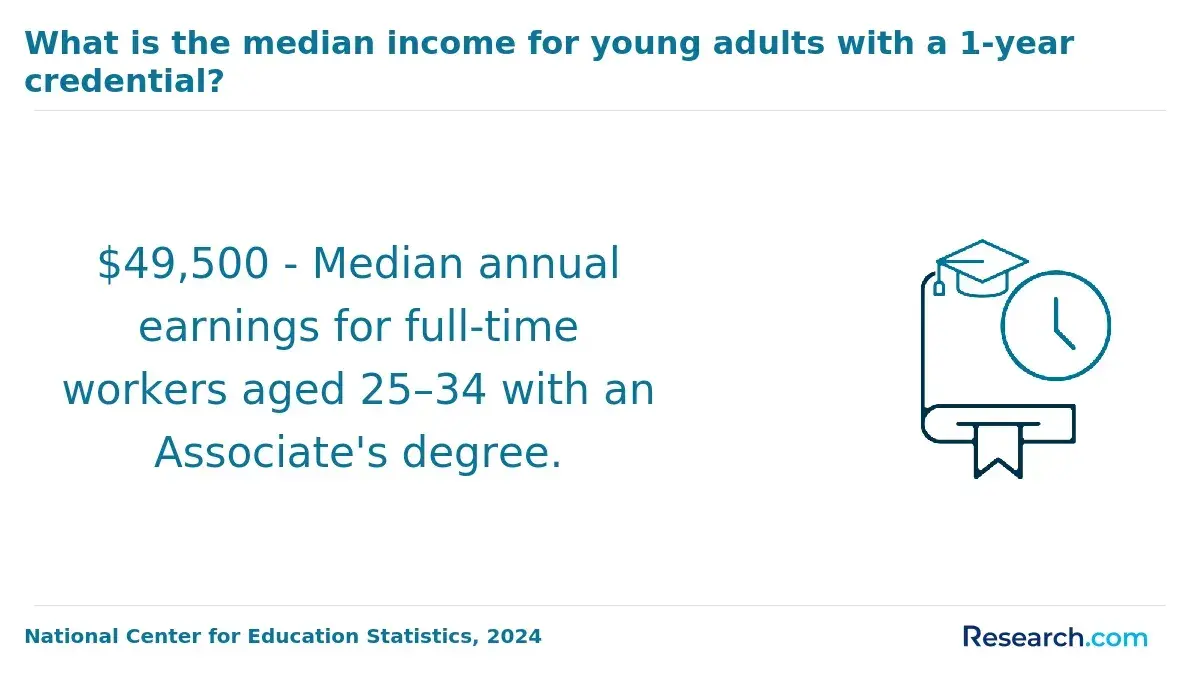
Meanwhile, early-career median salaries for leadership graduates increased by about 2.8% over five years, reaching approximately $52,000 in 2024, with mid-career salaries averaging $85,000 after ten years. This divergence suggests the return on investment may take longer to materialize, particularly as tuition inflation compounds over time, meaning graduates often must manage longer payback periods before seeing significant financial benefits from their degree.
Consider two prospective students: one whose tuition costs rise steadily each year and another who secures scholarships or employer tuition support. The first student might find themselves facing an extended timeline to recoup educational expenses as salary growth only modestly improves purchasing power after factoring in rising living costs.
Conversely, the second student benefits from reduced initial debts, shortening the ROI horizon despite similar salary trajectories. These dynamics reveal how individual factors, such as financial aid, local economic conditions, and career advancement opportunities, play decisive roles in balancing growing tuition against salary outlooks rather than a one-size-fits-all conclusion.
A recent leadership graduate recalls weighing their decision amid tuition increases that outpaced expected salary hikes. Initially hesitant, they delayed enrollment for a year to increase savings and secure employer tuition assistance, which eased financial strain. This additional year added uncertainty but ultimately shortened their repayment period, allowing them to focus on career growth without the pressure of rising debt.
Their experience underscores how personal circumstances and strategic planning critically influence the practical impact of tuition versus salary growth in leadership education decisions.
Does a Leadership Degree Deliver a Positive Return on Investment?
Assessing the return on investment (ROI) of a leadership degree goes beyond simply comparing tuition costs to starting salaries. True ROI considers how the initial educational expenses balance against long-term earning potential, career opportunities, and professional development over time.
For example, a graduate investing $60,000 in a leadership program might not immediately outpace peers with a bachelor's degree, but over a 20-year career, salary premiums in management roles, especially in business or healthcare administration, can significantly offset that initial cost. The National Center for Education Statistics and 2024 labor market data indicate that leadership degree holders often achieve higher lifetime earnings, though the size of this advantage depends heavily on the industry and specific role.
Several factors influence whether a leadership degree yields a positive ROI. Programs that provide robust networking, internships, and mentorship typically shorten the payback period, which research from the Georgetown University Center on Education and the Workforce places between 5 to 10 years.
However, rising tuition outpacing inflation means the upfront cost is substantial, and economic fluctuations can affect wage growth and employment opportunities in leadership-related fields. The Bureau of Labor Statistics highlights that median wages in leadership occupations remain above national averages, but variations by sector and geographic location mean not every graduate will see identical financial rewards.
Ultimately, a strategic approach that weighs program quality and market demand against personal career goals is essential for maximizing the financial benefits of a leadership degree.
Which Industries Offer the Highest Salaries for Leadership Graduates?
Leadership graduates who prioritize salary potential will find that certain industries consistently offer superior compensation due to the strategic value their skills provide. Data from the U.S. Bureau of Labor Statistics and the National Association of Colleges and Employers highlights that sectors rewarding expertise in strategic decision-making, team management, and organizational development tend to lead in salary levels.
While negotiating offers in these fields, it's crucial to consider how industry-specific demands and growth trajectories influence long-term earnings.
Below is an analysis of the highest paying industries for leadership degree holders.
- Technology Sector: Leadership roles in technology companies often come with generous pay packages reflecting the complexity of managing innovation and diverse teams. Positions such as product management and operations leadership require technical savvy alongside managerial skills, resulting in salaries that regularly exceed national averages for managers. Strong industry growth supports ongoing salary inflation and demand for agile leaders.
- Finance Industry: Corporate finance, investment banking, and financial management offer some of the highest wages for leadership graduates. The sector demands leaders who can influence organizational profitability through financial acumen and risk management, often leading to compensation that surpasses many other business fields.
- Healthcare Administration: This fast-growing field requires leaders adept at managing complex regulatory environments and technological advances. Hospitals and healthcare systems offer stable, increasing salaries that keep pace with or exceed inflation, making healthcare administration a lucrative path amid rising education costs.
- Management Consulting: Leadership professionals in consulting frequently manage large client projects and strategic initiatives. Their ability to guide diverse organizations justifies premium pay, while the experience gained is highly transferable, enhancing future earning potential across sectors.
- Energy and Utilities: Though less discussed, energy companies value leadership in regulatory compliance, project management, and sustainability initiatives. Leadership graduates contributing to these priorities often secure competitive salaries aligned with industry technical demands.
- Pharmaceuticals and Biotechnology: Leaders in these industries combine scientific knowledge with operational strategy to manage product development and regulatory affairs. The complexity and high stakes result in premium compensation packages.
- Government and Defense: Senior leadership roles in federal agencies and defense contractors offer solid salaries, especially where strategic management affects national security and public infrastructure, though these often come with additional non-monetary benefits.
The 2024 leadership graduate salary trends by industry clearly indicate that top-paying roles hinge on a blend of sector-specific expertise and leadership skills. Prospective students should also explore a degree in cryptocurrency and related technologies, which increasingly intersect with leadership careers in finance and technology, opening new high-paying niches for graduates willing to adapt and specialize.
Which States and Cities Offer the Highest Pay for Leadership Professionals?
Geographic location significantly affects the earning potential for leadership professionals, with several states and cities consistently offering above-average compensation. These higher wages often correlate with strong local economies and industry clusters that prioritize executive and strategic roles.
However, elevated salary figures often accompany steep living costs, complicating decisions about where to build a career. Understanding the balance between income and expenses is crucial for leadership graduates evaluating the real value of their education.
Below are key areas notable for their leadership pay, with insights on the tradeoffs involved.
- California Silicon Valley: This region leads the nation in leadership salaries, often exceeding $165,000 annually, buoyed by tech giants and startups demanding innovative management. The high compensation reflects intense competition and a premium placed on strategic leadership, though housing costs pose a significant financial challenge.
- New York City: NYC offers leadership roles anchored in finance, corporate headquarters, and media industries that drive salaries close to those of Silicon Valley. While earning potential is robust, the city's exceptionally high living expenses can diminish net income gains, requiring careful budget planning.
- Massachusetts Boston Area: With a focus on healthcare, biotechnology, and education leadership, Greater Boston rewards professionals with median salaries above $150,000. The area's strong knowledge economy provides growth opportunities, but the rising cost of living should be factored into long-term career strategies.
- Washington Seattle Metro: Seattle combines leadership roles across global corporations and emerging startups, offering median wages near $155,000. This region attracts talent with a relatively better balance of income against living costs compared to coastal tech hubs, though housing prices have been rising.
- Texas Austin: Austin represents a growing market where leadership salaries are competitive but paired with a notably lower cost of living. This makes it a compelling option for recent graduates seeking sustainable net earnings and expanding networks without the financial strain found in more expensive metros.
- Colorado Denver: Denver offers leadership compensation aligned with its expanding tech and business sectors, all within a more affordable living environment. The city's quality of life and emerging professional ecosystem provide distinct advantages for those weighing salary against cost pressures.
How Do Leadership Salaries Grow Throughout a Career?
Leadership salaries generally grow at a moderate pace during the first several years, often reflecting typical inflation rates of around 3% to 5% annually. This phase usually encompasses entry-level roles like assistant managers or team leads, where compensation aligns more closely with cost-of-living increases rather than rapid wage growth.
By mid-career, roughly between six and fifteen years of experience, salary boosts tend to accelerate as professionals take on management or director roles, with increases averaging 7% to 12% annually according to recent 2024 data from the Society for Human Resource Management. Senior leadership positions, beyond 15 years, typically see even more substantial gains, ranging from 10% to 15% annually when incentives and bonuses are included, surpassing inflation and often offsetting advanced education costs over time.
Consider two leadership graduates starting with similar salaries: one chooses to pursue additional certifications and actively seeks promotions, gradually moving up to director-level positions within a decade. The other remains in similar roles with limited professional development. By mid-career, the first individual experiences significantly higher salary growth, while the second's compensation aligns closer to inflation.
Key factors driving long-term gains include strategic professional growth, role expansion, and leveraging advanced education credentials coupled with performance-based incentives. These distinctions underscore that while a leadership degree lays the groundwork, continuous skill development and career decisions play decisive roles in salary trajectories.
A leadership graduate recounted the tension of choosing whether to invest time and money into a costly certification after completing the degree. Initially hesitant, she delayed pursuing it due to financial concerns. However, after securing a mid-career management role, she saw tangible salary growth and recognized that the credential opened doors to executive opportunities.
Reflecting on her journey, she noted, "The initial slow salary movement made me doubt if the degree was worth it, but pushing through those early years and building new skills changed everything." This experience highlights how leadership earnings often hinge not just on the degree itself but on timely professional decisions and long-term commitment.
How Do Leadership Salaries Compare With Similar Degrees?
Salary outcomes for graduates with a leadership degree position them relatively well among related fields such as business administration, management, and social sciences. Although leadership graduates often earn salaries slightly below those with business administration degrees, they typically outpace social sciences majors and offer a versatile foundation for many roles. For students weighing the financial investment required by rising tuition costs, understanding these distinctions is crucial.
Below are key comparative insights to help prospective students gauge salary expectations linked to related degrees.
- Business Administration: Graduates in business administration generally command the highest median salaries among the group, ranging from $70,000 to $85,000 annually. These degrees often lead to roles in finance, consulting, or corporate leadership where quantitative skills and business acumen drive earning potential, slightly edging out leadership graduates who earn between $65,000 and $80,000 depending on experience.
- General Social Sciences: Leadership graduates significantly outperform peers with broad social sciences degrees, whose median salaries hover around $55,000 to $65,000. Social sciences careers tend to be more research-focused or policy-oriented, with less direct emphasis on management, which limits immediate salary growth compared to leadership roles linked to organizational development.
- Specialized Management: Degrees emphasizing finance or marketing within management fields typically yield starting salaries north of $75,000. These specializations benefit from direct industry demand and technical expertise, contributing to higher early-career earnings than general leadership degrees, which favor broader organizational skills and may require additional credentials or experience for comparable pay.
For example, a graduate pursuing a leadership degree while also considering an online bachelor's in electrical engineering may notice the difference in starting salaries and industry growth potential.
Those focused on leadership should evaluate sector-specific demand and balance this with escalating tuition fees and inflation, as salary growth in leadership roles, averaging near 3% annually, sometimes fails to keep pace with costs. Weighing these factors alongside the leadership degree salary comparison with similar fields offers a more grounded financial perspective before committing to a program.
How Is Employer Demand Affecting Leadership Salary Trends?
Employer demand directly influences leadership salary trends by intensifying competition for qualified candidates, increasing hiring activity, and driving compensation strategies upward. For example, a mid-sized corporation navigating rapid market changes might actively seek leaders with strategic and adaptive skills, resulting in multiple offers for fewer candidates.
This competition pushes salaries higher as organizations try to secure top talent. According to the U.S. Bureau of Labor Statistics (BLS) 2024 projections, management and leadership roles are expected to grow by roughly 6% over the next decade, surpassing the average for all occupations and signaling stronger employer demand impact on leadership salaries.
However, this wage growth is shaped not only by demand but also by experience levels, specialization areas, broader economic conditions, and employers' budget constraints. Despite salary rises for leadership roles outpacing inflation slightly, the escalating tuition costs, averaging a 4% increase annually over five years, make it vital for students and career changers to consider the true ROI of their degree investment.
This dynamic is especially relevant for those exploring fields such as engineering leadership, where complementary expertise can command premium pay. Prospective students might also research alternatives like electrical engineering programs online for veterans to compare pathways and costs while evaluating leadership salary trends and industry hiring.
How Can Students Maximize Their Lifetime Earnings With a Leadership Degree?
Maximizing lifetime earnings with a leadership degree requires targeted strategies beyond simply obtaining the credential. Industry selection plays a crucial role, as sectors like healthcare management, technology, finance, and consulting offer substantial salary growth over time according to recent 2024 data from the U.S. Bureau of Labor Statistics and the Georgetown University Center on Education and the Workforce.
For example, a graduate who enters healthcare management in a metropolitan area with a strong corporate presence is more likely to see accelerated salary increases than one in a less dynamic location.
The following strategies illustrate practical ways students can enhance their long-term earning potential.
- Industry Focus: Prioritize employment in high-growth sectors such as healthcare, tech, finance, or consulting where leadership roles command premium salaries and advancement opportunities, supported by authoritative 2024 workforce data.
- Advanced Credentials: Combine your leadership degree with certifications or an MBA to significantly increase value to employers and unlock higher-paying roles, as highlighted by the National Association of Colleges and Employers.
- Early Experience: Gain relevant work experience through internships or entry-level jobs during your studies to build practical skills and establish a professional network that facilitates upward mobility.
- Networking and Mentorship: Engage actively in mentorship programs aligned with top-performing industries, which can open doors to coveted positions and insider opportunities not visible through traditional job searches.
- Geographic Mobility: Consider relocating to major metropolitan areas where corporate headquarters and large firms concentrate, as this significantly correlates with higher salary trajectories for leadership professionals.
- Cross-Functional Skills: Develop competencies like data literacy and strategic decision-making to adapt to evolving job demands, making yourself indispensable and better positioned for pay increases over time.
References
- Job Market Trends 2026 - Generations Recruitment https://generationsrecruitment.com/job-market-trends-2026/
- The price of college is rising faster than wages for people with degrees | USAFacts https://usafacts.org/articles/is-college-worth-it-the-price-of-college-is-rising-faster-than-wages-for-people-with-degrees/
- Why is the cost of college rising so fast? https://ssti.org/blog/why-cost-college-rising-so-fast
- Navigating Career Progression Paths: From Entry-Level to Leadership https://careers.intuitive.com/en/employee-stories/career-growth-advice/navigating-career-progression-paths-from-entry-level-to-leadership/
- Is College Worth It? - Public Policy Institute of California https://www.ppic.org/publication/is-college-worth-it/
- 2026 Compensation Trends Organizations Should Know About https://astronsolutions.net/compensation-trends/
Other Things You Should Know About Leadership Salary Trends
The design of leadership programs-whether they emphasize hands-on experience, theoretical frameworks, or hybrid formats-significantly influences graduates' market readiness and initial salary offers. Programs heavily focused on practical skills and real-world projects tend to produce graduates who command higher starting salaries, but these often come with more intensive time commitments and higher opportunity costs. Prospective students should weigh the tradeoff between flexible, less immersive programs that may slow skill acquisition but allow part-time work versus rigorous programs that accelerate salary growth at the expense of immediate earnings.
Employers highly value candidates from programs known for robust corporate partnerships and internship pipelines, which often correlates with better salary trajectories post-graduation. While higher tuition at such institutions can increase upfront costs, the enhanced job placement rates and salary premiums can justify the investment over time. Students facing budget constraints must balance the potential salary boost against additional debt, making scholarship opportunities and employer tuition assistance programs critical factors in this decision.
Leadership programs with demanding workloads often limit students' capacity to maintain full-time employment, which reduces income during study but may accelerate career advancement afterward. Conversely, less intense programs enable sustained earnings but may delay access to higher salaries by extending time to mastery of leadership competencies. Candidates must decide if short-term income stability or long-term salary growth aligns better with their financial situational needs and career timelines.
Broad curricula provide versatility across industries but may lead to slower initial salary gains due to less focused expertise, while specialized leadership tracks often command niche salary premiums but risk narrower job market appeal. Graduates aiming for rapid salary growth should consider programs offering specialization aligned with high-demand sectors, whereas those seeking flexible career options might prioritize comprehensive leadership training. This tradeoff influences employability and income stability amid shifting economic conditions.