2027 Leadership Transfer Credit Trends: How Schools Are Adapting for Adult Learners

Co-Founder and Chief Data Scientist
When a military veteran returning to civilian education discovers that 30 previously earned credits won't transfer toward a leadership degree, the impact extends beyond unexpected tuition costs. This setback can delay graduation by a semester or more, significantly altering career timelines and financial plans. A 2024 National Student Clearinghouse report shows transfer credit acceptance rates dropped by 8% among adult learners, reflecting growing institutional skepticism about credit equivalency.
Such shifts complicate decisions for working professionals trying to leverage prior learning efficiently. This article explores how schools are adapting transfer credit policies and flexible pathways to help leadership students navigate these challenges and complete their degrees more affordably and swiftly.
Key Things to Know About Leadership Transfer Credit Trends for Adult Learners
- Expanded acceptance of military and workforce credits reflects growing recognition of experiential learning but often requires strategic course selection, as some credits may not align with specialized leadership competencies employers seek.
- Institutions investing in technology-enabled transcript evaluations reduce transfer processing times by up to 40%, enhancing access yet potentially limiting nuanced assessment of nontraditional credits critical for tailored degree paths.
- Credit for prior learning policies enable adult learners to bypass redundant coursework, but tradeoffs include variability in credit equity across institutions, affecting cumulative GPA and credential portability within leadership fields.
- Key Things to Know About Leadership Transfer Credit Trends for Adult Learners Key Things to Know About Leadership Transfer Credit Trends for Adult Learners
- How Are Leadership Programs Changing Transfer Credit Policies for Adult Learners? Evolving Adult Transfer Policies
- Why Are More Leadership Schools Accepting Credit for Prior Learning and Work Experience? Prior Learning Credit Benefits
- How Do Leadership Colleges Evaluate and Award Transfer Credits Today? Transfer Credit Evaluation Process
- Which Alternative Credits Are Most Commonly Accepted by Leadership Programs? Accepted Alternative Credits
- How Are Leadership Schools Improving Transfer Pathways for Community College Students? Improved Community College Pathways
- How Can Transfer Credits Help Leadership Students Graduate Faster? Accelerating Degree Completion
- How Much Money Can Students Save Through Leadership Transfer Credit Opportunities? Cost Saving Through Transfers
- How Are Leadership Programs Supporting Military Students and Workforce Learners Through Transfer Credits? Military Credit Transfer
- What Transfer Credit Innovations Are Shaping the Future of Leadership Education? Transfer Credit Innovations
- How Can Adult Learners Maximize Transfer Credits in a Leadership Program? Maximizing Your Transfer Credits
How Are Leadership Programs Changing Transfer Credit Policies for Adult Learners?
Leadership programs are increasingly reforming transfer credit policies to better serve adult learners juggling work, family, and education. These programs are expanding acceptance of alternative credentials, recognizing military training and professional experience as valuable prior learning, and streamlining transcript evaluation to reduce redundant coursework. For example, a working professional transferring from a community college may benefit from articulation agreements that clarify credit pathways and accelerate degree progress, though discrepancies in how institutions assess the rigor of previous credits can still create barriers.
Such adaptations directly impact time-to-degree and affordability, but students must carefully compare how each school applies transfer credit to optimize course sequencing and minimize unnecessary electives. Despite progress, some institutions maintain rigid credit hour requirements or limit the scope of prior learning credits, which may delay degree completion for transfer students. The challenge lies in balancing academic standards with flexible credit mobility to maintain program integrity while accommodating diverse learner backgrounds.
Leadership programs that integrate digital evaluation tools and predictive analytics to expedite credit decisions are helping working adults reenter academic pathways with less friction. Data from the Council for Adult and Experiential Learning underscores that such transfer credit pathways for adult leadership learners correlate with higher completion rates, yet navigating these options demands nuanced academic advising and strategic planning. Students seeking maximum credit recognition should also consider affordability and program accessibility, exploring options such as cheap online colleges that accept federal financial aid and offer robust transfer policies.
While these evolving transfer credit policies widen access, adult learners must remain vigilant about institutional eligibility requirements and the potential for credit loss. Ultimately, leadership programs adapting transfer credit policies offer more inclusive and efficient degree pathways, but the varying institutional practices necessitate informed decision-making to fully leverage previously earned credits for successful degree completion.
Why Are More Leadership Schools Accepting Credit for Prior Learning and Work Experience?
The rise in leadership programs accepting credit for prior learning and professional experience signals a broader institutional adjustment rather than mere leniency in transfer policies. Schools increasingly recognize industry certifications, military training, and competency assessments as valid measures of applicable skills, responding to growing workforce demands for proof of real-world capability over traditional credentials alone.
This approach aligns degree progress with tangible expertise, though it often requires students to carefully evaluate which credits genuinely reduce time to degree without compromising core academic requirements. The Council for Adult and Experiential Learning's 2024 report highlights that students utilizing prior learning credits shorten their time to degree by 43%, a figure that underscores tangible progress while revealing how policies balance academic rigor with flexibility to sustain both enrollment and program integrity.
Institutions face the dual challenge of accommodating diverse learner backgrounds and maintaining standards that ensure leadership programs produce competent graduates. Credit acceptance practices reflect this tension; while expanding transfer of experiential learning increases accessibility and supports retention, variability in evaluation methods creates uncertainty for students navigating credit articulation.
Degree planning must therefore incorporate strategies to maximize applicable credit while anticipating that certain essential courses, particularly core leadership concepts, will remain non-negotiable. From an economic standpoint, this modular credit recognition reduces redundant coursework costs but often requires administrative resources to assess prior learning portfolios and verify certifications, impacting institutional policies and students' timelines simultaneously.
How Do Leadership Colleges Evaluate and Award Transfer Credits Today?
Transfer credit evaluation in leadership colleges has shifted from a routine administrative task to a strategic process integral to enrollment management and student success. Institutions now combine traditional transcript audits with AI-enhanced tools to assess prior credits more efficiently while ensuring alignment with specific program competencies. For example, a working professional transferring from a community college must navigate not only course equivalency but also institutional policies limiting transferable credits, which often cap at 50-75% of degree requirements, affecting degree completion timelines and financial planning.
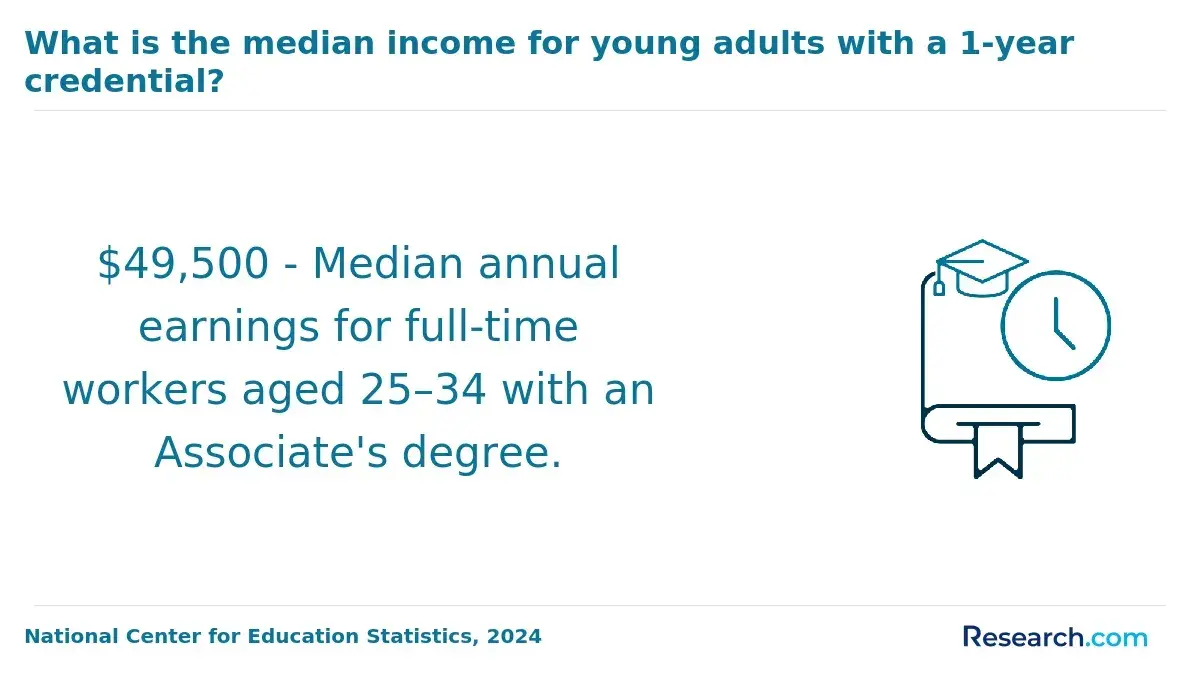
Accreditation remains a pivotal factor; credits from regionally accredited schools generally carry more weight, while recognition of military training and alternative credentials is cautiously expanding. According to the National Center for Education Statistics 2024 report, roughly 72% of degree-granting institutions now accept some form of alternative credit, reflecting growing acknowledgment of experiential learning without compromising core leadership courses.
However, leadership colleges frequently restrict such credits to electives or general education categories, complicating academic advising and requiring nuanced planning to meet residency and upper-division standards that many employers expect from graduates. This evolving framework affects student mobility and program accessibility, particularly for military-affiliated students and adult learners balancing work and study.
Transfer articulation agreements and credit for prior learning frameworks help reduce redundancy but demand careful evaluation of course content, grades, and recency to maintain academic rigor. Practically, students must weigh the tradeoff between maximizing transferred credits to shorten degree pathways and the risk of limited applicability to specialized leadership competencies essential for long-term career relevance.
Which Alternative Credits Are Most Commonly Accepted by Leadership Programs?
Alternative credit acceptance has evolved beyond mere transfer policies into a strategic tool that expands access and accelerates degree completion for adult learners. Leadership programs often navigate complex credit-evaluation processes involving credit for prior learning (CPL), military training, competency-based assessments, and workforce certifications. Yet, institutions impose strict criteria like course equivalency reviews, residency requirements, and upper-division credit limits, which mean not all alternative credits equally advance academic progress.
For example, while military credits evaluated by the American Council on Education streamline pathways for many veterans, some leadership courses may restrict how much transfer credit counts toward advanced leadership topics. These varying standards shape how students plan transfer credit options for leadership programs and influence degree timelines and affordability. Standardized exams such as CLEP benefit learners seeking validation of foundational knowledge, but roughly half of leadership programs apply them unevenly depending on curriculum alignment.
Digital platforms and external certifications offer flexible options but require careful scrutiny of program acceptance policies. According to the Council for Adult and Experiential Learning, over 70% of institutions now incorporate CPL credits, emphasizing experiential learning's role in transfer credit frameworks. Adult learners must weigh how institutional policies affect credit applicability and degree completion when selecting pathways, including at CACREP accredited schools, where credit acceptance may differ notably across programs.
How Are Leadership Schools Improving Transfer Pathways for Community College Students?
Leadership programs increasingly view enhancing transfer pathways as essential to serving adult learners who juggle education with complex life and work demands. By formalizing articulation agreements and creating streamlined credit evaluation processes, these programs reduce the uncertainty and credit loss often faced by community college students. Such measures not only clarify how associate degree credits apply to bachelor's curricula but also help maintain academic momentum.
National Student Clearinghouse data from 2024 indicates that students with established transfer agreements graduate within four years at a rate 20% higher than those without, underscoring the tangible benefits of these institutional adaptations. This trend also highlights significant operational tradeoffs for institutions, as flexible credit acceptance-particularly through prior learning assessments and military training recognition-requires balancing academic rigor with pragmatic credit applicability.
Transfer advising tailored to leadership students is another crucial innovation, offering specialized counsel to navigate degree maps and credential evaluation, reducing avoidable coursework duplication. However, variability across schools means prospective transfers must diligently verify alignment of their credits with each Leadership program's policies to avoid unexpected setbacks. Modular degree designs featuring stackable credentials further expand accessibility, permitting students to earn marketable certificates during their path to a bachelor's degree, which can mitigate both financial and time constraints.
How Can Transfer Credits Help Leadership Students Graduate Faster?
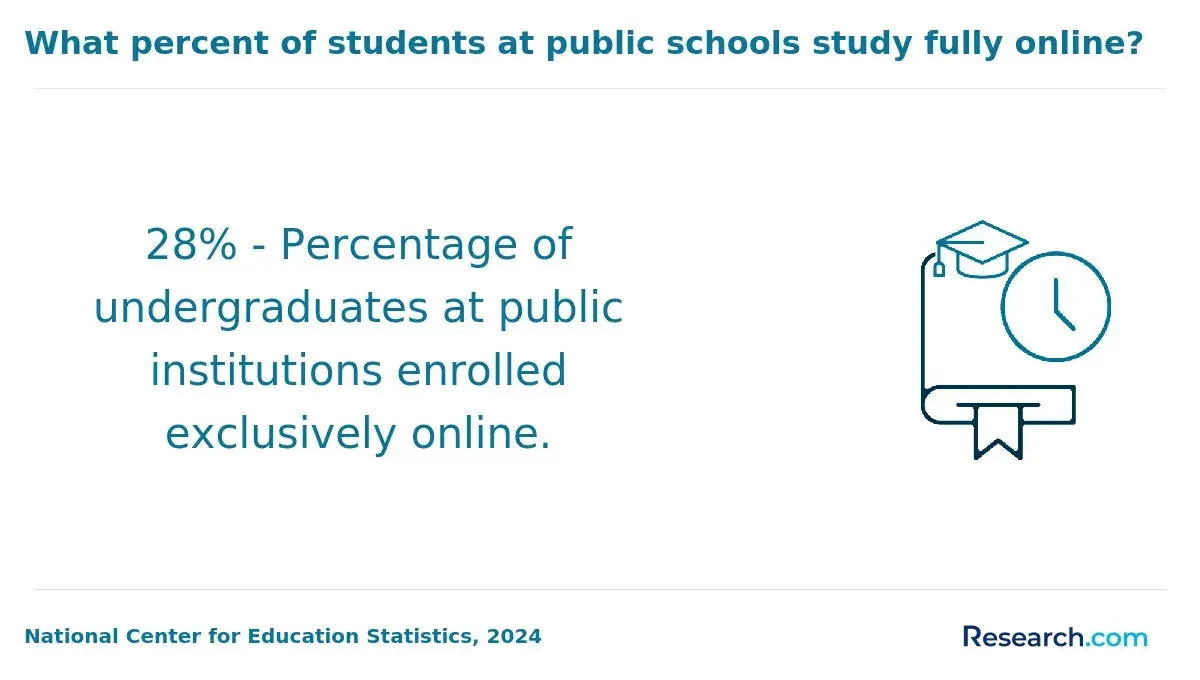
Transfer credit policies for adult learners in leadership programs play a crucial role in shaping degree timelines, but their practical impact hinges on institutional rules around credit applicability, cap limits, and residency requirements. While approximately 60% of transfer students successfully apply prior credits, this often depends on how well previous coursework aligns with core leadership competencies like management and organizational behavior.
For instance, a student transferring credits from a community college or military training may find that elective or lower-division courses transfer smoothly, yet upper-division leadership classes often require stringent content overlap, limiting how many credits directly reduce advanced coursework or residency time. Accelerated graduation through transfer credits in leadership degrees is possible but requires strategic planning and realistic expectations. Prior learning assessments (PLAs) can further shorten paths by recognizing professional certifications or experiential knowledge, though acceptance varies across institutions.
Adult learners and working professionals must navigate these variables when evaluating programs, balancing affordability, credit evaluation transparency, and support services. This is especially vital for military-affiliated students whose training may fulfill leadership requirements differently depending on the school's credit mobility framework. Identifying programs with clear articulation agreements and flexible transfer policies can prevent redundant classes and reduce time to degree completion.
Students aiming to optimize transfer credits should consider programs with proven pathways that integrate nontraditional credits and support accelerated options, such as an accelerated hospitality degree online. While transfer credits can decrease financial strain and time invested, oversight of credit acceptance criteria-particularly for advanced leadership courses-remains critical. This informed approach helps ensure that credit transfer policies enhance progress rather than inadvertently extend it through unforeseen restrictions or credit caps.
How Much Money Can Students Save Through Leadership Transfer Credit Opportunities?
Transfer credit policies in leadership programs can significantly reduce educational costs, but the extent of savings heavily depends on institutional rules and individual academic circumstances. For adult learners or military-affiliated students, prior learning assessments and acceptance of workforce training credits may shorten degree timelines by up to 25%, translating to thousands of dollars in avoided tuition and associated expenses.
However, many schools impose residency requirements mandating that 25% to 50% of credits be earned directly through the institution, limiting credit transferability and requiring students to complete specialized leadership courses on-site. These restrictions complicate degree planning since course equivalencies often do not align perfectly, resulting in repeated content or credit loss. For example, a community college transfer may face policies that exclude some experiential credits or cap the number of transferable hours, pushing learners into more expensive, upper-division courses despite previously earned credits.
According to a 2024 study by the National Student Clearinghouse Research Center, transfer students who optimize credit acceptance reduce time to degree by an average of 1.5 semesters, but inconsistent institutional practices create variable impacts on overall cost savings. Thus, prospective students must weigh the benefits of early credit recognition against potential delays or mandatory coursework that could offset financial gains.
How Are Leadership Programs Supporting Military Students and Workforce Learners Through Transfer Credits?
Leadership programs increasingly recognize that prior military training and workforce credentials represent significant, though complex, sources of academic credit. According to a 2024 American Council on Education report, over 80% of higher education institutions now have formalized procedures for awarding credit based on military and professional learning, reflecting a concerted effort to reduce duplicated coursework and accelerate degree completion.
However, practical challenges remain: programs often impose caps on transferable credits or restrict which certifications count, meaning students with substantial experience may still face substantial in-program coursework. This reality necessitates careful academic planning, as students weighing transfer options must consider how institutional policies affect not only remaining credit hours but also degree timelines and course sequencing.
For example, a military-affiliated student relocating between institutions benefits from articulation agreements designed to ease credit mobility, though inconsistent policies can still extend time-to-degree. The expansion of prior learning assessments to include apprenticeships and on-the-job training provides critical pathways for experienced professionals, yet the lack of uniform standards means acceptance varies widely.
Employers often value credentials recognized by specific industries, so misalignment between academic credit awards and employer expectations can impact a graduate's market readiness. Leadership programs offering flexible, online, or cohort-based curricula address some accessibility hurdles, but the strategic use of transfer credits remains a key determinant in optimizing both educational costs and professional outcomes.
What Transfer Credit Innovations Are Shaping the Future of Leadership Education?
Evolving transfer credit innovations are rapidly shifting how adult learners and military-affiliated students navigate leadership education, often reducing time to degree completion while complicating credit acceptance consistency. The increased deployment of artificial intelligence-assisted transcript evaluation, for instance, cuts the credit review process by up to 30%, according to a 2024 National Student Clearinghouse report, but institutions face tradeoffs in maintaining academic rigor and transparent decision-making.
Additionally, as competency-based education (CBE) gains prominence, students can advance by skill mastery instead of seat time, which aligns well with leadership programs focused on practical outcomes but demands extensive institutional investment and faculty retraining. Credit for prior learning (CPL) has expanded access by recognizing work experience, military training, and professional certifications, yet this creates challenges in balancing equitable standards with flexibility across transfer pathways.
This complexity increases when institutions incorporate digital credentialing and blockchain technologies to verify credits, aiming to enhance transfer mobility and employer trust, but those without reliable digital access risk exclusion. These technology-driven credit evaluation for leadership programs trends require prospective students to carefully assess how transfer agreements and alternative credentials might impact their individualized degree plans and employability within evolving workforce expectations.
For working professionals and transfer students seeking relevant credentials, especially in specialized fields such as architecture, exploring targeted programs can be pragmatic; for example, options like the online architecture degree demonstrate how flexible, technology-enabled models can coexist with traditional credit pathways. Navigating these transfer credit innovations demands strategic planning to optimize educational accessibility without compromising quality or delaying graduation, underscoring the necessity of informed decision-making based on institutional policies and real-world career implications.
How Can Adult Learners Maximize Transfer Credits in a Leadership Program?
Maximizing transfer credits in leadership programs requires a clear strategy that anticipates institutional policies and practical limits on credit acceptance. Adult learners often face credit caps and course non-alignment that complicate transfer evaluations, underscoring the need to research articulation agreements and degree-completion pathways ahead of enrollment.
For example, a student transferring from a community college must carefully map how vocational certifications and military experience translate into credits without exceeding residency requirements that some universities impose. Navigating these factors directly impacts time-to-degree and can reduce unnecessary tuition costs, but it demands early collaboration with academic advisors to prevent disruptive course sequencing and credit loss.
Prior learning assessments (PLA) remain a powerful tool to convert professional training and military service into academic credits, accelerating graduation timelines. Around 63% of transfer students, according to the National Center for Education Statistics (2024), effectively apply at least 75% of their prior credits, revealing the importance of choosing programs with transparent transfer credit policies.
However, limits on transferable credits require adult learners to balance credit acceptance with maintaining program rigor and relevance. Hybrid or competency-based leadership programs can offer increased flexibility, focusing on mastery rather than seat time, but this may introduce tradeoffs in evaluating diverse experiential learning. Such strategic credit planning supports notably shorter degree paths, ultimately aligning educational outcomes with long-term career goals in dynamic fields including specialized roles like an FBI profiler.
References:
- Sophia Learning, UMGC Military-Connected Learner Data Show That Credit Transfer Translates to Student Success https://www.cael.org/resouces/pathways-blog/sophia-learning-umgc-military-connected-learner-data-show-that-credit-transfer-translates-to-student-success
- Starting College on the Right Foot: Credit for Prior Learning https://mcacs.talentfirst.net/starting-college-on-the-right-foot-credit-for-prior-learning/
- The Impact of the New Adult Learner - Trends in Higher Education in 2023 - UPCEA https://upcea.edu/the-impact-of-the-new-adult-learner-trends-in-higher-education-in-2023/
- 7 Million Transfer Credits Applied | University of Phoenix https://www.phoenix.edu/press-release/7-million-transfer-credits-applied.html
- Expanding credit for prior learning https://www.ccdaily.com/2026/03/expanding-credit-for-prior-learning/
- Improving the Experience for Community College Transfer Students https://changinghighered.com/improving-the-experience-for-community-college-transfer-students/
- Building Future-Ready Technology Leadership in Higher Education https://www.russellreynolds.com/en/insights/articles/building-future-ready-technology-leadership-in-higher-education
- Adult Postsecondary Learners: Reviewing the Data and Evidence https://www.jff.org/idea/adult-learners/
- How one community college helps adult students get prior learning credit https://www.highereddive.com/news/how-one-community-college-helps-adult-students-get-prior-learning-credit/745376/
- Hard up for students, more colleges are offering college credit for life experience, or ‘prior learning’ https://hechingerreport.org/to-fill-seats-more-colleges-offer-credit-for-life-experience/
Other Things You Should Know About Leadership
While greater transfer credit acceptance can shorten time to degree, it often leads to variability in course content and academic rigor. Programs that rely heavily on transfer credits risk diluting the cohesive leadership philosophy and skill development typically built through sequenced core courses. Adult learners should consider whether their transfer credits align with the program's learning outcomes to avoid gaps that could weaken both their knowledge foundation and marketable leadership competencies.
Transfer credits in leadership often come from diverse institutions with different reputations and curricula, which may raise questions among employers or graduate admissions committees about the consistency and relevance of a student's preparation. Students should prioritize credits from accredited and well-regarded institutions that match the target industry expectations. Otherwise, relying too heavily on loosely aligned transfer credits can create credibility issues and require additional coursework later to demonstrate mastery.
Transfer credits provide academic acknowledgment of prior learning but rarely substitute for immersive leadership practice or applied skills development. Adult learners should weigh the value of accelerating coursework against the potential loss of interactive, cohort-based learning and leadership challenges embedded in on-campus or synchronous online programs. Prioritizing a balance ensures that transfer credits reduce redundancy without sacrificing the practical experiences crucial for leadership roles.
Working professionals should conduct a thorough credit evaluation early and prioritize programs with clear, flexible transfer policies aligned to their prior coursework and professional certifications. Failing to do so can result in lost credits, extended time to graduate, or having to retake similar content, wasting both time and money. Emphasizing schools with dedicated transfer advisors and transparent articulation agreements can streamline planning and maximize credit utilization.