2027 Leadership Degree Completion Time Report: How Long Students Actually Take to Graduate

Co-Founder and Chief Data Scientist
Degree completion timelines for leadership students often reflect the complex realities of balancing academic, professional, and personal demands. According to the National Student Clearinghouse Research Center's 2024 report, only about 60% of bachelor's degree seekers graduate within six years, illustrating extended pathways are common. For leadership disciplines, factors such as part-time enrollment, workplace responsibilities, and prior credit transfers frequently lengthen progression beyond nominal program durations. Evaluations of actual completion times reveal patterns shaped by the interplay of employment commitments, curriculum structure, and support services. This analysis aims to clarify how long students realistically take to earn a leadership degree and what influences their graduation schedules.
Key Things To Know About Leadership Degree Completion Time
- Pinpointing the precise timeline for graduation allows you to map out an exact path to diverse professional tracks, such as human resources management, project management, corporate consulting, or health services administration. Knowing this duration helps you sync your entry into the job market with shifting executive recruitment cycles and corporate expansions.
- Tracking your completion time lets you project exactly when you will unlock the field's high earning potential, as the broad category of management occupations features a robust median annual salary of $116,880. Understanding this framework also allows you to calculate the precise opportunity cost of your education against intermediate professional benefits and the immediate financial return on your tuition investment.
- Evaluating these program timelines reveals the advantage of online learning, which often accelerates graduation through flexible, asynchronous courses that bypass rigid semester schedules. This approach enables you to maintain your current corporate or managerial employment and immediately apply leadership theories to your active workplace projects.
- What Is the Average Graduation Time for Leadership Students? Average Graduation Timeline
- What Factors Have the Biggest Impact on Graduation Speed? Graduation Timeline Factors
- How Does Full-Time Versus Part-Time Enrollment Affect Graduation Timelines? Full-Time vs. Part-Time Graduation Timeline
- Do Online Leadership Students Graduate Faster Than Campus-Based Students? Do Online Leadership Students Graduate Faster Than Campus-Based Students?
- How Many Months or Years Can Transfer Credits Save? How Many Months or Years Can Transfer Credits Save?
- Do Accelerated Leadership Programs Significantly Reduce Completion Time? Accelerated Program Timeline
- Which Leadership Program Requirements Most Often Extend Graduation Timelines? Factors Extending Graduation Timeline
- Does Taking Longer to Graduate Increase the Cost of a Leadership Degree? Impact on Program Cost
- Does Graduating Faster Improve Career Prospects? Impact on Career Prospects
- Which Scheduling Mistakes Commonly Delay Graduation? Mistakes to Avoid
What Is the Average Graduation Time for Leadership Students?
Graduation timelines for leadership students generally span four to six years, reflecting the balance between traditional academic pacing and the realities facing many enrollees. Full-time students often complete their degrees closer to the four-year mark, while part-time learners-who juggle employment or family duties-tend to extend their studies. This range captures diverse student profiles, including transfer students and working adults, whose varying course loads and schedules shape their progress. Recent data from the National Center for Education Statistics indicates that nearly 40% of leadership students take more than six years to graduate, highlighting how practical obligations influence these programs' timelines and completion rates.
Key factors driving variation in the leadership degree graduation timeline include the requirement for experiential learning components such as internships, capstone projects, and practicums, which demand flexible and sometimes prolonged schedules. Transfer students typically face delays when credits from other institutions do not fully align with degree requirements, adding one to two years in many cases. Program formats, whether traditional on-campus or flexible online options, also affect completion speed, with accelerated courses appearing less frequently due to the intensity they require. Prospective students should consider that balancing academic rigor with real-world commitments often means a longer but more integrative educational experience, especially in leadership fields. Those interested in diverse degree paths might explore options like an online MSW to compare structures and pacing.
Understanding these dynamics is essential for academic planning and financial decision-making, as the timing of degree completion directly impacts entry into leadership roles and workforce readiness. Employers increasingly prioritize relevant experience and the depth of leadership skills over rapid graduation, permitting students to extend their academic timelines strategically. Thus, flexibility in graduation timeframes can contribute to better preparation for complex roles in business, nonprofit, and public sectors, rather than adherence to a strict four-year standard alone.
What Factors Have the Biggest Impact on Graduation Speed?
Graduation speed in leadership master's degree programs is shaped by a complex interplay of academic structure, enrollment decisions, and personal circumstances. Rather than a single element determining timelines, it is the combined effect of how students manage course loads, engage with program flexibility, and navigate outside commitments that drives variation. Being aware of these influences enables students to make more strategic choices about enrollment status, workload balance, and program formats aligned with their unique needs and goals.
- Enrollment Status and Course Load: Full-time enrollment generally accelerates graduation by allowing students to complete required credits steadily each semester. According to the National Center for Education Statistics (NCES) 2024 data, about 70% of full-time undergraduates finish their degrees within six years, whereas less than 30% of part-time students do so in the same timeframe. Part-time enrollment slows progress due to fewer courses per term and extended total program duration, a common reality for working adults balancing leadership studies with occupational duties.
- Program Format and Scheduling Flexibility: Leadership master's programs that incorporate asynchronous courses and accelerated formats enable quicker completion by letting students progress at individualized paces without rigid semester constraints. Conversely, programs with fixed schedules and limited course offerings impose bottlenecks that can delay graduation, particularly when required classes are unavailable during a student's optimal timeframe.
- Transfer Credits and Prior Learning Recognition: The ability to apply transfer credits or relevant professional experience toward degree requirements shortens the time to graduation. However, the variability of credit acceptance policies across institutions often creates uncertainty and potential delays in academic planning, making it crucial for students to verify transferability early in the enrollment process.
- Work and Personal Responsibilities: Leadership students frequently juggle professional roles and family obligations that restrict how many credits they can realistically take each semester. A 2024 Council for Adult and Experiential Learning study showed that working students averaging fewer than nine credits per term take nearly twice as long to graduate compared to full-time peers, highlighting the significant impact of external demands on academic pacing.
- Institutional Support Services: Access to proactive academic advising, career counseling, and personalized student services influences timely degree completion. Research from the Lumina Foundation notes that students receiving structured advising are approximately 20% more likely to graduate on schedule, underscoring how institutional frameworks can mitigate common obstacles and optimize enrollment strategies.
Leadership students should weigh these factors carefully, as graduation timelines vary widely even within the same program depending on how each component interacts. Determining the most effective enrollment status, leveraging available program flexibility, and aligning course loads with real-world obligations fundamentally shape both the duration and quality of the educational journey. Exploration of the best online MSW programs further reveals how program format innovations are influencing educational outcomes across disciplines.
How Does Full-Time Versus Part-Time Enrollment Affect Graduation Timelines?
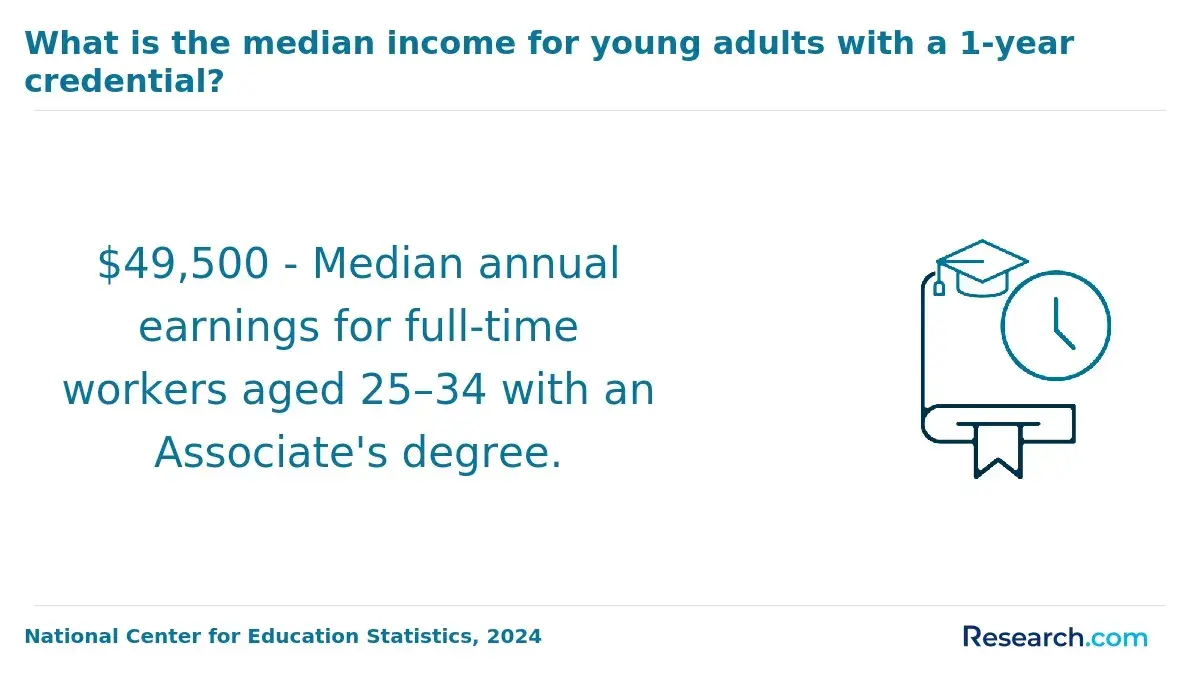
Graduation timelines for leadership degrees differ markedly between full-time and part-time enrollment due to the intensity and pacing of coursework. Full-time students generally complete their degrees within the traditional two- or four-year frameworks by taking 12 to 15 credit hours per semester. Conversely, part-time students, often balancing external obligations, take fewer credits-commonly 6 to 9 hours-which extends their completion time, frequently doubling the expected duration. According to recent data from the National Center for Education Statistics, part-time students in leadership-related programs often require three to six years longer to graduate compared to full-time peers, underscoring how enrollment status shapes academic trajectories.
The pace of degree completion hinges on several structural and personal factors that extend beyond raw credit load. Course sequencing and program flexibility play critical roles; some leadership programs offer accelerated or modular formats that better accommodate part-time schedules, while others adhere to rigid prerequisites lengthening the timeline. External responsibilities such as work, family, or caregiving duties influence students' ability to sustain enrollment intensity, often prompting intermittent terms or reduced course loads that interrupt momentum. These dynamics create two distinct pathways: one focused on sustained academic engagement versus another balancing study with real-world commitments, each with different progression patterns and institutional support needs.
Enrollment choices impact not only time to degree but also financial planning and post-graduation transitions. Full-time students face higher short-term academic intensity and tuition costs but benefit from quicker workforce entry and an earlier start on leadership roles. Part-time enrollment enables income continuity and experiential skill development but requires longer financial and academic commitment, potentially increasing overall costs and delaying credential realization. Employers increasingly weigh practical experience alongside formal education, meaning extended part-time study may enhance real-world leadership application, even as it challenges accelerated career progression. Navigating these tradeoffs is essential for students aiming to align educational investment with career timing and life circumstances.
Do Online Leadership Students Graduate Faster Than Campus-Based Students?
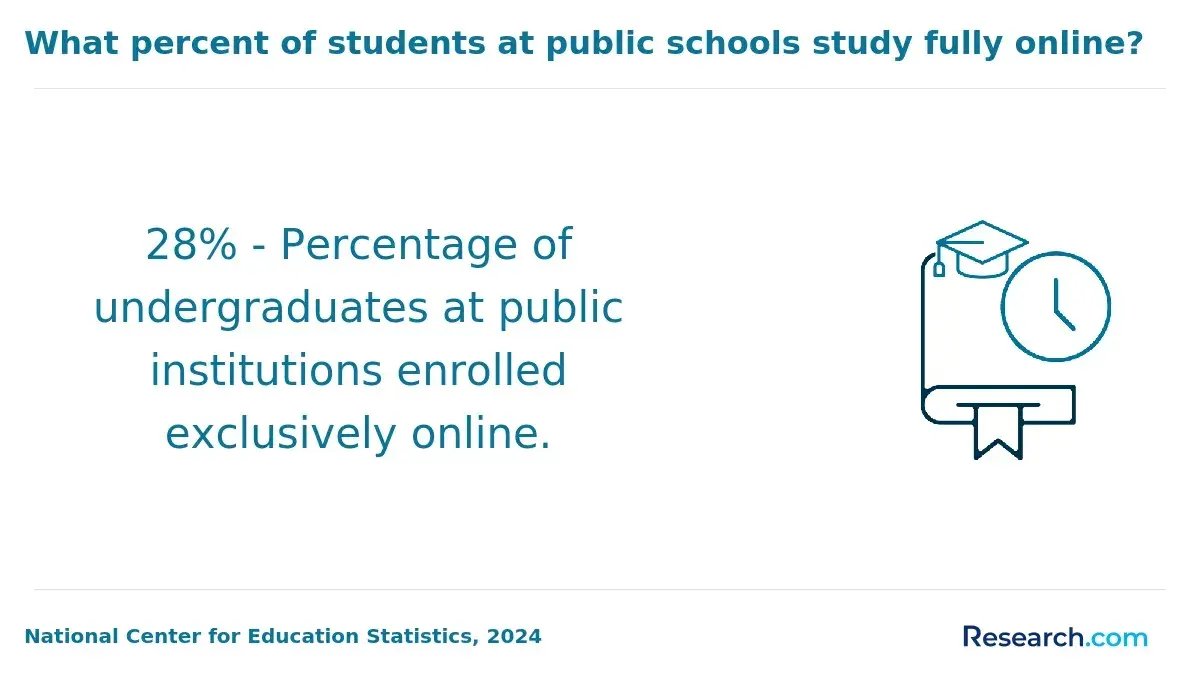
Online leadership students are often perceived to complete their degrees faster than their campus-based peers, with data from the National Center for Education Statistics indicating that the average completion time for online learners is about 3.2 years compared to 4.1 years for traditional students. This accelerated timeline generally reflects the greater scheduling flexibility and continuous enrollment options typical of online programs. However, individual experiences vary considerably, as factors like enrollment status, academic background, and external responsibilities significantly influence progress. Not every online student finishes sooner, especially if attending part-time or encountering personal or professional challenges.
The primary drivers behind these timing differences include variations in program design and student engagement methods. Online leadership programs frequently use modular or self-paced coursework, allowing motivated students to move through credits at a customized speed, whereas campus programs often adhere to fixed semester schedules that can restrict acceleration. Additionally, transfer credit policies are often more accommodating in online formats, reducing the number of semesters required. Yet, practical constraints such as mandatory internships, work commitments, and access to advising support also shape how quickly a student can realistically graduate in either format.
Choosing between online and campus modalities therefore involves weighing how the structure impacts not only academic pacing but also time management and career entry points. Students balancing full-time employment may find online options better suited for faster degree completion, but this requires strong self-discipline and planning. Campus-based pathways might extend time to degree but can offer more in-person mentoring and networking opportunities important for some leadership roles. Ultimately, the modality influences both the rhythm of study and the timing of entering the workforce with a leadership credential.
One graduate recalled feeling uncertain about when to finalize her application due to rolling admissions and a busy job schedule. She hesitated because transferring credits took longer than expected, and she wanted to avoid delays that would push her enrollment start date into the next academic term. This waiting period created stress but also prompted her to coordinate with advisors to ensure all prerequisites were recognized before committing, illustrating how admissions timing and preparatory steps critically affect graduation timelines as much as the program format itself.
How Many Months or Years Can Transfer Credits Save?
Transfer credits can substantially shorten the duration required to complete a leadership degree, but the actual months saved vary widely based on the quantity and relevance of those credits. While many students experience reductions ranging from six months to over two years, the average months saved with leadership degree transfer credits often depend on how well transferred coursework matches the leadership curriculum and degree requirements. Programs generally require 120 to 130 credit hours, and students who enter with 30 to 60 transfer credits-commonly from associate degrees or prior accredited institutions-may accelerate their path by one to two academic years if those credits align well. However, this time savings hinges on whether transfer credits satisfy core leadership competencies or are limited to general education categories, affecting how quickly students progress through advanced and elective coursework.
The degree of time saved through transfer credits is largely determined by several institutional factors, including accreditation compatibility and course equivalency evaluations. Many universities set maximum caps on transferable credits and enforce residency rules requiring students to complete a certain number of credits directly through the awarding institution. This means even if a student brings a large volume of credits, they may still need two to three years to meet specialized leadership course requirements and hands-on components. Additionally, transfer credit policies differ significantly between schools, with some applying stringent reviews of course content and rigor to ensure academic standards align with leadership program goals. As a result, transfer credit time savings in leadership degree programs reflect not only credit volume but also the nuanced interplay of institutional approval processes and curriculum design.
These dynamics influence student academic planning, financial costs, and the sequencing of remaining courses, where effective use of transfer credits can reduce tuition expenses and minimize enrollment duration. Yet, prospective leadership degree completers must weigh the tradeoffs; transferring excessive credits without verifying they fulfill key leadership competencies can delay graduation or affect employer perceptions of a candidate's preparation. For students balancing work and study obligations, understanding these institutional policies allows for realistic expectations about how transfer credits will affect their timeline. For those interested in related fields, evaluating transfer credit impacts alongside options such as the best MSW programs online can also help align academic decisions with career aspirations.
Do Accelerated Leadership Programs Significantly Reduce Completion Time?
Accelerated leadership programs are structured to reduce the typical duration of graduate studies by increasing course density and compressing curricula into shorter timeframes. These programs often rely on tighter sequencing of required courses and higher credit loads per term, aiming to cut down total enrollment time from the usual two to three years to as little as one and a half to two years. The intent is to allow students to enter or advance in the workforce more quickly without sacrificing core academic requirements. However, this approach hinges on efficient credit transfer, minimal breaks between courses, and streamlined program logistics to truly achieve significant time savings.
The actual reduction in completion time depends heavily on factors such as course intensity, the availability of prerequisite credits, institutional pacing policies, and whether experiential components like internships or capstone projects remain mandatory and unshortened. A program that demands the same comprehensive learning milestones but condenses coursework into an intense, continuous schedule may save months but often at the cost of increased weekly workload. Additionally, limited course offerings or sequencing constraints can extend timelines despite the "accelerated" label, especially if students juggle employment or lack prior credits that allow skipping foundational courses.
These structural trade-offs can affect the student experience by amplifying stress and reducing opportunities for deeper engagement, reflection, or professional networking, which are critical in leadership development. Although accelerated formats offer flexibility in timing, the compressed pace requires sustained commitment and resilience, factors that influence whether the reduced calendar translates into meaningful progress without impairing learning quality. Employers tend to value demonstrated competencies over program length alone, so the compressed timeline must align with attainable skill acquisition rather than merely faster credential attainment.
One graduate recalled hesitating during the rolling admissions process, uncertain whether to commit immediately due to the program's accelerated timeline and intense pacing. Balancing a full-time job and family, she initially delayed her application, wanting to confirm transfer credits that might affect her course load. The uncertainty about start dates and credit evaluations caused anxiety, but once she received clarity, she expedited her enrollment to capitalize on the shortened path. This experience underscored how timing and administrative details outside the classroom can impact perceived acceleration and student readiness more than curriculum design alone.
Which Leadership Program Requirements Most Often Extend Graduation Timelines?
Graduation timelines in leadership programs are often extended less by the total credits required and more by specific mandatory curricular components that demand time-intensive engagement. These elements are designed to ensure professional readiness and deep skill acquisition but frequently introduce structural and scheduling constraints that slow progression. Because many of these requirements involve coordination with external entities or sequential learning steps, they interact complexly with student workload and institutional pacing policies, shaping the overall duration to degree completion.
- Capstone Projects: Typically requiring sustained, multi-semester effort, capstone projects compel students to integrate theory with real-world problem solving. This iterative process, often involving external organizations, necessitates flexible timelines but can delay graduation if project milestones don't align well with academic calendar cycles. It reflects employer expectations for applied leadership skills but requires careful timeline management.
- Internships or Practical Placements: Many leadership degrees mandate or strongly encourage internships to build experiential learning. The fixed timing for these opportunities, combined with students' external obligations-such as employment or family-often delays program completion. According to the U.S. Bureau of Labor Statistics, over 40% of leadership students study part-time while working, heightening the challenge of fitting practical experiences into tight schedules.
- Comprehensive Research or Thesis Work: Demanding original data collection and analysis, these requirements can extend timelines significantly, especially when research subjects or fieldwork access are unpredictable. These components embody advanced analytical skills valued by employers but require students to balance research complexity with other commitments, sometimes adding a full academic year to graduation.
- Prerequisite Coursework: Transfer students or those lacking foundational knowledge often must complete prerequisite leadership or management courses before advanced work, elongating degree duration. Institutions vary in how they sequence these courses, and part-time enrollment status frequently compounds delays, underscoring the importance of early academic planning.
Each of these demands introduces distinct bottlenecks that vary by institution and student circumstance. Effective progression depends on transparent scheduling, flexible academic policies, and realistic personal time management. Labor market research from Lightcast in 2024 highlights that enrollment intensity and prior academic readiness are critical variables shaping these outcomes, emphasizing that extended timelines often reflect substantive learning experiences rather than mere administrative inefficiencies.
Does Taking Longer to Graduate Increase the Cost of a Leadership Degree?
Extended completion timelines for a leadership degree often increase overall tuition and related expenses, especially when institutions charge students on a per-term basis or limit financial aid eligibility to a standard timeframe. Many programs require full-time enrollment to maintain the lowest tuition rates, so part-time enrollment or course withdrawals can lead to paying higher fees per credit hour. Additionally, longer enrollment accumulates other costs such as extended campus resource fees and living expenses. According to the National Center for Education Statistics, students taking more than six years to graduate pay significantly more than those who finish on time, illustrating the financial consequences of delayed leadership degree graduation. These added costs reflect how tuition structures and credit requirements combine to shape the total investment needed over prolonged academic pacing.
However, not all program designs penalize extended timelines equivalently. Some leadership degrees use flat-rate tuition models or offer employer tuition assistance that cushions cost increases despite longer, flexible pacing. Programs with part-time pricing can spread expenses without steep penalty surcharges, reducing the impact of stretched completion times. Enrollment decisions, such as shifting from full-time to part-time status, indirectly influence accumulated cost by altering per-term charges and financial aid qualification. For working adults balancing commitments, this flexibility may prevent financial overload even if the timeline extends. This nuanced interplay of institutional pricing, enrollment behavior, and program policies determines when longer completion times impact leadership degree costs substantially or remain manageable within a practical budget framework. As students evaluate their options, considering these variables alongside salary prospects highlighted in reports from sources like the U.S. Bureau of Labor Statistics or Lightcast is crucial to making informed investment decisions. Prospective students might also explore related certifications that pay well to supplement or accelerate career growth while navigating degree completion challenges.
Does Graduating Faster Improve Career Prospects?
Graduating faster from a leadership degree program can enable earlier entry into the workforce and potentially a quicker start to the job search, which some might interpret as an advantage in recruitment timing. However, employers rarely evaluate graduation speed in isolation; rather, they assess overall candidate qualities including demonstrated competencies and relevant experience. The impact of accelerated completion on hiring competitiveness is therefore intertwined with how well candidates present practical skills and problem-solving abilities developed during their studies. This nuanced interaction means faster graduation may improve initial job search positioning but does not guarantee stronger outcomes without supporting qualifications in place.
The influence of leadership degree completion time and career outcomes is largely determined by factors such as internship exposure, portfolio strength, and skill mastery. Industry employers prioritize applied knowledge, networking, and leadership development that signals readiness for complex roles over simple timeline acceleration. For example, students who graduate quickly but lack substantive work or project-based learning may find their profiles less compelling in comparison to peers who take more measured paths, gaining experience concurrently. This dynamic highlights how hiring decisions reflect a blend of credentials and real-world evidence of capability rather than chronology alone.
Ultimately, the impact of faster leadership graduation on job opportunities involves trade-offs between speed and experiential depth. While reducing time spent in a program can lower upfront costs, it may limit access to mentoring, internships, or professional networking that enrich long-term career potential. Prospective and current leadership students should carefully balance their pace of study with opportunities to build sustained interpersonal and technical skills, recognizing that hiring signals often weigh depth of expertise as heavily as academic timing. Those seeking distinct strategic advantages might explore targeted program options, including evaluations of the best online MPA pathways recognized for aligning accelerated schedules with practical readiness.
Which Scheduling Mistakes Commonly Delay Graduation?
Graduation delays in leadership degree programs often stem less from academic difficulty and more from enrollment and scheduling missteps that disrupt structured progression. These issues affect students across degree levels and delivery formats, as leadership curricula commonly rely on sequential coursework and prerequisite chains. Recognizing and managing these scheduling pitfalls is essential to maintaining steady academic momentum and avoiding prolonged degree timelines.
- Inconsistent Course Enrollment Patterns: Interruptions in enrollment, such as taking semesters off for work or personal reasons, break the continuity of course progression. Leadership programs with sequential classes and capstone requirements demand steady enrollment to meet timeline goals, so gaps frequently extend completion time.
- Misaligned Prerequisite Sequencing: Delaying foundational courses blocks access to upper-level leadership classes that require those as prerequisites. This mismatch forces students to rework semester plans, creating bottlenecks especially problematic in programs emphasizing applied, cumulative learning.
- Ignoring Course Availability Variability: Many leadership electives and specialized seminars are offered sporadically, often once per academic year. Failure to plan around this can result in semesters with minimal credits and stalled progress.
- Transfer Credit Recognition Delays: Transfer students often face institutional lags in credit evaluation and course equivalency approvals, which disrupt scheduling alignment and slow degree advancement.
- Unrealistic Work-Study Balance: For working adults, fluctuating job demands and mid-semester schedule changes frequently cause course load adjustments. This unpredictability complicates the steady progression leadership programs require for on-time graduation.
A 2024 National Student Clearinghouse Research Center study reports that roughly 40% of undergraduates experience delays exceeding two semesters due to scheduling and enrollment mismanagement. This underscores how interrelated enrollment behaviors and institutional sequencing policies critically influence leadership degree completion timelines.
Other Things You Should Know About Leadership
Hands-on components like internships or practicums are common but can unpredictably extend program duration due to placement challenges and scheduling conflicts, especially for nontraditional students. These experiential requirements can deepen leadership competence but may also clash with existing work or family responsibilities. Prospective students should ask how these practical components are integrated and whether programs offer flexible or blended options to minimize delays. Prioritizing programs with streamlined, employer-aligned practicum pathways can reduce unnecessary time extensions.
Course sequencing significantly influences time to graduation because leadership curricula often include prerequisite chains that prevent students from accelerating if not carefully planned. Programs with rigid course order may limit students' ability to take multiple courses per term or adjust schedules around work demands. This sequencing rigidity can trap students in extended timelines despite willingness to accelerate. Awareness of this factor allows students and advisors to prioritize programs with flexible prerequisites or modular course offerings, directly affecting pacing control and completion time.
Employers increasingly expect leadership candidates to demonstrate both advanced knowledge and application experience promptly, creating pressure to graduate within a reasonable timeline. Prolonged study might raise concerns about a candidate's commitment or capacity to deliver results under deadlines. Conversely, compressing the degree too aggressively may impair learning depth or practical skill acquisition important to leadership roles. Students should aim for a balanced pace that meets employer timelines while preserving the quality of professional development to enhance both hiring prospects and on-the-job effectiveness.