2027 Online General Studies Degrees With the Best FAFSA-Friendly Options

Co-Founder and Chief Data Scientist
Choosing an online general studies degree is often a cost, credit-transfer, and career-fit decision. College Board's 2024 pricing data shows average tuition and fees of $11,610 at public four-year in-state institutions versus $43,350 at private nonprofit four-year institutions, making financial aid eligibility a major factor.
This guide is for adults, transfer students, military learners, and first-time undergraduates who want a flexible degree that can qualify for FAFSA-based aid. You will learn how to compare accredited programs, estimate costs, avoid weak options, and connect the degree to realistic career paths.
Key Things You Should Know
- The best FAFSA-friendly online general studies programs are Title IV-eligible, institutionally accredited degrees from public universities, community colleges, and reputable nonprofit colleges with clear transfer-credit and aid policies.
- For the 2025-26 award year, the maximum Federal Pell Grant is $7,395, but actual aid depends on FAFSA results, enrollment intensity, cost of attendance, and school packaging policies.
- General studies is usually strongest for students who need a flexible bachelor's completion path; it may be weaker for careers that require a specialized major, licensure pathway, or technical accreditation.
What is an online general studies degree and how does it work?
An online general studies degree is a flexible undergraduate program that combines broad coursework across humanities, social sciences, natural sciences, business, communication, technology, and electives. Schools may call it general studies, liberal studies, interdisciplinary studies, university studies, or integrated studies.
The main idea is the same: instead of training for one narrow occupation, the program helps students build a broad academic foundation and use prior college credits efficiently.
Most online general studies programs work through asynchronous courses, scheduled virtual sessions, or a mix of both. Students complete general education requirements, major requirements, electives, and sometimes a capstone project that connects their coursework to a career or community issue. This format is especially useful for learners who have changed majors, stopped out of college, earned military or workplace credits, or need to finish a bachelor's degree without starting over.
The table below explains the most common degree levels and how each one fits different student goals. This matters because FAFSA eligibility can apply at multiple undergraduate levels, but the best choice depends on how many credits you already have and whether you plan to transfer.
| Credential | Typical credits | Best fit | Decision point |
| Associate in General Studies | About 60 credits | Students who want a lower-cost starting point or transfer pathway | Check whether credits transfer cleanly into a bachelor's program |
| Bachelor of General Studies | About 120 credits | Adults and transfer students who want to complete a flexible degree | Review concentration options and employer relevance |
| Bachelor of Interdisciplinary Studies | About 120 credits | Students combining two or more fields, such as business and communication | Make sure the degree plan is coherent, not just a collection of leftover credits |
| Bachelor of Applied Studies | About 120 credits | Students with technical, military, or applied associate credits | Confirm how many applied credits the school accepts toward the major |
A general studies degree can be a smart option if you want maximum transfer flexibility, but it is not automatically the easiest or fastest route. If your priority is course difficulty rather than program fit, compare your assumptions with guides to easy online college courses and then verify whether those courses actually count toward graduation.
Which online general studies programs offer the best FAFSA-friendly financial aid options?
The best FAFSA-friendly online general studies programs are not simply the cheapest advertised programs. They are programs that combine federal aid eligibility, recognized accreditation, transparent tuition, strong credit-transfer policies, and advising that helps students avoid excess credits. In practice, the strongest options usually fall into a few categories.
The table below compares common FAFSA-friendly program types. Use it to identify which category fits your background before you compare individual schools.
| Program type | Why it can be FAFSA-friendly | Best for | What to verify |
| Public in-state online bachelor's programs | Often combine Title IV eligibility with lower resident tuition | Students who can qualify for in-state rates | Whether online students pay resident, nonresident, or separate online tuition |
| Community college associate-to-bachelor pathways | Lower-division credits may cost less before transfer | First-time students and cost-conscious adults | Written transfer agreements and maximum accepted credits |
| Adult degree-completion programs | Designed to apply prior credits toward a bachelor's degree | Students with 45 or more prior credits | Minimum residency credits and upper-division requirements |
| Military-friendly public or nonprofit institutions | May evaluate Joint Services Transcript, CLEP, DSST, and training credits | Veterans, active-duty students, and military spouses | How military credits apply to requirements rather than only electives |
| Private nonprofit colleges with strong institutional grants | May offer need-based or merit aid in addition to federal aid | Students whose net price is competitive after grants | Renewal rules, GPA requirements, and whether aid changes after the first year |
FAFSA-friendly means the school participates in federal student aid programs, but it does not mean every student receives the same package. A student may be offered a mix of grants, Direct Loans, work-study, state aid, and institutional scholarships. The Federal Pell Grant maximum is $7,395 for the 2025-26 award year, so students with high financial need should prioritize schools that explain how Pell, state grants, and institutional aid interact.
When comparing aid packages, focus on net cost rather than headline tuition. The most useful comparison is what you would actually owe after grants and scholarships, plus any loan amount you would need to borrow.
- Confirm the school has a federal school code and participates in Title IV aid.
- Ask for a degree audit showing how prior credits apply before you enroll.
- Compare total cost of attendance, including online fees, books, technology fees, and graduation fees.
- Separate grants and scholarships from loans so you understand which aid does not have to be repaid.
- Ask whether summer courses, part-time enrollment, or accelerated terms affect aid eligibility.
A common mistake is choosing the school with the largest aid offer without checking whether the offer includes loans. Another mistake is assuming that a nationally advertised online college is more affordable than a local public university. In many cases, the better FAFSA-friendly option is the one with lower net cost, stronger transfer credit, and fewer required credits left to graduate.
How can you find accredited online general studies degrees recognized by federal aid?
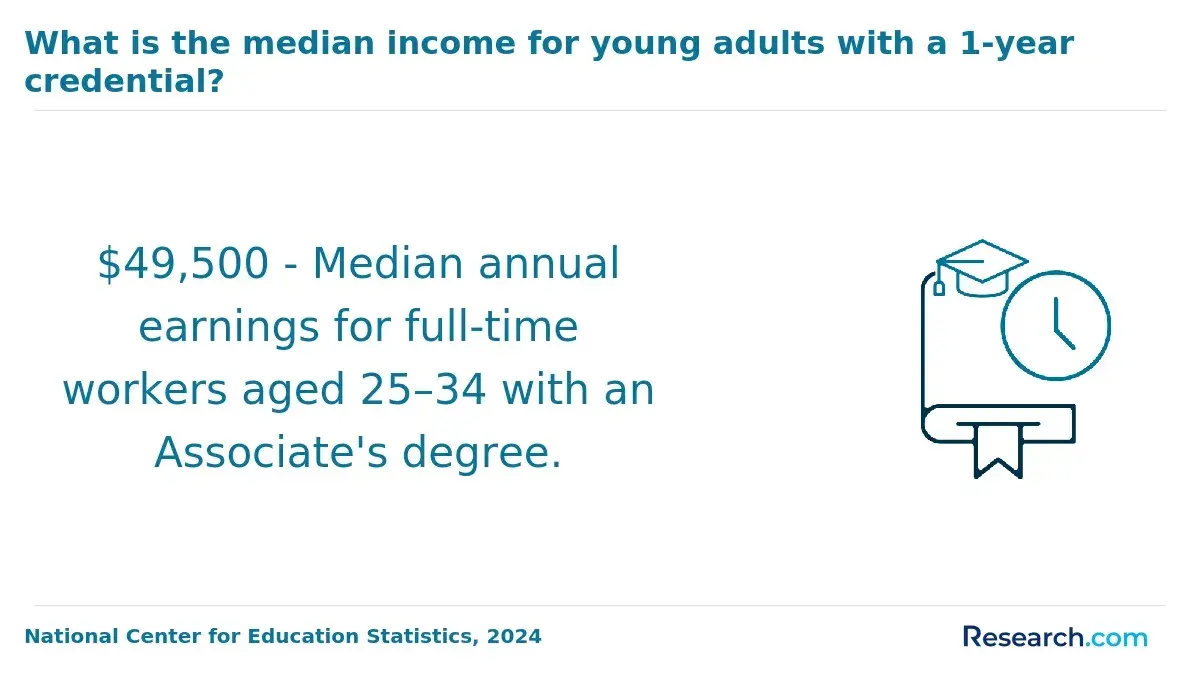
Federal aid recognition starts with institutional eligibility. For a student to use FAFSA-based federal aid, the institution must participate in Title IV federal student aid programs, and the program must be an eligible degree or certificate program. For general studies, programmatic accreditation is usually not the central issue; institutional accreditation and federal aid eligibility matter more.
Use the following process before applying or depositing. These steps reduce the risk of enrolling in a program that looks legitimate but does not qualify for the aid or transfer value you expected.
- Search the school's name in the U.S. Department of Education's accreditation and federal aid databases.
- Confirm the accreditor is recognized by the Department of Education or the Council for Higher Education Accreditation.
- Check the school's federal school code, not just marketing language about financial aid.
- Verify that the specific online general studies program is eligible for federal aid and is not a noncredit or continuing education option.
- Ask whether online students receive the same transcript and diploma wording as campus students.
- Review transfer-out policies if you may pursue a specialized graduate program later.
Be careful with programs that use vague phrases such as "accredited curriculum," "career certification," or "international accreditation" without identifying a recognized institutional accreditor. Those phrases may sound official, but they do not automatically mean the school is eligible for FAFSA-based aid or that credits will transfer to other U.S. colleges.
Accreditation also affects long-term value. Employers often check whether a degree came from an accredited institution, and graduate schools typically require a bachelor's degree from a recognized college or university. If you plan to enter teaching, counseling, nursing, engineering, accounting licensure, or another regulated field, a broad general studies degree may not satisfy specialized requirements without additional coursework.
What are the typical admission requirements for online general studies programs?
Admission requirements for online general studies programs are usually more flexible than those for highly selective majors, but they still vary by school and degree level. Many programs are built for transfer students, which means your prior college record may matter more than standardized test scores.
The table below summarizes common requirements. Use it to estimate how ready you are before requesting transcripts or completing applications.
| Applicant type | Common requirements | What the school may evaluate |
| First-time undergraduate | High school diploma or GED, application, official transcripts | High school GPA, college readiness, placement needs |
| Transfer student | College transcripts from all prior institutions | Transferable credits, cumulative GPA, academic standing |
| Adult degree-completion student | Prior credits, resume or work history at some schools | How previous coursework fits the degree plan |
| Military or veteran student | College transcripts and military training records | ACE-recommended credits and residency requirements |
| Internationally educated applicant | Credential evaluation and English proficiency if required | U.S. equivalency and transferable credit value |
Many online general studies programs do not require SAT or ACT scores, especially for adult or transfer applicants. However, some universities may require placement testing, minimum GPA thresholds, or prerequisites for certain concentrations such as business, technology, or health-related coursework.
Before applying, gather documents early because transcript delays can affect admission and financial aid packaging. If you have attended multiple colleges, you generally need official transcripts from each one, even if the credits appear on another school's transcript.
- Ask whether unofficial transcripts can be used for a preliminary credit review.
- Request a written estimate of how many credits remain before graduation.
- Check whether old credits expire for math, science, technology, or professional courses.
- Confirm whether transfer grades affect admission, graduation GPA, or only credit totals.
A common red flag is an admissions process that pushes immediate enrollment before completing a credit evaluation. For transfer-heavy students, the number of accepted credits can change the total cost by thousands of $, so it should be part of the decision before you commit.
How do online general studies programs compare with campus-based options in flexibility and cost?
Online general studies degrees are usually more flexible than campus-based options because they reduce commuting, expand scheduling choices, and may allow part-time enrollment. The cost difference is more complicated. Online students can save on transportation and housing, but some schools charge online program fees or the same tuition regardless of location.
The table below compares practical differences between online and campus-based general studies programs. It focuses on factors that affect working adults, caregivers, transfer students, and cost-conscious learners.
| Factor | Online general studies | Campus-based general studies | Best choice when |
| Schedule | Often asynchronous or evening-friendly | More fixed class times | Online fits better for workers and caregivers |
| Cost structure | May reduce commuting and housing costs but add technology fees | May include campus fees, parking, and local living costs | Compare total cost of attendance, not tuition alone |
| Support | Virtual advising, tutoring, library access, and career services | Face-to-face advising, offices, clubs, and campus events | Campus may fit students who need in-person structure |
| Networking | Discussion boards, virtual groups, online career events | In-person clubs, faculty access, local employer events | Campus may help if local networking is central to your goal |
| Transfer flexibility | Often designed for returning students | May have more traditional course sequencing | Online may fit students with varied prior credits |
College Board's 2024 data shows that public two-year tuition and fees averaged $4,050, while public four-year in-state tuition and fees averaged $11,610. That gap explains why many students start at a community college and then transfer into an online bachelor's completion program. The trade-off is that transfer planning must be precise; low-cost credits are only valuable if they count toward your degree.
Online learning can also be a strong fit for older adults returning to college. Learners comparing age-friendly formats, support services, and pacing options may find it useful to review broader guidance on online degree programs for seniors before choosing a program format.
Online is usually the better option if you need scheduling flexibility, already have credits, or live far from a campus. Campus may be better if you learn best with in-person accountability, need local internships, or want a traditional college experience. Neither format is automatically better; the best choice is the one that helps you complete the degree with manageable debt and sufficient support.
What core courses and concentrations are usually included in a general studies curriculum?
A general studies curriculum typically includes a broad general education core, upper-division interdisciplinary courses, electives, and a concentration or thematic pathway. The strongest programs do more than let students collect unrelated credits; they help students build a focused academic story that employers and graduate schools can understand.
The table below shows common curriculum components and why they matter. Use it to judge whether a program has enough structure to support your goals.
| Curriculum area | Common courses | Why it matters |
| Communication | College writing, public speaking, professional communication | Supports workplace writing, presentations, and team coordination |
| Quantitative reasoning | College algebra, statistics, data literacy | Helps with budgeting, reporting, analysis, and graduate prerequisites |
| Social sciences | Psychology, sociology, political science, economics | Builds understanding of people, organizations, and public systems |
| Humanities | History, literature, ethics, philosophy | Strengthens interpretation, cultural awareness, and critical thinking |
| Natural sciences | Biology, environmental science, physical science | Meets lab or science literacy requirements |
| Applied electives | Business, leadership, technology, health administration | Connects the broad degree to specific career interests |
| Capstone | Portfolio, research project, applied problem-solving course | Helps students explain how their courses fit together |
Common concentrations include leadership, business, communication, public service, health and society, technology and society, humanities, social sciences, and pre-law-style interdisciplinary pathways. A concentration can make a general studies degree more marketable because it gives you a clearer direction.
When choosing electives, avoid picking only what seems easy. Instead, build a cluster that supports your next step. For example, a student targeting human resources might combine communication, psychology, business law, data literacy, and organizational behavior. A student interested in public service might combine political science, sociology, grant writing, statistics, and ethics.
If you are using general studies as a stepping stone to graduate education, check prerequisites early. A humanities-focused bachelor's pathway can support later study, but graduate admissions rules vary widely. Students considering future history-related graduate study may also want to compare the cost and structure of an affordable online master's in history before choosing undergraduate electives.
How long does it take to complete an online general studies degree, and what does it cost?
A full bachelor's degree usually requires about 120 credits, while an associate degree usually requires about 60 credits. The actual timeline depends on transfer credits, course load, term length, and whether the school accepts credit for military training, exams, workplace learning, or prior college coursework.
The table below gives a realistic completion-time comparison. It is most useful for estimating your path before speaking with an advisor.
| Starting point | Likely remaining credits | Typical completion pace | Key cost issue |
| No prior college credits | About 120 credits | About four years full time or longer part time | Total tuition depends heavily on institution type |
| Associate degree completed | About 60 credits | About two years full time or longer part time | Transfer alignment determines savings |
| Some college, no degree | Varies widely | Often two to three years if many credits apply | Unused credits can increase total cost |
| Military or workforce credits | Varies by evaluation | May shorten time if credits meet requirements | Credits may apply as electives rather than major courses |
Cost is harder to summarize because online tuition varies by school, residency, fees, and aid. College Board's 2024 figures provide a useful baseline: average tuition and fees were $4,050 at public two-year colleges, $11,610 at public four-year in-state institutions, and $43,350 at private nonprofit four-year institutions. These are published averages, not program-specific prices, but they show why transfer pathways and in-state online options can substantially affect affordability.
To estimate your real cost, calculate the price per remaining credit rather than the price of a full degree. A student with 75 accepted credits has a very different cost profile from a student starting from zero.
- Request a transfer credit evaluation before enrollment.
- Multiply remaining credits by tuition per credit.
- Add required fees, books, software, exams, and graduation costs.
- Subtract grants and scholarships before counting loans as affordability.
- Compare the monthly loan payment estimate with realistic entry-level earnings in your target field.
Accelerated programs can reduce time, but they may not reduce cost if tuition is charged per credit. Competency-based programs can be cost-effective for experienced adults who can complete courses quickly, but they can become expensive if you need more terms than expected. Part-time programs are easier to balance with work, but they may delay career advancement and can affect aid eligibility if enrollment drops below required levels.
What careers can you pursue with a general studies degree, and in which industries?
A general studies degree can support many roles that value communication, problem-solving, leadership, customer service, analysis, and broad organizational knowledge. It is most useful when paired with relevant experience, internships, certifications, a focused concentration, or a clear portfolio of projects.
The table below connects common career paths with typical responsibilities. It does not mean every employer will accept general studies for every role, but it shows where the degree can fit when combined with the right skills.
| Career area | Possible roles | Typical responsibilities | Helpful concentration or electives |
| Business operations | Operations coordinator, office manager, administrative specialist | Coordinate schedules, vendors, budgets, records, and internal processes | Business, leadership, data literacy |
| Human resources | HR assistant, recruiting coordinator, benefits assistant | Support hiring, onboarding, employee records, and training logistics | Psychology, communication, business law |
| Public and nonprofit service | Program assistant, community outreach coordinator, case support worker | Coordinate services, communicate with stakeholders, track program outcomes | Public administration, sociology, writing |
| Sales and customer success | Account coordinator, customer success associate, sales support specialist | Build client relationships, explain services, resolve issues, track accounts | Communication, marketing, analytics |
| Training and education support | Training coordinator, academic support specialist, learning assistant | Organize learning materials, support workshops, track participation | Education, communication, technology |
| Government administration | Administrative analyst, eligibility worker, records specialist | Apply policies, manage documents, assist the public, prepare reports | Political science, public policy, statistics |
The degree is less ideal if your goal requires a specific credential, such as registered nursing, K-12 teacher licensure, engineering licensure, accounting CPA eligibility, or clinical counseling. In those cases, a specialized major may save time and reduce the risk of taking extra prerequisites later.
Employers increasingly expect digital fluency even in nontechnical roles. Useful add-ons include spreadsheet skills, project management tools, basic data visualization, customer relationship management software, AI-assisted research workflows, and professional writing. A broad degree plus demonstrable workplace skills is usually stronger than a broad degree alone.
If your main goal is maximizing earnings, compare general studies with more specialized pathways before enrolling. Research on highest paying degrees can help you see when a targeted major may offer a clearer route to high-wage technical, quantitative, or licensed roles.
What are the typical salary ranges and job outlook for general studies graduates?
Salary outcomes for general studies graduates vary because the degree is broad and graduates enter many industries. The best way to evaluate earning potential is to look at occupations that commonly value bachelor's-level communication, coordination, analysis, and leadership skills, while remembering that job title, experience, location, and industry matter.
The table below uses U.S. Bureau of Labor Statistics wage and outlook data published in 2024 or later. These figures describe occupations, not guaranteed outcomes for general studies graduates.
| Occupation | Median annual pay | Projected job growth | How general studies can fit |
| Human resources specialists | $72,910 | Faster than average | Relevant with coursework in communication, psychology, business, and employment law |
| Market research analysts | $76,950 | Faster than average | Relevant if paired with statistics, research methods, marketing, and data tools |
| Training and development specialists | $65,850 | Faster than average | Relevant with education, communication, instructional technology, and workplace experience |
| Social and community service managers | $78,240 | Faster than average | Relevant for nonprofit, public service, and community program pathways |
| Administrative services and facilities managers | $106,470 | About as fast as average | Relevant for experienced workers moving into operations or office leadership |
The salary pattern shows an important point: general studies can support respectable career paths, but the degree usually works best as a platform rather than a narrow occupational credential. Students who add applied skills, internships, industry certifications, or relevant work experience are often better positioned than students who graduate with only broad coursework.
The job outlook is also shaped by technology. AI and automation may reduce demand for routine administrative tasks, but they can increase the value of workers who can communicate clearly, interpret information, coordinate people, and use digital tools responsibly. For general studies students, this means choosing electives that build durable skills rather than relying only on broad academic exposure.
To evaluate return on investment, compare expected borrowing with the salary range of your target occupation, not the highest salary you can find online. If a program requires significant loans and does not connect to a clear career plan, consider a lower-cost transfer route, a more specialized major, or a certificate-plus-degree strategy.
How can you evaluate and choose a reputable online general studies program?
A reputable online general studies program should be accredited, FAFSA-eligible, transparent about cost, generous but clear about transfer credit, and honest about career outcomes. Because general studies is flexible, the quality of advising matters more than it does in some tightly sequenced majors.
Use these questions before choosing a school. They are designed to uncover cost, quality, and completion risks that may not appear in marketing materials.
- Is the institution eligible for Title IV federal student aid, and does the specific online degree qualify?
- What institutional accreditor recognizes the school?
- How many of my prior credits apply to requirements, not just electives?
- What is the total cost to finish based on my remaining credits?
- Are online tuition rates different for in-state and out-of-state students?
- What concentrations are available, and do they match my career goals?
- Will I have access to academic advising, tutoring, library services, and career support?
- What are the withdrawal, satisfactory academic progress, and aid refund policies?
- Does the program publish completion, retention, or outcomes information?
- Will the transcript identify the degree clearly and consistently?
Some warning signs should make you slow down or walk away. These do not always prove a program is poor, but they justify deeper checking.
- The school will not provide a written transfer evaluation before enrollment.
- Admissions staff emphasize speed but avoid detailed cost and aid questions.
- The program advertises federal aid but does not appear in federal school-code searches.
- Most credits transfer only as general electives, leaving many major requirements unfinished.
- Tuition is advertised without required fees, subscriptions, books, or assessment costs.
- The school makes broad salary promises without explaining occupation, region, or experience limits.
The best choice is usually the program that helps you graduate with the fewest unnecessary credits, the clearest concentration, and the lowest manageable net cost. If two programs look similar, choose the one that provides better advising, clearer aid communication, and stronger career support for your target field.
Other Things You Should Know About General Studies
Not always. Liberal arts usually emphasizes humanities, social sciences, natural sciences, and critical thinking. General studies may include liberal arts courses but often allows more applied electives in business, technology, leadership, public service, or health-related fields.
Some employers may prefer a specialized major for technical roles, but many value a completed bachelor's degree plus relevant skills. You can strengthen the degree by choosing a focused concentration, completing internships or projects, and presenting a clear career story on your resume.
Yes, many 2027 online general studies programs accept military credits, facilitating an affordable and faster path to degree completion. Contact individual institutions to understand their specific policies and how military experience can be credited toward degree requirements.
Yes, if the school is Title IV eligible and regionally accredited, online general studies students can use FAFSA aid for approved degree programs. To keep aid, students must complete the FAFSA each year, remain in satisfactory academic progress, and meet any credit-hour enrollment rules set by the college.
References
- Online Bachelor's Degree: General Studies https://www.umgc.edu/online-degrees/bachelors/general-studies
- Future Career Outlook: General Studies Degree | ALU https://alu.edu/alublog/future-career-outlook-general-studies-degree-alu/
- General Studies Degree Jobs: 10 Careers + Salaries (2026) | Extern https://www.extern.com/post/general-studies-degree-jobs-career-guide
- Online General Studies Degree -BA - Illinois - Aurora University https://online.aurora.edu/online-degrees/general-studies-bachelors/
- How long does it take to get a bachelor's degree? | edX https://www.edx.org/resources/how-long-does-it-take-to-get-a-bachelors-degree
- Undergraduate Online Financial Aid | Bushnell University https://www.bushnell.edu/financial-aid/undergraduate-online/
- 2025 Most Affordable Online Colleges & Degrees https://www.onlineu.com/most-affordable-colleges
- How to Choose an Online College in 10 Easy Steps https://www.straighterline.com/blog/choose-accredited-online-college-10-easy-steps
- Online Degree vs. Traditional: Choosing the Right Path https://beal.edu/online-degree-vs-traditional/
- How Online Degrees Are Reshaping Competition in Higher Education - ProMarket https://www.promarket.org/2026/02/09/how-online-degrees-are-reshaping-competition-in-higher-education/